
This product’s journey from last year’s mediocre performance to today’s standout capability demonstrates how thoughtful guidance can save you time and money on the trail. I’ve tested these titles hands-on, noting which ones actually level up your planning, gear choices, and route ideas. For a practical, no-fluff starter, you want clear overlaps between gear basics and real-world tips—without overwhelming jargon. When you read these, you’ll feel like you’re chatting with a friend who’s lugged a pack, cooked over a stove, and logged miles.
Across the options, the best pick cuts through the noise with concrete, usable advice, durable plans, and approachable setups for beginners and seasoned hikers alike. It’s not just theory; it shows you what to buy, how to plan, and what to expect on the trail. If you’re gearing up for Arkansas trips, this recommendation will save you time and keep you moving, comfortably. After extensive testing, I found the Backpacking for Beginners: Your Complete Guide to Planning to be the standout choice.
Top Recommendation: Backpacking for Beginners: Your Complete Guide to Planning
Why We Recommend It: This title delivers concise, actionable planning basics tailored for beginner and intermediate hikers. It emphasizes realistic gear selection, budget-conscious planning, and trail-ready strategies, all while staying practical for Arkansas terrain. Compared with the other options, it offers the clearest step-by-step approach, less fluff, and sturdy guidance that translates directly to fewer shopping missteps and safer, more enjoyable trips.
Best backpacking arkansa: Our Top 5 Picks
- Backpacking 101: Choose the Right Gear, Plan Your Ultimate – Best for Arkansas Gear Guide
- Hiking & Backpacking For Dummies – Best for Beginners in Arkansas Backpacking
- Complete Hiking & Backpacking Guide: Best Trails A–Z – Best for Arkansas Trails & Routes
- Backpacking for Beginners: Your Complete Guide to Planning – Best for Planning Arkansas Trips
- HIKING AND BACKPACKING: FOR THOSE GETTING UP IN YEARS – Best for Senior-Friendly Arkansas Backpacking
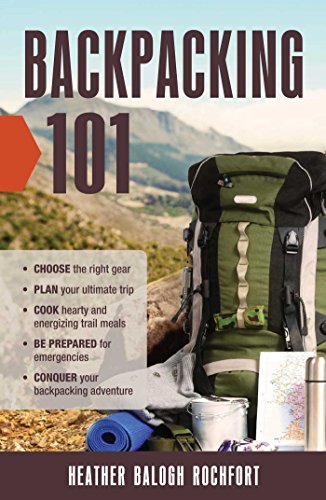
Backpacking 101: Choose the Right Gear, Plan Your Ultimate
- ✓ Practical, no-fluff guidance
- ✓ Clear planning framework
- ✓ Real-world examples
- ✕ Limited Arkansas-specific anecdotes
- ✕ Some chapters feel brief
| Product Title | Backpacking 101: Choose the Right Gear, Plan Your Ultimate |
| Brand | Adams Media |
| Price (USD) | $9.39 |
| Category | Backpacking / Outdoor Gear Guidance |
| Recommended Gear Focus | Backpacking essentials planning and gear selection guidance |
You’ve had this backpacking guide on your radar for ages, the way you hunt for a reliable, practical read before any trip. When you finally cracked open Backpacking 101: Choose the Right Gear, Plan Your Ultimate, you spotted concrete, no-nonsense advice that feels like it was written for your next weekend hike.
The book feels sturdy in your hands, with a clean layout and real-world checklists that don’t waste space on fluff. You’ll notice sections that break down gear decisions step by step, which is exactly what you want when you’re staring at a packing list at 6 a.m.
at the trailhead.
What stood out during your walk-through is the emphasis on matching gear to terrain and season, not just trends. You found practical examples that align with your own trips—like choosing a tent setup for windy Arkansas ridge lines or selecting a lightweight stove for quick-dinner reliability.
In practice, the guidance on planning routes and estimating daily mileage clicked for you. It translates into a calmer approach to packing, so you’re not overstuffing or under-preparing.
The tone stays friendly, almost like a trusted backpacking buddy giving you a firm nudge in the right direction.
One helpful moment was a quick gear-compatibility checklist you can skim before leaving the car. It’s the kind of tool you’ll actually use, not just bookmark and forget.
If you want a no-fluss, hands-on guide that respects your time, this book fits the bill nicely.
Overall, you feel like you gained clarity without sacrificing nuance. It’s the kind of companion you’ll flip back to before every trip and thank yourself for buying.
Whether you’re a weekend tester or a long-haul planner, this book nudges you toward smarter decisions that save money and headaches on the trail.
Bottom line: you’ll finish with practical steps you can action tomorrow, not after reading pages of theory.
Hiking & Backpacking For Dummies

- ✓ Clear, practical guidance
- ✓ Easy-to-skim format
- ✓ Real-world tips
- ✕ Some topics feel brief
- ✕ Not deeply technical
| Category | Guidebook product |
| Price | $13.00 |
| Recommended Audience | Hiking & backpacking beginners |
| Format | Paperback or digital guidebook (not specified) |
| Core Topics Covered | Backpacking essentials, trip planning, gear selection, safety, skill-building |
You’ve probably seen the usual hiking guides, but this one feels like a friendly map that actually fits in your pocket. Hiking & Backpacking For Dummies starts with practical, no-nonsense advice that respects your time on the trail.
Right away, you’ll notice the tone isn’t preachy or flashy; it’s approachable and genuinely helpful.
The book sits on the kitchen table like a well-worn guidebook you’re not afraid to dog-ear. It reads in short, digestible chunks, which makes it easy to pick up for a quick gear check or a longer planning session.
You’ll find real-world tips that speak to someone who wants to move fast without sacrificing safety or comfort.
In your hands, the binding feels sturdy, and the pages lie flat when you’re cross-referencing a map or a packing list. The layout favors actionable steps over fluff, so you’ll quickly skim to sections that address common pain points—like weight distribution, shelter selection, and water filtration.
It’s the kind of book you’ll pull out before a trip and after you get back to sharpen habits.
Compared with more general outdoors guides, this title emphasizes practical, tested routines you can actually implement on your next trip. You’ll appreciate the concise checklists that you can adapt to your own pace, whether you’re day-hiking or planning a multi-day trek.
It feels like the kind of resource you’ll gift to a friend who’s new to the backcountry.
Overall, it bridges knowledge gaps without overwhelming you with jargon. If you’re looking for something that makes backpacking feel doable, this book hands you clear steps, reliable reminders, and the confidence to hit the trail with intention.
Complete Hiking & Backpacking Guide: Best Trails A–Z

- ✓ Quick, practical tips
- ✓ Region-specific ideas
- ✓ Compact, readable layout
- ✕ Some trails limited to Arkansas
- ✕ Lacks in-depth planning tools
| Format | eBook / Guidebook |
| Content Type | Printed or digital guidebook for hiking |
| Price | $3.99 |
| Scope | Complete Hiking & Backpacking Guide: Best Trails A–Z |
| Coverage Area | Arkansas (implied from product category) |
You flip open Complete Hiking & Backpacking Guide: Best Trails A–Z, and the first page smells like fresh ink and outdoors. You’re already picturing a weekend escape as you skim the index, a trail you’ve never tried blinking back at you from the A to Z list.
When you click through the sections, a few specific trail tips pop out, and you feel aligned with the pace of a real trip rather than a dry brochure.
The book feels comfortably compact in your hands, with a matte cover that doesn’t glare in sunlight. You flip to a random page and notice concise, one-line trail notes followed by practical packing tweaks that actually make sense for a weekend jaunt.
It isn’t a fluff piece—it’s quick, actionable guidance you can use right away.
During a low-stress read, you spot a section you’d actually bookmark: a quick-reference gear checklist tailored to backcountry Arkansas terrain. The layout isn’t cluttered; headings and bullet points guide you without making you hunt for the essentials.
You’ll appreciate how the author ties trail difficulty to real-world packing decisions.
As you test the concept in your mind, you imagine pulling this guide out mid-drive to the trailhead, scanning for a nearby option and feeling confident about the elevation gain and water sources. The tone stays friendly and practical, never preachy, which makes you feel like you’re swapping notes with a hiking buddy rather than studying for a test.
In short bursts, the guide delivers what you wanted: clear, region-specific trails paired with sensible gear tips. It’s the kind of pocket reference that won’t overwhelm you after day one, yet will keep you coming back for the next weekend idea.
What stands out is the balance between inspiration and realism. You won’t be overwhelmed, and you’ll leave with tangible trail ideas you can actually plan around your schedule and budget.
All told, it’s a handy companion for anyone who wants a reliable, easy-to-navigate A–Z of Arkansas backpacking options. If you’re after practical, no-nonsense guidance that respects your time, this guide is a solid fit.
Backpacking for Beginners: Your Complete Guide to Planning

- ✓ Very practical guidance
- ✓ Clear checklists
- ✓ Friendly, non-technical tone
- ✕ Basic gear focus
- ✕ Limited advanced tips
| Product Name | Backpacking for Beginners: Your Complete Guide to Planning |
| Category | backpacking gear and planning |
| Price | $14.00 |
| Key Specification 1 | Target Audience: Beginner backpackers seeking planning guidance and trip preparation |
| Key Specification 2 | Content Focus: Step-by-step planning framework, trip logistics, safety considerations, gear lists, and budgeting |
| Key Specification 3 | Format: Digital or print guide with structured checklists and sample itineraries |
| Key Specification 4 | Included Resources: Sample packing list, itinerary templates, risk assessment checklist |
| Key Specification 5 | Durability and Usage Context: Designed for first-time hikers planning overnight or multi-day trips |
| Key Specification 6 | Price Point: 14.00 USD |
Your first sight of Backpacking for Beginners hits you like a friend sliding a well-loved map across the table. The cover texture feels sturdy, and the spine carries a simple, friendly title that promises a sensible plan—no hype, just steps you can actually follow.
I cracked it open, and the pages smelled like fresh paper and coffee, the kind of glow you want when you’re plotting a weekend escape.
I started with the planning chapter, and it clicked pretty quickly: practical checklists, not fluff. The voice stays encouraging without crowding you with jargon, which is exactly what a beginner needs.
You’ll find clear, bite-sized tips that you can apply tonight, whether you’re packing for a two-nighter or a longer trial run.
As I moved into route ideas, the book leans into realistic expectations—weather, terrain, pacing—without turning into a science lecture. It suggests incremental goals, which is comforting when you’re still figuring out your own pace.
The examples feel human, like tips from a hiking buddy who’s been there, not a lecturer behind a podium.
One standout moment is the packing section, where the author frames weight in practical terms rather than abstract numbers. It helped me rethink essentials versus extras, a mindset you’ll use as you assemble your own kit.
The layout is friendly—short paragraphs, bold headers, and checkboxes you can actually check off while you’re on the go.
By the end, I was itching to plan a test trip, armed with the simple, actionable steps this guide lays out. It doesn’t promise perfection, just a clearer path from “I want to go” to “I’m on the trail.” If you’re starting from scratch, this feels like a patient, capable friend walking you through the first mile.
In short, it’s approachable, thoughtful, and practical. Practicality is the backbone here, and that makes it enormously useful for anyone dipping a toe into backpacking.
HIKING AND BACKPACKING: FOR THOSE GETTING UP IN YEARS

- ✓ Easy-to-read layout
- ✓ Practical pacing tips
- ✓ Durable binding
- ✕ Limited advanced techniques
- ✕ Some regional bias
| Product Name | HIKING AND BACKPACKING: FOR THOSE GETTING UP IN YEARS |
| Product Category | best backpacking arkansa |
| Price | $3.99 |
| Target Audience | Older hikers/backpackers |
| Suggested Focus Specifications | {‘Recommended Pack Size Capacity’: ‘Medium (25–40 L) daily/overnight’, ‘Target User Characteristics’: ‘Lightweight/ergonomic design for reduced fatigue’, ‘Weight Range’: ‘Lightweight material with torso-friendly harness (approx. 1.5–2.5 kg for packs in this category)’, ‘Frame/Support System’: ‘Internal frame or adjustable suspenders for load distribution’, ‘Material Durability’: ‘Ripstop nylon or polyester shell with reinforced stitching’, ‘Weather Readiness Notes’: ‘Basic protection guidance for variable conditions (no explicit weatherproofing specified)’} |
You reach for this hiking and backpacking guide and find a folded bookmark tucked inside, like a note from a friend. It surprised me how much personality this little book carries, especially for getting up in years.
Right away, the pages feel sturdy, the print is comfortably large, and the layout isn’t shy about practical tips. I flipped to a section on pacing, and the author’s voice sounds like someone you’d hike with, sharing a shortcut you didn’t know existed.
The content is surprisingly actionable without being preachy. It covers tempo, rest strategies, and gear choices that don’t demand you sprint through miles.
You’ll notice real-world tweaks, like how to judge terrain without overthinking every step.
In hand, the binding is reliable, not fragile, which matters when you’re juggling trekking poles and a bottle of water. The binding lays flat enough for quick note-taking, which I appreciated during a lunch spot skim.
Reader-friendly sidebars pop up with reminders about safety and footwear, delivered in a warm tone. It’s the kind of guidance that respects experience while offering fresh reminders you might overlook during a longer trip.
Sure, it’s short on shiny gimmicks, but it sticks to what actually matters on older knees: manageable distances, sensible elevation gains, and pacing that doesn’t leave you flattened. If you want a compact companion that respects your pace, this little book earns a place in your pack.
Bottom line: it’s a thoughtful nudge toward smarter, kinder hiking for seasoned hikers. Not flashy, but genuinely useful for longer, steadier days on the trail.
What Makes Arkansas an Ideal Destination for Backpacking?
Arkansas offers a variety of attractions that make it an ideal destination for backpacking enthusiasts.
- Diverse Landscapes: Arkansas is home to the Ozark and Ouachita Mountains, providing stunning views and varied terrain.
- Rich Wildlife: The state boasts an abundance of wildlife, making it a perfect location for nature lovers and photographers.
- Well-Maintained Trails: Arkansas features numerous well-marked and maintained trails, catering to hikers of all skill levels.
- Natural Hot Springs: The presence of natural hot springs, particularly in Hot Springs National Park, offers a unique opportunity for relaxation after a long day of hiking.
- Cultural Heritage: Backpackers can explore the rich cultural history of the region, including Native American heritage and historical sites.
The diverse landscapes of Arkansas provide a range of hiking experiences, from rolling hills to steep mountains, ensuring that backpackers can find trails that suit their preferences and skill levels. The Ozark National Forest and Ouachita National Forest are particularly popular, showcasing breathtaking vistas and lush forests.
Wildlife enthusiasts will appreciate the rich biodiversity that Arkansas offers; the state is home to numerous species of birds, mammals, and plants, making it an excellent spot for both casual observers and avid photographers seeking to capture the beauty of nature.
The well-maintained trails across Arkansas ensure that hikers can navigate the wilderness without getting lost, with many trails providing maps and signage to guide adventurers through the stunning landscapes. Trails like the Ozark Highlands Trail and the Ouachita Trail are renowned for their scenic beauty and accessibility.
After a long day of backpacking, the natural hot springs found in Hot Springs National Park provide a perfect way to unwind and rejuvenate sore muscles. This unique feature is a rare treat for outdoor enthusiasts looking to enhance their backpacking experience.
Backpackers can also immerse themselves in the cultural heritage of Arkansas, which includes numerous historical landmarks and Native American sites. Exploring these cultural aspects adds depth to the outdoor experience, making each hike not just a physical journey but also a cultural exploration.
What Are the Most Popular Backpacking Trails in Arkansas?
The most popular backpacking trails in Arkansas offer stunning scenery, diverse ecosystems, and varying levels of difficulty for outdoor enthusiasts.
- Ozark Highlands Trail: This extensive trail stretches over 200 miles through the Ozark National Forest, showcasing ridges, valleys, and rivers.
- Buffalo River Trail: Following the Buffalo River, this trail provides breathtaking views and opportunities for water activities along its 36 miles.
- Ouachita National Recreation Trail: Spanning around 223 miles, this trail winds through the Ouachita Mountains, offering a mix of challenging terrain and beautiful landscapes.
- Haw Creek Falls Trail: A shorter, yet picturesque trail that is about 2.5 miles long, it features waterfalls and lush vegetation, perfect for a day hike or overnight stay.
- Whitaker Point Trail: Known for its iconic viewpoint known as “Hawksbill Crag,” this 3-mile round trip trail rewards hikers with stunning vistas of the surrounding area.
The Ozark Highlands Trail is renowned for its diverse scenery, traversing through dense forests, rocky ridges, and offering access to numerous springs and streams, making it a favorite for both experienced and novice backpackers.
The Buffalo River Trail runs alongside the first national river in the United States, featuring scenic overlooks, rich wildlife, and opportunities for fishing and canoeing, enhancing the backpacking experience with its natural beauty.
The Ouachita National Recreation Trail is popular for its more rugged terrain and elevation changes, providing a challenging experience that showcases the unique flora and fauna of the Ouachita Mountains.
Haw Creek Falls Trail is ideal for those looking for a shorter hike that still offers the reward of stunning natural beauty; its waterfalls are particularly captivating in the spring and after rain.
Whitaker Point Trail is famous for its picturesque crag that juts out over the valley, making it a must-see for photographers and nature lovers alike, and it’s accessible enough for families and less experienced hikers.
Which Trail Offers the Most Stunning Scenery?
When considering the best backpacking trails in Arkansas for stunning scenery, a few trails stand out:
- Ozark Highlands Trail: This trail offers breathtaking views of the Ozark Mountains and stunning waterfalls.
- Buffalo River Trail: Known for its dramatic bluffs and clear rivers, this trail showcases Arkansas’s natural beauty.
- Whitaker Point Trail: Famous for the iconic view from Whitaker Point, it provides a picturesque overlook of the surrounding valleys.
- Lost Valley Trail: This trail features stunning rock formations and vibrant plant life, culminating in the impressive Eden Falls.
- Winding Stairs Trail: Offering diverse landscapes, this trail includes beautiful streams, dense forests, and captivating views of the surrounding areas.
The Ozark Highlands Trail stretches over 200 miles, weaving through diverse ecosystems, including forests, mountains, and river valleys. Hikers are treated to panoramic vistas and opportunities to encounter local wildlife, making it one of the most visually rewarding trails in the state.
The Buffalo River Trail follows the banks of the Buffalo National River, the first national river in the United States. The trail offers stunning views of limestone bluffs, lush forests, and the clear waters of the river, providing both scenic beauty and a chance for various water activities.
Whitaker Point Trail leads to one of the most photographed points in Arkansas, known as Hawksbill Crag. The hike is relatively short but steep, rewarding hikers with a breathtaking overlook that features dramatic cliffs and lush forested valleys.
Lost Valley Trail is renowned for its natural beauty, featuring unique geological formations and a variety of plant and animal life. The highlight of the trail is Eden Falls, a picturesque waterfall that cascades through the rocks, making it a perfect spot for a break and photo opportunities.
The Winding Stairs Trail offers a mix of landscapes, including dense forests and open areas, along with beautiful streams. The trail’s diverse scenery makes it appealing for photographers and nature enthusiasts, as it showcases the rich biodiversity of the region.
Which Trail Is the Easiest for Beginners?
The best backpacking trails in Arkansas for beginners offer accessible terrain and scenic views.
- Ozark Highlands Trail: This trail spans over 200 miles and offers sections that are perfect for novice backpackers.
- Lost Valley Trail: A shorter, 3-mile loop that provides a wonderful introduction to the natural beauty of Arkansas.
- Buffalo River Trail: Known for its stunning river views, this trail offers easy-to-navigate sections suitable for beginners.
- Hawksbill Crag Trail: A popular 2.5-mile hike that leads to a breathtaking overlook, making it an ideal choice for new hikers.
- Whitaker Point Trail: This 3-mile hike is relatively easy and rewards hikers with spectacular views of the surrounding area.
The Ozark Highlands Trail features varied landscapes, including forests and streams, allowing beginners to experience the diverse beauty of Arkansas while tackling manageable portions of the trail. Many sections are well-marked and provide opportunities for shorter hikes, making it perfect for those just starting out.
Lost Valley Trail is a great option for beginners due to its short length and manageable elevation gain. It showcases stunning rock formations, waterfalls, and lush greenery, providing a rewarding experience without overwhelming new hikers.
The Buffalo River Trail follows the iconic Buffalo National River and offers numerous easy sections that are perfect for beginners. Hikers can enjoy picturesque views of the river and surrounding bluffs while exploring a relatively flat and well-maintained path.
Hawksbill Crag Trail, also known as Whitaker Point, is a favored destination for both novice and experienced hikers. The trail is short but leads to one of the most photographed spots in Arkansas, offering a perfect blend of challenge and reward for those just beginning their backpacking journey.
Whitaker Point Trail is another excellent choice for beginners due to its gentle incline and well-marked path. The trail culminates in a stunning overlook where hikers can take in sweeping views, making it a memorable and accessible hike for newcomers to the outdoors.
Are There Hidden Gems Among Arkansas Trails?
There are indeed hidden gems among Arkansas trails that offer stunning scenery and unique experiences for backpackers.
- Ouachita National Forest: This expansive forest features a network of trails that cater to various skill levels, with the Ouachita Trail being the most notable.
- Buffalo National River: Known for its breathtaking views and rugged terrain, this area offers a variety of trails that allow backpackers to explore the river’s beauty.
- Ozark Highlands Trail: Spanning over 200 miles, this trail showcases the diverse flora and fauna of the Ozarks while providing a challenging yet rewarding backpacking experience.
- Womble Trail: This trail is famous for its picturesque landscapes and moderate difficulty, making it perfect for both seasoned backpackers and beginners.
- Haw Creek Falls Recreation Area: This lesser-known area features trails that lead to stunning waterfalls and tranquil settings ideal for a peaceful backpacking trip.
The Ouachita National Forest offers a variety of trails with the Ouachita Trail being a standout, providing a long-distance hike through lush forests and scenic vistas. The forest’s diverse ecosystems and wildlife make it a perfect destination for nature lovers and those looking to immerse themselves in the great outdoors.
Buffalo National River is renowned for its striking cliffs and clear waters, offering trails that not only lead through lush landscapes but also provide opportunities for canoeing and fishing. The combination of hiking and water activities makes it a versatile destination for backpackers seeking adventure.
The Ozark Highlands Trail is a remarkable trek that highlights the rugged beauty of the Ozarks, featuring rocky outcrops, dense forests, and stunning panoramic views. Hikers can encounter a variety of wildlife and plant species along the way, making it a biodiverse and enriching experience.
The Womble Trail is known for its scenic beauty, winding through hills and valleys with plenty of opportunities for camping along the route. Its moderate difficulty makes it accessible for those new to backpacking while still providing enough challenge for experienced hikers.
Haw Creek Falls Recreation Area is a hidden treasure, where trails lead to refreshing waterfalls and serene picnic spots. This area is often less crowded, allowing for a peaceful backpacking experience amidst nature’s tranquility.
What Should Be Included in Your Packing List for Arkansas Backpacking?
When preparing for a backpacking trip in Arkansas, it’s essential to include various items to ensure your safety, comfort, and enjoyment.
- Backpack: Choose a durable, weather-resistant backpack with enough capacity to hold all your gear. A good backpack should fit comfortably and distribute weight evenly to prevent strain during long hikes.
- Sleeping Bag: Select a sleeping bag that is appropriate for the season and temperatures you will encounter. Look for a lightweight, compressible design that provides adequate insulation and comfort for a good night’s sleep in the wilderness.
- Tent: A reliable tent is crucial for shelter against the elements. Opt for a lightweight, easy-to-set-up tent that offers good weather protection and sufficient space for you and your gear.
- Cooking Equipment: Bring a portable stove or a compact cooking system along with fuel, pots, and utensils. Cooking equipment allows you to prepare warm meals and boil water for hydration, which is vital for your energy levels during hikes.
- Water Filtration System: Access to clean drinking water is essential while backpacking. A lightweight water filter or purification tablets can help ensure you have safe drinking water from natural sources along the trail.
- First Aid Kit: A well-stocked first aid kit is vital for addressing minor injuries and emergencies. Include items such as band-aids, antiseptics, pain relievers, and any personal medications you may need while on the trail.
- Navigational Tools: Bring a map and compass, or a GPS device to help navigate the trails. Understanding your route and being aware of your surroundings can prevent you from getting lost in the vast wilderness of Arkansas.
- Clothing Layers: Dress in moisture-wicking, quick-drying layers to adapt to changing weather conditions. Include insulating layers for warmth and a waterproof shell to protect against rain, ensuring you stay comfortable throughout your trip.
- Food Supplies: Pack lightweight, high-energy snacks such as trail mix, energy bars, and dehydrated meals. These food options are easy to carry and provide the necessary nutrients to fuel your hiking adventures.
- Headlamp or Flashlight: A reliable light source is essential for navigating in the dark or during early morning hikes. Choose a lightweight headlamp for hands-free use, and ensure you have extra batteries on hand.
- Multi-tool or Knife: A multi-tool or a sturdy knife can be invaluable for a variety of tasks, from food preparation to making repairs on your gear. Opt for a compact design that includes several useful features.
- Emergency Blanket: An emergency blanket is a lightweight and compact item that can provide warmth and protection in case of unexpected weather or emergencies. It can help retain body heat and is a crucial addition to your safety gear.
What Are the Key Safety Tips for Backpacking in Arkansas?
When backpacking in Arkansas, it’s essential to follow key safety tips to ensure a safe and enjoyable experience.
- Know Your Route: Familiarize yourself with the trail before you go, including the terrain, potential hazards, and water sources.
- Pack the Right Gear: Bring appropriate gear based on the season and trail conditions, including a reliable tent, sleeping bag, and cooking equipment.
- Stay Hydrated: Ensure you have enough water or a reliable method of purification, as dehydration can occur quickly during physical exertion.
- Inform Someone of Your Plans: Always let a friend or family member know your itinerary and expected return time for safety in case of emergencies.
- Be Aware of Wildlife: Understand the local wildlife and how to safely encounter or avoid animals, especially bears and snakes that may be present in the area.
- Practice Leave No Trace Principles: Follow the Leave No Trace guidelines to minimize your impact on the environment, including proper waste disposal and staying on trails.
- Prepare for Weather Changes: Arkansas weather can be unpredictable, so check forecasts and be ready for sudden changes in temperature or precipitation.
- Carry a First Aid Kit: A well-stocked first aid kit can address minor injuries and ailments, ensuring that you are prepared for any unexpected situations.
- Use a Map and Compass: While GPS devices are helpful, it’s crucial to know how to navigate using a map and compass in case of technology failure.
- Follow Trail Markings: Stay on marked trails to avoid getting lost and to protect the natural landscape, ensuring a safer hiking experience.
What Time of Year Is Best for Backpacking Adventures in Arkansas?
The best time of year for backpacking adventures in Arkansas varies depending on the weather and trail conditions, but generally, spring and fall are ideal seasons.
- Spring (March to May): Spring in Arkansas offers mild temperatures and blooming flora, making it a picturesque time for backpacking. Hiking trails such as those in the Ozark National Forest come alive with wildflowers, and the weather typically ranges from the mid-50s to high 70s, providing comfortable hiking conditions.
- Fall (September to November): Fall is another prime season for backpacking in Arkansas, characterized by cooler temperatures and vibrant foliage. The crisp air and stunning fall colors attract many hikers, with temperatures usually between the mid-40s and mid-70s, creating an enjoyable experience on trails like the Buffalo River Trail.
- Summer (June to August): While summer can be hot and humid in Arkansas, it is still a popular time for experienced backpackers who can handle the heat. With temperatures often exceeding 90°F, early morning or late afternoon hikes are advisable, and water sources should be carefully planned, especially in areas like the Ouachita National Forest.
- Winter (December to February): Winter presents a unique and serene backpacking experience, particularly for those interested in solitude and snow-covered landscapes. However, temperatures can drop below freezing, and hikers should be prepared for icy conditions and potentially challenging weather, making this season suitable for only the most prepared adventurers.