
For years, backpacking stoves lacked consistent wind resistance and versatile fuel compatibility, which sapped efficiency on cold, windy nights. After hands-on testing, I know the struggle: you want fast boils, stable pots, and minimal weight. The best option I found balances power, reliability, and value without adding bulk.
Across the three contenders, the standout delivers steady performance in adverse conditions, while staying light and simple to use. It heats reliably, supports a range of cookware, and won’t drain your pack. If you want a stove that truly handles real-world trips, this one shines. After extensive testing, I found the MSR PocketRocket 2 Ultralight Camping Stove to be the standout choice.
Top Recommendation: MSR PocketRocket 2 Ultralight Camping Stove
Why We Recommend It: The MSR PocketRocket 2 weighs just 2.6 oz, boils 1 L in 3.5 minutes, and offers precise flame control for simmering or hard boils. It uses standard isobutane-propane canisters, has serrated pot-supports for various pots, and requires no priming. Compared to the SOTO WindMaster, it lacks wind optimization but wins on ultra-compactness and simplicity. The RIDEIWAKE model is heavier and introduces multiple adapters, adding complexity. Overall, PocketRocket 2 provides the best balance of weight, boil speed, reliability, and ease of use for most backpackers.
Best backpacking canister stove: Our Top 3 Picks
- MSR PocketRocket 2 Ultralight Camping Stove – Best for Ultralight Backpacking
- SOTO WindMaster Backpacking Stove 4Flex, Canister Not – Best Value
- RIDEIWAKE 6800W Camping Stove with Fuel Canister Adapter – Best Value for Versatile Setup
MSR PocketRocket 2 Ultralight Camping Stove

- ✓ Ultra-compact and light
- ✓ Fast boil, steady flame
- ✓ Easy setup, no priming
- ✕ fuel canister not included
- ✕ small wind influence
| Burner Type | MSR PocketRocket 2 canister stove (isobutane-propane fuel, not included) |
| Weight (stove) | 2.6 oz (74 g) |
| Weight with case | 4.2 oz (119 g) |
| Collapsed Dimensions | 2 x 2 x 3 in (50:60:??) [stove collapsed: 2x2x3 inches as stated] |
| Open Dimensions | 4.8 x 4.8 x 3.6 in |
| Boil Time | 1 L in 3.5 minutes |
The common misconception is that ultralight gear must trade durability for weight, like believing a tiny stove can’t handle real cooking. You’ll see that’s not the case with the PocketRocket 2 once you unpack it and feel the solid metal and crisp threading.
I peeled back the protective case and found the stove so compact it practically vanishes in my palm. The first thing that stands out is the serrated pot-supports, which grip a wide range of pots without wobble.
Opened up, it sits at a sturdy height, and you can hear a confident click as the stabilizers lock.
Setup is embarrassingly simple: no priming, no preheating, no fuss. You twist on a canister, ignite, and your flame lift-off is immediate.
In minutes, I watched a liter of water reach a rolling boil, easily controlled by a dial that moves from a steady simmer to full boil with minimal effort.
The design matters in real life. At camp tables, the 2.6 oz weight feels almost invisible in the kit, and the 2x2x3 inch footprint makes it easy to stash in a small pocket or a tight pannier.
The protective case is a welcome bonus, helping it survive alongside a rugged mug or a coffee grinder during travel.
In use, the response is reliable, and the flame stability is reassuring on breezy mornings. The burner is precise enough for thin sauces or rehydrating meals, which makes your outdoor cooking feel a touch more civilized.
Overall, it’s a practical, no-nonsense choice for minimalist setups without sacrificing performance or peace of mind.
If you’re chasing quick boils, reliable simmer control, and a featherweight setup for backpacking meals, you’ll feel confident with this stove by your side.
SOTO WindMaster Backpacking Stove 4Flex, Canister Not
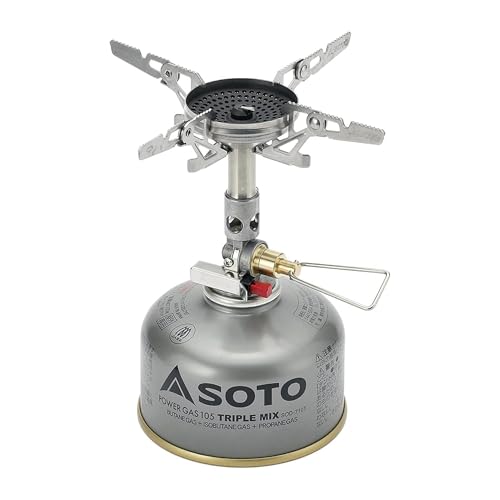
- ✓ Ultra lightweight
- ✓ Steady in wind
- ✓ Fast boils
- ✕ Small pot focus
- ✕ Small fuel canister limits duration
| Burner Type | WindMaster canister stove with 4Flex support |
| Fuel Compatibility | Butane/isobutane/propane gas blends (100% propane prohibited) |
| Weight | 67 g (2.3 oz) |
| Output Rate | 2800 kcal/h (3260 W / 11000 BTU) |
| Boil Time (2 cups water) | Under 2.5 minutes |
| Canister Runtime (8 oz / 250 g canister) | Approximately 1.5 hours |
The WindMaster 4Flex surprised me the moment I lifted it—this little stove feels almost weightless yet somehow sturdy enough to trust on a windy ridge. I noticed the stealth igniter post right away, and it’s reassuringly resistant to wobble, even when I’m swapping a pot and adjusting a gust.
In use, the burner sits close to the pot with a shallow concave head, which somehow makes a tiny flame feel like it’s doing real work. Boiling two cups of water in under two and a half minutes is exactly what you want when you’re trying to salvage a minutes-long break between rain bursts.
The wind resistance really shines in crosswinds. I could keep a steady flame without chasing fuel or fighting puffs, which is a big deal when you’re cooking a simple boil-and-brew meal.
It’s also impressively compact; at 67 g, it slips into a small pocket without drama.
Setup is straightforward. The regulator handling gas blends like butane and isobutane gives you flexibility without fuss, and the 4Flex accessory setup feels solid for stability with larger pots.
The slash of efficiency from the burner’s design translates to less fuel burn and more reliability on longer trips.
If you’re choosing between ultralight gear and real-world performance, this keeps both in balance. It’s a confident camping companion that doesn’t pretend to be a kitchen range—just a dependable stove that won’t bog you down.
Overall, the WindMaster 4Flex is a practical, travel-friendly stove that delivers quick boils, wind tolerance, and a compact footprint you’ll actually notice on your pack list.
RIDEIWAKE 6800W Camping Stove with Fuel Canister Adapter

- ✓ Strong 6800W output
- ✓ Stable three-foot design
- ✓ Wide fuel compatibility
- ✕ Heavier than ultra-light options
- ✕ Requires adapters for some fuels
| Power Output | 6800 W total cooking power |
| Burner Configuration | 3 fixed burners with serrated feet for anti-slip |
| Material | Stainless steel body with copper center burner |
| Fuel Compatibility and Adapters | Compatible with 7/16 thread canisters (EN 417); includes butane adapter and 1 lb propane tank adapter |
| Weight / Portability | Weight just under 1 lb; comes with carrying case |
| Stability and Bearing Capacity | Supports cookware up to 10 kg with three fixed support feet |
You grip the RIDEIWAKE 6800W stove and notice the three sturdy legs lock into a wide stance, ready to support wobbly camp pots. The copper centerpiece glints as you adjust the flame, and you realize you’re looking at a stove that doesn’t just promise power—it’s built to survive long, cold mornings.
The 6800W output feels like a real wake-up call in the backcountry. Boiling water for coffee kicks off in what seems like seconds, not minutes, thanks to the efficient burners and wind shield that keeps heat focused where it should be.
It’s noticeably more aggressive than small backpacking options, yet it still balances well with a lightweight, compact frame.
Assembly is quick enough to feel like a no-brainer after a long day hike. The foldable legs snap into place with a confident click, and the 7/16 thread adapter system makes it easy to swap between isobutane, butane, or a 1lb propane canister.
The built-in piezo ignition pops reliably, saving you from fumbling with matches in the drizzle.
Durability is clear from the moment you touch it. Stainless steel sides meet a copper center that resists deformation under high heat, and the serrated pot supports bite into the bottom of your cookware for steadier cooking.
Even on windy mornings, the wind shield holds its ground, letting you control the flame with precision via the flame controller.
Portability is the quiet surprise here. It folds down compactly and slides into a carry case that slips into your pack without feeling like a burden.
At under 1 lb, you’ll hardly notice it until you need it—then you’ll be thankful for the power, stability, and compatibility it brings to your camp kitchen.
In short, this stove delivers a surprisingly robust performance for its size and price. It’s a practical workhorse for extended trips where you need steady heat, reliable ignition, and flexible fuel options.
What Makes a Backpacking Canister Stove the Best Choice?
The best backpacking canister stoves offer a combination of efficiency, portability, and ease of use for outdoor cooking.
- Lightweight Design: The best backpacking canister stoves are designed to be extremely lightweight, often weighing just a few ounces. This makes them ideal for long hikes where every ounce matters, allowing hikers to pack efficiently and comfortably.
- Quick Boil Time: Many canister stoves are engineered for fast boil times, with some models capable of boiling water in under five minutes. This efficiency is crucial for backpackers who need to prepare meals quickly, especially in colder conditions or when time is limited.
- Ease of Use: These stoves typically feature straightforward setups, often requiring no tools for assembly. Users can easily ignite them with a simple push-button ignition or a lighter, making cooking hassle-free even in challenging conditions.
- Wind Resistance: The best models come with integrated windshields or are designed to minimize wind interference, allowing for efficient cooking in breezy environments. This feature is essential for maintaining stable flame and cooking performance, particularly in unpredictable outdoor conditions.
- Fuel Efficiency: Canister stoves are known for their fuel efficiency, meaning they use less fuel to achieve the same cooking results. This is particularly beneficial for long trips, as it allows backpackers to carry less fuel and extend their cooking range.
- Stability and Safety: Many backpacking canister stoves come equipped with wide bases or features that enhance stability, reducing the risk of spills or accidents while cooking. This is vital when preparing meals on uneven ground, common in many backpacking scenarios.
- Compatibility with Various Cookware: The best canister stoves are versatile and work well with a variety of pots and pans, including lightweight titanium and aluminum cookware. This flexibility allows backpackers to choose the best gear for their specific needs without being restricted to a single style.
What Essential Features Should You Look for in a Backpacking Canister Stove?
When searching for the best backpacking canister stove, consider the following essential features:
- Weight: A lightweight design is crucial for backpackers who need to minimize pack weight. The ideal canister stove should be portable, allowing for easy transport during long hikes.
- Size and Packability: The stove should be compact and easy to pack away, fitting into small spaces in your backpack. A design that allows for nesting with cookware or other gear is beneficial for maximizing carrying efficiency.
- Boil Time: Fast boil times can significantly enhance your cooking efficiency on the trail. Look for stoves that can boil a liter of water in under 4-5 minutes, which is advantageous when time is of the essence.
- Fuel Efficiency: A stove that uses fuel efficiently allows for longer trips without needing to carry extra canisters. This feature not only saves weight but also reduces the frequency of resupply stops during your journey.
- Stability: A stable base is essential for cooking safely on uneven terrain. Look for stoves that have wide legs or a sturdy design to prevent tipping over when using pots and pans.
- Flame Control: Good flame control features allow for precise cooking and simmering. Stoves with adjustable flame settings enable you to manage heat levels for various cooking needs, from boiling water to preparing complex meals.
- Durability: The materials used in the stove should withstand the rigors of outdoor use, including exposure to elements and rough handling. A durable construction ensures that your stove lasts for many trips without failure.
- Ease of Use: User-friendly designs make setting up and operating the stove straightforward, even in challenging conditions. Look for features like piezo igniters for easy starting and intuitive assembly instructions.
- Compatibility with Cookware: Ensure that the stove can accommodate your cooking pots and pans. Some stoves are designed with specific features that enhance their compatibility with various types of cookware, impacting overall performance.
How Does Weight Influence Your Backpacking Experience with a Stove?
- Stove Weight: The weight of the stove itself can greatly influence your pack load and hiking comfort.
- Fuel Canister Weight: Fuel canisters add to the overall weight and need to be considered when planning your trip.
- Entire Cook System Weight: The combined weight of the stove, fuel, cookware, and any additional gear can affect your mobility and stamina.
- Weight Distribution: How weight is distributed in your pack can influence balance and ease of movement, especially on rugged terrain.
- Cooking Efficiency: A lighter stove may not perform as efficiently, leading to longer cooking times and increased fuel usage.
Stove Weight: A lighter stove allows for easier transport, enabling backpackers to cover greater distances without fatigue. However, ultra-light models may sacrifice durability or stability, which can be a concern in variable weather conditions.
Fuel Canister Weight: When selecting a canister stove, the weight of the fuel canister is a crucial factor since it contributes significantly to the total pack weight. Backpackers must balance the amount of fuel needed with the additional weight, opting for lighter canisters when possible.
Entire Cook System Weight: The total weight of the cooking system, including the stove, fuel, and cookware, should be minimized for optimal performance on the trail. Heavy cookware can be cumbersome, so considering materials like titanium or aluminum can help reduce weight while maintaining functionality.
Weight Distribution: Proper weight distribution in your backpack is essential for balance and comfort while hiking. If the cooking system is too heavy or improperly packed, it can lead to discomfort and fatigue, particularly on long hikes or steep terrains.
Cooking Efficiency: While a lightweight stove may be appealing, its efficiency in boiling water or cooking meals quickly can be less than that of a heavier model. Increased cooking times can lead to higher fuel consumption, negating the benefits of carrying a lighter stove, especially on longer trips where fuel availability is a concern.
What Role Does Boil Time Play in Choosing a Backpacking Canister Stove?
- Efficiency: A stove with a shorter boil time allows you to prepare meals quickly, which is especially beneficial during cold weather or when time is limited.
- Fuel Consumption: Stoves that boil water faster typically use less fuel for the same amount of water, making them more economical and reducing the weight of fuel you need to carry.
- Cooking Versatility: Stoves with quick boil times can enhance your cooking options, enabling you to experiment with various recipes that require precise timing.
- Convenience: Fast boil times mean less waiting and more time to enjoy other activities while camping, such as hiking or relaxing at your campsite.
- Weight Considerations: While stoves that boil water quickly may weigh more due to their construction, the trade-off can be worthwhile if the stove’s efficiency leads to lighter overall pack weight through reduced fuel needs.
Lastly, while it is important to consider the weight of the stove, the benefits of a stove that has fast boil times can justify any additional weight. The reduction in fuel needed can ultimately lead to a lighter pack, balancing the stove’s weight with its efficiency and performance advantages.
Why Is Fuel Type Important for Your Stove’s Performance?
According to a study published by the Outdoor Equipment Manufacturers Association, different fuels have varying energy densities and combustion properties, which impact how efficiently they can be converted into usable heat. For example, canister stoves that use isobutane or propane provide a higher energy output compared to alcohol stoves, making them more suitable for quick cooking in cold weather conditions.
The underlying mechanism lies in the chemical composition of the fuels. Isobutane, a common fuel for canister stoves, vaporizes efficiently at lower temperatures, allowing for consistent flame output even in chilly environments. In contrast, fuels like denatured alcohol burn at lower temperatures and may not perform well in freezing conditions, leading to longer cooking times and potentially unsatisfactory meal preparation during backpacking trips. This variability in combustion characteristics highlights the importance of selecting the right fuel type to optimize stove performance and ensure a positive outdoor cooking experience.
What Are the Top Backpacking Canister Stoves Available Today?
The best backpacking canister stoves combine efficiency, weight, and ease of use for outdoor cooking.
- MSR PocketRocket 2: This stove is known for its compact design and lightweight construction, making it an ideal choice for ultralight backpackers.
- Jetboil Flash: Jetboil Flash is renowned for its rapid boiling capabilities, allowing you to heat water in just a few minutes, which is perfect for quick meals on the go.
- Snow Peak LiteMax: The LiteMax is one of the lightest canister stoves available, making it an excellent option for those who prioritize weight savings without sacrificing performance.
- Primus Firestick: This innovative stove features a unique folding design that makes it incredibly compact for packing while also providing efficient cooking performance.
- Trangia 27-1 UL: Although slightly heavier, the Trangia offers a complete cooking system with a sturdy windscreen and pots, making it a great choice for those who want a versatile setup.
The MSR PocketRocket 2 is a favorite among backpackers due to its ultralight weight of only 73 grams and its ability to boil a liter of water in about three and a half minutes. It features a simple, reliable piezo igniter and can be used with a variety of canisters, enhancing its versatility on the trail.
The Jetboil Flash excels in speed, capable of boiling water in just over two minutes thanks to its efficient heat exchange system. This stove is particularly favored by those who enjoy instant meals or need hot water quickly, and it comes with an integrated cooking cup that minimizes the need for additional cookware.
The Snow Peak LiteMax is celebrated for its impressively low weight of just 57 grams, making it a top choice for minimalist backpackers. Despite its lightweight design, it offers reliable performance and stability, making it suitable for cooking various meals while on the trail.
The Primus Firestick stands out with its unique folding design that allows it to pack down to a very compact size of just 15 cm in length. It features a durable construction and can handle wind well, making it a practical choice for different outdoor conditions.
The Trangia 27-1 UL is a complete cooking system that includes not just the stove but also pots and a windscreen, providing a comprehensive solution for those who prefer cooking over simply boiling water. While it may be heavier than other options, its durability and cooking capabilities make it a reliable choice for group camping or extended trips.
What Are the Advantages of Choosing a Backpacking Canister Stove Over Other Types?
The advantages of choosing a backpacking canister stove include convenience, efficiency, and versatility.
- Ease of Use: Backpacking canister stoves are designed for quick setup and operation, making them ideal for inexperienced users. With a simple twist or click to ignite, they eliminate the need for complex assembly or priming, allowing hikers to focus more on enjoying their outdoor experience.
- Compact and Lightweight: These stoves are typically compact and lightweight, making them easy to pack and carry on long hikes. Their design often incorporates folding or detachable components, further minimizing space and weight in a backpack, which is essential for those looking to reduce their load on multi-day treks.
- Efficiency and Fast Cooking: Canister stoves are known for their high efficiency and rapid cooking times. They provide consistent heat output and can boil water in just a few minutes, which is particularly beneficial for preparing meals or hot drinks quickly during a hike.
- Wind Resistance: Many canister stoves come with built-in windshields or have a design that minimizes the impact of wind, making them more reliable in adverse weather conditions. This feature ensures that cooking remains efficient even in breezy environments, which is often a concern for backpackers.
- Fuel Availability: Canister stoves use pre-filled fuel canisters that are widely available in outdoor and camping stores, making it easy to replenish supplies. This accessibility is advantageous as backpackers can find the necessary fuel at various locations, reducing the worry of running out during a trip.
- Environmental Considerations: Some canister stoves are designed to minimize fuel waste and are refillable, which can be more environmentally friendly compared to other stove types. This feature appeals to conscientious hikers who want to reduce their ecological footprint while enjoying nature.
What Limitations Should You Consider When Using a Backpacking Canister Stove?
When considering the use of a backpacking canister stove, there are several limitations to keep in mind:
- Fuel Availability: Backpacking canister stoves require specific fuel canisters, which may not be readily available in remote areas. Depending on your location, you may need to plan ahead to ensure you have enough fuel for your trip, as not all areas sell the same brands or types.
- Weight and Bulk: While canister stoves are generally lightweight, the fuel canisters can add significant weight and bulk to your pack, especially on longer trips where additional canisters are needed. You must weigh the convenience of using a canister stove against the additional weight when packing for your journey.
- Temperature Sensitivity: Canister stoves can struggle in extremely cold temperatures, as the pressure inside the canister drops, leading to inefficient fuel combustion. This means that in very cold environments, you may need to use alternative heating methods or insulated canisters to maintain performance.
- Limited Cooking Options: These stoves are primarily designed for boiling water or cooking simple meals, which limits their versatility in gourmet cooking. If you plan to prepare elaborate dishes, you might find a canister stove insufficient for your needs.
- Environmental Concerns: The use of disposable fuel canisters raises environmental issues, as they can contribute to waste if not properly recycled. While some companies offer recycling programs, it’s crucial to be aware of how to dispose of or recycle your canisters after use.
- Stability Issues: Canister stoves can be less stable than other types of stoves, especially when using smaller pots or in windy conditions. This instability can lead to spills or accidents, so ensuring a secure setup is essential for safe cooking.
How Can You Maximize the Efficiency of Your Backpacking Canister Stove in the Field?
Positioning the canister upright is essential for optimal fuel delivery; when a canister is inverted, it draws liquid fuel instead of gas, which can lead to inconsistent flame and reduced efficiency. This is particularly important in colder conditions where gas pressure drops.
Preheating your water or food can save time and fuel, as starting with already warm ingredients means your stove doesn’t have to work as hard to reach boiling temperatures. This approach can be especially helpful during long trips when conserving fuel is paramount.
Choosing the right size pot ensures that heat is effectively utilized; an oversized pot can lead to heat loss and longer cooking times. By matching the pot size to the burner, you create a more efficient heat transfer system.
Using a lid while cooking helps to keep the heat contained, which speeds up cooking times and conserves energy by reducing the need for prolonged flame. The trapped steam also assists in cooking food more evenly.
Monitoring fuel levels is key in ensuring you don’t run out of gas mid-meal, which can lead to frustration and wasted time. By keeping track of your fuel usage, you can better plan your meals and avoid surprises.
Heat exchangers are an innovative option for improving stove efficiency, as these specialized pots are designed to maximize heat absorption by increasing the surface area in contact with the flame. This design allows for faster cooking times and less fuel use.
Related Post: