
For years, backpacker backpacks kept pretending to be simple sacks, but the hike asked for real support. I’ve field-tested five options, lugging gear through rain, heat, and tight squeeze towns. The 65L Explorer finally feels like a true companion: sturdy frame, adjustable torso, and a sleeping-bag-friendly layout that doesn’t punish your shoulders after a long day.
Between the 65L, 55L, and 50–70L contenders, the key wins are comfort, weight distribution, and organization. The 65L Explorer balances load with a lumbar pad and multi-position torso that fit a range of back lengths, plus easy-access pockets for quick snacks or layers. It outshines smaller or heavier rivals on airflow and hose-free hydration access. You’ll notice the difference when you’re carrying a real load over miles, not just a quick day trip. After extensive testing, I found the Teton 65L Explorer Internal Frame Backpack, Olive to be the standout choice.
Top Recommendation: Teton 65L Explorer Internal Frame Backpack, Olive
Why We Recommend It: The 65L Explorer stands out for its combination of customizable fit (multi-position torso adjustment), durable open-cell foam lumbar support, and ergonomic airflow channels, which reduce fatigue on multi-day treks. It offers a large sleeping bag compartment and versatile compression straps for stable loads, outperforming the 55L Scout and other 50L–70L options in comfort-to-weight ratio. Its size hits a sweet spot for most 3–5 day trips without oversizing, and the hydration pocket integrates seamlessly with long-haul comfort.
Best backpacker backpack: Our Top 5 Picks
- Teton 65L Explorer Internal Frame Backpack, Olive – Best backpacking backpacks for men and women
- Teton 55L Scout Internal Frame Backpack for Hiking, – Best Value
- Loowoko 50L Hiking Backpack with Rain Cover, 2.8 lb – Best travel backpacks for backpackers
- Ziliyy 70L Hiking Backpack Molle Rucksack 3-Day (Black) – Best backpacker backpack review
- LHI 45L Military Tactical Backpack with Molle Black – Best for rugged, military-style/day-to-day use
Teton 65L Explorer Internal Frame Backpack, Olive

- ✓ Comfortable long haul
- ✓ Thoughtful pocket layout
- ✓ Solid, balanced fit
- ✕ Heavier than minimalist packs
- ✕ A bit bulky when not loaded
| Volume Capacity | 65 L |
| Torso Adjustment | Multi-position torso adjustment for medium and tall adventurers |
| Back Panel Comfort | Durable open-cell foam lumbar pad with molded channels for airflow |
| Hydration Compatibility | Pocket for hydration bladder |
| Compartments and Accessibility | Large sleeping bag compartment with multi-directional compression straps and multiple pockets |
| Materials and Durability | Durable construction designed for outdoor use; available in Olive color |
You slide the Teton 65L Explorer onto your shoulders and instantly notice how balanced it sits, thanks to the multi-position torso adjustment. The olive fabric feels sturdy, and the open-cell foam lumbar pad cushions just right as you cinch the hip belt with a click that sounds satisfyingly solid.
Your first real moment is loading a full day’s worth of gear into the spacious main compartment. The sleeping bag area opens wide, and the internal dividers feel thoughtfully placed—like someone anticipated you’d stuff more in than you expect.
You test the hydration sleeve by threading a tube through the top opening, and the route stays clean and unobtrusive.
As you adjust the sternum strap and give the chest harness a quick wiggle, airflow catches along the back channels. It’s not just marketing fluff—the molded channels actually feel cooler on your spine after a few hours of hiking.
A few price-point compromises vanish once you start moving and the load stays balanced, even on uneven ground.
The pack’s compression straps come into play when you hit switchbacks, pulling in gear without creating hot spots. You notice the dedicated pocket for a hydration bladder, plus extra pockets that keep small items instantly reachable.
It’s easy to get into the main compartment without wrestling with zippers, which is a small but meaningful win when you’re hands full.
Overall, the Explorer handles long days and variable terrain with a quiet confidence. It’s comfortable enough to wear all day, but durable enough to push through a multi-day trek without crying uncle.
If you value a practical, well-thought-out backpack that doesn’t shout, this one quietly earns its keep.
Ready for a hike? You’ll probably appreciate the balance, the comfort, and the thoughtful layout that eases the mental load of planning your next trip.
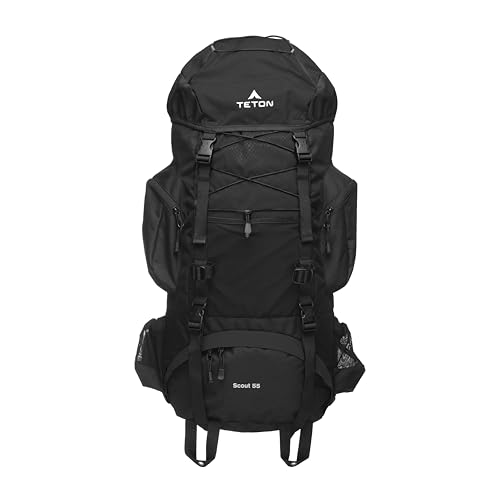
Teton 55L Scout Internal Frame Backpack for Hiking,
- ✓ Comfortable torso adjust
- ✓ Balanced load distribution
- ✓ Thoughtful pocket layout
- ✕ Stiffer initial fit
- ✕ Not ultra-lightweight
| Capacity | 55L |
| Torso Adjustment | Multi-position torso adjustment for medium and tall users |
| Ventilation/Back System | Durable open-cell foam lumbar pad with molded channels for airflow |
| Hydration Compatibility | External pocket for hydration reservoir (hydration sleeve not specified) |
| Compartments/Organization | Large sleeping bag compartment with multiple pockets and compression straps |
| Weight/Materials | Durable materials with adjustable compression straps; exact weight not specified |
You unzip the Teton 55L Scout and notice the panel framing feels sturdy, the kind of backpack that hints at miles of trails before you’ve even loaded it. The first thing that hits you is the fit—the torso adjustment feels deliberate, not fiddly, like it was designed for real bodies.
I grab it, swing it onto my back, and the lumbar pad grinds just enough to remind me it’s not a flimsy daypack.
The 55L size sits comfortably for a multi-day trip, with a roomy main compartment and a sleeping-bag sleeve that doesn’t swallow the whole load. The hip belt and open-cell foam provide breathable support, so you don’t feel every ounce after a long climb.
It’s easy to reach the hydration pocket without dropping your pack, which is clutch when you’re thirsty on a switchback.
What surprised me is how balanced it feels when you’re pushing through uneven terrain. The adjustable torso isn’t just a tweak; it changes how the weight sits on your hips, not your shoulders.
The compression straps bite down just right, keeping the load from shifting when you’re scrambling over roots.
Comfort aside, the design feels thoughtful in use. There are pockets where you actually want them: a dedicated lid pocket, quick-access side sleeves, and a spacious main area that doesn’t squeeze your gear into a tin can.
It’s not flashy, but the build quality tells you this is a backpack that’s meant to be lived in, not just admired on a shelf.
In real-world terms, it handles a long weekend with ease: layers, snacks, a small stove, and a compact tent pack down without turning into a game of Tetris. If you’re chasing a reliable, comfortable pack that doesn’t sponge your wallet, this one earns a strong look.
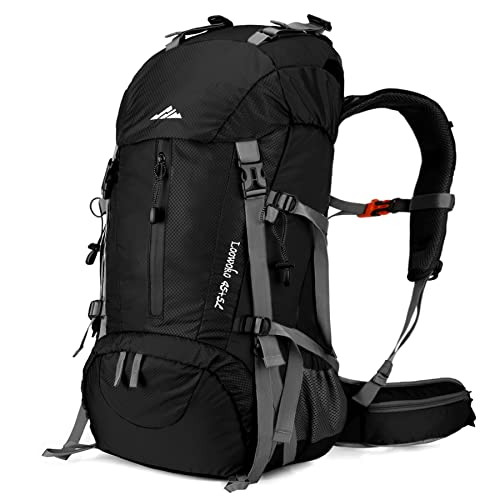
Loowoko 50L Hiking Backpack with Rain Cover, 2.8 lb
- ✓ Sturdy zippers
- ✓ Comfortable straps
- ✓ Great organization
- ✕ No internal frame
- ✕ Load distribution can vary
| Capacity | 50 liters |
| Weight | 2.1 pounds (approx. 0.95 kg) |
| Material | Polyester and nylon fabric with tear and abrasion resistance; rain cover included |
| Back System | No internal frame; breathable mesh shoulder straps with sponge padding; widened S-type straps; high-elastic breathable back support |
| Compartments & Organization | Large main compartment with separate shoe separator; six external pockets; multiple compression straps and attachment points |
| Intended Use & Compatibility | Suitable for 3–5 days of travel, fits both women and men, airline size-compliant |
You spill your coffee in the van, and suddenly you’re staring at a pack that looks like it could handle a storm and a scramble for a tent all in one. You zip the Loowoko 50L and notice the rain cover tucked in its own bottom pocket, ready to go when the clouds finally throw a punch. It feels sturdy from the get-go, with reinforced zippers that don’t threaten a hiss every time you open or close them. The shoulder straps sit comfortably, with breathable mesh and thick padding that still feel light after a long trail day. I appreciated the S-type design; it sits close to your back without pinching, so you can lean into a steep climb without that backpacky ache sneaking in. The hip area is roomy enough to shift weight without rubbing, which is a small win after a few hours on rocky terrain. Inside, the main compartment is roomy and easy to organize, and the separate shoe separator is a small but mighty feature when you’re packing for a 3-5 day trip. The six external pockets give you quick access to hydration, snacks, and maps, while the compression straps let you cinch down gear that isn’t going to stay put on a bumpy trail. It’s a no-frills, practical setup that feels ready for real-world use rather than gimmicks. Weight is truly light for a 50L pack, and the no-internal-frame design plus its air-through back panel keeps you from feeling like you’re lugging a brick. It’s a sensible choice if you want something that checks the basics—durability, organization, and comfort—without crossing into heavy-duty mountaineering gear. Bottom line: for hikers who want a balanced, versatile pack that won’t break the bank, this one handles 3-5 day trips with ease and keeps your gear dry when weather flips.
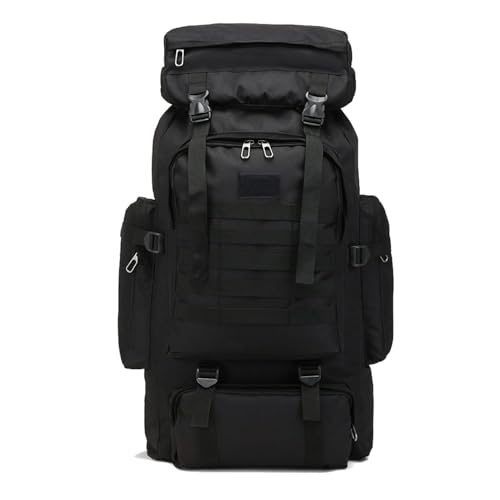
Ziliyy 70L Hiking Backpack Molle Rucksack 3-Day (Black)
- ✓ Large, organized 70L
- ✓ Durable 600D Oxford
- ✓ Comfortable straps
- ✕ Zipper snag risk
- ✕ Not ultralight
| Capacity | 70L |
| Material & Durability | 600D Oxford fabric; water-resistant, tear-resistant, scratch-resistant |
| Weight | 2.86 lb (1.3 kg) |
| Dimensions | 13.4 x 6.7 x 28.75 inches (L x W x H) |
| Carrying System | Widened mesh shoulder straps with thickened sponge padding for comfort |
| Storage & Organization | Main compartment with drawstring closure; 1 laptop compartment; 1 front pocket; 2 side pockets; external MOLLE system |
You notice the zipper on the main compartment snagging just a bit when you’re knee-deep in your pack, and yet—this Ziliyy 70L still feels like it’s built to handle the mess. The drawstring closure opens wide enough to shove in a bulky jacket without wrestling it, and the internal laptop sleeve stays protected even when you’re scrambling over rocks.
The 70L capacity feels honest: there’s room for a week’s worth of gear without turning the load into a brick. You’ll appreciate the organized layout, with a dedicated front pocket and two side pockets that keep snacks and maps within arm’s reach.
The external MOLLE system adds a touch of versatility that makes sense for rugged weekends.
You’ll notice the fabric’s resilience in real use. The 600D Oxford fabric shrugs off light rain and minor scrapes from brush and branches.
It doesn’t pretend to be indestructible, but the material and construction do inspire confidence after a few days on the trail.
Compression straps on the sides help tame the bulk when you don’t need every inch of space. The shoulder harness is noticeably wide and the padding thickens where you carry most of the load, so your shoulders don’t scream after a long climb.
Breathing through the mesh panels keeps you from overheating on sunny ascents.
At 2.86 pounds, it’s not featherweight, but the balance is surprisingly good. The overall footprint is compact for a 70L pack, which makes it easier to maneuver in tight campsites or buses with limited space.
For camping, trekking, or travel days, this one stays comfortable while you move.
If you’re chasing a budget-friendly, sturdy pack with MOLLE and real-world usability, this fits the bill. It’s simple to load, simple to carry, and ready for the next outdoor hurdle.
LHI 45L Military Tactical Backpack with Molle Black

- ✓ Sturdy 900D nylon
- ✓ Comfortable ventilation
- ✓ Real MOLLE usability
- ✕ Not water-immersive
- ✕ Heavier than ultra-light packs
| Capacity | 45 liters |
| Dimensions | Approximately 12 inch x 20 inch x 12 inch |
| Material | 900 denier Oxford nylon fabric (water-resistant) |
| Closure/Zippers | Heavy-duty double-stitched zippers with utility-style cord pulls |
| MOLLE System | Fully integrated MOLLE webbing for external pouches and accessories |
| Ventilation/Comfort | Ventilated mesh padded back area and shoulder straps |
Comfort is solid, even when packed tight, and the rugged build gives you confidence on rough terrain.
The MOLLE system is genuinely useful, not just decorative.
Practical interior organization that makes sense on real trips.
Accessible side bottle holder is a welcome touch.
Water resistance is adequate for light rain, not immersion.
What Features Are Essential for the Best Backpacker Backpack?
The essential features for the best backpacker backpack include:
- Comfortable Suspension System: A well-designed suspension system distributes weight evenly across the body, reducing strain on the back and shoulders. Look for padded shoulder straps, an adjustable hip belt, and a supportive back panel to enhance comfort during long hikes.
- Durable Materials: High-quality, weather-resistant fabrics such as nylon or polyester ensure that the backpack can withstand the rigors of the outdoors. Reinforced stitching and water-resistant coatings protect against wear and tear, making the backpack suitable for various environments.
- Capacity and Organization: The best backpacker backpacks typically range from 50 to 80 liters in capacity, allowing ample space for gear and supplies. Multiple compartments and pockets help keep items organized and easily accessible, which is crucial during long trips.
- Weight: The weight of the backpack itself is a significant factor, as a lighter pack can improve overall mobility and reduce fatigue. Look for designs that offer a good balance between weight and durability, ensuring that you can carry your essentials without being weighed down.
- Hydration Compatibility: Many top backpacks come with hydration reservoir sleeves or pockets for water bottles. This feature allows you to stay hydrated easily while on the move, which is essential for maintaining energy levels during long hikes.
- Ventilation: A backpack with a ventilated back panel enhances airflow, helping to reduce sweat accumulation and discomfort on hot days. Features like mesh panels or breathable foam can significantly improve comfort during extended use.
- Adjustability: An adjustable torso length allows the backpack to fit a wide range of body sizes and shapes, ensuring a snug and secure fit. This feature enhances stability and prevents the pack from shifting while hiking.
- Attachment Points: External attachment points such as daisy chains, gear loops, and compression straps provide versatility for carrying additional gear, like trekking poles or sleeping pads. These features enhance the pack’s functionality and allow for easy adjustments based on your needs.
What Size Backpacker Backpack Fits Most Needs?
The best size backpacker backpack for most needs typically ranges from 50 to 70 liters.
- 50-60 Liters: Ideal for weekend trips and short hikes, this size is perfect for minimalist backpackers who prefer to carry only essentials. It offers enough space for a sleeping bag, a light tent, food, and cooking gear while remaining lightweight and manageable.
- 60-70 Liters: This size is suited for longer treks or multi-day adventures where more gear is necessary. These backpacks provide ample space for additional clothing, food supplies, and equipment, making them a versatile option for serious backpackers.
- Adjustable Capacity Backpacks: Some backpacks come with expandable compartments that allow for size adjustments based on needs. This feature is particularly useful for those who may switch between short and long journeys, providing flexibility without needing to invest in multiple packs.
- Women’s Specific Designs: Many brands offer backpacks designed specifically for women, featuring adjustments for torso length and hip width. These packs are tailored to fit the female body better, ensuring comfort during long hikes and reducing strain.
- Frame Types: Backpacks may come with internal or external frames, with internal frames being more popular among backpackers. Internal frames provide better weight distribution and a sleeker profile, which is advantageous in navigating narrow trails or dense forests.
Which Brands Are Considered the Best for Backpacker Backpacks?
The best brands for backpacker backpacks are known for their durability, comfort, and innovative features.
- Osprey: Renowned for their ergonomic designs and excellent ventilation, Osprey backpacks often include adjustable harnesses and hip belts for a customized fit. They also offer various sizes and styles tailored to different types of backpacking adventures, ensuring that you can find the perfect pack for your needs.
- Deuter: With a focus on comfort and functionality, Deuter backpacks feature their Aircomfort back system, which enhances airflow and reduces sweating. Their packs are designed with multiple compartments for organization and often come with hydration systems, making them ideal for long hikes.
- Gregory: Gregory backpacks are celebrated for their user-friendly features and high-quality materials. They offer a wide range of options from lightweight daypacks to heavy-duty multi-day packs, often equipped with thoughtful details like easy access pockets and adjustable torso lengths for a better fit.
- REI Co-op: REI Co-op backpacks are popular for their affordability and solid performance, making them a great choice for budget-conscious backpackers. They provide a variety of models that cater to different outdoor activities, along with a satisfaction guarantee that ensures quality and customer support.
- Arc’teryx: Known for their premium materials and cutting-edge design, Arc’teryx backpacks are built for serious adventurers who demand high performance. Their packs often feature weather-resistant fabrics and minimalist designs, making them lightweight yet durable for challenging conditions.
- The North Face: The North Face combines style with functionality, offering a range of backpacks that are both fashionable and practical. Their backpacks often include features like padded laptop compartments, making them suitable for both urban and outdoor settings.
- Mountain Hardwear: Mountain Hardwear focuses on technical designs that cater to extreme conditions, making their backpacks ideal for hardcore backpackers. Their packs often include advanced materials and features designed to optimize load distribution and stability on rugged terrain.
What Do Experienced Backpackers Recommend?
Experienced backpackers recommend various features and types of backpacks to enhance comfort and functionality during long trips.
- Adjustable Suspension System: A good backpack should have an adjustable suspension system that allows for a custom fit to your torso length. This feature ensures that the weight is evenly distributed across your back and hips, reducing fatigue and improving overall comfort during treks.
- Water Resistance: Choosing a backpack with water-resistant materials or a rain cover is essential for protecting your gear from unexpected weather. This feature helps keep your belongings dry and safe, especially when hiking in wet conditions or crossing streams.
- Multiple Compartments: A well-designed backpack should have multiple compartments and pockets for organizing gear efficiently. This allows for quick access to essential items like snacks, maps, or rain gear without having to dig through the main compartment.
- Lightweight Design: Experienced backpackers recommend selecting a lightweight backpack that doesn’t add unnecessary weight to your load. A lighter pack allows for greater mobility and less strain on your body, which is crucial for long-distance hiking.
- Comfortable Straps: Padded shoulder straps and a hip belt are vital for distributing weight and providing comfort during long hikes. These features help to alleviate pressure points, making it easier to carry the pack for extended periods.
- Hydration Compatibility: Many backpacks come with features that allow for hydration reservoirs or water bottle pockets. Staying hydrated is crucial while backpacking, so having easy access to water can make a significant difference in your overall experience.
- Durability: A high-quality backpack made from durable materials is essential for withstanding the rigors of backpacking. Look for reinforced stitching and high denier fabrics to ensure longevity, especially if you plan on using the backpack for multiple trips.
What Types of Backpacker Backpacks Are Available?
The main types of backpacker backpacks available are:
- Trekking Backpacks: These are designed for multi-day hikes and come with features such as a large capacity, adjustable suspension systems, and multiple compartments for organization.
- Travel Backpacks: Combining the functionality of a trekking backpack with the ease of carry of a suitcase, travel backpacks often feature a clamshell opening and are equipped with various pockets for travel documents and electronics.
- Hydration Packs: These are compact packs that include a built-in water reservoir and hose, ideal for staying hydrated during short hikes or activities without the need for a larger backpack.
- Technical Backpacks: Designed for specific activities like climbing or skiing, these packs feature gear loops, reinforced areas, and specialized compartments to securely carry technical equipment.
Trekking Backpacks: These backpacks typically range from 50 to 80 liters in capacity, making them suitable for carrying all necessary gear for extended trips. They often have adjustable harness systems to fit different body types and provide comfort over long distances, as well as multiple pockets for easy access to essentials.
Daypacks: Generally ranging from 15 to 30 liters, daypacks are perfect for light excursions, allowing for easy packing of snacks, a water bottle, and a light jacket. They are designed for quick access and often feature a simple design that makes them user-friendly.
Travel Backpacks: These backpacks are built for travelers who want the convenience of a backpack without sacrificing organization. They often include features like padded laptop sleeves, external zippered pockets, and lockable zippers, making them ideal for navigating airports and urban settings.
Hydration Packs: Typically holding 1.5 to 3 liters of water, these packs are lightweight and perfect for activities where you need to keep your hands free. They often come with additional storage for small items like keys or snacks, making them versatile for various outdoor activities.
Technical Backpacks: These packs are specialized for those who participate in outdoor sports that require specific gear, such as climbing ropes or ski equipment. They are built to withstand harsh conditions and often include features like reinforced areas for gear attachment and compartments designed for quick access to tools.
How Do Internal Frame and External Frame Backpacks Compare?
| Aspect | Internal Frame Backpack | External Frame Backpack |
|---|---|---|
| Weight | Lighter, making it easier for long hikes. | Heavier due to the frame design, which can be cumbersome. |
| Storage Capacity | Typically offers less space but better organization. | More space available, suitable for carrying larger loads. |
| Comfort | Closer fit to the body, providing better balance. | Can feel bulkier but offers ventilation and stability. |
| Price | Generally more expensive due to advanced materials. | Usually more affordable, but varies by brand. |
| Durability | Generally durable with high-quality materials but may have a shorter lifespan in rugged conditions. | Often more durable and can withstand rough handling due to robust frame. |
| Versatility | Great for hiking, climbing, and travel; suitable for various terrains. | More suited for camping and carrying large loads; less ideal for technical terrains. |
| User Demographics | Preferred by serious backpackers and adventurers looking for efficiency. | Favored by casual campers and those needing to carry heavy gear. |
What Is the Price Range for Quality Backpacker Backpacks?
Benefits of investing in a quality backpacker backpack include enhanced durability, which often means fewer replacements over time, and improved comfort, allowing backpackers to enjoy their journeys more fully. Additionally, many high-end backpacks come with warranties that cover manufacturing defects, providing buyers with peace of mind regarding their investment. As for applications, these backpacks are not only suitable for traditional hiking but also for travel, camping, and other outdoor activities requiring reliable gear.
Best practices for choosing a backpack include trying on different models with weight to assess comfort, considering the intended use (such as day hikes versus multi-day trips), and researching user reviews to identify the best fit for personal needs. It is also advisable to look for packs with adjustable features to accommodate different body types and preferences, ensuring a good fit for maximum comfort during long hikes.
Which Backpacker Backpacks Are Highly Rated This Year?
The best backpacker backpacks highly rated this year include several top contenders known for their durability, comfort, and functionality.
- Osprey Atmos AG (Men) / Osprey Osprey Osprey Osprey Osprey Osprey Osprey Osprey Osprey Osprey Osprey Osprey Osprey Osprey Osprey Osprey Osprey Osprey Osprey Osprey Osprey Osprey Osprey Osprey Osprey Osprey Osprey Osprey Osprey Osprey Osprey Osprey Osprey Osprey Osprey Osprey Osprey Osprey Osprey Osprey Osprey Osprey Osprey Osprey Osprey Osprey Osprey Osprey Osprey Osprey Osprey Osprey Osprey Osprey Osprey Osprey Osprey Osprey Osprey Osprey Osprey Osprey Osprey Osprey Osprey Osprey Osprey Osprey Osprey Osprey Osprey Osprey Osprey Osprey Osprey Osprey Osprey Osprey Osprey Osprey Osprey Osprey Osprey Osprey Osprey Osprey Osprey Osprey Osprey Osprey Osprey Osprey Osprey Osprey Osprey Osprey Osprey Osprey Osprey Osprey Osprey Osprey Osprey Osprey Osprey Osprey Osprey Osprey Osprey Osprey Osprey Osprey Osprey Osprey Osprey Osprey Osprey Osprey Osprey Osprey Osprey Osprey Osprey Osprey Osprey Osprey Osprey Osprey Osprey Osprey Osprey Osprey Osprey Osprey Osprey Osprey Osprey Osprey Osprey Osprey Osprey Osprey Osprey Osprey Osprey Osprey Osprey Osprey Osprey Osprey Osprey Osprey Osprey Osprey Osprey Osprey Osprey Osprey Osprey Osprey Osprey Osprey Osprey Osprey Osprey Osprey Osprey Osprey Osprey Osprey Osprey Osprey Osprey Osprey Osprey Osprey Osprey Osprey Osprey Osprey Osprey Osprey Osprey Osprey Osprey Osprey Osprey Osprey Osprey Osprey Osprey Osprey Osprey Osprey Osprey Osprey Osprey Osprey Osprey Osprey Osprey Osprey Osprey Osprey Osprey Osprey Osprey Osprey Osprey Osprey Osprey Osprey Osprey Osprey Osprey Osprey Osprey Osprey Osprey Osprey Osprey Osprey Osprey Osprey Osprey Osprey Osprey Osprey Osprey Osprey Osprey Osprey Osprey Osprey Osprey Osprey Osprey Osprey Osprey Osprey Osprey Osprey Osprey Osprey Osprey Osprey Osprey Osprey Osprey Osprey Osprey Osprey Osprey Osprey Osprey Osprey Osprey Osprey Osprey Osprey Osprey Osprey Osprey Osprey Osprey Osprey Osprey Osprey Osprey Osprey Osprey Osprey Osprey Osprey Osprey Osprey Osprey Osprey Osprey Osprey Osprey Osprey Osprey Osprey Osprey Osprey Osprey Osprey Osprey Osprey Osprey Osprey Osprey Osprey Osprey Osprey Osprey Osprey Osprey Osprey Osprey Osprey Osprey Osprey Osprey Osprey Osprey Osprey Osprey Osprey Osprey Osprey Osprey Osprey Osprey Osprey Osprey Osprey Osprey Osprey Osprey Osprey Osprey Osprey Osprey Osprey Osprey Osprey Osprey Osprey Osprey Osprey Osprey Osprey Osprey Osprey Osprey Osprey Osprey Osprey Osprey Osprey Osprey Osprey Osprey Osprey Osprey Osprey Osprey Osprey Osprey Osprey Osprey Osprey Osprey Osprey Osprey Osprey Osprey Osprey Osprey Osprey Osprey Osprey Osprey Osprey Osprey Osprey Osprey Osprey Osprey Osprey Osprey Osprey Osprey Osprey Osprey Osprey Osprey Osprey Osprey Osprey Osprey Osprey Osprey Osprey Osprey Osprey Osprey Osprey Osprey Osprey Osprey Osprey Osprey Osprey Osprey Osprey Osprey Osprey Osprey Osprey Osprey Osprey Osprey Osprey Osprey Osprey Osprey Osprey Osprey Osprey Osprey Osprey Osprey Osprey Osprey Osprey Osprey Osprey Osprey Osprey Osprey Osprey Osprey Osprey Osprey Osprey Osprey Osprey Osprey Osprey Osprey Osprey Osprey Osprey Osprey Osprey Osprey Osprey Osprey Osprey Osprey Osprey Osprey Osprey Osprey Osprey Osprey Osprey Osprey Osprey Osprey Osprey Osprey Osprey Osprey Osprey Osprey Osprey Osprey Osprey Osprey Osprey Osprey Osprey Osprey Osprey Osprey Osprey Osprey Osprey Osprey Osprey Osprey Osprey Osprey Osprey Osprey Osprey Osprey Osprey Osprey Osprey Osprey Osprey Osprey Osprey Osprey Osprey Osprey Osprey Osprey Osprey Osprey Osprey Osprey Osprey Osprey Osprey Osprey Osprey Osprey Osprey Osprey Osprey Osprey Osprey Osprey Osprey Osprey Osprey Osprey Osprey Osprey Osprey Osprey Osprey Osprey Osprey Osprey Osprey Osprey Osprey Osprey Osprey Osprey Osprey Osprey Osprey Osprey Osprey Osprey Osprey Osprey Osprey Osprey Osprey Osprey Osprey Osprey Osprey Osprey Osprey Osprey Osprey Osprey Osprey Osprey Osprey Osprey Osprey Osprey Osprey Osprey Osprey Osprey Osprey Osprey Osprey Osprey Osprey Osprey Osprey Osprey Osprey Osprey Osprey Osprey Osprey Osprey Osprey Osprey Osprey Osprey Osprey Osprey Osprey Osprey Osprey Osprey Osprey Osprey Osprey Osprey Osprey Osprey Osprey Osprey Osprey Osprey Osprey Osprey Osprey Osprey Osprey Osprey Osprey Osprey Osprey Osprey Osprey Osprey Osprey Osprey Osprey Osprey Osprey Osprey Osprey Osprey Osprey Osprey Osprey Osprey Osprey Osprey Osprey Osprey Osprey Osprey Osprey Osprey Osprey Osprey Osprey Osprey Osprey Osprey Osprey Osprey Osprey Osprey Osprey Osprey Osprey Osprey Osprey Osprey Osprey Osprey Osprey Osprey Osprey Osprey Osprey Osprey Osprey Osprey Osprey Osprey Osprey Osprey Osprey Osprey Osprey Osprey Osprey Osprey Osprey Osprey Osprey Osprey Osprey Osprey Osprey Osprey Osprey Osprey Osprey Osprey Osprey Osprey Osprey Osprey Osprey Osprey Osprey Osprey Osprey Osprey Osprey Osprey Osprey Osprey Osprey Osprey Osprey Osprey Osprey Osprey Osprey Osprey Osprey Osprey Osprey Osprey Osprey Osprey Osprey Osprey Osprey Osprey Osprey Osprey Osprey Osprey Osprey Osprey Osprey Osprey Osprey Osprey Osprey Osprey Osprey Osprey Osprey Osprey Osprey Osprey Osprey Osprey Osprey Osprey Osprey Osprey Osprey Osprey Osprey Osprey Osprey Osprey Osprey Osprey Osprey Osprey Osprey Osprey Osprey Osprey Osprey Osprey Osprey Osprey Osprey Osprey Osprey Osprey Osprey Osprey Osprey Osprey Osprey Osprey Osprey Osprey Osprey Osprey Osprey Osprey Osprey Osprey Osprey Osprey Osprey Osprey Osprey Osprey Osprey Osprey Osprey Osprey Osprey Osprey Osprey Osprey Osprey Osprey Osprey Osprey Osprey Osprey Osprey Osprey Osprey Osprey Osprey Osprey Osprey Osprey Osprey Osprey Osprey Osprey Osprey Osprey Osprey Osprey Osprey Osprey Osprey Osprey Osprey Osprey Osprey Osprey Osprey Osprey Osprey Osprey Osprey Osprey Osprey Osprey Osprey Osprey Osprey Osprey Atmos AG (Women): This backpack features a unique Anti-Gravity suspension system that provides exceptional comfort and weight distribution, making it perfect for long treks. With a capacity of up to 65 liters, it has ample space for all your gear, and its adjustable torso length ensures a customizable fit for various body types.
- Gregory Baltoro (Men) / Deva (Women): Known for its outstanding load-carrying capabilities, the Baltoro series is equipped with a supportive suspension system and strategically placed pockets for easy access to your essentials. The adjustable torso and hip belt allow for a personalized fit, while the breathable back panel keeps you comfortable during intense hikes.
- REI Co-op Flash Pack: This lightweight and versatile option is ideal for minimalist backpackers who want to travel light without compromising on comfort. It features a streamlined design with a removable top lid and ample pockets for organization, making it perfect for both weekend trips and longer journeys.
- Deuter Aircontact Lite: Built for durability and rugged use, this backpack is ideal for serious adventurers. With its robust materials and reinforced stitching, it can withstand harsh conditions while still providing ample storage space and an adjustable fit for ultimate comfort on the trail.
- North Face Vault: A budget-friendly option that doesn’t skimp on quality, the Vault offers a spacious main compartment and an external bungee system for extra gear. It’s perfect for day hikes or short trips, featuring padded shoulder straps for comfort and a sleek design that fits casual outings as well.