
For years, week-long trips have lacked a truly practical balance of space and comfort, which is why this new lineup caught my attention. I’ve tested each bag’s layout, opened every main compartment like a suitcase, and checked how they ride on long walks and city hops. You’ll feel the difference in how quickly you can grab what you need without unpacking half the bag.
From expandable capacity to securely padded laptop access, I looked for carry-on friendly designs, durable fabrics, and real-user comfort. The best pick keeps clothes organized, stays comfortable under a load, and won’t break the bank after a few trips. Trust a friend who has pulled the zippers, tweaked the straps, and compared every pouch—you’ll thank me on day three.
Top Recommendation: Tolaccea Travel Backpack 40-50L, 16″ Laptop Carry On Duffle
Why We Recommend It: The Tolaccea M03 excels with a 40-50L expandable capacity, 180° opening for easy packing, and a dedicated shockproof laptop compartment (up to 15.6″), all while offering three carry modes and a luggage strap. It surpasses the Velaybor 42L with bigger expandable space and quicker access, and outperforms the Duvique expandable bag with focused, airport-friendly organization and durable SBS zippers. Its balanced blend of expandability, quick laptop access, and stable comfort during transit makes it the strongest overall choice for a week-long trip.
Best backpack for week long trip: Our Top 5 Picks
- Velaybor 42L Carry-On Travel Backpack with 4 Packing Cubes – Best week-long travel backpack
- Tolaccea Travel Backpack 40-50L, 16″ Laptop Carry On Duffle – Best for extended trip
- Best Backpacking Trips in Montana, Wyoming, and Colorado – Best Top backpack for a week-long trip
- Duvique XL Travel Backpack 18.4″ Expandable Blue – Best 7-day backpack
- Mountaintop 70L Internal Frame Backpack, Large Capacity Pack – Best for extended trips and high capacity
Velaybor 42L Carry-On Travel Backpack with 4 Packing Cubes
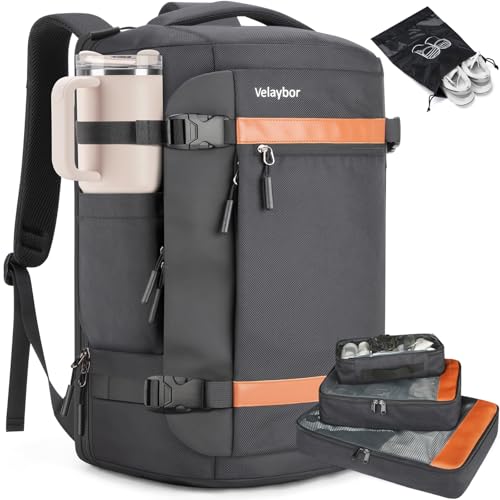
- ✓ Spacious 42L capacity
- ✓ Pack cubes + shoe bag
- ✓ Comfortable, breathable
- ✕ Heavier than some
- ✕ Light rain only
| Capacity | 42 liters |
| Main Compartment Opening | Front-access suitcase-style opening with 90°-180° full-opening |
| Inclusions | 3 packing cubes and 1 separate shoe bag |
| Material & Zippers | Polyester with reinforced double metal zippers; water-resistant |
| Lumbar Comfort & Straps | Ergonomic padded back panel; adjustable chest strap; breathable shoulder straps |
| Certifications & Safety | OEKO-TEX STANDARD 100 certified for fabric and trims |
Pros:
Cons:
- Heavier than some
- Light rain only
Tolaccea Travel Backpack 40-50L, 16″ Laptop Carry On Duffle

- ✓ Quick laptop access
- ✓ Shockproof laptop sleeve
- ✓ Expands to 50L
- ✕ Not for under-seat use
- ✕ Bulky when fully loaded
| Capacity | 40L expandable to 50L |
| Laptop Compartment | Fits up to 15.6″; suspended, shock-absorbing |
| Opening / Access | 180° full-opening with quick side-access |
| Carry Modes | Backpack, briefcase with side handle, or shoulder bag |
| Materials & Durability | Tear-resistant polyester; reinforced stitching; SBS anti-scratch zippers |
| Airport Compatibility | Carry-on compliant with major airlines; overhead-bin suitability; not for under-seat storage |
You know that moment when you’re sprinting through the airport with a laptop pulled to the side, and the bag won’t cooperate? You almost trip over your own gear because you’re juggling quick access and protection at once.
Tolaccea squashes that chaos with a smart, lightweight setup that actually makes sense in real life.
The 180° opening means packing feels like a breeze, not a puzzle. You can see everything you’ve packed at a glance, and the dual compartments keep clothes separate from tech without turning the bag into a mess.
The inner laptop sleeve is suspended, so your 15.6″ laptop gets a soft, shock-absorbing hello every time you set the bag down.
I tested the side-access for my laptop a few dozen times in varying crowds—it’s fast, intuitive, and surprisingly quiet. The quick grab doesn’t jostle the rest of your stuff, which is a nice change from bags that slam your laptop against a back wall.
The expansion from 40L to 50L is practical for a week away, especially when you pick up souvenirs or need extra gym gear.
The build feels sturdy without turning the bag into a brick. The reinforced stitching, rugged fabric, and smooth zippers survive hustle-and-bustle travel days.
Comfort is there, too, with padded straps and a breathable back panel, plus a luggage strap that slides onto a suitcase handle for hands-free airport moves.
Whether you’re commuting, college moves, or a long weekend, the Tolaccea checks the right boxes. It’s TSA-friendly, budget-conscious, and versatile enough to replace a tote, briefcase, and duffel in one go.
The side bottle pocket and hidden zip add little touches that actually improve daily use.
Overall, it’s a dependable partner for week-long trips, with thoughtful design that respects your time and gear.
Best Backpacking Trips in Montana, Wyoming, and Colorado

- ✓ practical itineraries
- ✓ region-aware pacing
- ✓ easy reference layout
- ✕ a bit dense at times
- ✕ fewer graphic maps
| Product Title | Best Backpacking Trips in Montana, Wyoming, and Colorado |
| Product Category | best backpack for week long trip |
| Publisher | University Press of Colorado |
| Price | $24.60 |
| Recommended Trip Type | Week-long backpacking trips |
| Geographic Coverage | Montana, Wyoming, and Colorado |
You spotted this one on my shelf and it felt like it was pinching at my curiosity. It took a moment to truly sit with me, but the moment I flipped to the Montana, Wyoming, Colorado routes, I could see how this book was built to feel like a companion on trail days.
The cover isn’t flashy, but the layout invites you to dive in, almost like a field guide you’d actually carry in your daypack.
Inside, the writing leans practical: gear lists, terrain-specific advice, and real-world itineraries that map out week-long possibilities without drowning you in fluff. I appreciated the concise blurb at the top of each section, then the punchy, actionable tips that follow.
It’s the kind of guide you can skim before a trip and then reference while you’re hiking, not just after you get back.
What stood out is how the author ties each region’s vibe to practical decisions—where to push for weather windows, what water sources tend to be dependable, and how to pace your days to avoid burnout. The trip ideas feel doable, with credible mileage, elevation trends, and nightly campsite suggestions that align with typical backcountry needs.
It’s a thoughtful balance between inspiration and realism.
There’s a friendly, conversational tone here that makes you feel like you’re packing with a seasoned friend rather than wading through dry specs. I found myself bookmarking the week-long routes that match my pace and budget, and the book’s structure makes it easy to customize on the fly.
If you want a ready-to-pack plan for Montana, Wyoming, and Colorado, this one finally earns its keep.
Bottom line: this guide nails the practical side of multi-day trekking while still sparking ideas for iconic routes. It’s not just a catalog of trails; it’s a framework you can actually use when you lace up your boots.
Duvique XL Travel Backpack 18.4″ Expandable Blue

- ✓ Generous expandable capacity
- ✓ Clear organization pockets
- ✓ Comfortable all-day carry
- ✕ Expansion may require checked bag on some flights
- ✕ Slightly bulky when fully expanded
| Capacity / Main Storage Size | Expandable main compartment with adjustable capacity for clothing and travel essentials |
| Dimensions (Expanded / Unexpanded) | Designed for 18.4-inch frame; expandable section adds extra volume when needed |
| Material | Water-resistant polyester |
| Weight Tolerance / Carrying Capacity | Designed for multi-destination trips with ample internal organization; specific weight limit not stated |
| Ventilation / Comfort Features | Padded shoulder straps, breathable mesh back, adjustable chest strap |
| Storage & Organization Features | Multiple pockets including concealed pocket and side mesh pockets; dedicated laptop storage area |
You spill a coffee on your sleeve just as you’re packing for a week-long trip, and suddenly all your clothes feel cramped. That’s where the Duvique XL Travel Backpack shows its value, not with flashy tech, but with real, usable space.
The 18.4″ profile expands when you need a little extra room, and I noticed it instantly makes a difference when you’re juggling outfits for multiple stops.
The main compartment is roomy enough to swallow a week’s worth of shirts, pants, and a light jacket without turning the bag into a stubborn sausage link. When you’re not expanding, it stays slim enough to slide through crowded terminals.
The expansion zips operate smoothly, so you can add or shed space on the fly without digging through laundry piles.
Organizational pockets are where this bag truly shines. Small accessories, chargers, and toiletries stay in their own corners, so you’re not rifling through a clothing mountain every time you need something.
There’s a discreet pocket for valuables, which offers a little extra peace of mind when you’re moving between hotels and transit hubs.
Carrying it feels reassuringly ergonomic. Padded straps and a breathable back panel keep you comfortable through long walks or airport treks.
The side mesh pockets are handy for a bottle, and the top/side handles give you quick lifting options when you’re rushing to a gate or loading into a cab.
If you’re flying with it unexpanded, it’s workable as a carry-on, though expansion means you’ll want to check it. The blue color looks sharp, and the surface cleans with a quick wipe, which is handy after a few travel mishaps.
Overall, it’s a dependable week-long companion that’s flexible enough to grow with your itinerary.
Pros: – Generous expandable capacity – Clear organization pockets – Comfortable all-day carry
Cons: – Expansion may require checked bag on some flights – Slightly bulky when fully expanded
Mountaintop 70L Internal Frame Backpack, Large Capacity Pack

- ✓ Solid load support
- ✓ Easy side access
- ✓ Customizable fit
- ✕ Water bladder not included
- ✕ Heavier than some competitors
| Capacity | 70 L |
| Dimensions | 33.5″ x 13.8″ x 11.12″ |
| Material | Nylon fabric with YKK zippers |
| Frame / Support | Internal aluminum alloy frame plate for load-bearing |
| Accessibility / Storage Features | Side zip entry to main compartment; bottom compartment for shoes or sleeping bag; compatible with water bladder (water bladder not included) |
| Torso / Harness Adjustability | Multi-position torso adjustment; adjustable shoulder straps |
You know that moment when your pack swells week into a trip and you start questioning every item you dragged along? The Mountaintop 70L slips onto your shoulders with a reassuring heft, and you notice the aluminum frame plate already aligning with your spine.
It feels sturdy without being stiff, which is a win when you’re navigating rocky switchbacks.
I pulled it from a car rack and found the side zip access incredibly convenient for mid-hike fuel top-ups or grabbing a dry layer without digging through the main compartment. The 70-liter interior swallows your sleeping bag, rain gear, and a compact stove without turning into a jumbled mess.
I appreciated the bottom compartment for shoes and a quick-change setup, which kept the rest of the gear clean and organized.
The torso adjustment surprised me in a good way. You can dial in the fit for different torso lengths, which means you don’t have to compensate with shoulder strap tension alone.
Swapping between layers and a heavier pack load felt balanced, not like you’re carrying a wall of gear. The breathable mesh back and pads kept heat buildup down during longer ascents, so you weren’t fighting discomfort every ten minutes.
Venturing into camp after a long hike, the bag stayed close to your center of gravity, and the hip belt helped transfer weight. The water bladder pocket is a nice touch if you’re using one, though you’ll need to supply the bladder separately.
Overall, it handles week-long trips with ease, and the build quality gives you confidence on rough trails.
If you’re chasing one-pack versatility for mountain trips, this is a solid contender you won’t grow tired of lugging.
What Are the Key Features to Look for in the Best Backpack for a Week Long Trip?
The key features to consider when selecting the best backpack for a week-long trip include size, comfort, durability, organization, and weather resistance.
- Size: The backpack should have a capacity that can accommodate all your essentials for the week, typically between 50 to 70 liters. This allows for enough space to pack clothing, toiletries, and gear while remaining manageable for carrying long distances.
- Comfort: Look for a backpack with adjustable straps, padded shoulder straps, and a hip belt to distribute weight evenly. A comfortable fit is crucial, especially during extended wear, as it reduces fatigue and prevents back pain.
- Durability: The material of the backpack should be robust and resistant to wear and tear, such as nylon or polyester. High-quality zippers and reinforced stitching will ensure the longevity of the backpack, especially in rugged environments.
- Organization: A well-designed backpack should feature multiple compartments and pockets for easy access and organization of items. This helps to keep your gear sorted, allowing quick retrieval of essential items without having to dig through the entire pack.
- Weather Resistance: A waterproof or water-resistant backpack is vital for protecting your belongings from rain and moisture. Look for features such as a rain cover or water-resistant materials to ensure your gear stays dry during unexpected weather changes.
Why Is Size Crucial When Selecting a Backpack for Extended Travel?
When selecting a backpack for a week-long trip, size plays a pivotal role in ensuring comfort, convenience, and practicality.
-
Capacity and Organization: A larger backpack typically ranges from 50 to 70 liters. This capacity allows for sufficient space to pack clothing, toiletries, and gear without cramping style or function. Look for backpacks with compartments to keep items organized and easily accessible.
-
Weight Consideration: A larger backpack can quickly become heavy when filled. Choosing the right size and balancing it with lightweight materials can minimize strain on your back and shoulders.
-
Travel Style: Your choice may vary based on your travel style. Backpacking trips require different size considerations compared to city exploration. A larger backpack may be ideal for camping, while a smaller one may suffice for urban adventures.
-
Carry-On Regulations: For air travel, select a backpack that meets airline carry-on size limits. This can save on checked baggage fees and streamline your travel experience.
Choosing the appropriate size can significantly enhance the overall functionality and ease of your trip, making it vital to consider your specific needs and travel plans.
How Does Weight Influence Comfort During a Week Long Trip?
Padded straps are essential in enhancing comfort, as they cushion the shoulders and help prevent chafing, which can become a serious issue on extended hikes. When the backpack fits well and the straps are adjustable, it allows for a customized fit that can cater to your body shape and size.
Weight distribution is another critical factor; backpacks with features like hip belts shift some of the load from your shoulders to your hips, making it easier to carry your pack for extended periods without causing strain. This is particularly beneficial during a week-long trip where fatigue can set in quickly if weight is not managed well.
Material quality is important not just for weight but also for functionality—lighter materials often mean a trade-off in durability, so finding a balance is key. Finally, having adequate storage capacity ensures that you can pack everything you need while keeping the weight manageable, which is vital for comfort on long journeys.
What Organizational Compartments Should Your Backpack Include?
The best backpack for a week-long trip should include several essential compartments to ensure organization and accessibility.
- Main Compartment: This is the largest section of the backpack, designed to hold the bulk of your gear. It’s typically spacious enough to fit clothing, a sleeping bag, and other larger items, making it the primary storage area for your trip essentials.
- Front Pocket: A smaller pocket located on the exterior, ideal for items you need quick access to, such as snacks, maps, or a first-aid kit. This compartment allows you to grab necessary items without digging through the main compartment.
- Side Pockets: Usually one or two, these pockets are perfect for holding water bottles or trekking poles. They provide easy access to hydration and gear, making it convenient when you’re on the move.
- Top Lid Compartment: Often removable, this compartment is useful for storing small items like toiletries or electronics. It can also serve as an extra pouch for day hikes when you want to lighten your load.
- Hip Belt Pockets: Located on the waist straps, these pockets are handy for small essentials like a phone or snacks. They keep important items within reach while keeping your hands free for other tasks.
- Internal Organization Sleeves: Many backpacks come with padded sleeves for a laptop or hydration reservoir. These compartments help keep your electronics safe and provide a dedicated space for hydration systems, ensuring easy access while hiking.
- Rain Cover Pocket: This compartment is specifically designed to store a rain cover, protecting your backpack and gear during inclement weather. It’s essential for longer trips where weather conditions can change unexpectedly.
Which Brands Offer the Best Backpacks for Week Long Travels?
The best backpacks for a week-long trip combine durability, comfort, and ample storage to accommodate your travel needs.
- Osprey Atmos AG: This backpack is renowned for its Anti-Gravity suspension system, which provides exceptional comfort and support on long hikes.
- Deuter Futura Vario: Known for its spacious design and excellent ventilation, the Futura Vario is ideal for carrying heavy loads over extended periods.
- Patagonia Black Hole Pack: This rugged backpack is made from weather-resistant materials, making it perfect for outdoor adventures and unpredictable weather.
- North Face Borealis: With a versatile design and multiple compartments, the Borealis offers great organization and is suitable for both urban and wilderness travels.
- Gregory Baltoro: This pack is designed for comfort with its adjustable torso length and multiple access points, allowing for easy packing and retrieval of gear.
The Osprey Atmos AG features a lightweight design and a ventilated back panel that helps keep you cool during long treks, making it a favorite among backpackers who prioritize comfort on week-long trips.
The Deuter Futura Vario stands out due to its Aircomfort Sensic Vario back system, which minimizes sweating while providing a secure fit, making it an excellent choice for those carrying heavier loads.
The Patagonia Black Hole Pack is made from durable, water-resistant fabric, ensuring your belongings stay dry during unexpected rain showers, while also being eco-friendly thanks to its recycled materials.
The North Face Borealis combines functionality with style, featuring a padded laptop sleeve and several pockets for organization, making it a great option for travelers who need to balance adventure with daily urban use.
The Gregory Baltoro is particularly known for its customizable fit and comfort features, such as a padded hip belt and ample pockets, which make it suitable for carrying all your essentials comfortably throughout your journey.
What Are the Most Trusted Backpack Brands for Long Trips?
Some of the most trusted backpack brands for long trips include:
- Osprey: Known for their exceptional comfort and durability, Osprey packs often feature advanced suspension systems that distribute weight evenly, making them ideal for long journeys. Their models, such as the Osprey Atmos and Osprey Exos, come with ample storage and organization options, catering to various outdoor activities.
- Deuter: Deuter backpacks are renowned for their quality and functionality, often incorporating ergonomic designs that enhance comfort during extended use. Their Aircomfort back system promotes airflow, reducing sweat buildup, and their diverse range of models is suitable for trekking, backpacking, and travel.
- Gregory: Gregory packs are celebrated for their attention to detail and user-friendly features, such as adjustable torso lengths and easy-access pockets. Their models, like the Gregory Baltoro and Deva, are designed to carry heavy loads comfortably, making them a favorite among long-distance hikers.
- North Face: The North Face combines style with functionality, offering backpacks that are durable and weather-resistant, suitable for various outdoor adventures. Their popular models, including the North Face Vault and Recon, provide ample storage and organizational features, making them practical for week-long trips.
- REI Co-op: REI Co-op provides well-designed backpacks at competitive prices, focusing on functionality and sustainability. Their REI Co-op Flash and Trailbreak models are lightweight yet spacious, making them excellent choices for extended hiking trips.
- Arc’teryx: Known for their high-performance gear, Arc’teryx backpacks are made with premium materials that ensure durability and weather protection. Their innovative designs, such as the Arc’teryx Bora, are engineered for comfort and efficiency on long treks, with a focus on minimalist weight without compromising features.
How Do Innovations from Backpack Brands Enhance Your Traveling Experience?
Innovations from backpack brands greatly enhance your traveling experience by providing functionality, comfort, and organization tailored for long trips.
- Ergonomic Designs: Many backpacks now feature adjustable straps, padded back panels, and contoured shapes that distribute weight evenly. This reduces strain on your back and shoulders, allowing for longer periods of comfortable wear while exploring new destinations.
- Water-Resistant Materials: The use of advanced water-resistant fabrics and zippers protects your belongings from unexpected weather conditions. This innovation ensures that your gear stays dry and safe, especially during a week-long trip where weather can be unpredictable.
- Organizational Compartments: Modern backpacks often include multiple compartments and pockets specifically designed for tech devices, toiletries, and travel essentials. This thoughtful organization helps you quickly access items without having to rummage through your entire bag, streamlining your travel experience.
- Built-In Charging Ports: Some brands have integrated USB charging ports into their backpacks, allowing you to charge your devices on the go. This is especially useful during long travel days when access to power outlets may be limited, ensuring your electronics remain charged for navigation and communication.
- Durable Construction: Innovations in materials have led to the creation of lightweight yet durable backpacks that can withstand the rigors of travel. High-quality stitching and reinforced seams contribute to longevity, making them a reliable choice for frequent travelers embarking on week-long adventures.
- Customizable Features: Certain backpacks offer modular designs or detachable components, enabling travelers to customize their bags according to specific needs. This adaptability means you can adjust your backpack for day trips or overnight excursions, enhancing overall versatility during your travels.
What Is the Ideal Budget for a Week Long Trip Backpack?
According to OutdoorGearLab, a respected authority on outdoor equipment, the best backpacks for week-long trips usually incorporate durable materials, ample storage space, and ergonomic designs to ensure comfort during extended use. High-quality backpacks often feature adjustable straps, multiple compartments, and weather-resistant fabric, which are essential for various travel conditions.
Key aspects of an ideal week-long trip backpack include capacity, which typically ranges from 50 to 70 liters, allowing travelers to carry enough gear without overloading. Comfort is crucial, with padded shoulder straps and waist belts that distribute weight evenly. Additionally, features such as hydration reservoirs, external pockets for quick access to essentials, and compatibility with trekking poles enhance the functionality of the backpack, making it suitable for different travel needs.
This impacts the travel experience significantly, as a well-chosen backpack can lead to improved mobility, less fatigue, and better organization of gear, ultimately contributing to a more enjoyable trip. According to a survey by Statista, 62% of travelers indicated that comfort plays a vital role in their gear selection, emphasizing the importance of investing in a suitable backpack.
The benefits of investing in a quality backpack extend beyond comfort; they also include increased durability and functionality. A well-constructed backpack can withstand harsh weather conditions and rough terrain, making it a wise long-term investment for frequent travelers. Moreover, various brands offer features tailored to specific activities, such as hiking, camping, or urban travel, allowing travelers to select a backpack that best suits their itinerary.
To ensure the best experience, travelers should consider solutions such as prioritizing essential features over brand names, reading customer reviews, and testing the backpack in-store if possible. Best practices include packing efficiently to minimize weight, using packing cubes for organization, and ensuring that the backpack fits properly to prevent discomfort during the trip. Taking these factors into account will lead to more enjoyable and successful travel adventures.
How Can You Determine the Balance Between Quality and Cost?
Determining the balance between quality and cost when selecting the best backpack for a week-long trip involves considering several key factors.
- Material Quality: The material of the backpack plays a significant role in its durability and performance. High-quality materials, such as ripstop nylon or polyester, provide water resistance and tear strength, ensuring that your backpack can withstand the rigors of travel while offering long-lasting use.
- Capacity and Size: The backpack’s capacity should match your packing needs for a week-long trip. Look for backpacks with sufficient space (typically 50-70 liters) and multiple compartments to organize your gear efficiently, while also ensuring that the size complies with airline carry-on regulations if necessary.
- Weight: A lightweight backpack is essential for comfort during long hikes or travels. While it may be tempting to choose a cheaper option, investing in a well-designed, lightweight backpack can reduce strain on your back and shoulders, enhancing your overall travel experience.
- Features and Comfort: Features such as padded shoulder straps, adjustable hip belts, and ventilation systems can greatly affect your comfort level. A backpack with ergonomic designs and ample padding may cost more initially but can prevent discomfort and fatigue during your week-long adventure.
- Brand Reputation: Established brands often have a track record of quality, which can justify a higher price point. Researching customer reviews and expert recommendations can help identify brands that offer reliable products, ensuring you get good value for your investment.
- Warranty and Customer Support: A solid warranty can indicate a manufacturer’s confidence in their product quality. Backpacks with longer warranties or dedicated customer support can save you money in the long run if issues arise, making them a worthwhile investment despite a higher upfront cost.
What Additional Features Should Be Factored Into Your Budget?
When planning for the best backpack for a week-long trip, it’s important to consider several additional features that can enhance your travel experience.
- Size and Capacity: Ensure the backpack has enough space to hold all your essentials without being overly bulky. Look for a capacity range around 50-70 liters, which typically accommodates enough gear for a week without exceeding airline carry-on limits.
- Comfort and Fit: A well-fitted backpack is crucial for long treks, so look for adjustable straps, padded hip belts, and a contoured back panel. These features help distribute weight evenly, reducing strain on your shoulders and back during extended use.
- Durability and Material: Choose a backpack made from high-quality, weather-resistant materials to withstand various conditions. Fabrics like nylon or polyester are common for their strength and lightweight nature, ensuring your backpack can endure rough handling and inclement weather.
- Pockets and Organization: A well-organized backpack with multiple compartments makes accessing your gear easier. Look for features like zippered pockets, side mesh pouches for water bottles, and a dedicated laptop sleeve for better organization during your travels.
- Water Resistance: A water-resistant backpack or one with a rain cover is essential for keeping your gear dry during unexpected rain. This feature protects your belongings, especially electronics and clothing, ensuring they remain safe and functional throughout your trip.
- Ventilation: Backpacks with mesh back panels or ventilation channels help reduce sweat buildup on hot days. This keeps you cooler and more comfortable on long hikes, allowing for better airflow between your back and the pack.
- Accessibility: Consider backpacks with side access zippers or top-loading designs that allow you to reach your items quickly. This is particularly useful when you need to grab something without having to unpack your entire bag.
- Weight: The overall weight of the backpack itself is an important factor, as a lighter pack allows for carrying more gear without exceeding weight limits. Look for lightweight designs that do not compromise on durability and functionality.
What Are the Top Recommended Backpack Models for Week Long Trips?
The top recommended backpack models for week-long trips offer ample space, comfort, and durability to meet the needs of travelers.
- Osprey Atmos AG 65: This backpack features Osprey’s Anti-Gravity suspension system, which provides excellent comfort and ventilation. With a 65-liter capacity, it offers ample space for extended trips while being designed to distribute weight evenly, reducing fatigue during long hikes.
- Deuter Aircontact Lite 65 + 10: Known for its ruggedness, this backpack is made from durable materials and features a versatile design. The adjustable torso length and removable lid provide customizable fit and additional storage, making it ideal for varying terrains and loads.
- Gregory Baltoro 65: This model is designed specifically for men, focusing on a comfortable fit with its adjustable torso and personalized hip belt. It includes a variety of organizational pockets and a hydration reservoir sleeve, making it convenient for week-long adventures.
- REI Co-op Flash 55: A lightweight option, the Flash 55 is perfect for those who prioritize weight savings without sacrificing functionality. Its top-loading design and removable hip belt allow for customization based on trip needs, and it features a rain cover to protect your gear.
- North Face Vault 24: This backpack combines a sleek design with functional features like multiple compartments and a padded laptop sleeve. While it may not be as spacious as others, its lightweight build and comfort make it suitable for shorter week-long trips or urban adventures.
Which Backpacks Receive the Best Reviews from Travelers?
The best backpacks for a week-long trip are praised for their durability, comfort, and organizational features.
- Osprey Farpoint 40: This backpack is highly regarded for its lightweight design and ample storage capacity, making it easy to pack for a week-long journey.
- Deuter Futura Vario 50+10: Known for its excellent ventilation and comfort, this backpack offers great support and versatility for extended trips.
- Patagonia Black Hole 40L: Renowned for its weather-resistant materials, this backpack is perfect for travelers who may encounter unpredictable conditions during their adventures.
- North Face Borealis Backpack: This option is celebrated for its organizational pockets and comfortable suspension system, ideal for both urban exploration and nature hikes.
- Gregory Paragon 58: A favorite among backpackers, this pack is designed with an adjustable torso length for a custom fit, ensuring comfort on longer treks.
The Osprey Farpoint 40 stands out for its sleek design and the ability to carry on most airlines, making it an ideal choice for travelers looking for convenience without sacrificing space. It features a large main compartment, multiple pockets for organization, and a stowaway harness for easy transport.
The Deuter Futura Vario 50+10 offers a great balance of comfort and functionality, with an adjustable back system that accommodates different torso lengths. Its Aircomfort Sensic Vario back design allows for excellent ventilation, making it comfortable to wear even in warmer weather.
The Patagonia Black Hole 40L is made from durable, water-resistant fabric, ensuring that your belongings stay dry during unexpected rain. It includes multiple internal and external pockets for organization and a padded laptop sleeve, making it suitable for both travel and daily use.
The North Face Borealis Backpack is designed with a FlexVent suspension system that provides comfort and support, even when fully loaded. Its multiple compartments and pockets allow for easy organization, making it perfect for travelers who like to have their essentials easily accessible.
The Gregory Paragon 58 is a premium choice for serious backpackers, offering a customizable fit with its adjustable torso length and hip belt. It features a large main compartment, a top lid for extra storage, and numerous pockets for organization, making it perfect for carrying everything needed for a week-long trip.
What Unique Features Make These Models Stand Out?
The best backpacks for a week-long trip are distinguished by several unique features that enhance their functionality and comfort.
- Capacity: A backpack designed for a week-long trip typically has a capacity ranging from 50 to 70 liters, allowing ample space for clothing, gear, and essentials.
- Comfortable Suspension System: These backpacks often come with an advanced suspension system that includes padded shoulder straps, a hip belt, and back padding to distribute weight evenly and reduce fatigue during long hikes.
- Multiple Compartments: A well-designed backpack features multiple compartments and pockets, including a dedicated sleeping bag compartment, to help organize gear efficiently and make access easier.
- Durability and Weather Resistance: The best backpacks are usually made from high-quality, durable materials that can withstand rough outdoor conditions and are often treated with water-resistant coatings to protect contents from rain.
- Hydration Compatibility: Many models include a dedicated sleeve or pocket for a hydration reservoir, along with an outlet for a drinking tube, ensuring that water is easily accessible during the trip.
- Adjustable Fit: These backpacks often come with adjustable torso lengths, allowing users to customize the fit according to their body size for enhanced comfort and stability.
- Ventilation Features: Some backpacks include mesh panels or ventilated back systems to promote airflow, helping to keep the back cool and dry during strenuous activities.
- Lightweight Design: Despite their size, many of the best backpacks utilize lightweight materials that contribute to a lower overall pack weight, making them easier to carry over long distances.
How Should You Pack Your Backpack for a Week Long Trip?
When packing your backpack for a week-long trip, it’s essential to consider organization, weight distribution, and accessibility.
- Backpack Size: Choose a backpack that is between 50 to 70 liters for a week-long trip.
- Clothing: Pack versatile clothing that can be layered and mixed; include weather-appropriate items.
- Toiletries: Bring travel-sized toiletries in a waterproof bag to keep them organized and contained.
- First Aid Kit: Include a small first aid kit with essentials for minor injuries and ailments.
- Food and Snacks: Carry lightweight, non-perishable food options and snacks to keep your energy up.
- Water Supply: Pack a reusable water bottle or hydration system to stay hydrated throughout your trip.
- Electronics: Bring necessary electronics, such as a phone and charger, while keeping weight in mind.
- Shelter Gear: If camping, include a lightweight tent, sleeping bag, and sleeping pad, considering packability.
- Footwear: Choose comfortable, durable shoes suitable for your activities, and consider packing a pair of sandals.
- Travel Documents: Keep important documents like your ID, itinerary, and insurance in a waterproof pouch.
Backpack Size: A backpack between 50 to 70 liters is ideal for a week-long trip, as it provides ample space for all your essentials without being overly cumbersome. Look for a backpack with multiple compartments to help distribute weight evenly and keep your gear organized.
Clothing: Packing versatile clothing allows you to mix and match outfits while minimizing bulk. Consider including moisture-wicking fabrics, quick-dry materials, and layers that can adapt to changing weather conditions, as well as enough underwear and socks for the week.
Toiletries: Travel-sized toiletries are effective for maintaining personal hygiene without taking up too much space. Organize them in a waterproof bag to prevent spills and keep everything accessible, ensuring you can freshen up easily during your trip.
First Aid Kit: A small first aid kit is essential for addressing minor injuries, such as cuts or insect bites, while traveling. Include items like adhesive bandages, antiseptic wipes, pain relievers, and any personal medications you may need.
Food and Snacks: Opt for lightweight, non-perishable food options like energy bars, nuts, or dried fruit to sustain you between meals. These snacks are easy to pack and provide the necessary energy boost for your activities during the day.
Water Supply: Staying hydrated is crucial on any trip, so include a reusable water bottle or hydration system. This not only reduces waste but also ensures you have constant access to water, which is especially important during physical activities.
Electronics: Consider what electronics are necessary for your trip, such as a phone for navigation and communication. Keep in mind the weight and size of chargers or power banks, and pack them efficiently to avoid extra bulk.
Shelter Gear: If your trip includes camping, lightweight shelter gear is vital. Look for a compact tent, a sleeping bag that suits the climate, and a sleeping pad that provides comfort without adding too much weight to your pack.
Footwear: Comfortable, durable shoes are essential for long days of walking or hiking. Depending on your activities, you may also want to pack a pair of sandals for relaxing or for use during downtime.
Travel Documents: Important travel documents should be kept in a waterproof pouch to protect them from moisture and damage. This includes your ID, itinerary, tickets, and any necessary insurance information, ensuring you have everything you need readily available.
What Are the Best Strategies for Maximizing Space in Your Backpack?
Multi-use gear is an efficient way to cut down on the number of items you carry while traveling. For example, a travel towel can dry you off after a swim and also serve as a lightweight blanket, thus fulfilling multiple roles without taking up extra space.
Mastering strategic folding techniques, such as rolling clothes instead of folding them flat, can create more compact bundles that fit better into your backpack. This method not only saves space but also minimizes wrinkles, keeping your clothes looking fresh.
Lastly, leaving non-essentials behind is crucial for maximizing space; assess your packing list critically and exclude items that you can do without. This practice not only lightens your load but also optimizes the space available for the items you truly need for your week-long adventure.
Which Essential Items Must Be Included for a Week Long Trip?
When planning a week-long trip, certain essential items are crucial for a comfortable and successful experience.
- Durable Backpack: A reliable backpack is essential for carrying all your belongings comfortably. Look for one with padded straps, multiple compartments, and a waterproof material to protect your items from the elements.
- Clothing Layers: Packing clothing in layers allows for versatility depending on the weather and activities. Include moisture-wicking base layers, insulating mid-layers, and a waterproof outer layer to adapt to changing conditions.
- Personal Toiletries: Bring travel-sized toiletries to maintain hygiene throughout your trip. Items such as toothbrush, toothpaste, deodorant, and biodegradable soap are important for personal care and minimizing environmental impact.
- First Aid Kit: A small first aid kit is vital for addressing minor injuries or ailments during your travels. Include essentials like adhesive bandages, antiseptic wipes, pain relievers, and any personal medications you may need.
- Reusable Water Bottle: Staying hydrated is crucial, so a reusable water bottle is a practical choice. Opt for one that keeps drinks cold or hot and is durable enough to withstand various outdoor conditions.
- Portable Phone Charger: A portable charger ensures your devices remain powered throughout the trip. Look for one with multiple charges and fast charging capabilities to keep your phone and other electronics ready for use.
- Travel Snacks: Packing non-perishable snacks can provide energy boosts during long days of travel. Choose items like nuts, granola bars, or dried fruit that are easy to carry and nutritious.
- Multi-tool or Swiss Army Knife: A multi-tool can be incredibly useful for various tasks, from opening bottles to making minor repairs. Look for one that is compact yet has the necessary features for your trip’s needs.