
As the season swaps from summer gigs to fall tours, you’ll notice the difference a well-made backpack can make. I’ve rigged, tested, and carried these options through cramped venues, rain, and long flights, so you don’t have to guess. You’ll feel the weight distribution, see how fast you can access cables, and notice whether your passport and laptop stay secure during security lines.
From ultra-protective cases to tech-forward pockets, this guide focuses on real-world needs: quick gear access, durable build, and smart organization. Let’s compare the contenders so you pick a bag that keeps you moving, not stalled at a checkpoint. After extensive testing, I found the Dr. Case USA Beatpack™ Musician’s Backpack to be the standout choice.
Top Recommendation: Dr. Case USA Beatpack™ Musician’s Backpack
Why We Recommend It: The Beatpack stands out with purpose-built musician storage and durable construction for regular touring. It offers dedicated gear storage for cables and accessories, an ergonomic design for comfortable all-day wear, and versatile space suited for producers and performers. Compared with the Zildjian options, it provides a more affordable price point with strong organizational compartments and reliable comfort, while the Crossrock case focuses on instrument protection rather than everyday backpack usability. The Beatpack’s tested comfort, accessible layout, and value make it the best overall choice for touring musicians.
Best backpack for touring musician: Our Top 4 Picks
- Zildjian Touring Backpack, Black – Best travel backpack for musicians
- Zildjian Touring Backpack, Midnight – Best Elite musician tour backpack
- Dr. Case USA Beatpack™ Musician’s Backpack – Best Professional backpack for touring musicians
- Crossrock Pro-Grade Straight Soprano Saxophone Case | – Best Value
Zildjian Touring Backpack, Black

- ✓ Solar charging port
- ✓ RFID protection
- ✓ Wet bag integration
- ✕ Heavier than basic packs
- ✕ Pricey for some budgets
| Main Compartment Capacity | Spacious main compartment with additional mesh bag |
| Laptop/Device Pockets | Dedicated padded compartments for laptops and devices |
| Solar-Powered Charging Port | Built-in solar charging port for on-the-go device charging |
| RFID-Blocking Pocket | RFID-blocking pocket for passports, cards, and sensitive documents |
| Wet/Damp Item Compartment | Integrated waterproof wet bag for toiletries or damp items |
| Material/Color | Black backpack (Zildjian branding) |
The moment you sling the Zildjian Touring Backpack on, you feel the difference a well-thought travel companion makes. The solar-powered charging port is not a gimmick here—it actually charges your phone while you’re loading gear between sets.
You’ll notice the padded laptop and device pockets sit snugly against your back, with easy access when you’re sprinting to a venue. The RFID-blocking pocket is a simple, quiet win for passports and cards, especially when you’re hopping through airports.
The main compartment opens wide enough to drop in a spare shirt, a towel, and a pair of shoes without playing suitcase Tetris. I appreciate the mesh bag inside for organizing cables or small accessories, plus the integrated wet bag that stays dry when things get damp or sweaty.
Physically, the backpack feels sturdy, with reinforced seams and a comfortable strap system that doesn’t dig in after hours on the road. The black finish resists scuffs, so it still looks clean after a few club nights and long bus rides.
The water-resistant seams helped keep a laptop safe during a sudden rain shower before load-in.
If you’re touring and juggling gear, papers, and a quick-change kit, this pack slots into your routine without fuss. It’s a dependable pull from the crowd of generic backpacks, delivering practical features you actually reach for.
Overall, you’ll likely reach for this daily—whether you’re flying between dates or loading in at small clubs. It’s a rare mix of smart tech, security, and true travel practicality.
Zildjian Touring Backpack, Midnight

- ✓ Solar charging port
- ✓ RFID pocket
- ✓ Protective wet bag
- ✕ Heavier when full
- ✕ Higher price
| Charging and Power Features | Solar-powered charging port for on-the-go device charging |
| Security and Storage | RFID-blocking pocket for passports and cards |
| Electronics Organization | Dedicated padded laptop and device pockets with secure compartments |
| Main Compartment and Organization | Spacious main compartment with an additional mesh bag for clothes and shoes |
| Wet/Dry Separation | Integrated wet bag providing a waterproof compartment for toiletries or damp items |
The moment I slipped this backpack onto my shoulders, the solar-powered charging port instantly felt like a real game changer. You can see the tiny solar panel catch a sliver of sun through a backstage skylight and know you’re not hunting for outlets between sets.
It’s not just a gimmick—you actually notice your phone staying alive when you’re moving between venues.
Inside, the dedicated padded laptop and device pockets sit in their own quiet corner, so cords don’t tangle and you’re not digging through a jumble to find your charger. There’s a thoughtful rhythm to the layout, with a secure RFID-blocking pocket that fits a passport like a glove, which was a relief during travel days.
The main compartment swallows clothes, shoes, and a few spare tees without turning into a black hole. A mesh bag tucks in neatly for small junk you’d otherwise lose at the bottom, and the integrated wet bag keeps damp items sailing in a separate, waterproof zone.
I tested it with a sweaty towel after a rehearsal and everything else stayed clean and dry.
Three things stood out in real use: the build quality felt sturdy enough for airport hiccups, the zippers glided smoothly even when the bag was full, and the straps didn’t bite after hours of wear. It balances comfort with capacity in a way that feels designed for touring life, not just city commutes.
For gigs, travel, or simply carrying your life between stages, this backpack blends tech-savvy features with practical organization. If you’re juggling instruments, cables, and a passport, you’ll appreciate how the pockets play well with the rhythm of your day.
All in all, it’s a travel-ready, stage-friendly companion that actually answers the “where did I put that?” question before you even ask it. And at $224.95, you’re paying for reliability as much as style.
Dr. Case USA Beatpack™ Musician’s Backpack

- ✓ Ergonomic comfort
- ✓ Thoughtful gear slots
- ✓ Rugged build
- ✕ Higher price
- ✕ Not ultra-lightweight
| Dedicated Gear Storage | Multiple organized compartments for instruments, cables, and accessories |
| Durable Construction | High-quality materials designed for regular use by performing and traveling musicians |
| Comfortable Carry | Ergonomic backpack design with weight-distributing features for extended wear |
| Versatile Design | Expandable/ adaptable interior to accommodate a range of equipment from producers to performers |
| Base Price | $129.00 |
You know that moment when you’re sprinting between venues, cold cables snagging on your hoodie, and you realize your bag’s main compartment isn’t actually built for organs and cables, just a laptop and a water bottle? The Beatpack changes that scene.
I grabbed it, threw on the ergonomic straps, and immediately felt the weight settle where it should—across your back rather than digging into one shoulder.
The dedicated gear storage is the real game changer. There’s a separate, snug slot for cables, a padded pocket for a small controller or pedal, and a microfiber-lined sleeve that keeps delicate bits scratch-free.
It’s the kind of thoughtful layout you don’t notice until you need it in a hurry on a tour bus or backstage hallway.
Ripping open the top lid, you’ll find a cavernous main compartment that holds more than you expect without turning the pack into a brick. The zippers glide smoothly, and the fabric feels rugged enough to pass for daily gym use, not just stage-centric travel.
I stuffed a compact mixer, a few pedals, and a spare set of strings without any pinch points.
Durability is where this bag earns trust. The stitching looks reinforced, the grab handle sits firmly, and the water-resistant exterior held up through a sudden drizzle without a worry.
It’s not a fragile showpiece; it’s a working partner for long trips and quick gear swaps.
Where it shines is versatility. It fits a producer’s toolkit as well as a guitarist’s rig, with room for a notebook, headphones, and everyday essentials.
If you’re touring, commuting between venues, or simply hauling gear to a studio session, the Beatpack keeps things accessible and calm under pressure.
Bottom line: it feels like the bag you’ve been dreaming of—reliable, roomy, and genuinely considerate about how musicians actually move gear. It won’t pretend to replace a dedicated flight case, but it will streamline the day-to-day with comfort you notice in the first mile of a walk to soundcheck.
Crossrock Pro-Grade Straight Soprano Saxophone Case |
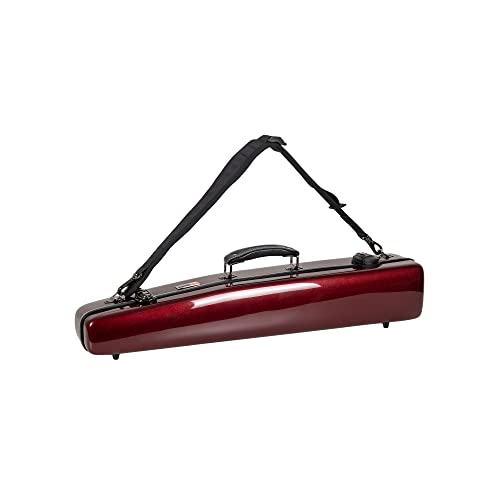
- ✓ Elite protection build
- ✓ Zero-rattle interior
- ✓ TSA-friendly security
- ✕ Heavier than basic cases
- ✕ Premium price tag
| Frame | Lightweight glass frame |
| Material | High-quality materials for durability |
| Dimensions | Compact design fits most spaces |
| Weight | Lightweight and portable |
You’ve likely heard a backpack for a sax case is a great idea, but not all of them actually protect your horn. With this Crossrock Pro-Grade case, the first impression is the wow factor: a glossy shell that feels almost weapon-grade sturdy.
The triple-layer fiberglass builds feel reassuring, not bulky, and the interior silk lining is a rare touch that keeps curious fingernails from snagging.
I picked it up by the padded leather handle, then slid on the detachable backpack straps and realized how well the weight distributes. The zero-rattle fit is real—the interior molding holds the sax rock-solid, so there’s no creak or shift during quick elevator rides or a push through crowded backstage halls.
The built-in TSA lock is surprisingly frictionless to use, and the zippers glide smoothly even with the extra layers of foam. When you open the case, the 20mm high-density foam cushions the horn like a cloud, yet the interior remains compact enough to save space in a crowded dressing room.
Temperature changes on early morning loading ramps didn’t sweat the finish, which is a relief after long gigs.
Color options give you a little personality without screaming onstage, and the gloss finish helps you spot it in a dim crew room. It’s clearly designed for touring scenarios—airport legs, rehearsal rooms, and quick transitions between gigs all feel easier with this case in hand.
If you’re balancing performance and portability, this case checks those boxes without feeling fragile. It’s not just a shell; it’s a mobile support system you’ll reach for before every set.
What Essential Features Should a Touring Musician Look for in a Backpack?
The essential features for a touring musician’s backpack include durability, comfort, organization, and security.
- Durability: A touring musician’s backpack should be made from high-quality, weather-resistant materials to withstand the rigors of travel. This ensures that the gear inside remains protected from elements like rain and rough handling, which is crucial for preserving instruments and equipment.
- Comfort: Since musicians often carry their backpacks for extended periods, comfort features such as padded shoulder straps and a breathable back panel are essential. This reduces strain on the back and shoulders, making it easier to navigate through airports, venues, and other travel environments.
- Organization: A well-designed backpack should have multiple compartments and pockets to keep gear organized. This includes designated spaces for laptops, cables, sheet music, and personal items, allowing for quick access and preventing damage to fragile equipment.
- Security: Traveling musicians need to ensure their valuable instruments and gear are safe. Look for backpacks that include lockable zippers, hidden pockets, or anti-theft features that deter theft and provide peace of mind during transit.
- Size and Capacity: The backpack should have sufficient capacity to hold all essential items without being overly bulky. A compact design is preferable for ease of movement, but it should still accommodate a laptop, musical accessories, and personal belongings effectively.
- Lightweight Design: A lightweight backpack is important for reducing overall load, especially when traveling for long periods. This feature allows musicians to pack more gear without adding excessive weight, making it easier to carry during performances and travels.
- Versatility: A backpack that can adapt to various situations, such as being used as a daypack for casual outings or a carry-on for flights, adds value. Many models offer removable straps or can convert into a different style, catering to different needs throughout a tour.
How Does Backpack Size Impact a Touring Musician’s Experience?
Weight Distribution: A backpack that is too large can lead to an uneven weight distribution, causing strain on the back and shoulders. Properly sized backpacks are designed to fit snugly against the body, providing support and balance, which is especially important for musicians who need to be agile while traveling.
Organization: Many larger backpacks feature multiple compartments and pockets, which can help musicians keep their gear organized and easily accessible. This is particularly beneficial during performances or quick setups, where finding the right item promptly can make a significant difference.
Portability: The size of the backpack influences how easily a musician can navigate through crowded areas. A smaller, well-designed backpack allows for greater maneuverability, reducing the risk of bumping into others or getting caught in tight spots, which is common during touring.
Durability: Larger backpacks may often be constructed with tougher materials to withstand the rigors of touring. However, it’s essential to balance size with quality; a durable yet compact backpack can provide the necessary protection for valuable instruments and gear without becoming cumbersome.
What Materials Offer the Best Durability for a Musician’s Backpack?
- Ballistic Nylon: This material is known for its exceptional toughness and resistance to abrasions, making it ideal for heavy use and wear. Often used in military gear, ballistic nylon can withstand rough handling and protect the contents from damage during travel.
- Ripstop Polyester: Featuring a grid pattern that prevents tearing, ripstop polyester is lightweight yet highly durable. It is often treated for water resistance, making it a great choice for musicians who may encounter wet conditions on the road.
- Cordura Fabric: Renowned for its resistance to tears, scuffs, and abrasions, Cordura is a high-performance nylon fabric that is often used in high-stress applications. It’s also water-resistant, ensuring that equipment remains dry during unexpected weather changes.
- Leather: While heavier than synthetic materials, leather offers a classic aesthetic and exceptional durability. High-quality leather can withstand the rigors of travel while providing a stylish look, though it requires more maintenance to keep it in good condition.
- Canvas: Canvas is a sturdy fabric that can be treated for water resistance, making it a versatile option for musician backpacks. It is known for its durability and ability to hold up against daily wear and tear, although it might not be as water-resistant as synthetic options.
- Neoprene: This synthetic rubber material is highly flexible, water-resistant, and provides excellent cushioning. Neoprene is particularly useful for protecting fragile instruments or gear within the backpack, making it a smart choice for musicians transporting valuable equipment.
How Much Storage Space is Needed for a Touring Musician’s Gear?
The amount of storage space needed for a touring musician’s gear varies based on the type of equipment and personal preferences, but some essential items should be considered.
- Instrument Cases: Musicians often require robust cases for their instruments, whether it’s a guitar, violin, or keyboard. These cases not only protect the instruments during travel but also need enough space to store accessories such as picks, straps, or sheet music.
- Amplifiers and Effects Pedals: For those who play electric instruments, portable amplifiers and effects pedals are crucial for sound versatility. These items can take up considerable space, so choosing a backpack with dedicated compartments is beneficial for organization and quick access.
- Clothing and Accessories: Touring musicians need to pack clothing suitable for performances as well as casual wear. Depending on the length of the tour, including extra outfits and personal items like toiletries can require significant storage space.
- Audio Equipment: Many musicians carry microphones, cables, and sound mixers for live performances or recording. These items vary in size and can quickly fill up available space, making it important to have a backpack that can accommodate them efficiently.
- Personal Devices: Laptops, tablets, and smartphones are essential for managing schedules, social media, and music production. A well-designed backpack should include padded compartments to protect these devices while allowing easy access during travel.
Which Brands are Considered the Best for Touring Musicians’ Backpacks?
The best backpacks for touring musicians combine durability, functionality, and comfort to meet the demands of life on the road.
- Peak Design Everyday Backpack: This backpack is known for its versatility and innovative design, featuring customizable dividers and weatherproof materials.
- Thule Subterra Backpack: Designed for urban exploration, it offers ample storage space and a padded compartment for a laptop, making it ideal for musicians with tech gear.
- Fjällräven Rucksack: A classic choice, this backpack is made from durable materials and offers a minimalist design, perfect for carrying essentials while maintaining a stylish appearance.
- Osprey Transporter Backpack: Renowned for its ruggedness, this backpack is water-resistant and designed to handle rough conditions, making it suitable for touring in various environments.
- Gregory Paragon Backpack: Known for its comfort and support, this backpack offers an excellent suspension system, ideal for long days of travel and carrying heavy equipment.
The Peak Design Everyday Backpack is particularly appreciated by touring musicians for its ability to adapt to different gear types, from instruments to laptops, with its internal organization system and protective materials, ensuring everything stays secure during transit.
The Thule Subterra Backpack stands out for its sleek appearance and practical features, such as an easy-access main compartment and padded sleeves that keep musical devices safe, which is crucial for musicians who rely on technology for performances.
The Fjällräven Rucksack embodies a timeless design and robust construction. Its iconic G-1000 fabric is not only durable but also water-resistant, making it an excellent choice for musicians who need a reliable backpack that can withstand various weather conditions.
The Osprey Transporter Backpack is designed specifically for travel, featuring a highly durable exterior and multiple carry options. Its water-resistant nature provides peace of mind for musicians who need to transport their gear in varying environments.
The Gregory Paragon Backpack excels in comfort and ergonomics, featuring adjustable straps and a ventilated back panel, which is particularly beneficial for musicians who spend long hours carrying their instruments and equipment while on tour.
What Packing Tips Can Help a Musician Maximize Their Backpack Use?
Musicians on tour can benefit from a variety of packing tips to maximize their backpack use efficiently.
- Use Packing Cubes: Packing cubes help organize small items and instruments, allowing for easy access and maximized space within the backpack.
- Prioritize Essential Gear: Identify and pack only the most crucial items, such as a laptop, cables, and a portable interface, to ensure your backpack isn’t overloaded.
- Utilize Every Pocket: Make the most of all available pockets in the backpack for smaller items like picks, tuners, and headphones, keeping them easily accessible.
- Fold Clothing Strategically: Rolling clothes instead of folding them can save space and prevent wrinkles, allowing for more room for music gear.
- Invest in a Lightweight Backpack: Choosing a lightweight yet durable backpack designed for musicians can reduce strain and make it easier to carry essential equipment.
- Consider a Backpack with a Laptop Compartment: A dedicated compartment for your laptop can protect it while providing quick access during travel or at venues.
Packing cubes not only keep items organized but also allow musicians to find what they need quickly without rummaging through their backpack. This system ensures that everything from sheet music to extra strings is neatly contained and easy to locate.
Prioritizing essential gear means evaluating what you absolutely need for performances and practice sessions, which helps in avoiding the temptation to overpack. By focusing on key items, you can maintain a manageable weight while still having everything necessary for successful gigs.
Utilizing every pocket effectively can significantly enhance your packing strategy. Smaller pockets can store miscellaneous items like guitar picks or small microphones, making them readily accessible without the need to dig through larger sections of the backpack.
Folding clothes strategically by rolling them can not only save space but also help maintain their quality by reducing creases. This packing method allows you to fit more clothing items into your backpack while keeping everything in good condition for performance days.
Investing in a lightweight backpack specifically designed for musicians can alleviate the burden of carrying heavy gear. A well-constructed backpack can offer comfort while ensuring that you have enough space for all your musical necessities.
A backpack with a designated laptop compartment helps protect your technology while providing quick access when you need to work on music or set up for a show. This feature adds an extra layer of functionality, ensuring your important equipment is secure and organized.
How Do I Choose the Right Backpack Based on My Instrument Type?
Choosing the right backpack for a touring musician depends on the type of instrument and the specific needs for transport and protection.
- Guitar Backpack: Look for a backpack specifically designed to hold acoustic or electric guitars, featuring padded compartments for the body and neck. These backpacks often have additional pockets for accessories like picks, tuners, and sheet music, ensuring that all essentials are organized and easily accessible.
- Violin Case Backpack: A violin case backpack should provide ample padding and a snug fit to protect the delicate instrument from impact. Many models include detachable straps for convenience and may have extra compartments for bows and rosin, catering to the unique requirements of violinists.
- Keyboard Bag: For keyboard players, a backpack with a spacious main compartment designed for MIDI controllers or keyboards is ideal. Look for a model with reinforced padding and weather-resistant materials to safeguard against damage during travel.
- Brass and Woodwind Instrument Bags: These backpacks typically feature specialized compartments that secure instruments like trumpets, saxophones, or flutes. Some designs have adjustable straps and ergonomic support to distribute weight evenly, making it easier to carry longer distances.
- General Music Gear Backpack: If you carry various instruments or accessories, a general music gear backpack with multiple compartments is beneficial. These backpacks often include sections for sheet music, laptops, and personal items, providing versatility for musicians with diverse needs.