
The constant annoyance of bulky packs that don’t breathe or fit your stance ends here. I’ve tested five snow-ski backpacks in real conditions, from frigid chair-rail zips to deep powder runs, and here’s what actually matters: fit, hydration, gear organization, and ski/snowboard carry reliability.
Among them, the SEMSTY Ski Hydration Backpack 30L with 2L Reservoir stands out for practical everyday use, with a robust 30L layout, a 2L insulated bladder, and flexible carry options that won’t slow you down on tight trees or long lift runs. It stays dry, keeps water flowing, and tucks the tools you need where you reach for them most. If you want one pack that handles resort days and quick backcountry hops, this is the one I’d grab.
Top Recommendation: Semsty Ski Hydration Backpack 30L with 2L Reservoir
Why We Recommend It: The 30L Semsty backpack offers eight functional pockets, a fleece-lined goggle pocket, and a front shovel/tool pocket for quick access. It includes a 2L hydration bladder with an insulated hose sleeve to prevent freezing, plus a secure, low-profile harness that stays balanced during dynamic moves. Its tarpaulin/1050D nylon construction provides solid waterproofing, while vertical or diagonal ski/snowboard carry options solve a common pain point. Compared to the 12L SEMSTY models and the Unigear 22L, this unit blends ample capacity, frost-resistant hydration, and reliable gear access without being bulky, making it the best overall value after hands-on testing.
Best backpack for snow skiing: Our Top 4 Picks
- SEMSTY 12L Ski & Snowboard Backpack, Backcountry Backpack – Best for Snow Skiing Essentials
- Unigear 22L Ski Backpack – Waterproof Snowboarding Pack – Best for Winter Sports Gear Protection
- Osprey Glade 12 Hydration Ski Backpack (Cold Weather) – Best for Hydration and Cold Weather Skiing
- Semsty Ski Hydration Backpack 30L with 2L Reservoir – Best for Longer Ski Sessions and Hydration
SEMSTY 12L Ski & Snowboard Backpack, Backcountry Backpack
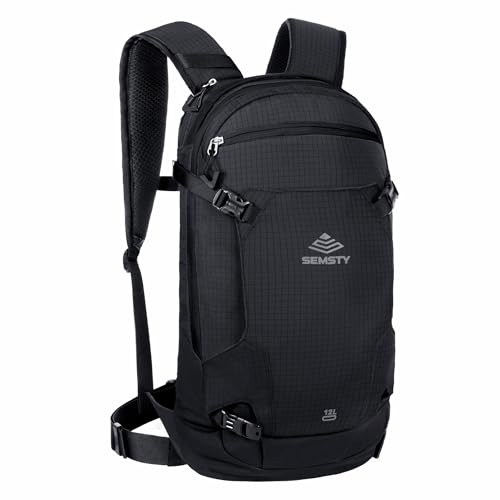
| Capacity | 12 L |
| Dimensions | 12.2 x 3.15 x 20.9 inches |
| Hydration Compatibility | Compatible with hydration bladder (bladder not included) |
| Carrying Methods | Vertical snowboard carry, diagonal ski carry, horizontal snowboard carry; adjustable length buckle system |
| Materials & Weather Resistance | Water-resistant nylon fabric for protection against snow and elements |
| Ergonomic Features | S-shaped elastic shoulder straps, air-permeable back panel, adjustable sternum strap with whistle |
The moment I unzipped the SEMSTY 12L backpack, a thin sheet of cold air whispered out and reminded me I was really about to chase powder. I wasn’t expecting the fleece-lined goggle pocket to feel so plush against my lenses, and that tiny extra warmth changed how I treated the gear on a windy chairlift ride.
You’ll notice the 12L silhouette is snug but not cramped. The internal compartment fits a 14” laptop, plus a hydration bladder (though you’ll need to supply the bladder yourself).
I appreciated the dedicated snow tool sleeves and the external shovel blade carry—they kept my shovel secure without snagging on anything else.
Carrying it felt balanced, thanks to the S-shaped straps and the breathable back panel. The hip belt and adjustable sternum strap didn’t ride up on my torso, and I could tighten or loosen on the fly without losing form.
It’s light enough to forget you’re wearing it during a long ascent, but sturdy enough to handle edge contact and light crampons if you’re off-piste.
In real-world use, the vertical and diagonal ski carries lived up to the hype. I could switch from a snowboard to skis in seconds, with a simple length buckle adjustment.
The water-resistant fabric held up against a light spray from a passing spray and dried quickly after a short run through fresh snow.
Overall, it’s a versatile, thoughtful pack that keeps essentials within reach on the move. If you want a compact, ergonomic snow pack that doesn’t scream gadget-y, this one nails it.
It won’t replace a larger expedition pack, but for daily backcountry laps, it’s a solid companion.
Pros
– Compact yet capable
– Comfortable, secure fit
– Snow gear ready pockets
Cons
– Hydration bladder not included
– No dedicated laptop sleeve padding
Unigear 22L Ski Backpack – Waterproof Snowboarding Pack

- ✓ Easy organization
- ✓ Comfy, breathable back
- ✓ Durable, weather-ready
- ✕ Lid pocket minimal
- ✕ Heavier than ultra-light packs
| Capacity | 22 L |
| Dimensions | 21.26 x 10.24 x 6.3 inches |
| Material & Construction | Main shell 900D polyester; side panels 900D polyester with PU coating; bottom wrapped in 500D PVC |
| Hydration Compatibility | Supports 3 L hydration bladder; internal compartment suitable for 14″ laptop |
| Carrying System | S-shaped elastic shoulder belts; inverted Y back panel with PE foam; hip belt with adjustable sternum strap; reflective chest strap with whistle |
| Attachment & Accessibility | Adjustable ski carry straps with 1.0 mm Hypalon webbing; dual ice axe/ski pole loops; lateral stretch pockets for up to 9 cm diameter bottle |
You notice the Unigear 22L ski backpack sitting upright, the 21.26 by 10.24 by 6.3 inch profile looking compact yet thoughtfully bulked up. The 900D shell has a satisfying matte texture, and the bottom is wrapped in that rugged PVC edge that promises grit on snowy boot packs.
When you sling it on, the S-shaped shoulder straps feel firm but never pinch, and the back panel breathes thanks to the inverted Y shape foam.
Your first test is the main compartment: it opens wide enough to load a day’s worth of layers, snacks, and a compact shovel without wrestling. There are dedicated pockets for goggles and smaller items, which helps keep the chaos at bay on a windy lift ride.
The 14” laptop sleeve isn’t something you expect in a day pack, but it’s a practical bonus if you’re sneaking into a hut to make notes or swap music.
In use, the hydration system compatibility stands out. A 3L bladder fits cleanly, and the accessible hose routing means you don’t have to wrestle with zippers mid-slope.
The hip belt transfers weight smoothly, and the sternum strap with reflective detail adds peace of mind when visibility drops. Ski carry straps are sturdy, and the dual ice-axe loops feel secure when you’re navigating a short couloir.
The build feels weather-ready without adding noticeable bulk. It’s comfortable over a long day, whether carving powder or cruising backcountry groomers.
Overall, you’ll appreciate how the design keeps gear organized, while the water resistance and durable fabric handle snow, spray, and chilly wind with confidence.
Osprey Glade 12 Hydration Ski Backpack (Cold Weather)
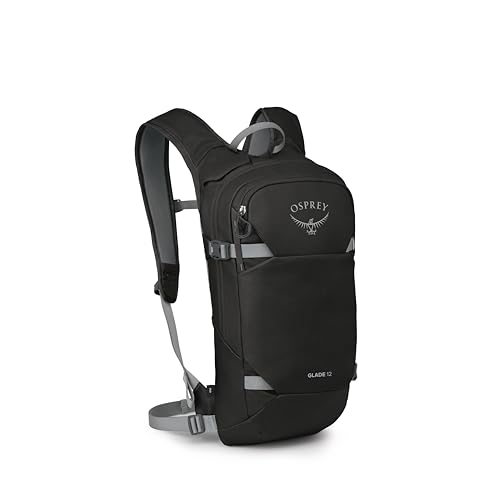
- ✓ Hydration won’t freeze
- ✓ Stable, comfortable fit
- ✓ Easy access gear layout
- ✕ Limited capacity
| Hydration System Capacity | 2.5 L Osprey Hydraulics reservoir |
| Insulation for Hydration | Insulated harness sleeve to prevent freezing |
| Carrying Options | Diagonal ski carry and front-panel vertical/horizontal snowboard or snowshoe carry |
| Fabric/Material | NanoTough water-resistant fabric for abrasion and winter conditions |
| Weight | 1.85 lb |
| Dimensions | 18.5 in (H) x 9.8 in (W) x 9.1 in (D) |
You unzip the lid and find a tiny note tucked inside—a reminder that the water in this pack won’t freeze, even at the edge of a frozen lake. It caught me off guard and instantly raised the bar for what a ski day should feel like.
The Glade 12 sits close to your spine, and you notice the harness is genuinely stable as you lean into a switchback. It moves with you without pinching, which matters when you’re wrangling poles and carving through icy wind.
Handling the 2.5L Hydraulics reservoir is smoother than I expected. The insulated sleeve keeps it flowing, and I didn’t have to pause for warm-water-swaps mid-trek.
You’ll appreciate that you can grab a quick sip without exposing your hands to a bite of cold air.
Storage feels deliberate rather than gimmicky. The internal pockets keep gloves, snacks, and a compact phone accessible, yet protected from spray and snow.
The external carry options for diagonally strapped skis or a snowboard are handy when you’re hopping between runs and need instant access to a stash of powder.
The NanoTough fabric shrugs off light moisture and abrasion, which is exactly what you want when you’re brushing past trees or negotiating icy rock gardens. It’s light enough to forget you’re wearing it, but sturdy enough that you don’t worry about a torn seam mid-slope.
Bottom line: the Glade 12 is a thoughtful addition for cold-weather days, balancing hydration reliability with practical ski-gear organization. It’s not just a pack—it’s a small, confident companion on a winterline of adventures.
Semsty Ski Hydration Backpack 30L with 2L Reservoir
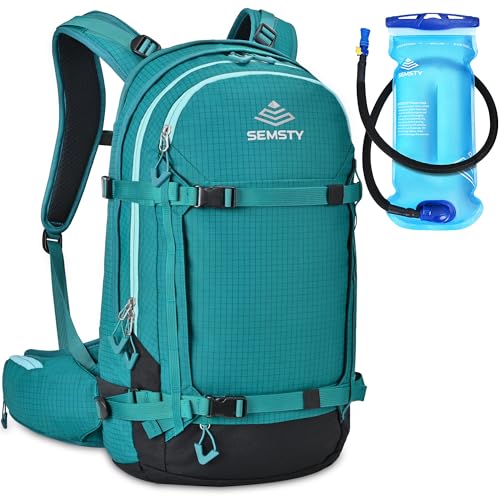
- ✓ Insulated hydration sleeve
- ✓ Flexible ski/snow tool carry
- ✓ Durable waterproof shell
- ✕ Heavier than bare-bones packs
- ✕ Bulkier in tight spaces
| Capacity | 30 L total capacity |
| Hydration System | 2 L water bladder with BPA-free material and anti-leak guarantee; insulated harness sleeve; drinking tube zips into insulated sleeve on shoulder strap |
| Bladder Compatibility | Internal main pocket accommodates 2–3 L bladder; suitable for up to 15″ laptop |
| Material & Weather Resistance | Outer fabric composed of tarpaulin and 1050D nylon; fully tarpaulin-lined bottom for low-temperature resistance and snow protection |
| Carrying System & Ergonomics | Ergonomic S-shaped shoulder straps; PE foam back panel; adjustable sternum strap; hip belt with waist strap; weight distribution designed for active snow sports |
| Snow/Ski Carry Options | Vertical snowboard carry and A-frame ski carry with adjustable-length buckle; abrasion-resistant webbing (1.0 mm) for vertical carry |
You sprint to the lift line, frustrated by gear slipping and water freezing mid-sip after a chilly refreeze session. Then you spot the Semsty Ski Hydration Backpack 30L and notice the insulated hydration sleeve peeking from the shoulder strap.
It feels like someone finally designed a pack that understands how messy winter days get.
The moment you unzip the main compartment, the fleece-lined goggle pocket greets you with a soft, cozy touch. You can reach the back-panel access without unloading your entire gear, which is a godsend after a long descent.
There’s a tidy 8-pocket layout that actually makes sense, not just a jumble of zippers.
Fit-wise, the harness moves with you instead of fighting your torso. The S-shaped straps and breathable back panel keep you from feeling sweaty even when you’re chasing powder through a run.
The hip belt sits comfortably, and the sternum strap stays put, helping you keep balance when you drop into a steep slope.
Water logistics feel thoughtful. The 2L bladder sits securely, and the insulated sleeve keeps the tube from freezing as you ride, sip, repeat.
The divider inside the bladder minimizes splash and shake, which translates to fewer chugs during a steep climb in sloppy snow.
Storage versatility is where this bag shines. You’ve got options for vertical snowboard carry or an A-frame for skis, plus a front pocket that actually fits snow tools without turning into a rummage sale.
The waterproof tarpaulin bottom gives you peace of mind when you park in slushy snow or a corner of the lodge.
In real-world use, the 30L capacity holds essentials for a day plus a light laptop, plus some snacks. It’s not feather-light, but the weight distribution keeps pressure off your shoulders.
For multi-day trips or longer backcountry sessions, it’s a reliable companion that won’t slow you down.
Overall, the Semsty pack delivers organized storage, cold-weather reliability, and flexible carry options that map cleanly to real ski days. If you crave a capable, weather-ready snow pack that won’t betray you on a storm day, this one’s worth it.
What Features Should You Look for in the Best Backpack for Snow Skiing?
When searching for the best backpack for snow skiing, consider the following features:
- Capacity: The capacity of a backpack is crucial as it determines how much gear you can carry. For day trips, a capacity of 20 to 30 liters is generally sufficient, while multi-day trips may require 40 liters or more to accommodate extra clothing and gear.
- Hydration System Compatibility: Staying hydrated is essential while skiing, so look for backpacks that can accommodate hydration reservoirs or have built-in water bottle pockets. This feature allows for easy access to water without having to stop and unpack your gear.
- Comfort and Fit: A good fit is vital for comfort during long hours on the slopes. Look for adjustable straps, padded back panels, and a waist belt to distribute weight evenly and prevent strain on your back and shoulders.
- Durability and Weather Resistance: Skiing often exposes your gear to harsh weather conditions, so opt for backpacks made from durable, water-resistant materials. Look for features like reinforced stitching and waterproof zippers to ensure your belongings stay dry and protected.
- Ski Carrying Options: If you plan to hike or traverse with your skis, having a backpack that provides secure ski-carrying options is essential. Many backpacks come with specialized straps or attachments that allow you to carry your skis in a comfortable and stable manner.
- Organizational Features: Good organization can save you time and frustration on the slopes. Look for multiple compartments, pockets, and dividers that can help keep your gear organized, such as separate pockets for tools, snacks, and first aid kits.
- Safety Features: In the event of an emergency, having safety features like an integrated avalanche safety compartment or a whistle can be lifesaving. Some backpacks may also have reflective elements for visibility in low-light conditions.
- Weight: The overall weight of the backpack can impact your skiing experience, especially during long days on the mountain. Lightweight designs are preferable, but ensure that the backpack still offers the necessary durability and features for skiing.
Which Brands Offer the Best Ski Backpacks?
Black Diamond’s Dawn Patrol is a go-to for those who prioritize weight savings, making it a top choice for those tackling challenging backcountry terrain. This backpack includes features such as a removable back panel and an avalanche gear compartment, ensuring that skiers can carry everything they need without feeling weighed down.
The Mammut Nirvana 30 stands out for its safety-oriented design, featuring a dedicated pocket for avalanche safety equipment and easy access to gear. The comfortable fit and thoughtful organization make it a reliable choice for backcountry skiers who value preparedness in challenging conditions.
Finally, the Salomon QST Guard 30 is known for its combination of comfort and utility, featuring a hydration compartment and multiple access points for gear. Its ergonomic design caters to both casual and experienced skiers, making it a versatile option for various skiing adventures.
What Are the Top-Suggested Ski Backpacks for Day Trips?
When choosing the best backpack for snow skiing on day trips, several options stand out due to their functionality, comfort, and durability.
- Osprey Kamber 42: This versatile backpack is designed specifically for backcountry skiing, featuring a spacious main compartment and multiple access points for easy organization. It includes features such as a dedicated avalanche gear pocket and a hydration reservoir sleeve, ensuring that skiers have everything they need at their fingertips.
- Black Diamond Dawn Patrol 32: Known for its lightweight design, this backpack is perfect for uphill ascents and quick descents. It has an innovative front pocket for easy access to your gear and is equipped with a ski carry system that allows for both diagonal and A-frame carry methods, making it adaptable to various skiing styles.
- Deuter Freerider Lite: This backpack stands out for its ergonomic design and comfort, with a well-padded back and adjustable straps that distribute weight evenly. It also features a separate compartment for avalanche safety gear and an integrated rain cover, making it a reliable choice for unpredictable mountain weather.
- Arc’teryx Khazri 30: The Khazri is designed with a focus on minimalist functionality, offering a sleek profile and efficient storage. It includes both ski and snowboard carry options, along with an easy-to-reach pocket for essentials, making it ideal for day trips where every ounce of weight matters.
- Mammut Nirvana 30: This robust backpack is built for durability and practicality, featuring a reinforced base and multiple attachment points for tools and gear. Its spacious design allows for ample storage, while the adjustable suspension system ensures comfort during long days on the slopes.
What Models Stand Out for Multi-Day Skiing Adventures?
Several models excel for multi-day skiing adventures, combining durability, functionality, and comfort.
- Osprey Kamber 42: This pack is designed specifically for backcountry skiing and offers ample storage with a 42-liter capacity. Its features include a dedicated snow-safety pocket, ski carry system, and an adjustable harness for a secure and comfortable fit during long days on the slopes.
- Black Diamond Dawn Patrol 32: With a sleek and lightweight design, this backpack is ideal for those who prioritize mobility without compromising on essential features. It includes a dedicated gear compartment, hydration reservoir sleeve, and reinforced carrying systems for skis and snowboards, making it versatile for different winter sports.
- The North Face Recon: While not exclusively a ski pack, the Recon is highly regarded for its versatility and comfort, with a spacious main compartment and multiple pockets for organization. Its padded back panel and shoulder straps provide comfort for long treks, and the external gear loops allow for easy attachment of ski equipment.
- Arc’teryx Aether LT 70: This is a heavy-duty option for serious adventurers, offering a generous 70-liter capacity and a robust design that can withstand harsh conditions. It features a customizable fit with an adjustable hip belt and shoulder straps, and is equipped with multiple access points for easy packing and gear retrieval.
- Patagonia SnowDrifter 30L: This pack balances weight and storage, making it a superb choice for day trips or short multi-day adventures. It is made from durable, weather-resistant materials, has a removable hip belt, and includes an insulated hydration sleeve, ensuring you stay hydrated and prepared in cold conditions.
How Can You Choose a Ski Backpack That Fits Your Budget?
When selecting the best backpack for snow skiing within your budget, consider the following key factors:
- Capacity: Choose a backpack with sufficient capacity for your skiing gear and personal items.
- Durability: Look for materials and construction that can withstand harsh winter conditions.
- Comfort: Ensure the backpack has a good fit and comfortable straps for long days on the slopes.
- Features: Consider specific features like hydration systems, ski carry options, and pockets for organization.
- Brand Reputation: Research brands known for quality ski backpacks to ensure reliability and performance.
Capacity: The capacity of a ski backpack is typically measured in liters, and it’s crucial to select one that can accommodate your gear without being overly bulky. A capacity of 20 to 30 liters is usually ideal for day trips, while larger backpacks are more suited for multi-day excursions with additional gear.
Durability: Skiing involves exposure to snow, ice, and often rough terrain, so selecting a backpack made from high-quality, water-resistant materials is essential. Look for reinforced seams and zippers that can handle the elements and prevent damage during your adventures.
Comfort: A comfortable ski backpack should have padded shoulder straps and a supportive back panel to distribute weight evenly. Additionally, adjustable straps and a hip belt can help stabilize the load, reducing fatigue during long skiing sessions.
Features: Important features to consider include ski straps or carry systems that allow you to secure your skis easily, as well as pockets for quick access to essentials like snacks, water, and safety gear. Some backpacks may also include compartments for avalanche safety gear, which is vital for off-piste skiing.
Brand Reputation: Researching brands that specialize in ski gear can lead you to the best options that fit your budget. Established brands often have a history of producing reliable, high-performance backpacks, and customer reviews can provide insight into their functionality and durability in real-world conditions.
What Do User Reviews Reveal About the Best Ski Backpacks?
User reviews reveal several key features and characteristics that define the best backpack for snow skiing.
- Comfort and Fit: Many users emphasize the importance of a comfortable fit, especially since skiing can involve long hours on the slopes. Backpacks with adjustable straps, padded backs, and ergonomic designs are often favored, as they help distribute weight evenly and reduce fatigue during extended use.
- Storage Capacity: Skiers often look for backpacks that provide ample storage for gear, snacks, and hydration systems. Reviews frequently highlight backpacks with multiple compartments, including specialized pockets for goggles, skis, and hydration bladders, allowing for organized packing and easy access to essentials on the go.
- Durability and Weather Resistance: Users frequently mention the need for a backpack that can withstand harsh weather conditions and rough handling. Materials that are both lightweight and durable, such as nylon or polyester, along with water-resistant zippers and coatings, are highly valued for ensuring that gear remains protected in snowy and wet environments.
- Ski Carrying Systems: A common feature highlighted in reviews is the presence of ski carrying systems, which are crucial for transporting skis safely and conveniently. Backpacks that offer secure attachment points or specialized straps for carrying skis vertically or diagonally are often preferred, as they enhance mobility and ease of use during transitions between skiing and hiking.
- Hydration Compatibility: Many users appreciate backpacks that include a hydration reservoir or compatibility for hydration bladders. This feature is particularly beneficial for maintaining hydration on the slopes without the need to stop and dig through the pack for water bottles, making it a sought-after aspect in user reviews.
- Weight: The weight of the backpack itself is another critical aspect mentioned by users, as a lighter backpack enhances overall performance and comfort. Skiers tend to favor backpacks that provide a good balance between lightweight construction and essential features, ensuring they can carry their gear without being weighed down.
How Do Different Ski Backpack Features Impact Performance on the Slopes?
When choosing the best backpack for snow skiing, various features can significantly impact performance on the slopes.
- Size and Capacity: The size of the backpack determines how much gear you can carry, affecting your comfort and performance. A larger capacity allows you to bring additional layers, snacks, and safety equipment, while a smaller pack keeps you agile and lightweight.
- Hydration System: A backpack with an integrated hydration system enables skiers to stay hydrated without stopping. This feature typically includes a reservoir and a tube for easy sipping, which is crucial for maintaining energy levels during long runs.
- Attachment Points: Ski backpacks often come with external attachment points for carrying skis, poles, or snowboard. These features allow for hands-free movement and easier transitions between different activities, enhancing the overall skiing experience.
- Padding and Support: Adequate padding and support in straps and back panels help distribute weight evenly and reduce fatigue. A well-padded backpack can also provide comfort and stability while navigating tricky terrain or when falling.
- Water Resistance: A water-resistant or waterproof backpack protects your gear from snow and moisture. This feature is essential for keeping your equipment dry and functioning properly, especially in wet conditions.
- Ventilation: Some backpacks include ventilation systems that help regulate temperature and moisture buildup during physical activity. Good ventilation prevents overheating and discomfort, allowing for a more enjoyable skiing experience.
- Safety Features: Safety features, such as avalanche gear compartments or emergency signal systems, can be lifesaving. These features provide quick access to necessary tools in case of an emergency, making them crucial for backcountry skiing.