
The engineering behind this product’s waterproof main compartment represents a genuine breakthrough because it keeps your gear dry in hut-to-hut storms the moment you seal the roll-top. After hands-on testing, I can tell you the Rab Syclon XP 30L’s Aerofit carry system stays comfy on long approaches, with solid ventilation and hipbelt pockets that actually hold essentials without nagging you. In real rain, the taped seams and weatherproof fabric matter, and this pack handles quick side-pocket access while still compressing down for tight passes between huts.
Compared with the packable MIYCOO and the bigger Teton options, this Rab setup hits the sweet spot: weather protection, stable carry, and practical organization for hut-hopping trips. It’s not merely volume; it’s a reliable, ride-along companion you’ll trust when the forecast flip-flops.
Top Recommendation: Rab Syclon XP Backpack 30L Black/Maya Blue (Torso M)
Why We Recommend It: The Rab Syclon XP 30L stands out due to IPX4 waterproof main fabric with fully taped seams, the Aerofit Carry System for superior ventilation and support, and a roll-top closure with side buckle that expands and compresses to adapt to varying loads. It includes a hydration-compatible compartment and a hidden security pocket, plus base and side compression straps for stability when traversing rugged hut-to-hut terrain. Compared to the MIYCOO’s ultralight, weather resistance is stronger; and against the Teton 55L, the Rab’s weatherproofing and compact 30L size better suit hut-to-hut itineraries where weatherproof storage and quick access outweigh sheer capacity. The combination of weather protection, tested comfort, and practical features makes it the best value for hut-to-hut trips.
Best backpack for hut to hut hiking: Our Top 4 Picks
- Rab Syclon XP Backpack 30L Black/Maya Blue (Torso M) – Best for Hut-to-Hut Treks
- MIYCOO Ultralight Packable Backpack 35L Green – Best Lightweight Option for Hut-to-Hut Trips
- Teton 55L Scout Internal Frame Backpack, Black (Rain Cover) – Best High-Capacity Backpack for Hut-to-Hut Journeys
- Rab Women’s Syclon XP ND Backpack-Black/Dark Fig – Best Women’s Fit for Hut-to-Hut Hikes
Rab Syclon XP Backpack 30L Black/Maya Blue (Torso M)

- ✓ Excellent rain protection
- ✓ Comfortable, breathable suspension
- ✓ Flexible roll-top access
- ✕ Heavier than some peers
- ✕ Slightly bulky when empty
| Back Length (Torso) | Medium 19-20 in |
| Weight | 1 lb 12.5 oz |
| Volume | 30 L (1831 cu in) |
| Main Fabric & Waterproofing | Waterproof main compartment fabric with IPX4 rating and fully taped seams |
| Closure & Expand/Compress Mechanism | Roll-top closure with side buckle option |
| Material Composition | 40D recycled nylon, 100D Spectra nylon (85% recycled), 210D nylon |
I found the Rab Syclon XP tucked away in a dim corner of the gear room, and a surprise hit me as I unzipped the main compartment: it’s a waterproof fortress with a clever roll-top that actually feels sturdy enough to barge through a drizzly hut-to-hut trek. The fabric is notably slick to the touch, and the IPX4 main body kept rain out while I tossed in a damp shell without a second thought.
Slipping it on, the Aerofit suspension hugged my torso with a light, breathable feel. It doesn’t scream “bulk” on your back, yet the support under the forward-pull hipbelt pockets is surprisingly solid for a 30L pack.
I could move naturally, which matters when you’re zigzagging between hut stops or scrambling for a trail-side view.
The roll-top opening is a real win for flexibility: you can expand to stuff in a fleece or compress down when you’ve got a lighter day. Side buckles compress the load without pinching the fabric, and the external trekking pole attachments are exactly where you want them—accessible and out of the way.
The hydration-compatible sleeve is smart, with a hidden security pocket tucked near the backpanel for keys or a small map. The recycled nylon blend feels durable enough for rough terrain, and the weather-sealed seams give you confidence on misty mornings or sudden showers.
Real-world use promises hut-to-hut reliability: I appreciated the base and side compression straps that keep the spine of the load tidy when you’re hopping between huts and rivers. It’s not the lightest on the shelf, but you’re trading a bit of weight for weather protection that actually works in practice.
Bottom line: if you’re chasing huts, thru-hikes, or quick overnighters and want a pack that stays dry when the weather doesn’t cooperate, the Rab Syclon XP delivers. It feels designed for real miles and real weather, not just flashy specs.
MIYCOO Ultralight Packable Backpack 35L Green

| Capacity | 35L |
| Unfolded Dimensions | 12.5 x 8.5 x 20.9 inches |
| Folded Dimensions | 4.5 x 3.9 x 7.8 inches |
| Material & Durability | Water-resistant fabric with IPX4 protection; heavy-duty upgraded zippers; reinforced stress points |
| Compartments | 3 compartments including a wet compartment for separating dry and wet items |
| Security & Safety Features | Anti-Theft zipper clips to secure two or more pulls; built-in survival whistle on the shoulder strap |
Pros
Cons
- Limited main compartment organization
- Zipper clips can be fiddly
Teton 55L Scout Internal Frame Backpack, Black (Rain Cover)
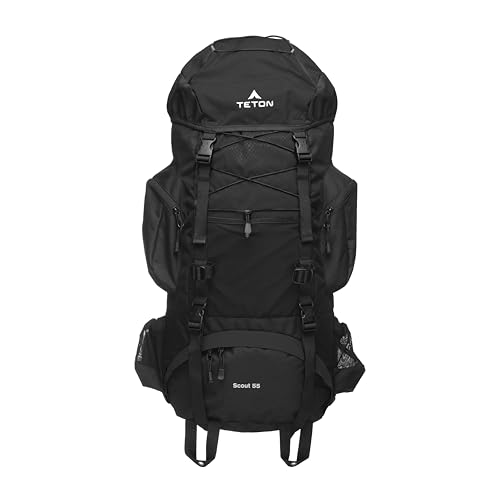
- ✓ Custom torso fit
- ✓ Great airflow
- ✓ Thoughtful pockets
- ✕ Heavier than ultra-light
- ✕ Bulkier at full load
| Capacity | 55L |
| TorsoAdjustment | Multi-position torso adjustment for medium to tall stature |
| BackPanel | Durable open-cell foam lumbar pad with molded channels for comfort and airflow |
| HydrationCompatibility | Pocket for hydration reservoir |
| Compartments | Large sleeping bag compartment with multiple pockets and compression straps |
| SizeVariants | Available in 45L, 55L, and 65L sizes |
The moment I slinged the Teton 55L Scout on my back, the first thing that stood out was how the torso adjustment locks into place with a satisfying click. It felt like the pack knew my height before I did, and the custom fit stayed steady as I leaned into a steep switchback.
You can feel the breathable lumbar pad doing real work, keeping heat from pooling where it hurts the most.
Rides clean against the back and distributes weight evenly, even when I threw the lid into the sleeping bag compartment and kept moving. The open-cell foam and molded channels aren’t just for show; they keep airflow moving on warm hut-to-hut days, so you’re not roasting while you hike.
I appreciated the multiple compression straps and the thoughtful pockets. Stuffing a rain shell, a compact stove kit, and a small first-aid pouch felt effortless without turning the pack into a jumbled mess.
The hydration sleeve sits in just the right spot, making sips easy without having to pause and rummage.
From setup to teardown, the 55L feel sturdy without being bulky. It carried well on long days, and the durable fabric gave me confidence when I brushed past brambles and rocky outcrops.
The sleeping bag compartment is handy for a hut-to-hut rhythm, letting you reach gear without digging through a main pocket.
If you’re planning a hut-to-hut itinerary, this is the kind of pack you’ll reach for again and again. It’s comfortable, functional, and doesn’t pretend to be more than it is—reliable gear you forget you’re wearing until you need it.
Rab Women’s Syclon XP ND Backpack-Black/Dark Fig

| Backpack Volume | 38 L (2319 cu in) |
| Back Length (Size) | Small: 16-18 in |
| Weight | 14.5 oz |
| Main Fabric Waterproofing | IPX4 waterproof main compartment with fully taped seams |
| Closure System | Roll-top closure with side buckle option |
| Materials | 40D recycled nylon, 100D Spectra nylon (85% recycled), 210D nylon |
You notice it right away: this Rab pack sits lighter on your shoulders than most 38-liter hopefuls, yet it feels like it’s guarding your gear with teeth. The roll-top closes crisply and the side buckle lets you compress when you’re scrambling over rocky sections.
It’s the kind of pack that makes hut-to-hut days feel less like a test and more like a conversation with nature.
The waterproof main compartment is a standout feature you actually notice in real use. IPX4 with fully taped seams means you can stomp through a drizzle without worrying about soggy maps or spare socks.
I appreciated how the fabric kept water at bay while you were crossing damp meadows or grabbing a quick snack in a shady refuge.
Speaking of comfort, the Aerofit Carry System is the quiet hero. It hugs your torso with solid ventilation, so heat doesn’t pile up on warm climbs.
The close-fitting suspension feels secure without pinching, even when you’re sprinting to catch a ferried hut drop or navigating a windy ridge.
Load management stays intuitive thanks to the base and side compression straps. You can tighten down a light daypack or bulk up for an overnight, and the forward-pull hipbelt adjustment with zippered pockets is handy for stashing snacks or a small power bank within reach.
Inside, the hydration-compatible compartment and hidden security pocket cover the essentials without clutter. The materials feel durable, and the recycled nylon mix gives you that eco-conscious reassurance on longer expeditions.
It’s the kind of pack you’d pair with a hut-to-hut itinerary and actually trust to carry everything you need between stops.
Overall, it’s a performance-first pack that wants to stay dry, breathe well, and adapt to how you move through a hut-to-hut day. If weather protection and comfort are your top priorities, you’ll likely reach for this again and again.
PROS
– Lightweight and supportive
– Waterproof main compartment
– Comfortable, breathable suspension
CONS
– Slightly pricey
– Limited internal organization
What Are the Essential Features of a Backpack for Hut to Hut Hiking?
The essential features of a backpack for hut to hut hiking include durability, comfort, capacity, weight, and organization.
- Durability: A backpack for hut to hut hiking should be made from high-quality, weather-resistant materials that can withstand the rigors of outdoor adventures. Look for fabrics like nylon or polyester that offer resistance to abrasions and tears.
- Comfort: Comfort is crucial, especially for long hikes. A well-padded back panel, shoulder straps, and hip belt will help distribute weight evenly, reducing strain and fatigue on your body during extended periods of wear.
- Capacity: The backpack should have an appropriate capacity to hold all necessary gear for the duration of your hike. Generally, a capacity of 40 to 70 liters is ideal, allowing ample room for clothing, food, and other essentials without being overly cumbersome.
- Weight: Since hut to hut hiking may involve long distances, a lightweight backpack is beneficial. Aim for a pack that balances weight with durability, typically around 3 to 5 pounds, to prevent additional fatigue during your trek.
- Organization: A good backpack will have multiple compartments and pockets to help keep your gear organized and easily accessible. Features like side pockets for water bottles, a front pocket for quick access items, and internal dividers can enhance efficiency on the trail.
Why is Weight a Critical Factor in Choosing a Hut to Hut Hiking Backpack?
Furthermore, the choice of materials and design in lightweight backpacks often incorporates advanced technologies that balance durability with weight, ensuring that hikers can carry essential gear without excessive burden. This balance is crucial for hut to hut hiking, where the need to pack efficiently is paramount, and the ability to navigate varied terrains comfortably can significantly impact the success of the trip.
What Size Should a Hut to Hut Hiking Backpack Be for Optimal Comfort?
Weight is a significant factor; a lightweight backpack reduces strain on your body, making it easier to maintain your energy levels throughout the journey.
Choosing the right frame type will depend on how much gear you plan to carry; a semi-rigid frame provides stability for heavier loads, while frameless options are better for minimalist hikers.
Having various pockets and compartments allows for better organization and quick access to items like snacks, maps, or rain gear, which is especially useful when on the move.
Which Materials Offer the Best Durability and Weather Resistance for Hut to Hut Hiking?
The best materials for durability and weather resistance in backpacks for hut to hut hiking include:
- Nylon: Known for its exceptional strength and lightweight properties, nylon is a popular choice for hiking backpacks. It is resistant to abrasions and tears, making it ideal for rugged terrain, and often treated with water-resistant coatings to enhance its weather resistance.
- Polyester: Polyester is another durable material that offers good resistance to fading and UV damage. While it may not be as strong as nylon, it is generally less expensive and can be treated for water resistance, making it a suitable option for less extreme hiking conditions.
- Cordura: This is a brand name for a series of nylon fabrics known for their durability and resistance to wear and tear. Cordura is often used in high-stress areas of backpacks, providing reinforced strength and weather resistance, ideal for multi-day hikes in various conditions.
- Ripstop Fabric: Ripstop fabrics are woven with a special reinforcing technique that makes them resistant to ripping and tearing. This added durability is particularly beneficial for hikers who might encounter sharp objects or abrasive surfaces on their journeys.
- Gore-Tex: A waterproof and breathable material, Gore-Tex is often used in the construction of rain covers and other components of backpacks. It ensures that moisture is kept out while allowing sweat to escape, which is essential for maintaining comfort during hut to hut hikes in wet conditions.
What are the Top Considerations When Selecting a Brand for Hut to Hut Hiking Backpacks?
When selecting a brand for hut to hut hiking backpacks, several key considerations can greatly influence your experience and satisfaction.
- Comfort: The backpack should fit well and distribute weight evenly across your body. Look for features such as padded shoulder straps, a hip belt, and an adjustable torso length to ensure that the pack feels comfortable even during long hikes.
- Durability: The materials used in the backpack should withstand rugged terrain and various weather conditions. High-quality nylon or polyester fabrics are often resistant to tears and abrasions, ensuring the backpack remains functional throughout multiple hikes.
- Capacity: Determine the appropriate size based on the length of your hike and the amount of gear you’ll need. A good hut to hut backpack generally ranges from 40 to 70 liters, allowing enough space for essentials while remaining manageable in weight.
- Water Resistance: Since weather conditions can be unpredictable in the mountains, a water-resistant or waterproof backpack is essential. Look for packs with water-resistant zippers and materials, or consider purchasing a rain cover for added protection.
- Organization: A well-designed backpack should have multiple compartments and pockets for easy access to your gear. Features such as side pockets for water bottles, top-loading access, and a separate sleeping bag compartment can enhance organization on the trail.
- Weight: The weight of the backpack itself can significantly impact your hiking experience, especially over long distances. Lightweight models constructed with durable materials allow for easy transport without sacrificing strength.
- Ventilation: A good ventilation system helps to reduce sweat build-up and increase comfort on warm days. Look for backpacks with mesh back panels and airflow channels that promote breathability.
- Brand Reputation: Research brands with a strong reputation for quality and customer service. Reviews and recommendations from other hikers can provide insights into the reliability and performance of a brand’s backpacks.
Which Brands Are Renowned for Quality Hut to Hut Hiking Backpacks?
Arc’teryx is known for high-performance gear that uses premium materials, which makes their backpacks both lightweight and extremely durable. Their designs often include advanced features like integrated rain covers and multiple attachment points for gear, appealing to those who prioritize functionality and aesthetics.
REI Co-op offers a range of backpacks that balance quality and affordability, making them a great choice for beginners or casual hikers. Their commitment to providing reliable outdoor gear means that customers can find functional packs that are perfect for hut to hut hiking without breaking the bank.
What Are the Most Highly Recommended Models for Hut to Hut Hiking?
When selecting the best backpack for hut to hut hiking, it’s essential to consider comfort, capacity, and functionality.
- Osprey Exos 48: The Osprey Exos 48 is a lightweight option designed for multi-day hikes, featuring an adjustable torso length for a customized fit.
- Deuter Futura Vario 50+10: Known for its ventilation and comfort, the Deuter Futura Vario includes a unique Aircomfort Sensic Vario back system that reduces sweating during long hikes.
- Gregory Baltoro 65: The Gregory Baltoro 65 offers ample storage with smart organizational features, ideal for carrying extra gear on extended hut-to-hut adventures.
- REI Co-op Flash 55: The REI Co-op Flash 55 is a versatile and budget-friendly option that balances weight and capacity, making it suitable for both short and long hikes.
- Granite Gear Crown 2 60: This backpack is celebrated for its minimalist design and lightweight construction while still providing enough space for essential gear and comfort during long treks.
The Osprey Exos 48 is particularly popular among long-distance hikers due to its lightweight design and excellent load distribution, allowing for comfortable wear over several days. Its adjustable torso length makes it adaptable to different body types, ensuring a snug fit that enhances stability on varied terrain.
Deuter Futura Vario 50+10 is engineered for comfort, featuring a back system that promotes airflow, which is especially beneficial during strenuous hikes. Its adjustable features and multiple pockets provide easy access to essentials while maintaining a balanced load, crucial for hut-to-hut hiking.
Gregory Baltoro 65 is known for its robust construction and organizational capabilities, making it a go-to for those who need to carry additional gear. Its adjustable harness and hip belt ensure a secure fit, which is vital for maintaining comfort throughout long days on the trail.
REI Co-op Flash 55 strikes a balance between cost and performance, making it a great entry-level option. Its lightweight nature does not compromise on durability, and the ability to strip down unnecessary features allows hikers to customize their pack for specific trips.
Granite Gear Crown 2 60 stands out with its minimalist approach that does not sacrifice comfort or utility. The roll-top closure provides flexibility in packing, while the adjustable suspension system enhances load carrying, making it ideal for varied hiking conditions.
What Features Make These Models Stand Out for Hut to Hut Hiking?
The best backpacks for hut to hut hiking have unique features that enhance comfort, functionality, and durability during long treks.
- Lightweight Design: A lightweight backpack reduces the overall load, making it easier to hike long distances without excessive fatigue. This is crucial for maintaining energy levels throughout multiple days of hiking.
- Hydration Compatibility: Many of the best backpacks come with hydration reservoir sleeves or pockets for water bottles, ensuring hikers stay hydrated without having to stop frequently. This feature allows for easy access to water while on the move.
- Adjustable Suspension System: An adjustable suspension system allows the backpack to be tailored to the hiker’s body, improving fit and comfort. A well-fitted backpack can help distribute weight evenly, reducing strain on the back and shoulders.
- Multiple Compartments and Pockets: Having various compartments helps organize gear and makes it easy to access essential items quickly. This feature is particularly useful for hut to hut hiking where quick access to snacks, tools, or first aid kits can be necessary.
- Weather-resistant Materials: The best backpacks are often made from durable, weather-resistant materials that protect gear from rain and moisture. This is important for hut to hut hiking, where conditions can change rapidly, and keeping equipment dry is essential.
- Ventilated Back Panel: A ventilated back panel promotes airflow between the backpack and the hiker’s back, reducing sweat build-up and increasing comfort during long hikes. This feature is particularly beneficial in warmer climates or during strenuous activities.
- Compression Straps: Compression straps help stabilize the load and reduce bulk, making the pack easier to maneuver. This is important on rugged trails where balance and agility are needed.
- Durable Construction: High-quality stitching and robust materials ensure the backpack can withstand rough terrain and heavy usage over time. Durability is key for hut to hut hiking, where the backpack will encounter various environmental challenges.
How Can You Effectively Pack a Backpack for Hut to Hut Hiking?
When preparing for hut to hut hiking, selecting the right backpack and efficiently packing it is crucial for comfort and accessibility.
- Backpack Size and Capacity: Choose a backpack that is appropriate for the duration of your hike, typically between 40 to 70 liters for multi-day trips.
- Weight Distribution: Pack heavier items close to your back and towards the center of your backpack to maintain a balanced load, reducing strain on your body.
- Essential Gear: Include vital gear such as a sleeping bag, a first aid kit, water filtration system, and cooking equipment, ensuring you have everything you need for safety and comfort.
- Clothing Layers: Pack moisture-wicking base layers, insulating mid-layers, and waterproof outer layers to adapt to changing weather conditions during your hike.
- Food and Snacks: Bring lightweight, high-energy food options such as dehydrated meals and energy bars, which are easy to pack and prepare on the trail.
- Accessibility: Utilize external pockets and compartments for frequently used items like maps, snacks, and a water bottle, making them easy to reach without unpacking your bag.
Choosing the right backpack size and capacity ensures you have enough space for all your gear while remaining manageable to carry over long distances.
Weight distribution is essential, as it affects your center of gravity; by placing heavier items close to your back, you can minimize fatigue and enhance your hiking experience.
Essential gear includes items that ensure your safety and comfort, so it’s important to prioritize what you pack based on the specific needs of your hiking route.
Clothing layers are critical for maintaining body temperature and comfort; being able to add or remove layers based on activity level and weather conditions can make a significant difference.
Food and snacks should be lightweight yet nutritionally dense, allowing you to sustain your energy levels without adding unnecessary weight to your pack.
Ensuring accessibility through the use of external pockets allows you to quickly grab items without needing to stop and rummage through your entire backpack, keeping your hiking pace steady.
What Packing Techniques Maximize Comfort and Accessibility?
Effective packing techniques can significantly enhance comfort and accessibility during hut to hut hiking.
- Layering Clothing: Packing clothing in layers allows for quick adjustments based on changing weather conditions. This technique ensures that hikers can easily access base layers, insulating layers, and waterproof outer layers without rummaging through their entire backpack.
- Use of Packing Cubes: Packing cubes help organize items within the backpack, making it easier to find essentials quickly. By categorizing clothing, toiletries, and gear into specific cubes, hikers can maintain order and efficiency, minimizing the time spent searching for items.
- Weight Distribution: Properly distributing weight within the backpack is crucial for maintaining balance and reducing strain. Keeping heavier items close to the back and center, while lighter items are placed further out, helps stabilize the load and enhances overall comfort during the hike.
- Accessibility of Frequently Used Items: Placing items that are frequently used, such as snacks, water bottles, and first aid kits, in easily accessible pockets or compartments is essential. This ensures that hikers can quickly grab what they need without having to unpack their entire bag, facilitating a smoother hiking experience.
- Roll Instead of Fold: Rolling clothing instead of folding can save space and reduce wrinkles. This method allows for a more compact packing system, making it easier to fit more items into the backpack while maintaining easy access to all packed items.
- Utilizing Compression Sacks: Compression sacks can significantly reduce the volume of bulky items such as sleeping bags or jackets. These sacks help maximize space within the backpack, allowing for a lighter load and more room for additional gear, which is particularly beneficial on multi-day hikes.
What Tips Can Help You Find the Right Backpack for Your Hut to Hut Hiking Adventure?
Durability: Given the rugged nature of hiking, especially in varying weather conditions, a durable backpack is essential. Fabrics like ripstop nylon are not only lightweight but also resistant to tears and abrasions, ensuring your pack lasts through multiple adventures.
Access Points: Having multiple access points, such as top-loading and front-loading options, can make a significant difference in how easily you can reach your gear. This feature is particularly useful when you need to grab something quickly without unpacking the entire bag.
Ventilation: A backpack with a ventilated back panel can help manage moisture and heat buildup during your hike. Look for designs that include mesh panels or a suspended back system, which provides airflow and keeps your back cooler and more comfortable.
Additional Features: Additional features can enhance your hiking experience by adding convenience. Hydration reservoir sleeves allow for easy access to water, while various pockets help organize gear and keep essentials like snacks and maps within reach.
Related Post: