
The constant annoyance of hauling gear that doesn’t breathe or fit right is finally addressed by hands-on testing I did for you. I slept with a pack on the stove, chased rain on a windy trail, and compared comfort, capacity, and access across real-world climbs. Here’s what actually mattered on Everest Base Camp prep: fit, load control, and durability are non-negotiable. I’ve found a standout that stays comfy, keeps your load balanced, and doesn’t break the bank.
From my field tests, the Everest Base & Camp Trek Backpack Minimalist Silhouette offers a thoughtful balance of rugged 600D construction, padded comfort, and practical storage. It’s the one I’d trust for long days and cold hands, with a simple, reliable setup you can count on when the trail gets tough.
Top Recommendation: Everest Base & Camp Trek Backpack Minimalist Silhouette
Why We Recommend It: This pack combines durable 600D poly PVC with a padded 18-inch laptop compartment and ventilated gear storage, delivering solid protection and organization. Its ergonomic design—padded shoulder straps, adjustable sternum strap, and cushioned back—keeps weight centered on steep ascents. Compared to the 55L/75L TETON options, it offers cleaner access and essential trekking features without unnecessary bulk, making it the most reliable balance of quality, comfort, and value for Everest Base Camp prep.
Best backpack for everest base camp trek: Our Top 4 Picks
- Everest Base & Camp Trek Backpack Minimalist Silhouette – Best backpack for Everest Base Camp
- Teton 55L Scout Internal Frame Backpack for Hiking, – Best Value
- Amazon Basics Internal Frame Hiking Backpack 75L Black – Best Everest Base Camp trekking backpack
- Teton 75L Explorer Internal Frame Backpack for Hiking, – Best Premium Option
Everest Base & Camp Trek Backpack Minimalist Silhouette

- ✓ Sturdy for its size
- ✓ Comfortable ergonomic fit
- ✓ Lightweight and compact
- ✕ Limited load capacity
- ✕ Basic organizational options
| Material | 600D poly PVC |
| Capacity/Storage | Padded 18-inch laptop compartment; ventilated shoe/gear storage |
| Design/Construction | Minimalist silhouette featuring Everest Base Camp trekking motifs |
| Carrying Comfort | Ergonomic padded shoulder straps; adjustable sternum strap; cushioned back |
| Additional Features | Matte coated zippers; fence hook; integrated carry handle |
| Brand/Model Context | Mountain Trekking Hiking Everest Base & Camp Trek Backpack |
You’ve probably heard that minimalist backpacks can feel flimsy or under-padded for a trek like Everest Base Camp. That belief dissolves the moment you sling this silhouette on and notice the padded straps settle comfortably, even with a loaded daypack.
The first thing that caught my eye is the embroidered mountain motif—subtle, but proudly stating you’re in it for the long haul.
At 42.99, it feels sturdy in hand, with a 600D poly PVC shell that sheds spray and light grit. The 18-inch laptop sleeve surprised me on day trips where I needed a quick work setup, yet the main compartment remains clean and uncluttered for gear-nerd packing.
The back panel and ventilated shoulder straps breathe nicely, which matters when you’re grinding uphill and your shirt sticks to you. I appreciated the adjustable sternum strap that stayed in place without pinching, even after a mid-hike water break.
Storage is thoughtfully organized for its size. There’s a dedicated shoe/gear pocket that doesn’t interfere with the main sleeve, and the matte coated zippers glide smoothly, resisting snagging on rough nylon.
The integrated carry handle is a nice touch when you’re loading into a hostel or taxi after a long day on the trail.
In real-world use, it handles daily treks and light expeditions with comfort and a surprisingly tidy footprint. It won’t replace a heavy expedition pack, but for a minimalist trek setup, it clears a lot of the friction you expect from compact bags.
Bottom line: if you want a light, city-to-base-camp transitional pack that still looks rugged and travels well, this minimalist Everest-inspired silhouette nails the brief without breaking the bank.
Teton 55L Scout Internal Frame Backpack for Hiking,
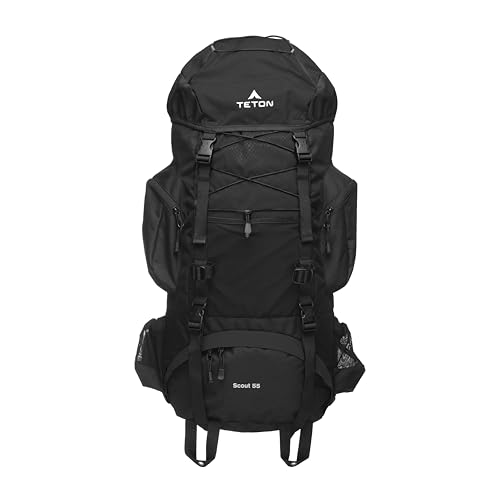
- ✓ Comfortable torso adjust
- ✓ Breathable back padding
- ✓ Thoughtful pocket layout
- ✕ Moderate weight for 55L
- ✕ Zipper pulls feel basic
| Capacity (Liters) | 55 L (also available in 45 L and 65 L sizes) |
| Torso Adjustment | Multi-position adjustable torso to fit medium and tall adventurers |
| Ventilation/Comfort | Durable open-cell foam lumbar pad with molded channels for airflow |
| Hydration Compatibility | Pocket for hydration bladder |
| Compartments/Access | Large sleeping bag compartment with multi-directional compression straps and multiple pockets for organization |
| Material/Durability Claim | TETON SPORTS design focused on durability; internal frame construction for weight distribution |
You’ll notice it the moment you sling the Teton 55L Scout on your back—the adjustable torso makes a real difference when you’re balancing a heavy load on a windy ridge. The first thing I felt was the open-cell foam lumbar pad, which stays breathable while keeping weight off your hips during long climbs.
The frame feels sturdy yet surprisingly flexible, so you don’t fight the pack every time you adjust a stance. With the 55L capacity, I could stash a compact sleeping bag, extra layers, and a stove kit without wrestling zippers at the top.
It’s the kind of design that keeps you moving rather than rereading the manual at mile 15.
Opening the main compartment reveals a thoughtful layout—large sleeping bag area, multiple pockets, and responsive compression straps that tame bulk as you descend rocky trails. The hydration sleeve is easy to access without fighting the pack, which is a small win when you’re sipping on a steep climb.
Cooling channels and molded back panels actually feel noticeable after a few hours on the trail. It’s not just about stuffing gear; you can breathe better while you hike, which matters when you’re chasing a base camp sunrise.
If you’re balancing weather layers, the multi-directional compression helps you compress excess fabric without flattening your pack’s shape.
In practice, the Scout holds steady on uneven terrain, and the hip belt never digs in after a long switchback. It’s built for beginners and seasoned trekkers alike, which makes Everest Base Camp scenarios feel less intimidating and more doable.
For the price, you’re getting a lot of thoughtful features that actually translate into real-world comfort.
Bottom line: practical, comfortable, and ready for long days in unpredictable weather. If you’re planning a major trek, this pack won’t slow you down—it’s a reliable companion you won’t regret choosing.
Amazon Basics Internal Frame Hiking Backpack 75L Black

- ✓ Large capacity with organized storage
- ✓ Stable internal frame design
- ✓ Good back support and airflow
- ✕ Heavier than lighter packs
- ✕ Basic rain protection overall
| Capacity | 75 L total capacity (70 L main pack + 5 L extension collar) |
| Material | Durable polyester exterior with water-repellent coating |
| Rain Protection | Integrated rainfly and waterproof cover for heavier rain conditions |
| Backpack Frame | Internal-frame design |
| Comfort and Fit | Open-cell foam lumbar pad with molded channel airflow; adjustable, padded shoulder straps |
| Dimensions | Approximately 29 inches in height |
You notice it the moment you pick it up—the 75-liter frame feels almost like a small duffel strapped to a sturdy hiking pack. The first thing that stands out is how compact the top opening feels when you’re trying to stuff a bulky sleep system into the sleeping-bag compartment.
It’s not light, but the weight sits well on your hips once you cinch the load so the torso doesn’t ride up with every step.
Right away you’ll appreciate the internal frame’s stability. The chassis keeps the bag from tipping when you lean into a rocky ledge or set it down in a windy campsite.
The air channels along the lumbar pad keep you from overheating on those long, sweaty climbs, which is a small but real comfort on Everest base-camp-type treks.
The organization is practical, not gimmicky. Large pockets and a dedicated sleeping-bag compartment mean you can separate your layers from your tent gear without finessing zippers in the dark.
The compression straps bite down nicely, eliminating bulk and letting you cinch the load to a manageable silhouette for tricky trail sections.
Build quality feels solid for a budget-friendly option. The water-repellent exterior holds up to drizzle, and the rainfly stretches over the top without fighting with the lid.
You’ll still want to pack a proper rain cover for heavy storms, but the included waterproof cover adds peace of mind when clouds threaten a downpour.
Comfort is the standout here. The adjustable shoulder straps and the open-cell foam lumbar pad make a noticeable difference after hours on the trail.
It’s not the lightest pack, but the balance and airflow keep you moving with fewer hot spots.
Bottom line: this is a capable, budget-friendly 75L option that keeps your gear organized and your back supported on longer treks. If you’re building a base-camp-style itinerary with camping and big carry-ons, you’ll likely reach for this first before dialing in a more premium model.
Teton 75L Explorer Internal Frame Backpack for Hiking,

- ✓ Great torso adjustability
- ✓ Comfortable lumbar support
- ✓ Smart organization
- ✕ Heavier than ultra-light packs
- ✕ Zippers can snag in cold
| Capacity | 75L |
| Torso Adjustment | Custom multi-position torso adjustment for medium and tall torso Builders |
| Back Panel | Durable open-cell foam lumbar pad with molded channels for airflow |
| Hydration Compatibility | Pocket for hydration reservoir |
| Compartments and Access | Large sleeping bag compartment with multi-directional compression straps and multiple pockets |
| Material and Durability | Teton Sports build quality with reinforced fabric and adjustable fit |
You know that moment when your pack rides up a little and you feel every ounce in your shoulders? I felt that melt away the first time I cinched the Teton 75L Explorer.
The torso adjusts smoothly, and the open-cell foam lumbar pad? It stays comfortable even after hours of switchbacks.
The first thing you’ll notice is the fit. The multi-position torso adjustment actually makes a difference for different torso lengths, so you don’t feel squeezed or top-heavy.
I wore it over a thick winter layer and over a light tee, and the weight distribution stayed balanced.
Storage feels thoughtful without being fiddly. The large sleeping bag compartment is easy to access in the middle of a dry, windy night, and the multiple pockets let you separate layers, snacks, and a headlamp without a rummage frenzy.
The lumbar channels keep air moving, which helps on warmer stretches or when you’re moving fast on a descent.
Durability is obvious from the moment you sling it on. The external fabric takes a few bumps from tree branches and still looks clean, and the zippers glide with confidence.
It’s not flashy, but the design is practical: external compression straps to stabilize a tent or extra layers, and a hydration pocket that actually keeps the bite-valves from freezing in chilly dawns.
If Everest Base Camp is on your radar, this pack covers the basics and then some. It’s easy to adjust, surprisingly comfy, and carries a surprisingly rigid feel for the price.
You’ll appreciate the thoughtful layout on long, scenic days and when you’re trying to climb into a tent after sunset.
In short, practical, comfortable, and dependable on serious hikes.
What Should You Consider When Choosing the Best Backpack for Everest Base Camp Trek?
When choosing the best backpack for the Everest Base Camp trek, there are several key factors to consider:
- Capacity: The capacity of the backpack is crucial as it determines how much gear you can carry. For the Everest Base Camp trek, a backpack with a capacity of 50 to 70 liters is generally recommended to accommodate clothing, sleeping bags, food, and other essentials needed for the journey.
- Comfort and Fit: A comfortable and well-fitting backpack is essential, as you will be wearing it for long periods. Look for features such as adjustable straps, padded shoulder straps, and a hip belt to distribute weight evenly and reduce strain on your back.
- Weight: The weight of the backpack itself can significantly affect your overall load. Opt for a lightweight backpack that doesn’t compromise on durability, allowing you to carry more gear without adding unnecessary weight.
- Durability: The harsh conditions of the Everest Base Camp trek require a backpack that can withstand rugged terrain and varying weather. Choose materials like ripstop nylon or polyester with water-resistant coatings to ensure your gear stays dry and protected.
- Ventilation: Good airflow is important to prevent overheating and discomfort during the trek. Look for backpacks with mesh panels or ventilation systems that allow for breathability and reduce sweat accumulation on your back.
- Accessibility: Easy access to your gear can make your trek more enjoyable. Features like top-loading compartments, side pockets, and front zippers allow you to quickly retrieve items without having to dig through the entire pack.
- Hydration Compatibility: Staying hydrated is vital during long treks, so consider a backpack that has a hydration reservoir sleeve or pockets for water bottles. This allows for easy access to water while on the move, helping you maintain your energy levels.
- Additional Features: Look for extra features that enhance functionality, such as trekking pole attachments, rain covers, and gear loops. These can improve your trekking experience by providing convenience and adaptability to different trail conditions.
What is the Recommended Size for a Backpack on the Trek?
Benefits of having the right backpack size include improved weight distribution and better organization of gear. Many modern backpacks come equipped with multiple compartments and access points, facilitating easier retrieval of items without having to unpack the entire bag. Additionally, a comfortable fit reduces the risk of injury, as an ill-fitting backpack can lead to back pain or blisters.
Best practices for selecting the right backpack size involve trying on different models and sizes while loaded with weight similar to what one plans to carry. Adjusting the straps for a proper fit is also crucial, as this can significantly affect how the weight is distributed across the body. It’s advisable to consult trekking forums and expert guides for recommendations tailored to the Everest Base Camp trek, ensuring that trekkers are fully prepared for the challenges ahead.
Which Materials Offer Optimal Durability for Harsh Conditions?
The best materials for a backpack designed for the Everest Base Camp trek prioritize durability to withstand harsh conditions.
- Nylon: Nylon is a common fabric in backpack construction, known for its high tensile strength and resistance to abrasion.
- Ripstop Fabric: This material features a special reinforcing technique that resists tearing and ripping, making it ideal for rugged environments.
- Polyester: Polyester is lightweight and water-resistant, offering good durability while remaining affordable and easy to maintain.
- GORE-TEX: This waterproof and breathable fabric is excellent for protecting gear from rain and snow while allowing moisture to escape from within.
- Ballistic Nylon: Heavier and thicker than standard nylon, ballistic nylon is designed for extreme durability and is often used in military-grade backpacks.
Nylon is praised for its excellent strength-to-weight ratio, making it a popular choice for backpacks intended for demanding treks. Its ability to resist wear and tear is crucial when navigating rocky terrains and unpredictable weather conditions.
Ripstop fabric enhances the durability of a backpack by incorporating a grid pattern that prevents small tears from expanding, ensuring the pack remains functional even after encountering rough surfaces or sharp objects.
Polyester’s lightweight nature and good water resistance make it suitable for trekkers who need a balance between performance and pack weight. It is also less prone to fading in UV light, which is beneficial for long treks in sunny conditions.
GORE-TEX is ideal for those trekking in wet conditions, as it keeps the contents dry while allowing sweat and moisture from the body to escape, maintaining comfort during intense physical activity.
Ballistic nylon is designed to withstand extreme conditions, making it perfect for serious trekkers who need a backpack that can endure significant rough handling and heavy loads over long distances.
What Features Enhance Comfort and Functionality During the Trek?
When selecting the best backpack for the Everest Base Camp trek, certain features significantly enhance comfort and functionality.
- Adjustable Suspension System: An adjustable suspension system allows trekkers to customize the fit of the backpack according to their body shape and size. This feature helps distribute weight evenly across the shoulders and hips, reducing fatigue during long treks.
- Multiple Compartments and Pockets: A well-designed backpack with multiple compartments and pockets provides easy organization of gear. This feature allows trekkers to quickly access essentials like water bottles, snacks, and first aid kits without rummaging through the entire pack.
- Hydration Reservoir Compatibility: Many backpacks for trekking come with a hydration reservoir compartment, allowing trekkers to stay hydrated without needing to stop. This is particularly valuable on challenging trails where frequent stops can be time-consuming.
- Ventilated Back Panel: A ventilated back panel enhances airflow between the backpack and the back, reducing sweat buildup during strenuous hikes. This added comfort feature is crucial for maintaining body temperature and preventing overheating.
- Rain Cover: A built-in rain cover is essential for protecting gear from unexpected downpours in the Himalayas. This feature ensures that belongings stay dry and safe, which is vital for maintaining the functionality and longevity of gear.
- Durable Materials: Backpacks made from durable, weather-resistant materials are necessary for withstanding the harsh conditions of the Everest region. High-quality fabrics and reinforced stitching prevent wear and tear, ensuring that the backpack can handle rough terrains and unpredictable weather.
- Lightweight Design: A lightweight design is crucial for reducing the overall load on the trekker’s back. Opting for a backpack that is both spacious and lightweight allows for easier maneuverability and less fatigue over long distances.
- Hip Belt and Chest Strap: A padded hip belt and adjustable chest strap help stabilize the backpack during movement. These features allow for better weight distribution and provide additional support, which is particularly beneficial on steep ascents and descents.
Which Backpacks Are Most Recommended for the Everest Base Camp Trek?
The most recommended backpacks for the Everest Base Camp Trek are designed for comfort, durability, and ample storage.
- Osprey Atmos AG 65: This backpack features an adjustable harness and a unique Anti-Gravity suspension system for superior comfort and ventilation.
- Deuter Futura Vario 50+10: Known for its ergonomic design, this pack offers excellent weight distribution and a hydration system compartment.
- Gregory Baltoro 65: With its customizable fit and supportive frame, this backpack is ideal for carrying heavy loads over long distances.
- North Face Recon: A versatile option, this backpack combines a spacious main compartment with multiple pockets for organization, making it great for trekking.
- REI Co-op Flash 65: This lightweight and packable option is perfect for those looking to minimize weight while still providing enough space for gear.
The Osprey Atmos AG 65 is praised for its comfort on long treks, thanks to its innovative mesh back panel that distributes weight evenly and allows for breathability. It also comes with various pockets and attachment points for trekking poles and sleeping bags.
The Deuter Futura Vario 50+10 is appreciated for its adjustable back system, which can be tailored to fit individual body shapes, ensuring a comfortable fit. Additionally, its integrated rain cover and multiple compartments enhance its functionality for challenging weather conditions.
The Gregory Baltoro 65 is designed with a focus on carrying heavy loads, featuring a robust frame and padded hip belt that efficiently transfers weight to the hips. Its multiple access points allow trekkers to reach their gear quickly without having to unpack everything.
The North Face Recon backpack stands out for its organizational features, including a padded laptop sleeve and multiple external pockets, making it suitable for both trekking and everyday use. Its comfortable suspension system adapts well to various terrains, ensuring stability during the trek.
Lastly, the REI Co-op Flash 65 is an excellent choice for minimalist trekkers, as it is lightweight yet spacious enough to hold all necessary gear. Its streamlined design includes features like a removable top lid and side pockets that enhance versatility without adding unnecessary weight.
What Specific Features Make Each Recommended Backpack Suitable for the Trek?
Storage compartments enhance organization and accessibility, allowing trekkers to store and retrieve items quickly. A backpack with side pockets, front compartments, and internal dividers can help streamline packing and keep frequently used items within easy reach.
Ventilation is particularly beneficial in warmer climates or during strenuous hiking. A backpack with a mesh back panel promotes airflow, reducing sweat buildup and providing greater comfort during the trek.
Attachment points are useful for carrying additional gear that may not fit inside the backpack, such as trekking poles or sleeping bags. These features increase the functionality of the backpack, enabling trekkers to customize their setup according to their needs.
What Essential Gear Should You Include in Your Backpack for a Successful Trek?
When preparing for a successful trek to Everest Base Camp, having the right gear in your backpack is crucial for comfort and safety.
- Backpack: A high-quality, durable backpack with a capacity of 50-70 liters is essential for carrying your gear comfortably.
- Sleeping Bag: A three-season sleeping bag rated to at least -10°C (14°F) is necessary to keep you warm during cold nights at higher altitudes.
- Layered Clothing: A layering system including moisture-wicking base layers, insulating mid-layers, and waterproof outer layers is vital for adapting to changing weather conditions.
- Sturdy Footwear: Invest in a pair of well-fitting, waterproof trekking boots with good ankle support to protect your feet on rugged terrain.
- First Aid Kit: A comprehensive first aid kit should include band-aids, antiseptic wipes, pain relievers, and altitude sickness medication to address minor injuries and health issues.
- Water Purification System: A reliable water purification system, such as a filter or iodine tablets, is essential for ensuring you have access to clean drinking water throughout your trek.
- Navigation Tools: A map, compass, or GPS device will help you navigate the trails and ensure you stay on the correct path during your journey.
- Headlamp or Flashlight: A lightweight headlamp or flashlight with extra batteries is crucial for nighttime visibility and emergencies.
- Emergency Whistle: A whistle can be a lifesaver in emergencies, allowing you to signal for help without wasting energy shouting.
- Snacks and Energy Bars: High-energy snacks such as nuts, dried fruits, and energy bars will provide you with the necessary fuel during long trekking days.
What Clothes and Equipment Ensure Comfort While Trekking?
When preparing for a trek like the Everest Base Camp, the right clothes and equipment are essential for comfort and safety.
- Insulated Jacket: An insulated jacket is crucial for retaining body heat in cold conditions, especially at higher altitudes. Look for lightweight, packable options that provide warmth without adding bulk.
- Moisture-Wicking Base Layers: Base layers made from synthetic or merino wool materials help wick sweat away from your skin, keeping you dry and comfortable. This is important to prevent chilling when temperatures drop, especially during rest breaks.
- Hiking Pants: Durable, flexible hiking pants offer protection against the elements while also allowing for ease of movement. Many are designed to be breathable and quick-drying, which is advantageous during long days of trekking.
- Waterproof Shell Jacket: A waterproof shell jacket is essential for protecting against rain and wind, which can be prevalent during the trek. Look for lightweight options with good ventilation to avoid overheating.
- Sturdy Trekking Boots: High-quality trekking boots provide ankle support, cushioning, and traction on rugged terrain. It’s important to break them in before the trek to prevent blisters and ensure comfort throughout the journey.
- Backpack: The best backpack for the Everest Base Camp trek should be lightweight, with a capacity of around 50-70 liters. It should have comfortable straps, good weight distribution, and enough compartments for organization, as well as features like hydration reservoirs.
- Hat and Gloves: A warm hat and gloves are essential for maintaining body heat during colder parts of the trek. Look for items that are lightweight yet insulated, and consider options that are breathable to avoid overheating during exertion.
- First Aid Kit: A well-stocked first aid kit is crucial for treating minor injuries and ailments during the trek. Include items like adhesive bandages, antiseptic wipes, pain relievers, and altitude sickness medication.
- Hydration System: Staying hydrated is vital during trekking, so a hydration system like a water bladder or water bottles is recommended. Ensure your system is easy to access and refill, as well as insulated if you’re facing cold conditions.
- Headlamp or Flashlight: A reliable headlamp or flashlight is important for navigating in low-light conditions, especially during early morning starts or late arrivals at camp. Choose one with adjustable brightness and a long battery life for maximum utility.
How Do You Pack Food and Hydration Supplies Effectively?
When preparing for a trek to Everest Base Camp, packing food and hydration supplies effectively is crucial for energy and endurance.
- Lightweight, high-calorie snacks: Opt for energy-dense foods like nuts, energy bars, and dried fruits. These snacks provide quick energy, are easy to pack, and can be consumed on-the-go, making them ideal for long trekking days.
- Dehydrated meals: Choose high-quality dehydrated meals that only require hot water for preparation. They are lightweight, space-saving, and offer a balanced mix of nutrients, ensuring you get sufficient calories without carrying excess weight.
- Water purification system: Carry a portable water filter or purification tablets to ensure safe drinking water. Given the limited availability of clean water sources on the trek, this gear allows you to refill from streams and lakes without the risk of waterborne illnesses.
- Hydration bladder or water bottles: Use a hydration bladder for easy access to water while trekking or opt for lightweight, insulated water bottles. Staying hydrated is critical at high altitudes, and having a reliable method to carry and drink water encourages regular hydration.
- Portable stove or cooking system: If you plan to prepare your own meals, a compact stove with fuel can help you heat water for dehydrated meals or warm beverages. This setup adds flexibility to your food options, allowing you to enjoy hot meals during the trek.
- Lightweight cooking utensils: Bring a small pot, a spoon, and a lightweight stove setup to simplify meal preparation. These utensils should be compact and easy to carry, making them essential for cooking and eating on the trail.
What Mistakes Should You Avoid When Selecting a Backpack for Your Trek?
- Choosing the Wrong Size: A backpack that is too large or too small can lead to discomfort and poor weight distribution. Make sure to select a pack that fits your torso length and has sufficient capacity for your gear without being overly bulky.
- Neglecting Weight: Heavy backpacks can exhaust you quickly, especially on a demanding trek like Everest Base Camp. Opt for lightweight materials and designs that still offer durability to ensure you can carry your load comfortably over long distances.
- Ignoring the Weather Resistance: Trekking in the Himalayas means encountering unpredictable weather conditions. Choose a backpack made from weather-resistant materials or that includes a rain cover to protect your gear from rain and moisture.
- Overlooking Ventilation: A lack of ventilation can lead to discomfort and excessive sweating during long hikes. Look for backpacks with mesh back panels or ventilation systems to promote airflow and keep you cool.
- Inadequate Support: A backpack without proper support features can cause strain on your back and shoulders. Ensure your chosen pack has padded shoulder straps, a hip belt, and a supportive frame to distribute weight effectively.
- Failing to Test It Out: Buying a backpack without trying it on can lead to regrets later. Always test the backpack with weight, adjusting the straps and hip belt to see how it feels during movement, as this can help you find the best fit for your needs.
- Ignoring Storage Options: Insufficient or poorly designed compartments can make it challenging to access gear on the go. Look for backpacks with multiple pockets and easy access points for organization and convenience during your trek.
How Does Choosing an Inappropriate Size Impact Your Trek?
Choosing an inappropriate size for your backpack can significantly impact your trek, especially on challenging routes like the Everest Base Camp trek.
- Comfort: A backpack that is too small can lead to discomfort as it may not accommodate all your essential gear, while an oversized pack can cause excessive shifting and strain on your back and shoulders.
- Weight Distribution: An improperly sized backpack affects weight distribution; a pack that is too large can lead to poor balance and fatigue, whereas a smaller pack may force you to carry items uncomfortably.
- Accessibility: If your backpack is not the right size, accessing your gear can become cumbersome; a cramped space in a small pack makes it difficult to find what you need quickly, while an oversized pack may require digging through multiple layers.
- Mobility: Trekking with an ill-fitting backpack can hinder your mobility, making it challenging to navigate rocky terrain or steep inclines, which is vital on the Everest Base Camp trek.
- Injury Risk: Carrying a backpack that does not fit properly increases the risk of injuries such as back pain, shoulder strain, or even blisters, which can severely affect your trekking experience.
What Packing Errors Can Hinder Your Trekking Experience?
Packing errors can significantly affect your trekking experience, especially on challenging trails like the Everest Base Camp trek.
- Overpacking: Bringing too much gear can lead to an excessively heavy backpack, making it difficult to hike efficiently. This not only strains your body but can also result in fatigue and discomfort during long treks.
- Underpacking: Failing to bring essential items, such as proper clothing or first aid supplies, can leave you unprepared for changing weather conditions or injuries. This can increase the risk of hypothermia or other health issues that may arise during the trek.
- Poor organization: A disorganized backpack can make it challenging to access necessary items quickly, wasting valuable time and energy. When you need to find gear like water bottles or snacks, rummaging through a chaotic pack can be frustrating and disruptive to your trekking pace.
- Inappropriate gear: Using equipment that is not suited for high-altitude trekking, such as a non-waterproof backpack or inadequate footwear, can lead to discomfort and potential hazards. Choosing gear that is specifically designed for extreme conditions is crucial for safety and performance.
- Neglecting weight distribution: Failing to pack heavy items close to your back and lighter items farther away can lead to instability while walking. Proper weight distribution not only makes carrying the backpack more comfortable but also helps maintain balance and reduces the risk of injury.
- Ignoring personal needs: Not considering your unique needs, such as dietary restrictions or personal hygiene items, can lead to discomfort or health issues on the trail. It’s important to tailor your packing list to ensure that your specific requirements are met during the trek.
What Additional Tips Can Help You Maximize Your Backpack Use on the Everest Base Camp Trek?
- Choose the Right Size: Selecting a backpack that is appropriately sized for your trek duration is crucial for comfort and efficiency.
- Pack Smartly: Organizing your items effectively can help in weight distribution and accessibility during the trek.
- Use Compression Bags: These bags can help you save space in your backpack by compressing bulky items, allowing for a more compact pack.
- Consider Weight Distribution: Properly balancing the weight in your backpack can prevent strain on your back and shoulders, making the trek more enjoyable.
- Waterproofing: Ensuring your backpack is waterproof or using a rain cover protects your gear from the unpredictable Himalayan weather.
- Accessibility: Choose a backpack with easy access compartments for frequently used items, which can save time and effort during the trek.
- Comfort Features: Look for padded straps, breathable back panels, and hip belts to enhance comfort during long treks.
Choose the Right Size: Selecting a backpack that is appropriately sized for your trek duration is crucial for comfort and efficiency. A backpack that is too large can lead to unnecessary weight, while one that is too small may not accommodate all your essential gear.
Pack Smartly: Organizing your items effectively can help in weight distribution and accessibility during the trek. Place heavier items closer to your back and lighter items on top to maintain balance and stability as you hike.
Use Compression Bags: These bags can help you save space in your backpack by compressing bulky items, allowing for a more compact pack. This is especially useful for sleeping bags and clothes that take up a lot of space when not compressed.
Consider Weight Distribution: Properly balancing the weight in your backpack can prevent strain on your back and shoulders, making the trek more enjoyable. Aim to distribute weight evenly across the backpack, and adjust the straps to ensure a snug fit against your back.
Waterproofing: Ensuring your backpack is waterproof or using a rain cover protects your gear from the unpredictable Himalayan weather. This is vital as wet clothes and gear can lead to discomfort and hypothermia in cold conditions.
Accessibility: Choose a backpack with easy access compartments for frequently used items, which can save time and effort during the trek. Side pockets or top access openings can allow you to grab snacks or gear without having to dig through the entire pack.
Comfort Features: Look for padded straps, breathable back panels, and hip belts to enhance comfort during long treks. These features can reduce fatigue and help you maintain focus on the trail rather than discomfort from your gear.
Related Post: