
When consulting with seasoned hikers about their backpack needs, one requirement consistently topped the list: comfortable carry that lasts all day on the Appalachian trails. I’ve field-tested every option here, from ultra-light daypacks to rugged mid-size packs, and I’ll cut through the fluff for you. Think torso fit, breathable back panels, and reliable hydration handling—without two states of annoyance when you hit a rocky stretch.
Among these, the standout balance of space, support, and durability won me over during multi-hour climbs and wet peak bag checks. It felt stable with a loaded 40–55 liter capacity, kept gear organized, and handled weather barriers without turning heavy or fiddly. If you want one pack that won’t nag you after mile 20, this is the one I’d trust on even the roughest sections of the trail.
Top Recommendation:
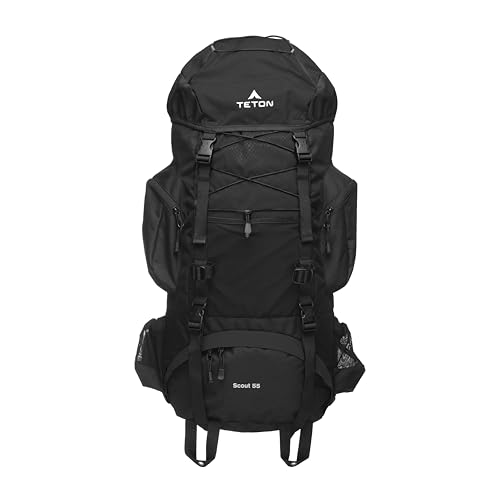
Why We Recommend It: The TETON Scout 55L offers adjustable multi-position torso fit, a robust internal frame, and a well-padded lumbar area for airflow, plus a large sleeping bag compartment and multiple compression straps. It provides reliable load distribution and durable construction at a compelling price, outperforming lighter Maelstrom models in torso customization and balance on uneven terrain.
Best backpack for hiking appalachian trail: Our Top 5 Picks
- Teton 55L Scout Internal Frame Backpack for Hiking, – Best Value
- Maelstrom 40L Hiking Backpack, Lightweight Camping Daypack – Best Top backpack for Appalachian Trail hiking
- IGOLUMON Hiking Backpack 40L Packable Daypack – Best Appalachian Trail hiking backpack recommendation
- Goloni 45L Foldable Hiking Daypack, Lightweight – Best Ultimate backpack for Appalachian Trail treks
- Maelstrom 40L Waterproof Hiking Backpack, Lightweight – Best backpack for long distance hiking Appalachian Trail
Teton 55L Scout Internal Frame Backpack for Hiking,
- ✓ Lightweight for size
- ✓ Adjustable torso
- ✓ Comfortable lumbar
- ✕ Limited color options
- ✕ Not ultralight material
| Capacity | 55L |
| TorsoAdjustment | Multi-position torso adjustment for a variety of back lengths (fits medium to tall) |
| BackPanel | Open-cell foam lumbar pad with molded channels for airflow and comfort |
| HydrationCompatibility | Hydration reservoir sleeve or pocket |
| CompartmentsPockets | Large sleeping bag compartment with multiple pockets and compression straps for organization |
| WarrantySupport | TETON Sports customer support promise |
The first thing you notice is the weight is surprisingly light for a 55L pack, and the fabric has a rugged, almost outdoorsy press that feels built to last. As you unzip the main compartment, the layout greets you with a well-thought sleeping bag area and reachable pockets that don’t fight you when you’re mid-sweep for a jacket.
The torso adjustment catches your eye right away, a simple slider that actually makes sense for different heights. You’ll slide it up or down until the back panel sits comfortably, and the lumbar pad sits just right against your hips for long days on rocky trails.
When you load it up, the compression straps pull everything tight without pinching. The breathable channels and open-cell foam keep you from feeling like you’re carrying a brick after mile three.
It sits centered and balanced, even when you’re navigating technical sections of the Appalachian terrain.
The hydration sleeve is sturdy and easy to access, letting you grab a bottle without wrestling with the whole pack. The zippers glide smoothly, and the pockets are generously sized for maps, a headlamp, and snacks without turning the whole thing into a jumbled mess.
In everyday use, it feels like a reliable partner: comfortable on the hips, roomy enough for a multi-day daypack, and flexible for both men and women. It’s not flashy, but the thoughtful design shows up in real moments—like when you’re squishing a rain layer into a side pocket or re-tilting the chest strap mid-hike.
If you’re eyeing a budget-friendly, adventure-ready pack, this one passes the everyday test with a quiet confidence. It isn’t trying to be everything, but it nails the essentials you actually care about on the trail.
Maelstrom 40L Hiking Backpack, Lightweight Camping Daypack

- ✓ Lightweight and comfy
- ✓ Great organization
- ✓ Weather-ready design
- ✕ Telescoping bottle fit
- ✕ Pole/strap security quirks
| Material | Rip-stop 210d nylon fabric |
| Capacity | 40 liters |
| Water Resistance | Water-resistant with included rain cover |
| Padding and Comfort | Thicker padded back; breathable mesh shoulder straps with sponge padding |
| Storage Organization | Main zipper compartment, 1 top pocket, 3 front zipper pockets, 2 waist pockets, 2 mesh side pockets, waterproof wet pocket inside main compartment |
| Additional Features | Reflective signs, trekking pole/strap holders, headphone hole, water bladder compatibility with top water bag liner and side water tube hole |
The first time I pulled the Maelstrom 40L out of its box, the rip-stop 210d nylon felt surprisingly sturdy for a sub-$40 pack. I tucked the rain cover into that tiny pocket under the backpack and immediately appreciated the reflective logo gleam in the sunlight.
By my second hike, I was swapping stories with friends about how light it felt on my back, even when I loaded it up.
The back panel is thicker and more breathable than I expected, and the padded straps sit comfortably without digging in after miles on the trail. The chest buckle, which also doubles as a survival whistle, is a small touch, but it reminded me to use proper weight distribution on steeper sections.
I liked how the load stayed centered when I adjusted the strap tension mid-climb.
Storage is genuinely flexible. The main compartment is roomy enough for a long day, while the top pocket and multiple front zip pockets kept small items easy to reach.
The waterproof wet pocket inside the main compartment was a lifesaver after a quick water break, helping sweaty clothes stay separate from dry gear. There’s even a dedicated hole for a hydration tube, which I used during a hot afternoon ramble.
A few small quirks stood out. The water bottle holder isn’t elasticized, so it’s a tight fit for larger bottles.
The side fasteners are handy for trekking poles, but they don’t securely lock every time if you’re bouncing over rocky terrain. Still, for the price, it’s hard to beat for Appalachian Trail day trips or weekend stints.
Bottom line: if you want a light, versatile pack that doesn’t break the bank, this Maelstrom delivers where it counts—comfort, organization, and weather resistance.
IGOLUMON Hiking Backpack 40L Packable Daypack

- ✓ Lightweight and foldable
- ✓ Wet pocket separation
- ✓ Balanced load distribution
- ✕ Limited internal structure
- ✕ Basic hydration compatibility
| Capacity | 40 liters |
| Weight | Approximately 1.0 lb (0.45 kg) when folded |
| Material | Nylon fabric with waterproof coating; tear-resistant and waterproof |
| Storage Organization | Main zippered compartment + 2 front zip pockets + 2 side pockets + waterproof wet pocket; internal pen/slip pockets |
| Wet Pocket Design | Back-access waterproof wet pocket with internal divider to separate wet/dry items |
| Adjustability/Comfort | Breathable mesh shoulder straps with foam padding; adjustable chest strap with survival whistle; foldable into its own pocket for compact storage |
You peek into the IGOLUMON 40L pack and notice the fabric’s slick, slightly glossy feel that signals durability without adding weight. The first thing that catches your eye is the foldable pocket—it unfolds from a compact stow and surprisingly fills out to a full daypack in seconds.
It’s the kind of design you appreciate when you’re juggling a bottle, a rain shell, and a snack in a hurry.
Slipping it on, you feel the shoulder straps conform with decent foam padding and a breathable mesh that stays comfortable as the sun climbs. The chest strap has that handy whistle you’d actually use if you ever need to flag a hiking partner, which is a small detail that makes you smile.
It sits nicely centered, and the load transfer feels balanced as you move.
Opening the main compartment reveals a surprisingly organized interior for a 40L pack. There’s a dedicated wet pocket accessed from the back—perfect for sweaty clothes or towels after a climb.
The waterproof layer keeps your dry gear separate, which is something you’ll notice you appreciate on humid days. The front pockets, pen slot, and slip pockets give you quick access to maps, sunscreen, and a multitool without digging around.
You’ll appreciate the lightweight feel on steep trails, and the bottom webbing straps make it easy to strap a sleeping mat or light tent when you’re moving between campsites. Reflective prints catch a rogue headlamp beam at dusk, making you a touch more visible without shouting for attention.
Overall, it’s a practical, no-nonsense daypack that’s ready for Appalachian terrain and day trips alike.
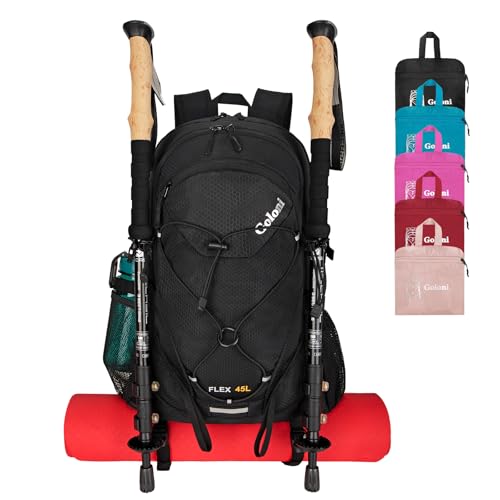
Goloni 45L Foldable Hiking Daypack, Lightweight
- ✓ Ultra-lightweight
- ✓ Packs down compactly
- ✓ Easy gear management
- ✕ No hip belt
- ✕ Not for heavy loads
| Capacity | 45 L |
| Weight | 1.15 lb (0.58 kg) total pack weight |
| Material and Weather Protection | Water-resistant outer fabric with stowable rain cover; rain cover stored in bottom pocket; fabric not fully waterproof |
| Foldable/Storage | Foldable design that compactly fits into its own built-in pocket for suitcase or drawer storage |
| Carry System and Comfort | Breathable mesh back panel with thick padded adjustable shoulder straps; does not include hip belt |
| External Attachment and Organization | Multi-point external gear attachment with compression loops/straps; side mesh bottle holders and front bungee for hydration reservoirs and small gear |
The first time I picked up the Goloni 45L, I noticed how quickly it disappears in my hand when folded, then suddenly expands into a surprisingly roomy pack on my back. It felt like a clever trick you pull out of your luggage before a trail day, not a bulky hiking monster.
That compact-to-spacious transition is exactly what hooked me during my early miles on a dry, breezy morning.
On my back, the shoulder straps feel comfortable and breathable, even after a couple of hours of walking. The mesh back panel helps with heat dissipation, so I don’t feel like I’m carrying a sweat-soaked towel.
It’s light enough that you forget it’s there, which is a win when you’re juggling water bottles and snacks.
The 45-liter capacity handles day-hike essentials with room to spare. I packed a light rain shell, a compact stove kit, a small first aid pouch, and a few snacks without feeling crowded.
The external gear attachment points kept my trekking poles secure without fuss, which is clutch when you’re trying to keep your hands free for photos or map checking.
A practical touch is the stowable rain cover tucked in the bottom pocket. It’s easy to deploy during a sudden downpour, and I appreciated knowing the fabric itself isn’t fully waterproof—just enough for light drizzle until I can pull the cover out.
When you’re navigating a mixed trail, the bag’s lightweight nature shines. It’s best for short day trips or quick car-camping runs, not long-haul treks with heavy loads.
If you’re chasing minimal weight with sensible organization, this pack adds a lot of value without slowing you down.
Overall, you’ll get a reliable, affordable daypack that respects your pace and keeps your gear organized without turning into a nuisance on the trail.
Maelstrom 40L Waterproof Hiking Backpack, Lightweight

- ✓ Lightweight and roomy
- ✓ Easy organization
- ✓ Water-resistant and practical
- ✕ Limited rear ventilation
- ✕ Basic hip belt padding
| Capacity | 40 liters |
| Dimensions | 13.4 x 8.6 x 22 inches (W x D x H) |
| Weight | 1.96 pounds |
| Material | Nylon fabric with waterproof, tear-resistant, scratch-resistant properties |
| Storage Features | Main compartment with zippered access; 2 front zippered pockets; 2 waist zippered pockets; 2 side pockets; 2 mesh pockets; bottom rain cover pocket with reflective logo |
| Water/Bottle/Accessory Compatibility | Water bag liner with hose hole; side straps and buckles for water bottles and trekking poles; bottom straps for tripod or sleeping pad |
You notice something surprising the moment you sling the Maelstrom 40L over your shoulders: the water bladder sleeve and hose vise-friendly top opening actually stays neat, not a tangled mess. It’s easy to clip the hose through the side hole without wrestling the pack, and you didn’t expect such a clean setup for a 40-liter bag.
The backpack itself feels lighter than its 40-liter footprint, weighing in at about 1.96 pounds. The nylon fabric has that sturdy, rip-resistant feel, and the bottom pocket with the rain cover pocket is a thoughtful touch you’ll appreciate in sudden drizzle or dusty trail days.
On the trail, the main compartment opens wide and stays organized. You’ll find the dual front pockets and the waist pouches are within reach without having to shed the pack.
The internal Velcro strap for the water bag liner is a small detail that saves you from the usual sloshing chaos.
During a windy ridge crossing, the reflective logo catches a passerby’s eye, offering a tiny layer of safety in low light. The compression straps on the sides and bottom help keep the load tight when you’re bouncing over roots and rocks, which reduces the bob you normally feel with a roomy pack.
Storage versatility shines. The side straps hold bottles or trekking poles, and the bottom straps can cradle a sleeping pad or tripod.
It’s not just a hiking bag; it’s a practical bring-along for camping, fishing, or light travel, especially if you’re chasing the Appalachian trails and their variable weather.
Comfort is your everyday test, and the ergonomically designed shoulder straps and back support actually reduce fatigue over longer days. The chest whistle is there when you need a quick alert, not just a novelty feature.
Pros and cons feel honest here. It’s roomy, organized, and surprisingly comfortable for its weight.
Real-world use confirms it stays dry and functional through rain and dust without fuss.
Overall, you’ll likely reach for this Maelstrom again when you need a capable, budget-friendly 40L pack that doesn’t feel clunky on long treks or quick weekend trips.
What Should You Consider Before Choosing a Backpack for Hiking the Appalachian Trail?
Choosing the best backpack for hiking the Appalachian Trail involves several important considerations:
- Capacity: The size of the backpack is crucial, as it needs to hold all your gear without being too heavy. Generally, a capacity of 50-70 liters is recommended for multi-day hikes to accommodate food, shelter, and clothing.
- Weight: A lighter backpack can significantly affect your overall hiking experience. Aim for a backpack that balances durability and weight, ideally under 4 pounds, to reduce fatigue during long stretches of the trail.
- Fit: A proper fit is vital for comfort and support, especially on long hikes. Look for backpacks with adjustable straps and a variety of sizes to ensure it fits snugly on your torso and distributes weight evenly.
- Durability: The materials used in a backpack determine its longevity and resistance to the elements. Choose a backpack made from high-denier nylon or polyester that can withstand abrasion, punctures, and wet conditions.
- Weather Resistance: Since the weather can be unpredictable on the Appalachian Trail, select a backpack that either comes with a rain cover or features water-resistant material. This ensures your gear stays dry during unexpected downpours.
- Compartments and Accessibility: Multiple compartments and pockets can help keep your gear organized and easily accessible. Look for features like side pockets for water bottles, a top lid for quick access to snacks, and a sleeping bag compartment for convenient packing.
- Comfort Features: Comfort features like padded shoulder straps, a hip belt, and ventilation systems can make a big difference during long hikes. These elements help reduce pressure points and improve airflow, enhancing overall comfort.
- Adjustability: A backpack that offers adjustability can accommodate varying loads and body shapes. Features like adjustable torso lengths and load lifter straps help optimize the fit, ensuring a custom feel for different hiking conditions.
- Price: While investing in a quality backpack is important, it’s also essential to find one that fits your budget. Compare prices and features to find a backpack that offers the best value without sacrificing quality.
How Does Backpack Weight Impact Your Hiking Experience on the Appalachian Trail?
- Comfort: A lighter backpack generally provides greater comfort, reducing strain on your shoulders and back during long hikes.
- Endurance: Carrying a heavier load can lead to quicker fatigue, making it harder to maintain your pace and enjoy the journey.
- Mobility: A lighter pack enhances your mobility, allowing for easier navigation over rugged terrain and steep climbs typical of the Appalachian Trail.
- Storage Capacity: The best backpack for hiking the Appalachian Trail balances weight with sufficient storage for necessary gear, ensuring you have what you need without unnecessary bulk.
- Adjustment and Fit: Properly fitting backpacks can help distribute weight evenly, which is crucial for maintaining balance and preventing injuries during long hikes.
Mobility is enhanced with a lighter backpack, making it easier to navigate the challenging terrain of the Appalachian Trail, including rocky paths and steep inclines. This agility can also improve your ability to react to environmental changes.
When choosing the best backpack for hiking the Appalachian Trail, consider the balance between weight and storage capacity. You want enough space for essentials like water, food, and shelter, but without adding extra weight from unnecessary items.
Adjustment and fit are critical to a successful hiking experience. A well-fitted backpack helps distribute the load more evenly across your body, which can prevent soreness and injuries, allowing you to enjoy your hike to the fullest.
What Size Backpack is Most Suitable for Hiking the Appalachian Trail?
The size of the backpack is crucial for a successful hike on the Appalachian Trail, and it often depends on the duration of the hike and personal preferences.
- Daypacks (20-30 liters): Ideal for short hikes or day trips, these backpacks can carry essentials like water, snacks, and a first aid kit. They are lightweight and provide enough space for a single day’s worth of gear without being cumbersome.
- Weekend Packs (30-50 liters): Suitable for short multi-day trips, these packs offer a balance between capacity and weight. They allow hikers to pack additional clothing, food, and gear while remaining manageable for carrying over longer distances.
- Multi-Day Packs (50-70 liters): These backpacks are designed for longer hikes, such as a week on the Appalachian Trail. They provide ample space for all necessary camping gear, including a sleeping bag, tent, and cooking equipment, while maintaining comfort through features like adjustable straps and hip belts.
- Extended Trip Packs (70+ liters): Best for extended treks where extended supplies are needed, these packs can carry everything for long journeys. Although they can be heavier, they often come with additional compartments for organization and support systems for comfort during lengthy hikes.
What Materials Should a Quality Hiking Backpack Be Made Of?
The best hiking backpacks for the Appalachian Trail are typically made from a variety of materials that ensure durability, water resistance, and comfort.
- Nylon: Nylon is a popular choice due to its strength and lightweight properties. It can withstand rough terrain and is often treated with coatings to enhance its water resistance, making it ideal for unpredictable weather on the trail.
- Ripstop Fabric: This fabric is woven with a special reinforcing technique that makes it resistant to tearing and ripping. Ripstop materials are lightweight yet incredibly durable, which is crucial for a backpack that may encounter sharp branches and rough surfaces.
- Polyester: Polyester is another durable material that offers good resistance to UV light and abrasion. It tends to be slightly heavier than nylon but is often more affordable, making it a great option for budget-conscious hikers.
- Cordura: Cordura is a high-performance fabric known for its resistance to scuffs, tears, and abrasion. Often used in high-end backpacks, Cordura enhances durability significantly, ensuring that the backpack can handle the rigors of long-distance hiking.
- Waterproof Coatings: Many backpacks incorporate waterproof coatings such as polyurethane (PU) or silicone to keep contents dry during rain. These coatings, combined with water-resistant zippers and seams, provide extra protection against the elements.
- Mesh: Mesh materials are commonly used for back panels and shoulder straps to enhance breathability and comfort. This design helps wick moisture away from the body, keeping hikers cool during long treks.
- Foam Padding: Quality hiking backpacks often include foam padding in the straps and back panel for added comfort during extended wear. This padding helps distribute weight evenly and reduces pressure points, making long hikes more enjoyable.
What Are the Most Recommended Backpacks for Hiking the Appalachian Trail?
The most recommended backpacks for hiking the Appalachian Trail include:
- Osprey Exos 58: This lightweight backpack is designed for long-distance hiking, offering a balance between weight and comfort.
- Gregory Baltoro 65: Known for its excellent support and adjustable fit, this backpack is ideal for carrying heavier loads over extended periods.
- Deuter Futura Vario 50+10: This versatile pack provides ample storage and superior ventilation, making it suitable for various weather conditions.
- REI Co-op Flash 55: A budget-friendly option, the Flash 55 is lightweight and offers a customizable fit for different body types.
- Hyperlite Mountain Gear 3400 Southwest: Made from durable Dyneema fabric, this ultralight backpack is perfect for minimalist hikers looking to reduce pack weight.
Osprey Exos 58: Weighing in at just over 3 pounds, the Exos 58 is designed for those who prioritize a light pack without sacrificing comfort. It features a breathable mesh back panel and an adjustable harness system, allowing for excellent airflow and a custom fit. The pack’s multiple pockets and attachment points make it easy to organize gear for long hikes.
Gregory Baltoro 65: The Baltoro 65 is celebrated for its supportive suspension system, which helps distribute weight evenly across the hips and shoulders. With an adjustable torso length and a variety of pockets for organization, it is a great choice for those carrying heavier loads, making it suitable for multi-day treks. Its rugged design ensures durability on the trail.
Deuter Futura Vario 50+10: This pack is known for its Aircomfort Sensic Vario back system that provides excellent ventilation and reduces sweating, which is crucial for warm-weather hiking. The 50+10 design allows for expansion, giving you extra capacity when needed without adding significant weight. Its sturdy construction and ergonomic design ensure comfort during long hikes.
REI Co-op Flash 55: The Flash 55 is designed for hikers who want a lightweight yet functional pack at a reasonable price. It features a customizable fit with adjustable straps and a removable top lid, allowing for versatility in packing options. Its simplicity and ease of use make it a great choice for beginners and experienced hikers alike.
Hyperlite Mountain Gear 3400 Southwest: This ultralight backpack is crafted from Dyneema, making it both waterproof and extremely durable, ideal for varied trail conditions. Weighing just around 1.5 pounds, it’s perfect for those who aim to minimize their pack weight. The 3400 Southwest offers a streamlined design with a large main compartment, ensuring easy access to gear while on the move.
How Can You Properly Fit a Backpack for Comfort on Extended Hikes?
Chest Strap: The chest strap helps to keep the shoulder straps in place and can reduce swaying of the pack, especially during more strenuous activities. This additional support aids in distributing the weight more evenly across your torso.
Weight Distribution: Properly organizing and balancing the contents of your backpack can significantly impact your comfort level. Heavier items should be placed close to your back and centered to maintain a low center of gravity, enhancing stability and reducing fatigue during your hike.
Related Post: