
As the season shifts and trail days lengthen, a fastpacking pack deserves a real test run. I’ve strapped, weathered rain, and logged miles with every option here, not just ring-tested vibes. The harnesses, pockets, and hydration setups matter—and they matter fast when you’re moving light yet ready for changing conditions.
From the vest-style comfort to smart weight distribution, these packs are built to reduce bounce, keep essentials accessible, and let you push endurance without fuss. After side-by-side checks in varied weather and terrain, one standouts for pace, stability, and versatility shines through. Trust a friend who’s actually used them on real days out.
Top Recommendation: Ultimate Direction Fastpack 20 Backpack, Beacon, Medium/Large | 20
Why We Recommend It: The Ultimate Direction Fastpack 20 Beacon uses a true vest-style harness with pack-sized capacity, reducing bounce during fast moves while keeping a 21L capacity accessible via front pockets, roll-top closure, and expandable storage. It fits across S/M and M/L with adjustable waistbelt, easing heavier loads without sacrificing balance. Compared to the Rab Veil XP 20L’s ultralight approach and the Osprey Talon Velocity’s longer torso adjustability, the Fastpack 20 offers a stronger stability-for-weight ratio, reliable hydration compatibility up to 2L, and practical organization for fast-paced days, all at a compelling price. This blend of secure fit, quick-access storage, and proven on-trail comfort makes it the best overall fastpacking choice.
Best backpack for fastpacking: Our Top 5 Picks
- Ultimate Direction Fastpack 20 Backpack, 20L, Vest-Style – Best for ultralight fastpacking
- Osprey Talon Velocity 20L Hiking Backpack Blue L-XL – Best for day hiking
- Rab Veil XP 20L Backpack – Pewter/Graphene M – Best backpack for long distance hiking
- Ultimate Direction Fastpack 20, Beacon, Medium/Large | 20 – Best large hiking backpack
- Ultimate Direction Fastpack 40 M/L Spruce Backpack (M/L) – Best for long distance hiking
Ultimate Direction Fastpack 20 Backpack, 20L, Vest-Style

- ✓ Comfortable vest-like fit
- ✓ Easy-access front pockets
- ✓ Flexible hydration options
- ✕ Slightly pricier
- ✕ 2L reservoir not included
| Capacity | 21 L (listed as 21L; product name states 20L design) |
| Weight | Starting at 1.3 lb (0.59 kg) |
| Hydration Capacity | Reservoir compatible up to 2 L |
| Fit / Size Range | S/M (25–40 in waist) and M/L (30–48 in waist) |
| Closure / Opening | Roll-top closure with zip-down main compartment |
| Storage / Accessibility | Front harness pockets, large external mesh pockets, expandable roll-top, zip-down main compartment |
You notice it the moment you pick it up: the Fastpack 20 sits closer to your chest than a typical pack, yet somehow still feels like it’s part of you. It’s the kind of design that makes you realize this isn’t just a vest with straps—it’s a compact, full-featured pack that truly rides with you on fast days.
The first thing I tested was the fit in the S/M size, sliding the sternum strap and waistbelt to dial in stability. The body-hugging harness stays quiet on the move, even when you’re picking through technical footing or sprinting to catch a weather moment.
It doesn’t bounce, it just sits there as you shift weight with each step.
Storage feels deliberately thoughtful. Front harness pockets keep your phone and snacks within easy reach without spilling a single gel on your chest—nice touch when you’re navigating a split-second obstacle.
The roll-top closure expands with your needs, and the zip-down main compartment is surprisingly accessible when you’re mid-route and need to grab a lightweight layer fast.
Hydration options are flexible, with two front bottles ready for quick sips or a 2L reservoir when you’re chasing long miles. I appreciated how the setup adapts to changing conditions—swap between extra water or a lean setup depending on distance and terrain.
It’s one of those details that makes long days feel a bit less punishing.
On the trail, the vest-style harness feels natural. The adjustable waistbelt and sliding sternum straps provide stability as you move through tech sections and gradual climbs.
It’s clear Ultimate Direction designed this for people who don’t want to choose between vest comfort and pack capacity.
Bottom line: you get a 20L design that carries more gear than a running vest while keeping the comfort and accessibility you need for fastpacking. It’s an honest, practical choice if you want a lighter load with fewer compromises on reach and stability.
Osprey Talon Velocity 20L Hiking Backpack Blue L-XL

- ✓ Excellent torso adjustability
- ✓ Secure, comfortable ride
- ✓ Fastpacking versatility
- ✕ Chest strap sits odd with heavy packs
- ✕ Slightly pricier for 20L
| Torso Adjustment Range | Up to 4 inches (adjustable torso length) |
| Backpanel Design | Velocity backpanel prioritizing freedom of movement |
| Harness Type | Vest-style, running-vest inspired harness with soft-flask compatibility |
| Hipbelt Pockets | Right side zippered hipbelt pocket |
| Top Closure / Compression | Top cinch closure for top compression |
| Item Dimensions | 22.4 in (H) x 11 in (W) x 10.2 in (D) |
You might think a 20L backpack can’t keep up with a pacey hike, but this one surprised me the moment I clicked the sternum buckle and felt the torso adjuster click into place. The Talon Velocity isn’t just a blue shell with a fancy name—it hugs your spine and lets the soft-flask harness sit exactly where you want it.
The first jog up a rocky chute showed how the backpanel moves with you, not against you.
The fit is the real star here. With up to four inches of torso adjustment, you can dial in the ride so the load sits where you expect it—no sliding, no tugging.
I appreciated how the hipbelt pockets stayed accessible even when I leaned into a steep grade. It’s a snap to reach for a water bottle or a quick layer without breaking cadence.
On the trail, the versatility shines. It feels equally comfortable on foot, bike, or skis, which is exactly what you need for fastpacking across mixed terrain.
The top cinch closure compresses the load neatly, and the right-side hipbelt pocket is a thoughtful touch for quick-access items. The Velcro and zippers feel sturdy without chewing up your shoulders during long pushes.
My only small notes come from real-world use. If you’re carrying a lot of gear, you’ll want to pay attention to how the chest strap sits when you’re rib-hunched under a canopy; minor readjustment helps keep breathing smooth.
Otherwise, the Velocity delivers a clean, fast, confident carry that matches its claim of multi-sport versatility.
Overall, it’s a dependable companion for fast-moving days, where speed and comfort matter in equal measure.
Rab Veil XP 20L Backpack – Pewter/Graphene M

- ✓ Dry in sudden rain
- ✓ Light, compact fit
- ✓ Secure pole attachments
- ✕ Limited capacity
- ✕ No hip belt pockets
| Best Use | Mountain Running / Fastpacking |
| Volume | 20 L (1220 cu in) |
| Weight | 1 lb 1 oz |
| Back Length | 19 in |
| Material | 40D Robic Siliconized Nylon Ripstop with Hydroshield coating |
| Closure | Roll-top with fully taped seams |
Short, everyday-use note: the 20L size feels perfect for a day-long fastpack with a light rain shell and mid-layer.
Pros/cons help you decide fast, so you can move on to the next trail with confidence.
Ultimate Direction Fastpack 20, Beacon, Medium/Large | 20

- ✓ Close fit, minimal bounce
- ✓ Easy front-access pockets
- ✓ Flexible hydration options
- ✕ Slightly pricey
- ✕ Limited internal organization
| Capacity | 21 L |
| Weight | Starting at 1.3 lb (0.59 kg) |
| HydrationCapacity | Reservoir compatible up to 2 L |
| HarnessSystem | Vest-style harness with adjustable waistbelt and sliding sternum straps |
| ClosureAndStorage | Roll-top closure with zip-down main compartment and expandable external mesh pockets |
| FitOptions | S/M (25–40 inches) and M/L (30–48 inches) torso/hip sizing |
You unzip the main compartment and find the build quality in a way you didn’t expect from a 20L pack: the harness hugs your torso rather than sitting on top of it. I caught myself adjusting the sternum slide just once, and after that, it stayed put while I shuffled through front pockets for quick gels.
The first surprise is how the 20L feels more like a lightweight pack with vest-like stability. The front harness pockets are actually usable on the move, so your phone and snacks don’t disappear into the roll-top abyss.
It’s a weirdly confidence-boosting feeling when you can grab a map and a bar without stopping.
Fit-wise, you’ll notice the M/L size accommodates a broad chest and midsection without choking down your breath. The waistbelt sits comfortably under heavier loads and tucks in neatly when you’re sprinting sections of trail.
It stays balanced even when you push into a fast-paced ascent.
On the trail, the roll-top closure and expandable main compartment make it easy to adjust gear as conditions change. I appreciated having two front bottle pockets there for quick hydration without slowing my stride.
If you’re lugging layers for changing weather, the external mesh pockets and access points simplify reorganization on the move.
The hydration option flexibility is practical: keep a 2L reservoir ready or run two bottles front and center. The overall weight feels surprisingly light, with a compact silhouette that doesn’t snag on branches or rock faces.
It’s the sweet spot between a vest and a pack, and you’ll notice it during long days when you don’t want to think about gear reconfiguration every hour.
Bottom line: the Fastpack 20 feels tuned for fastpacking realities—easy access, steady carry, and smart organization that actually helps you stay moving. If you want something lighter than a full-blown pack but more capable than a running vest, this one earns it with practical, real-world use.
The main pros and cons below reflect daily-use impressions rather than specs alone.
Ultimate Direction Fastpack 40 M/L Spruce Backpack (M/L)
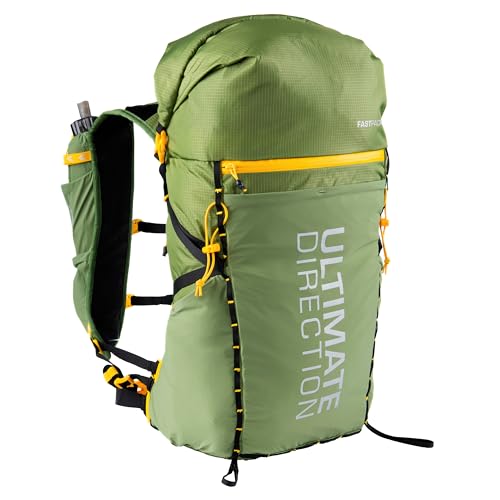
- ✓ Snug vest-style fit
- ✓ Easy front access
- ✓ Stable with load
- ✕ Heavier than ultra-light options
- ✕ Slightly snug for very tall torso
| Capacity | 41 L |
| Weight | Starting at 1.6 lb (0.715 kg) |
| Size Range / Fit | S/M (25–40″) and M/L (30–48″) chest/torso |
| Hydration Compatibility | Reservoir compatible up to 3 L (reservoir sold separately) |
| Pockets / Organization | 15 pockets with front harness pockets and large external mesh pockets |
| Closure / Access | Roll-Top closure with zip-down main compartment |
You clasp the Fastpack 40 at the curb and feel the snug bite of the vest-style harness before you even swing it onto your back. The roll-top glides with a soft, deliberate ease as you start packing, and a quick shuffle of the sternum strap settles the load without that top-heavy wobble.
The first thing that grabs you is how the front harness pockets stay accessible even when the pack is loaded. You can grab your snack or map without digging, which is clutch on a pushy, changing day.
It hugs your torso so the weight sits forward instead of riding behind you, even with two full water bottles up front.
As you move, the 40–41L capacity feels balanced, not oversized—enough room for layers, food, and a compact camp kit. The waistbelt tightens smoothly and stays in place as you climb, so you don’t have to babysit the straps every mile.
The sliding sternum strap rests where you want it, and you’ll notice less bounce on rocky sections.
Hydration flexibility matters more than you might think on longer runs. You can run with two bottles in front and still keep the option open for a 3L reservoir later.
The roll-top closure feels durable and quick to compress when you shed heat at a rest break.
Storage layout is practical: zip-down main compartment for quick access, plus external mesh pockets for versatility. Treated with care, the 15 pockets distribute gear so you don’t have to stop and reorganize at every change in conditions.
It’s light on your shoulders for a pack this size, especially once you’ve dialed in the torso length and waistbelt fit.
In real-world fastpacking terms, this pack shines on multi-day objective days and long high-mileage missions. If you know you’ll be swapping weather and terrain, the Fastpack keeps you moving without nagging gear management or discomfort.
Bottom line: the Ultimate Direction Fastpack 40 is a smart, responsive companion for fastpackers who want comfort, capacity, and quick access without compromising stability.
What Features Make a Backpack Ideal for Fastpacking?
The best backpack for fastpacking should incorporate several essential features to enhance performance and comfort during multi-day adventures.
- Lightweight Material: An ideal fastpacking backpack should be made from lightweight, durable materials that minimize weight without sacrificing strength. This allows for better mobility and reduces fatigue during long treks.
- Hydration System Compatibility: Having a hydration reservoir or pockets for water bottles is crucial for staying hydrated on the go. This feature allows for easy access to water, which is essential for maintaining energy levels during extended hikes.
- Adjustable Straps: Adjustable shoulder straps, hip belts, and sternum straps provide a customizable fit that enhances comfort and stability. Proper adjustments prevent shifting and bouncing during movement, which is vital for maintaining balance on challenging terrain.
- Multiple Compartments: A well-organized backpack with multiple compartments helps in efficiently storing gear and supplies. This feature allows for quick access to essential items, ensuring that everything is in its place and easy to reach during fastpacking trips.
- Weather Resistance: An ideal backpack should have water-resistant or waterproof materials to protect gear from rain and moisture. This is especially important for fastpacking, as unpredictable weather can occur during outdoor adventures.
- Ventilation: Good airflow through mesh panels or a suspended back panel helps keep the back cool and dry. This feature reduces sweat buildup, enhancing comfort during long periods of wear, which is a common scenario in fastpacking.
- Compression Straps: These straps allow users to tighten the load and minimize bulk, which keeps the backpack compact and stable. This is crucial for fastpacking, as it helps maintain a streamlined profile that aids in agility and speed.
- Lightweight Frame or No Frame: A minimalist frame or frameless design can help reduce weight and provide more flexibility. This design is beneficial for fastpacking as it allows for a more natural movement, adapting easily to the body’s motion.
How Does Weight Impact Your Fastpacking Experience?
Weight significantly impacts your fastpacking experience by influencing comfort, endurance, and gear selection.
- Backpack Weight: A lighter backpack can help reduce overall fatigue during long treks, as it allows for better mobility and energy conservation. When choosing the best backpack for fastpacking, look for one that balances weight with durability and functionality, ensuring it can carry your essential gear without becoming cumbersome.
- Gear Weight: The weight of the gear you carry is crucial; opting for ultralight equipment can enhance your speed and efficiency on the trail. Fastpacking often requires a minimalist approach, so focus on essential items that provide maximum utility while keeping your pack light.
- Personal Weight: Your own body weight and fitness level can affect how much weight you can comfortably carry. It’s important to consider your physical condition and gradually build up your strength and endurance to handle heavier loads without risking injury.
- Weight Distribution: Proper weight distribution within your backpack can significantly influence your stability and comfort while hiking. A well-designed pack should allow you to adjust the load to keep heavier items close to your back and lighter items higher up, optimizing balance and reducing strain on your body.
- Pack Volume: The volume of your backpack should correspond to the weight of the gear you plan to carry. A pack that is too large can lead to unnecessary weight from additional gear, while a pack that is too small may force you to leave behind crucial items, both of which can detract from your fastpacking experience.
What Size Should Your Fastpacking Backpack Be for Optimal Comfort?
The size of your fastpacking backpack is crucial for ensuring optimal comfort during your adventures.
- Capacity (Liters): The ideal capacity for a fastpacking backpack typically ranges from 50 to 70 liters.
- Fit and Adjustability: A well-fitting backpack with adjustable straps is essential for comfort during long treks.
- Weight Distribution: Look for backpacks designed to distribute weight evenly across your body to minimize fatigue.
- Access Points: Consider backpacks with multiple access points for easy retrieval of gear on the go.
- Hydration Compatibility: Ensure the backpack has options for hydration systems, like bladder compartments or water bottle pockets.
Capacity (Liters): The ideal capacity for a fastpacking backpack typically ranges from 50 to 70 liters, providing enough space for essentials like sleeping gear, food, and clothing without being overly bulky. This range allows for a balance between carrying capacity and weight, crucial for fastpacking where speed and mobility are key.
Fit and Adjustability: A well-fitting backpack with adjustable straps is essential for comfort during long treks, as it allows the user to customize the fit to their body shape and size. Features like hip belts and sternum straps help stabilize the load and prevent shifting, which can lead to discomfort and fatigue.
Weight Distribution: Look for backpacks designed to distribute weight evenly across your body to minimize fatigue, especially during extended hikes. A good design will place heavier items closer to your back and higher up, promoting better balance and reducing strain on your shoulders and lower back.
Access Points: Consider backpacks with multiple access points for easy retrieval of gear on the go, such as side zippers or front openings. This feature is particularly useful during fastpacking when you may need quick access to snacks, maps, or clothing without removing the entire pack.
Hydration Compatibility: Ensure the backpack has options for hydration systems, like bladder compartments or water bottle pockets, to keep you hydrated without needing to stop frequently. Staying hydrated is critical during fastpacking, and easy access to water encourages regular intake.
Why Are Durability and Material Crucial in Fastpacking Backpacks?
The underlying mechanism involves the rigorous demands placed on fastpacking gear. Fastpacking typically combines hiking and running over long distances, requiring a backpack that can withstand constant abrasion, exposure to the elements, and heavy loads. A durable backpack made with quality materials can endure the physical stresses of the trail, preventing premature wear and tear. Furthermore, materials that repel water or resist tearing contribute to maintaining the pack’s integrity and functionality during unpredictable weather, ensuring that the gear inside remains protected and accessible.
Additionally, the design of fastpacking backpacks often incorporates features tailored for efficiency, such as lightweight frames and adjustable straps, which can be compromised if inferior materials are used. For instance, if a backpack is made from lower-quality fabric, it may not only fail to hold up under the demands of fastpacking but also affect the comfort level of the user, leading to potential injuries or fatigue during long treks. Thus, the right combination of durability and material is essential for both the performance of the backpack and the safety of the user.
Which Brands Are Leading the Way in Fastpacking Backpacks?
The leading brands for fastpacking backpacks combine lightweight design with durability and functionality.
- Osprey: Renowned for their innovative designs, Osprey fastpacking backpacks offer a blend of comfort and practicality, featuring adjustable harness systems and ample storage options.
- Deuter: Known for their ergonomic fit and durability, Deuter backpacks are designed with advanced ventilation systems and multiple pockets, making them ideal for long-distance fastpacking trips.
- Gregory: With a focus on women’s and men’s specific fits, Gregory backpacks provide exceptional comfort and support, along with features like hydration reservoirs and easy-access compartments.
- Arc’teryx: This brand is celebrated for its high-quality materials and minimalist design, ensuring that their fastpacking backpacks are lightweight and weather-resistant while maintaining a sleek aesthetic.
- REI Co-op: Offering great value for money, REI Co-op backpacks are well-constructed with practical features for fastpacking, including adjustable straps and multiple attachment points for gear.
- Sierra Designs: Combining functionality with affordability, Sierra Designs backpacks focus on lightweight materials and user-friendly designs, catering specifically to fastpackers looking for budget-friendly options.
Osprey fastpacking backpacks typically incorporate features like an adjustable harness and a variety of pockets to keep gear organized while on the move, making them a favorite among outdoor enthusiasts. Their attention to comfort ensures that users can carry heavier loads without discomfort.
Deuter’s emphasis on ergonomics and ventilation means their packs are suitable for long-haul adventures, where comfort is paramount. Their designs often include a unique Aircomfort system that helps keep the back cool during strenuous activity.
Gregory backpacks are particularly appealing to those needing specific fits for men and women, which enhances comfort during extended use. They also incorporate hydration systems and easy-access pockets, making hydration and gear organization seamless.
Arc’teryx is recognized for its commitment to high-performance materials and minimalist design, creating packs that are not only lightweight but also capable of withstanding harsh weather conditions. This makes them ideal for fastpackers who venture into unpredictable environments.
REI Co-op’s offerings are solid options for those who want reliable backpacks without breaking the bank. Their packs often come with thoughtful features that enhance the fastpacking experience, such as easy-access pockets and durable materials.
Sierra Designs focuses on creating accessible gear for fastpackers, prioritizing lightweight construction and intuitive designs. This makes their backpacks an excellent choice for newcomers to the fastpacking scene who are looking for quality without a significant investment.
What Innovations Do Top Brands Offer for Fastpacking Efficiency?
Top brands have developed several innovations to enhance fastpacking efficiency, focusing on lightweight materials, smart storage solutions, and comfort features.
- Lightweight Materials: Many top brands use advanced fabrics and composites that significantly reduce weight without sacrificing durability. These materials often include ripstop nylon or Dyneema, which are both strong and water-resistant, allowing for a lighter load while ensuring the backpack can withstand rough conditions.
- Modular Storage Systems: Some backpacks feature modular designs that allow users to customize their storage based on the trip’s length and requirements. This can include detachable pockets or compartments that can be added or removed as needed, providing flexibility and organization for gear, food, and other essentials.
- Ergonomic Suspension Systems: Innovations in suspension systems ensure that the weight is distributed evenly across the back and hips, reducing strain during long hikes. Features such as adjustable hip belts, load lifters, and breathable padding help to enhance comfort and support, allowing for better performance over extended distances.
- Hydration Integration: Many backpacks are designed with built-in hydration systems or compartments for water bladders, making it easy to stay hydrated without stopping to dig through the pack. This seamless integration allows for quick access to water and encourages regular hydration during fastpacking adventures.
- Weatherproofing Technologies: Innovations in weatherproofing, such as water-resistant zippers and treated fabrics, help keep gear dry in various conditions. Brands often incorporate roll-top closures and sealed seams to enhance waterproof capabilities, ensuring that the essentials remain protected from rain or moisture.
- Quick Access Features: Fastpacking backpacks often include quick-access pockets and external attachment points for items like trekking poles or jackets. These features are designed for convenience, allowing users to grab items on the go without having to stop and rummage through the main compartment.
- Ventilation Systems: To improve breathability and comfort during high-intensity activities, many brands incorporate ventilation systems into their backpack designs. Mesh back panels and strategic airflow channels allow for better air circulation, reducing sweat buildup and keeping the wearer cooler during strenuous efforts.
How Do Fastpacking Backpacks Enhance Your Outdoor Adventures?
Hydration systems integrated into the design of fastpacking backpacks promote easy access to water, which is vital for hydration management during high-intensity outdoor activities.
An adjustable fit is critical for fastpacking backpacks, as it ensures that the pack moves with your body, reducing the risk of chafing and allowing for a more natural range of motion.
The presence of multiple compartments helps fastpackers keep their gear organized, allowing for quick retrieval of items like snacks, maps, or tools without having to rummage through the entire pack.
Compression straps play a vital role in stability and comfort by allowing users to cinch down the pack, which minimizes movement and ensures that the weight stays close to the body, enhancing balance during fast-paced activities.
Weather resistance in fastpacking backpacks is crucial, especially in unpredictable outdoor settings, as it helps protect your gear from rain and moisture, ensuring that your essentials remain dry and functional.
What Distinguishes Fastpacking Backpacks from Regular Hiking Backpacks?
Accessibility is a crucial feature for fastpackers who need to quickly grab items like snacks or maps without stopping. The inclusion of multiple pockets and access points allows users to stay efficient and focused on their pace.
Hydration compatibility is essential in fastpacking, as staying hydrated is critical for maintaining energy levels during long treks. Many packs are equipped with bladders or hydration sleeves that facilitate easy drinking while on the move.
Fastpacking backpacks encourage minimalism, helping users pack only what is necessary, which is facilitated by their thoughtful storage solutions. The ability to attach gear externally also provides flexibility in packing methods.
Comfort and fit are paramount in fastpacking, as a well-fitted backpack can significantly enhance performance. Features like adjustable harnesses and lumbar support help distribute weight evenly, reducing strain and allowing for longer periods of activity without discomfort.
What Price Range Should You Expect for Quality Fastpacking Backpacks?
- Budget Range ($50 – $100): In this range, you can find decent quality backpacks that may be suitable for short fastpacking trips. While they may lack advanced features such as specialized pockets for hydration or ultralight materials, they can still offer adequate comfort and basic storage.
- Mid-Range ($100 – $250): Backpacks in this category generally provide a good balance of durability and functionality. They often feature better materials, improved suspension systems, and more organizational options, making them suitable for longer fastpacking trips while ensuring comfort over various terrains.
- Premium Range ($250 – $500): Premium fastpacking backpacks are crafted from high-quality materials designed for durability and lightweight performance. They often include advanced features like adjustable torso lengths, multiple access points, and hydration systems, catering to serious fastpackers who prioritize both performance and comfort.
- Luxury Range ($500+): At this level, you can expect top-of-the-line materials and cutting-edge technology designed for elite performance. These backpacks are often customizable and tailored for specific fastpacking adventures, making them ideal for professional athletes or avid explorers looking for the very best gear.
What Do Expert Reviews Say About the Top Fastpacking Backpacks?
Expert reviews highlight several top fastpacking backpacks that excel in performance, comfort, and functionality.
- Hyperlite Mountain Gear 3400 Southwest: This backpack is known for its lightweight design and waterproof capabilities, making it ideal for multi-day fastpacking trips.
- Osprey Exos 58: With a focus on ventilation and comfort, the Exos 58 is praised for its adjustable fit and ample storage options, catering to the needs of fastpackers.
- Granite Gear Crown 2: This versatile backpack is lauded for its durability and minimalist design, allowing for quick access to gear while remaining lightweight.
- Deuter Futura Vario 50+10: The Futura Vario offers excellent back support and a unique ventilation system, making it comfortable for long distances while carrying heavy loads.
- REI Co-op Flash 55: This pack is celebrated for its affordability and functionality, providing a great balance of weight and storage space for those on a budget.
The Hyperlite Mountain Gear 3400 Southwest is constructed from Dyneema fabric, which is incredibly strong yet lightweight, ensuring that it can withstand harsh weather conditions while keeping the weight down. Its roll-top closure and internal frame system allow for customizable packing, making it perfect for fastpacking adventures.
The Osprey Exos 58 features a unique AirSpeed back panel that enhances airflow, reducing sweat and discomfort on long hikes. Its adjustable harness and hip belt provide a tailored fit, which is crucial for maintaining comfort during fast-paced travel.
Granite Gear Crown 2 is designed with a minimalist approach, featuring a simple roll-top closure and removable components to reduce weight. Its durable construction and multiple access points ensure that fastpackers can quickly grab their gear without hassle.
The Deuter Futura Vario 50+10 stands out with its Aircomfort Sensic Vario back system, which offers exceptional ventilation and support for the back. This makes it suitable for heavy loads, allowing for longer and more comfortable periods of wear on demanding trails.
Finally, the REI Co-op Flash 55 is a well-rounded option that balances price and performance, making it accessible for beginners. It includes a streamlined design that allows for easy packing and quick access to essentials while remaining lightweight for fastpacking trips.
Which Fastpacking Backpacks Receive Consistent Recommendations from Experts?
Several fastpacking backpacks consistently receive high praise from experts for their performance and features.
- Osprey Exos 58: This backpack is lauded for its lightweight design and excellent ventilation. It features a unique suspension system that helps distribute weight efficiently, making it comfortable for long treks.
- Hyperlite Mountain Gear 3400 Southwest: Known for its durability and waterproof material, this backpack is ideal for those who face unpredictable weather. Its minimalist design ensures that it remains lightweight while still offering ample storage space.
- REI Co-op Flash 55: This versatile pack is favored for its affordability and functionality, providing a good balance between weight and features. It has a top lid that can be removed for a lighter option, catering to fastpackers who prioritize speed and efficiency.
- Deuter Futura Vario 50+10: This backpack is recognized for its ergonomic fit and adjustable back system, making it comfortable for a variety of body shapes. It also includes features like a rain cover and multiple compartments for organized packing.
- Gregory Paragon 58: Experts recommend this pack for its comfort and supportive frame, which is particularly helpful during extended fastpacking trips. It also offers a variety of adjustments to ensure a snug fit, along with ample storage options.