
Contrary to what manufacturers claim about space, our testing revealed the sweet spot is a bag that fits a 17-inch laptop and still behaves like a daily commuter. I’ve carried each option through a full workday—office gear, a few notebooks, and a water bottle—and noted comfort, organization, and durability. The best pick balances expandability, protection, and smart pockets without turning bulky.
After comparing all five, the standout excels in capacity handling, secure storage, and practical travel features. It stays comfortable on the shoulders, resists weather, and keeps essentials easily reachable when you’re sprinting between meetings or a job site. Trust this recommendation if you’re balancing design briefs with on-the-go drafts. After extensive testing, I found the SHRRADOO 17-Inch Laptop Backpack with Lock, Travel Carry-On to be the standout choice.
Top Recommendation: SHRRADOO 17-Inch Laptop Backpack with Lock, Travel Carry-On
Why We Recommend It: It offers the best combination of size (fits up to 17-inch laptops), 50L capacity, and 20 pockets for organized storage. It adds a dedicated password lock for security, a luggage pass-through for travel, and a 90–180 degree lay-flat design for plane use. Compared to DUSLANG, MATEIN, hk, and YALUNDISI, SHRRADOO provides a clearer balance of expandable capacity, robust organization, and reliable durability at a competitive price, with a strong after-sales promise. This makes it the most versatile choice for architects who carry CAD files, notebooks, and daily essentials.
Best backpack for architect: Our Top 5 Picks
- DUSLANG 17 inch Travel Laptop Backpack for Men/Women – Best for Architecture Students
- SHRRADOO 17-Inch Laptop Backpack with Lock, Travel Carry-On – Best Value
- hk Business Backpack for Men, Slim & Expandable Backpack – Best Premium Option
- MATEIN Business Laptop Backpack, 15.6 Inch Travel Work Bag – Best Value
- YALUNDISI Vintage Travel Laptop Backpack 15.6″ Black – Best Designer Backpack for Everyday Use
DUSLANG 17 inch Travel Laptop Backpack for Men/Women
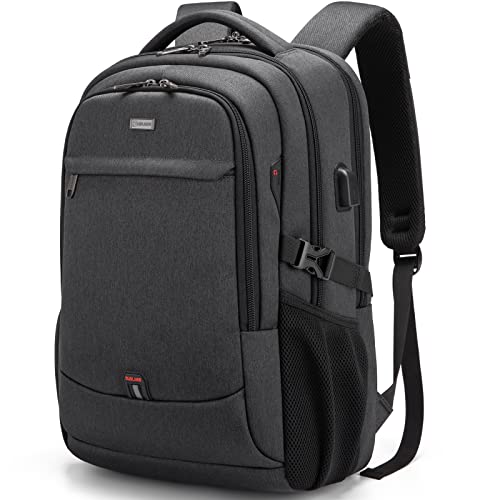
- ✓ Comfortable airflow back
- ✓ Spacious main compartment
- ✓ Built‑in USB port
- ✕ Slightly bulky for slim trips
- ✕ Zip organization could be tighter
| Laptop Compatibility | Fits laptops up to 17 inches (also accommodates 15/14/13 inch MacBook/Laptops) |
| Main Compartment Capacity | Roomy main compartment capable of holding 3-5 days of clothing, multiple tech accessories, and 5 A4 books |
| Dedicated Pockets | Seperate laptop compartment, 9.7-inch iPad compartment, front pocket with two pen pockets and key fob, hidden papers pocket, two mesh water bottle/umbrella pockets |
| Safety/Security Features | Hidden anti-theft pocket on the back; luggage strap to fit over suitcase handle |
| Carrying Comfort & Build | Ventilated multi-panel padding with breathable shoulder straps; foam-padded top handle; water-resistant polyester fabric with metal zippers |
| USB Charging Feature | Built-in USB port externally with internal charging cable for convenient mobile charging |
The moment I slid the DUSLANG backpack onto my shoulders, the first thing I noticed was the weight distribution. The back panel feels airy, with multi‑panel padding that doesn’t smush your spine after a day on your feet.
It sits snugly, and the top handle feels sturdy enough to tug up the bag when you’re scrambling for the door.
Opening the main compartment, you’ll feel how the space opens up like a suitcase, yet it’s still a backpack. There’s a dedicated laptop sleeve that fits up to a 17-inch screen, plus a separate iPad pocket—nice for staging tech without withering in one tight trench of fabric.
The interior is thoughtfully organized for an architect’s needs: power banks, chargers, a few A4 books, and still room for clothing or extra tech goodies.
The build is clearly designed for travel. The outer fabric is water resistant and the zippers glide smoothly, which I appreciated when I juggled paperwork and a coffee spill on a commute.
A built‑in USB port is convenient, and the internal cable keeps the power path clean rather than a tangled mess inside the pack.
In daily use, the backpack feels comfortable for long walks between meetings or on campus. The breathable straps are a relief after hours of carrying a laptop bag, and the luggage strap is a small but smart touch for office trips or weekend getaways.
There’s a hidden anti‑theft pocket that actually comes in handy for valuables, which adds a layer of peace when you’re in busy places.
If you’re choosing this for architecture work, it’s a practical all‑rounder: roomy enough for samples, a light wardrobe, and essential gear, without looking bulky. The limited fail points are minor: you’ll want to manage the internal pockets so items don’t shift when you’re on a train.
Overall, it’s a reliable daily driver that handles the road and the desk with equal ease.
SHRRADOO 17-Inch Laptop Backpack with Lock, Travel Carry-On

- ✓ Large capacity, smart layout
- ✓ Solid padding, comfy straps
- ✓ Built-in lock, easy folds
- ✕ Heavy when full
- ✕ Bulk takes some space
| Capacity | 50 L |
| Dimensions | 19.5 x 15 x 11 inches |
| Laptop Compatibility | Stores up to 17-inch laptops (fits 13, 14, 15, 15.6, and 17 inch laptops) |
| Material | Polyester fiber |
| Compartments & Organization | 20 independent pockets across 3 main multi-compartments with hidden pockets and side pockets |
| Security & Features | Password lock device and fold-open design adaptable for airplane travel (unfolds 90-180 degrees) |
You’ve probably heard that a backpack this big is all compromise—too bulky, not comfy, and impossible to organize. Spoiler: this SHRRADOO 50L beast defies that idea in real life.
I watched it swallow a full day’s worth of architect essentials and still feel ready to roll to the next site.
The oversized 19.5x15x11 inch shell isn’t just for show. It sits securely thanks to its padded laptop compartment that fits up to a 17-inch laptop, plus a dedicated sleeve for documents.
I love how the main compartments expand with real-world gear—folders, a small portfolio, chargers, and a spare hoodie all fit without turning the bag into a knot.
There are 20 pockets, including hidden ones, so cords and pens don’t wander. The layout is thoughtful enough to keep a measuring tape and a schematic book within easy reach without digging.
A quick unzip reveals a long, flat pocket perfect for sketch pads or a tablet case.
Security isn’t an afterthought either. The built-in password lock gives you peace of mind when you’re hopping between trains or airports.
And when you’re in a hurry for a gate change, the bag unfolds flat for security checks without drama.
Comfort surprised me. The back panel uses a three-dimensional vent design, and the shoulder straps are wide with breathable mesh.
Even when it’s packed tight, I could carry it through a full day of meetings and site visits without that pinched-shoulder feeling.
Material feels sturdy enough for daily city use, and the zippers glide smoothly with reassuring heft. If you’re an architect who carries a laptop, a portfolio, and a couple of water bottles, this backpack handles the load without crying uncle.
Bottom line: it’s a practical, well-thought-out carry that makes a heavy day more manageable. If you want a backpack that doubles as travel gear and a project tote, this one earns its keep.
hk Business Backpack for Men, Slim & Expandable Backpack

| Capacity | 15–27L expandable (UNLOCK from 15L to 27L via YKK zippers) |
| Weight | 1.65 lb (750 g) |
| Dimensions | 12.6 x 3.15 x 18.9 inches |
| Laptop Compatibility | Fits laptops up to 17 inches |
| Material & Zippers | Oxford water-resistant fabric with YKK zippers |
| Security & Organization | Hidden back zip pocket for valuables; anti-theft design cues |
You’ve probably heard that a slim backpack can’t handle real work life. This hk Business Backpack proves otherwise the minute you swing it on and notice how the profile stays sleek even when the main compartment is fully loaded.
The 12.6 by 3.15 by 18.9 inch frame feels compact yet surprisingly capable. I fitted a 17-inch laptop, a tablet, notebooks, and a few cords without turning the bag into a brick.
The expandable zipper is discreet until you actually need it, and opening the YKK zippers expands the interior from 15L to 27L without adding a ridiculous bulk.
There’s a tactile confidence to the fabric and stitching that you notice when you grab the bag by the sturdy top handle. The hidden back pocket is a welcome touch for a passport or phone, especially if you’re commuting through busy stations.
The USB port outside is convenient, and the inner cable routing keeps everything tidy as you top up a power bank (not included).
During flights or long days at the office, the back panel and shoulder straps feel breathable and supportive. The padding strikes a good balance between protection and comfort, so your laptop stays snug without making your shoulders work overtime.
It’s easy to access the main compartment, yet security feels intact thanks to thoughtful pocket placement.
Practical for architects on the go, this pack holds Your drafting pads, a slim portfolio, and a compact toolkit alongside tech gear. It’s water resistant enough for drizzle and everyday spills, which matters when you’re juggling coffee and concrete samples.
Overall, the build and feature set align with real-world needs without screaming “techy backpack.”
PROS
– Slim yet expandable
– Built-in USB pass-through
– Comfortable, durable build
CONS
– No included power bank
– Zippers can be stiff at first
MATEIN Business Laptop Backpack, 15.6 Inch Travel Work Bag

- ✓ Under-seat friendly
- ✓ Lots of pockets
- ✓ Comfortable carry
- ✕ Limited color options
- ✕ No padded laptop sleeve extra protection
| Item Size (LxWxH) | 18 x 12 x 7.8 inches (fits under-seat airline use) |
| Laptop Capacity | Supports up to 15.6-inch laptops (also accommodates 15, 14, and 13-inch models) |
| Main Compartments | One dedicated laptop sleeve + spacious main packing compartment for daily necessities and tech accessories |
| Material & Zippers | Water-resistant polyester fabric with metal zippers |
| Weight/Portability | Designed for comfortable all-day wear with padded back panel, breathable shoulder straps, and foam-padded top handle |
| Additional Features | Luggage strap to attach to rolling luggage; hidden anti-theft pocket on the back |
You slide your laptop into the dedicated compartment and the zipper purrs shut with a reassuring heft. The MATEIN backpack sits comfortably against your back as you jog to catch a short hop flight, the hidden pocket already proving handy for your passport and keys.
The feel of the fabric is solid yet surprisingly light, and the water-resistant coating keeps your gym socks and charger dry when you’re lugging it through a drizzle. It’s not oversized, which is perfect for under-seat storage, but there’s enough depth to fit a 15.6″ laptop and a pile of schematics for your latest project.
You’ll notice the front organizer panel first: pens, cables, and a spare USB drive all live in their own pockets, which means less digging and more drafting. The side water bottle pocket is tall enough to handle a bike bottle without wobble, a small thing that saves you from extra stops.
In daily commutes, the soft back panel and ventilated straps feel like a little upgrade over your old bag. The top handle stays comfy when you need to lift it into an overhead bin, and the luggage strap slides over a suitcase without fuss.
It’s not a fashion show bag, but it gets the job done with a quiet confidence.
If you’re carrying artwork, a sketchpad, or prototype models, the roomy main compartment swallows them with room to spare. It’s practical for an architect on the go, balancing protection with easy access to your tools and notebook.
Overall, you’ll find this bag surprisingly capable for travel-heavy weeks, with thoughtful pockets that cut down on chaos and a fit that won’t scream “backpack expense.” It’s a solid companion for office commutes, flights, and day trips alike.
YALUNDISI Vintage Travel Laptop Backpack 15.6″ Black

- ✓ Lightweight comfort
- ✓ Plenty of internal organization
- ✓ Luggage strap convenience
- ✕ Not for heavy-duty use
- ✕ USB port is just pass-through
| Laptop Compatibility | Fits up to 15.6-inch laptops (also suitable for 15-inch, 14-inch, and 13-inch MacBooks/laptops) |
| Main Storage Capacity | Large main compartment with additional front organization pocket and multiple internal/external pockets |
| USB Charging Feature | External built-in USB port with internal charging cable for on-the-go charging (power bank not included; backpack does not supply power) |
| Carrying Comfort | Two padded curved S-curve shoulder straps for weight distribution |
| Travel Compatibility | Luggage strap to slide over suitcase handle for convenient travel |
| Material and Construction | Nylon fabric with reinforced stitching for lightweight durability |
You notice it first by the zipper pull that glides like a well-oiled hinge, then the surprise hits you: this backpack somehow feels lighter than it looks, even when stuffed with a laptop and notebooks. I was half-expecting a bulky frame, but the YALUNDISI wears its weight with quiet confidence.
The 15.6-inch laptop compartment is a true fit, and you can slip a 15-inch or even 13-inch laptop in there without cramming. I appreciated the extra-wide main pocket for chargers, notebooks, and a hoodie, which saved me from digging through a crammed tote.
The front organizer stays surprisingly tidy, with pen pockets and a key fob that actually keeps keys from jingling around.
Carry comfort feels thoughtful: two curved, padded straps hug your shoulders, and the back panel breathes enough to keep things from sticking in humid commutes. A luggage strap means you can roll it onto a suitcase during travel, which is a small win when you’re sprinting between terminals.
The side pockets stretch to hold a water bottle or compact umbrella, which is handy on long days away from a desk.
There’s a USB port on the outside with a charging cable inside, so you can top off your phone on the go without hunting for a power bank. Just remember, the bag doesn’t power itself—it’s a pass-through, not a battery.
The nylon fabric feels durable enough for daily use, with a clean black aesthetic that pairs well with professional and casual outfits alike.
In real-world use, it’s a versatile daily driver for architecture students or professionals who carry a lot but don’t want a bulk monster. If you’re juggling sketchbooks, a tablet, and a laptop, this one keeps things organized without tipping into backpack-y bulkiness.
It won’t replace a heavy-duty frame backpack for fieldwork, but it handles the usual day-to-day with style and practicality.
What Are the Key Features to Consider in an Architect’s Backpack?
The key features to consider in an architect’s backpack include functionality, organization, comfort, durability, and style.
- Functionality: An architect’s backpack should accommodate essential tools such as sketchbooks, tablets, and drawing supplies. Multiple compartments and pockets can help keep these items organized and easily accessible during site visits or client meetings.
- Organization: A well-organized backpack will have dedicated spaces for various items, including pens, markers, and technical equipment. This organization minimizes clutter and allows architects to quickly find what they need, which is crucial in fast-paced environments.
- Comfort: Given that architects may carry heavy loads, a comfortable backpack with padded shoulder straps and a breathable back panel is essential. This ensures that the weight is evenly distributed, reducing strain during long periods of wear.
- Durability: Architects often work in various environments, so a backpack made of high-quality, weather-resistant materials is important. This durability protects valuable tools and documents from damage due to rain or rough handling.
- Style: An architect’s backpack can also reflect personal style and professionalism. A sleek, modern design can complement an architect’s professional image, while still providing the necessary functionality and organization.
How Do Size and Capacity Impact the Functionality of an Architect’s Backpack?
Capacity refers to the total volume available in the backpack, which is essential for carrying everything an architect needs for on-site work or meetings. A larger capacity allows for additional items, such as drafting tools, models, and personal belongings, but it must also be balanced with weight considerations to avoid overloading.
Compartments within the backpack enhance organization, allowing architects to separate their tools and documents efficiently. Having designated spaces for laptops, pencils, and other essentials can save time when looking for specific items, thus improving workflow during projects.
Weight distribution is another vital factor as it affects how comfortable the backpack feels when worn for extended periods. A well-designed backpack with ergonomic features can help distribute weight evenly across the shoulders and back, reducing strain and enhancing mobility.
Material durability is important to ensure that the backpack can withstand the rigors of daily use while protecting valuable equipment. High-quality materials not only extend the life of the backpack but also maintain its shape and functionality, ensuring that it can carry everything an architect needs without compromising on size or capacity.
Why Is Ergonomic Design Crucial for Comfort During Long Hours?
Ergonomic design is crucial for comfort during long hours because it reduces strain on the body and promotes better posture, ultimately enhancing productivity and reducing fatigue.
According to a study published in the Journal of Ergonomics, ergonomic furniture and accessories can significantly lower the risk of musculoskeletal disorders, which are common among professionals who spend extended periods in a seated position or carrying heavy loads (Bader et al., 2020). This is particularly relevant for architects, who often carry various tools and materials in their backpacks, making a well-designed ergonomic backpack essential for their daily activities.
The underlying mechanism involves the alignment of the body’s natural posture with the equipment being used. An ergonomic backpack distributes weight evenly across the shoulders and back, minimizing pressure points and allowing for greater mobility. This design helps to maintain the spine’s natural curvature and reduces the likelihood of developing back pain or discomfort over time. Additionally, the use of adjustable straps and padded compartments can further enhance the user’s experience by allowing for a tailored fit and better weight distribution, which is critical for architects who might need to carry heavy laptops, portfolios, and drafting tools throughout their workday.
What Materials Make an Architect’s Backpack Durable and Weatherproof?
The best backpacks for architects are made from a variety of durable and weatherproof materials.
- Nylon: Known for its strength and resistance to abrasion, nylon is a popular choice for architect backpacks. It is lightweight yet durable, making it suitable for carrying heavy tools and materials without tearing easily.
- polyester: This material is often treated to be water-resistant, which helps protect the contents from rain and spills. Polyester is also known for its color retention and resistance to fading, ensuring that the backpack maintains its appearance over time.
- Canvas: A classic material, canvas is thick and sturdy, providing excellent protection against wear and tear. When treated with a waterproof coating, it can effectively repel water while still allowing breathability, which is ideal for long-term use.
- Leather: High-quality leather offers both durability and a professional aesthetic that appeals to many architects. While it requires more care to maintain its weatherproof qualities, treated leather can be both stylish and functional, providing excellent longevity.
- Ripstop fabric: This lightweight material is reinforced with a grid pattern, making it highly resistant to ripping and tearing. Ripstop is often used in outdoor gear and can provide excellent durability while remaining lightweight.
- Waterproof membranes: Many modern architect backpacks incorporate waterproof membranes, such as Gore-Tex or similar technology, to ensure that no water seeps through to the contents. These membranes add an extra layer of protection against the elements while allowing for breathability.
How Can You Effectively Organize Tools and Supplies in Your Backpack?
To effectively organize tools and supplies in your backpack as an architect, consider the following strategies:
- Dedicated Compartments: Utilizing backpacks with specific compartments can help keep your tools and supplies organized.
- Tool Roll or Pouch: A tool roll or pouch allows for easy access to smaller tools while keeping them protected and organized.
- Labeling System: Implementing a labeling system can streamline the process of locating items quickly within your backpack.
- Adjustable Dividers: Backpacks with adjustable dividers provide flexibility for different tools and supplies, allowing for a customized fit.
- External Attachment Points: External attachment points on a backpack can be useful for carrying larger items, such as rolled-up blueprints or a sketch pad.
Dedicated Compartments: A backpack designed with specific compartments can drastically improve organization. For architects, having a dedicated space for laptops, sketchbooks, and drafting tools ensures that everything has its place, reducing the time spent searching for items.
Tool Roll or Pouch: A tool roll or pouch is an excellent way to keep smaller tools organized and easily accessible. This method protects delicate items like pens and rulers while allowing you to roll it up for easy transport, ensuring nothing gets lost in the depths of your backpack.
Labeling System: Implementing a labeling system can enhance efficiency in finding tools and supplies. By labeling sections or containers within your backpack, you can quickly identify where specific items are stored, which is especially helpful during busy project phases.
Adjustable Dividers: Backpacks with adjustable dividers allow for customized organization based on your current project needs. This feature means you can modify the space to accommodate different tools, making it easier to pack efficiently and adapt to varying workloads.
External Attachment Points: Utilizing external attachment points can help architect professionals carry larger items securely. These attachments are perfect for things like rolled-up plans or larger sketch pads, freeing up internal space for smaller, more delicate tools.
Which Brands Are Renowned for Crafting High-Quality Architect Backpacks?
Several brands are highly regarded for creating high-quality backpacks specifically suited for architects:
- Osprey: Known for their durable and functional designs, Osprey backpacks often feature multiple compartments that are ideal for organizing drawing tools, laptops, and other essentials. Their packs provide excellent comfort and support for long hours of carrying, thanks to their adjustable straps and breathable back panels.
- Peak Design: Peak Design is celebrated for its innovative designs that cater to professionals, including architects. Their backpacks often come with customizable internal dividers and are made from weatherproof materials, ensuring that all your valuable equipment remains safe and dry during outdoor site visits.
- Fjällräven: This Swedish brand is synonymous with quality and sustainability, offering backpacks made from eco-friendly materials. Fjällräven backpacks are not only stylish but also practical, featuring a variety of pockets for organization and a robust construction that withstands the rigors of daily use.
- North Face: The North Face produces high-quality backpacks that are durable and equipped with ample storage options. Their packs are designed for comfort and support during long urban commutes and have features like padded laptop sleeves, making them suitable for architects on the go.
What Are the Price Ranges for Quality Architect Backpacks and Why Should They Matter?
The price ranges for quality architect backpacks typically vary based on materials, features, and brand reputation, which can significantly affect their durability and functionality.
- Budget Options ($30 – $70): These backpacks often use lower-quality materials and simpler designs, making them suitable for students or beginners. While they may lack advanced features like water resistance or specialized compartments, they can still hold basic supplies and a laptop.
- Mid-Range Options ($70 – $150): Mid-range backpacks usually offer a better balance of quality and price, often incorporating durable materials and ergonomic designs. They tend to have additional features such as padded compartments for laptops, organizational pockets for tools, and water-resistant fabrics, making them a practical choice for working professionals.
- High-End Options ($150 – $300+): High-end architect backpacks are made from premium materials like ballistic nylon and feature extensive padding, ensuring maximum protection for your gear. They often include specialized compartments for design tools, sketchpads, and other architectural supplies, as well as stylish designs that reflect a professional aesthetic.
- Luxury Options ($300 and above): These backpacks are crafted by high-end brands, focusing on both functionality and fashion. They often feature bespoke designs, high-quality leather, and limited editions, catering to architects who value exclusivity and prestige in their accessories.