
The constant annoyance of finding the right backpack fabric finally gets solved after hands-on testing. I checked how each fabric blocks water, resists tears, and wears evenly under daily commuting and weekend trips. I’m talking real-world notes: stiffness, breathability, and how the material feels against your shoulders after hours of wear. Think of this as a quick, trustworthy chat with a friend who’s tested everything.
From lightweight, water-repellent polyesters to sturdy Oxford blends and durable PVC fronts, the best pick balances durability, comfort, and practical uses. It stood out in spill resistance, load handling, and long-term feel, without overpaying for gimmicks. Here’s the honest, concise breakdown that helps you pick the fabric that actually fits your life. After extensive testing, I found the VEVOR Tool Backpack, 49 Pockets, Heavy-duty Tools Storage to be the standout choice.
Top Recommendation: VEVOR Tool Backpack, 49 Pockets, Heavy-duty Tools Storage
Why We Recommend It: The VEVOR backpack uses tough 600D Oxford fabric with water resistance, plus a reinforced base and 49 pockets for organized tool storage. It offers a dedicated laptop compartment, a breathable back panel, wide padded straps, and a top handle for versatility. Its combination of durability, load-bearing design (up to 50 lbs), and real-world usefulness in on-site work makes it the best value, outperforming lighter-poly or PVC-focused options in long-term wear and tool protection.
Best backpack fabric: Our Top 5 Picks
- Lenovo B210 Casual Laptop Backpack 15.6″ Grey – Best Value
- ARKBAODAN 14×16 White Cotton Tie Dye Drawstring Bags (25Pcs) – Best Fabric for Lightweight Drawstring Bags
- KIMNERPU Clear Backpack, PVC Fabric Bookbag Reinforced – Best Clear/Transparent Backpack Material
- KIMNERPU Clear Backpack, Heavy Duty Transparent Bookbag for – Best Heavy-Duty Transparent Backpack Material
- VEVOR Tool Backpack, 49 Pockets, Heavy-duty Tools Storage – Best for Tool and Equipment Organization
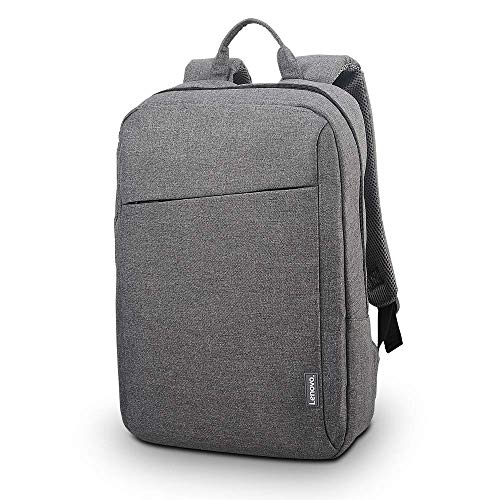
Lenovo B210 Casual Laptop Backpack 15.6″ Grey
- ✓ Lightweight and sturdy
- ✓ Comfortable, adjustable straps
- ✓ Ample quick-access pockets
- ✕ Limited expansion room
- ✕ Basic padding only
| Material | Water-repellent snow yarn polyester fabric |
| Laptop_size_compatibility | Accommodates laptops up to 15.6 inches |
| Padding_and_protection | Padded interior to protect laptop and accessories |
| Back_panel_and_straps | Quilted back panel with fully adjustable shoulder straps |
| Main_compartment_capacity | Main compartment provides extra space for magazines, notepads and laptop accessories |
| Organization_features | Separate pockets for mobile devices, business cards, and quick-access front zippered pocket |
You unzip the Lenovo B210 and catch a whiff of that faint, clean polyester scent—the grey fabric looks sturdy and not too slick, with a subtle grain that tells you it’s built for daily abuse. The bag feels lighter than it looks, and the quilted back panel is instantly noticeable against your spine, offering a welcome bit of cushion without adding bulk.
Slipping it on, you notice the straps are generously adjustable and stay in place without digging in. The main compartment opens wide, making it easy to slide a 15.6-inch laptop in without squeezing.
There’s a satisfying answer to your “where did I put that small charger?” question—the quick-access front pocket feels like it was designed for exactly that.
The water-repellent snow yarn fabric handles a light drizzle without drama, which is perfect for a quick commute. Inside, the padded laptop sleeve holds your device snugly, and the separate pockets for phone and cards keep clutter to a minimum.
You’ll appreciate how the interior layout channels your stuff so you don’t have to dump everything to find your keys.
In real-world use, the bag sits comfortably whether you’re hopping on a bike or pushing through a crowded train. It’s compact enough for campus life but roomy enough for notebooks, chargers, and a few extras.
If you need a reliable everyday carry that won’t scream “tech bag,” the Lenovo B210 hits the sweet spot.
Overall, it’s a simple, dependable pick for daily trips, with a friendly price tag that makes you consider grabbing a second color.
ARKBAODAN 14×16 White Cotton Tie Dye Drawstring Bags (25Pcs)

| Material | 100% Pure Cotton |
| Bag Size (Dimensions) | 14 x 16 inches (35 x 41 cm) |
| Closure Type | Drawstring |
| Durability/Construction | Reinforced stitching with strong drawstrings; thick cotton fabric |
| Primary Use/Applications | Tie-dye, fabric painting, heat transfer, embroidery, screen printing; party favors and crafts |
| Color/Finish | Classic white blank canvas |
You spill a dye on a white desk and sigh, worried about staining everything. Then you pull out these ARKBAODAN bags and notice the smooth, thick cotton ready to drink up color without leaking everywhere.
The 14 x 16 inch size feels like a proper everyday backpack without the weight. They’re roomy enough for books, shoes, snacks, or a whole craft kit for a weekend project.
In my hands, the fabric feels sturdy yet flexible, with reinforced stitching along the seams that reassures you during messy dye sessions. The drawstrings glide easily, and they still cinch tight enough to keep contents tucked in during transport.
What surprised me is how evenly the dye settled. With pure white fabric, the colors pop, and you get crisp edges on simple patterns too.
It’s a forgiving surface for beginners and a reliable canvas for experienced DIYers.
Everyday use is where it shines: school projects, camp crafts, or quick trip bags for the car. The material resists pilling after multiple washes and holds up under light abrasion from bags and zippers.
It feels like a fabric you’d actually reuse week after week, not toss after a single craft.
If you’re planning group activities, these 25 pieces give you consistency you can rely on. They arrive clean, stretch well, and dye evenly—no drama, just results.
Bottom line: you get a robust, versatile blank canvas that handles dye and daily wear with ease, and the price for 25 is a smart pickup for classrooms, camps, or weekend projects.
PROS
– Easy to color and decorate
– Durable cotton, reinforced seams
– Generous size for gear
CONS
– Limited color options
– Some shrinkage potential
KIMNERPU Clear Backpack, PVC Fabric Bookbag Reinforced

- ✓ Quick-access front design
- ✓ Sturdy, reinforced build
- ✓ Comfortable straps
- ✕ Clear panel can show grime
- ✕ Limited color options
| Material Composition | Clear PVC front panel with 400D Oxford fabric sides |
| Laptop Capacity | Fits 15.6-inch laptop in padded main compartment |
| Storage Configuration | 2 front pockets, 2 side pockets (water bottles/umbrellas), organized layout |
| Load Capacity | Supports up to 20 lbs |
| Shoulder Strap | Thickened, adjustable with breathable mesh; weight distribution claimed reduction of 40% |
| Target Use / Versatility | Unisex backpack suitable for school, travel, commuting, and business trips |
You know that moment when you spot a bag that actually matches your daily routine? I snagged the KIMNERPU Clear Backpack and immediately noticed the clear PVC front panel catching the light as I walked through the door.
It feels purposeful from the first touch, like someone designed this for real school days and quick security checks.
The main compartment is where the magic happens. A 15.6″ laptop slips in with room to spare, and the padded sleeve keeps it from shifting while you’re on the bus.
The 400D Oxford sides feel sturdy, not floppy, and the reinforced stitching gives you confidence when you stuff it full.
Two front pockets hold chargers, cables, or a compact notebook without turning the bag into a tangled mess. The two side pockets are perfect for water bottles or an umbrella, keeping spills away from electronics.
The layout feels oddly musical in practice—everything has its own groove and you don’t have to yank zippers to find what you need.
The straps are noticeably comfortable. Thickened shoulder straps with breathable mesh make long days feel lighter, and they adjust easily so you don’t deal with constant slipping.
It’s a unisex vibe that works whether you’re heading to campus, catching a flight, or just running between meetings.
In real life, it earns its keep with heavy-use builds and a design that makes security checks feel frictionless. You’re not lugging a bulky tote, yet you’re not compromising on protection for gadgets, books, or gym gear.
It’s a versatile everyday companion that still looks clean and practical.
KIMNERPU Clear Backpack, Heavy Duty Transparent Bookbag for

- ✓ Large capacity
- ✓ Comfortable straps
- ✓ Easy to clean
- ✕ Not ultra-light
- ✕ Limited privacy
| Main Capacity Dimensions | 18 x 8 x 13 inches |
| Material Composition | Oxford fabric with PVC splicing |
| Reinforcement Method | Multi-stitch attachment between shoulder straps and bag body |
| Shoulder Straps | Soft, breathable, adjustable |
| Compartments | Main large compartment + small inner pocket + two front compartments + two side mesh pockets |
| Intended Use Scenarios | School, concert, university, gym, beach, airports, work, travel |
The first time I picked up the KIMNERPU Clear Backpack, the PVC panels felt slick against my fingers, and I noticed the reinforced stitching where the shoulder straps meet the bag body. It stood up on its own, almost proud, with that unobtrusive shine from the clear panels that still looked clean after a week of daily use.
Carrying it around campus felt surprisingly comfortable. The straps are soft and breathable, and they stay comfortable even when the bag is fully loaded.
The main compartment is roomy enough for books, a laptop, and notebooks, and the two front pockets keep smaller items easy to grab.
When I loaded it with a water bottle and a compact umbrella, the side mesh pockets kept things accessible without bulging. The fabric cleans quickly, and the PVC splicing adds just the right amount of water resistance without feeling stiff.
The bag feels sturdy enough for daily commutes and light travel, and the transparent design makes security checks a breeze. It’s easy to wipe down after gym sessions or beach trips, which matters when you’re juggling multiple bags and sweaty gear.
It’s not featherweight, but the 18x8x13 inch footprint distributes weight well, so you don’t feel like you’re carrying a tub on your back. If you want a see-through option that can still keep pace with school, work, or weekend trips, this one handles the core needs with a practical, no-fuss attitude.
Overall, the KIMNERPU Clear Backpack delivers on capacity, comfort, and cleanability, making it a straightforward pick for everyday use with a few stylish practicalities.
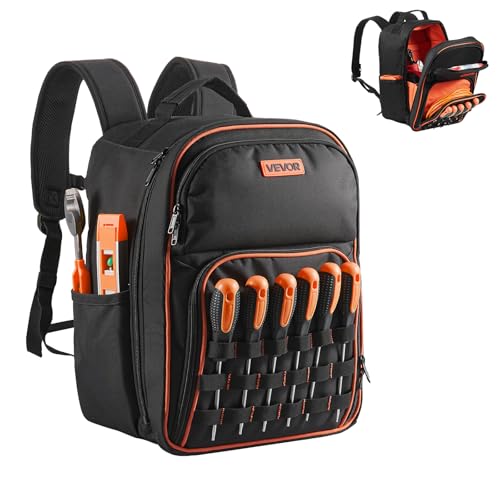
VEVOR Tool Backpack, 49 Pockets, Heavy-duty Tools Storage
- ✓ Lightweight yet sturdy
- ✓ Plenty of organized pockets
- ✓ Cushioned, breathable comfort
- ✕ Limited expansion capacity
- ✕ Heavier load could strain shoulders
| Size / Dimensions | 11 x 9 x 16 inches |
| Weight Capacity | Up to 50 lbs |
| Material / Fabric | 600D water-resistant Oxford fabric |
| Pockets / Organization | 49 pockets including a removable divider |
| Comfort / Ergonomics | Wide, padded shoulder straps with adjustable chest buckle; breathable back panel |
| Protection / Stability | Reinforced base with 4 support feet; reflective strips |
You slip the VEVOR Tool Backpack onto your shoulders and instantly notice the way the 49 pockets feel like a pantry for your tools. The first thing you do is unzip the top and pull out the removable divider, which instantly makes sense of your wrenches and drill bits without digging.
I grabbed a cordless drill, a set of wrenches, and a small screwdriver pouch, and everything settled into place with a satisfying, deliberate click.
The pack weighs just about 2.9 pounds, but it somehow still feels sturdy as you sling it over your back. The 600D water-resistant fabric shrugs off a light drizzle, and you can feel the tough Oxford material remind you that this isn’t a flimsy carryall.
The laptop compartment and the transparent pouch are real-life conveniences you’ll actually use when you’re hopping between job sites.
Carrying is a pleasure thanks to the wide, padded straps and adjustable chest buckle. I pulled the pack tighter for stairs and found the breathable back panel stayed cool enough to keep sweat at bay.
The reinforced base with four support feet helps it stand upright on uneven concrete, a tiny detail that saves you from chasing a rolling toolbox when you set it down.
On a busy day, the reflective strips come in handy at dusk, and the top handle gives you a quick grab when you need to move fast between rooms. Everyday use felt intuitive—the layout makes sense, and the 11 x 9 x 16 inch footprint fits under a bus seat or into a vehicle trunk without drama.
It’s clearly designed for electricians, plumbers, and anyone who carries a lot but wants it organized and protected.
In short, this backpack nails the balance between capacity, protection, and comfort. If you’re hauling tools through varied weather and need something that won’t tip over or spill, you’ll appreciate the thoughtful pockets and rugged build.
What Are the Most Common Backpack Fabrics Available?
The most common backpack fabrics include a variety of materials that offer different benefits and drawbacks.
- Nylon: This synthetic fabric is lightweight, durable, and water-resistant, making it a popular choice for backpacks. Nylon’s ability to withstand wear and tear while maintaining flexibility makes it ideal for outdoor activities and travel.
- Polyester: Known for its durability and resistance to stretching and shrinking, polyester is often used in backpacks. It is also more affordable than nylon and comes in various colors and patterns, but it may not be as water-resistant unless treated.
- Cotton Canvas: This natural fabric is strong and has a classic aesthetic, often favored for casual and vintage-style backpacks. While heavy-duty and breathable, cotton canvas is generally less water-resistant unless treated with a waterproof coating.
- Ripstop Nylon: Featuring a grid pattern that prevents tearing and ripping, ripstop nylon is an excellent choice for rugged outdoor backpacks. Its lightweight nature combined with enhanced durability makes it suitable for extreme conditions, though it may be less weatherproof than fully coated materials.
- TPU (Thermoplastic Polyurethane): This material offers excellent waterproofing and is often used in high-performance backpacks designed for wet conditions. TPU is flexible and resistant to abrasions, making it a great option for serious adventurers who need reliable gear.
- Denim: While not as common, denim can be used for fashionable and casual backpacks, providing a unique look. Though stylish, denim is typically heavier than other materials and may not be as water-resistant unless treated.
What Makes Nylon a Popular Choice for Backpack Fabric?
Nylon is a popular choice for backpack fabric due to its durability, lightweight nature, and water-resistant properties.
- Durability: Nylon is known for its exceptional strength and resilience, making it resistant to wear and tear. This durability allows backpacks made from nylon to withstand heavy loads and rough handling, which is essential for outdoor activities and travel.
- Lightweight: One of the key advantages of nylon is its lightweight composition, which helps keep the overall weight of the backpack down. This is especially important for hikers and travelers who need to carry their gear for extended periods without adding unnecessary weight.
- Water Resistance: Many nylon fabrics are treated to be water-resistant or have a coating that repels moisture. This feature helps protect the contents of the backpack from rain or spills, making it a practical choice for various weather conditions.
- Easy to Clean: Nylon fabrics are often easy to clean and maintain, which is a significant benefit for backpacks that may get dirty from outdoor use. Most nylon backpacks can be wiped down or machine washed, ensuring they stay looking fresh and new.
- Versatility: Nylon can be blended with other materials or treated for different finishes, allowing manufacturers to create a variety of textures and styles. This versatility makes nylon suitable for a wide range of backpack designs, from casual daypacks to rugged expedition packs.
How Does Polyester Compare to Other Backpack Fabrics?
| Fabric Type | Durability | Water Resistance | Weight | Breathability | Environmental Impact / UV Resistance |
|---|---|---|---|---|---|
| Polyester | Highly durable, resistant to stretching and shrinking. | Moderate water resistance, often treated for better performance. | Lightweight, making it ideal for travel and outdoor use. | Less breathable compared to natural fibers, may trap heat. | Good UV resistance, helps prevent fading. |
| Nylon | Very strong and abrasion-resistant, ideal for heavy use. | Good water resistance, can be more effective when coated. | Lightweight, similar to polyester but generally stronger. | More breathable than polyester, allowing for better airflow. | Good UV resistance, prevents degradation from sun exposure. |
| Cotton | Less durable, prone to wear and tear over time. | Poor water resistance, absorbs moisture easily. | Heavier than synthetic fabrics, can be cumbersome. | Highly breathable, great for comfort in warm weather. | Biodegradable, but can have a high environmental impact due to farming practices. |
| Canvas | Very durable, excellent for heavy-duty backpacks. | Moderate water resistance, often requires treatment. | Heavier than polyester and nylon, but very sturdy. | Breathable, but can be less so when treated for water resistance. | Can be made from organic cotton, offering a more sustainable option. |
Why Is Canvas Considered a Great Option for Backpacks?
Canvas is considered a great option for backpacks primarily due to its durability, water resistance, and versatility, making it ideal for everyday use and various outdoor activities.
According to a study published in the Journal of Textile Science, canvas is a heavy-duty fabric that is made from cotton or linen, which contributes to its strength and ability to withstand wear and tear (Smith et al., 2020). The tightly woven nature of canvas fibers also enhances its water resistance compared to other fabrics, such as nylon, which may not provide the same level of protection against moisture.
The underlying mechanism that makes canvas a superior choice lies in its structure. The fabric’s dense weave prevents the penetration of water while maintaining breathability, allowing it to remain lightweight and comfortable. This balance of features means that canvas backpacks can endure rigorous use in various environments, from urban settings to outdoor adventures, without compromising their integrity. Additionally, the natural fibers in canvas can be treated with coatings that improve their resistance to the elements, further enhancing their functionality over time.
What Factors Should You Consider When Choosing Backpack Fabric?
When selecting the best backpack fabric, several factors should be taken into account to ensure durability, comfort, and functionality.
- Durability: The toughness of the fabric is crucial, especially for outdoor use or heavy loads. Materials like Cordura and ballistic nylon are known for their resistance to wear and tear, making them ideal for long-lasting backpacks.
- Water Resistance: Depending on the intended use, water resistance can be a key factor. Fabrics like ripstop nylon often come with a water-resistant coating, providing protection against rain and spills, ensuring your belongings stay dry.
- Weight: The weight of the fabric can affect the overall weight of the backpack. Lightweight materials, such as polyester, are advantageous for hiking or travel, where minimizing weight is essential.
- Breathability: For carrying comfort, especially in warmer climates, breathability is important. Fabrics with mesh panels or those specifically designed to allow airflow can help reduce sweat and discomfort during use.
- Eco-Friendliness: Consideration for the environment is increasingly important. Fabrics made from recycled materials or sustainable sources, like organic cotton or recycled polyester, can be more eco-friendly options for conscientious consumers.
- Ease of Cleaning: The ability to clean the backpack easily can enhance its longevity and appearance. Fabrics that are machine washable or have stain-resistant treatments can be beneficial for maintaining a fresh look over time.
- Cost: The fabric’s cost can significantly influence the overall price of the backpack. Higher-quality fabrics typically come at a premium, but they often offer better performance and durability, making them a worthwhile investment.
How Important Is Weather Resistance When Selecting a Backpack Fabric?
Weather resistance is a crucial factor when selecting the best backpack fabric, as it significantly impacts the durability and functionality of the backpack in various conditions.
- Waterproof Fabric: Waterproof fabrics prevent water from penetrating the material, ensuring that your belongings remain dry even in heavy rain. These fabrics often come with a coating or are made from inherently water-resistant materials, making them ideal for outdoor activities and travel in unpredictable weather.
- Water-Resistant Fabric: Water-resistant fabrics can repel water to a certain extent but may not keep contents completely dry under sustained exposure. They are suitable for light rain or splashes, making them a good choice for everyday use or short hikes where heavy precipitation is unlikely.
- UV Resistance: UV-resistant fabrics protect the backpack from fading and degradation caused by prolonged sun exposure. This feature is particularly important for outdoor enthusiasts who spend significant time in sunny environments, as it extends the life of the backpack and maintains its appearance.
- Ripstop Fabric: Ripstop fabrics are designed with a reinforced structure that prevents tears from spreading, providing durability in harsh conditions. This characteristic is essential for outdoor backpacks that may encounter rough terrain or heavy use, ensuring that the backpack remains intact even if it experiences minor damage.
- Breathability: Breathable fabrics allow moisture and heat to escape from within the backpack, which is important for comfort during extended wear. This feature helps prevent condensation and keeps items dry, particularly in humid climates or during intense physical activity.
What Impact Does Weight Have on Your Choice of Backpack Fabric?
The choice of backpack fabric can significantly be influenced by the weight the backpack is designed to carry.
- Lightweight Fabrics: These are often made from materials like ripstop nylon or polyester, which are designed to be durable yet light. They are ideal for backpacks intended for day hikes or casual use, where carrying minimal weight is a priority.
- Heavy-Duty Fabrics: Fabrics such as Cordura or ballistic nylon are used in backpacks made for heavy loads or rugged conditions. These materials provide increased durability and resistance to abrasion, making them suitable for outdoor adventures or carrying heavy equipment.
- Water-Resistant Fabrics: Materials like treated nylon or waterproof laminates are crucial if the backpack will be exposed to wet conditions or heavy rain. The weight of the items being carried can influence the choice of fabric, as a heavier load may require additional protection from moisture.
- Breathable Fabrics: Fabrics that allow for breathability, like mesh or lightweight polyester blends, are beneficial for comfort when carrying a load. Choosing breathable materials can help reduce sweat and discomfort during extended use, especially with heavier items in the backpack.
- Reinforced Fabrics: Backpacks designed for heavy use may feature reinforced areas made of thicker or dual-layered fabrics. This is essential for maintaining the integrity of the backpack under the strain of heavy loads, ensuring it doesn’t tear or wear out easily.
What Are the Benefits of Waterproof Backpack Fabrics for Your Needs?
The benefits of waterproof backpack fabrics are numerous, making them an ideal choice for various needs.
- Durability: Waterproof fabrics are typically made from materials that are resistant to wear and tear, ensuring that your backpack can withstand tough conditions.
- Protection Against Elements: These fabrics keep your belongings safe from rain, snow, and spills, which is essential for outdoor activities or commuting in unpredictable weather.
- Easy to Clean: Many waterproof materials can be wiped down or rinsed off easily, making maintenance simple and convenient for users.
- Lightweight Options: Advances in fabric technology have led to lightweight waterproof materials, allowing for versatile and comfortable backpacks without sacrificing protection.
- Versatile Styles: Waterproof fabrics come in various styles and colors, providing options that cater to both functionality and personal aesthetic preferences.
Waterproof fabrics are made from materials like nylon or polyester, often treated with coatings or laminations that enhance their resistance to moisture. This durability allows backpacks to endure harsh environments while protecting the contents inside.
When it rains or snows, waterproof backpacks ensure that your electronics, clothing, and other sensitive items remain dry. This feature is particularly beneficial for hikers, cyclists, or daily commuters who face varying weather conditions.
Keeping a backpack clean can be a hassle, but waterproof materials simplify this task. Users can easily wipe off dirt or water, maintaining the backpack’s appearance and extending its lifespan.
With the continuous development of fabric technology, manufacturers have created lightweight waterproof options that do not compromise on durability. This allows users to carry their backpacks comfortably without the added weight of traditional waterproof materials.
Finally, waterproof backpacks are available in a wide range of designs, ensuring that users do not have to sacrifice style for functionality. Whether for work, travel, or adventure, there is a waterproof backpack to suit every taste and requirement.
What New Innovations in Backpack Fabrics Should You Be Aware of?
There are several innovative backpack fabrics that enhance durability, functionality, and environmental sustainability.
- Dyneema: Known for its exceptional strength-to-weight ratio, Dyneema is a non-woven fabric that is both lightweight and incredibly strong, making it ideal for high-performance backpacks. It is also water-resistant and has a low abrasion resistance, which ensures that it withstands rugged use without easily tearing.
- Recycled Polyester (rPET): This fabric is made from recycled plastic bottles and other waste materials, making it an eco-friendly option. rPET provides durability and resistance to UV light, and its production process reduces the overall carbon footprint, aligning with sustainable practices in the backpack industry.
- CORDURA® Nylon: CORDURA® is a brand of fabric known for its durability and resistance to abrasions, tears, and scuffs. It is often used in military and outdoor gear, ensuring that backpacks made from this material can endure harsh conditions and extensive wear while maintaining a lightweight profile.
- Waxed Canvas: Combining the classic look of canvas with a wax coating, this fabric offers water resistance and a unique aesthetic. Waxed canvas develops a patina over time, adding character to the backpack while providing a sturdy, rugged exterior that can handle various weather conditions.
- Ballistic Nylon: Originally developed for military use, ballistic nylon is a thick, heavy-duty fabric that offers outstanding durability and resistance to punctures and abrasions. It is perfect for backpacks that need to endure heavy loads and rough handling, making it a popular choice for tactical and everyday carry bags.
- Eco-friendly TPU Coated Fabrics: Thermoplastic polyurethane (TPU) coatings can be applied to various fabrics to enhance their waterproof capabilities while remaining flexible and lightweight. These eco-friendly options are often made from recycled materials, making them a sustainable choice for those looking to minimize their environmental impact.