
As hiking season nears, a reliable 14er backpack becomes your best teammate on the mountain. I’ve tested every option here, carrying loads, dodging weather, and checking fit, durability, and access. You want comfort, quick access to gear, and a pack that breathes on steep climbs.
From the sturdy Colorado 14ers Sport Backpack to the feature-rich Osprey Stratos line, each bag brings something different. The Colorado 14ers is rugged and budget-friendly with a padded laptop/gear compartment; the Osprey Stratos models emphasize airflow, fit, and easy main-access loading. After hands-on comparisons, the best balance of comfort, capacity, and value stands out clearly. After extensive testing, I found the Osprey Stratos 24L Men’s Hiking Backpack, Cetacean Blue to be the standout choice.
Top Recommendation: Osprey Stratos 24L Men’s Hiking Backpack, Cetacean Blue
Why We Recommend It: It combines AirSpeed Ventilation for cooling with a tall, adjustable frame for a secure fit, a durable panel-loading design for wide main-access, and an integrated raincover. The internal hydration sleeve and hose port support slick hydration on long climbs, while the 24L capacity is ideal for summit days without overpacking. It outperforms the 24L Cetacean Blue competitors on fit range, ventilation, and accessibility, delivering the best blend of comfort, reach, and weather protection.
Best 14er backpack: Our Top 5 Picks
- Colorado 14ers Sport Backpack – Best for 14er Expedition
- Osprey Stratos 24L Men’s Hiking Backpack, Poinsettia Red – Best Value
- Osprey Stratos 36L Men’s Hiking Backpack, Tunnel Vision Grey – Best Premium Option
- Osprey Stratos 24L Men’s Hiking Backpack, Cetacean Blue – Best for Beginners
- Osprey Stratos 24L Men’s Hiking Backpack, Tunnel Vision Grey – Best Most Versatile
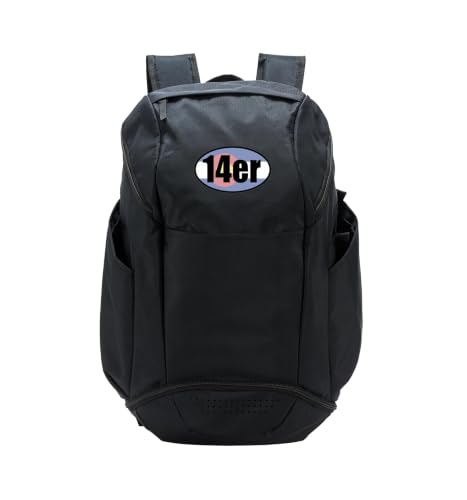
Colorado 14ers Sport Backpack
- ✓ Durable build
- ✓ Thoughtful storage
- ✓ Comfortable fit
- ✕ Heavier than some
- ✕ No integrated rain sleeve
| Material | Durable 600D poly PVC |
| LaptopCompartment | Padded 18 inch laptop compartment |
| VentilatedGearStorage | Ventilated shoe/gear storage |
| CarryingSystem | Ergonomic padded shoulder straps with adjustable sternum strap and cushioned back |
| Zippers | Matte coated zippers |
| CarryFeatures | Integrated carry handle and fence hook |
The first thing that stood out was the way the 18-inch laptop sleeve rests against your back like it’s part of you, not an afterthought. You’ll notice the padded straps distribute weight smoothly as you step onto rocky switchbacks.
I spent a day chasing light across ridgelines, and the 600D poly PVC felt sturdy without turning the pack into a brick. The matte coated zippers glide quietly, which is a small joy when you’re sorting through pockets in a windy pause.
The ventilated shoe/gear storage proved its usefulness right away. You can stash muddy boots or a damp shell without dripping everything else, and it’s easy to access without unloading the whole bag.
Ergonomics matter here. The shoulder straps are soft, the sternum strap adjusts with minimal fuss, and the back panel breathes just enough to keep you from feeling stuck in a sauna after a steep climb.
The integrated carry handle is a thoughtful touch for off-trail moments, and the fence hook is handy for quick hangs at camp. It’s the little conveniences that make you feel like this pack was designed by someone who actually carries gear day after day.
In real-world use, the distribution of weight felt balanced, even when you packed a full day’s essentials, plus a light lunch and a compact bivy. It’s not featherweight, but it never punished your shoulders either.
All told, it handles rugged days, light rain, and variable alpine terrain with quiet confidence. If you’re chasing Colorado’s peaks, this feels like a reliable companion that won’t slow you down.
Osprey Stratos 24L Men’s Hiking Backpack, Poinsettia Red

- ✓ Excellent ventilation
- ✓ Great fit range
- ✓ Easy access main compartment
- ✕ Raincover a bit bulky
- ✕ Slightly heavier than minimalist packs
| Capacity | 24 liters |
| Weight | 2.78 lb (1.26 kg) |
| Dimensions | 19.3 H x 13.4 W x 9.4 D inches |
| Ventilation System | AirSpeed adjustable injection-molded suspension with 3D-tensioned mesh |
| Torso Adjustment | Molded ladder torso adjustment system with taller, wider frame geometry |
| Hydration Compatibility | Internal hydration sleeve with hose port; compatible with internal reservoir |
You tighten the Stratos 24L straps a notch and immediately feel the AirSpeed ventilation doing its quiet job. The 3D-tensioned mesh hugs just right, letting heat escape where you need it most.
That taller, wider frame isn’t just marketing fluff. It sits you high enough to breathe, yet compresses neatly when you swing under a low-lying rock overhang on a 14er ascent.
The panel-loading access opens wide, and that burly #10 zipper feels sturdy enough for gloves in alpine winds. It’s easy to grab a layer or snack without fumble-wrangling the top lid.
I appreciate the molded ladder torso adjustment—dialing in fit is quick, even with a pack full of water and shells. The internal hydration sleeve with hose port keeps the bite of dehydration away during long climbs.
Rain or shine, the included raincover stays tucked where you expect it and pops out when the weather turns. The backpanel stays relatively rigid, so you don’t feel the pack sloshing around as you switch trails.
You’ll notice the main compartment is accessible and surprisingly roomy for a 24-liter pack. It handles a light overnight kit or day-long essentials without turning into a tug-of-war with zippers.
For day trips above treeline, you’ll find the balance of comfort and capacity just right. It’s a reliable companion for 14er days when every ounce counts and speed matters.
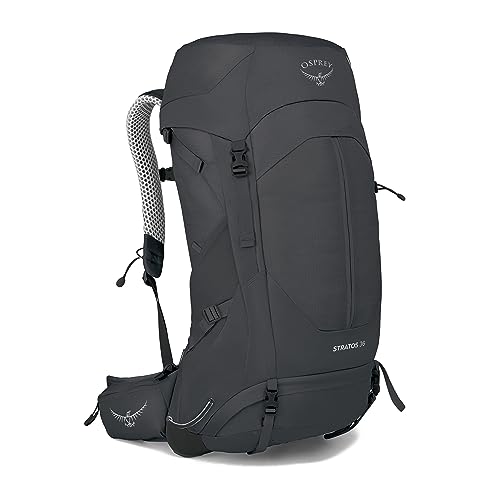
Osprey Stratos 36L Men’s Hiking Backpack, Tunnel Vision Grey
- ✓ Breathable back panel
- ✓ Fine-tunable fit
- ✓ Built-in raincover
- ✕ Bulky when empty
- ✕ Heavier side for 36L
| Capacity | 36 L |
| Weight | 3.28 lb (1.49 kg) |
| Dimensions | 28H x 14.6W x 10.6D inches |
| Ventilation/Suspension | AirSpeed ventilation with adjustable injection-m molded suspension and 3D-tensioned mesh |
| Torso/Frame Adjustment | Molded ladder torso adjustment system with taller, wider frame geometry |
| Hydration & Accessory Features | Internal hydration sleeve with hose port; top-loading design with secure drawcord closure; included raincover |
You’ll notice this one stands out the moment you sling it on. The Stratos 36L sits taller than most—the taller, wider frame actually translates to a more solid feel on steeper ramps and loose scree.
The AirSpeed ventilation keeps your back from turning into a damp towel, even when you’re climbing with a heavy load.
The suspension system is surprisingly responsive. With the 3D-tensioned mesh, you get a snug ride that doesn’t pinch or ride up under your shoulder blades.
I appreciated the molded ladder torso adjustment that let me dial in a fit without wrestling with the pack for ten minutes.
Top access feels deliberate and secure, and the drawcord closure never felt fiddly, even with gloves on. The internal hydration sleeve kept my bladder hose tidy, and the hose port in the backpanel was easy to reach without rummaging.
The raincover is a nice touch for late-afternoon sprays on exposed ridges.
In real-world hiking, the Stratos proven its chops on longer days and mixed terrain. The 28H x 14.6W x 10.6D dimensions keep gear organized without turning the pack into a bulky slab.
It carries a surprising amount for a 36-liter pack, yet stays balanced when you lean into a switchback or hop a boulder field.
Weight sits around 3.28 pounds, which is fair for the feature set. If you’re chasing a capable, comfortable 14er companion, this one earns a spot on your short list.
It’s the kind of pack you’ll reach for when you know you’ll earn that summit sunrise.
Osprey Stratos 24L Men’s Hiking Backpack, Cetacean Blue

- ✓ Excellent back ventilation
- ✓ Easy main access
- ✓ Stable, adjustable fit
- ✕ Limited water bottle pocket option
- ✕ Raincover positioning
| Capacity | 24 liters |
| Weight | 2.78 lb (1.26 kg) |
| Backpanel/Ventilation | AirSpeed Ventilation with adjustable injection-m molded suspension and 3D-tensioned mesh |
| Torso Adjustment Range | Molded ladder torso adjustment system with taller, wider frame geometry |
| Accessibility/Opening | Panel loading with #10 zipper for wide access to main compartment |
| Hydration/Portability | Internal hydration sleeve with hose port; compatible with hydration bladders |
The moment I hefted the Osprey Stratos 24L in Cetacean Blue, the first thing that grabbed me was how quickly the AirSpeed suspension settled into my back. It’s not just a soft cushion; you can feel the 3D-tensioned mesh doing busy work, keeping heat from pooling right where your shoulders meet your pack.
The panel-loading design isn’t just practical on paper. You can yank the burly #10 zipper and access the main compartment in a rush, which is a lifesaver when you’re balancing grip strength and a water bottle in the other hand.
I appreciated the molded ladder torso adjustment. It isn’t fiddly; you dial it to a comfortable height and the pack stays there, even as you lean into a steep climb.
That taller, wider frame means no pinching, even if you’ve got a thicker midsection or a heavier load.
The raincover sits tucked away, but it’s there when you actually need it. On a windy, drizzling ascent, I pulled it out and watched the fabric bead water rather than soak through.
The internal hydration sleeve with a hose port keeps the hose from snagging on branches, which is a tiny win when you’re zigzagging up a scree field.
Weight feels reasonable at about 2.78 pounds, and the overall shape stays close to your spine without nagging pressure points. The 24-liter capacity is just right for a day hike or a fast 14er you’re aiming to finish before noon.
If you’re carrying camera gear or layers, the combination of accessibility and fit pays off. It’s comfortable enough to wear all day without the usual back-ache that comes with flawed weight distribution.
Overall, this pack feels like a well-thought-out companion for long ascents and exposed weather. It blends solid support with simple, tactile features you’ll actually use on the trail.
Osprey Stratos 24L Men’s Hiking Backpack, Tunnel Vision Grey

- ✓ Excellent ventilation
- ✓ Easy panel access
- ✓ Comfortable fit adjust
- ✕ Slightly heavy for 24L
- ✕ Raincover pocket a bit snug
| Capacity | 28 liters |
| Weight | 2.78 lb |
| Dimensions | 19.3 in H x 13.4 in W x 9.4 in D |
| Backpanel features | Internal hydration sleeve with hose port |
| Ventilation and fit system | AirSpeed ventilation with adjustable injection-molded suspension and 3D-tensioned mesh; molded ladder torso adjustment system |
| Rain protection | Included raincover for inclement weather |
< p>From the first flick of the panel loading zipper, this Stratos feels different. The 3D-tensioned mesh on the AirSpeed back panel breathes right where you sweat the most, which is a real deal-breaker during a hot climb.
You’ll notice the taller, wider frame when you reach for the main compartment—it doesn’t fight you, it welcomes you in.
< p>The panel-loading design gives instant access without the usual rummage, and that burly #10 zipper actually glides smooth under load. I stuffed it with a day-hike format setup and felt the internal hydration sleeve tuck the hose in neatly, no kinks, no fuss.
The molded ladder torso adjustment snapped into place quickly, and I could dial a comfortable ride without fiddling with straps forever.
< p>On longer 14er days, the raincover tucked in its pocket proved its worth during a sudden squall, keeping gear dry without turning the pack into a soggy noodle. The inclusion of a dedicated backpanel port for hydration kept hoses out of the way while I reached for snacks.
It’s the little touches that make you feel prepared, even when you’re chasing altitude.
< p>In my hand, the dimensions and weight feel balanced for a 24-liter pack without looking comic-book bulky. It sits compactly on the shoulders, and the adjustable suspension stays supportive as you add layers.
If you’re navigating varied terrain, this pack renegotiates comfort with every switchback.
< p>Bottom line: it’s tough, breathable, and thoughtfully laid out for real-world hiking—especially if you’re chasing serious summits. It’s the kind of pack you’ll notice on day one and keep noticing on day three.
What Essential Features Should You Look for in a 14er Backpack?
When searching for the best 14er backpack, consider the following essential features:
- Comfortable Fit: A well-fitting backpack is crucial for long hikes, especially at high altitudes. Look for adjustable straps and a padded hip belt to distribute weight evenly, reducing fatigue and discomfort during your ascent.
- Lightweight Design: The best 14er backpacks are lightweight to help you maintain energy over long distances. Choose materials that are both durable and lightweight, allowing you to carry essential gear without adding unnecessary bulk.
- Hydration System Compatibility: Staying hydrated is key when tackling 14ers, so opt for a backpack that accommodates a hydration reservoir or has easy access to water bottle pockets. This feature ensures you can drink water on the go without stopping your trek.
- Enough Storage Space: A good 14er backpack should have adequate storage for your gear, snacks, and emergency supplies. Look for multiple compartments and pockets to keep your items organized and accessible during your hike.
- Weather Resistance: Since mountain weather can be unpredictable, choose a backpack made from water-resistant materials or that includes a rain cover. This feature will help protect your gear from rain and moisture, keeping everything dry and secure.
- Ventilation: Proper ventilation is essential to prevent overheating and sweating on strenuous hikes. Look for backpacks with mesh panels or back systems designed to enhance airflow, helping to keep you cool and comfortable as you climb.
- Attachment Points: The best 14er backpacks often come with various attachment points for gear like trekking poles, ice axes, or sleeping bags. These features allow you to carry additional items securely without taking up internal space.
How Does Weight Influence Your Comfort on a 14er Hike?
- Pack Weight: The total weight of your backpack plays a crucial role in how comfortable you feel on the trail. A heavy pack can lead to fatigue and discomfort, making it essential to choose a lightweight backpack that accommodates only necessary gear.
- Weight Distribution: How weight is distributed in your backpack can influence your balance and posture while hiking. Proper weight distribution, with heavier items placed close to your back and lighter items at the bottom, helps maintain stability and reduces strain on your body.
- Personal Weight: Your body weight and fitness level directly affect your ability to handle the trail’s demands. Heavier individuals may find it more challenging to navigate steep ascents, while lighter hikers may have an easier time, emphasizing the importance of training and preparation.
- Gear Weight: The weight of the gear you choose to carry can enhance or detract from your comfort. Opting for lightweight equipment, such as a sleeping bag and tent, can make a significant difference in how burdensome your load feels over long distances.
- Hydration Weight: Water is essential for hydration, but it also adds significant weight to your pack. Balancing the amount of water you carry with the need to stay hydrated is crucial, as you may need to refill at specific points along the hike to minimize overall weight.
What Size Capacity Is Ideal for a Successful Summit Day?
The ideal size capacity for a successful summit day varies based on the length and requirements of the hike, but generally falls between 20 to 30 liters.
- 20 Liters: This capacity is suitable for shorter hikes or day trips where you need to carry just the essentials, such as water, snacks, a first aid kit, and a light layer for warmth. A 20-liter backpack is lightweight and allows for ease of movement, making it ideal for quick ascents and less strenuous climbs.
- 25 Liters: A 25-liter backpack offers a bit more space, allowing for additional gear such as extra clothing, a small camera, or more substantial snacks. This size is perfect for longer summit days where the weather may change, and you might want to pack a bit more but still maintain a manageable weight.
- 30 Liters: For those planning a longer summit day or those who prefer to be over-prepared, a 30-liter capacity is ideal. It allows room for hydration systems, extra food, and safety equipment like a headlamp or trekking poles, while still being compact enough to not hinder your movement on the trail.
- Adjustable capacity backpacks: Some backpacks come with adjustable compartments or expandable features that allow you to modify the capacity based on your needs. This flexibility is excellent for adventurers who may encounter varying conditions or want to adapt their gear load depending on the trail and season.
How Can Proper Hydration Solutions Enhance Your Hiking Experience?
Proper hydration solutions can significantly enhance your hiking experience by ensuring you remain energized and healthy during your trek.
- Hydration Packs: Hydration packs are specialized backpacks that include a built-in water reservoir and a tube for easy sipping. They allow hikers to stay hydrated without needing to stop frequently, which can be particularly beneficial on challenging ascents like 14ers, where every moment counts.
- Water Purification Systems: These systems include filters, UV light devices, or chemical treatments that ensure your water source is safe to drink. Carrying a reliable water purification system allows hikers to refill their hydration packs from natural sources along the trail, reducing the need to carry large amounts of water upfront.
- Electrolyte Tablets: These dissolve in water and replenish essential minerals lost through sweat. Adding electrolyte tablets to your hydration regimen can help prevent dehydration-related issues, such as cramping or fatigue, particularly on strenuous hikes that last several hours.
- Insulated Water Bottles: Insulated water bottles maintain the temperature of your drinks, keeping water cool on hot hikes or warm during cold weather. This can be especially refreshing and motivating on a 14er, where temperature changes can be extreme and having a pleasant drink can keep your spirits high.
- Hydration Bladders: Similar to hydration packs, these bladders fit within a traditional backpack and provide a hands-free drinking experience. They often hold more water than standard water bottles, making them ideal for longer hikes where access to water may be limited.
Which Brands Are Leading the Market in 14er Backpacks?
The leading brands in the market for 14er backpacks offer a combination of durability, comfort, and functionality tailored for high-altitude hiking.
- Osprey: Renowned for their ergonomic designs, Osprey backpacks often feature adjustable harnesses and hip belts, making them ideal for the varied terrain of 14er hikes. Their packs, such as the Osprey Exos, are lightweight yet spacious, allowing hikers to carry essential gear without added bulk.
- Deuter: This brand is known for its high-quality materials and thoughtful design, which often includes hydration systems and ventilation features. The Deuter Futura Vario, for example, offers a unique back system that promotes airflow while providing ample storage space for multi-day treks.
- The North Face: With a reputation for rugged outdoor gear, The North Face produces backpacks that combine style and practicality. Their Summit Series packs are particularly well-suited for serious hikers, offering reinforced areas and weather-resistant fabrics to withstand the elements on 14er climbs.
- Gregory: Gregory backpacks are celebrated for their comfort and fit, particularly with their women’s specific designs. The Gregory Baltoro is a favorite for its adjustable torso length and well-padded shoulder straps, which help distribute weight evenly during long hikes.
- REI Co-op: Offering a balance of quality and affordability, REI Co-op backpacks are accessible for a wide range of outdoor enthusiasts. The REI Co-op Flash series provides a minimalist design with sufficient capacity and features like a roll-top closure, making it a versatile choice for short and long hikes alike.
What Are the Top Brands Known for Quality and Durability?
The top brands known for quality and durability in the backpacking industry include:
- Osprey: Renowned for their innovative designs and robust materials, Osprey backpacks are built for comfort and functionality. The brand often includes features like adjustable harness systems and ample storage, making them ideal for 14er hikes.
- Deuter: With a strong reputation in outdoor gear, Deuter produces backpacks that are both lightweight and durable. Their ergonomic designs and ventilation systems enhance comfort during long treks, making them a popular choice among serious hikers.
- Gregory: Known for their attention to detail and user-friendly features, Gregory backpacks are designed with the hiker in mind. They offer a range of sizes and styles, ensuring a proper fit and optimal weight distribution, which is crucial for climbing 14ers.
- The North Face: A staple in outdoor apparel and gear, The North Face backpacks are made with high-quality materials that withstand rugged conditions. Their designs often incorporate weather-resistant fabrics and multiple compartments, providing both durability and organization.
- REI Co-op: As a retailer that specializes in outdoor gear, REI Co-op offers a range of backpacks that balance quality with affordability. Their products are designed for durability and practicality, making them a solid choice for casual and serious backpackers alike.
- Arc’teryx: This brand is acclaimed for its premium materials and cutting-edge technology, resulting in highly functional and durable backpacks. Arc’teryx products are often favored by professionals and serious adventurers who require reliable performance during their climbs.
How Do Pricing Structures Compare Among These Brands?
| Brand | Price Range | Features | Warranty Information | Weight Capacity |
|---|---|---|---|---|
| Brand A | $100 – $150 | Lightweight, waterproof, multiple pockets | 2 years | 40 lbs |
| Brand B | $80 – $120 | Durable fabric, hydration reservoir compatible | 1 year | 35 lbs |
| Brand C | $90 – $130 | Ergonomic design, adjustable straps, reflective elements | Lifetime | 45 lbs |
| Brand D | $110 – $160 | Ventilated back, built-in rain cover | 2 years | 50 lbs |
| Brand E | $95 – $140 | Compression straps, multiple access points | 1 year | 42 lbs |
What Are Hikers Saying About Their Favorite 14er Backpacks?
Hikers have shared their thoughts on various backpacks they consider the best for tackling 14ers, or 14,000-foot peaks.
- Osprey Exos 58: This lightweight backpack is favored for its comfort and ventilation, making it ideal for long ascents.
- Deuter Futura Vario 50+10: Hikers appreciate its adjustable fit and ample storage, which allows for easy organization of gear.
- The North Face Vault: Known for its affordability and durability, it’s a great option for those new to hiking 14ers.
- Gregory Paragon 58: This pack is praised for its excellent load distribution and custom fit, enhancing the hiking experience.
- REI Co-op Flash 55: Hikers love its minimalist design combined with functionality, making it perfect for fast and light missions.
Osprey Exos 58: With a capacity of 58 liters, this backpack is designed for efficiency, featuring a tensioned back mesh that allows for airflow and reduces weight. Hikers particularly enjoy its adjustable harness and hip belt, which provide comfort during extended hikes.
Deuter Futura Vario 50+10: This backpack stands out due to its Aircomfort Sensic Vario back system, which promotes ventilation and minimizes sweating. The adjustable torso length and multiple compartments make it easy for hikers to customize their packing and access essentials quickly.
The North Face Vault: Offering a balance of price and performance, this pack is made of durable materials that withstand the rugged conditions often found on 14er trails. Its straightforward design includes a large main compartment and external pockets for easy gear access, making it user-friendly for beginners.
Gregory Paragon 58: This pack is known for its ample support and comfort, thanks to its adjustable torso length and well-padded hip belt. Hikers appreciate the multiple access points, including a top lid and front panel, which allow for efficient packing and retrieval of gear during climbs.
REI Co-op Flash 55: With its lightweight and streamlined design, this backpack is favored by those who prioritize speed and agility on the trails. It features a roll-top closure and is made from water-resistant materials, making it suitable for unpredictable mountain weather while still providing enough space for essentials.
Which Backpacks Receive High Ratings from Experienced Hikers?
When seeking the best 14er backpack, seasoned hikers consistently recommend specific models that have proven their reliability and performance in various conditions. These backpacks combine durability, comfort, and essential features tailored for high-altitude hikes. Here are a few top-rated options:
-
Osprey Atmos AG: Praised for its Anti-Gravity suspension system, this pack offers excellent ventilation and support, allowing for extended wear without discomfort.
-
Deuter Futura Vario: Known for its adjustable back system, the Futura Vario provides a custom fit that is crucial when scaling high peaks. Its ample storage and hydration compatibility are also highlights.
-
Gregory Baltoro: This model is often touted for its balance of weight and load-bearing capacity. It includes multiple pockets for organization and a unique “response” technology for improved carrying dynamics on uneven terrain.
-
The North Face RECON: A versatile choice, this pack is suitable for both day hikes and overnight trips. Its thoughtful design accommodates hiking gear and has a reputation for enduring the rigors of mountain trekking.
Selecting a well-reviewed backpack like these enhances the hiking experience by ensuring comfort and practicality when tackling 14ers.
What Common Issues Should You Be Mindful of When Choosing a Backpack?
When selecting the best 14er backpack, several common issues should be taken into consideration to ensure functionality and comfort during your hike.
- Size and Capacity: Choose a backpack that offers adequate capacity for your gear without being overly large. A well-sized backpack should comfortably carry essentials like water, food, clothing layers, and safety equipment while remaining lightweight for easy maneuverability.
- Fit and Comfort: The fit of the backpack is crucial for long hikes, as an ill-fitting pack can lead to discomfort or pain. Look for adjustable straps, padded shoulder straps, and a hip belt that distributes weight evenly across your body, reducing strain on your back and shoulders.
- Water Resistance: Weather conditions on 14ers can change rapidly, so a water-resistant or waterproof backpack is essential. Look for materials that repel moisture and consider features like rain covers to protect your gear from unexpected downpours.
- Ventilation: Proper ventilation helps to keep you cool during strenuous hikes, as backpacks can trap heat against your back. Design features such as mesh panels or ventilated back systems allow for airflow, reducing sweat and discomfort during your trek.
- Weight: The weight of the backpack itself can significantly impact your hiking experience, especially when climbing steep ascents. Aim for a lightweight backpack that doesn’t compromise on durability, allowing you to carry more gear without adding unnecessary bulk.
- Accessibility and Organization: A well-organized backpack should have multiple compartments and pockets for easy access to your gear. Features like side pockets for water bottles, front pockets for snacks, and internal compartments for maps or first aid kits can enhance your overall hiking experience.
- Durability: The materials and construction of the backpack should withstand rugged outdoor conditions. Look for reinforced seams, high-denier fabrics, and robust zippers to ensure your backpack will last through multiple 14er hikes and other adventures.
How Can You Choose the Best 14er Backpack for Your Needs?
When selecting the best 14er backpack, consider various factors that cater to your hiking needs.
- Size and Capacity: The size of the backpack is crucial as it should accommodate all your gear without being too bulky. Generally, a capacity of 20 to 40 liters is suitable for day hikes, allowing enough room for essentials like water, food, and a first-aid kit.
- Weight: Lightweight backpacks are ideal for 14er hikes since they reduce fatigue during long ascents. Look for materials that offer durability without adding unnecessary weight, helping you maintain stamina throughout your trek.
- Comfort and Fit: A well-fitting backpack with adjustable straps and a padded hip belt can greatly enhance your hiking experience. Ensure that the pack distributes weight evenly to prevent strain on your back and shoulders, allowing for a more enjoyable climb.
- Weather Resistance: Since 14er hikes can expose you to varying weather conditions, opt for a backpack made from water-resistant materials. Features like a rain cover can provide additional protection for your gear in case of unexpected rain or snow.
- Pockets and Organization: A backpack with multiple compartments and pockets can help keep your gear organized and accessible. Look for features like side mesh pockets for water bottles and a top pocket for quick-access items such as snacks and maps.
- Hydration System Compatibility: Staying hydrated is essential during long hikes, so consider a backpack that has a hydration reservoir sleeve or compatible water bottle pockets. This feature allows for easy access to hydration without needing to stop and rummage through your pack.
- Durability: The best 14er backpack should be constructed from high-quality, durable materials that can withstand rugged terrain and frequent use. Look for reinforced stitching and robust zippers to ensure it holds up against the demands of mountain hiking.
What Should You Consider Based on Your Hiking Style and Experience?
When choosing the best 14er backpack, it’s essential to consider several factors based on your hiking style and experience level.
- Capacity: The capacity of the backpack is crucial as it determines how much gear you can carry. For day hikes, a 20-30 liter backpack might suffice, while multi-day trips may require 50-70 liters to accommodate extra food, water, and camping gear.
- Weight: The weight of the backpack affects your overall hiking experience, especially on challenging 14er climbs. A lighter pack can reduce fatigue and improve mobility, making it easier to tackle steep ascents and long distances.
- Fit and Comfort: A well-fitting backpack distributes weight evenly and maximizes comfort during your hike. Look for adjustable straps, a padded hip belt, and a ventilated back panel to ensure a snug fit and reduce pressure points.
- Durability: The materials used in the construction of the backpack determine its durability and weather resistance. Opt for high-quality, abrasion-resistant fabrics that can withstand rough terrain and protect your gear from rain or snow.
- Organization and Accessibility: Consider how the pack is organized and how easily you can access your gear. Features like multiple compartments, exterior pockets, and hydration reservoir sleeves can enhance convenience and help keep your essentials easily reachable.
- Additional Features: Look for specialized features that may suit your hiking style, such as trekking pole attachments, gear loops, or rain covers. These extras can enhance functionality and improve your overall hiking experience.