
Standing in pouring rain, you clutch gear bags and realize the back your pack rides on matters as much as what’s inside. I’ve tested several 50–60L Deuters, comparing how the Aircontact back system, ActiveBalance straps, and VariFlex hip fins actually feel on a long day hike and a multi-day push. The difference is comfort under load, quick access, and dependable organization that keeps you moving, not fussing with straps.
Between 50+10L and 60+10L options, the best 10 day backpacking trip comes down to fit, durability, and practical features. The Deuter Aircontact Core 50+10L lineup nails the balance: solid support, breathable backPanel, and smart storage. It handles heavier loads, stays stable on uneven terrain, and still feels light enough for the miles.
Top Recommendation: Deuter Aircontact Core 50+10L Backpack Baltic-Nightblue
Why We Recommend It: This model offers a proven 50+10L capacity with the Aircontact back system for energy-efficient carrying, plus ActiveBalance shoulder straps and VariFlex hip fins for stable load control. It features a front U-shaped opening, a detachable lid, a bottom compartment, and hydration compatibility up to 3L, delivering excellent organization and easy access. It outperforms the 60L options in weight and fit for long trips, while maintaining durability with recycled fabric and a robust Y-frame. Its combination of comfort, versatility, and value makes it the strongest overall choice for a true 10-day trek.
Best 10 day backpacking trip: Our Top 5 Picks
- Deuter Aircontact Core 50+10L Backpack Baltic-Nightblue – Best for Balanced Day-to-Trek Comfort
- Deuter Aircontact Core 50+10L Backpack Savanna-Nori – Best for Budget-Conscious 10-Day Trek
- Deuter Aircontact Core 60+ 10L, Technical Backpacking Pack – Best Value
- Deuter Aircontact Core 60+10L Backpack Baltic-Nightblue – Best Ultimate 10 Day Wilderness Backpacking Trip
- Deuter Aircontact Core 55+10L SL Backpack Savanna-Nori – Best for Lightweight/SL Fit 10-Day Hike
Deuter Aircontact Core 50+10L Backpack Baltic-Nightblue

- ✓ Excellent load distribution
- ✓ Great back ventilation
- ✓ Thoughtful organization
- ✕ Bulky when empty
- ✕ Slightly pricey
| Capacity | 50 + 10 liters |
| Back System | Aircontact back system for energy-saving comfort with 3D mesh and ventilation channels |
| Torso/Hip Fit | ActiveBalance shoulder straps with VariFlex hip fins and Pull-Forward adjustment |
| Hydration Compatibility | Hydration reservoir compatible up to 3 L |
| Storage Features | Front U-shaped access, detachable lid, separate bottom compartment, wet pocket, zip-out bottle holder, mesh side pockets, multiple hip belt pockets |
| Materials & Durability | Over 50% recycled fabric with stabilizing aluminum Y-frame |
The first time I cinched the Deuter Aircontact Core 50+10L and felt the weight settle into my hips, I knew this pack was designed for long days on uneven trails. The ActiveBalance shoulder straps and pull-forward hip fins hug in a way that makes the load feel almost balanced, even when I’m carrying a full 60 liters.
That Y-frame stays rigid without adding bulk, so treks over exposed rock feel steadier rather than wobbly.
The back panel breathes really well, thanks to the 3D mesh and ventilation channels. I noticed a noticeable drop in sweat buildup after climbs, which kept my core cooler on sunny stretches.
The lid is height-adjustable and detachable, which translated into clean access for different campsites and bivouacs.
On day two, I used the front U-shaped zipper to grab a spare mid-layer without unpacking the whole top. The bottom compartment kept my sleeping bag separate from the rest of my gear, and the wet pocket handled a damp rain shell without soaking everything else.
Hydration compatibility and the smart bottle holder were handy during longer sections between water sources.
Accessibility feels thoughtful without sacrificing durability. The fabric shows evidence of rugged use, yet the stitching remains tidy, and the trekking pole attachments stay secure even when I’m scrambling.
When I reached camp after a 10-hour push, the pack sat comfortably on my hips, and I didn’t feel the usual fatigue that comes with heavy packs.
Overall, it’s a capable companion for multi-day trips where you need organized space, comfort, and reliable support. It’s easy to imagine extending a weekend into a longer trek with this pack.
Deuter Aircontact Core 50+10L Backpack Savanna-Nori

- ✓ Comfortable support system
- ✓ Great ventilation
- ✓ Strong organization
- ✕ Heavier for ultralight stays
- ✕ A bit tall for short trips
| Capacity | 50 + 10 liters (expandable) |
| Back System | Aircontact back system with breathable 3D mesh and ventilation channels |
| Frame/Structure | Aluminum Y-frame stabilizer |
| Load Management & Comfort | ActiveBalance padded shoulder straps with VariFlex hip fins and Pull-Forward adjustment |
| Hydration & Accessibility | Hydration compatibility up to 3 L; front U-shaped access; lid height-adjustable and detachable |
| Durability & Materials | Over 50% recycled fabric; trekking pole attachment; compression straps; gear loops; SOS label; glasses stow system |
It holds a lot without feeling bulky.
Breathable, supportive back system.
Thoughtful storage options.
Rugged and stable on rough trails.
Versatile for multi-day trips.
Deuter Aircontact Core 60+ 10L, Technical Backpacking Pack
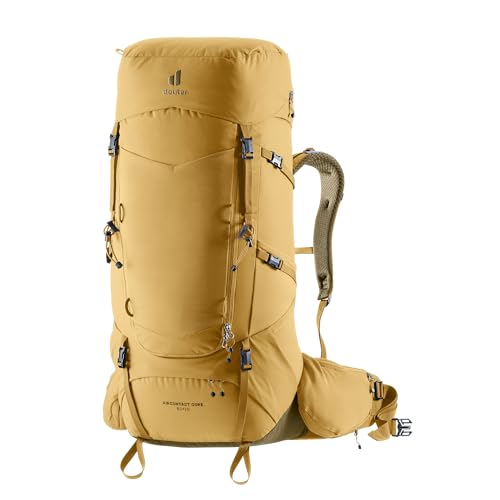
- ✓ Comfortable load carry
- ✓ Smart organization
- ✓ Durable build
- ✕ Slightly bulky for ultralight plans
- ✕ Hip belt airflow could improve
| Capacity (Volume) | 60 + 10 liters total capacity |
| Back System | Aircontact back system with breathable 3D mesh and ventilation channels |
| Load Management & Fit | ActiveBalance shoulder straps, VariFlex hip fins with Pull-Forward adjustment |
| Hydration Compatibility | Hydration sleeve compatible up to 3 liters |
| Key Compartments & Access | Front U-shaped zipper access, detachable lid, separate bottom compartment, wet pocket, zip-out bottle holder, multiple hip belt pockets |
| Materials & Durability | Over 50% recycled fabric with aluminum Y-frame for stability |
I’ve been testing the Deuter Aircontact Core 60+10 for a multi-day trek, and it immediately feels purpose-built for bigger trips. The pack sits comfortably on the back, and the 60 + 10 liter volume functions like a flexible suitcase for long weekends or longer excursions, with a roomy main cavity that still somehow stays balanced as you move. The Deuter Aircontact Core 60+ 10L, Technical Backpacking Pack is a standout choice in its category.
The Aircontact back system really stands out in real use: I noticed steady load distribution and surprisingly good ventilation thanks to the 3D mesh and the channels between the padding. With breathable ActiveBalance shoulder straps and VariFlex hip fins, the weight stayed centered, and I could move with less fatigue during steep climbs and repeated switchbacks. When comparing different best 10 day backpacking trip options, this model stands out for its quality.
Organizational details matter here: the front U-shaped zipper, the detachable lid, and the separate bottom compartment made it easy to keep clothes, components, and snacks accessible without digging. I also appreciated the hydration compatibility up to 3L and the attachment points for trekking poles, which meant fewer fiddly adjustments at the trailhead.
Deuter Aircontact Core 60+10L Backpack Baltic-Nightblue

- ✓ Comfortable weight distribution
- ✓ Great ventilation system
- ✓ Smart, accessible storage
- ✕ Heavier than ultra-light options
- ✕ Higher price point
| Capacity | 60 + 10 liters |
| Height | 33 cm |
| Width | 13 cm |
| Depth | 11 cm |
| Backsystem | Aircontact back system with 3D mesh ventilation and padding channels |
| WeightSupportFeatures | ActiveBalance shoulder straps and VariFlex hip fins with Pull-Forward adjustment |
The first time I slung the Deuter Aircontact Core 60+10L on my back, the weight settled like it had been made for my torso. I felt the load sitting evenly, not perched on my shoulders, and the Y-frame just held everything in place as I stepped onto uneven trail edges.
It instantly reminded me of a sturdy companion that’s ready for long days.
The back system breathes in a way that makes you notice the difference after a solid day of hiking. You’ll feel the 3D mesh and ventilation channels working, especially when you pause for a snack and your back stops sticking to your shirt.
It’s not just comfort; it’s saving energy you’ll notice on the steeper climbs.
The fit system is thoughtful in motion. ActiveBalance shoulder straps stay put, and the VariFlex hip fins pull forward smoothly for better load control.
My hips never felt boxed in, even when the pack was fully loaded for a multi-day stretch. I appreciated how easy the lid is to adjust or detach, which comes in handy when you want quick access to layers at camp.
The storage layout is genuinely practical. The front U-shaped zipper opens wide enough to see everything at a glance, and the bottom compartment kept a spare base layer separate from the main bag.
Hydration compatibility and the numerous pockets let you organize without turning your pack into a tangle.
In real-use terms, this is where the Baltic-Nightblue color hits the sweet spot for endurance trips. It hides dirt well, yet looks intentionally rugged rather than loud.
The build feels responsible, with more than half the fabric recycled, and the aluminum Y-frame gives a reassuring backbone on rocky trails.
Bottom line: you’re getting a versatile, comfortable pack that’s ready for a true 10-day push or a long weekend with room to spare for unexpected finds on the trail.
Deuter Aircontact Core 55+10L SL Backpack Savanna-Nori

- ✓ Comfortable SL fit
- ✓ Great load distribution
- ✓ Smart organization
- ✕ Heavier than ultra-light packs
- ✕ Takes time to fully dial in
| Capacity | 55 + 10 liters total capacity |
| Back System | Aircontact back system with breathable 3D mesh, ventilation channels, and ergonomic load distribution |
| Fit/Target Group | SL Women’s fit with shorter cut, narrower straps, and tapered hip fins |
| Hydration Compatibility | Hydration system compatible up to 3 liters |
| Key Compartments & Access | Front U-shaped zipper opening, detachable lid, separate bottom compartment, wet pocket, zip-out bottle holder, mesh side pockets, multiple hip belt pockets |
| Materials & Durability | Over 50% recycled fabric with stabilizing aluminum Y-frame |
You’re crouched at a trailhead crack of dawn, coffee warming your glove-lined fingers, and you swing this Deuter Aircontact Core 55+10L SL onto your back for a ten-day loop. The first thing you notice is the SL Women’s fit: the shoulder straps hug your collarbones just right, and the hip fins tuck neatly without pinching.
You barely feel the weight settle as the air channel between the padding starts to glow with breeze promise.
Under a crisp tarp, you unzip the front U-shaped panel and it opens like a familiar cupboard—everything you packed actually makes sense to grab without a scavenger hunt. The lid is height-adjustable and detachable, which is handy when you want a lighter setup for a day hike away from camp.
You notice the built-in bottom compartment and a wet pocket that’s already earned its keep, separating dirty clothes from clean layers.
In your day-to-day use, the Aircontact back system earns its keep. The airflow feels real as you trek through a sun-burnished pine forest; the load sits centered and balanced, and the VariFlex hip fins let you push-pull the weight without cramping your mobility.
Hydration compatibility and the bottle-Holder option mean you’re not hunting for water at every stop, which is a relief after mile eight.
As dusk settles, the pack’s recycled fabric and sturdy Y-frame feel reassuring. The bag sits close and the straps stay comfortable, even as you pack extra snacks on the side.
It’s a dependable partner for long days, with thoughtful organization that makes the habit of packing lighter feel doable rather than mythical.
What Makes a Trip the Best 10 Day Backpacking Experience?
The best 10-day backpacking trip combines elements of planning, destination, gear, and personal preferences.
- Careful Route Planning: A well-thought-out itinerary is crucial for maximizing enjoyment and safety during your trip. It should include daily mileage, water sources, and points of interest to ensure that you stay on track and have opportunities to rest and explore.
- Scenic and Varied Terrain: Choosing a route that features diverse landscapes, such as mountains, forests, and lakes, enhances the overall experience. This variety not only keeps the journey visually interesting but also provides different challenges and rewards, making every day unique.
- Reliable Weather Conditions: Researching the typical weather patterns of your chosen destination during the time of your trip is essential. Good weather can make hiking more enjoyable, while poor conditions can lead to safety concerns and discomfort.
- Quality Gear: Investing in high-quality and appropriate gear, including a durable backpack, comfortable footwear, and reliable camping equipment, significantly impacts your experience. The right gear ensures that you are well-prepared for the trail and can handle various environmental conditions comfortably.
- Social Connections: Sharing the experience with friends or fellow hikers can enhance the adventure, providing camaraderie and support. Engaging with a community of backpackers can also lead to valuable tips, shared experiences, and lasting friendships.
- Wildlife and Nature Observations: Incorporating opportunities to observe wildlife and appreciate nature can elevate your trip. Taking the time to enjoy the surroundings and learn about local flora and fauna adds depth and enriches the overall experience.
- Flexibility in Plans: While having an itinerary is important, being adaptable to changes is equally crucial. Unexpected weather, trail conditions, or personal energy levels may require you to adjust your plans, and a flexible approach can lead to unplanned adventures and discoveries.
- Sufficient Food and Nutrition: Planning nutritious meals and snacks is essential for maintaining energy levels throughout your hike. Balancing lightweight food options with adequate calories and nutrition will help you stay fueled and focused on the journey.
- Rest and Recovery: Incorporating rest days or shorter hiking days into your itinerary allows for recovery and reflection. This balance helps prevent burnout and keeps the experience enjoyable, allowing you to appreciate the journey rather than just the destination.
- Personal Reflection and Enjoyment: Taking time for personal reflection and enjoyment during your trip can turn a good backpacking experience into a great one. Embracing the solitude and beauty of nature allows for a deeper connection with the environment and personal growth.
Which Destinations Offer the Best 10 Day Backpacking Routes?
Some of the best destinations for a 10-day backpacking trip include:
- Pacific Crest Trail, California: This iconic trail stretches from the Mexican border to Canada, offering diverse landscapes, from deserts to alpine forests. A 10-day segment can provide hikers with breathtaking views of the Sierra Nevada mountains and the chance to encounter unique wildlife.
- Inca Trail, Peru: Known for its rich history and stunning scenery, the Inca Trail leads to the ancient ruins of Machu Picchu. Over 10 days, trekkers can explore lush cloud forests, high mountain passes, and experience the vibrant culture of the Andean people.
- Torres del Paine Circuit, Chile: This famous trek in Patagonia offers dramatic landscapes featuring towering mountains, turquoise lakes, and sprawling glaciers. The 10-day circuit allows hikers to experience the park’s breathtaking beauty while encountering diverse flora and fauna.
- John Muir Trail, California: Renowned for its stunning vistas, this trail runs through the heart of the Sierra Nevada and includes iconic locations such as Yosemite, Tuolumne Meadows, and Sequoia National Park. A 10-day hike allows for a leisurely pace to soak in the spectacular scenery and enjoy serene alpine lakes.
- Grand Canyon Rim to Rim, Arizona: This challenging trek takes hikers across the Grand Canyon from the North Rim to the South Rim. Over 10 days, adventurers can explore the canyon’s unique geological features, witness stunning sunsets, and experience the vastness of this natural wonder.
- Appalachian Trail, USA: Spanning several states, the Appalachian Trail offers numerous sections that can be tackled in 10 days. Hikers can enjoy the rich biodiversity, scenic views, and historical landmarks along the way, making it an excellent choice for both novice and experienced backpackers.
- Dolomites, Italy: This UNESCO World Heritage site features dramatic peaks and picturesque valleys, perfect for a 10-day adventure. Hikers can explore charming alpine villages, partake in local cuisine, and enjoy the stunning contrasts of the mountains and meadows.
- Zion National Park, Utah: With its stunning red rock formations and canyons, Zion offers numerous trails that can be combined for a rewarding 10-day backpacking experience. Hikers can explore lesser-known routes and marvel at the park’s unique geological features, including slot canyons and towering cliffs.
- West Highland Way, Scotland: This iconic long-distance trail offers a mix of stunning landscapes, from lochs to mountains, and rich cultural experiences. Over 10 days, trekkers can enjoy the beauty of the Scottish Highlands while also savoring the local hospitality in charming villages.
- Te Araroa Trail, New Zealand: This extensive trail showcases New Zealand’s diverse landscapes, from beaches to mountains. A 10-day segment allows hikers to experience the breathtaking natural beauty and unique ecosystems, along with glimpses of Maori culture and history.
What Are the Must-Visit National Parks for a 10 Day Trip?
Some of the must-visit national parks for a 10-day backpacking trip include:
- Yosemite National Park: Known for its stunning granite cliffs, waterfalls, and diverse ecosystems, Yosemite offers a variety of backpacking trails suitable for all skill levels. Iconic locations like Half Dome and El Capitan provide breathtaking views and challenging hikes, making it a favorite among outdoor enthusiasts.
- Granite National Park: This park is renowned for its rugged terrain and expansive wilderness, featuring dramatic mountain peaks and pristine lakes. Backpackers can explore the extensive trail system, which ranges from easy walks to strenuous multi-day treks, offering a true wilderness experience.
- Yellowstone National Park: As the first national park in the world, Yellowstone is famous for its geothermal features, diverse wildlife, and breathtaking landscapes. The park offers numerous backcountry trails, allowing hikers to immerse themselves in its unique ecosystem while witnessing the beauty of its geysers and hot springs.
- Glacier National Park: Known as the “Crown of the Continent,” Glacier boasts stunning glacial-carved valleys and a wide variety of flora and fauna. With over 700 miles of trails, backpackers can explore remote areas while enjoying views of pristine lakes and jagged mountain ranges.
- Great Smoky Mountains National Park: This park is famous for its biodiversity and breathtaking mountain scenery. The extensive network of trails offers options for both beginner and experienced backpackers, with opportunities to see historic structures and stunning waterfalls along the way.
- Zion National Park: Zion’s dramatic canyons and towering cliffs provide a stunning backdrop for backpacking adventures. The park offers several multi-day trails, including the famous Angels Landing, where hikers can enjoy panoramic views of the surrounding landscape.
Which Coastal Trails Provide Unforgettable Experiences?
Some of the best coastal trails for an unforgettable 10-day backpacking trip include:
- Pacific Crest Trail (PCT) – Northern California Section: This section offers stunning views of the coastal mountains and lush forests, featuring breathtaking vistas of the Pacific Ocean. Hikers can experience diverse ecosystems, from towering redwoods to wildflower-filled meadows, making it a visually rich journey.
- John Muir Trail (JMT): Although primarily a mountain trail, the JMT intersects with several beautiful lakes and valleys, offering glimpses of the Sierra Nevada’s majestic beauty. Hikers can enjoy pristine wilderness with opportunities for wildlife sightings and serene camping spots along the route.
- Lost Coast Trail: Located in California, this remote trail provides an unparalleled experience of rugged coastline and untouched nature. Hikers will traverse dramatic cliffs, sandy beaches, and tidal pools, all while encountering the solitude of the wilderness away from crowded trails.
- Big Sur Coast Trail: This trail winds along the dramatic coastline of Big Sur, showcasing stunning ocean views and rugged cliffs. Hikers can enjoy the unique landscape that features waterfalls cascading into the ocean and dense forests, making it a perfect blend of coastal and forest environments.
- Cape Cod National Seashore: This trail offers a unique coastal experience with its sandy beaches, marshes, and picturesque lighthouses. The flat terrain makes it accessible, and hikers can immerse themselves in the charming seaside atmosphere while spotting diverse wildlife.
- Acadia National Park – Park Loop Road: This trail features the scenic beauty of Maine’s coastline with rocky shores and panoramic views. The combination of coastal views and lush forests provides a variety of landscapes, making it a rewarding adventure for hikers seeking both beauty and tranquility.
- West Coast Trail: A famous trail in British Columbia, it is known for its challenging terrain and dramatic coastal scenery, including cliffs, rainforests, and sandy beaches. Hikers will encounter unique wildlife and historical sites, making it an enriching experience both physically and culturally.
- Florida Trail – Big Cypress National Preserve: This trail offers a different coastal experience with the subtropical wilderness of Florida’s wetlands and mangroves. Hikers can expect to see diverse wildlife, including alligators and various bird species, while enjoying the lush greenery and unique ecosystems of the area.
- Newport Cliff Walk: Located in Rhode Island, this trail combines scenic ocean views with historic mansions along the coastline. The relatively easy path allows hikers to enjoy a leisurely stroll while taking in the beauty of the Atlantic Ocean and the grandeur of the nearby estates.
- Mount Desert Island – Precipice Trail: This trail offers stunning views of the Atlantic from rocky cliffs and provides a challenging yet rewarding experience for adventurous hikers. The combination of coastal landscapes and challenging ascents makes it an unforgettable journey for those seeking both thrill and beauty.
What Essential Gear Should You Pack for a 10 Day Backpacking Trip?
When planning the best 10 day backpacking trip, it’s crucial to pack essential gear that ensures safety, comfort, and convenience.
- Backpack: A high-quality, comfortable backpack is fundamental for carrying your gear over long distances. Look for a pack that fits well, has sufficient capacity (50-70 liters), and includes features like adjustable straps and multiple compartments for organization.
- Sleeping Bag: A lightweight and compact sleeping bag appropriate for the expected temperatures is vital for restful sleep during your trip. Choose one with a suitable temperature rating and materials that provide insulation and breathability, ensuring comfort at night.
- Sleeping Pad: A sleeping pad adds insulation from the ground and provides cushioning for better sleep quality. Air pads or foam pads are popular options; select one that balances weight, comfort, and packability for your journey.
- Cooking Equipment: A portable stove, fuel, and lightweight cookware are necessary for preparing meals on the trail. Consider a compact stove that is easy to set up and use, along with lightweight pots and utensils that won’t add unnecessary weight to your pack.
- Water Filtration System: Access to clean water is essential, so a reliable water filtration system or purification tablets are critical. Portable filters or UV light sterilizers can help ensure you have safe drinking water throughout your trip.
- First Aid Kit: A well-stocked first aid kit can address minor injuries and emergencies that may arise while hiking. Include supplies like adhesive bandages, antiseptic wipes, gauze, and any personal medications, ensuring you’re prepared for unexpected situations.
- Navigation Tools: A map, compass, or GPS device is essential for staying on course during your backpacking trip. Familiarize yourself with your navigation tools before heading out to enhance your safety and confidence in unfamiliar terrain.
- Clothing Layers: Packing moisture-wicking base layers, insulating mid-layers, and waterproof outer layers will keep you comfortable in varying weather conditions. Layering allows you to adapt to temperature changes, ensuring you stay warm and dry throughout your adventure.
- Food Supplies: Non-perishable, lightweight meals and snacks are vital for fueling your days on the trail. Opt for energy-dense options like dehydrated meals, trail mix, and energy bars that are easy to prepare and carry.
- Headlamp or Flashlight: A reliable light source is crucial for navigating at night or during low-light conditions. Choose a durable, lightweight headlamp or flashlight with sufficient battery life, and consider bringing extra batteries for longer trips.
Which Foods Are Best for Sustaining Energy on Long Hikes?
The best foods for sustaining energy on long hikes include a variety of nutrient-dense options to keep you fueled and satisfied.
- Nuts and Seeds: These are high in healthy fats, protein, and fiber, making them an excellent choice for sustained energy. They are lightweight and calorie-dense, meaning you can pack a lot of energy into a small amount, which is ideal for a backpacking trip.
- Energy Bars: Specifically designed for endurance activities, energy bars are convenient and often contain a balance of carbohydrates, proteins, and fats. Look for bars that are high in natural ingredients to avoid sugar crashes during your hike.
- Dried Fruits: Packed with natural sugars, fiber, and vitamins, dried fruits like apricots, apples, and bananas provide quick energy boosts. They are also easy to pack and can help satisfy sweet cravings while hiking.
- Whole Grain Crackers: These provide complex carbohydrates that digest slowly, offering long-lasting energy. Whole grain options also contain more nutrients and fiber compared to regular crackers, making them a healthier snack choice.
- Jerky: High in protein and low in fat, jerky can be a great savory snack while hiking. It’s lightweight and shelf-stable, making it easy to carry on long trips without worrying about spoilage.
- Nut Butter Packets: Single-serving nut butter packets are a great source of healthy fats and protein. They can be eaten alone or spread on crackers or fruits for a more substantial snack.
- Instant Oatmeal: Easy to prepare and packed with carbohydrates, instant oatmeal can be a filling breakfast option. You can customize it with nuts or dried fruits for added energy and flavor.
- Chocolate: Dark chocolate can provide a quick source of energy due to its sugar and fat content. It also contains antioxidants and can be a morale booster during tough stretches of a hike.
- Freeze-Dried Meals: These meals are lightweight and can be easily rehydrated with hot water, providing a warm and satisfying option for dinner. They often contain a balanced mix of carbohydrates, proteins, and fats to replenish energy after a long day of hiking.
- Vegetable Chips: A crunchy alternative to regular chips, vegetable chips can offer a satisfying snack while providing some nutrients. Look for baked options to avoid unnecessary oils and fats.
How Can You Effectively Plan Your Itinerary for a 10 Day Journey?
To effectively plan your itinerary for a 10-day backpacking trip, consider the following essential steps:
- Define Your Destination: Identify the specific region or trail you want to explore, considering factors like accessibility, terrain, and weather conditions.
- Set a Daily Schedule: Plan the number of miles you aim to cover each day, factoring in your fitness level and the difficulty of the terrain.
- Research Campsites: Look for established campsites or suitable areas to pitch a tent, ensuring they comply with local regulations and provide necessary amenities.
- Pack Smart: Create a packing list tailored to your itinerary, focusing on lightweight gear, essential supplies, and nutritious food options.
- Leave Room for Flexibility: Build in rest days or shorter hiking days to accommodate unexpected delays or the need for downtime.
- Plan for Safety: Familiarize yourself with the area’s wildlife, weather patterns, and emergency contact methods, ensuring you’re equipped for any situation.
Define Your Destination: Choosing the right destination is crucial as it sets the tone for your entire journey. Research various backpacking routes, national parks, or wilderness areas that match your interests and abilities, and consider how accessible they are for your travel dates.
Set a Daily Schedule: Establish a realistic daily schedule that balances hiking and resting. Take into account your physical condition and the terrain’s difficulty, ensuring you allocate time for breaks and enjoy the natural surroundings.
Research Campsites: Investigating potential campsites ahead of time can save you from the stress of finding a place to sleep at the end of a long day. Look for locations that offer safe water sources, proximity to hiking trails, and compliance with camping regulations, such as fire restrictions.
Pack Smart: An efficient packing strategy can enhance your backpacking experience significantly. Prioritize lightweight gear and essential items, including a first-aid kit, cooking equipment, and food that is easy to prepare and carry, ensuring you maintain energy levels throughout your trip.
Leave Room for Flexibility: While having a plan is important, allowing for flexibility can lead to unexpected adventures. Consider scheduling shorter hiking days or rest days to adapt to your energy levels or weather changes, helping you enjoy the journey without feeling rushed.
Plan for Safety: Preparing for safety on your backpacking trip is essential for a successful adventure. Research the local wildlife, weather forecasts, and emergency procedures, and carry essential safety gear such as a navigation system, bear spray, or a satellite phone, to ensure you are well-equipped for any challenges you may face.
What Key Safety Tips Should You Consider When Backpacking for 10 Days?
When planning the best 10-day backpacking trip, safety should be a top priority. Here are key safety tips to consider:
- Plan Your Route: Make sure to map out your entire route, including campsites and water sources, and inform someone of your itinerary. This ensures that you stay on track and can be located in case of an emergency.
- Check Weather Conditions: Always stay updated on the weather forecast for the area you’ll be hiking in. Sudden changes in weather can lead to dangerous conditions, so be prepared with appropriate gear for rain, snow, or extreme temperatures.
- Pack Proper Gear: Carry essential gear such as a first aid kit, navigation tools (like a compass and map), and a multi-tool. Having the right equipment can make a significant difference in your ability to handle unexpected situations.
- Stay Hydrated and Well-Fed: Bring enough water and food supplies to last your entire trip, with additional provisions in case of delays. Dehydration and low energy can impair your decision-making and physical capabilities, increasing the risk of accidents.
- Know Your Limits: Be honest about your physical fitness and experience level when planning your trip. Overexerting yourself can lead to injuries or exhaustion, so choose a trail that matches your abilities.
- Learn Basic Survival Skills: Familiarize yourself with essential survival skills, such as building a fire, purifying water, and treating injuries. These skills can be invaluable if you find yourself in a challenging situation far from help.
- Use a Buddy System: Whenever possible, hike with a partner or group to enhance safety. Having companions means you can assist each other in case of an emergency and provide support throughout the journey.
- Practice Leave No Trace Principles: Respect nature by following Leave No Trace guidelines to minimize your impact on the environment. This includes properly disposing of waste and not disturbing wildlife, which helps maintain the area for future visitors.
- Be Aware of Wildlife: Research the local wildlife and understand how to react if you encounter animals. Knowing how to store food properly and what to do in case of an encounter can help prevent dangerous situations.
- Emergency Communication: Consider carrying a satellite phone or a personal locator beacon (PLB) for emergency communication. In areas without cell service, these devices can be crucial for calling for help if needed.
How Do You Respect Nature and Follow Leave No Trace Principles on Your Trip?
Respecting nature and following Leave No Trace principles are essential for ensuring that outdoor spaces remain beautiful and unspoiled for future generations, especially on a long backpacking trip.
- Plan Ahead and Prepare: Proper planning can significantly reduce your impact on the environment. This includes researching the area, understanding local regulations, and preparing for weather conditions to minimize the chances of making last-minute decisions that could harm the ecosystem.
- Travel and Camp on Durable Surfaces: Stick to established trails and campsites whenever possible to minimize soil erosion and damage to plant life. By camping on durable surfaces such as gravel, rock, or existing campsites, you help preserve the surrounding vegetation and wildlife habitats.
- Dispose of Waste Properly: Carry out what you carry in, including all trash, leftover food, and personal hygiene products. Utilizing designated restroom facilities or packing out waste helps maintain the cleanliness of natural areas and prevents contamination of water sources.
- Leave What You Find: Respect the natural and cultural features you encounter by not picking plants, removing rocks, or disturbing historical artifacts. This principle helps maintain the integrity of the environment and ensures that future visitors can enjoy its beauty.
- Minimize Campfire Impact: Use a camp stove for cooking and choose to enjoy the beauty of a campfire only when it is safe and permitted. If you do have a fire, use established fire rings and burn only small, dead wood found on the ground to avoid damaging living trees.
- Respect Wildlife: Observe animals from a distance and do not feed them, as human food can harm their health and alter their natural behaviors. Keeping a safe distance ensures that wildlife can thrive without the stress of human interaction.
- Be Considerate of Other Visitors: Keep noise levels down, yield the trail to others, and maintain a friendly demeanor to enhance the experience for everyone enjoying the outdoors. Following these practices fosters a respectful atmosphere in shared spaces.
- Use Biodegradable Products: Opt for biodegradable soap, detergents, and other products that minimize your impact on the environment. This ensures that when these substances enter the ecosystem, they break down naturally without causing harm.
- Stay on Marked Trails: Staying on marked paths helps prevent the creation of new trails that can lead to erosion and habitat destruction. It also allows for easier navigation and reduces the likelihood of getting lost in unfamiliar areas.
- Educate Yourself and Others: Share knowledge about Leave No Trace principles with fellow travelers and encourage them to adopt these practices. By spreading awareness, you contribute to a larger movement of environmental stewardship in the outdoors.