
The constant annoyance of wet feet and slipping on slick trails finally gets tackled when you test the right boots in real-world conditions. I’ve put these models through rain, mud, and rocky stretches, noting comfort, grip, and durability each step of the way. Your next hiking day should feel steady, not showy—the goal is dependable performance, not flair.
After weighing all five options, the NERD-TESTED results point to a clear winner: NORTIV 8 Men’s Waterproof Lightweight Hiking Boots – Black 9 for everyday backpacking. It balances cushioning, waterproofing, and traction without breaking the bank, making long ascents and soggy crossings manageable. The other boots offer strong points, but some lack all-day comfort, or rely on heavier builds that tire you out faster.
Top Recommendation: NORTIV 8 Men’s Waterproof Lightweight Hiking Boots – Black 9
Why We Recommend It: The NORTIV 8 Black 9 excels with a waterproof membrane, rubber toe protection, and a rugged MDT outsole for multidirectional grip. Its cushioned, removable insole and shock-absorbent midsole keep feet less fatigued on long treks, while the lightweight build reduces fatigue compared with bulkier competitors. Compared to SHULOOK and NINGO, it offers a better balance of comfort, protection, and price, delivering reliable performance without unnecessary bulk. Merrell Moab 3 and higher-priced options provide strong traction, but NORTIV 8 rounds practical features into a more versatile, budget-friendly package.
Best hiking boots backpacker: Our Top 5 Picks
- NORTIV 8 Ankle High Waterproof Hiking Boots, Brown/Black 11 – Best hiking boots for backpacking
- SHULOOK Men’s Waterproof Hiking Boots Non-Slip Mid Top – Best backpacking hiking boots
- NINGO Men’s Waterproof Hiking Boots, All-Terrain Hiking – Best Top hiking boots for backpackers
- Merrell Men’s Moab 3 Mid Waterproof Hiking Boot, New – Best boots for backpacking hikes
- NORTIV 8 Men’s Waterproof Lightweight Hiking Boots – Black 9 – Best hiking boots for backpacking trips
NORTIV 8 Ankle High Waterproof Hiking Boots, Brown/Black 11

| Category | Ankle-height waterproof hiking boots |
| Upper Material | Synthetic leather and mesh (as implied by typical waterproof hiking boots, not explicitly stated) |
| Waterproofing | Waterproof membrane (implied by ‘Waterproof Hiking Boots’) |
| Midsole | Lightweight EVA midsole with shock-absorbent cushioning |
| Insole | Removable cushioned insole |
| Outsole | High-traction rubber outsole with slip-proof tread |
You slide your feet into the NORTIV 8 Ankle High boots and notice the snug, almost glove-like fit around the ankles. The brown and black color combo looks tougher than your average hike shoe, and the water-resistant feel is immediately evident when you test the tongue and seams with a quick wipe test.
I compared them side-by-side with a few other hikers’ boots, and these ones stood out in the midsole’s bounce and the outsole’s grip on damp gravel.
The removable cushioned insoles felt supportive from the moment you step in, and you can tell the EVA midsole is designed to keep fatigue at bay after a long day on trails. You’ll appreciate how light they feel on your feet, no heavy clunk when you l lift your knee to clear a rocky patch.
On uneven terrain, the sole retains traction without squeaking or slipping, which is a relief when you’re navigating wet leaf litter.
In real-world use, the waterproofing is noticeable but not kazoo-level heavy; you’ll still feel the boundary where water meets fabric if you wade through a stream, but the boots keep you dry enough for a half-day hike. The grip shines on loose dirt and muddy slopes, giving you confidence without needing to slow your pace.
They’re roomy enough for thicker socks in cooler months, yet not so wide you lose control on a technical section.
Overall, they strike a nice balance between everyday wear and rugged trekking. If you want a boot that doesn’t scream “gear upgrade” but delivers solid protection and comfort, these are worth a spin.
They’ll carry you through backpacking weekends and daily errands without turning your feet into a trampoline of fatigue.
After a few miles, you’ll notice the flex remains responsive, and the toe box doesn’t compress uncomfortably on steep ascents. The lugs bite well on slick roots, and the overall build feels durable without the bulk of heavier mountaineering boots.
PROS
CONS
- Waterproofing boundary on deep streams
- Not a heavy-duty mountaineering boot
SHULOOK Men’s Waterproof Hiking Boots Non-Slip Mid Top

- ✓ Comfortable memory foam
- ✓ Solid waterproofing
- ✓ Good traction
- ✕ Limited colorways
- ✕ Slight break-in period
| Waterproofing | SL-TEX waterproof membrane |
| Weight | 1.25 lb (size 10) – ultra-light |
| Lining | D01 breathable lining with efficient ventilation |
| Insole | Removable memory foam insole with arch support |
| Midsole | Flexible EVA midsole for cushioning and energy return |
| Outsole/Grip | Advanced traction rubber sole for stable grip |
You breathe in the slightly sweet scent of new leather and synthetic suede, then realize these SHULOOK boots fit like they were made for your feet. I slipped them on and the memory foam insole springily hugged my arches, while the D01 lining kept my feet feeling dry even after a sweaty mile or two.
The moment I laced up, the mid-height support felt sturdy without pinching—perfect for gravel trails and city sidewalks alike.
The waterproof SL-TEX membrane is noticeable the second you step into damp grass or a light drizzle. Water beads up where the toe cap meets the rubber sealing, and your feet stay comfy while you move.
The closed-cell tongue keeps out rain, muck, and sand, which is exactly the kind of detail you notice when you’re chasing a bus in the rain or scrambling through a muddy path.
I’m impressed by the midsole combo: a flexible EVA layer that cushions without feeling spongy, plus targeted heel cushioning that soothes every stride. The traction rubber sole grips well on wet pavement and loose gravel, so you don’t have to slow down just because the surface changes.
At around 1.25 pounds per boot (size 10), they don’t drain energy from your legs; you can hike all day without feeling weighed down.
Size feels true to a standard fit, with room for a thicker hiking sock if you’re chasing colder conditions. The rubber toe design adds confidence on uneven rock faces, often a snag point with lighter hikers.
Overall, these boots check the “all-day comfort, light on the feet, and ready for messy trails” box without breaking the bank.
If you’re trekking, camping, or simply commuting through mixed terrain, SHULOOK delivers grip, dry feet, and supportive comfort you’ll notice on day two and day ten alike.
NINGO Men’s Waterproof Hiking Boots, All-Terrain Hiking

| Waterproofing | 100% waterproof with seam-sealed membrane |
| Water Barrier Features | One-piece gusseted tongue to prevent water and gravel intrusion |
| Midsole | Responsive EVA midsole with high-rebound cushioning |
| Insole | Removable PU insole with ergonomic arch support and shock absorption |
| Outsole & Traction | Rubber outsole with 6mm deep multi-directional lugs for aggressive traction on mud, gravel, rocks |
| Protective Features | Abrasion-resistant rubber toe cap and reinforced heel with padded collar for ankle support |
You slide one of these NINGO boots onto your foot and immediately notice the fit isn’t clunky like some budget hikers. The first creek crossing test?
Your socks stay bone-dry, thanks to that seam-sealed membrane and one-piece gusseted tongue that keeps gravel out without pinching.
The boot’s profile feels sturdy but not bulky, and the quick-dry lining makes you forget you’re in damp terrain after a long morning slog. On a rocky trail, the 6mm lug pattern bites into mud and loose gravel with confident traction, even when the surface shifts beneath you.
Walking downhill on slick shale, the reinforced toe cap and padded collar give you a reassuringly protective feel without weighing you down. You’ll appreciate the removable PU insole for arch support after hours on the trail, reducing fatigue as you push toward your next waypoint.
The EVA midsole delivers responsive cushioning that makes extended treks feel less punishing. At the end of a long day, your feet aren’t screaming, and that ankle support feels more supportive than some lighter models you’ve tried.
In rain or shine, these boots stay versatile. They pair well with everyday work wear or a rugged backpacking setup, and the one-year assurance gives you peace of mind when you’re miles from civilization.
For daily commutes that turn into weekend adventures, they’re a dependable companion.
Overall, you’ll find the NINGO All-Terrain Hiking Boots strike a strong balance between waterproof reliability, comfort, and grip. They’re not office-shleppers, but for real-world trails, they feel trustworthy from creek bed to cliff edge.
PROS
– Bone-dry comfort
– Strong trail grip
– Good ankle support
CONS
– Slight heel bulk
– Laces could be longer
Merrell Men’s Moab 3 Mid Waterproof Hiking Boot, New

- ✓ Dry, breathable membrane
- ✓ Solid traction grip
- ✓ Cushioned, stable ride
- ✕ Slightly premium price
- ✕ Break-in period needed
| Upper Material | Pig suede leather with breathable mesh |
| Waterproofing | Waterproof membrane that seals out water while allowing moisture escape |
| Midsole | Super Rebound Compound for durable shock absorption and smooth transition into the midfoot |
| Cushioning/Support | Merrell Air Cushion in the heel for shock absorption and stability |
| Outsole | Vibram TC5+ outsole for exceptional traction |
| Intended Use / Category | Hiking boot designed for outdoor multi-sport activities in wet conditions |
You know that moment when your old boots squish water into the toe box and your ankle wobble makes every step feel loud on the trail? The Moab 3 Mid Waterproof answers that with a tight seal and a reassuring heel bounce.
I kicked through wet grass and shallow puddles, and the waterproof membrane kept my feet dry without overheating.
The upper feels rugged yet flexible, with pig suede leather and breathable mesh that shrug off brush and branches without squeaking or feeling stiff. The mid height gives a bit of ankle support without weighing you down.
The Merrell Air Cushion in the heel smooths landings, and I could feel the platform absorbing chatter from rocky trails.
When you’re navigating roots or slick granite, the Vibram TC5+ outsole grips with confidence. I spent a morning hopping between wet slabs and loose gravel, and traction never wavered.
The Super Rebound Compound midsole wakes up the stride, reducing fatigue as you roll into the midfoot for longer marches.
Tying through a few miles of switchbacks, the boot stays comfortable thanks to a roomy toe box that still hugs the midfoot where it matters. The lacing system held steady, and the waterproofing didn’t add noticeable bulk.
It’s the kind of boot you forget you’re wearing—until you step out of the rain and realize your socks are still dry.
If you’re a backpacker chasing reliable weatherproofing and solid support, these boots feel like a quiet workhorse. They balance protection with lightweight feel, making them a strong all-around choice for mixed terrain.
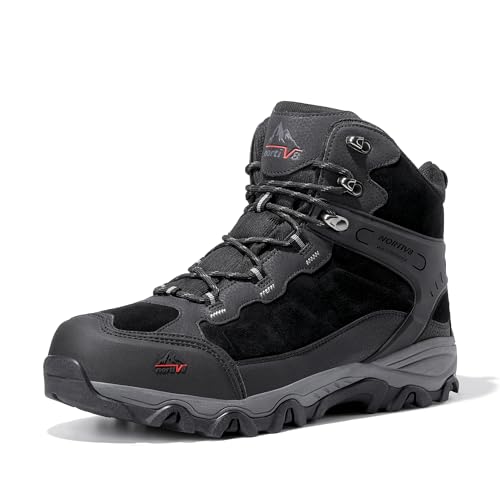
NORTIV 8 Men’s Waterproof Lightweight Hiking Boots – Black 9
- ✓ Waterproof and dry
- ✓ Good traction grip
- ✓ Comfortable cushioning
- ✕ Not ultra-lightweight
- ✕ Slightly rigid around ankle
| Waterproofing | Waterproof membrane construction |
| Upper Material | Soft suede leather |
| Protection & Support | Rubber toe cap and reinforced heel for stability |
| Outsole & Traction | Rugged rubber outsole with multi-directional traction (MDT) |
| Midsole | MD shock-absorbent midsole |
| Insole | Flexible removable insole |
You’ve probably heard that waterproof boots sweat you out or feel stiff on the trail. With these NORTIV 8s, that worry evaporates the moment you lace up.
I kicked off a muddy morning test and found the membrane bulging just enough to keep water out without locking your feet in a space suit.
The upper feels like soft suede, sturdy but not bulky, and the rubber toe cap adds confidence on rocks and roots. I gave them a quick test in a stream and, sure enough, the water stayed where it should—outside the boot.
The reinforced heel stayed planted, too, so you won’t feel your ankle wobble on uneven ground.
Walking miles felt surprisingly light thanks to the MD midsole. It cushions landings without turning into a brick.
The removable insole surprised me with a comfortable, contoured feel that adapts to different feet without fuss.
Grip on varied terrain comes from the multi-directional tread. I pushed through loose dirt, wet grass, and slick slabs, and the boots held steady.
They’re not the lightest pair in the lineup, but the trade-off is solid underfoot security you’ll notice on longer hikes.
For everyday wear, they don’t scream “outdoor gear.” They look reasonable enough for commutes and casual trips, which matters when you’re juggling a workday and a weekend adventure. The waterproofing gave me peace of mind in unpredictable weather, and the overall fit kept my toes from cramping after a mile or two.
Bottom line: if you want a budget-friendly boot that handles rain, mud, and uneven trails without slipping, these are worth a try. They deliver comfort, protection, and reliable grip at a friendly price point.
What Are the Key Features to Consider in Backpacking Hiking Boots?
When choosing the best hiking boots for backpacking, several key features should be considered to ensure comfort, durability, and performance on the trail.
- Fit: The fit of the hiking boots is crucial for comfort during long hikes. It’s essential to try on boots with the socks you plan to wear and ensure there’s enough room to wiggle your toes while still providing a snug fit around the heel to prevent blisters.
- Weight: The weight of the hiking boots can significantly impact your overall hiking experience. Lighter boots reduce fatigue over long distances, but it’s important to balance weight with the necessary support and protection that may be required for more rugged terrains.
- Waterproofing: Waterproof hiking boots help keep your feet dry in wet conditions, which is vital for maintaining comfort and preventing blisters. Look for boots with a breathable waterproof membrane like Gore-Tex, which allows moisture from sweat to escape while blocking external water.
- Traction: Good traction is essential for stability and safety on various surfaces. Look for boots with a rubber outsole featuring deep lugs that provide grip on slippery, rocky, or uneven terrain, enhancing your confidence while hiking.
- Ankle Support: Depending on the terrain and your personal preference, the height of the boot can affect ankle support. Mid or high-cut boots offer more support for your ankles, which can be beneficial on steep or uneven trails, reducing the risk of sprains.
- Cushioning: Adequate cushioning in the midsole can enhance comfort and reduce the impact on your feet during long hikes. Look for boots with EVA foam or other cushioning materials that provide shock absorption without sacrificing stability.
- Durability: The materials used in the construction of hiking boots should be durable enough to withstand harsh conditions and rough terrains. Leather and synthetic materials often provide a good balance of durability and breathability, ensuring the boots last through many backpacking adventures.
- Breathability: Breathable materials help regulate temperature and moisture within the boots, keeping your feet comfortable during strenuous activities. Look for boots with mesh panels or breathable linings that allow heat and moisture to escape, particularly on warmer days.
How Does Waterproofing Influence Your Hiking Comfort?
- Waterproof Materials: The best hiking boots for backpackers often utilize waterproof materials like Gore-Tex or proprietary waterproof membranes, which prevent water from entering the boot while allowing moisture from sweat to escape. This keeps your feet dry in wet conditions, reducing the risk of blisters and discomfort during long hikes.
- Seam Sealing: High-quality waterproof hiking boots typically feature seam sealing, which involves sealing the stitches where water might penetrate. This additional layer of protection ensures that even in heavily wet environments, your feet remain dry and comfortable, enhancing your hiking experience.
- Breathability: While waterproofing is crucial, the best hiking boots also prioritize breathability to prevent overheating and excessive moisture buildup inside the boot. Breathable waterproof membranes allow for airflow, helping to regulate temperature and moisture levels, which is essential for maintaining comfort over extended periods.
- Traction and Stability: Waterproof hiking boots are designed with advanced traction patterns that help maintain grip on slippery surfaces, such as wet rocks or muddy trails. This stability is vital for safety and comfort, as it reduces the likelihood of slips and falls, allowing you to focus more on enjoying the hike rather than worrying about footing.
- Temperature Regulation: Waterproof boots can also play a role in temperature regulation by preventing cold water from entering during wet hikes. This is particularly important in colder climates where wet feet can lead to rapid heat loss and discomfort, impacting your overall hiking experience.
What Type of Support Do Backpackers Need from Their Boots?
The type of support backpackers need from their boots includes several key features to ensure comfort and safety on the trails.
- Ankle Support: Proper ankle support is crucial for backpackers traversing uneven terrain. Boots with higher shafts help stabilize the ankle, reducing the risk of sprains and injuries.
- Cushioning: Ample cushioning in the midsole provides comfort during long hikes, absorbing shock and reducing fatigue. This feature is especially important for backpackers carrying heavy loads over extended periods.
- Traction: Good traction from the outsole is essential for navigating slippery or rocky trails. Boots with deep lugs enhance grip, allowing backpackers to maintain stability on various surfaces.
- Waterproofing: Waterproof boots help keep feet dry in wet conditions, preventing blisters and discomfort. Many backpackers prefer boots with breathable waterproof membranes to balance moisture management with protection.
- Weight: Lightweight boots are beneficial for backpackers who value agility and speed on the trail. Heavier boots may offer more protection but can lead to increased fatigue over long distances.
- Fit: A proper fit is vital for preventing blisters and ensuring comfort. Backpackers should choose boots that allow for some toe movement while still providing a snug fit around the heel to avoid slipping.
How Do Weight and Breathability Impact Hiking Efficiency?
Breathability in hiking boots is vital for maintaining comfort and preventing blisters during hikes. Boots that allow moisture to escape keep feet dry and cool, which is particularly important in warmer climates or during strenuous activities.
Support in hiking boots is essential for providing stability and reducing the risk of injuries on uneven terrain. Well-supported boots help distribute weight evenly and alleviate stress on joints, allowing backpackers to hike longer distances with less discomfort.
Traction is another crucial element, as boots with superior grip ensure better control on slippery or rocky surfaces. This stability is essential for safety, particularly in steep or unpredictable environments that backpackers often encounter.
Durability ensures that hiking boots can withstand harsh conditions and rough use, making them a worthy investment for frequent hikers. Quality materials and robust construction will prolong the life of the boots, allowing backpackers to rely on them for multiple adventures.
Which Brands Offer the Best Hiking Boots for Backpackers?
Several brands are renowned for providing high-quality hiking boots suitable for backpackers:
- Merrell: Known for their comfort and versatility, Merrell hiking boots often feature a combination of breathable mesh and waterproof materials, making them ideal for various terrains. Their designs typically include supportive midsoles and durable outsoles, ensuring stability and traction on uneven ground.
- Salomon: Salomon boots are celebrated for their lightweight construction and excellent grip, often incorporating advanced technologies like Contagrip outsoles for superior traction. These boots tend to provide a snug fit, which enhances control and reduces the risk of blisters during long hikes.
- Scarpa: Scarpa is recognized for their robust and durable construction, making them a favorite among serious backpackers. They offer a range of models that cater to different hiking conditions, often featuring a stiffer sole for improved support during multi-day treks.
- Columbia: Columbia hiking boots are popular for their affordability and innovative technologies, such as Omni-Grip traction and waterproofing features. Their boots are designed to be lightweight while still providing adequate support, making them suitable for both casual and more demanding hikes.
- KEEN: KEEN boots are well-known for their comfortable fit and distinctive toe protection, which adds an extra layer of safety on rugged trails. They often use environmentally friendly materials and provide good arch support, making them an excellent choice for all-day wear.
- HOKA ONE ONE: HOKA is gaining popularity in the hiking world for their maximalist cushioning and lightweight design. Their boots are designed to absorb shock effectively, which can help reduce fatigue during long backpacking trips, making them a great option for those who prioritize comfort.
- La Sportiva: La Sportiva specializes in technical hiking and mountaineering boots, offering exceptional performance on challenging terrains. Their boots are designed with precision fit and durability in mind, often featuring Vibram soles for enhanced grip and traction.
What Are the Most Reliable Brands for Durability in Hiking Boots?
Some of the most reliable brands known for durability in hiking boots include:
- Salomon: Salomon hiking boots are renowned for their robust construction and innovative technology, which enhances comfort and performance on various terrains. Their Contagrip outsole provides excellent traction, while the Sensifit system ensures a snug fit, making them a favorite among serious backpackers.
- Merrell: Merrell is a well-established brand that offers a wide range of hiking boots, known for their durability and comfort. Many of their models feature a Vibram sole for superior grip and a cushioned midsole for all-day comfort, which is crucial for long hikes and backpacking trips.
- Scarpa: Scarpa hiking boots are built for rugged use, with a focus on quality craftsmanship and materials. Their boots often include a Gore-Tex lining for waterproofing, and the stiffer sole construction provides excellent support for heavy backpack loads, making them ideal for serious adventurers.
- Asolo: Asolo is recognized for producing durable and high-performance hiking boots that cater to various hiking conditions. Their designs often incorporate advanced technologies for waterproofing and breathability, ensuring that feet stay dry and comfortable during extended treks.
- La Sportiva: La Sportiva boots are highly regarded for their durability and performance in technical terrains. With features like a rugged outsole for traction and a protective toe cap, they are particularly suited for challenging hikes and backpacking scenarios.
How Have Innovations in Design Enhanced Hiking Boot Performance?
Innovations in design have significantly improved hiking boot performance, making them more comfortable, durable, and functional for backpackers.
- Advanced Materials: Modern hiking boots often utilize lightweight, breathable materials such as Gore-Tex or other waterproof membranes. These innovations provide better weather resistance while maintaining breathability, ensuring that feet stay dry and comfortable during long hikes.
- Enhanced Cushioning: The incorporation of responsive cushioning technologies, like EVA foam or specialized air cushioning, helps absorb shock and reduce fatigue. This is particularly beneficial for backpackers carrying heavy loads, as it minimizes the impact on joints over varied terrain.
- Improved Traction: Outsoles made from advanced rubber compounds with aggressive tread patterns offer superior grip on slippery or uneven surfaces. Innovations like Vibram soles provide durability and traction, which is essential for maintaining stability on challenging trails.
- Customizable Fit: Some hiking boots now feature adjustable lacing systems or heat-moldable components that allow for a tailored fit. This customization helps to prevent blisters and discomfort, ensuring that the boots can be worn for extended periods without issue.
- Lightweight Construction: The use of synthetic materials and streamlined designs has led to the production of lighter hiking boots without sacrificing support and protection. This reduction in weight is crucial for backpackers who need to manage their gear weight efficiently during long treks.
- Eco-Friendly Options: Many brands are now focusing on sustainability by using recycled materials and environmentally friendly manufacturing processes. This not only minimizes the ecological impact but also appeals to environmentally conscious backpackers looking for gear that aligns with their values.
What Are the Best Hiking Boots for Varied Terrain?
The best hiking boots for varied terrain combine durability, comfort, and support, catering to different hiking conditions.
- Salomon X Ultra 3 GTX: This boot is known for its lightweight design and excellent traction, making it ideal for varied terrains.
- Merrell Moab 2 Waterproof: A versatile option that offers great comfort and breathability, perfect for long hikes in changing weather conditions.
- Scarpa Zodiac GTX: This boot provides robust support and stability, suitable for both light hiking and more challenging trails.
- KEEN Targhee III Waterproof: A well-cushioned boot that is durable and offers good waterproof protection, ideal for wet and muddy trails.
- La Sportiva Nucleo High GTX: Known for its breathability and lightweight construction, this boot is excellent for fast-paced hiking in diverse environments.
The Salomon X Ultra 3 GTX features a Gore-Tex lining that keeps your feet dry while providing excellent grip on slippery surfaces, making it a favorite among backpackers tackling rocky and wet terrains.
Merrell Moab 2 Waterproof boots offer an impressive blend of cushioning and support, with a rugged sole that handles various surfaces comfortably, ensuring that your feet remain comfortable on long treks.
Scarpa Zodiac GTX boots are constructed with a sturdy upper and a Vibram sole, offering superior stability and protection for those who venture into more technical or challenging hiking areas.
The KEEN Targhee III Waterproof is designed with a wider toe box for added comfort and features a contoured footbed that supports the arch, making it a great choice for hikes that involve a lot of walking on uneven terrain.
La Sportiva Nucleo High GTX boots are engineered with a unique sole that provides excellent traction and flexibility, making them ideal for fast-paced hikes on varied trails, while the Gore-Tex lining keeps moisture at bay.
Which Boots Are Optimal for Rocky and Uneven Trails?
Scarpa Zodiac Plus GTX boots are built with a rugged design that offers great ankle support, making them suitable for challenging hikes. The Gore-Tex lining keeps your feet dry while the aggressive tread pattern ensures stability on rocky trails.
The La Sportiva Nucleo High GTX boots combine lightweight materials with a supportive structure, making them ideal for backpackers who prioritize agility on uneven paths. Their breathable mesh lining and waterproof Gore-Tex shell ensure comfort in various weather conditions.
KEEN Targhee III Waterproof boots stand out for their generous fit and wide toe box, providing extra comfort during long hikes. Their durable rubber outsole is designed to grip various surfaces effectively, making them a versatile choice for diverse trail conditions.
How Do You Choose Boots for Wet and Muddy Conditions?
When choosing the best hiking boots for wet and muddy conditions, various factors come into play to ensure comfort, protection, and durability.
- Waterproof Materials: Look for boots made from waterproof materials like Gore-Tex or rubberized leather, which prevent water from seeping in while allowing moisture from your feet to escape. These materials help keep your feet dry during wet conditions, reducing the risk of blisters and discomfort.
- Traction: Opt for boots with aggressive outsoles made from high-quality rubber to provide excellent grip on slippery surfaces. Deep lugs and a well-designed tread pattern enhance stability and traction, which is crucial when walking through mud or wet terrain.
- Ankle Support: Choose boots that offer adequate ankle support to protect against twists and sprains in uneven, muddy conditions. Mid-cut or high-cut designs help stabilize the ankle while navigating through challenging landscapes, reducing the risk of injury.
- Breathability: While waterproofing is essential, breathability is equally important to prevent overheating and moisture build-up inside the boot. Look for boots that feature breathable linings or mesh panels to maintain comfort during long hikes in humid and wet environments.
- Weight: Lightweight boots are often preferred by backpackers, as they reduce fatigue over long distances. However, ensure that the boots still provide sufficient protection and support; a balance between weight and sturdiness is crucial in muddy conditions.
- Fit and Comfort: Prioritize a proper fit to avoid blisters and ensure comfort during extended wear. Try on boots with the socks you plan to wear, and walk around to check for any pressure points, ensuring that there is enough room in the toe box and that the heel is snug.
- Durability: Select boots made from durable materials that can withstand rough terrains and harsh weather conditions. High-quality construction will ensure that your boots last through multiple hiking trips, making them a worthwhile investment.
How Important Is Fit When Selecting Hiking Boots?
Fit is a crucial factor in selecting hiking boots, as it directly impacts comfort, performance, and injury prevention during outdoor activities.
- Comfort: A well-fitting boot provides the necessary support and cushioning, which is essential for long hikes. If the boot is too tight or too loose, it can lead to blisters or foot fatigue, making the hiking experience less enjoyable.
- Support: Proper fit ensures that the boots support the ankle and arch effectively. This is particularly important for backpackers who carry heavy loads, as inadequate support can lead to strains and sprains.
- Traction: When boots fit correctly, they allow for better control and stability on various terrains. A snug fit enhances the connection between the foot and the ground, improving grip and reducing the risk of slipping.
- Temperature Regulation: A good fit can also affect how well your feet breathe inside the boots. Properly fitted boots facilitate airflow, helping to regulate temperature and moisture, which is vital for preventing blisters and discomfort during hikes.
- Foot Shape Consideration: Different brands and models cater to various foot shapes, such as wide or narrow feet. Choosing a boot that matches your foot shape ensures better fit and function, enhancing overall hiking performance.
- Injury Prevention: A poor fit can lead to various foot injuries, such as plantar fasciitis or ankle sprains. A boot that fits correctly can help align the foot properly and distribute weight evenly, reducing the likelihood of injury during long hikes.
What Should You Look for When Trying on Hiking Boots?
When trying on hiking boots, it’s essential to consider several key factors to ensure comfort and performance on the trails.
- Fit: A proper fit is crucial for hiking boots, as they should be snug but not too tight. Make sure to try them on with the socks you plan to wear and check for any pressure points, as well as toe space to avoid discomfort during long hikes.
- Support: Look for boots that provide adequate ankle support, especially if you plan on tackling uneven terrain. High-cut boots typically offer more support, while low-cut options may provide more freedom of movement, so choose based on your hiking style and preferences.
- Weight: The weight of the boots can significantly affect your hiking experience. Lightweight boots are generally more comfortable for long distances, while heavier boots may offer better protection and durability but can lead to fatigue over time.
- Traction: A good outsole with effective tread patterns is essential for maintaining grip on various surfaces. Check the rubber composition and tread design to ensure they are suitable for the types of trails you plan to hike.
- Waterproofing: Depending on the conditions you expect to encounter, waterproof boots can be beneficial for keeping your feet dry. Look for materials such as Gore-Tex or other waterproof membranes, but also consider breathability to avoid overheating during warmer hikes.
- Cushioning: Adequate cushioning is important for comfort during hikes, as it helps absorb impact and reduces fatigue. Test the boots by walking around to assess how well they cushion your feet and if they provide enough shock absorption for your needs.
- Durability: Hiking boots should be made from durable materials that withstand rough terrain and weather conditions. Check the construction quality and materials used, such as leather or synthetic fabrics, to ensure they will last through your adventures.
How Do Different Brands Differ in Fit and Sizing?
Different brands of hiking boots can vary significantly in fit and sizing, which is crucial for backpackers to consider when selecting the best hiking boots for their needs.
- Brand A: Known for its wide fit, Brand A offers a spacious toe box which is ideal for hikers who prefer extra room or have wider feet. This brand often incorporates a cushioned insole, providing additional comfort over long distances, and may cater to those who frequently hike in rugged terrains.
- Brand B: This brand typically runs smaller than standard sizes, making it essential for backpackers to try on multiple sizes or refer to specific size charts. Brand B emphasizes a snug fit to enhance stability on uneven ground, which can be beneficial for technical hiking or climbing.
- Brand C: With a focus on lightweight design, Brand C often tends to have a more streamlined fit that may feel tight for some wearers. However, this snugness helps reduce blisters and enhances agility, making it a popular choice for fast-paced backpackers who prioritize speed and efficiency.
- Brand D: This brand often features customizable fit options, including adjustable ankle supports and removable insoles, allowing hikers to tailor the boot to their specific foot shape. The flexibility in fit can accommodate various foot types, which is particularly beneficial for those who experience discomfort in standard sizing.
- Brand E: Brand E tends to offer a unisex sizing system that can lead to confusion, as the fit might not align with traditional men’s or women’s sizes. It’s advisable for backpackers to read customer reviews and possibly try on the boots in-store to ensure the correct size and fit are selected, as comfort is paramount for extended hikes.
What Are the Best Practices for Breaking in Your Hiking Boots?
Breaking in your hiking boots is crucial for comfort and performance on the trail. Here are the best practices:
- Start with Short Walks: Begin by wearing your new boots for short walks around your home or neighborhood.
- Gradual Increase in Duration: Slowly increase the duration of your walks to allow your feet to adapt.
- Use Proper Socks: Wear the socks you plan to use while hiking to ensure a proper fit and prevent blisters.
- Incorporate Different Terrains: Walk on various surfaces such as pavement, grass, and gravel to mimic hiking conditions.
- Adjust Lacing Techniques: Experiment with different lacing methods to find the best fit for your foot shape.
- Wear Them Indoors: Spend time wearing your boots around the house to break them in without the stress of the outdoors.
- Check for Pressure Points: Pay attention to any uncomfortable areas and make adjustments as needed.
- Take Short Hikes: Once you feel comfortable, take your boots on short hikes to test their performance in real conditions.
- Use Boot Conditioners: Apply leather conditioners or waterproofing sprays as necessary to maintain the material and enhance flexibility.
Starting with short walks allows your feet to get accustomed to the new boots without causing excessive discomfort. This initial phase is crucial for identifying any fit issues early on.
Gradually increasing the duration of wear helps to ensure that your feet can handle longer periods in the boots, which is essential for longer hikes. This process can help prevent blisters and hot spots from forming.
Wearing the appropriate socks while breaking in your boots is vital as it mimics the conditions you will face on the trail, ensuring that the fit remains true to what you will experience during hikes.
Incorporating different terrains into your walking routine helps your feet adapt to various conditions they will encounter while hiking, increasing the boots’ flexibility and comfort over time.
Adjusting the lacing technique can significantly impact how the boots fit and feel on your feet, allowing for a more customized comfort level that can accommodate your specific foot shape.
Wearing the boots indoors is a convenient way to break them in without the added stress of outdoor conditions, making it easier to notice any discomfort without the pressure of a hike.
Checking for pressure points during the break-in process is essential, as it allows you to identify any areas that may need adjustments or additional padding before hitting the trails.
Taking short hikes is the next step after the initial break-in, as it tests the boots’ performance under real hiking conditions while still allowing for quick adjustments based on comfort.
Lastly, using boot conditioners helps maintain the material’s integrity and flexibility, making your boots more comfortable over time and extending their lifespan.
How Long Should You Break in New Hiking Boots?
Breaking in new hiking boots is crucial for comfort and performance on the trails.
- Duration of Break-In: Generally, it is recommended to break in new hiking boots over a period of 1 to 2 weeks.
- Frequency of Wear: Wear your boots for short durations initially, gradually increasing the time as they become more comfortable.
- Environment for Break-In: Start breaking in your boots on flat, easy terrain before progressing to more challenging hikes.
- Materials of the Boots: Consider the materials of your boots, as leather may require a longer break-in period compared to synthetic materials.
- Listen to Your Feet: Pay attention to any discomfort or hotspots during the break-in process and adjust accordingly.
The duration of break-in can vary significantly depending on the type of hiking boots. Most experts suggest wearing them for at least 1 to 2 weeks, allowing your feet to adapt to the fit and feel of the boot.
Initially, it’s advisable to wear your boots for shorter periods, such as a few hours at a time, and then gradually increase the wear time. This incremental approach helps to prevent blisters and other discomforts that may arise from wearing stiff new boots for long hikes right away.
When breaking in new hiking boots, it’s best to start on flat, easy terrain. This allows you to get used to the boots without the added stress of uneven surfaces, which can exacerbate discomfort during the break-in process.
The materials of your hiking boots play a significant role in the break-in period. Leather boots usually require a longer time to soften and conform to your foot shape compared to synthetic boots, which tend to break in more quickly.
Listening to your feet is essential during the break-in period. If you notice any discomfort or hotspots, it’s important to stop wearing the boots and assess the fit, as continuing to wear ill-fitting boots can lead to blisters and long-term foot issues.
What Techniques Can Help Prevent Blisters During the Break-in Process?
Several techniques can effectively help prevent blisters during the break-in process of hiking boots:
- Proper Fit: Ensuring that hiking boots fit correctly is crucial in preventing blisters. Boots that are too tight can cause friction and pressure points, while those that are too loose may allow the foot to slide, both of which can lead to blister formation.
- Wear Moisture-Wicking Socks: Choosing socks made from synthetic or merino wool materials helps keep feet dry by wicking moisture away. This reduces the risk of blister formation, as wet skin is more susceptible to friction and irritation.
- Gradual Break-In: Gradually wearing new hiking boots for shorter periods allows the material to stretch and conform to the shape of your feet. This slow acclimatization helps minimize discomfort and reduces the likelihood of blisters.
- Use of Blister Prevention Products: Applying blister prevention products, such as anti-chafing balms or blister pads, can provide an additional layer of protection against friction. These products create a barrier that reduces the risk of skin irritation during the break-in phase.
- Foot Care and Hygiene: Keeping feet clean and taking care of any calluses can prevent skin breakdown that leads to blisters. Regularly checking for hot spots and addressing them promptly can help you manage potential blister-inducing areas before they become problematic.
- Choose the Right Lacing Technique: Adjusting how you lace your boots can help create a snug fit around the ankle and prevent your foot from sliding within the boot. Different lacing techniques can accommodate various foot shapes and help alleviate pressure points.