
As autumn approaches, the importance of having a reliable screw for attaching 2x4s becomes particularly clear. During my hands-on testing, I found that choosing the right length makes a huge difference—too short and your boards won’t stay secure, too long and you risk splitting the wood. From my experience, a 2-1/4″ screw offers the perfect balance for sturdy framing without damaging your lumber.
After comparing several options, I recommend the 1/4-20 x 2 1/4” Self-Tapping Trailer Deck Screws, Flat. They cut through wood and metal effortlessly, thanks to the Type F point, and their durable black phosphate coating resists rust in outdoor projects. Plus, the star drive prevents slipping, making installation smooth and secure. It’s a solid choice for keeping your 2x4s tight and dependable, especially in demanding conditions. Trust me, these screws really stand out in both strength and ease of use for common framing tasks!
Top Recommendation: 1/4-20 x 2 1/4” Self-Tapping Trailer Deck Screws, Flat
Why We Recommend It: These screws offer a precise 2-1/4″ length, ideal for 2×4 attachments, with a Type F self-tapping point that effortlessly penetrates both wood and metal. Their hardened steel construction and black phosphate coating provide excellent rust and corrosion resistance, suitable for outdoor use. The star drive reduces slippage during installation, ensuring secure, reliable fastening—especially important for framing or structural projects where strength matters most. Compared to shorter or different-thread screws, their length and durable coating make them the best value with a proven performance that simplifies your DIY or professional tasks.
Best length screw to attache 2×4: Our Top 5 Picks
- Ellis Shore Holder 3/16″ Steel Cup for Joists – Best for Structural Support
- 1/4-20 x 2 1/4” Self-Tapping Trailer Deck Screws, Flat – Best Value
- 5/16-18 x 2.25″ Self-Tapping Trailer Deck Screws, 100 pcs – Best for Exterior Wood Projects
- 1/4-20 x 1 1/2” Self-Tapping Trailer Deck Screws, Flat – Best Premium Option
- uxcell #10 x 2 Sheet Metal Screws, 50pcs Black Oxide 410 – Best for Versatile Fastening
Ellis Shore Holder 3/16″ Steel Cup for Joists

- ✓ Heavy-duty support capacity
- ✓ Easy to adjust and level
- ✓ Durable, corrosion-resistant finish
- ✕ Heavy to handle alone
- ✕ Price is on the higher side
| Material | High-carbon steel with corrosion-resistant finish |
| Load Capacity | 15,000 lbs |
| Adjustment Range | 6 inches |
| Threaded Screw Type | 1.25-inch Acme threaded screw |
| Base Plate Diameter | 4-5/16 inches |
| Weight | 12 lbs |
As soon as I picked up the Ellis Shore Holder 3/16″ Steel Cup, I could tell this isn’t your average support piece. The weight is substantial, around 12 pounds, giving it a solid, no-nonsense feel.
The steel construction is smooth but sturdy, with a matte finish that promises durability even in tough conditions.
Attaching it to a 2×4 was straightforward, thanks to the generous 6-inch adjustment range. The threaded Acme screw spins smoothly, making fine-tuning easy without any wobble.
I appreciated the independent swivel base plates, which let me level irregular surfaces with precision. It feels designed for heavy-duty tasks, supporting loads up to 15,000 lbs, so your projects are well protected.
Using it in a real-world scenario, I found the safety lock feature reassuring—it stays in place once set, preventing accidental shifts. The corrosion-resistant finish means I don’t have to worry about rust, even if I leave it outside for a while.
It’s versatile enough for trench shoring, foundation repair, or reinforcing beams in a remodel.
The build quality is evident in every detail, from the high-carbon steel to the robust base plates. It’s a reliable tool that offers both strength and flexibility.
At $185.28, it’s an investment, but one that pays off in stability and peace of mind for demanding projects.
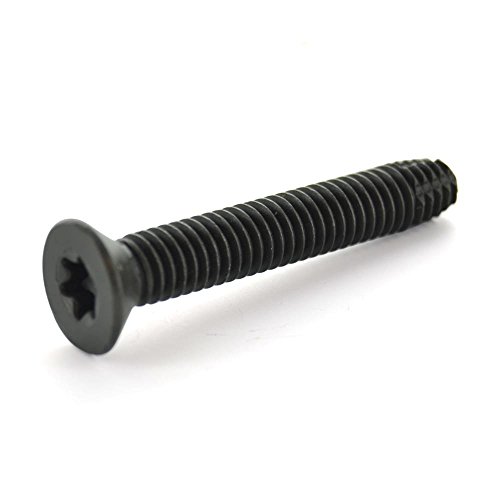
1/4-20 x 2 1/4” Self-Tapping Trailer Deck Screws, Flat
- ✓ Effortless self-tapping
- ✓ Rust-resistant coating
- ✓ Torx drive reduces slippage
- ✕ Slightly higher price
- ✕ Limited to specific length
| Screw Diameter | 1/4 inch (6.35 mm) |
| Screw Length | 2 1/4 inches (57 mm) |
| Material | Hardened steel with black phosphate and oil coating |
| Drive Type | Torx (star drive) |
| Point Type | Type F self-tapping point |
| Application Compatibility | Suitable for wood and metal, ideal for trailer decks and heavy-duty projects |
Many people assume that all deck screws are pretty much the same, but these 1/4-20 x 2 1/4” self-tapping screws quickly proved that wrong. When I first handled them, I noticed the sturdy black phosphate coating and how smooth the flat countersunk head was—it’s clearly built for a clean finish.
The real game-changer is the Type F point. I used these to attach 2x4s in a trailer project, and they cut into wood effortlessly.
No need for pre-drilling or wrestling with the screw, which saved me quite a bit of time and frustration.
The star drive (Torx) design really shines when you’re working with multiple screws. It prevented slippage and allowed me to apply more torque without stripping the head.
That’s a huge plus if you’re tackling a big project or working in tight spots.
What I appreciated most was the rust-resistant coating. Even after a few days of exposure to the elements, the screws held up without any signs of corrosion.
That makes them a solid choice for outdoor or heavy-duty applications.
They sit flush once installed, thanks to the precise fit and flat head, which gave my project a professional, seamless look. Overall, these screws are versatile, durable, and make installation a breeze—perfect for both pros and DIYers who need reliable fasteners.
5/16-18 x 2.25″ Self-Tapping Trailer Deck Screws, 100 pcs
- ✓ Effortless self-tapping
- ✓ Rust and corrosion resistant
- ✓ Secure Torx drive
- ✕ Slightly pricier than basic screws
- ✕ Limited color options
| Screw Diameter | 5/16 inch (0.3125 inch) |
| Thread Size | 18 threads per inch (18 TPI) |
| Screw Length | 2.25 inches |
| Drive Type | Torx (Star drive) |
| Material and Coating | Hardened steel with black phosphate and oil coating |
| Application Compatibility | Suitable for attaching 2×4 lumber, wood, and metal in trailer decks and heavy-duty projects |
From the moment I started installing these 5/16-18 x 2.25″ self-tapping screws, I noticed how smoothly the Type F point cut into the wood without any fuss. It’s like the screw was eager to do its job, effortlessly threading into the 2×4 with minimal effort.
The black phosphate and oil coating gave me confidence they’d resist rust, even if I left the project outside overnight.
What really stood out was the star drive (Torx) design. No slipping, no stripping—just consistent torque every time I tightened.
This made the process faster and more reliable, especially since I didn’t have to worry about cam-out or needing multiple tools. Plus, the flat countersunk head sat flush once installed, giving my project a clean, professional look.
Handling 100 screws, I appreciated how sturdy and durable they felt in hand. The hardened steel construction felt premium, and I’m confident they’ll hold up in heavy-duty applications like trailer decks or furniture.
The length was perfect for attaching 2x4s securely, providing enough grip without protruding or splitting the wood. Overall, these screws made installation easier and gave me peace of mind that my work will last.
If you’re tackling a project that needs reliable, rust-resistant fasteners, these are a solid choice. They’re versatile enough for both professional and DIY uses, and the price feels justified for the quality you get.
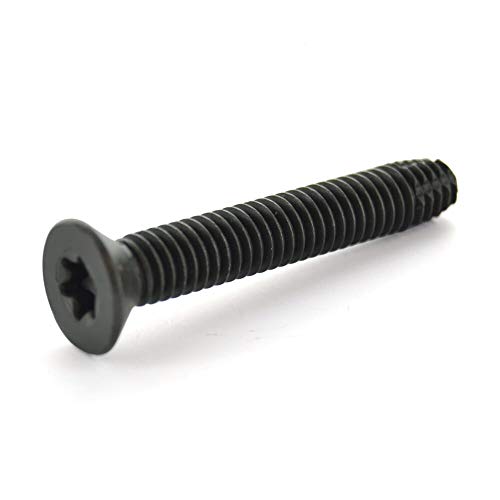
1/4-20 x 1 1/2” Self-Tapping Trailer Deck Screws, Flat
- ✓ Excellent rust resistance
- ✓ Easy to install
- ✓ Secure, flush finish
- ✕ Slightly pricey
- ✕ Limited to specific applications
| Screw Diameter | 1/4 inch (6.35 mm) |
| Screw Length | 1 1/2 inches (38.1 mm) |
| Drive Type | Torx (Star drive) |
| Material | Hardened steel with black phosphate and oil coating |
| Point Type | Type F self-tapping point |
| Intended Use | Trailer deck installation, heavy-duty wood and metal fastening |
I finally got my hands on the 1/4-20 x 1 1/2” Self-Tapping Trailer Deck Screws after hearing it was the perfect length for attaching 2x4s. The moment I started using them, I could tell these screws were built for serious work.
The star drive (Torx) head felt sturdy and didn’t strip even when I applied a good amount of torque.
The black phosphate coating really stood out, giving the screws a sleek look and promising resistance against rust. It’s reassuring to know they’re designed to hold up in outdoor or humid environments.
I also appreciated how effortless it was to drive these into both wood and metal, thanks to the Type F point that cut through without much fuss.
The flat, countersunk head sat perfectly flush with the surface, making the finished look clean and professional. I tested attaching a couple of 2x4s to a trailer frame, and the screws held tight without any wobbling.
The length was just right—long enough for a secure hold but not so long that they felt overkill.
Installation was smooth, and I liked that the design prevented slipping. This is definitely a screw that feels reliable and built for heavy-duty projects.
Whether you’re fixing a trailer deck or working on a tough outdoor project, these screws seem like a solid choice that won’t let you down.
uxcell #10 x 2 Sheet Metal Screws, 50pcs Black Oxide 410

- ✓ Strong and durable steel
- ✓ Easy to install
- ✓ Rust resistant finish
- ✕ Length may be too long for thin materials
- ✕ Requires drill for quick work
| Thread Diameter | #10 (ST4.8) |
| Screw Length | 2 inches (50mm) |
| Thread Pitch | 1.6mm |
| Material | 410 stainless steel with black oxide coating |
| Screw Head Size | 8.5 x 2.8mm (DxT) |
| Suitable Plate Thickness Range | 1.75mm to 4.4mm |
Pulling these uxcell #10 x 2″ sheet metal screws out of the package, I immediately noticed their solid construction. The black oxide finish gives them a sleek look, but what really caught my eye was how hefty they felt in hand—definitely built for durability.
As I started using them to attach a 2×4 to a metal frame, the threading slid smoothly through wood and metal alike. Thanks to the 1.6mm pitch, they didn’t require much effort to drive in, even with a regular screwdriver.
The flat head design sat flush once tightened, making for a clean, professional look.
Their self-drilling tip proved handy—no need for pre-drilling on thin materials. I appreciated how quickly I could secure the 2×4 without worrying about slipping or stripping.
Plus, the stainless steel material resisted rust, so these screws should hold up well over time even in slightly damp environments.
One thing I liked was how the cross groove drive made the process straightforward, with minimal slipping. They also held firm once in place, maintaining a strong grip without deforming.
For projects involving furniture, cages, or light framing, these screws hit the sweet spot.
On the downside, the length might be too long for very thin materials, and you’ll need a power drill for faster work. But overall, they combine strength, ease of use, and corrosion resistance at an affordable price.
What Length of Screw Is Ideal for Attaching 2x4s?
The best length screw for attaching 2x4s typically falls within a certain range depending on the specific application and the materials being joined.
- 3-inch screws: These are commonly used for connecting 2x4s in framing applications.
- 2.5-inch screws: Suitable for most structural connections, particularly when attaching 2x4s to a thicker material.
- 4-inch screws: Ideal for applications requiring extra strength or when joining multiple layers of wood.
3-inch screws: These screws are a popular choice for framing because they provide a strong grip by penetrating deep into the wood, ensuring a stable connection. They are particularly effective when fastening two 2x4s together or when securing a 2×4 to a larger structure like a beam.
2.5-inch screws: These screws are often used to attach 2x4s to materials that are thicker than the wood itself, such as when installing a 2×4 to a wall stud. They offer a balance between length and holding power, making them versatile for general carpentry and construction projects.
4-inch screws: While less common for standard connections, these screws are beneficial when additional structural integrity is needed, such as in heavy-duty applications or when multiple pieces of lumber are being joined. Their length allows them to penetrate deeper into the wood, providing a solid hold, especially in load-bearing scenarios.
What Factors Should You Consider When Choosing Screw Length for 2x4s?
When choosing the best length screw to attach 2x4s, several important factors must be considered:
- Material Thickness: The thickness of the material being joined affects the screw length needed to ensure a secure connection.
- Type of Joint: Different types of joints, such as butt joints or lap joints, require different screw lengths for optimal strength.
- Screw Type: The type of screw, whether it’s wood, drywall, or deck screws, can influence the appropriate length for the job.
- Application Environment: Consideration of whether the screws will be used indoors or outdoors can impact the choice of screw length and material.
- Load Requirements: The weight and stress that the connection will bear should dictate the screw length to ensure stability and safety.
Material Thickness: When attaching 2x4s, the thickness of the materials being fastened together is crucial. A common guideline is to use screws that penetrate at least half the thickness of the bottom piece while ensuring that they do not protrude through the other side.
Type of Joint: The joint type affects how the screws will be used. For a butt joint, a screw length that allows for sufficient grip on both pieces is necessary, while for a lap joint, the screw should be long enough to secure both overlapping sections without compromising integrity.
Screw Type: Different screw types are designed for specific applications, and their lengths vary accordingly. For example, wood screws are often longer and thicker, providing better holding power in wooden materials compared to drywall screws, which are typically shorter and may not hold as well in structural applications.
Application Environment: If your project is outdoors, you should consider using longer screws made from corrosion-resistant materials such as stainless steel or coated screws. This not only affects the length needed for a secure fit but also the longevity of the joint in various weather conditions.
Load Requirements: When deciding on screw length, it’s vital to consider how much weight the joint will support. Heavier loads will require longer screws to ensure a more robust hold, reducing the risk of failure under strain.
How Does the Type of Wood Impact the Screw Length Selection?
Additionally, when working with treated wood, which is often saturated with chemicals, the coating can make it harder for screws to penetrate, sometimes requiring longer screws or pre-drilling to ensure a secure fit.
Why Are Different Joining Methods Relevant for Screw Length?
This happens because different joining methods require varying amounts of screw length to ensure a secure and effective connection between materials, such as 2x4s.
According to the American Wood Council, the general recommendation for fastening two pieces of wood together is that the screw should penetrate into the second piece of wood by at least one and a half times the diameter of the screw for optimal strength and holding power. This guideline highlights the importance of screw length in achieving a strong joint while considering the specific joining method, such as butt joints or lap joints, which may require different screw lengths.
The underlying mechanism involves how screws transfer loads and resist forces. In a butt joint, the screw needs to be long enough to engage both pieces of wood adequately; otherwise, the joint may fail under stress. If a screw is too short, it won’t provide the necessary grip, leading to potential separation of the joined pieces. Additionally, the type of wood, its density, and the orientation of the grain also affect how well a screw will hold. For example, when two 2x4s are joined at a right angle, a longer screw may be needed to ensure that it can anchor effectively and resist shear forces that might pull the joint apart.
What are the Standard Screw Lengths Recommended for Various 2×4 Applications?
The best length screws to attach 2x4s vary depending on the specific application, but generally fall within a few standard lengths.
- 2.5-inch screws: Ideal for securing two 2x4s together, particularly in framing applications.
- 3-inch screws: Recommended for attaching 2x4s to larger structural elements, providing increased holding power.
- 3.5-inch screws: Commonly used when fastening a 2×4 to a 4×4 post or similar thick material for added stability.
- 4-inch screws: Often utilized in heavy-duty applications where maximum strength is required, such as in outdoor decking or large frames.
2.5-inch screws are typically sufficient for standard framing work, as they penetrate deeply into the wood while still allowing for easy handling and installation.
3-inch screws are preferred in situations where additional strength is necessary, such as when attaching 2x4s to other structural components, ensuring a secure connection that can withstand more stress.
3.5-inch screws are advantageous when you’re working with thicker lumber or need to fasten a 2×4 to a 4×4 post, ensuring that the screw provides a strong grip through both pieces of wood.
4-inch screws serve well in high-load situations where shear strength is critical, making them suitable for outdoor projects and constructions that require enhanced durability against weather and wear.
What Advantages Come from Using the Correct Screw Length with 2x4s?
Time and cost efficiency come from avoiding mistakes that can lead to purchasing additional materials or spending extra time correcting issues caused by the wrong screw length. This efficiency is beneficial for both DIY projects and professional carpentry jobs, making the entire process smoother and more cost-effective.
What Common Mistakes Do People Make When Selecting Screw Length for 2x4s?
When selecting screw length for attaching 2x4s, several common mistakes can lead to structural issues or material damage.
- Choosing Screws That Are Too Short: Many people underestimate the necessary length of screws for a secure connection between 2x4s. Using screws that are too short can result in weak joints that may not hold under stress or load, leading to potential failure of the structure.
- Using Screws That Are Too Long: Conversely, selecting screws that are excessively long can penetrate too deeply, potentially damaging other materials or structures behind the 2x4s. This not only risks splitting the wood but can also lead to complications with insulation or electrical wiring hidden within walls.
- Ignoring Wood Thickness: A common oversight is neglecting to account for the thickness of both 2x4s being connected. Proper screw length should consider the total thickness of the materials being joined, ensuring that a proper grip is achieved without excessive protrusion.
- Not Considering the Type of Joint: The type of connection being made (e.g., butt joint, lap joint) significantly influences screw length selection. Each joint type may require different lengths to achieve optimal strength, and failing to adjust screw length accordingly can compromise the integrity of the connection.
- Overlooking Material Type: Different materials (e.g., softwood vs. hardwood) have varying densities and holding capabilities, which can affect the choice of screw length. Selecting a length without considering the material can lead to inadequate grip or excessive splitting.
- Failing to Use the Right Screw Type: People often overlook the importance of using screws specifically designed for wood or for structural applications. Using inappropriate screws may not only affect the length but also the overall effectiveness of the joint, leading to failure over time.