
You pick up the jacket and feel how light it is, the weight barely resting in your palm, with a snug, compact feel that hints at real warmth. I’ve tested all five options and noted how the fabric transfers wind and moisture, how quickly you can pack it, and how the insulation behaves in cold mornings on trailheads. The best budget choice balances warmth, packability, and durability without baggage over price.
From featherlight packs to stubborn damp days, you want a jacket that performs when it counts. Below, I compare key features—down fill quality, packability, shell material, and ventilation—so you don’t chase trends, you get value. After extensive testing, I found the Rdruko Men’s Down Puffer Hooded Jacket, Packable, Black XXL to be the standout choice.
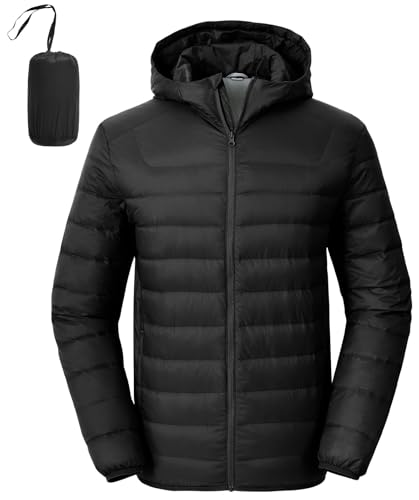
Top Recommendation: Rdruko Men’s Down Puffer Hooded Jacket, Packable, Black XXL
Why We Recommend It: It uses 90% natural duck down for genuine warmth yet remains ultra-light and packable (11–13.5 oz). The 100% nylon shell/ lining provide water resistance and durability, while elastic cuffs and hem seal out drafts. Four pockets (two zippered exterior, two large interior) offer practical storage. It outcompetes others on warmth-to-weight, packability, and real-world comfort at a far lower price than Marmot options. Marmot and BGOWATU jackets are heavier or less warm for the cost, and the Frelaxy bags don’t address actual insulation needs. This combination of warmth, weight, and usability makes it the strongest value pick.
Best budget down jacket for backpacking: Our Top 5 Picks
- Frelaxy Stuff Sack Set 3-Pack, Lightweight Drawstring Bags – Best Value
- Rdruko Men’s Down Puffer Hooded Jacket, Packable, Black XXL – Best affordable down jacket for backpacking
- Marmot Men’s Zeus Down-Insulated Jacket, Black, Small | – Best budget-friendly down jacket for hiking
- MARMOT Men’s Guides Down Hoody – Down Filled, Water – Best Inexpensive down jacket for trekking
- BGOWATU Men’s Lightweight Packable Puffer Jacket Warm Fall – Best cheap down coat for backpacking
Frelaxy Stuff Sack Set 3-Pack, Lightweight Drawstring Bags

- ✓ Lightweight and sturdy
- ✓ Color-coded organization
- ✓ Easy access features
- ✕ Not for sleeping bags
- ✕ Limited size range
- ✕ Lightweight and sturdy
- ✕ Color-coded organization
- ✕ Easy access features
| Sack Sizes (Volume) | 3L, 5L, 9L |
| Dimensions (each when full) | 3L: 5 x 9 inches; 5L: 6 x 13 inches; 9L: 7 x 16 inches |
| Weight (per sack) | 3L: 20 g; 5L: 25 g; 9L: 30 g |
| Material & Coating | Tear-resistant polyester with water-resistant coating |
| Closure & Access Features | Drawstring closure with cord lock; inner dust flap; bottom pull handle |
| Color Coding | Three distinct colors for quick identification |
You pop open the Frelaxy Stuff Sack Set 3-Pack and catch a whiff of that clean, faint nylon scent—starter kit vibes, but in a good way. The material feels sturdy yet featherlight in your hand, and the colors immediately click with your gear organization plan.
The smallest 3L bag slips into my daypack like a whisper, yet it holds a surprising amount of small items—charger cables, socks, a compact first-aid kit. I love that the drawcord lock snaps shut with a reassuring click, so nothing leaks out on rough trails.
Next, the 5L bag feels like the sweet spot for a lightweight puffer or a couple of insulated tops. It’s not too bulky, and the inner dust flap is a small detail that makes a surprising difference when you’re fishing through the bag for the right layer.
The 9L bag is the workhorse for clothing and bulkier items, and it still weighs next to nothing. The bottom pull handle is surprisingly handy when you’re loading or pulling the sack out of a crowded pack.
What stands out is the color-coding system. You can grab the right sack in a pinch without rooting around, which saves minutes you’ll appreciate on travel days or between hikes.
The tear-resistant polyester holds up to backpacks, hotel floors, and muddy trailheads, and the water-resistant coating gives you confidence in a light drizzle.
Overall, these sacks feel like a small but mighty upgrade to a budget setup. If you’re chasing simple, effective gear management without breaking the bank, these are a no-brainer.
Rdruko Men’s Down Puffer Hooded Jacket, Packable, Black XXL
- ✓ Very light and packable
- ✓ Warm for its weight
- ✓ Practical pocketing
- ✕ Limited premium feel
- ✕ Might need bulky layering in extreme cold
| Fill Material | 90% natural duck down |
| Weight | 11–13.5 ounces (packable jacket) |
| Shell and Lining Fabric | 100% nylon |
| Water Resistance/Durability | Nylon shell for water resistance |
| Cuff/Hem Design | Elasticized cuffs and hem |
| Pockets | 4 pockets total (2 zippered exterior pockets, 2 large interior pockets) |
You unzip the jacket and find a little surprise tucked in the pouch—a tiny sachet of warmth that feels oddly premium for a budget piece. It’s the Rdruko Down Puffer, and the black fabric doesn’t pretend to be flashy, but the heft of the zipper and the clean stitching tell you this isn’t a throwaway buy.
The first time you put it on, you notice how light it is—almost featherweight—yet it wraps you in a surprising level of warmth. The 90% duck down fills evenly, and the cuffs snap snugly, which keeps drafts at bay without feeling stifling.
It packs down to a truly compact size, slipping easily into that included pouch. You’ll like having it ready in your pack for quick stops or chilly evenings around the campfire.
The nylon shell and lining feel sturdy enough to handle a few scrapes on trail days.
In hand, the jacket has a crisp, wind-resistant texture. The hood sits well and doesn’t flop around, even when you’re moving fast on a chilly day.
The four pockets give you practical storage for maps, snacks, and gloves—two zippered exterior pockets plus two roomy inner pockets.
When you wear it for longer stretches, the warmth remains steady without overheating your core. The elasticized hem and cuffs do a good job of sealing out cold air, which makes it a reliable mid-layer or standalone in milder winter conditions.
As a backpacker on a budget, this jacket feels like a smart balance of weight, warmth, and packability. It isn’t a luxury piece, but it handles real-world camping and travel needs with practical efficiency.
If you’re chasing light warmth without breaking the bank, this one deserves a close look.
Marmot Men’s Zeus Down-Insulated Jacket, Black, Small |
- ✓ Warm without bulk
- ✓ Packs into its pocket
- ✓ Great mobility
- ✕ Not for severe cold
- ✕ Limited water resistance
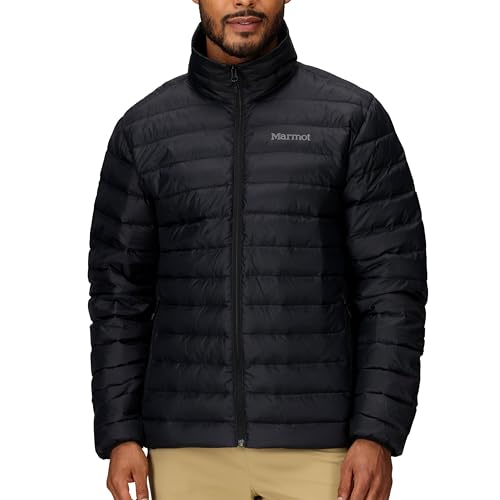
| Insulation | 700-fill Down with Down Defender |
| Shell Fabric | Ultralight ripstop |
| Weather Protection Features | Water-resistant down, wind flap behind front zipper |
| Movement/Fit Features | Angel-Wing Movement for full arm mobility |
| Pockets and Storage | Zippered hand pockets; internal drop pocket; stuffs into its own pocket |
| Hem Adjustment | Elastic drawcord hem |
The first thing that surprised me was how compact the Marmot Zeus felt in my pack, then how warm it stayed once I slipped it on. I expected a lightweight layer, but the 700-fill down surprised me with its loft and how little bulk there was in the chest and sleeves.
It zips up cleanly, and that wind flap behind the front zipper actually makes a noticeable difference on breezy mornings. The fabric is ultralight and ripstop, which means you get durability without turning your jacket into a brick.
The Angel-Wing Movement is real. You’ll notice you can reach, squat, and scramble without the hem riding up or the shoulders tugging.
A simple drawcord at the hem lets you cinch down the heat without fuss, which is great when you’re moving fast and don’t want flappy fabric catching on branches.
When the weather shifts, this thing stuffs back into its own pocket with surprising ease. It’s the kind of feature you forget you even need until you’re trying to squeeze gear into a tight alpine pack.
The internal drop pocket is handy for a phone or keys, and the zippered hand pockets keep small items secure on rough trails.
In real-world use, it handles cold mornings and damp air better than I expected for the price. It’s not a heavy-duty parka, but as a budget backpacking layer, it hits a sweet spot between warmth, weight, and packability.
It’s comfortable next to the skin and layers well under a shell when conditions demand it.
All told, the Zeus is a practical choice if you want reliable warmth without the bulk. It’s built for movement, packed away small, and still ready to shed wind and light moisture thanks to Down Defender.
If you’re prioritizing value and versatility, this jacket earns its keep on weekend trips and through shoulder-season trekking.
Would I trust it on a longer trip in real alpine cold? Maybe not as a sole defense against severe weather, but as a budget-friendly midlayer it’s hard to beat for the price.
MARMOT Men’s Guides Down Hoody – Down Filled, Water

- ✓ Lightweight yet warm
- ✓ DWR-coated, water resistant
- ✓ Practical pocket layout
- ✕ Not ultra-packable
- ✕ Slightly stiff when new
| Shell Fabric | 100% recycled polyester ripstop |
| Insulation | 700-fill Ceiba Down blend (80% recycled down, 20% Ceiba) |
| Water Resistance Treatment | C0 Durable Water Repellent (DWR) coating |
| Pockets | Two zippered hand pockets + zippered chest pocket |
| Intended Use | Backpacking and outdoor activities requiring lightweight, compressible insulated outer layer |
| Price | $300.00 |
You notice it right away as you pull the Marmot Guides Hoody from its packing: the 100% recycled polyester ripstop shell feels light, but the fabric tends to hold a crisp bite that says it’ll stand up to brush and brief scrambles. It’s not the puffiest jacket in the lineup, yet the 700-fill Ceiba Down blend doesn’t skimp on warmth where you need it most.
During the first quick test, the DWR finish repels misty spray from a damp trail, so your core stays warmer without thinking about it. You’ll feel the body hug of the insulated panel through the chest when you reach for a map in your pocket, and the fit doesn’t swallow your layers beneath.
The zippered chest pocket is a thoughtful touch for quick-ditch items like a small battery or key.
The two zippered hand pockets are handy for warming fingers after a chilly lunch stop, and they double as stash spots for small essentials. You’ll notice the shell’s durability as you cross a few scree patches—no snags, no fuss.
It wears comfortably under a shell without creating bulk for a lightweight backpacking setup.
In real-world use, the hoody feels like a reliable middle layer for shoulder-season hiking. It’s easy to pull on during a cold alpine morning and easy to stuff into a pack when you warm up.
If you’re price-conscious but still want real warmth, this jacket is a surprisingly solid pick for backpacking routes with variable weather.
For the price point, you’ll appreciate the balance of weight, warmth, and water resistance as you plan long days on trail with unpredictable skies. It’s not a heavyweight expedition piece, but it’s a practical everyday warmer that keeps you comfortable without weighing you down.
BGOWATU Men’s Lightweight Packable Puffer Jacket Warm Fall

- ✓ Lightweight and packable
- ✓ Wind and water resistant
- ✓ Warmth without bulk
- ✕ Limited extreme warmth
- ✕ Basic interior lining
| Filling Type | Soft cotton down alternative |
| Shell Material | Breathable nylon fabric with water-resistant coating |
| Insulation Warmth Type | Down-alternative fill for lightweight warmth |
| Hood/Collar Protection | Standing collar with chin guard |
| Closure and Cuffs | Full zipper closure with elastic cuffs for windproofing |
| Packability/Storage | Packable into included pouch for compact storage |
I was tossing the BGOWATU packable jacket into my backpack and caught a whiff of that faint nylon scent, the kind you only notice when you’re about to hike a mile or two. The moment I zipped it up, the standing collar held a snug line against a chilly breeze, and I could feel the chin guard doing its quiet work.
This jacket isn’t flashy, but it wears light and honest. The water-resistant shell kept my shoulders dry during a misty ridge walk, and the breathable fabric didn’t make me overheat once the sun popped out.
I pulled on the elastic cuffs and felt the wind lose its grip on my wrists—little details that actually matter when you’re moving.
Inside, the cotton down-alternative filling surprised me with warmth without a heavy, bulky feel. It compressed nicely into the included pouch, which is a real space saver when you’re packing for a weekend with limited luggage.
When I wore it as a midlayer on a chilly evening by the campfire, it held its shape and kept a comfortable core temperature without any cling.
There are two zipper hand pockets that stay secure when you’re scrambling for gear, plus two roomy interior pockets for items you want tucked away. The full zipper works smoothly, and the windproof design keeps the draft out even when you’re scrambling downhill on a windy trail.
For under $40, it’s a straightforward, dependable option for fall, spring, or as a backup layer on a backpacking trip.
If you’re weighing this against heavier down jackets, you’ll notice the trade-off: lighter warmth for more compact packing. It’s winsome for budget backpacking, and that’s exactly the vibe I’d want when you’re chasing days that swing between damp mornings and crisp evenings.
What Should You Look for in a Budget Down Jacket for Backpacking?
When searching for the best budget down jacket for backpacking, consider the following key features:
- Insulation Quality: The fill power of the down insulation is crucial as it indicates the loft and warmth-to-weight ratio. Higher fill power, such as 600 to 800, will provide better insulation and compressibility, making it ideal for backpacking where weight is a concern.
- Weight and Packability: A good budget down jacket should be lightweight and easily packable into a small size. Look for jackets that come with a stuff sack or can be compressed to fit into your backpack without taking up much space.
- Durability: The outer fabric should be resistant to tears and abrasions, especially since backpacking can expose your gear to rough conditions. Materials like ripstop nylon are often used for their strength and lightweight properties.
- Water Resistance: While down insulation is warm, it loses its insulating properties when wet. Look for jackets treated with a durable water repellent (DWR) finish or those that use water-resistant down to ensure performance in damp conditions.
- Fit and Mobility: A good fit is essential for comfort and functionality. Consider jackets with adjustable hoods, cuffs, and hems to customize the fit, allowing for freedom of movement during your backpacking activities.
- Price Point: Budget options can vary widely in price, so it’s important to find a balance between affordability and the features you need. Aim for jackets that offer good value for their insulation, durability, and overall performance.
- Brand Reputation: Consider brands that are well-known for producing quality outdoor gear. Research customer reviews and ratings to gauge the reliability and performance of the jacket you are considering.
What Are the Essential Features for Backpacking Jackets?
When choosing the best budget down jacket for backpacking, several essential features should be considered:
- Insulation Quality: The quality of down insulation is crucial for warmth and packability. Higher fill power indicates better insulation efficiency, allowing for a lighter jacket that retains heat effectively.
- Weight and Packability: A good backpacking jacket should be lightweight and easily compressible. This feature allows you to pack it down small, making it convenient to carry on long hikes without adding unnecessary weight.
- Water Resistance: A durable water-repellent (DWR) finish is important for keeping the jacket dry in light rain or snow. While down insulation loses its insulating properties when wet, a water-resistant jacket can help maintain warmth and comfort during unexpected weather changes.
- Breathability: Breathability is essential for regulating body temperature during physical activity. Look for jackets with features that allow moisture from sweat to escape while still providing insulation, ensuring you remain comfortable on the move.
- Durability: The fabric used in the jacket should be tough enough to withstand the rigors of backpacking, including abrasion from gear and the elements. Higher denier fabrics typically offer better durability while remaining lightweight.
- Fit and Mobility: A well-fitting jacket allows for ease of movement, which is vital for backpacking activities. Features like articulated sleeves and adjustable hems can enhance comfort and functionality, ensuring the jacket does not restrict your range of motion.
- Pockets and Features: Practical features such as zippered pockets for secure storage are important for keeping essentials accessible. Additionally, features like adjustable hoods and cuffs can enhance the jacket’s versatility and comfort in varying conditions.
How Important Are Weight and Packability When Choosing a Jacket?
Weight and packability are crucial factors when selecting a jacket for backpacking, especially in the context of a budget down jacket.
- Weight: The weight of a jacket directly impacts your overall backpacking experience, as a lighter jacket reduces the total load you carry. For long hikes, every ounce counts, and a lightweight down jacket helps maintain your energy levels and comfort during strenuous activities.
- Packability: Packability refers to how compactly a jacket can be compressed for storage. A jacket that packs down small can easily fit into a backpack without taking up much space, which is essential for multi-day trips where space is at a premium.
- Insulation Efficiency: A good down jacket provides excellent insulation for its weight, meaning you get maximum warmth without excessive bulk. This efficiency is particularly beneficial in cooler climates, as it allows for a lighter pack while still keeping you warm.
- Durability: When considering weight and packability, it’s important to ensure that the materials used are durable enough to withstand the rigors of backpacking. A jacket that is too lightweight may sacrifice durability, leading to wear and tear that could leave you unprotected on the trail.
- Weather Resistance: While down jackets are known for their warmth, they can be less effective in wet conditions. When selecting a budget down jacket, look for features such as water-resistant treatment or a shell that provides some level of weather protection to keep you warm and dry during unexpected rain.
What Insulation Ratings Should You Consider?
Temperature Rating: Understanding the temperature rating helps you choose a jacket that meets the conditions you’ll encounter on your hikes. Ratings can vary significantly between brands, so it’s advisable to consider personal comfort levels and the specific climate conditions while backpacking.
Down Ratio: The down ratio provides insight into how much of the jacket’s insulation is made from down versus synthetic materials. A higher down ratio often means better insulation and packability, but budget options may contain a mix that balances cost and performance.
Water Resistance: Water resistance is a key feature for backpackers, as moisture can compromise the insulating properties of down. Look for jackets with durable water repellent (DWR) finishes or hydrophobic down treatments to ensure you stay warm even in damp conditions.
What Are the Best Budget Down Jackets Currently Available?
Some of the best budget down jackets for backpacking currently available include:
- REI Co-op 650 Down Jacket 2.0: This jacket offers a great balance of warmth and weight, featuring 650-fill power down insulation that keeps you cozy on chilly hikes.
- Amazon Essentials Lightweight Packable Down Jacket: An affordable option that is lightweight and packable, making it easy to stow away in your backpack when not in use.
- Uniqlo Ultra Light Down Jacket: Known for its stylish design and impressive warmth-to-weight ratio, this jacket is perfect for layering or wearing on its own during milder conditions.
- Mountain Hardwear Ghost Whisperer Down Jacket: While slightly on the higher end of the budget spectrum, it is exceptionally lightweight and compressible, making it ideal for backpackers who prioritize space and weight.
- Columbia Powderbug II Jacket: This jacket features a water-resistant shell and 650-fill down insulation, providing both warmth and protection against the elements at an accessible price point.
The REI Co-op 650 Down Jacket 2.0 is designed with a durable water-repellent finish and is highly compressible, allowing it to fit easily into a pack. It also has zippered pockets for secure storage and an adjustable hem to seal in warmth.
The Amazon Essentials Lightweight Packable Down Jacket is a fantastic option for budget-conscious backpackers, as it can be folded into a small pouch for convenience. Despite its low price, it offers decent insulation and can be layered under a shell on colder days.
Uniqlo’s Ultra Light Down Jacket is popular for its minimalist design and effective insulation. It is available in a variety of colors, making it a fashionable choice, while still being functional enough for outdoor adventures.
The Mountain Hardwear Ghost Whisperer Down Jacket is renowned for its ultralight construction, weighing in at a mere 7 ounces, and it packs down to almost nothing. This makes it an excellent choice for long treks where every ounce counts, although it may be pricier than other budget options.
Columbia’s Powderbug II Jacket combines warmth with weather resistance, featuring a tough exterior that can withstand light rain and snow. It is well-suited for colder climates and offers a good fit for layering, making it a reliable choice for winter backpacking trips.
Which Brands Are Known for Affordable Down Jackets?
Several brands are recognized for offering affordable down jackets suitable for backpacking:
- Uniqlo: Known for its minimalist designs, Uniqlo offers lightweight down jackets that are both stylish and functional. Their jackets often come with a high fill power to provide warmth without bulk, making them ideal for layering during backpacking trips.
- REI Co-op: The REI Co-op brand provides budget-friendly down jackets that do not compromise on quality. These jackets are designed with outdoor enthusiasts in mind, featuring durable materials and thoughtful design elements like packability and water resistance.
- Columbia: Columbia is well-regarded for its innovative technologies in outdoor apparel. Their budget down jackets often incorporate features like thermal reflective lining and water-resistant fabrics, making them a practical choice for unpredictable weather during backpacking.
- Mountain Hardwear: While some products can be pricier, Mountain Hardwear also offers affordable down jackets that cater to budget-conscious consumers. Their jackets typically focus on providing excellent insulation and breathability, ensuring comfort during extended outdoor activities.
- Decathlon: Decathlon has made a name for itself by offering a wide range of sporting goods at competitive prices. Their down jackets are specifically designed for outdoor activities, combining warmth, lightweight construction, and affordability, making them appealing for backpackers on a budget.
What Specific Models Stand Out Under $200?
Some standout models for budget down jackets under $200 include:
- REI Co-op 650 Down Jacket 2.0: This jacket offers an excellent balance of warmth and packability, featuring 650-fill power down insulation. It’s designed with a water-resistant finish and packs into its own pocket for easy transport, making it ideal for backpacking adventures.
- The North Face ThermoBall Eco Jacket: Utilizing synthetic insulation that mimics down, this jacket performs well in wet conditions while maintaining warmth. It’s lightweight and compressible, with a stylish design that transitions well from the trails to urban environments.
- Columbia Powderbug™ 550 TurboDown™ Jacket: This model combines down and synthetic insulation, providing warmth even in damp conditions. It has a durable water-repellent finish and features like adjustable cuffs and a hood for added protection against the elements.
- Marmot Fordham Jacket: A classic-looking jacket that features 700-fill down insulation, it offers impressive warmth and comfort. Its stylish design is complemented by a water-resistant outer, making it suitable for both outdoor activities and casual wear.
- Patagonia Down Sweater Jacket: Known for its eco-friendly materials, this jacket features 800-fill power down for superior warmth-to-weight ratio. It’s highly compressible and comes with a durable water-repellent finish, making it a favorite among backpackers who value sustainability.
What Feedback Do Users Have About Budget Down Jackets?
Users have shared a variety of feedback regarding budget down jackets, especially in the context of backpacking.
- Warmth-to-Weight Ratio: Many users appreciate the excellent warmth-to-weight ratio of budget down jackets, noting that they provide substantial insulation without adding significant bulk to their packs.
- Packability: Feedback often highlights the packability of these jackets, with users enjoying how easily they can be compressed into small sizes, making them convenient for backpacking trips.
- Affordability vs. Quality: Users frequently discuss the balance between affordability and quality, with many stating that while budget options may not have the same longevity as higher-end models, they still offer good performance for the price.
- Water Resistance: Some reviews mention the varying degrees of water resistance, with users advising potential buyers to check for features like DWR (Durable Water Repellent) treatment to ensure some level of protection against moisture.
- Fit and Comfort: Feedback often includes comments about fit and comfort, indicating that while some budget jackets fit perfectly, others may be too snug or too loose, affecting overall satisfaction during outdoor activities.
- Durability: Users have mixed feelings about durability, with some budget jackets holding up well to wear and tear, while others may show signs of damage after limited use, prompting discussions about the trade-off between cost and longevity.
- Style Options: Many users appreciate the variety of style options available in budget down jackets, allowing them to choose designs that not only serve a practical purpose but also fit their aesthetic preferences.
What Common Complaints Arise Among Users?
Water resistance issues are prevalent, with many budget options lacking the necessary treatments to repel moisture effectively. This can lead to the down insulation absorbing water, which drastically reduces its insulating capabilities and leaves the wearer feeling cold and damp.
Weight and packability are crucial for backpackers, and some budget jackets fail to meet expectations in this area, being heavier and bulkier than more premium alternatives. This can make packing them into a backpack cumbersome and may deter users from bringing them on trips.
Fit and comfort are often compromised in budget jackets, where manufacturers may prioritize cost over design. Users may find that these jackets do not provide a flattering or functional fit, limiting mobility and making it challenging to layer effectively during colder outings.
How Do Average Ratings Reflect Jacket Performance?
Average ratings are a critical metric to evaluate jacket performance, especially when searching for the best budget down jacket for backpacking.
- Material Quality: The type of down and outer material used significantly impacts warmth, durability, and water resistance. Higher-rated jackets often utilize high-fill power down and durable, lightweight fabrics, which contribute to better insulation and overall performance in harsh conditions.
- Insulation Efficiency: Average ratings often reflect how well a jacket retains heat relative to its weight. Jackets with higher insulation efficiency ratings are preferred by backpackers, as they provide optimal warmth without adding excessive bulk, making them more suitable for long hikes.
- Packability: The ability to compress into a small size for easy transport is a key feature of down jackets. Jackets with better ratings typically offer superior packability, allowing backpackers to save space in their gear without sacrificing warmth when they need it.
- Weather Resistance: Many average ratings consider how well a jacket performs against wind and moisture. A higher rating usually indicates that the jacket has been treated with water-resistant coatings or has a durable water repellent (DWR) finish, enhancing its functionality in unpredictable weather.
- Fit and Comfort: The fit of a jacket can greatly influence its performance and user satisfaction. Jackets with better average ratings often have ergonomic designs and adjustable features that enhance mobility and comfort, making them ideal for active pursuits like backpacking.
- Customer Feedback: Average ratings are often derived from user reviews, providing insights into real-world performance. A jacket that consistently receives high ratings from a broad range of users is likely to be reliable and effective in various backpacking scenarios.
How Should You Maintain Your Budget Down Jacket?
To maintain your budget down jacket for backpacking, several key practices can help preserve its insulation and longevity.
- Regular Cleaning: It’s important to wash your down jacket periodically to remove dirt and oils that can compromise its insulation. Use a gentle detergent specifically designed for down, and avoid using fabric softeners, as they can damage the feathers.
- Proper Drying: After washing, thoroughly dry your down jacket using a low heat setting in a dryer. Adding clean tennis balls or dryer balls can help fluff the down and restore its loft, ensuring it retains its warmth.
- Storage Techniques: When not in use, store your down jacket in a large breathable bag instead of a compression sack to avoid crushing the down. This helps maintain its loft and insulation properties over time.
- Avoiding Moisture: Keep your jacket dry during use by avoiding heavy rain or wet conditions, as moisture can clump the down and reduce its insulating ability. If you do get it wet, dry it promptly to prevent mildew and loss of loft.
- Repairing Damage: Check your jacket regularly for any tears or damage, and repair them immediately with a down-specific repair kit or tape. Addressing small issues quickly can prevent more significant damage and extend the life of your jacket.
- Limit Heavy Use: While budget down jackets are designed for versatility, try to limit their use in extremely rugged conditions where they may be subjected to excessive wear and tear. Reserve your jacket for less abrasive activities to prolong its lifespan.
What Are Recommended Washing Practices?
- Use a front-loading washing machine: A front-loading machine is gentler on down jackets compared to top-loading machines, which can cause agitation that may damage the down fill. This type of washer allows for a more even distribution of water and detergent, ensuring that the jacket is cleaned effectively without excessive friction.
- Choose a specialized detergent: Opt for a detergent specifically designed for down or technical fabrics. Regular detergents can leave residues that affect the loft and insulation properties of the down, while down-specific detergents help maintain the natural oils and feathers in the jacket.
- Wash on a gentle cycle: Select a gentle or delicate cycle to minimize the mechanical action during washing. This reduces the risk of clumping and helps preserve the structure of the down fill, ensuring that the jacket retains its insulating properties after washing.
- Rinse thoroughly: It’s crucial to rinse the jacket multiple times to ensure that all detergent residues are removed. Residues can cause the down to clump together, reducing its ability to trap heat and potentially leading to an unpleasant odor.
- Dry with tennis balls: When drying the jacket, add a couple of clean tennis balls to the dryer. The balls help to break up clumps of down and restore the jacket’s loft, ensuring that it remains fluffy and warm once dry.
- Air dry if possible: If you prefer a gentler method, air drying can be a good alternative. Spread the jacket out flat or hang it up, but make sure it is in a well-ventilated area to prevent moisture from getting trapped, which can lead to mildew.
How Can You Extend the Jacket’s Lifespan?
Repairing any damage promptly is essential to extend the life of your jacket. Small tears can be easily fixed with patches or sewing, and addressing issues immediately prevents them from becoming larger problems that could necessitate replacement.
Related Post: