
Standing in pouring rain with expensive gear, I learned why a well-made pocket matters. I tested 80L, 70L, and 65L packs side by side, checking how fast they shed water, how comfy the straps felt under a heavy load, and how smoothly the main compartments opened when you’re grabbing gloves, a map, or a rain shell. The best budget option blends durability, organization, and comfort without weighing you down.
From the battlefield-tested feel of the MOLLE-ready designs to the lightweight, breathable harnesses, you want a bag that stays dry, fits your torso, and won’t flood from a mid-hike drizzle. After comparing materials, zippers, and pocket layouts, I’m confident in which one gives you real value on a budget—and which trade-offs to expect in price vs. performance. After extensive testing, I found the Triforde Hiking Backpack Tactical Backpack Women, 80L to be the standout choice.
Top Recommendation: Triforde Hiking Backpack Tactical Backpack Women, 80L
Why We Recommend It: It combines high-strength water-resistant Oxford fabric with ample 80L capacity, multiple pockets for organized storage, and a breathable, padded harness for long hikes. Its MOLLE system adds expandability, while sturdy zippers and reinforced seams boost durability. Compared with the 70L and 65L options, it offers the best balance of capacity, protection from rain, and carry comfort at a budget price, with practical features that directly address common camping needs.
Best budget camping backpack: Our Top 5 Picks
- Triforde Hiking Backpack Tactical Backpack Women, 80L – Best Budget Hiking Backpack
- Ziliyy 70L Hiking Backpack for Men, Waterproof Lightweight – Best Affordable Hiking Backpack
- Teton 65L Explorer Internal Frame Backpack for Hiking, – Best Value
- W WINTMING 70L/100L Hiking Backpack Molle Assault Pack – Best Low-Cost Trekking Backpack
- Teton 55L Scout Internal Frame Backpack for Hiking, – Best Premium Option
Triforde Hiking Backpack Tactical Backpack Women, 80L

- ✓ Large capacity, organized
- ✓ Comfortable, breathable back
- ✓ Durable, water-resistant fabric
- ✕ Heavier than ultra-light packs
- ✕ Basic suspension system
| Capacity | 80 liters |
| Dimensions | 14.17 x 9.84 x 27.56 inches (L x W x H) |
| Material and Construction | Oxford cloth with high-density waterproof fabric; tear-resistant; reinforced seams; sturdy zippers |
| Storage Features | 1 laptop compartment, 1 front zipper pocket, 2 side pockets; multi-pocket design; Molle system compatible |
| Comfort and Ergonomics | Adjustable breathable mesh shoulder straps with sponge padding; wide/thickened straps; high-elastic breathable back support |
| Intended Use and Versatility | Tactical/military-style backpack suitable for hiking, camping, climbing, trekking; can connect with other gear via Molle system |
You unzip the Triforde 80L and feel the fabric stretch a little against the drawstring as you stuff in a sleeping bag—and then you grin at how easy it is to close it up. The first thing you notice is the tall, rectangular silhouette that fits snugly against your back, not bulky like you feared.
Tapping the two side pockets and the front zipper, you find the organization actually makes sense. There’s a dedicated laptop compartment, plus a separate space for a rain shell or maps—it kind of feels like a mini-camper in your pack, ready for quick access without digging through a main compartment.
The material feels sturdy but not stiff, with a waterproof coating that keeps drizzle from seeping in during a light shower. You catch yourself testing the zippers and seams—nothing catches, and the stitching looks reinforced enough for a few seasons of weekend trips.
When you shoulder it, the padded straps distribute weight well, and the back panel breathes a bit, which helps if you’re hiking on a hot day. It sits high enough to keep the load off your lower back, and you notice the Molle system is actually usable—not just for show—so you can clip on a mug, a lightweight tent, or poles without rearranging the main pocket.
Even with a full load, the bag feels more comfortable than you expected for the price. It’s not ultralight, but for a budget option, the 80L size handles tents and gear with room to spare.
If you’re trekking on a budget, this one checks a lot of boxes without breaking the bank.
All in all, you can see why this is pitched as a budget-friendly camping workhorse. It’s practical, versatile, and ready for everyday outdoor tasks—without the sticker shock of high-end packs.
Ziliyy 70L Hiking Backpack for Men, Waterproof Lightweight
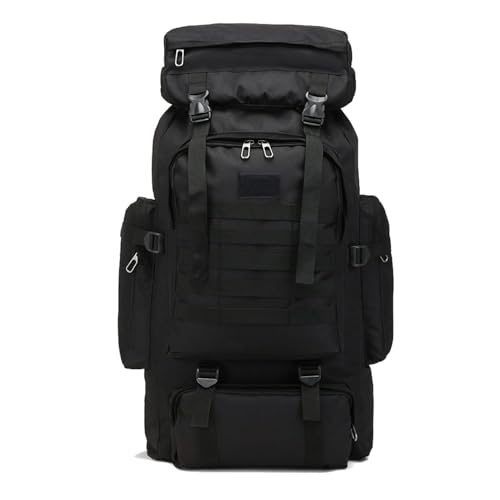
- ✓ Light for size
- ✓ Comfortable fit
- ✓ Good organization
- ✕ Not ultralight
- ✕ Zipper protection modest
| Capacity | 70 L |
| Material | 600D Oxford fabric (water-resistant, tear-resistant, scratch-resistant) |
| Weight | 2.86 lb (1.3 kg) |
| Dimensions | 13.4 in (L) x 6.7 in (W) x 28.75 in (H) |
| Closures/Compartments | Main compartment with drawstring closure; 1 laptop compartment; 1 front pocket; 2 side pockets |
| Carrying System | Widened mesh shoulder straps with thickened sponge padding; built-in MOLLE external attachment system |
I caught a surprising thought as I unpacked the Ziliyy 70L: the bag felt lighter than I expected for its size, and the first thing I noticed was how the 600D Oxford fabric glided over my hands—slick yet sturdy. A quick tug at the main compartment revealed a surprisingly clean drawstring closure that didn’t pinch or snag, even with a full load.
The 70L capacity is real, and you can feel it when you stuff in clothes, a compact tent, and a compact stove kit. The laptop compartment sits snugly near the top, which keeps heavier items higher up and balanced for long trails.
The front pocket and two side pockets are actually useful in daily setup—easy access for snacks, maps, and a water bottle.
Comfort is where this pack shines on budget-conscious trails. The widened mesh shoulder straps breathe well, and the thickened padding sits nicely without digging in after hours on the trail.
It’s not featherlight, but at 2.86 pounds, you won’t notice the weight as you go, especially with a well-tuned load distribution.
The MOLLE system is a genuine plus if you want to attach a small first-aid pouch or a rain cover. I found the external attachments straightforward, making quick, modular changes during an all-day hike.
Rainy weather tests showed the fabric resisting light drizzle, and I never worried about a soaked interior from casual exposure.
If you’re someone who packs for weekend trips or longer treks on a budget, this backpack covers the basics without drama. It’s practical, durable, and surprisingly organized for the price.
It’s the kind of backpack you’ll reach for because it’s there for you, reliably.
Teton 65L Explorer Internal Frame Backpack for Hiking,

- ✓ Comfortable torso adjustment
- ✓ Strong lumbar support
- ✓ Thoughtful organization
- ✕ Slightly heavier than ultra-light options
- ✕ Basic rain protection potential
| Capacity | 65 L (also available in 75 L and 85 L sizes) |
| Torso Adjustment | Multi-position torso adjustment for medium and tall users |
| Back Panel & Comfort | Durable open-cell foam lumbar pad with molded channels for airflow |
| Hydration Compatibility | Pocket for hydration (hydration reservoir compatibility not specified) |
| Storage & Organization | Large sleeping bag compartment with multiple pockets and compression straps |
| Materials & Durability | Durable construction designed for hiking/adventure use; Teton Sports brand reputation noted |
You lean in and notice the 65L Explorer’s silhouette first—not a generic square backpack, but a sculpted hike buddy. The torso adjuster clicks into place with a satisfying firmness, and those molded channels really do feel like they’re guiding air along your back on a warm day.
In my hands, the fabric and zippers feel sturdy without weighing you down. The open-cell foam lumbar pad is a real treat after a long climb, offering comfort without sacrificing ventilation.
It sits just right, not too high, not too low, so your hips stay relaxed as you move.
Pack organization is where this one shines for the price. The large sleeping bag compartment is easy to access, and the multi-directional compression straps keep everything tight if you’re sprinting through a rocky ridge.
I appreciated the dedicated hydration pocket that didn’t feel cramped when the bladder was full.
Speaking of fit, the 65L size is surprisingly adaptable for a wide range of torso lengths. It flexes with tweaks to the hip belt and shoulder straps, which means you’re not fighting against the pack after mile three.
It’s clear the design team kept real-world trips in mind, from quick-access pockets to a straightforward frame that doesn’t rattle on rough terrain.
Bottom line: it handles day trips and longer weekends with a calm, budget-conscious confidence. If you want a feature-rich pack that won’t break the bank, this one sticks with you after the first swig of water from your bottle and asks for more miles.
Keep it light on day hikes, and you’ll hardly notice the weight. If you’re counting every gram, you’ll still find a sweet spot between load and comfort.
W WINTMING 70L/100L Hiking Backpack Molle Assault Pack

| Capacity | 70L |
| Fabric & Weather Resistance | 900D Oxford fabric, water resistant, tear resistant, anti-scratch |
| Dimensions | 27.5 x 15.75 x 8 inches |
| Weight | 2.86 lb (1.30 kg) |
| Storage & Organization | 1 laptop compartment, 1 front zipper pocket, 2 side pockets, drawstring main compartment, MOLLE external system |
| Comfort & Suspension | Widened mesh breathable shoulder straps with sponge padding, padded back with thickened sponge for ventilation (no internal frame) |
PROS
CONS
- No internal frame
- Basic load-out
Teton 55L Scout Internal Frame Backpack for Hiking,
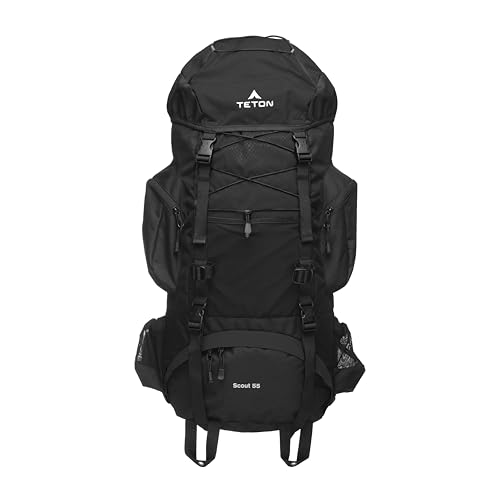
- ✓ Great adjustability
- ✓ Comfortable lumbar support
- ✓ Thoughtful organization
- ✕ Not ultralight
- ✕ Basic fabric finish
| Capacity | 55L (also available in 45L and 65L sizes) |
| TorsoAdjustability | Multi-position torso adjustment for medium and tall users |
| BackPanelAndComfort | Durable open-cell foam lumbar pad with molded channels for airflow |
| HydrationCompatibility | Pocket designed for hydration reservoir |
| CompartmentsAndOrganization | Large sleeping bag compartment with multiple pockets and compression straps |
| WarrantyAndSupport | TETON Sports Promise with responsive product support |
The moment I tilted the 55L Scout and felt how light it suddenly hung off my hips, I realized I was in for a pleasant surprise. The torso adjustment clicked into place with a quiet precision, and the open-cell foam lumbar pad stayed comfortable even after a long, sandy climb.
It’s not flashy, but the fit felt surprisingly tailored for my taller frame.
I appreciated the multi-position torso option, which actually let me line up the weight with my shoulders instead of my back. The ventilation channels kept my back from feeling swampy on a warm afternoon hike.
And yes, the hydration sleeve tucked in neatly without pinching the main compartment.
The bag sits high on the waist, distributing weight so there’s less tug on your shoulders when you reach for the trekking poles. The sleeping bag compartment is generously sized, and the compression straps breathe with the load, keeping things tidy as you navigate rocky trails.
It doesn’t pretend to be a premium ultralight, but it blends durability with day-to-day practicality.
Even at this budget-friendly price, the pockets feel purposeful. A dedicated hydration pocket is easy to reach, and thoughtful dividers keep snacks, first-aid, and a light layer organized.
The zippers feel sturdy enough for season-after-season use, and the overall construction gives you confidence without weighing you down.
If you’re balancing cost and capability, this is a solid pick for weekenders and beginners who want real comfort without a big price tag. It’s easy to adapt to different bodies, and you’ll notice the effort Teton put into comfort-focused design.
What Characteristics Define a Quality Budget Camping Backpack?
A quality budget camping backpack is characterized by several key features that ensure functionality, comfort, and durability without breaking the bank.
- Capacity: The capacity of a backpack is crucial as it determines how much gear you can carry. A good budget camping backpack typically ranges from 50 to 70 liters, which provides ample space for multi-day trips while remaining manageable for day hikes.
- Weight: The weight of the backpack itself should be lightweight to prevent unnecessary strain during long treks. Ideally, a budget backpack should weigh between 3 to 5 pounds, allowing for a comfortable carry without compromising on sturdiness.
- Durability: The material used in the construction of the backpack should be robust and resistant to wear and tear. Look for options made from high-denier nylon or polyester, which can withstand the rigors of outdoor use and protect your gear from the elements.
- Comfort: A quality backpack should have padded shoulder straps, a supportive hip belt, and a ventilated back panel to enhance comfort during extended use. Adjustable straps and load lifters can help distribute weight evenly, which is essential for preventing fatigue.
- Water Resistance: While not all budget backpacks are fully waterproof, having water-resistant features such as a rain cover or water-repellent fabric can protect your belongings from unexpected weather. This is an important characteristic for camping in various environments.
- Multiple Compartments: Having various compartments and pockets for organization is a significant advantage. A good budget camping backpack should include a main compartment, side pockets for water bottles, and smaller pockets for essentials, making it easier to access gear quickly while on the trail.
- Versatile Design: The design should cater to various outdoor activities, from hiking to camping or even day trips. Look for backpacks with features such as attachment points for trekking poles or gear loops, which enhance functionality for different adventures.
- Affordability: Lastly, the backpack should offer a good balance between quality and price. A quality budget camping backpack typically costs between $50 to $150, ensuring that you get the best features without overspending.
How Can You Identify the Best Budget Camping Backpacks Available?
Identifying the best budget camping backpacks involves considering various key features that ensure functionality and comfort while being cost-effective.
- Capacity: Look for backpacks with appropriate volume measured in liters, typically ranging from 40 to 70 liters for multi-day trips. A backpack’s capacity determines how much gear it can hold, so choose one that fits your planned adventures and personal packing style.
- Weight: The weight of the backpack itself is crucial, especially for long hikes. A lighter pack allows you to carry more gear without adding excessive burden, but ensure it’s still durable enough to withstand rough conditions.
- Material: Examine the fabric and construction of the backpack for durability and weather resistance. Common materials like nylon or polyester offer a good balance between being lightweight and robust, while features like water-resistant coatings can help protect your gear.
- Comfort: Check for padded shoulder straps, a hip belt, and back panel ventilation. These features enhance comfort during long treks by distributing weight evenly and providing support, which helps to prevent fatigue.
- Organization and Accessibility: Look for multiple compartments, pockets, and attachment points for gear. A well-organized backpack allows for easy access to frequently used items and helps keep your gear neat, which is especially useful in the outdoors.
- Price: Establish a budget before choosing a backpack, as prices can vary widely. Aim for a balance between quality and affordability; sometimes investing a little more can yield a significant improvement in durability and comfort.
- Reviews and Recommendations: Research and read customer reviews to gauge satisfaction with specific models. Peer feedback can provide insights into performance, durability, and features that may not be immediately apparent from product descriptions.
What Unique Features Do the Top Budget Camping Backpacks Offer?
The best budget camping backpacks offer a variety of unique features that enhance usability and comfort without breaking the bank.
- Lightweight Materials: Many budget backpacks are designed with lightweight nylon or polyester fabrics that reduce overall weight while maintaining durability. This is particularly important for hikers who need to carry their gear over long distances, as a lighter pack can lead to less fatigue.
- Adjustable Straps: Most affordable options come equipped with adjustable shoulder straps, sternum straps, and hip belts that allow users to customize the fit. This feature is crucial for distributing weight evenly and preventing strain on the back and shoulders during long hikes.
- Multiple Compartments: Budget camping backpacks often include multiple pockets and compartments for organized storage. These can help users easily access essentials like water bottles, snacks, and gear without having to rummage through the main compartment.
- Weather-Resistant Coating: Many of these backpacks feature a water-resistant coating or are made from water-repellent materials. This helps protect the contents from light rain and moisture, making them suitable for various weather conditions without the need for an expensive rain cover.
- Hydration Reservoir Compatibility: Some budget options come with a sleeve or compartment designed for a hydration reservoir, allowing for hands-free water access. This feature is particularly practical for hikers and campers who want to stay hydrated on the go without stopping to pull out water bottles.
- Reflective Elements: Budget backpacks often include reflective strips or patches that enhance visibility in low-light conditions. This can be a vital safety feature for those camping or hiking at dawn or dusk, adding an extra layer of security.
- Ventilated Back Panel: Many models feature a ventilated back panel to improve airflow and reduce sweating during hikes. This design not only enhances comfort but also promotes better posture and support during long treks.
- Affordability and Value: The best budget camping backpacks provide excellent value for the features offered, often priced well under more premium options. This makes them accessible to beginners or casual campers who may not want to invest heavily in gear.
What Size Should You Consider for a Budget Camping Backpack?
When considering the size for a budget camping backpack, it is essential to evaluate your needs based on the duration of your trip and the amount of gear you plan to carry.
- Day Packs (15-30 liters): Ideal for short day hikes or excursions, day packs are lightweight and compact. They typically provide enough space for essentials like water, snacks, and a first-aid kit, making them suitable for quick trips without overnight gear.
- Weekend Packs (30-50 liters): These backpacks are designed for short overnight trips or weekend camping adventures. With enough capacity to hold a sleeping bag, extra clothing, and food supplies, they strike a balance between space and portability, perfect for novice campers or those on a budget.
- Multi-Day Packs (50-70 liters): For longer camping trips that require more gear, a multi-day pack is recommended. These backpacks offer ample storage for more substantial items like tent equipment and cooking supplies, ensuring you can carry everything necessary for extended outdoor adventures.
- Extended Trip Packs (70+ liters): If you’re planning an extended expedition or need to carry additional gear for multiple people, an extended trip pack is essential. These larger backpacks can accommodate everything from hiking gear to camping equipment, but they can be more cumbersome and heavier, which may not be ideal for budget-conscious campers.
How Important Is Comfort and Fit When Choosing a Budget Camping Backpack?
Comfort and fit are crucial factors when selecting the best budget camping backpack, as they directly impact your outdoor experience.
- Weight Distribution: Proper weight distribution is vital for reducing strain on your back and shoulders. A well-fitting backpack will have adjustable straps and a hip belt, allowing you to shift the load to your hips, which can significantly enhance comfort during long hikes.
- Adjustability: The ability to adjust the backpack to your body size ensures a snug fit, which is essential for maintaining stability while walking. Look for features such as adjustable shoulder straps, sternum straps, and hip belts that cater to different body types and help in customizing the fit.
- Cushioning: Adequate padding in the shoulder straps and back panel can make a significant difference, especially when carrying heavy loads. A budget backpack should still provide some level of cushioning to prevent discomfort and pressure points during extended use.
- Ventilation: A well-ventilated backpack will help reduce sweat buildup on your back, improving overall comfort on warm days. Look for backpacks with mesh panels or air channels that promote airflow, which is especially beneficial during long treks.
- Size and Capacity: Choosing the right size and capacity is essential to ensure that you can comfortably carry all your gear without overloading. A budget backpack should provide enough space for your essentials while remaining lightweight and compact, making it easier to manage on the trail.
Which Brands Are Renowned for Quality Budget Camping Backpacks?
Several brands are well-regarded for offering quality budget camping backpacks that balance cost and performance:
- REI Co-op: Known for their commitment to outdoor enthusiasts, REI Co-op offers a range of budget-friendly backpacks that do not compromise on quality. Their backpacks often feature durable materials, ample storage options, and thoughtful design elements that enhance user experience.
- Osprey: While Osprey is often associated with higher-end gear, their budget models still provide excellent functionality and comfort. These backpacks come with adjustable suspension systems, ergonomic designs, and are lightweight, making them perfect for both novice and experienced campers.
- Kelty: Kelty is another brand that has carved a niche in the budget backpack market, offering models that are rugged and reliable. Their backpacks typically include features such as multiple pockets, hydration reservoir sleeves, and padded hip belts, ensuring comfort during long hikes.
- Marmot: Marmot is recognized for producing high-quality outdoor gear, and their budget backpacks are no exception. They often incorporate weather-resistant fabrics and ample ventilation, ensuring that campers can enjoy their adventures without worrying about the elements.
- Gregory: Although Gregory is primarily known for premium packs, they also offer budget-friendly options that maintain the brand’s reputation for comfort and durability. Their backpacks often feature well-padded straps and a variety of organizational compartments, making them practical for any camping trip.
How Can You Ensure Your Budget Camping Backpack Lasts Longer?
To ensure your budget camping backpack lasts longer, consider the following tips:
- Choose Quality Materials: Look for backpacks made from durable materials such as ripstop nylon or polyester, which are lightweight yet resistant to wear and tear.
- Regular Maintenance: Clean your backpack after each trip by wiping it down and checking for any damage, which helps catch issues before they become serious.
- Proper Storage: Store your backpack in a cool, dry place away from direct sunlight to prevent degradation of materials over time.
- Avoid Overloading: Stick to the recommended weight limit of your backpack to avoid straining seams and zippers, which can lead to premature failure.
- Use a Rain Cover: Invest in a rain cover or use a dry bag for your gear to protect your backpack from moisture and prevent mold and mildew.
- Pack Strategically: Distribute weight evenly when packing to avoid stressing specific areas of the backpack, which can lead to ripping or tearing.
Choosing quality materials is crucial, as the longevity of your budget camping backpack largely depends on the fabric used. Ripstop nylon and polyester offer a great balance of weight and durability, making them ideal choices for outdoor gear.
Regular maintenance is essential for extending the life of your backpack. After each trip, take a moment to clean it and inspect for any signs of wear, such as frayed straps or broken zippers, allowing you to address issues before they worsen.
Proper storage can significantly affect the lifespan of your backpack. Keep it in a cool, dry area away from sunlight, as prolonged exposure to UV rays can degrade the materials over time.
Avoiding overloading your backpack is key to maintaining its structural integrity. Each backpack is designed to hold a specific weight; exceeding this can strain the seams and zippers, resulting in damage that may not be easily repairable.
Using a rain cover is an effective way to protect your backpack from the elements. Moisture can lead to mold and mildew, which not only damages the fabric but can also ruin your gear inside.
Packing strategically can help distribute weight evenly, which mitigates stress on the backpack. This practice not only preserves the physical structure of the backpack but also enhances your comfort while carrying it on long hikes.
Related Post: