
The first thing that struck me about these bike backpacks wasn’t their capacity but how they handle the ride. I tested fit, bounce, and dry weather performance, and the 6L options stayed snug without squeaking while I pedaled through city streets. The best pick keeps a slim profile, wraps the shoulders and chest securely, and still fits a hydration bladder for those long commutes.
After weighing every option—6L Windchaser, Arvano 6L, Riderbag 35L, and Hycline 28L panniers—the winner stands out for vaulting comfort into daily reliability: it rides light, protects contents, and doesn’t shout for attention. If you want a practical, all-day companion that won’t slow you down, this is the one to grab. After extensive testing, I found the Arvano Bike Backpack 6L Mountain Biking Daypack to be the standout choice.
Top Recommendation: Arvano Bike Backpack 6L Mountain Biking Daypack
Why We Recommend It: The Arvano 6L shines with a slim, lightweight build (1.1 lb) and an ergonomic back panel, plus adjustable shoulder, chest, and waist straps to prevent bouncing. It fits a 2.0L hydration bladder and includes a headphone-outlet pocket, helpful for commutes. Compared with Windchaser’s ultralight design, Arvano offers a more robust fit and structured back support, and it costs less than Riderbag while delivering comparable capacity and reflectivity. Hycline’s 28L panniers are larger but heavier and less suited for a daily slim-back carry, making Arvano the best balance of comfort, capacity, and value.
Best bike commuting backpack: Our Top 4 Picks
- WINDCHASER Mountain Bike Backpack 6L Daypack, Lightweight – Best Backpack for Commuting
- Arvano Bike Backpack 6L Mountain Biking Daypack – Best for Daily Commute and Lightweight Convenience
- Riderbag Reflective Motorcycle Backpack, Hi Viz Commuter – Best Hi-Vis Commuter Option
- Hycline Bike Panniers 28L Waterproof Rear Rack Bags (5-in-1) – Best Premium/Versatile Commuter Bag
WINDCHASER Mountain Bike Backpack 6L Daypack, Lightweight
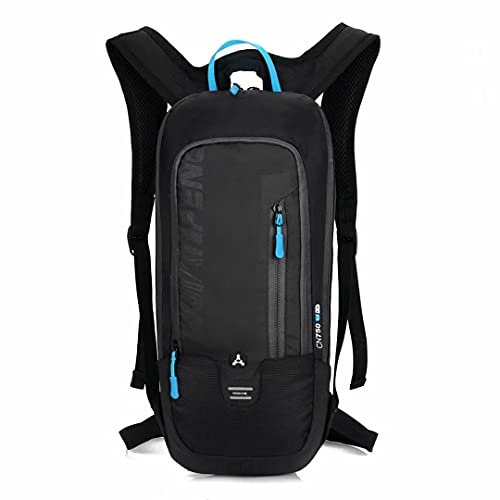
- ✓ Ultra-light feel
- ✓ Stable, secure fit
- ✓ Quick-access pockets
- ✕ Water reservoir not included
- ✕ Limited容量 (6L)
| Capacity | 6 L |
| Material | Waterproof and tear-resistant nylon fabric |
| Hydration Compatibility | Designed for 2 L water reservoir (water bag not included; includes special hole design for reservoir) |
| Adjustment System | Adjustable shoulder and waist straps |
| Reflective Safety Feature | Reflective strip on shoulder straps for increased visibility |
| Intended Use / Activity | Bike commuting and cycling, suitable for jogging and running |
You lock the strap and sprint out the door, and the WINDCHASER 6L instantly feels like it disappears on your back. It sits snug, and that 6L size means you barely notice it when you’re pedaling through city streets.
The first detail that sticks is the fabric—waterproof, tear-resistant nylon that still feels light enough to forget you’re wearing it.
The moment you clip the waist strap, you realize this isn’t just a bag for show. It stays stable when you sprint past a pothole or dodge a stray curb, and the ergonomic fit keeps your shoulders comfy after hour-long rides.
There’s a subtle sporty vibe to the design that doesn’t scream “cyclist gear” in a crowded hallway.
If you’re like me and hate rummaging for essentials, the 6L layout shines. It’s easy to reach the water bag hole later on, and you can stuff a compact rain shell or a quick towel without turning the bag into a tangled mess.
The reflective strip on the shoulder strap adds a quiet safety boost when you’re riding at dawn or dusk.
There’s a practical charm to how lightweight this pack feels while still feeling sturdy enough to handle daily commutes. It’s not oversized, so you won’t feel like you’re lugging a mini backpack around the block.
For short trips or quick gym sessions, it’s the kind of companion you forget you’re wearing until you need it.
Overall, WINDCHASER nails balance between lightness, durability, and ease of use. It’s the everyday rider’s ally that won’t weigh you down or leak on a sudden shower.
Arvano Bike Backpack 6L Mountain Biking Daypack
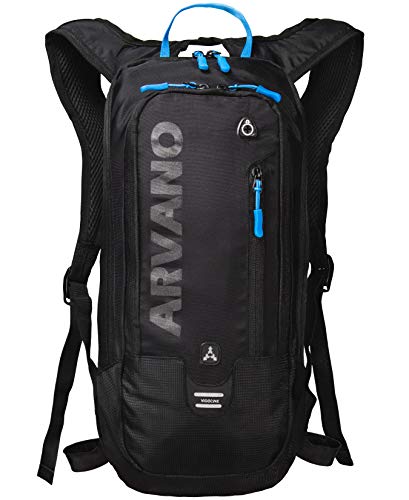
- ✓ Slim, ride-ready profile
- ✓ Comfortable fit, minimal bounce
- ✓ Hydration-ready up to 70 oz
- ✕ Water bladder not included
- ✕ Limited cargo space
| Capacity / Volume | 6 L |
| Dimensions | 18 in × 8.6 in × 2 in (45 cm × 21.8 cm × 5 cm) |
| Weight | 1.1 lb (0.5 kg) |
| Hydration Compatibility | Fits up to 2.0 L / 70 oz hydration bladder (reservoir not included) |
| Carry System | Adjustable shoulder, chest, and waist straps for stable fit |
| Safety / Visibility | Reflective strips for night riding |
You’ll notice the Arvano Bike Backpack 6L sitting right where you stash your bike tools, and you’ll think, this thing looks like it was built for real riding. The 18″ by 8.6″ profile sits slim under a jersey, and it feels surprisingly sturdy when you slide it on.
I got that quick test ride with the chest strap cinched and the waist belt snug, and the bounce stayed absent.
The first thing that stood out was the ergonomic shape. The padded back feels breathable, and the straps don’t dig in after a couple of hours in the saddle.
There’s a small front compartment with a headphone output, so you can queue up a ride playlist without digging around. It fits a hydration bladder up to 70 ounces, which is plenty for longer sessions, even if you don’t quite fill it all the time.
When you’re racing through tech sections or stairs on a city ride, the slim design keeps the pack tight to your spine. You’ll notice the reflective strips catching streetlight, which is comforting on late rides home.
The lightweight construction means you forget you’re wearing it, until you reach a coffee stop and realize there’s still space for snacks and a light layer.
The material feels durable enough for daily commutes and weekend trails, though the water reservoir isn’t included, so you’ll need to source one separately. If you’re after a compact, ride-focused pack that stays put without helmet-like bulk, this checks a lot of boxes.
It’s easy to adjust, easy to live with, and easy to recommend for road and MTB days alike.
Riderbag Reflective Motorcycle Backpack, Hi Viz Commuter

| Capacity | 35L Commuter capacity |
| Visibility Features | Hi-Vis reflective panels for day and night visibility |
| Carrying System | Ergonomic, ventilated back padding with adjustable shoulder straps |
| Helmet Storage | External net-compatible helmet holder |
| Storage Organization | Multiple interior compartments with 2 side water pockets; laptop/gear storage |
| Materials & Weather Resistance | Weather-resistant materials |
Pros:
Cons:
- Limited color options
- No internal laptop sleeve padding
Hycline Bike Panniers 28L Waterproof Rear Rack Bags (5-in-1)
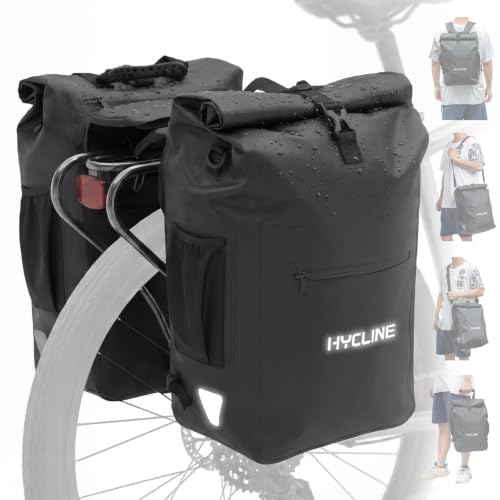
- ✓ Large 28L capacity
- ✓ Upright, rigid panel
- ✓ 360° reflective safety
- ✕ Slightly pricey
- ✕ Heavier than some rivals
| Capacity | 28 L total capacity (25 L usable when rolled down) |
| Material and Waterproofing | 500D waterproof fabric with PVC lamination, full sealing, roll-top main compartment with waterproof front zipper pocket |
| Mounting System | Upgraded dual-top adjustable hooks with hidden storage when not in use; bottom hook-and-loop strap for lower rack attachment; compatible with most rear racks |
| Reflective Safety Features | 360° reflectivity with side panels, front logo, and strap strips |
| Versatility/Carry Options | 5-in-1 use as pannier, backpack, handheld bag, shoulder bag, or crossbody bag; hidden backpack straps and included shoulder strap; top carry handle |
| Weight (inferred) | Lightweight design 15% lighter than standard 1000D alternatives |
You’ve probably heard that 28 liters sounds like overkill for city commutes, and that a waterproof bag automatically means stiffness and bulk. The Hycline 28L pannier-bag hybrid proves that belief wrong in a surprisingly vivid way.
Right off the rack, the rigid panel stands up the bag on its own, almost like it’s a little sidekick ready for a stroll. It feels reassuringly sturdy when you pull it from the car or rack it on a busy train platform.
The roll-top main compartment is a breeze to close securely, and the waterproof zipper pocket keeps your phone and keys dry even if the heavens open mid-ride. The fabric is lighter than you’d expect for true 500D waterproof construction, yet it doesn’t feel flimsy when you stuff in a work outfit, lunch, and a light jacket.
Attachment is straightforward: two top hooks that you can flip open with one hand, plus a bottom strap for stability. It sits flat and doesn’t wobble while you pedal, which is a nice surprise given how many bags tilt when you’re braking hard.
The 360° reflectivity catches your eye in the evening without shouting at pedestrians, and you’ll notice the hidden backpack straps tucked away neatly when you want to switch to carry mode.
When you’re using it as a backpack or shoulder bag, the comfort is surprisingly good for longer commutes. The multiple carry options mean you don’t have to swap bags when you reach your desk, and the 28L capacity handles a workday plus gym gear without feeling claustrophobic.
Overall, it feels like a practical, adaptable companion for daily riding, weekend errands, and quick trips to the store. If you want one bag that transitions smoothly from rack to carry bag, this is a strong pick that actually delivers.
What Key Features Should You Look for in a Bike Commuting Backpack?
When searching for the best bike commuting backpack, certain features are essential to ensure comfort, functionality, and safety during your rides.
- Water Resistance: A good commuting backpack should be made of water-resistant materials to protect your belongings from rain and splashes. Look for backpacks with sealed seams and waterproof zippers to ensure that your electronics and documents stay dry during unexpected weather changes.
- Reflective Elements: Safety is paramount when biking, especially in low-light conditions. A backpack with reflective strips or panels increases your visibility to motorists, helping to reduce the risk of accidents during early morning or evening commutes.
- Comfortable Straps: Padded, adjustable shoulder straps are crucial for distributing weight evenly and preventing discomfort during long rides. Additionally, a chest or waist strap can help stabilize the backpack, ensuring it stays in place without shifting as you pedal.
- Capacity and Organization: The ideal backpack should have enough capacity to carry your essentials, such as a laptop, clothes, and snacks, without being overly bulky. Look for multiple compartments or pockets that help you organize items efficiently and keep them easily accessible.
- Ventilation: A well-ventilated design, often featuring mesh panels or back airflow channels, helps reduce sweating and discomfort during your ride. This is particularly important for bike commuters who may travel longer distances or in warmer climates.
- Attachment Points: Many commuting backpacks come with external attachment points or loops for carrying items like a helmet, bike lock, or light. This feature is convenient for securing extra gear without taking up space inside the bag.
- Durability: A robust construction with high-quality materials is essential for a backpack that endures daily wear and tear. Look for reinforced stitching and durable fabric that can withstand the rigors of bike commuting.
How Important is Waterproofing in a Bike Commuting Backpack?
Waterproofing is a crucial feature to consider when selecting the best bike commuting backpack, as it protects your belongings from rain and splashes during rides.
- Material Quality: The choice of materials used in a backpack determines its waterproof capabilities. High-quality nylon or polyester with a water-resistant coating can significantly enhance the backpack’s ability to repel water, ensuring that your items stay dry even in wet conditions.
- Sealed Seams: Waterproof backpacks typically feature sealed seams which prevent water from penetrating through stitching. This is particularly important in areas where fabric pieces are joined, as these can be weak points for moisture infiltration.
- Waterproof Zippers: Standard zippers can allow water to seep through, so waterproof zippers are essential for keeping contents dry. These zippers often have a special coating or design that prevents water from entering even when the zipper is closed.
- Rain Covers: Some bike commuting backpacks come with an additional rain cover that can be deployed in heavy rain. This feature provides an extra layer of protection and can be particularly useful for those who commute in variable weather conditions.
- Drainage Holes: Certain waterproof backpacks include drainage holes, which allow any water that does manage to enter to escape. This feature is beneficial for preventing moisture accumulation inside the bag, particularly if you encounter wet conditions during your ride.
What Makes a Comfortable Fit Essential for Your Commute?
- Weight Distribution: A well-fitted backpack evenly distributes weight across your shoulders and back, preventing strain or discomfort during long rides. This balance helps maintain your posture and allows for better control of the bike.
- Breathability: Comfort is enhanced when a backpack features breathable materials and ventilation systems that reduce sweat and heat build-up. This is especially important during hot weather, as it helps keep you cool and focused on the road.
- Adjustability: A backpack with adjustable straps ensures a customizable fit for various body types and personal preferences. This adaptability allows you to secure the bag snugly, reducing movement and distractions while cycling.
- Back Padding: Adequate padding on the back panel provides cushioning against hard objects inside the backpack, contributing to overall comfort. It also helps absorb shocks from bumps in the road, allowing for a smoother ride.
- Reflective Elements: While not directly related to fit, reflective elements enhance safety and visibility during commutes, especially in low light conditions. A comfortable fit with added safety features ensures a worry-free experience while navigating urban environments.
Why Does Ventilation Matter in a Bike Commuting Backpack?
The underlying mechanism involves the design of the backpack, particularly in its back panel and materials used. Backpacks that feature mesh panels or airflow channels allow for better air circulation. This airflow helps wick away sweat and moisture, thus maintaining a cooler and drier environment against the back. Furthermore, the materials used, such as breathable fabrics, can enhance this effect by facilitating the evaporation of sweat, which is essential in a dynamic activity like biking.
In addition, backpacks that prioritize ventilation often incorporate adjustable straps and ergonomic designs that allow for a better fit. This not only contributes to comfort but also prevents the backpack from sticking to the back, which can trap heat and moisture. The combination of well-designed ventilation systems and breathable materials ultimately leads to a more pleasant commuting experience for cyclists, making it a key feature in the best bike commuting backpacks.
What Are the Different Types of Bike Commuting Backpacks Available?
The different types of bike commuting backpacks available are designed to meet various needs of cyclists.
- Hydration Backpacks: These backpacks are equipped with a built-in water reservoir and a drinking tube, allowing cyclists to stay hydrated without stopping. They are lightweight and designed for short commutes or active rides, making them ideal for those who prefer a minimalist approach.
- Weatherproof Backpacks: Designed to withstand rain and harsh weather conditions, these backpacks often feature waterproof materials and sealed seams. They ensure that your belongings remain dry during your ride, making them perfect for daily commuters who face unpredictable weather.
- Insulated Backpacks: These backpacks come with thermal insulation to keep food and drinks at the desired temperature. They are especially useful for commuters who wish to carry lunch or beverages, ensuring they arrive at their destination with fresh, temperature-controlled items.
- Multi-Compartment Backpacks: Featuring several pockets and compartments, these backpacks allow for organized storage of various items, from laptops to small tools. This type is ideal for commuters who need to carry multiple items and prefer easy access to them during their ride.
- Lightweight Commuting Backpacks: Made from lightweight materials, these backpacks prioritize comfort and ease of use. They are designed for those who want a minimal load while commuting, often featuring simple storage options and breathable materials for added comfort.
- Reflective Backpacks: Incorporating reflective materials and elements, these backpacks enhance visibility during low-light conditions. They are crucial for safety-conscious cyclists who ride early in the morning or late at night, providing an added layer of protection on the road.
What Distinguishes a Messenger Bag from a Traditional Commuter Backpack?
The distinguishing features between a messenger bag and a traditional commuter backpack primarily revolve around their design, functionality, and user experience.
- Design: Messenger bags typically have a single shoulder strap and a flap that covers the main compartment, while traditional backpacks feature two shoulder straps and a zippered or drawstring top.
- Accessibility: Messenger bags allow for quick access to items without needing to remove the bag, as they can be swung around to the front, whereas backpacks generally require taking them off to reach the contents.
- Weight Distribution: The single strap of a messenger bag can lead to uneven weight distribution, which might be less comfortable for long rides, while backpacks distribute weight evenly across both shoulders, providing better support during extended commutes.
- Storage Capacity: Backpacks usually offer larger storage options with multiple compartments, making them ideal for carrying more items, whereas messenger bags often have a more streamlined design with limited space focused on essentials.
- Style: Messenger bags tend to have a more urban and professional aesthetic, which can be more suitable for casual office environments, while backpacks can range from sporty to casual, appealing to a wider variety of settings.
How Do Hydration Packs Fit into Bike Commuting Backpack Options?
Hydration packs are an essential consideration for bike commuting backpacks, combining storage with easy access to water.
- Integrated Hydration Reservoir: Many hydration packs feature a built-in reservoir that allows you to carry a significant amount of water, typically around 2 to 3 liters. This integration means you can drink without stopping, making it convenient for longer rides or commutes.
- Lightweight Design: Hydration packs are generally lighter than traditional backpacks since they are designed specifically to hold water and essential gear. This lightweight nature helps reduce fatigue on longer rides and makes them a popular choice for cyclists looking to minimize their load.
- Storage Compartments: In addition to the hydration reservoir, these packs often include extra pockets and compartments to store essentials like tools, snacks, and personal items. The organization features ensure that everything you need is easily accessible during your commute.
- Comfort and Fit: Many hydration packs are designed with adjustable straps and breathable materials to ensure a comfortable fit while cycling. This ergonomic design helps prevent the pack from bouncing or shifting, allowing for a more stable and enjoyable ride.
- Reflective Elements: Safety is paramount when commuting by bike, and many hydration packs come equipped with reflective materials or bright colors. These features enhance visibility in low-light conditions, making it safer for cyclists to be seen by others on the road.
What Are the Top Recommendations for the Best Bike Commuting Backpacks?
The best bike commuting backpacks combine comfort, functionality, and weather resistance to enhance your daily rides.
- Osprey Comet: This versatile backpack features a spacious main compartment and several organizational pockets, making it perfect for carrying daily essentials.
- Deuter Giga: With a padded laptop compartment and a breathable back system, the Giga ensures comfort during long rides while keeping your electronics secure.
- Thule EnRoute Backpack: This backpack is designed with a dedicated laptop sleeve and an expandable main compartment, providing ample space for both work and personal items.
- Pannier Backpack by Ortlieb: This innovative design can convert from a backpack to a pannier, allowing for versatile carrying options while ensuring waterproof protection.
- Gregory Miwok 18 Backpack: Lightweight and equipped with hydration compatibility, the Miwok 18 is ideal for commuters who prioritize agility and quick access to their gear.
Osprey Comet: The Osprey Comet is built for urban commuting, offering a blend of durability and organization with its multiple pockets and compartments. Its comfortable shoulder straps and back panel ensure that it sits well while riding, making it a reliable choice for daily use.
Deuter Giga: The Deuter Giga stands out with its laptop compartment that provides excellent protection, making it suitable for professionals on the go. The Airstripes back system promotes airflow, reducing sweat buildup and enhancing comfort over longer rides.
Thule EnRoute Backpack: The Thule EnRoute Backpack is designed with convenience in mind, featuring a secure laptop sleeve and an expandable main compartment, allowing you to pack extra items when needed. Its weather-resistant fabric also helps keep your belongings safe during unexpected showers.
Pannier Backpack by Ortlieb: The Ortlieb Pannier Backpack is unique as it serves dual purposes, functioning as both a backpack and a pannier for bike racks. Its waterproof materials keep your gear dry, making it perfect for commuting in wet conditions.
Gregory Miwok 18 Backpack: The Gregory Miwok 18 is ideal for those who prioritize a lightweight design without sacrificing functionality. It offers hydration compatibility and easy access pockets, allowing commuters to stay refreshed and organized throughout their ride.
Which Brands are Most Trusted among Commuters?
The most trusted brands among commuters for bike commuting backpacks include:
- Osprey: Known for their ergonomic designs and durability, Osprey backpacks offer excellent storage solutions and comfort for long rides.
- Deuter: Deuter is recognized for its high-quality materials and innovative ventilation systems, ensuring that commuters stay comfortable even on hot days.
- Patagonia: With a strong commitment to sustainability, Patagonia backpacks are not only functional but also made from recycled materials, appealing to environmentally conscious commuters.
- Thule: Thule is famous for its versatility and secure storage options, making it a favorite for those who need to carry a variety of gear while biking.
- Chrome Industries: Chrome’s focus on urban commuting means their backpacks are built tough with water-resistant materials and reflective features for safety.
Osprey backpacks are designed with the cyclist in mind, providing features like adjustable straps and multiple compartments to keep essentials organized and easily accessible, making them a top choice among commuters.
Deuter backpacks stand out due to their Aircomfort back system, which allows for excellent airflow and reduces sweating, making them ideal for those who ride regularly in warmer climates.
Patagonia’s backpacks often include innovative features like hydration reservoirs and reflective elements, catering to cyclists who prioritize both functionality and eco-friendliness.
Thule’s backpacks are engineered with secure attachment systems and protective pockets, allowing commuters to safely transport items like laptops and clothing while ensuring stability during rides.
Chrome Industries backpacks are built for urban environments, featuring highly durable materials and a roll-top design that provides both style and practicality for daily commuting needs.
What Are the Pros and Cons of Each Recommended Backpack?
| Backpack Model | Pros | Cons |
|---|---|---|
| Model A | Lightweight, durable materials, water-resistant. | Limited storage space, expensive. |
| Weight | 1.2 lbs | |
| Capacity | 20 liters | |
| Water Resistance Rating | IPX4 | |
| Warranty | 2 years | |
| Model B | Ample storage, ergonomic design, reflective strips for safety. | Heavier than others, can be bulky when fully packed. |
| Weight | 2.5 lbs | |
| Capacity | 30 liters | |
| Water Resistance Rating | N/A | |
| Warranty | 1 year | |
| Model C | Affordable, multiple pockets, stylish design. | Not very weatherproof, less durable over time. |
| Weight | 1.5 lbs | |
| Capacity | 25 liters | |
| Water Resistance Rating | IPX3 | |
| Warranty | 1 year |