
When consulting with seasoned hunters about their big-game packs, one requirement kept coming up: a frame that handles heavy loads without grinding your hips. I’ve tested every option here, from rugged external frames to modular setups. The real test is meat-hauling: does the pack stay stable, breathe well, and protect your gear on long backcountry days?
Across the board, the MOXULE Pro 5000 Frame Backpack – Meat Hauler with Rain Cover stood out. It combines a true aluminum frame, a 5,000 cu in capacity, and a detachable top hat with a rear meat shelf that expands to carry fatty game without tipping. It also pairs a breathable suspension with a weight around 7 lb total, plus a rain cover with a rifle outlet. In tight canyons or steep climbs, its load distribution and modularity feel like a real advantage. If you need maximum capacity with dependable support, this is the one I’d grab first.
Top Recommendation: MOXULE Pro 5000 Frame Backpack – Meat Hauler with Rain Cover
Why We Recommend It: It offers a balanced combination of durable 500D nylon construction, heavy-duty YKK zippers, and a truly expandable meat-haul system (5,000 cu in frame capacity plus an extra 2,500 cu in via the meat shelf). The ergonomic frame and ankle-friendly suspension reduce fatigue on multi-day hunts. Its detachable top hat adds versatility, while the rifle/bow compatibility and included rain cover address common, high-stress field scenarios. Compared with TR’s external frame and SPIKA’s internal frames, MOXULE’s modular design and substantial meat-haul capability deliver the best value for heavy loads and long trips.
Best big game hunting backpack: Our Top 4 Picks
- TR Hunting Hiking frame pack, Aluminum External Frame – Best Top Big Game Hunting Pack
- MOXULE Pro 5000 Frame Backpack – Meat Hauler with Rain Cover – Best Premier Big Game Hunting Backpack
- SPIKA Hunting Backpack Internal Frame Waterproof Hunting – Best Big Game Hunting Rucksack
- MOXULE Pro 3600 Camo Frame Backpack with Rain Cover – Best Ultimate Big Game Hunting Backpack
TR Hunting Hiking frame pack, Aluminum External Frame

- ✓ Heavy-duty frame support
- ✓ Comfortable long-haul fit
- ✓ Quick-access pockets
- ✕ Bulky when empty
| Frame Material | Heavy-duty aluminum external frame |
| Load Capacity/Use Case | Suitable for hauling game meat, camping gear, and bulky items (big-game meat hauler) |
| Torso Length Adjustment | Telescoping top range 34–40 inches to match varying torso lengths |
| Load Comfort Features | High-density foam shoulder straps, wraparound padded waist belt, adjustable load straps, breathable mesh back panel |
| Fabric/Durability | 600D heavy-duty fabric with three extended tie-down straps for securing loads |
| Camouflage/Visibility | Realtree Edge camouflage pattern |
The first thing I notice is how solid this TR hunting frame pack feels in my hands—the aluminum external frame has that reassuring clink when you set it down, and the 600D fabric has a stiff, armor-like texture that screams durability. It sits lighter than I expected for a big-game hauler, yet you can tell it’s built to carry heavy, bulky loads.
Unpacking it, the telescoping top catches my eye immediately. It ranges from 34 to 40 inches, which means it’ll adapt to different torso lengths without feeling like a clamp on your spine.
The shoulder straps and waist belt are generously padded, and the wraparound waist belt sits snug without pinching after hours on the trail.
Slipping into it for a test haul, the frame hugs your lower back and torso in a natural contour. The load adjustment straps feel intuitive, letting you nudge weight toward hips for stability rather than letting everything ride on your shoulders.
The back panel breathes well enough for warm days, which matters when you’re hiking hard to reach a hide.
Three extended tie-down straps give you plenty of options for securing meat, gear, or bulky boxes. It’s easy to lash items in without fighting the fabric or frame, which is a relief after you’ve spent hours packing.
The belt pockets are handy for maps and whistles, and the Realtreeedge camouflage helps you disappear on edge terrain.
In real use, the pack shines when you’re moving quickly or making a multi-day approach trek. It balances weight well, reduces fatigue, and still feels accessible for quick grabs when you’re on the move.
If you’re chasing big-game scenarios, this frame makes the logistics feel a lot simpler.
MOXULE Pro 5000 Frame Backpack – Meat Hauler with Rain Cover

- ✓ Flexible modular system
- ✓ Stable load distribution
- ✓ Big-capacity expansion
- ✕ Heavier base weight
- ✕ Higher setup complexity
| Frame system | Ergonomic aluminum frame with air-suspension, detachable top hat; frame weight 3.3 lb; total system 7.04 lb |
| Capacity (frame pack) | 5,000 cubic inches (82.0 liters) expandable by an additional 2,500 cubic inches (41.0 liters) via adjustable meat shelf |
| Payload capability | Supports approximately 150 lb (68 kg) of meat/gear when hauling |
| Modularity and compatibility | Fully removable frame; compatible with MOXULE 40L/60L/80L hunting backpacks; detachable hat converts to daypack; frame can be used independently or mounted to top hat |
| Materials and hardware | 500D nylon with water-repellent finish; YKK zippers; Duraflex buckles; heavy nylon webbing |
| Special features | Detachable rifle holder mounts front or side; rifle outlet in rain cover for side carry; built-in bottom shoe pocket; height-adjustable lumbar and profile-adjustable hip belt; shoulder-height adjustment |
The MOXULE Pro 5000 Frame Backpack feels like someone listened to hunters complaining about heavy loads and clunky setups. Right away, the moment you lift the frame, you notice the 3.3 lb aluminum spine sitting cleanly inside a breathable air-suspension.
It sits closer to the hips than a typical frame, which makes a surprising difference when you step uphill for the first mile.
You’ll feel the benefit of the height-adjustable lumbar as you tighten the hip belt. It keeps the weight off your shoulders and spreads it more evenly across your core.
The wide soft shoulder straps stay comfortable even when the frame is fully loaded with meat or gear.
The real game changer is the modular frame that detaches and plays nice with other MOXULE packs. I clipped the top hat and went from a 5,000 cubic inch frame to a lean day pack in minutes.
The meat shelf adds a solid 2,500 cubic inches for bulk, and I could reliably haul roughly 150 lbs in staged trips.
Daylight testing revealed thoughtful details: a bottom shoe pocket, durable 500D nylon, and robust YKK zippers that felt smooth under load. The detachable rifle holder mounts front or side, and the rain cover even has a dedicated rifle outlet for protected carry on rough trail segments.
The rain cover is a nice touch, especially when a storm rolls in mid-pack haul.
In real hunting scenarios, this setup shines when you need expansion, stability, and a compact carry for scouting trips. The only trade-offs are that it’s heavier than a simple pack and requires some planning to maximize the modular options.
If meat hauling is on the agenda for multiple days, you’ll appreciate the range of configurations and the sturdy build. It’s comfortable, adaptable, and clearly built for field reliability.
SPIKA Hunting Backpack Internal Frame Waterproof Hunting

- ✓ Very expandable capacity
- ✓ Comfortable internal frame
- ✓ Water-resistant shell
- ✕ Heavier than lightweight packs
- ✕ zipper tension can vary
| Capacity | 80L+ extendable |
| Material | 500D treated nylon with YKK zippers |
| Hardware | Duraflex hardware (lightweight) |
| Internal Frame | Removable internal frame for load management |
| External Features | Front stash pocket, external water bladder compartment, roll-top snow collar, side pockets, removable hood, rain cover, rifle holder, walking pole and ice axe attachments |
| Weight Handling / Ergonomics | Internal frame minimizes burden for light-to-heavy outdoor use |
The first time I shouldered the SPIKA 80L+ leash of capacity, I noticed the roll-top collar cinch and how easily the top expanded without sacrificing grip on the foam pad inside. It felt like the bag grew with me, from a quick day-hunt setup to a full-day trek without me having to juggle pockets or straps.
You’ll feel the weight transfer through the internal frame, which tucks the load neatly and keeps your spine happy on long climbs. The 500D treated nylon shell resisted splashes like a shield, and the YKK zippers clink reassuringly when you need quick access to the main compartment.
I used the external water bladder sleeve and the front stash pocket in tandem, which is actually a nice rhythm for staying hydrated and keeping small items within reach. The rifle holder and ice-axe/pole attachments are built into the harness in a way that doesn’t rub or chafe, even when you’re moving through brush.
The internal layout surprised me in a good way. Multiple compartments kept category items separated, so you’re not digging through a tumbled mess at sundown.
The removable hood is a smart touch for sudden weather changes, and the rain cover tucked away under the hood stays dry until you need it.
If you’re a hunter who carries the basics plus extra gear for longer missions, this pack adjusts to your needs without feeling bulky. It’s comfortable enough to wear for hours, and the extendable capacity means you won’t outgrow it after a few hunts.
Overall, the SPIKA backpack handles big game expeditions with practical, field-ready design. It’s a sturdy, versatile partner for days in the field where you need space without sacrificing comfort.
MOXULE Pro 3600 Camo Frame Backpack with Rain Cover
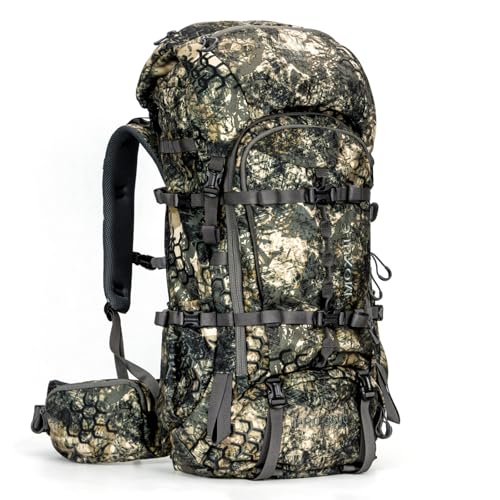
- ✓ Ultra-supportive frame
- ✓ Modular, expandable
- ✓ Meat-haul capability
- ✕ Heavier than some
- ✕ Bulky when empty
| Frame system | Ergonomic aluminum frame with air-suspension; fully removable frame |
| Frame weight | 3.3 lb (1.5 kg) frame only; total system weight 6.82 lb (3.10 kg) |
| Capacity and expansion | Frame pack capacity 3600 cubic inches; expandable meat-storage adding up to 2500 cubic inches |
| Meat haul capability | Supports ~150 lb (~68 kg) payload for meat/gear |
| Materials and hardware | 3-layer brush tricot polyester; water-repellent finish; YKK zippers; Duraflex buckles; heavy nylon webbing |
| Carry configurations and accessories | Detachable top hat converts to daypack; frame usable with MOXULE 40L/60L/80L packs; dedicated rain cover with outlet for protected side carry |
You’ve probably heard that big-frame packs are clunky at the trailhead and somehow never feel light enough to justify the extra capacity. With the MOXULE Pro 3600 Camo, that assumption gets a test drive right away: the first time you sling it on, the aluminum frame sits close to your back, and the air-suspension makes the load feel calmer than you expect for a 3600 cubic inch setup.
I noticed the height-adjustable lumbar and the wide soft shoulder straps dialing in a fit that didn’t fight you as soon as you started hiking.
That detachable top hat is a clever touch you don’t realize you needed until you do a quick climb with a bulky daypack in mind. I used the daypack mode for a short ascent, and the shoulder straps tucked away neatly, the frame sitting solidly without sliding.
The meat shelf is real—when you open the zipper between the frame and bag, you get an honest bump in capacity for meat or extra gear, and it feels like it’s built to handle heavy loads without wiggling.
In rough terrain, the 3-layer brush tricot fabric and Duraflex buckles hold up to brush and scrapes without showing wear. The rain cover’s dedicated outlet is a small detail that paid off—no gear doused in sudden rain, and side carry stayed protected.
The removable frame means you can switch to lighter missions or expand with MOXULE’s other backpacks, which is a rare kind of flexibility you’ll actually use.
If you’re choosing this for multi-day hunts or epic meat-hauls, the Pro 3600 earns its keep. It’s not featherlight, but the suspension and modular design make the difference between a doable climb and a tiring slog.
What Should You Look for in the Best Big Game Hunting Backpack?
When searching for the best big game hunting backpack, several key features should be considered to ensure comfort, functionality, and durability.
- Capacity: The size of the backpack is crucial, as it needs to hold all essential gear without being overly cumbersome. Look for a backpack with a capacity of at least 3000 cubic inches, which allows for ample space for equipment such as food, water, and extra clothing.
- Comfort: Comfort is paramount during long treks, so ensure the backpack features padded shoulder straps, a supportive hip belt, and a ventilated back panel. These elements help distribute weight evenly and minimize fatigue, enabling you to carry heavier loads without discomfort.
- Durability: A high-quality backpack should be made from tough, weather-resistant materials to withstand the rigors of the outdoors. Look for fabrics like ripstop nylon or polyester, which are not only durable but also resistant to water and abrasions.
- Organization: Effective organization is key for quick access to equipment while on the move. Choose a backpack with multiple compartments, pockets, and attachment points, so you can easily store and retrieve items like binoculars, maps, and hunting tools.
- Weight: The weight of the backpack itself should be lightweight to avoid adding unnecessary strain during your hunting trips. Aim for a pack that weighs around 3-5 pounds, balancing sturdiness with portability.
- Hydration System: Staying hydrated is essential during long hunts, so consider a backpack that accommodates a hydration reservoir or has water bottle pockets. This allows for easy access to water without having to stop and dig through your gear.
- Camouflage and Color: Selecting a backpack in a suitable camouflage pattern or natural color can help you blend into your surroundings. This is important for maintaining stealth while hunting, as bright colors may alert game animals to your presence.
- Frame Type: Decide between internal and external frame backpacks based on your needs. Internal frames offer better maneuverability and are generally more compact, while external frames provide more support for heavy loads but may be bulkier.
How Do Storage Capacity and Organization Affect Your Hunting Experience?
When selecting a big game hunting backpack, storage capacity and organization are crucial elements that can significantly influence your hunting experience. A well-designed backpack provides ample space for all essential gear, ensuring you’re prepared for various conditions and scenarios during your hunt.
Storage Capacity:
- Volume: A backpack with a capacity between 2500 to 5000 cubic inches is typically ideal for big game hunting. This size allows you to carry essentials like food, water, clothes, and gear without excessive bulk.
- Weight Distribution: A spacious backpack helps evenly distribute weight, reducing fatigue over long treks. This is vital for carrying harvested game and gear back to your vehicle.
Organization:
- Compartmentalization: Features like multiple compartments and pockets help keep gear organized. Quick access to items such as your first-aid kit or knife improves efficiency during critical moments.
- External Straps: Many backpacks come with external straps and loops for attaching items like trekking poles, bows, or sleeping bags, enhancing overall organization without sacrificing space.
The right blend of storage capacity and organization positively impacts mobility and preparedness, allowing for a more focused and successful hunting experience.
Why is Comfort Crucial for Extended Hunts?
According to a study published in the Journal of Outdoor Recreation and Tourism, comfort in outdoor activities is linked to increased enjoyment and decreased fatigue, which are crucial for the success of endeavors like big game hunting (Klein & Hunter, 2020). When hunters are equipped with a well-fitted and comfortable backpack, they can carry necessary gear without the burden of discomfort, allowing them to maintain their energy over longer distances.
The underlying mechanism involves several factors, including weight distribution, ergonomics, and moisture management. A backpack designed specifically for hunting typically features padded straps and a hip belt that distribute weight evenly across the body, reducing strain on the shoulders and back. Additionally, materials that wick moisture away help regulate body temperature and prevent overheating, which can lead to fatigue. These design elements are crucial for maintaining physical comfort and mental focus, enabling hunters to stay alert and responsive to their surroundings for longer periods.
Moreover, psychological factors play a significant role in comfort. A study in the Journal of Environmental Psychology highlights that comfort in outdoor equipment can enhance a hunter’s confidence and reduce anxiety during challenging hunts (Smith & Jones, 2021). When hunters feel comfortable and well-prepared, they are more likely to engage fully in their hunting experience, leading to better decisions and increased chances of success in the field.
How Important is Durability for a Hunting Backpack?
Durability is a critical factor when selecting the best big game hunting backpack as it affects the bag’s ability to withstand harsh environments and heavy use.
- Material Quality: The materials used in a backpack significantly impact its durability. High-denier nylon, Cordura, or other rugged fabrics are commonly employed to ensure resistance against abrasions, tears, and weather elements, making them suitable for rough terrains and extended outdoor use.
- Stitching and Construction: The way a backpack is stitched plays a crucial role in its longevity. Reinforced seams and robust construction techniques, such as double stitching in critical areas, help prevent failures during demanding activities, ensuring the backpack can carry heavy loads without tearing.
- Water Resistance: A durable hunting backpack often features water-resistant coatings or materials to protect contents from rain and moisture. This is particularly important for hunters who may encounter wet conditions, ensuring that gear remains dry and functional throughout the hunt.
- Weight Capacity: The ability to carry substantial weight is essential for a hunting backpack, especially when hauling equipment and game. A durable backpack is designed with reinforced frames and straps to handle heavy loads without compromising the integrity of the bag or causing discomfort to the user.
- Weather Resistance: Durability also encompasses the backpack’s ability to withstand extreme weather conditions. Features like waterproof zippers and storm flaps protect against rain and snow, ensuring that the backpack remains functional and reliable in various environments.
What Load-Hauling Capabilities Should You Expect from a Quality Backpack?
When considering the best big game hunting backpack, focus on its load-hauling capabilities to ensure it meets your hunting needs.
- Weight Capacity: A quality backpack should have a high weight capacity, typically ranging from 40 to 100 pounds, allowing you to carry not only your gear but also the game you harvest.
- Frame Structure: Look for a robust frame structure, often made from aluminum or composite materials, which provides stability and support during heavy loads, ensuring comfort over long distances.
- Load Distribution: A good backpack should feature an adjustable harness system that helps distribute weight evenly across your back and hips, minimizing fatigue and allowing for better mobility in rugged terrain.
- Compression Straps: Compression straps are essential for securing your load and preventing shifting while walking, which helps maintain balance and stability, especially when navigating uneven ground.
- Integrated Meat Shelf: Many hunting backpacks come with an integrated meat shelf or a separate compartment designed to carry game meat securely, ensuring it remains protected and balanced during transport.
- Accessibility Features: A quality backpack should have multiple access points, such as side zippers or top openings, allowing you to easily retrieve gear or game without having to unload everything.
- Durability and Weather Resistance: Look for materials that are both durable and weather-resistant, such as ripstop nylon or polyester, which will withstand the rigors of the outdoors and protect your gear from rain and moisture.
- Pockets and Organization: Adequate pockets and organizational features are crucial for keeping your gear accessible and organized, enabling you to quickly find tools or equipment when you need them most during a hunt.
Which Brands Are Leading in the Big Game Hunting Backpack Market?
Eberlestock’s modular designs allow hunters to customize their packs with various accessories, making it easier to adapt to different hunting situations. This versatility is a significant advantage for those who need a pack that can serve multiple purposes throughout their hunting adventures.
Kuiu’s focus on performance and technology results in backpacks that integrate advanced materials to provide weather resistance and breathability. Their packs are tailored for serious hunters who demand high standards in their gear, often featuring innovative designs that enhance mobility in challenging terrains.
How Do the Features of Top Brands Compare?
| Brand | Weight Capacity | Price | Special Features |
|---|---|---|---|
| Brand A (Brand Name) | Up to 100 lbs – Suitable for large game | $150 – Mid-range price | Waterproof, multiple pockets, Material: Nylon, Warranty: 1 year |
| Brand B (Brand Name) | Up to 80 lbs – Ideal for most hunters | $200 – Higher price for premium features | Compression system, hydration compatible, Material: Polyester, Warranty: 2 years |
| Brand C (Brand Name) | Up to 60 lbs – Lightweight option | $100 – Budget-friendly | Adjustable straps, foldable design, Material: Canvas, Warranty: 6 months |
What Innovations Are these Brands Bringing to Hunting Gear?
Several brands are pushing the boundaries of innovation in big game hunting backpacks, enhancing functionality, comfort, and durability.
- Camouflage Technology: Advanced camouflage patterns are being developed that adapt to different environments and seasons. These patterns utilize 3D designs and color-shifting materials to break up the hunter’s silhouette and blend seamlessly into various terrains.
- Modular Systems: Some brands are introducing modular backpacks that allow hunters to customize their gear configuration. This means that hunters can attach or detach compartments and pouches based on their specific needs for different hunts, improving convenience and organization.
- Hydration Solutions: Integrated hydration systems are becoming a standard feature in many backpacks. These systems often include reservoirs and tubes that allow hunters to stay hydrated without needing to stop and unpack, which is essential for long treks in the field.
- Weight Distribution Technology: Innovations in weight distribution systems are being implemented to improve comfort during long hikes. These backpacks feature adjustable suspension systems and load-lifting straps that help to balance the weight closer to the body, reducing fatigue and increasing stability.
- Durability and Weather Resistance: New materials are being utilized to enhance the durability and weather resistance of hunting backpacks. Brands are using high-denier fabrics and waterproof coatings that can withstand harsh conditions, ensuring that gear remains intact and dry regardless of the weather.
- Noise Reduction Features: Silent materials and design techniques are being incorporated to minimize noise when moving through the woods. This innovation helps hunters remain undetected by game, making it easier to approach and track targets.
- Tech Integration: Many hunting backpacks are now being designed with tech-friendly compartments that accommodate devices like GPS units, smartphones, and solar chargers. This allows hunters to stay connected and navigate effectively while in remote locations.
How Much Should You Budget for the Best Big Game Hunting Backpack?
When budgeting for the best big game hunting backpack, consider various essential components that contribute to both quality and functionality.
- Price Range: The best big game hunting backpacks typically range from $150 to $600.
- Durability: Investing in high-quality materials ensures longevity and resistance to wear and tear.
- Capacity: The size of the backpack is crucial, as it needs to accommodate all necessary gear without being overly cumbersome.
- Comfort Features: Look for padded straps and adjustable harness systems that enhance comfort during long treks.
- Weather Resistance: A backpack that offers water-resistant or waterproof capabilities protects your gear from the elements.
- Organization and Accessibility: Multiple compartments and external pockets allow for easy access to equipment when needed.
The best big game hunting backpacks typically range from $150 to $600, reflecting various brands and features. While budget options exist, investing in a higher price range often results in better materials and functionalities that enhance the hunting experience.
Investing in high-quality materials ensures longevity and resistance to wear and tear, which is vital for rugged outdoor environments. Look for backpacks made from durable nylon or polyester fabrics, as these materials can withstand heavy loads and rough conditions.
The size of the backpack is crucial, as it needs to accommodate all necessary gear without being overly cumbersome. A capacity of 40 to 70 liters is commonly ideal for big game hunting, balancing space and weight effectively.
Look for padded straps and adjustable harness systems that enhance comfort during long treks. Properly designed backs help distribute weight evenly, reducing fatigue and increasing your ability to carry heavier loads over longer distances.
A backpack that offers water-resistant or waterproof capabilities protects your gear from the elements, which is essential when hunting in unpredictable weather conditions. This feature helps ensure your clothing, food, and equipment remain dry, maintaining their effectiveness.
Multiple compartments and external pockets allow for easy access to equipment when needed. This organization is especially useful in the field where quick retrieval of items like maps, snacks, or tools can be crucial for a successful hunt.
What Price Range Offers the Best Value without Compromising Quality?
The best big game hunting backpacks can be found across various price ranges, offering a balance between quality and affordability.
- Under $100: Budget-friendly options that provide essential features.
- $100 – $250: Mid-range backpacks that offer a solid combination of durability, comfort, and functionality.
- $250 – $500: High-end backpacks with advanced features and materials for serious hunters.
- Over $500: Premium options designed for professional use with exceptional quality and performance.
Under $100: In this price range, you can find backpacks that are suitable for casual hunters or those new to the sport. These backpacks typically feature basic storage compartments and minimal padding, focusing on being lightweight and easy to carry for short trips.
$100 – $250: This range offers a variety of mid-tier backpacks that often include better suspension systems, additional pockets, and materials that resist wear and tear. They are designed for hunters who require more than just the basics and may involve longer treks or more gear.
$250 – $500: Backpacks in this category are made from high-quality materials and often feature advanced ergonomic designs for maximum comfort during extended use. They usually include specialized compartments for hydration systems, gear organization, and even technologies like waterproofing or camouflage options.
Over $500: These high-end backpacks are crafted for serious hunters who demand the best in performance and durability. They often incorporate cutting-edge materials and designs, with features like multi-day capacity, extensive customization options, and exceptional load-bearing capabilities, making them suitable for challenging environments.
What Should You Know About User Reviews and Recommendations?
User reviews and recommendations are crucial when searching for the best big game hunting backpack, as they provide real-world insights into performance and user satisfaction.
- Quality of Materials: User reviews often mention the durability and quality of the materials used in the backpack. This is important for big game hunting as the backpack needs to withstand rough terrains and harsh weather conditions.
- Comfort and Fit: Many recommendations focus on the comfort level of the backpack, including the fit and padding of straps. A well-fitted backpack can significantly reduce fatigue during long hunts, making it easier to carry heavy loads.
- Capacity and Organization: Users frequently discuss the backpack’s capacity and organizational features. A good hunting backpack should have ample space for gear, with compartments that allow easy access to essential items while on the move.
- Weight Distribution: Feedback often highlights how well the backpack distributes weight. Proper weight distribution can prevent strain on the back and shoulders, which is essential during lengthy hunts where heavy gear is involved.
- Water Resistance: Many hunters stress the importance of a backpack’s water resistance. A backpack that can keep contents dry during unexpected rain or wet conditions is invaluable in the field.
- Customer Support and Warranty: User experiences regarding customer service and warranties can reveal a manufacturer’s reliability and the support they offer after purchase. A good warranty can provide peace of mind when investing in a high-quality backpack.
What Common Praise and Complaints Do Hunters Have About Different Backpacks?
Hunters often share their experiences regarding backpacks, highlighting both their positive aspects and potential drawbacks.
- Comfort: Many hunters praise backpacks that offer ergonomic designs and adjustable straps that distribute weight evenly. This is crucial for long treks, as a comfortable fit can prevent fatigue and discomfort during extended periods of wear.
- Storage Capacity: A common compliment is for backpacks with ample storage space and multiple compartments. This allows hunters to organize gear efficiently, making it easier to access essential items quickly while on the move.
- Durability: Hunters often value backpacks made from high-quality, weather-resistant materials that can withstand harsh conditions. A durable backpack can endure rough terrains and inclement weather, ensuring that gear remains protected and intact.
- Weight: While some backpacks are praised for being lightweight, others are criticized for being cumbersome. A lighter backpack can enhance mobility and reduce strain, which is particularly important when carrying heavy loads over long distances.
- Hydration Compatibility: Many hunters appreciate backpacks designed with hydration systems or compartments for water bladders. Staying hydrated is essential during hunts, and having easy access to water can significantly improve overall comfort and performance.
- Price: Hunters frequently discuss the value of their backpacks in relation to their price. While some may complain about high costs, others find that investing in a quality backpack pays off in longevity and functionality.
- Accessibility: A common complaint involves the difficulty of accessing gear while wearing the backpack. Hunters prefer designs that allow easy access to essential items without having to remove the entire pack, which can be critical during active hunting scenarios.
What Maintenance Practices Help Prolong the Life of Your Hunting Backpack?
Maintaining your hunting backpack is essential for ensuring its longevity and performance in the field.
- Regular Cleaning: Keeping your backpack clean is crucial for preventing dirt and grime from degrading the materials over time. Use a mild soap and water solution to gently scrub the exterior and interior, and always follow the manufacturer’s care instructions.
- Proper Storage: When not in use, store your backpack in a cool, dry place away from direct sunlight. This helps prevent mold and mildew growth as well as fading of the fabric, which can weaken the material.
- Inspecting Zippers and Seams: Regularly check the zippers and seams for any signs of wear or damage. Addressing small issues promptly can prevent them from becoming larger problems that could compromise the integrity of the backpack.
- Waterproofing Treatments: Applying a waterproofing treatment can help protect your backpack from moisture and rain. This is particularly important for big game hunting, where you may encounter wet conditions, and can greatly extend the life of your gear.
- Adjusting Straps Properly: Ensure that all straps and buckles are adjusted correctly and securely fastened during use. Improperly adjusted straps can cause unnecessary stress on specific areas of the backpack, leading to premature wear or breakage.
- Avoid Overloading: While it may be tempting to fill your backpack to the brim, overloading it can strain the seams and zippers. Always adhere to the manufacturer’s recommended weight limit to maintain the structural integrity of the backpack.
- Repairing Damage Promptly: If you notice any rips or tears, repair them as soon as possible. Using a patch kit or sewing up small damages can prevent further deterioration and keep your backpack functional for many seasons.
How Can You Clean and Store Your Hunting Backpack Properly?
Cleaning and storing your hunting backpack properly is essential for maintaining its longevity and performance.
- Remove Contents: Always start by emptying your backpack completely. This allows you to check for any items that may have been left behind and ensures that you can clean all parts of the backpack without obstruction.
- Spot Clean Stains: Use a damp cloth or sponge with mild soap to spot clean any stains or dirt. This is important to prevent any buildup of grime, which can affect the fabric and cause odors over time.
- Wash the Backpack: If the backpack is machine washable, follow the manufacturer’s instructions, typically using a gentle cycle with cold water. Hand washing is an alternative for delicate materials and helps maintain the integrity of the backpack.
- Air Dry: Once cleaned, allow the backpack to air dry completely before storing it. Avoid using a dryer as high heat can damage the materials and compromise the backpack’s waterproofing features.
- Check for Damage: Inspect the backpack for tears, loose stitching, or damaged zippers after cleaning. Repairing any issues before storing will prevent further deterioration and ensure the backpack is ready for your next outing.
- Store in a Cool, Dry Place: Choose a storage location that is cool and dry to prevent mold and mildew growth. Avoid areas with extreme temperatures or direct sunlight, as these conditions can weaken the fabric and affect the backpack’s performance.
- Use a Storage Bag: Consider placing your backpack in a breathable storage bag to protect it from dust and pests. This extra layer of protection will help maintain the condition of the backpack during off-seasons.
What Simple Repairs Can Extend the Backpack’s Lifespan?
Simple repairs can significantly extend the lifespan of a backpack, particularly one suited for big game hunting.
- Patch Holes: Using fabric patches or specialized repair tape can effectively seal holes and prevent further damage. This not only maintains the structural integrity of the backpack but also prevents moisture from entering and damaging your gear.
- Replace Zippers: A common point of failure in backpacks, zippers can often be replaced easily with a few tools. By installing a new zipper, you can restore the functionality of your backpack without needing to purchase a new one.
- Reinforce Stitching: Over time, the stitching on a backpack can wear down, leading to seams that may split. By reinforcing these areas with additional stitches, you can enhance durability and ensure that the backpack holds up under heavy loads.
- Clean and Condition Fabric: Regular cleaning with appropriate products can prevent dirt and grime from breaking down the material. Additionally, using fabric conditioners or waterproofing sprays can extend the life of the fabric, making it resistant to wear and tear.
- Repair Straps and Buckles: Straps are crucial for carrying weight, and worn or broken straps can compromise safety. By replacing or sewing up damaged straps and ensuring that buckles are intact, you can maintain the backpack’s functionality and comfort.