
For years, backpacking Virginia options lacked clear, portable guides I trusted on the trail. After hands-on testing, I’ve zeroed in on what actually helps you move faster and stay warmer—without weighing you down. These picks cover practical routes, realistic gear notes, and reliable details you’ll actually use.
From concise trail intel to durable, field-tested advice, I’ve compared each title against real-world needs: map clarity, route variety, and turn-by-turn usefulness. You’ll feel confident choosing the one that fits your trip length, pace, and budget, then hitting the Virginia backcountry with a plan you can trust. After extensive testing, I found the Backpacking Virginia: The Definitive Guide to 40 Can’t-Miss to be the standout choice.
Top Recommendation: Backpacking Virginia: The Definitive Guide to 40 Can’t-Miss
Why We Recommend It: This title combines broad, high-utility route options with clear, actionable guidance. It outshines AMC’s Best Backpacking by offering a wider slate of 40 must-see trips, finer-grained trail intel, and more practical prepping notes. Its publication supports accessible, durable content ideal for both weekenders and longer treks, making it the most valuable, price-conscious pick for planning in Virginia.
Best backpacking virginia: Our Top 3 Picks
- Backpacking Virginia: The Definitive Guide to 40 Can’t-Miss – Best Value
- AMC’s Best Backpacking: 30 Multiday Trips NY–VA – Best Premium Option
- Kelty Discovery Trail Backpacking Tent, Waterproof Rainfly – Best Backpacking Virginia Gear
Backpacking Virginia: The Definitive Guide to 40 Can’t-Miss

- ✓ Clear regional layout
- ✓ Practical, bite-size tips
- ✓ Reliable trail summaries
- ✕ Some overlap in sections
- ✕ Less about ultralight gear
| Publisher | University of North Carolina Press |
| Format | Paperback/Hardcover (not specified), typical scholarly travel guide |
| Price | $17.63 |
| Category | Backpacking guide/book |
| Edition | Definitive Guide to 40 Can’t-Miss Backpacking Routes in Virginia |
You flip open Backpacking Virginia and immediately notice the map-heavy chapters, but the real standout is how the book guides your feet before your eyes. The opening sections walk you through the trail networks with a clarity that feels like a seasoned hiking buddy is whispering routes into your ear while you’re tied to a rig that packs light.
In practice, you’ll appreciate the compact size and sturdy paperback feel—no wobbling spine when you flip to a new page on a windy ridge. The chapters are organized by region, which makes planning a weekend trip feel almost like chatting with a friend who knows every favorite bivy spot and water source along the way.
Colorful trail essays sprinkled throughout add personality without weighing you down with fluff. You’ll find practical bite-size tips for gear choices and campsite etiquette that actually stick, not generic mantras you’ve seen before.
It’s the kind of guide that helps you decide where to start rather than overwhelm you with options.
One thing that stood out in real use is the quick-reference at the back: dense but readable, so you’re not paging through a novel when you’re choosing a trailhead. It translates well into real-world weekends, when you want a plan you can trust and a few backup options for weather quirks.
Overall, it feels like the author listened to hikers who want honest, actionable intel without the fluff. You’ll leave with a realistic sense of what Virginia trails demand and what they can reward you with, even on shorter trips.
It’s approachable, dependable, and ready for your next two-day push.
If you’re choosing your next getaway in the Blue Ridge or the Shenandoah, this guide nudges you toward those quiet, memorable stretches rather than crowded routes. And that’s exactly the kind of nudge you want in a backpacking guide you’ll reach for again and again.
AMC’s Best Backpacking: 30 Multiday Trips NY–VA

- ✓ practical route ideas
- ✓ clear maps and notes
- ✓ budget-friendly
- ✕ basic gear focus
- ✕ limited beyond NY–VA
| Product Name | AMC’s Best Backpacking: 30 Multiday Trips NY–VA |
| Brand | Appalachian Mountain Club |
| Category | Backpacking/Multiday Hiking Guide |
| Price | $17.28 |
| Trip Count | 30 multiday trips |
| Geographic Coverage | New York to Virginia (NY–VA) |
I spotted AMC’s Best Backpacking: 30 Multiday Trips NY–VA on my shelf and thought, that’s a bold setup for a guidebook at $17.28. I opened it to a Virginia trail layout and instantly pictured the kind of weekend warrior you are—planning, pacing, and layering your pack just right.
The pages feel sturdy, with clean maps and concise trail notes that don’t drown you in jargon. You’ll notice the pacing suggestions and elevation cues that line up with real-world planning, not fantasy adventures.
It’s the kind of book you flip open on the couch and bookmark without losing your place.
What surprised me is how approachable the itineraries are. You get bite-sized, multiday ideas that actually fit typical work-week cracks.
It’s not just glorified checklists; you’ll see practical tips about water sources, gear choices, and where to resupply along the way.
If you’re new to long weekends, the Virginia-focused trips feel welcoming yet textured. The author assumes you want real-life comfort with reliable campsites and clear turnaround dates.
You’ll finish a chapter and feel ready to pick a route rather than overwhelmed by options.
The book’s voice stays friendly, almost like a hiking buddy who has logged miles you’re about to chase. It nudges you toward safer, smarter decisions while keeping the enthusiasm intact.
For a budget-friendly starter, it delivers a solid jumpstart into Virginia’s backcountry.
Overall, it’s a useful companion that won’t overwhelm you with theory. It translates experience into doable plans you can actually execute.
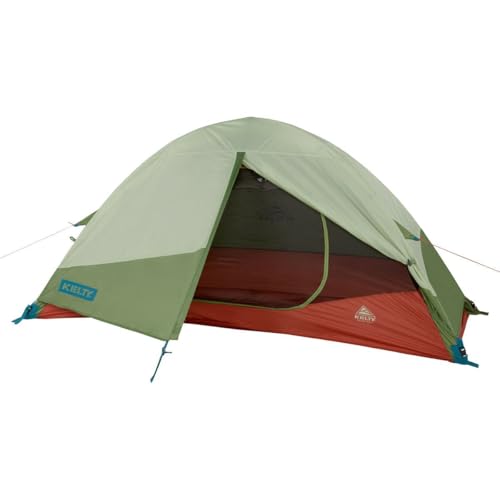
Kelty Discovery Trail Backpacking Tent, Waterproof Rainfly
- ✓ Quick setup
- ✓ Solid weatherproofing
- ✓ Lightweight and simple
- ✕ Limited interior space
- ✕ Basic vestibule
| Min Weight (1-Person) | 3lb 6oz |
| Floor Space (1-Person) | 19 sq. ft. |
| Peak Height (1-Person) | 40 in |
| Packaged Weight (2-Person) | 4lb 5oz |
| Floor Space (2-Person) | 33 sq. ft. |
| Peak Height (2-Person) | 42 in |
The moment I unzipped the fly and felt the rainfly snag-tightly against the mesh, I knew the Discovery Trail was designed for real-world backpacking without the fuss. That compact snap of the Quick Corners gave me a confident, almost instant setup, even after a long day on the trail.
You’ll notice the pre-attached guylines simplifying the whole process, so you’re not chasing cords in the dark.
Inside, the single-door, single-vestibule layout keeps things simple but livable. At 40 inches of peak height on the 1P version, you don’t feel claustrophobic, and the breathable fabric helps if you’re condensation-prone.
The waterproof fly and taped seams perform as promised, so a surprise shower doesn’t turn your camp into a splash zone.
The floor space is perfectly adequate for a compact solo kit or a two-person mini setup, and the 19 to 33 square feet options translate to practical use in real camps. It’s not a showroom tent—it’s a wallet-friendly workhorse that prioritizes function over fluff.
I appreciated the environmentally friendly finishes; it’s nice to feel like you’re doing a little good while you’re persisting through a wind-blown night.
In practice, it’s light enough to carry without feeling like you’re dragging a car tent, and the press-fit aluminum poles feel sturdy in wind without adding bulk. It’s easy to stash back into that shark-mouth stuff sack, which actually fits everything with a little coaxing.
If you’re new to backcountry camping or hiking Virginia trails, this tent is a sensible, low-anger companion.
If you’re chasing a simple, dependable shelter that won’t break the bank, this one checks a lot of boxes without the drama. You’ll get peace of mind from a trusted brand, practical features, and a setup that respects the outdoors.
What Makes Virginia One of the Best States for Backpacking?
Virginia is renowned for its diverse landscapes, rich history, and extensive trail networks, making it one of the best states for backpacking.
- Appalachian Trail: The Appalachian Trail runs through Virginia for over 500 miles, offering stunning vistas and challenging terrain.
- Shenandoah National Park: This park features a plethora of trails with breathtaking views, waterfalls, and wildlife, making it a backpacker’s paradise.
- Varied Terrain: Virginia’s geography ranges from rolling hills to rugged mountains, providing a range of hiking experiences for all skill levels.
- Historic Sites: Backpacking in Virginia allows hikers to explore Civil War battlefields and historic towns along the way.
- Year-Round Hiking: The mild climate in Virginia enables year-round backpacking opportunities, with each season offering unique scenery.
The Appalachian Trail in Virginia is one of the most famous hiking routes in the United States, showcasing the state’s natural beauty with its lush forests and panoramic views. Hikers can experience sections of the trail that vary dramatically in elevation and scenery, from the serene valleys to challenging ascents, making it an exciting adventure.
Shenandoah National Park is another highlight, boasting over 200,000 acres of protected lands, where visitors can hike along the Skyline Drive and enjoy numerous trails that lead to impressive overlooks. The park is home to diverse ecosystems, including dense forests and cascading streams, which enhance the backpacking experience.
Virginia’s varied terrain means that backpackers can choose from numerous environments, whether they prefer the gentle slopes of the Blue Ridge Mountains or the steep climbs of the Allegheny Highlands. This diversity ensures that both novice and experienced hikers can find suitable trails that match their abilities and interests.
While backpacking through Virginia, adventurers have the chance to encounter significant historic sites, including remnants of the Civil War and charming towns that tell the story of the region’s past. This unique blend of nature and history enriches the hiking journey, adding cultural significance to the physical challenge.
The state’s mild climate makes it particularly appealing for backpackers, as it allows for exploration in all four seasons. Whether hiking amidst the vibrant fall foliage or enjoying the blooming wildflowers in spring, Virginia offers a constantly changing landscape that keeps the experience fresh and exciting throughout the year.
What Are the Best Trails for Backpacking in Virginia?
Virginia offers a diverse range of trails ideal for backpacking enthusiasts, featuring stunning landscapes and various difficulty levels.
- Appalachian Trail: This iconic trail stretches over 550 miles through Virginia, showcasing the beauty of the Blue Ridge Mountains.
- Shenandoah National Park: Known for its scenic vistas and rich wildlife, this park has numerous trails that cater to both beginners and experienced hikers.
- Grayson Highlands State Park: Famous for its wild ponies and breathtaking views, this park offers challenging trails that reward backpackers with stunning panoramas.
- Mount Rogers National Recreation Area: Home to Virginia’s highest peak, this area offers a variety of trails with lush forests and alpine meadows.
- George Washington National Forest: With over a million acres, this forest features a vast network of trails perfect for multi-day backpacking trips.
The Appalachian Trail is one of the most famous long-distance hiking paths in the United States, and its section in Virginia is particularly rich in diverse ecosystems and beautiful views, making it a favorite among backpackers. Hikers can enjoy a variety of terrains, from rocky outcrops to serene forest trails, and numerous shelters along the way make for convenient resting points.
Shenandoah National Park offers over 200,000 acres of protected land and features more than 500 miles of trails, including sections of the Appalachian Trail. The park is well-known for its breathtaking viewpoints, waterfalls, and opportunities to see wildlife, providing a perfect backdrop for both short hikes and extended backpacking trips.
Grayson Highlands State Park is a gem for those seeking a unique backpacking experience, as it features open balds and panoramic views of the surrounding mountains. The trails here can be rugged and steep, but they are also less crowded, allowing for a more intimate connection with nature, especially when encountering the park’s famous wild ponies.
Mount Rogers National Recreation Area is not only home to Virginia’s highest peak but also offers a mix of challenging hikes and gentle trails through lush forests and meadows. Backpackers can explore the diverse ecosystems, including high-elevation grasslands and deep, shaded woods, making it a wonderful destination for nature lovers.
George Washington National Forest is a vast expanse that includes various terrains, from lowland valleys to towering peaks. With its extensive network of trails, backpackers can choose routes that range from easy day hikes to strenuous multi-day treks, all while enjoying the tranquility and beauty of Virginia’s wilderness.
Which Backpacking Trail Offers the Most Stunning Views?
The best backpacking trails in Virginia that offer stunning views include:
- Appalachian Trail (AT): This iconic trail offers breathtaking views of the Blue Ridge Mountains and various scenic overlooks.
- Old Rag Mountain Loop: Famous for its challenging rock scramble, this trail rewards hikers with panoramic views of Shenandoah National Park.
- McAfee Knob: One of the most photographed spots on the Appalachian Trail, it provides a dramatic view of the Catawba Valley and is known for its stunning sunsets.
- Dragon’s Tooth: This hike features a unique rock formation and offers sweeping vistas of the surrounding valleys and mountains.
- Grayson Highlands State Park: Known for its wild ponies and open balds, this park offers stunning views of the surrounding Appalachian landscape.
The Appalachian Trail (AT) stretches over 2,190 miles, but its segments in Virginia are particularly scenic, featuring lush forests, diverse wildlife, and numerous overlooks. Hikers can experience the tranquility of nature while witnessing some of the most picturesque landscapes in the region.
Old Rag Mountain Loop is a challenging hike that combines a strenuous ascent with a thrilling rock scramble. The effort is well worth it, as the summit provides expansive views of the surrounding mountains and valleys, especially during fall foliage.
McAfee Knob is renowned not only for its accessibility but also for its breathtaking views. Hikers often gather at this vantage point to capture the beauty of the landscape and enjoy the exhilarating feeling of standing on the edge of the cliff.
Dragon’s Tooth offers a unique blend of adventure and stunning scenery. The hike involves climbing over large rocks, and once at the top, trekkers are rewarded with a spectacular view of the surrounding Blue Ridge Mountains and valleys.
Grayson Highlands State Park is a unique destination where hikers can see wild ponies roaming freely. The park has several trails that lead to open balds, providing unobstructed views of the mountains and valleys, making it a photographer’s paradise.
Which Virginia Trails Are Best for Novice Backpackers?
The best backpacking trails for novice backpackers in Virginia offer manageable distances and stunning scenery.
- Shenandoah National Park – Stony Man Trail: This 1.6-mile loop provides an easy hike with a rewarding panoramic view at the summit.
- Appalachian Trail – McAffee Knob: A popular 8-mile round trip that features moderate terrain and is known for its breathtaking vistas, making it a favorite spot for both new and experienced backpackers.
- Grayson Highlands State Park – Rhododendron Trail: This 2.5-mile trail is relatively flat and offers beautiful wildflower displays and the chance to see wild ponies.
- Lakeview Trail at Douthat State Park: A 3-mile loop that is perfect for beginners, featuring scenic views of the lake and surrounding forest, while also providing opportunities for fishing and swimming.
- False Cape State Park – Back Bay Trail: A 5-mile trek that takes you through marshlands and coastal forests, leading to the beautiful beaches of False Cape, ideal for a leisurely day hike.
The Stony Man Trail in Shenandoah National Park is perfect for novice backpackers, as its short distance and relatively easy climb reward hikers with stunning views, making it an ideal introduction to Virginia’s natural beauty.
The McAffee Knob section of the Appalachian Trail stands out for its iconic views and manageable distance, allowing beginners to experience a segment of one of the most famous hiking trails in the country without overwhelming difficulty.
The Rhododendron Trail in Grayson Highlands State Park offers a delightful combination of easy terrain and vibrant natural scenery, including the chance to encounter the famous wild ponies that roam the area.
Douthat State Park’s Lakeview Trail provides a scenic route around the park’s lake, making it not only accessible for novice backpackers but also a great spot for additional recreational activities like fishing and swimming.
Finally, the Back Bay Trail at False Cape State Park provides a unique coastal experience, combining natural marsh landscapes with oceanfront views, making it a fantastic choice for those looking to enjoy a variety of ecosystems on a beginner-friendly trail.
What Essential Gear Do You Need for Backpacking in Virginia?
The essential gear for backpacking in Virginia includes items that ensure safety, comfort, and efficiency on the trails.
- Backpack: A high-quality, comfortable backpack is crucial as it carries all your gear. Look for a pack that fits your torso well, has adequate padding, and features compartments for organization.
- Tent: A lightweight and durable tent is essential for protection against the elements. In Virginia, where weather can change rapidly, a three-season tent provides adequate shelter from rain and wind.
A sleeping bag rated for the appropriate temperature range is vital for a good night’s sleep. Consider a synthetic bag for moisture resistance or a down bag for warmth-to-weight ratio, ensuring it fits in your pack comfortably. A sleeping pad adds insulation and comfort while you sleep, helping to keep you warm from the ground. Look for options that offer a good balance between weight, packability, and cushioning. - Cooking System: A compact cooking system, including a stove and cookware, allows you to prepare warm meals. Opt for a lightweight stove that is easy to use and can boil water quickly, paired with a fuel source that is readily available.
- Water Filtration System: Access to clean drinking water is critical, so a reliable water filtration system is a must. Whether you choose a filter, purification tablets, or a UV purifier, ensure it meets your needs for the duration of your hike.
- First Aid Kit: A well-stocked first aid kit can address minor injuries and emergencies while on the trail. Include items like band-aids, antiseptic wipes, and any personal medications to ensure you’re prepared for common ailments.
- Navigation Tools: A compass and detailed trail maps are essential for navigation, especially in Virginia’s wilderness areas. Consider adding a GPS device or smartphone app, but always have a backup method in case of battery failure.
- Clothing Layers: Dressing in layers allows you to adapt to Virginia’s variable weather conditions. Choose moisture-wicking base layers, insulating mid-layers, and a waterproof outer layer to protect against rain and wind.
- Headlamp or Flashlight: A reliable light source is crucial for navigating after dark or during early mornings. Opt for a lightweight, bright headlamp with a long battery life for hands-free convenience.
What Safety Considerations Should You Keep in Mind When Backpacking in Virginia?
When backpacking in Virginia, it is essential to consider various safety measures to ensure a safe and enjoyable experience.
- Weather Preparedness: Always check the weather forecast before your trip and be prepared for sudden changes in weather conditions, especially in mountainous areas. Bring appropriate clothing and gear to protect yourself from rain, cold, and heat exposure.
- Wildlife Awareness: Virginia is home to various wildlife, including bears and snakes. Educate yourself on how to properly store food and dispose of waste to avoid attracting animals, and know how to react if you encounter wildlife on the trail.
- Navigation Skills: Familiarize yourself with the trail maps and navigation tools such as compasses or GPS devices. Having a clear understanding of your route helps prevent getting lost, which can be dangerous in remote areas.
- First Aid Kit: Always carry a well-stocked first aid kit tailored for backpacking. It should include supplies for treating common injuries like cuts, blisters, and insect bites, as well as any personal medications you may require.
- Hydration and Nutrition: Ensure you have access to safe drinking water and enough food to sustain your energy levels throughout the hike. Carrying a water purification method, like tablets or filters, can help you stay hydrated, especially in areas where water sources are limited.
- Emergency Plans: Before heading out, inform someone about your itinerary and expected return time. Having a plan in case of emergencies, including the location of the nearest help or evacuation routes, can be crucial for your safety.
- Trail Etiquette: Follow the principles of Leave No Trace to minimize your impact on the environment. Respecting other hikers and the natural surroundings contributes to a safer and more pleasant experience for everyone.
What Are the Ideal Times of Year for Backpacking in Virginia?
The ideal times of year for backpacking in Virginia are influenced by weather, trail conditions, and natural scenery.
- Spring (March to May): This season is characterized by mild temperatures and blooming wildflowers, making it a vibrant time for backpacking. The trails are generally less crowded compared to the summer months, and wildlife begins to emerge, providing a lively backdrop for outdoor adventures.
- Summer (June to August): While summer offers the longest days and lush greenery, it can also bring high humidity and occasional thunderstorms. Early morning hikes are recommended to avoid the heat, and many backpackers appreciate the opportunity to swim in natural bodies of water along the trails.
- Fall (September to November): This is often considered the best time for backpacking in Virginia due to the stunning fall foliage and cooler temperatures. The trails are teeming with vibrant colors, and the crisp air provides a refreshing experience, making it perfect for long hikes and camping.
- Winter (December to February): Winter offers a unique, serene atmosphere for backpacking, especially for those seeking solitude and a different kind of beauty. However, hikers should be prepared for cold temperatures and possible snow, which can present challenges but also rewards in terms of stunning winter landscapes.
What Are the Unique Features of Virginia’s Backpacking Trails?
For overnight stays, the availability of designated campsites allows for safe and enjoyable camping experiences. These campsites often come equipped with fire rings or picnic tables, adding comfort to the adventure.
Related Post: