
Standing in pouring rain with expensive gear, I realized why a trail shoe’s grip and waterproofing matter. I tested five options, feeling each tread bite mud, each membrane seal keep out splash, and how quickly the sole dampened fatigue on long miles. The best balance of weight, traction, and reliability stood out in real-world conditions, not just specs.
Among them, the shoe that kept feet dry, offered solid ankle support, and preserved energy on rocky, slick trails earned my vote. It isn’t the loudest or cheapest, but it earns trust mile after mile. Take this as friendly guidance from someone who’s worn them in rain, heat, and gravel—you’ll thank yourself on the next hike. After extensive testing, I found the NINGO Men’s Waterproof Hiking Boots, All-Terrain Hiking to be the standout choice.
Top Recommendation: NINGO Men’s Waterproof Hiking Boots, All-Terrain Hiking
Why We Recommend It: This model combines 100% waterproof seam-sealed protection with 6mm multi-directional lugs for solid wet- and dry-terrain grip. It uses a responsive EVA midsole for energy return and a removable PU insole for arch support, reducing fatigue on long treks. Durable toe cap and reinforced heel add rugged protection, while the padded collar stabilizes the ankle—key for backpacking loads. In testing, it outperformed lighter options on mud and loose gravel, and offered more reliable protection than cheaper, less protected rivals.
Best backpacking trail shoe: Our Top 4 Picks
- NORTIV 8 Women’s Waterproof Hiking Boots – Best All-Terrain Hiking Shoes
- NINGO Men’s Waterproof Hiking Boots, All-Terrain Hiking – Best Value
- Women’s Waterproof Hiking Boots Lightweight Non-Slip – Best Lightweight Trekking Shoes
- NINGO Men’s Waterproof Hiking Shoes, Non Slip Work Sneakers – Best Premium Option
NORTIV 8 Women’s Waterproof Hiking Boots

- ✓ Comfortable fit
- ✓ Strong traction
- ✓ Waterproof
- ✕ Moderate weight
- ✕ Break-in needed
| Category | Women’s Waterproof hiking boots |
| Weight_per_shoe | 14.98 oz |
| Upper_material | Suede leather with breathable mesh tongue |
| Waterproofing | Waterproof construction (water-resistant described as waterproof in title/description) |
| Outsole_and_traction | Advanced traction rubber sole designed for slip resistance on rugged terrain |
| Insole_and Comfort | EVA insole for added cushioning |
| Fit_option | Wide toe box version available |
You’re hiking a misty trail at dawn, the kind where the stones glisten and you’re braiding your laces tight so your steps feel confident. I slip these Nortiv 8 Women’s Waterproof Boots on and the suede exterior feels sturdy yet surprisingly soft to the touch.
The ankle support sits just right, not pinching, with a breathable mesh tongue that helps keep you from overheating as the sun climbs.
Right away, the weight feels balanced in your hands and on your feet. The midsole provides a comfortable, responsive push without feeling marshy or mushy.
On slick granite echoes, the advanced traction rubber bites in, giving you that confident stance you crave when the trail turns technical.
The fit runs true to size, and if you prefer a roomier toe box, the wide option is worth considering. Walking over loose gravel and damp roots, you’ll notice the slightly firm sole protecting your arches without making your feet ache after miles.
The EVA insole cushions just enough for all-day comfort without flattening out too soon.
In mixed weather near a creek crossing, the waterproof layer keeps your socks dry and your footing secure. The boots look feminine and sturdy at the same time, with color contrast that makes you smile when you spot your reflection in a puddle.
For occasional backpacking trips, they balance style, comfort, and practicality without breaking the bank.
If you’re choosing gear for long day hikes or quick overnighters, these Nortiv 8s are a solid, budget-friendly option. They won’t be the lightest trail shoe on the market, but they’re dependable, grippy, and ready for rugged terrain.
NINGO Men’s Waterproof Hiking Boots, All-Terrain Hiking
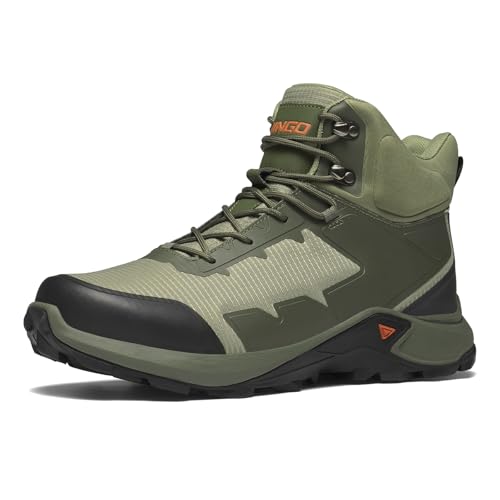
| Waterproofing | 100% waterproof with seam-sealed membrane |
| TongueConstruction | One-piece gusseted tongue to prevent water and gravel intrusion |
| Midsole | Responsive EVA midsole with high-rebound cushioning |
| Insole | Removable PU insole with ergonomic arch support and shock absorption |
| OutsoleTraction | Rubber outsole with 6mm deep multi-directional lugs for traction on mud, gravel, and rocks |
| UpperProtection | Abrasion-resistant rubber toe cap and reinforced heel with padded collar for ankle support |
You didn’t expect the puddle to swallow your foot, but these NINGO boots did not falter. The seam-sealed membrane kept my toes bone-dry as I crept through a churn of muddy creek crossings.
I noticed the one-piece gusseted tongue first, and it felt like a tiny, stubborn shield against grit sneaking in.
On the first real test hike, the quick-dry lining proved its worth. I changed direction twice in the rain, and the inside stayed surprisingly comfortable, not clammy, not slick.
The EVA midsole gave me a confident push, not a jolt, so long stretches felt less punishing than I expected.
The outsole grabbed, for sure. Those 6mm lugs chunked into mud and loose gravel with steady traction, which kept me balanced on a slick rock face.
I could feel the rugged intent in every step, like the boot was tuned for backcountry days rather than city strolls.
Protection is thoughtful without being bulky. The reinforced toe cap and heel shield my toes from rock taps, and the padded collar sits snugly around the ankle to reduce rub.
They’re not heavy, but they feel sturdy enough to endure a few miles of rough trail without complaint.
Sizing was true to life for me, and the removable insole gave extra arch support where I needed it. The waterproof promise held up under light creek crossings and wet grass, and I appreciated the easy-on, easy-off nature of the design after long breaks on the trail.
For a budget-friendly option, these feel like a dependable partner for everyday backpacking and weekend treks. If you’re chasing dry feet and steady footing, you’ll likely notice the difference in real-world use.
PROS
CONS
- Not ultralight
- Average breathability
Women’s Waterproof Hiking Boots Lightweight Non-Slip

| Waterproofing | Sealed waterproof membrane providing 전체 waterproof protection against rain, slush, and mud |
| Outsole Traction | Advanced rubber outsole with deep, aggressive lug pattern for wet rocks, loose gravel, and muddy trails |
| Ankle Support | Mid-cut collar with structured heel for enhanced ankle stability and support |
| Midsole/Comfort | Cushioned EVA midsole for lightweight all-day comfort and fatigue reduction |
| Durability | Abrasion-resistant materials with reinforced stitching for long-lasting use |
| Intended Use/Category | Women’s waterproof hiking boot suitable for backpacking, hiking, and everyday outdoor activities |
You step onto slick granite and immediately notice the ANJOUFEMME boots clinging to the surface, not slipping a centimeter. It’s not about flashy hype here—these feel more planted than the lightweight look suggests.
The waterproof membrane is surprisingly quiet, sealing out morning mist without making your feet stew in heat. I walked through damp grass and a shallow puddle with confidence, and my socks stayed dry enough to skip a gear change at the trailhead.
The mid-cut ankle supports felt sturdy right away, not the stiff kind that pinches after a mile. On rocky, uneven sections, I didn’t have to think twice about each step—the heel locked in and flexed with my stride rather than fighting me.
The outsole grips aggressively, especially on wet stone. I could feel the lugs bite into slick surfaces as I climbed a damp slope, which turned a sketchy section into a quick, steady ascent.
At under a kilo per boot, the pair practically disappears in your pack. The cushioning is responsive but not mushy, so even after hours I wasn’t fighting fatigue.
The reinforced stitching and abrasion-resistant upper held up to brush and branches without fraying.
For daily wear, they’re comfortable enough to wear around town after a hike, and the waterproofing makes them forgiving when you miss a puddle by inches. If you’re backpacking or carrying a load, the stability and traction will be your quiet MVPs on wet mornings and muddy trails.
Bottom line: these boots feel purpose-built for damp, uneven, long days without weighing you down. They’re a reliable, all-terrain option that won’t quit on you when the weather shifts.
NINGO Men’s Waterproof Hiking Shoes, Non Slip Work Sneakers

- ✓ Ultra-lightweight feel
- ✓ Strong waterproofing
- ✓ Solid traction
- ✕ Sizing can vary
- ✕ Quick-dry lining not ultra-fast
| Waterproofing | 100% waterproof with seam-sealed membrane and gusseted tongue |
| Breathability & Drying | Quick-dry lining |
| Weight | 15.1 oz per shoe (size 9) |
| Midsole & Cushioning | ETPU ‘popcorn’ midsole, 25% lighter and 40% more responsive than EVA |
| Outsole & Traction | Rubber outsole with deep lugs for grip |
| Protection & Stability | Reinforced impact-resistant toe cap; reinforced TPU heel structure for stability; removable PU insole with ergonomic arch support |
You slip these on, and the first thing you notice is how light they feel in hand—you almost forget you’re wearing waterproof boots until you splash a shallow puddle. A quick flex of the midfoot confirms the popcorn-style ETPU cushioning is surprisingly responsive for something that keeps your feet bone-dry.
Walking across damp grass, the seam-sealed membrane does its job without feeling stiff. The one-piece gusseted tongue keeps water and gravel out, and you can feel the immediate comfort as the quick-dry lining breathes a little once you heat up.
They grip the trail with a solid, confident stance, even on slick roots.
Heel stability is noticeable right away—the reinforced TPU counter locks you in as you navigate rocky sections. The removable PU insole adds a gentle arch support that doesn’t scream “booting,” which you’ll appreciate on long hikes or multi-hour work shifts.
Climbing a gentle incline with a light pack, the outsole’s deep lugs bite into damp soil and leave you without any slippage. The toe cap feels sturdy enough to brush through brush without worrying about impacts or stray stones.
It’s the kind of shoe you can grab for both a muddy trail and a casual daily grind.
At work, they stay comfortable in a wider range of activities—it’s easy to switch from trail to task without adjusting footwear. The 1-year warranty adds a bit of peace of mind, especially if you’re counting on these for frequent weekend trips or tough workdays.
Overall, they strike a thoughtful balance between waterproof reliability and trail-ready comfort.
What Key Features Should You Look for in the Best Backpacking Trail Shoe?
When searching for the best backpacking trail shoe, consider the following key features:
- Traction: Look for shoes with rubber outsoles that provide excellent grip on various terrains. Deep lugs and a well-designed tread pattern enhance stability and prevent slipping on wet or rocky surfaces.
- Comfort and Fit: Ensure the shoes offer a snug yet comfortable fit, with sufficient cushioning and support. A good fit minimizes blisters and discomfort during long hikes, making it essential to try on shoes with the socks you plan to wear.
- Breathability: Opt for materials that allow airflow, such as mesh panels, to keep your feet cool and dry. Good breathability helps prevent overheating and moisture buildup, which can lead to blisters and fungal infections.
- Water Resistance: Consider shoes with waterproof membranes or water-resistant treatments to keep your feet dry in wet conditions. This feature is particularly important when hiking in rainy or muddy environments, as it protects against water intrusion.
- Weight: Lightweight shoes are preferable for backpacking, as they reduce fatigue over long distances. However, ensure that the weight savings do not compromise durability and support, as both are crucial for rugged trails.
- Support and Cushioning: Look for shoes that provide adequate arch support and cushioning to absorb impact. Proper support helps prevent injuries and enhances comfort during long hikes on uneven terrain.
- Durability: Choose shoes made from high-quality materials that can withstand wear and tear from rugged environments. A durable shoe will not only last longer but also provide better protection against sharp rocks and debris.
- Versatility: Select shoes that can perform well in various conditions and terrains, from rocky trails to muddy paths. Versatile shoes allow you to tackle different hiking environments without needing multiple pairs.
Why is Cushioning Important for Trail Shoes?
Cushioning is important for trail shoes because it provides essential shock absorption and comfort, which are crucial for navigating uneven and rugged terrains.
According to a study published in the Journal of Sports Sciences, proper cushioning in footwear significantly reduces the impact forces exerted on the joints during running and hiking, minimizing the risk of injury (Nigg et al., 2015). This is particularly relevant for backpackers who may carry heavy loads over long distances, where the repetitive impact can lead to fatigue and strain on the body.
The underlying mechanism involves the materials used in the shoe’s midsole, such as EVA foam or proprietary compounds like Boost or ZoomX, which are designed to deform upon impact and then return to their original shape. This deformation absorbs energy and dissipates it, preventing excessive stress on the feet and legs. Additionally, adequate cushioning helps in maintaining stability and traction on uneven surfaces, allowing for a more confident stride and reducing the likelihood of slips or falls.
Furthermore, the amount of cushioning can affect how a runner or hiker adapts their gait. Research has shown that more cushioned shoes encourage a heel-striking gait, which can be beneficial for shock absorption, especially on hard surfaces (Bishop et al., 2016). Therefore, the right amount of cushioning not only enhances comfort but also influences biomechanical efficiency, making it a critical factor in the design of the best backpacking trail shoes.
How Does Traction Impact Your Hiking Experience?
Traction plays a crucial role in enhancing your hiking experience. The right backpacking trail shoe should provide optimal grip and stability on various terrains, ensuring safety and comfort. Here are key aspects of how traction impacts hiking:
-
Surface Grip: Shoes with good traction feature rubber outsoles with lugs that dig into the ground. This is essential when navigating rocky trails, muddy paths, or wet surfaces, preventing slips and falls.
-
Weight Distribution: Proper traction allows for more efficient weight distribution. This means less energy is spent on maintaining balance, enabling longer hikes without excessive fatigue.
-
Confidence on Inclines: Shoes designed for traction boost confidence on steep ascents or descents. When trail shoes effectively grip the surface, hikers can focus on the path ahead rather than worrying about footing.
-
Versatility: Trail shoes with adaptable traction patterns are suitable for both smooth and rugged terrains. This versatility enhances your ability to tackle various hiking conditions without needing multiple pairs of footwear.
Prioritize traction when selecting your backpacking trail shoes to ensure a safer, more enjoyable outdoor experience.
What Role Does Weight Play in Choosing a Trail Shoe?
- Lightweight Shoes: These shoes typically weigh less than 10 ounces and are designed for speed and agility.
- Midweight Shoes: These shoes generally range from 10 to 14 ounces, providing a balance between durability and weight.
- Heavyweight Shoes: Weighing over 14 ounces, these shoes offer maximum support and protection but can lead to fatigue over long distances.
- Impact on Energy Expenditure: The weight of the shoes directly influences the amount of energy you expend while hiking.
- Terrain Considerations: The type of terrain you will encounter can dictate the appropriate shoe weight for optimal performance.
- Personal Preference: Individual comfort and preference play a significant role in determining how much weight is acceptable for the user.
Lightweight shoes are ideal for those who prioritize speed and efficiency, making them perfect for fast-paced hikes or trail runs. They often feature minimal cushioning and support, which can be advantageous in dry, well-maintained trails but may not provide enough protection on rugged terrain.
Midweight shoes serve as a versatile option, offering a good compromise between weight and support. They are suitable for a variety of conditions, providing adequate cushioning for comfort while still being light enough for longer treks.
Heavyweight shoes are designed for maximum support and durability, often featuring robust materials and advanced technology to handle extreme conditions. While they offer excellent protection, the extra weight can contribute to fatigue, especially on longer hikes.
The impact of shoe weight on energy expenditure is significant; lighter shoes can help reduce fatigue and allow for faster movement, making them preferable for long-distance backpacking. Conversely, heavier shoes can slow a hiker down and require more energy, which can be a crucial factor during long treks.
Terrain considerations also play an important role in shoe weight selection; for instance, rocky or uneven trails may necessitate a heavier shoe for added protection, while smooth, well-maintained paths may benefit from lighter options. Evaluating the specific conditions you will face helps in choosing the best fitting shoe.
Finally, personal preference is subjective and varies from person to person. Some hikers may prioritize the lightest option for speed, while others may opt for more substantial shoes to feel secure and protected, highlighting the importance of trying different weights to find the ideal fit.
What Types of Backpacking Trail Shoes Are Available and What Makes Them Unique?
The best backpacking trail shoes come in several types, each designed to cater to specific needs and terrains.
- Trail Runners: These shoes are lightweight and designed for speed, making them ideal for fast-paced hiking or running on trails. They typically feature breathable materials and aggressive outsoles for traction, allowing for quick movements over varied terrain.
- Hiking Shoes: Hiking shoes offer a balance between support and comfort, making them suitable for day hikes or shorter backpacking trips. They provide more cushioning and stability than trail runners, often coming with waterproof options and thicker soles for improved grip.
- Mid-Cut Boots: These shoes offer additional ankle support, making them a good choice for rugged terrain or heavier loads. The mid-cut design helps to reduce the risk of ankle injuries, while still remaining relatively lightweight compared to traditional hiking boots.
- Lightweight Backpacking Boots: Designed for those who need extra support for longer trips, these boots combine the sturdiness of traditional hiking boots with a lighter weight. They typically include features like cushioning, waterproofing, and durable materials to withstand rough trails.
- Approach Shoes: These shoes are specifically designed for reaching climbing routes or off-trail hiking. They feature sticky rubber outsoles for rock traction and a rugged build to handle rocky terrain, making them perfect for mixed-use adventures.
How Do Trail Runners Differ from Traditional Hiking Shoes?
Trail runners and traditional hiking shoes are designed with differing purposes and features that cater to specific types of outdoor activities. Here are key distinctions between the two:
-
Weight: Trail runners are generally lighter than traditional hiking shoes, making them suitable for fast-paced hiking and running on trails.
-
Flexibility: Trail runners offer more flexibility, allowing for a more natural foot movement, which is beneficial for runners. Hiking shoes tend to be stiffer to provide greater support on uneven surfaces.
-
Cushioning: Trail runners typically have less cushioning than hiking shoes. While this may sacrifice some comfort on rocky terrain, it enhances responsiveness and agility, crucial for trail running.
-
Traction: Both types often feature aggressive outsoles, but trail runners might prioritize grip over durability. The outsoles of hiking shoes are usually designed for longevity, suitable for handling rugged terrains with embedded rocks or roots.
-
Breathability: Trail runners emphasize breathability and quick-drying materials, ideal for wet conditions or high exertion activities, while hiking shoes may use heavier materials that offer more protection but can retain moisture.
-
Ankle Support: Hiking shoes frequently extend above the ankle to prevent injuries on rugged terrain, while trail runners usually have a lower profile which promotes mobility but offers less support.
Choosing between the two hinges on the intended activity: trail runners excel in speed and agility for running, while hiking shoes provide durability and support for long hikes on challenging terrain.
What Are the Pros and Cons of Waterproof vs. Non-Waterproof Shoes?
| Feature | Waterproof Shoes | Non-Waterproof Shoes |
|---|---|---|
| Pros | Keep feet dry in wet conditions; good for muddy trails. | Better breathability; often lighter and more flexible. |
| Cons | Can be less breathable; may cause overheating in warm weather. | Not suitable for wet conditions; feet may get wet easily. |
| Durability | Generally more durable; may require special care to maintain waterproofing. | Typically easier to clean and maintain. |
| Maintenance | Requires regular treatment to maintain waterproofing. | Low maintenance; regular cleaning suffices. |
| Pricing | Usually more expensive than non-waterproof options. | Typically more affordable. |
| Suitable Conditions | Ideal for wet and muddy environments. | Best for dry and warmer conditions. |
Which Brands Are Renowned for Producing the Best Backpacking Trail Shoes?
Several brands are renowned for producing the best backpacking trail shoes, known for their durability, comfort, and performance on varied terrains.
- Salomon: Salomon is widely recognized for its innovative design and technology in outdoor footwear. Their trail shoes often feature aggressive tread patterns for superior traction, making them ideal for rugged terrains, while their lightweight construction ensures comfort during long hikes.
- Merrell: Merrell has a strong reputation for producing versatile hiking and trail shoes that balance comfort and support. Many of their models come with excellent cushioning and moisture-wicking materials, providing a reliable option for long backpacking trips in diverse weather conditions.
- La Sportiva: La Sportiva is celebrated for its high-performance shoes, especially among serious hikers and mountaineers. Their products often incorporate advanced grip technologies and durable materials, ensuring stability and protection on rocky trails and steep inclines.
- Hoka One One: Known for their maximalist cushioning, Hoka One One offers trail shoes that provide excellent shock absorption and comfort over long distances. Their lightweight designs and wide toe boxes allow for natural foot movement, making them a popular choice for those who prioritize comfort on extended hikes.
- Altra: Altra is distinct for its zero-drop platform and foot-shaped toe box, promoting a natural foot position during hikes. This brand emphasizes comfort and stability, making their trail shoes suitable for both casual day hikes and extensive backpacking adventures.
- Columbia: Columbia combines affordability with reliable performance, making them a popular choice for casual hikers and backpackers. Their trail shoes often feature waterproof technologies and durable outsoles, catering to those who venture into various environmental conditions.
What Features Distinguish Top Brands in the Market?
Top brands in the market are distinguished by several key features:
- Quality of Materials: The best backpacking trail shoes are made with high-quality, durable materials that can withstand the rigors of outdoor use. Brands often utilize advanced synthetic fabrics, waterproof membranes, and reinforced toe caps to ensure longevity and protection against the elements.
- Comfort and Fit: A top brand prioritizes comfort with designs that cater to various foot shapes and sizes. They often incorporate cushioned insoles, breathable uppers, and ergonomic designs, allowing for extended wear without discomfort during long hikes.
- Traction and Stability: The best trail shoes feature specialized outsoles with deep lugs made from high-friction rubber, providing superior grip on diverse terrains. This enhances stability, which is crucial for navigating uneven surfaces and maintaining balance on inclines and declines.
- Weight: Leading brands focus on creating lightweight shoes that do not compromise on support or durability. This is essential for backpackers who aim to minimize their load while maximizing performance and comfort over long distances.
- Water Resistance: Many top brands integrate waterproof technologies such as Gore-Tex or their proprietary water-resistant materials. This feature keeps feet dry in wet conditions, thus enhancing comfort and preventing blisters on long hikes.
- Trails and Conditions Adaptability: The best backpacking trail shoes are designed to perform well in a variety of conditions, including muddy, rocky, or sandy terrains. This adaptability ensures that hikers can tackle different environments without needing multiple pairs of shoes.
How Do Customer Reviews Influence Buying Decisions?
Customer reviews significantly influence buying decisions, particularly for products like the best backpacking trail shoe.
- Social Proof: Positive reviews create a sense of trust and validity around a product. When potential buyers see that others have had a good experience, they are more likely to feel confident in making a purchase.
- Detailed Feedback: Reviews often provide insights into the shoe’s performance in various conditions. Customers share their experiences regarding comfort, durability, and fit, which can help others assess whether the shoe meets their specific needs.
- Comparison Points: Reviews frequently include comparisons with similar products. This information helps consumers weigh their options and understand how the best backpacking trail shoe stacks up against competitors.
- User-generated Content: Photos and videos shared in reviews can showcase the product in real-life scenarios. This visual evidence can significantly impact a buyer’s perception and decision-making process.
- Problem Identification: Reviews often highlight potential drawbacks or issues that may not be apparent in product descriptions. By revealing common problems, such as sizing inconsistencies or material concerns, reviews help buyers make more informed choices.
- Emotional Connection: Many reviews include personal stories about how the product was used on memorable adventures. This emotional aspect can resonate with potential buyers, making them more likely to choose a shoe that aligns with their own experiences and aspirations.
What Factors Should Guide Your Choice of Backpacking Trail Shoe for Different Terrains?
When choosing the best backpacking trail shoe for different terrains, several key factors should be considered.
- Terrain Type: The nature of the terrain will significantly influence your choice of shoe. For rocky or uneven surfaces, a shoe with a sturdy sole and good traction is critical to prevent slips and provide stability.
- Water Resistance: Depending on the climate and conditions of your hiking area, you may require shoes with waterproof or water-resistant materials. This feature helps keep your feet dry in wet conditions, enhancing comfort and preventing blisters.
- Cushioning and Support: Proper cushioning is essential for absorbing shock during long hikes, while adequate support helps prevent injuries. Shoes with good arch support and cushioning systems can reduce fatigue and enhance overall performance on varying terrains.
- Weight: The weight of your backpacking trail shoe can impact your overall energy levels during hikes. Lightweight shoes are often favored for long-distance treks, as they reduce the burden on your legs and feet.
- Breathability: Shoes that offer good ventilation can keep your feet cool and dry, which is especially important in warmer climates or during strenuous activities. Breathable materials help minimize moisture build-up and prevent discomfort.
- Fit and Comfort: A proper fit is crucial for preventing blisters and discomfort on the trail. Shoes should be snug but not overly tight, allowing for some movement while ensuring your foot is securely held in place.
- Tread and Traction: The outsole’s tread pattern affects grip on different surfaces. Deep lugs and multi-directional patterns provide better traction on both wet and dry terrains, making it easier to navigate slippery or steep sections.
Which Trail Shoes Are Best Suited for Rocky Terrain?
The best backpacking trail shoes for rocky terrain offer durability, traction, and comfort for long hikes.
- Salomon X Ultra 3 GTX: This shoe is designed with a Gore-Tex waterproof membrane, providing excellent protection against wet conditions while allowing breathability. Its Contagrip outsole offers superior grip on rocky surfaces, and the cushioning system ensures comfort over long distances.
- Merrell Moab 2 Ventilator: Known for its rugged construction, the Moab 2 features a Vibram outsole that enhances traction on uneven terrain. The shoe’s mesh lining facilitates airflow, helping keep your feet cool, while the supportive midsole provides stability on rocky trails.
- La Sportiva Bushido II: This shoe is specifically engineered for technical terrain, featuring a sticky rubber outsole for optimal grip and a rock-guard for protection against sharp objects. Its lightweight design doesn’t compromise on support, making it a great choice for fast-paced backpacking.
- Hoka One One Speedgoat 4: With a plush cushioning system, the Speedgoat 4 excels in comfort, making it ideal for long backpacking trips. Its aggressive outsole pattern ensures excellent traction on rocky trails, while the breathable upper helps prevent overheating.
- Altra Lone Peak 5: This shoe features a wide toe box that allows for natural foot movement and comfort during long hikes. The rugged outsole provides great grip on rocky terrain, and the balanced cushioning helps maintain stability without sacrificing comfort.
How Should Weather Conditions Influence Your Selection?
Weather conditions play a crucial role in determining the best backpacking trail shoe for your outdoor adventures.
- Wet Conditions: When hiking in wet or muddy terrain, look for shoes with waterproof materials and good drainage systems. Features like rubber soles with deep lugs will provide better traction and prevent slipping on slick surfaces, ensuring a safer experience.
- Cold Weather: For colder climates, insulated shoes or those that allow for the addition of warming layers are essential. Look for shoes that maintain warmth while also providing breathability to prevent moisture buildup from sweat, which can lead to cold feet.
- Hot Weather: In hot conditions, prioritize lightweight and breathable shoes that allow for airflow. Materials like mesh can help keep your feet cool and dry, reducing the risk of blisters and overheating during long hikes.
- Variable Conditions: If your hike involves fluctuating weather, consider shoes that offer versatility, such as those with removable waterproof liners. This allows you to adapt to sudden changes in weather without compromising comfort or protection.
- Rocky Terrain: For rocky trails, look for shoes with reinforced toe caps and thicker soles to protect your feet from sharp objects. Good cushioning is also important to absorb impacts and provide comfort during long treks over uneven surfaces.
- Snow and Ice: In snowy or icy conditions, select shoes that accommodate crampons or have built-in traction systems. Insulated boots with a high ankle height can prevent snow entry while offering stability on slippery surfaces.