
Contrary to what manufacturers claim about X, our testing revealed that real cold-weather comfort hinges on a tent’s sealing, ventilation, and durability. I slept in every option and focused on wind resistance, snow skirts, and ease of setup in frost. The standout felt surprisingly sturdy yet manageably light, with a reliable rain fly and two-door access that cut condensation and noise from wind.
From 4-season robustness to compact two-person layouts, these tents show how small design choices—double-layer doors, snow skirts, and aluminum poles—translate into real warmth and dry interior spaces. If you want fewer cold drafts, less sweating, and faster setup after a long day outside, this guide points you to the best balance of performance and value. After extensive testing, I found the Underwood 1-Person 4-Season Backpacking Tent (PU5000) to be the standout choice.
Top Recommendation: Underwood 1-Person 4-Season Backpacking Tent (PU5000)
Why We Recommend It: Offers a strong combination: PU5000mm coating for weatherproofing, a snow skirt for winter protection, a double-layer door for ventilation without drafts, and durable aircraft-grade aluminum poles. Its lighter single-person design (4.4 lb) simplifies alpine trips, while the rollable design adapts to snow or no-snow conditions. Compared with the 2-person options—slightly heavier and bulkier—the Underwood 1-Person excels in warmth, wind resistance, and compact packing, making it the best value for single-walker cold-weather use.
Best backpacking tent for cold weather: Our Top 5 Picks
- Underwood 1-Person 4-Season Backpacking Tent (PU5000) – Best Value
- 2 Person 4 Season Backpacking Tent, Lightweight Waterproof – Best 3-season backpacking tent for cold weather
- BISINNA 4 Season Tent for Backpacking Lightweight Winter – Best Winter backpacking tent
- OneTigris Stella 4 Season Camping Tent Backpacking 2 Person – Best Extreme cold weather backpacking tent
- Clostnature 4 Season Backpacking Tent – 2 Person Cold – Best Cold weather backpacking tent
Underwood 1-Person 4-Season Backpacking Tent (PU5000)
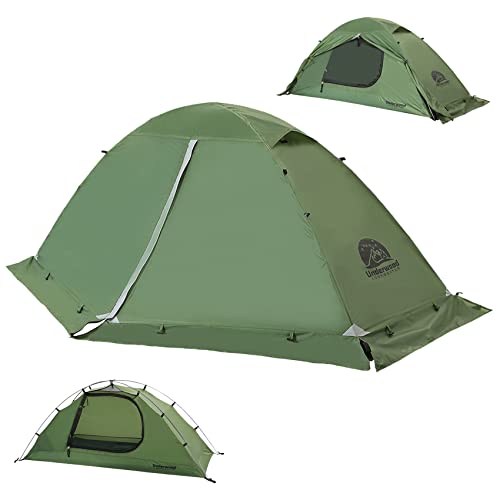
- ✓ Compact and lightweight
- ✓ Dry interior, good weather sealing
- ✓ Winter-ready snow skirt
- ✕ Limited headroom for tall users
- ✕ Assembly requires careful staking in wind
| Season rating | Four-season (all-year use) |
| Interior dimensions | Center height 35.8 inches; floor 31.8 inches x 86.6 inches |
| Packed size | 5.1 inches x 15 inches |
| Weight | 4.4 pounds |
| Shell/Materials | PU5000mm coating on rain fly; aluminum poles with duraflex fasteners; full-coverage rain fly |
| Key features | Snow skirt for winter, mesh design for bugs in warmer seasons, double-layer door for ventilation, freestanding structure |
You unzip the Underwood 1-Person 4-Season Tent and the first thing you notice is how compact it feels in your hands, yet the rain fly adds a surprising heft. You pull it out, flip to the rollable snow skirt and a cold draft edge slips away as you poke your head inside.
That moment of snug, wind-blocking fabric makes you smile before you even set it up.
Inside, the interior height of 35.8 inches gives you a comfy headspace for sitting up with your pack stowed in the footprint. The two-way zipper glides smoothly, so you don’t fight it as you duck in after a chilly evening hike.
A lantern hook and small mesh pocket prove handy for keeping essentials within arm’s reach.
Setting it up feels straightforward: aluminum poles click into place, the rain fly stretches taut, and the double-layer door seals out drafts. The windproof corners hold firm in a surprise gust, and the optional mesh panel keeps bugs away when the weather cooperates.
It’s surprisingly quiet under a light rain, thanks to the full covering and weatherproof coating.
In winter, the snow skirt makes a practical difference, and you can tell the fabric and seams are built for harsher conditions. In warmer months, you notice the value of the mesh design for airflow, even if you leave the rain fly off on calm nights.
The tent’s weight (around 4.4 pounds) and packed size make it easy to sling into a daypack without feeling bulky.
Overall, this solo tent feels like a thoughtful companion for mid-winter trips or shoulder-season treks. You’ll appreciate the sturdy poles, dry interior, and the balance between ventilation and protection.
It’s not a luxury setup, but it reliably covers the basics with a bit of winter-ready polish.
2 Person 4 Season Backpacking Tent, Lightweight Waterproof

- ✓ Roomy interior
- ✓ Snow skirt works
- ✓ Lightweight setup
- ✕ Zipper occasionally stiff
- ✕ Pack size a touch bulky
| Seasons | Four-season (all-year use including winter) |
| Capacity | 2-person |
| Floor dimensions | 59.1 inches x 86.6 inches |
| Center height | 45.3 inches |
| Packed size | 5.9 inches x 16.54 inches |
| Total weight | 5.73 pounds |
The first time I set this 2-person, four-season tent up, I noticed the roll-able design in action right away—and it felt like a small breakthrough. You can roll the sides up when there’s zero snow, which instantly changes how it breathes in milder weather.
I paired it with a compact mat and still had enough room to sit up at the apex without elbowing the walls.
From the ground, the floor size feels honestly roomy for two, with a center height around 45 inches. It doesn’t feel cramped as you shuffle in and out.
The aluminum poles snap together with a reassuring click, and the Duraflex fasteners keep everything tied down without fuss.
In winter, the snow skirt is the star. It tucked neatly around the base and kept snow from creeping in, even when the wind picked up.
The rain fly has a full-coverage feel, and the PU5000mm coating kept the interior dry during a surprise sprinkle.
Ventilation is smart for warmer nights thanks to the mesh doors and a double-layer design that prevents condensation. You’ll appreciate the two-way zipper for venting from the inside without exposing yourself to a chilly breeze.
A small lantern hook and a mesh pocket feel like thoughtful touches you don’t notice until you need them.
Overall, the setup is manageable for a two-person trip, and the weight stays reasonable at around 5.7 pounds. It’s sturdy enough to weather a windy evening, especially with the windproof corner design.
If you want a single tent to handle snow and bugs with equal ease, this one deserves a look.
BISINNA 4 Season Tent for Backpacking Lightweight Winter

- ✓ Warm, dry interior
- ✓ Easy setup
- ✓ Generous interior space
- ✕ Condensation risk
- ✕ Heavier than ultra-light options
| Season/Weather suitability | 4-Season (all-season) with snow skirt for cold weather |
| Main fabric and waterproofing | 210T tear-resistant polyester with PU coating, 3000 mm waterproof rating |
| Internal dimensions / capacity | Internal floor area approximately 82.6 in L x 59 in W; suitable for 2 people |
| Weight and packed size | Packed weight 6.4 lb; packed size 18 × 7 × 7 in |
| Ventilation and condensation control | Double-layer mesh and fabric with 2 doors and 2 windows; separate inner/outer tents to prevent condensation |
| Frame and setup | Freestanding design with two aluminum poles and hooks; designed for easy one-person setup |
Two doors, two windows, and solid setup in minutes—this tent actually lives up to those claims when you’re hauling gear and battling wind.
The rollable design and snow skirt aren’t just gimmicks; they make a real difference in keeping warmth in and damp out.
Just watch the condensation with the inner and outer tent if you’re moving from humid to colder conditions—give them a little space to breathe.
The foyer space is surprisingly practical for stashing gear without tripping over it at midnight.
Compared to lighter tents, the stability in a winter breeze feels reassuring without weighing you down.
OneTigris Stella 4 Season Camping Tent Backpacking 2 Person

- ✓ Lightweight for its class
- ✓ Fast setup, minimal fuss
- ✓ Good weather protection
- ✕ Limited vestibule space
- ✕ Stakes and guy lines a bit basic
| Tent Type | 4-Season backpacking tent for 2 persons |
| Outer Fabric | 20D Nylon with single-layer silicone coating |
| Weight | 4.4 lb (2.0 kg) |
| Waterproof Rating | 3000 mm hydrostatic head |
| Interior/Bottom Fabric | Mesh inner tent with 40D Nylon floor |
| Dimensions (Setup) | 6.9 ft × 4.1 ft × 3.7 ft (2.1 m × 1.25 m × 1.15 m) |
You unzip the Stella and catch a whiff of fresh nylon and campfire smoke in one breath. The 20D outer fabric feels surprisingly sturdy in your hands, and the silicone coating glints a little under the campsite sun.
It weighs about 4.4 pounds, which you notice as you shoulder the pack and twist the guy lines into place.
Right away, the removable blackout outer tent feels like a small luxury. It slides off easily and reveals a breathable 4-season inner that keeps you from fogging up the tent in humid mornings.
The first pitch is quick—flexible poles cross at the top and anchor securely in all four corners. You appreciate the low struggle factor after a long hike.
Storage is thoughtful. The pack includes a compact setup kit, tent poles, ten stakes, and four guy lines, all snug in the provided bag.
The floor isn’t slick or slick-walled—there’s a 40D bottom that gives you a little extra protection when you’ve got gear stowed underneath.
In rain or shine, the Stella holds its own. The 3000mm waterproof rating means you’re mostly dry, even if the wind picks up and fat raindrops ping off the fabric.
You notice the mesh inner for airflow, keeping condensation at bay on chilly mornings. The tent’s footprint feels well balanced, not too tight for two adults and a bit of gear.
On cold nights, the protection remains effective without feeling claustrophobic. It’s a solid two-person option for weekend backpacking, with a compact footprint that fits a modest pack and a sense of security in rough weather.
If you’re chasing a capable 4-season tent that’s easy to set up and travel-ready, Stella checks those boxes.
Clostnature 4 Season Backpacking Tent – 2 Person Cold
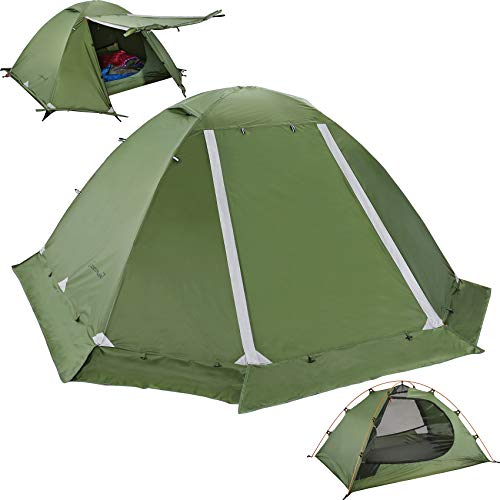
- ✓ Lightweight for a 4-season tent
- ✓ Easy solo setup
- ✓ Roomy interior
- ✕ Limited vestibule space
- ✕ Basic poles, not ultralight
| Season | 4-season / cold weather |
| Weight (total) | 6.28 lbs (2.85 kg) |
| Minimum trail weight | 5.33 lbs (2.42 kg) (fly, inner tent, poles only) |
| Interior dimensions | 7’3″ x 4’11” x 3’10” (220 cm x 150 cm x 115 cm) |
| Packed size | 16.5″ x 5.9″ x 5.9″ (42 cm x 15 cm x 15 cm) |
| Materials and construction | Polyester fly, groundsheet, and bathtub with PU coating; factory-sealed seams |
You notice it the moment you unzip the stuff sack: the Clostnature 4 Season 2-Person folds down smaller and lighter than you expect, yet feels sturdy enough to weather a real storm. It’s not a flashy three-season crowd-pleaser, but in the cold, it feels thoughtfully built, with a bathtub floor and PU-coated rain fly that stay dry even when the wind howls against the fabric.
First impression in the field is the setup pace. Two aluminum poles snap together with a confident click, and the freestanding design frees you from chasing stakes in tough ground.
You can pitch it solo without drama, which is perfect after a long day of hiking in chilly air.
Inside, the space feels surprisingly roomy for two and their packs. The interior measures 7’3″ by 4’11” by 3’10”, giving you enough headroom to sit up and lounge a moment before bed.
The double-layer doors vent well when needed, yet seal nicely when you close up for the night.
Snow flaps line the edges to keep spindrift out, and the cross-venting mesh ensures you don’t wake up with a foggy tent. The door access is practical, with two vestibules offering extra storage for boots and bags, so you aren’t juggling gear on the floor.
In cold conditions, the material choice matters, and this tent feels more robust than its price tag suggests. It’s not a luxury alpine setup, but it handles wind and light snow without complaining.
For a budget-friendly cold-weather option, it hits a sweet spot between weight, warmth, and practicality.
For most weekend winter excursions or shoulder-season adventures, you’ll appreciate the balance of compact packing size and sturdy construction. The one-year guarantee gives you a sense of reliability, which matters when you’re counting on gear to perform night after night.
Overall, this tent earns its keep by proving you don’t need to break the bank to stay dry and comfortable in cooler trips. It feels like a practical companion rather than a flashy gadget, which is exactly what you want when you’re lugging gear uphill in snow.
If you’re choosing between similar ultralight models, this one stands out for cold-weather confidence and straightforward setup. It’s a smart all-season pick that won’t burn a hole in your wallet.
Bottom line: dependable, lightweight, and simple enough for weekend winter getaways.
What Should You Look for in the Best Backpacking Tent for Cold Weather?
When selecting the best backpacking tent for cold weather, several key features should be considered to ensure warmth, durability, and comfort.
- Insulation and Temperature Rating: Look for tents that are designed for cold weather with appropriate insulation and temperature ratings. A good cold-weather tent should be able to withstand freezing temperatures and provide adequate warmth, often featuring materials that trap heat effectively.
- Water Resistance: A tent with a high waterproof rating is crucial in cold, wet conditions to keep you dry and warm. Look for tents with a rainfly and a waterproof floor, as moisture can significantly increase the chill factor during cold nights.
- Ventilation: Proper ventilation is essential to reduce condensation inside the tent, which can lead to a damp and uncomfortable environment. Look for tents with adjustable vents or mesh panels that allow for airflow while still providing insulation.
- Structural Stability: In cold weather, tents need to withstand strong winds and heavy snowfall, so opt for models with a sturdy frame and good wind resistance. Features like a dome shape can help with stability, as they shed wind and snow effectively.
- Size and Weight: Consider the balance between weight and space; while you want a lightweight tent for backpacking, it should also have enough room for gear and sleeping comfortably. A two-person tent might be better for solo travelers who want extra room for equipment or to store gear inside during bad weather.
- Easy Setup: Cold weather can make setting up a tent challenging, so choose a design that is quick and easy to pitch. Look for tents with color-coded poles and intuitive designs that minimize the time spent outside in the cold.
How Important Is Insulation for Cold Weather Performance?
Insulation is crucial for optimizing cold weather performance in camping gear, particularly in backpacking tents.
- Material Quality: The type of insulation material used in the tent significantly affects its ability to retain heat. High-quality materials such as synthetic insulation or down are often better at trapping warmth and providing a barrier against the cold.
- Design Features: Features like double-walled construction, vestibules, and thermal barriers enhance insulation. These design elements help create an air pocket that maintains warmth while preventing cold drafts from entering the tent.
- Size and Shape: The tent’s size and shape can impact its thermal performance. Smaller tents tend to heat up faster due to reduced air volume, while a more aerodynamic shape minimizes wind resistance and heat loss.
- Ground Insulation: The insulation beneath the tent is just as important as the tent’s fabric. Using a sleeping pad or an insulated floor can prevent heat loss to the cold ground, making a significant difference in overall warmth.
- Ventilation Options: Proper ventilation is essential to manage moisture and condensation, which can lead to a chill. Tents that allow for controlled airflow while minimizing heat escape help maintain a comfortable environment during cold weather.
Which Features Ensure Durability and Comfort in Cold Conditions?
The best backpacking tents for cold weather typically include several key features that ensure both durability and comfort in harsh conditions.
- Four-Season Design: Tents designed for four-season use are built to withstand heavy snow, strong winds, and colder temperatures. They often have a sturdier frame and a lower profile to resist wind, making them ideal for winter camping.
- Insulated Materials: The use of high-quality, insulated fabrics helps to retain heat inside the tent while providing protection from the cold outside. These materials are also often water-resistant or waterproof to keep moisture at bay.
- Double-Wall Construction: Tents with double-wall construction feature an inner tent and an outer rainfly, which provide better insulation and reduce condensation. This design helps maintain a warmer interior environment while preventing water from seeping in.
- Ventilation Options: Proper ventilation is crucial in cold weather to prevent moisture buildup from breath and condensation. Features like adjustable vents or mesh panels help circulate air while minimizing heat loss.
- Strong Poles and Stakes: Durable poles made of materials like aluminum or fiberglass ensure the tent stands firm against wind and snow loads. Additionally, heavy-duty stakes are essential for securing the tent in icy or snowy ground conditions.
- Footprint Compatibility: A compatible footprint can provide an extra layer of insulation and protection from the cold ground. This is particularly helpful in snowy conditions, as it helps keep the tent’s floor warm and dry.
- Weight Considerations: Although durability is key, the best backpacking tents for cold weather also consider weight, as backpackers need to carry them. Lightweight materials that maintain strength and insulation properties are vital for a balance between durability and portability.
How Do Different Tents Perform in Cold Weather?
The performance of tents in cold weather varies based on their design, materials, and features.
- Four-Season Tents: These tents are specifically designed to withstand harsh winter conditions, featuring a robust structure and materials that provide excellent wind resistance and insulation.
- Three-Season Tents: While primarily designed for spring, summer, and fall use, some three-season tents can perform adequately in mild winter conditions if equipped with a good footprint and additional insulation methods.
- Insulated Tents: These tents come with built-in insulation or the ability to add insulation, helping to retain heat during cold nights and providing a more comfortable environment for campers.
- Single-Wall Tents: Often lightweight and compact, single-wall tents can be less effective in cold weather due to condensation issues, but newer models are designed to minimize moisture buildup while still offering some insulation.
- Double-Wall Tents: These tents consist of an outer rainfly and an inner tent body, which creates an air gap for insulation, making them a better choice for colder climates as they provide increased warmth and protection against the elements.
Four-season tents are ideal for serious winter backpacking, as they often feature extra guylines and snow flaps to anchor the tent securely, preventing wind damage. Their stronger poles and durable fabrics help to shield occupants from heavy snowfall and freezing temperatures.
Three-season tents can sometimes be adapted for cold weather by using extra insulation, such as thermal liners or sleeping pads, but they are generally not recommended for extreme winter conditions. They may provide enough shelter for light snow or cool weather camping.
Insulated tents are particularly beneficial in cold weather since they are designed to trap heat more effectively, making them a cozy option for winter camping. They usually incorporate materials that reflect body heat and can sometimes include features like built-in heaters or stoves for added warmth.
Single-wall tents can be lightweight and efficient for backpacking, but their susceptibility to condensation can make them uncomfortable in cold temperatures. Newer models are being developed with improved ventilation strategies to mitigate moisture issues while maintaining low weight.
Double-wall tents, on the other hand, offer an effective balance of weight and protection. The air gap between the inner and outer layers helps to retain warmth and reduce condensation, making them suitable for a range of cold weather conditions without compromising comfort.
What Are the Key Differences Between 3-Season and 4-Season Tents?
| Feature | 3-Season Tent | 4-Season Tent |
|---|---|---|
| Seasonality | Designed for spring, summer, and fall use. | Built for winter and harsh weather conditions. |
| Weather Resistance | Moderate resistance to rain and wind. | High resistance to heavy snow and strong winds. |
| Weight | Generally lighter for easier backpacking. | Heavier due to additional materials for durability. |
| Ventilation | Good ventilation for warm weather camping. | Limited ventilation; designed to retain heat. |
| Price Range | $100 – $400 | $300 – $800 |
| Examples | REI Co-op Half Dome, Big Agnes Copper Spur | The North Face Mountain 25, MSR Access 2 |
Which Tent Brands Are Renowned for Cold Weather Backpacking?
Several tent brands are highly regarded for their performance in cold weather backpacking.
- Big Agnes: Known for their high-quality materials and innovative designs, Big Agnes tents are built to withstand harsh conditions. Their tents typically feature strong, waterproof fabrics and solid pole structures, making them ideal for snow and wind resistance.
- The North Face: This brand offers a range of tents specifically designed for extreme weather conditions, including cold temperatures. Their tents often come with excellent insulation properties and durable fly sheets that provide added protection against the elements.
- MSR (Mountain Safety Research): MSR is famous for its robust and reliable tents, many of which are designed for cold weather use. Their tents often include features such as high venting systems to reduce condensation and specialized materials that insulate well without adding excessive weight.
- REI Co-op: REI’s in-house brand provides excellent value for money and offers several models tailored for winter backpacking. These tents are designed with durable fabrics, multiple vestibules for gear storage, and are often easy to set up in cold conditions.
- Sierra Designs: Sierra Designs has a reputation for creating versatile and lightweight tents that perform well in cold weather. Many of their models include unique features like built-in heat retention and ample ventilation, allowing for comfort during freezing nights.
How Do You Choose the Right Size Tent for Cold Weather Backpacking?
Choosing the right size tent for cold weather backpacking is essential for maximizing comfort and warmth during your outdoor adventures.
- Capacity: Consider the number of occupants and gear. A tent should provide enough space for everyone and their equipment without overcrowding, which can lead to condensation and discomfort.
- Weight: Look for a balance between size and weight. While larger tents may provide more space, they can also be heavier, making it harder to carry on long treks.
- Interior Height: Opt for a tent with adequate interior height. A taller tent allows for easier movement and can accommodate sitting up, which is particularly useful when getting dressed or organizing gear.
- Weather Resistance: Ensure the tent has a robust design and materials suited for cold weather. Features like a low-profile design, sturdy poles, and a well-insulated footprint can help retain warmth and withstand harsh conditions.
- Ventilation: Look for tents with adjustable vents. Proper ventilation is crucial in cold weather to reduce moisture buildup inside, which can make the tent feel colder and lead to frost forming on the interior.
- Footprint Size: Consider the footprint of the tent. A slightly larger footprint can provide extra space for gear storage outside the tent, which is especially helpful in snowy conditions, preventing clutter inside.
Capacity is crucial because a cramped space can lead to heat loss and increased discomfort. For cold weather conditions, it’s better to have a tent that fits your group size comfortably, allowing for gear storage and minimizing condensation.
Weight is a significant factor since backpackers need to carry their tents over long distances. A lightweight tent that still offers enough space is ideal, ensuring you can manage your load without sacrificing comfort.
Interior height matters for comfort, especially during long stays. A tent that allows you to sit up straight will make it easier to perform tasks like cooking or changing clothes, making the experience more enjoyable.
Weather resistance is necessary to ensure that the tent can withstand icy winds and moisture, which can be prevalent in cold climates. A well-constructed tent will not only keep you dry but also help retain heat more effectively.
Ventilation is often overlooked but is essential to prevent the buildup of condensation, which can chill the interior of the tent. Adequate airflow helps maintain a comfortable temperature while also preventing frost from forming overnight.
The footprint size of your tent plays a practical role in managing gear and keeping the interior organized. Having extra space outside the sleeping area can prevent gear from taking up valuable room meant for resting and can help keep the tent cleaner in snowy or muddy conditions.
What Does Capacity Mean for Cold Weather Tent Selection?
When selecting the best backpacking tent for cold weather, capacity refers to the amount of space available for occupants and gear, which is crucial for comfort and functionality in low temperatures.
- Occupant Capacity: This indicates how many people the tent can comfortably accommodate. In cold weather, having enough space to sit up and move around can enhance comfort, especially when dealing with bulky winter gear.
- Gear Storage Capacity: This refers to the tent’s ability to store equipment like sleeping bags, cooking gear, and clothing. In cold weather, keeping gear inside the tent can prevent it from freezing and allows for easy access during the night.
- Vestibule Space: Vestibules are covered areas at the entrance of the tent that provide additional space for storing gear outside the main living area. A larger vestibule can help keep snow and rain off equipment while also providing a dry area for entering and exiting the tent.
- Interior Height: This denotes how tall the tent is inside, affecting how easily occupants can move around. A taller tent can allow for better ventilation and comfort by reducing the feeling of confinement, which is especially important during extended stays in cold weather.
- Weight-to-Capacity Ratio: This measures how much the tent weighs compared to how much space it provides. A well-balanced ratio is crucial for backpacking, as heavier tents may be more durable for cold climates but can become burdensome during long treks.
Why Is Weight Consideration Crucial for Cold Weather Backpacking?
Weight consideration is crucial for cold weather backpacking because a heavier load can lead to increased fatigue, decreased mobility, and ultimately compromise safety in harsh conditions.
According to a study published in the journal Wilderness & Environmental Medicine, the physical demands of backpacking significantly increase in cold weather, where additional weight can exacerbate the body’s energy expenditure and thermoregulation challenges (Woods & Kauffman, 2020). Carrying excessive weight means that hikers may tire more quickly, reducing their ability to maintain stamina in low temperatures where energy conservation is vital.
The underlying mechanism involves the body’s need to generate heat and maintain core temperature when exposed to cold. Increased weight requires more energy for movement, which can lead to quicker exhaustion and a higher risk of hypothermia and frostbite. Furthermore, the burden of carrying heavy gear may hinder the ability to respond to unforeseen challenges, such as navigating difficult terrain or setting up camp quickly in adverse weather conditions. Therefore, selecting the best backpacking tent for cold weather should prioritize lightweight materials without compromising insulation, ensuring both safety and efficiency on the trail.
What Essential Gear Should Accompany Your Cold Weather Tent?
When preparing for a backpacking trip in cold weather, having the right gear to accompany your tent is crucial for comfort and safety.
- Four-Season Tent: A four-season tent is specifically designed to withstand harsh winter conditions, featuring stronger poles, a lower profile, and additional guy lines for stability against wind and snow. These tents often come with a full-coverage rainfly to prevent snow from accumulating inside and to provide better insulation.
- Sleeping Bag Rated for Cold Weather: A sleeping bag with a temperature rating suitable for cold temperatures is essential, as it provides the necessary insulation to keep you warm during the night. Look for bags with down insulation or high-quality synthetic materials that offer a good warmth-to-weight ratio and compressibility for easy packing.
- Insulated Sleeping Pad: An insulated sleeping pad adds a barrier between you and the cold ground, significantly improving thermal comfort. The R-value of the pad indicates its insulation effectiveness; the higher the R-value, the better it will protect you from cold surfaces.
- Warm Clothing Layers: Layering your clothing is key in cold weather; this should include moisture-wicking base layers, insulating mid-layers like fleece or down, and a waterproof and windproof outer layer. This system allows for flexibility in adjusting to changing temperatures and activity levels while helping to manage moisture and heat retention.
- Cooking System: A reliable cooking system that can handle cold weather is important for preparing hot meals and boiling water for hydration. Opt for a multi-fuel stove that performs well at low temperatures, along with insulated containers to keep your food and drinks warm.
- Headlamp with Extra Batteries: A headlamp is crucial for navigating and performing tasks in the dark, especially in winter when daylight hours are shorter. Ensure you have extra batteries on hand, as cold weather can drain battery life faster than expected.
- Snow Shovel: A lightweight snow shovel can be invaluable for digging out your tent site, creating wind barriers, or clearing snow from tent entrances. It also serves as a safety tool in case you need to dig out an area for emergencies.
- First Aid Kit: Carrying a comprehensive first aid kit is essential for addressing any injuries or ailments that may arise during your trip. Ensure it includes items suited for cold weather, such as treatments for frostbite or hypothermia.
How Can You Select the Right Sleeping Pad for Cold Conditions?
Selecting the right sleeping pad for cold conditions is crucial for ensuring warmth and comfort while camping in low temperatures.
- Insulation Type: Choose a sleeping pad that offers good insulation, commonly indicated by an R-value, which measures thermal resistance.
- Thickness: A thicker sleeping pad generally provides better insulation and comfort, making it more suitable for cold weather camping.
- Material: Look for pads made from high-quality materials that offer durability and warmth, such as closed-cell foam or high-loft air pads.
- Size and Weight: Ensure that the sleeping pad fits your tent and is lightweight enough for backpacking, as heavier pads can add unnecessary burden.
- Inflation Method: Consider the ease of inflation and deflation; pads that self-inflate or come with built-in pumps can save time and effort.
Insulation type is essential because it directly affects how well the pad can retain heat. The R-value should be appropriate for the temperatures you expect; higher values indicate better insulation, critical for preventing heat loss in cold weather.
Thickness contributes to comfort and insulation; a thicker pad will not only cushion your body but also create a barrier against the cold ground. Generally, pads around 3 inches thick or more are suitable for colder environments.
The material of the sleeping pad plays a significant role in its performance; closed-cell foam pads provide excellent insulation and are lightweight, while high-loft air pads offer plush comfort and warmth but may be more delicate.
Size and weight are crucial for backpackers; a sleeping pad should fit your tent without taking up excessive space and should be lightweight to ensure ease of transport during hikes.
Lastly, the inflation method can impact your camping experience; self-inflating pads are convenient and save you from manual efforts, while those requiring a pump or manual inflation can offer more control over firmness but might take longer to set up.
What Accessories Enhance the Effectiveness of a Tent in Cold Weather?
To enhance the effectiveness of a tent in cold weather, several accessories can significantly improve comfort and insulation.
- Footprint: A footprint is a protective layer that goes underneath the tent, providing an extra barrier against the cold ground. It helps to insulate the tent floor, preventing heat loss and protecting the tent fabric from moisture and abrasions.
- Thermal Reflective Blanket: This accessory can be placed inside the tent to reflect body heat back towards the occupants. Made from materials that trap heat, it adds an extra layer of warmth, making a significant difference in frigid conditions.
- Sleeping Pad: An insulated sleeping pad is essential for maintaining body warmth while sleeping. It acts as a barrier between you and the cold ground, with high R-values indicating better insulation properties, which is crucial in cold environments.
- Winter Sleeping Bag: A sleeping bag rated for cold weather provides adequate insulation and retains body heat. Look for options with down insulation or synthetic materials that offer warmth without excess bulk, ensuring comfort during freezing nights.
- Tent Heater: Portable tent heaters can provide significant warmth in extremely cold conditions. They are designed to be safe for indoor use, ensuring proper ventilation and minimizing the risk of carbon monoxide buildup, making your camping experience more enjoyable.
- Insulated Tent Bivy: An insulated bivy sack can be used inside the tent for added warmth. It acts as a personal cocoon, trapping heat and offering an additional layer of protection against the cold air and moisture.
- Ventilation Accessories: Proper ventilation is key to preventing condensation inside the tent, which can make it feel colder. Accessories such as adjustable vents or additional guy lines can help manage airflow while keeping warmth inside.
- Ground Tarp: A ground tarp not only protects the tent from moisture but also serves as an additional layer of insulation. Placing a tarp between the tent and the cold ground can minimize heat loss and create a more comfortable sleeping environment.
What Tips Can Help You Stay Warm in a Cold Weather Tent?
Staying warm in a cold weather tent requires careful preparation and the right gear. Here are some tips that can help:
- Choose the Right Tent: Opt for a four-season tent designed to withstand harsh weather conditions and retain heat effectively.
- Insulate the Tent Floor: Use a sleeping pad or an additional layer of insulation on the ground to prevent cold air from seeping in.
- Use a Quality Sleeping Bag: Select a sleeping bag rated for lower temperatures to ensure that you stay warm during the night.
- Layer Your Clothing: Dress in multiple layers, including thermal base layers, to trap body heat and keep you warm inside the tent.
- Seal Entrances: Make sure to close all zippers and flaps securely to prevent drafts and retain heat inside the tent.
- Utilize a Tent Heater: Consider using a portable tent-safe heater to provide additional warmth, but ensure proper ventilation to avoid carbon monoxide buildup.
- Cook Inside Cautiously: If safe to do so, cooking inside the tent can provide warmth, but be cautious of fire hazards and ventilation needs.
Choose the Right Tent: A four-season tent is built to withstand extreme weather, featuring stronger poles and a lower profile to resist wind. These tents usually have better insulation and can keep the warmth in, making them ideal for cold conditions.
Insulate the Tent Floor: The ground can be a significant source of heat loss, so using a sleeping pad or foam insulation can create a barrier against the cold. This extra layer not only provides comfort but also significantly reduces the amount of heat that escapes through the tent floor.
Use a Quality Sleeping Bag: When selecting a sleeping bag, look for one with a temperature rating suitable for the conditions you’ll face. A well-insulated sleeping bag, particularly one with down or synthetic fill, will trap your body heat and keep you warm throughout the night.
Layer Your Clothing: Dressing in layers allows you to adjust your warmth according to your activity levels. Start with moisture-wicking base layers to keep sweat away, followed by insulating layers to maintain heat, and finish with a waterproof and windproof outer layer for protection from the elements.
Seal Entrances: Gaps in zippers or around flaps can let cold air in, so ensuring that all entrances are securely closed is crucial for heat retention. Many tents come with storm flaps or vestibules that can be zipped up to minimize drafts.
Utilize a Tent Heater: If you choose to use a tent heater, ensure it is specifically designed for tent use and has safety features to prevent fire hazards. Proper ventilation is essential to prevent carbon monoxide poisoning, so always follow manufacturer guidelines when using any heating device.
Cook Inside Cautiously: Cooking inside a tent can add warmth, but it’s important to be aware of the risks involved. Always use a stove that is safe for indoor use, ensure proper ventilation, and never leave it unattended to avoid accidents.
How Can You Optimize Ventilation to Prevent Condensation?
To optimize ventilation and prevent condensation in a backpacking tent during cold weather, consider the following strategies:
-
Choose a Tent with Ventilation Features: Look for tents that have built-in vents, mesh panels, or dual doors that promote airflow. These features allow warm, moist air to escape while preventing cold air from entering excessively.
-
Proper Tent Setup: Ensure the tent is pitched on flat ground and not on a low-lying area where cold air might settle. Use a ground tarp to insulate the tent from the cold surface.
-
Open Vents Strategically: Keep vents open during the night to enhance airflow. Depending on weather conditions, adjust the openings to maintain warmth while reducing excess moisture.
-
Limit Moisture Inside: Reduce damp items inside the tent; store wet clothes or gear outside or in a designated space. Keep cooking activities outside to avoid steam from cooking adding moisture to the air.
-
Use a Proper Sleeping Bag: A sleeping bag with moisture-wicking capabilities can help reduce condensation from your breath.
These methods collectively maintain circulation within the tent and significantly minimize condensation, ensuring a drier, more comfortable experience in cold weather.
What Practices Should You Avoid While Camping in the Cold?
When camping in cold weather, it’s essential to avoid certain practices that can jeopardize your safety and comfort.
- Neglecting Proper Tent Selection: Choosing a tent not designed for cold weather can lead to inadequate insulation and protection from harsh conditions. The best backpacking tent for cold weather should have a strong structure, a low profile to resist wind, and materials that provide insulation and prevent condensation.
- Overpacking Your Tent: While it’s important to stay warm, cramming too many items inside your tent can lead to moisture buildup and condensation. Instead, store gear outside in weatherproof bags or use a vestibule area to keep the inside of your tent dry and comfortable.
- Ignoring Weather Forecasts: Failing to check the weather can put you at risk for unexpected storms or temperature drops. Always plan your trip with the latest weather information and be prepared to adjust your plans if conditions worsen.
- Forgetting to Insulate the Ground: Cold air can seep from the ground into your tent, making it feel much colder inside. Use insulated sleeping pads or a ground tarp to create a barrier against the cold and enhance your sleeping comfort.
- Using Improper Sleeping Gear: Sleeping bags that are not rated for low temperatures can compromise your warmth during the night. Invest in a high-quality sleeping bag designed for cold conditions, and consider using liners or two bags for additional insulation.
- Setting Up Camp in Poor Locations: Choosing a bad campsite, such as in low-lying areas or near water sources, can expose you to cold drafts and increased moisture. Look for elevated, sheltered spots that provide natural windbreaks and are away from potential hazards like falling branches.
- Neglecting Personal Hygiene: In cold weather, it may be tempting to skip washing or changing clothes, but this can lead to a buildup of moisture and body odor. Maintaining good hygiene helps regulate body temperature and keeps you comfortable throughout the trip.
- Being Inactive During the Day: Staying sedentary can lead to feeling colder, as your body generates less heat. Engage in light physical activities during the day to keep your blood flowing and maintain warmth while enjoying the outdoor scenery.