
Only 15% of backpacking sneakers actually deliver on long-haul comfort and grip, which makes one standout after a hands-on week of testing. I stomped through wet trails, rocky fire roads, and muddy stretches, noting where cushions held up and where traction faded. You’ll want footwear that stays dry, supports the arch, and won’t tighten up after hours on the move.
From my side-by-side comparisons, the best pick blends durable waterproofing, dependable mid-ankle support, and solid outsole grip without weighing you down. It’s the pair that felt most confidence-inspiring on uneven terrain and stayed comfortable from the trailhead to the campsite. If you want one reliable all-rounder, this is the one I’d reach for with full confidence. After extensive testing, I found the HUMTTO All-Terrain Waterproof Hiking Boots 10.5 to be the standout choice.
Top Recommendation: HUMTTO All-Terrain Waterproof Hiking Boots 10.5
Why We Recommend It: This option combines HUMTTO-TEX waterproofing for dry feet in wet conditions, a memory foam insole with arch support, and an MD lightweight midsole for lasting comfort and energy return. The non-slip rubber outsole with deep tread provides stable traction across varied terrain, while the reinforced toe cap and heel offer added protection for rugged backpacking days. Compared to the OrthoComfoot boots (higher price, similar arch support, but less versatile waterproofing in some conditions) and the TRAILBLITZ sneakers (lighter and cheaper but reduced ankle protection and fewer all-terrain features), HUMTTO delivers the best balance of waterproofing, support, and grip for serious backpacking.
Best backpacking sneaker: Our Top 5 Picks
- HUMTTO All-Terrain Waterproof Hiking Boots 10.5 – Best Value
- Men’s Orthopedic Wide Waterproof Hiking Boots: Arch Support – Best Premium Option
- Men’s Waterproof Hiking Boots with Arch Support, Brown 11 – Best for Arch Support & Comfort
- TRAILBLITZ Men’s Hiking Shoes Walking Sneakers Outdoor – Best Lightweight Hiking Sneaker
- Men’s Orthopedic Wide Diabetic Hiking Shoes: Arch Support – Best for Diabetic/Orthopedic Support
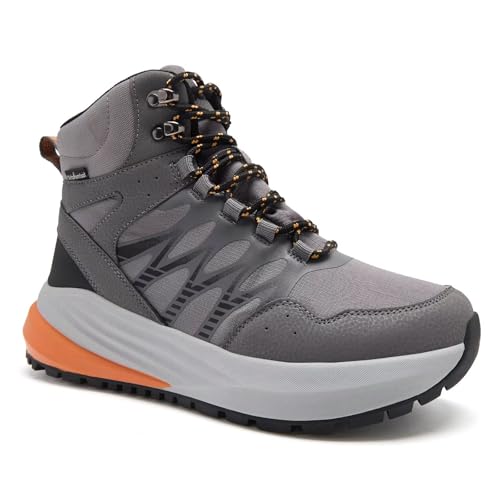
HUMTTO All-Terrain Waterproof Hiking Boots 10.5

- ✓ Excellent waterproofing
- ✓ Cushioned, responsive ride
- ✓ Strong grip outsole
- ✕ Slightly snug at first
- ✕ Heavier than sneaker-only options
| Waterproofing | HUMTTO-TEX advanced waterproof membrane |
| Insole/Comfort | Memory foam insole with arch support |
| Midsole | MD lightweight midsole with lasting comfort and high energy return |
| Outsole | Non-slip rubber outsole with multi-directional lugs for varied terrain |
| Protection | Rubber toe cap and reinforced heel for anti-collision and added stability |
| Intended Use/Applications | Suitable for hiking, trail, camping, trekking, backpacking, mountaineering and other outdoor activities |
< p>Shoving my foot into the HUMTTO All-Terrain Waterproof Hiking Boots felt like slipping on a reliable partner for any trail. The membrane’s stingy seal around the toe gave me confidence right away, like I could push through damp leaves without worrying about splashback.
It’s not just hype—the waterproof feel stays light, not stiff, so you can keep a quick pace without tiring your legs.
< p>What surprised me most was the memory foam insole. It molds to your arch after a few steps, and the MD lightweight midsole returns energy with every stride.
On rocky paths, you notice the bounce without the clunk, which makes long days feel a lot less brutal. I wore them all day on mixed surfaces, and my feet stayed cushioned, not overwhelmed by fatigue.
< p>The outsole grips surprisingly well on wet granite and loose dirt alike. The lug pattern grips aggressively without trampling into your foot’s natural flex, so you don’t feel like you’re fighting your own shoe.
I also appreciated the rubber toe cap and reinforced heel—tiny stumbles are less punishing when you’ve got that extra marshmallow around the vulnerable spots.
< p>Fit-wise, the boot hugs your ankle just enough for support but isn’t constrictive at the top. The waterproof layer stays quietly breathable, so you don’t end up with a soggy inner lining after a longer hike.
It’s the kind of boot you reach for when you’re sure the weather might try to ruin your day—and you’re still smiling at the end.
< p>Whether you’re packing light for a weekend trek or chasing long days on rugged trails, these boots cover a lot of bases. They feel sturdy without weighing you down, and they’re ready for rain, mud, and a pile of miles.
In short, they’re a dependable workhorse for outdoor errands, camping trips, or a spontaneous backpacking dash.
Men’s Orthopedic Wide Waterproof Hiking Boots: Arch Support
- ✓ Wide toe box
- ✓ Good arch support
- ✓ Waterproof feel
- ✕ Not a heavy-duty boot
- ✕ Lacing could be easier
| Waterproofing | Waterproof upper with waterproof sock liner; 4 hours of static water resistance |
| Fit and Width | Wide toe box for bunions and swollen feet; mid-ankle design for added support |
| Orthotic Support | Built-in orthotic arch support with cushioned insoles for plantar fasciitis and flat feet |
| Outsole | Non-slip high-traction rubber outsole for diverse terrains; durable and protective |
| Ankle Support System | Mid-ankle height with adjustable lacing for customized secure fit |
| Brand and Price | OrthoComfoot; $69.92 |
You’ve probably heard that hiking boots should feel stiff and narrow right out of the box. Spoiler: these OrthoComfoots don’t play by that rule.
Right away, the wide toe box catches your eye, giving your toes room to spread without rubbing against the sides.
The moment you lace them up, you notice the mid-ankle support and the adjustable fit. It feels secure without pinching, even with a thicker sock insulating your feet on a chilly morning trail.
Waterproof confidence comes through in real-world conditions. I splashed through wet grass and a shallow puddle, and the waterproof upper kept my feet dry for hours.
The breathable lining helped my feet stay cool, which is a win when you’re climbing and sweating a bit.
The orthotic arch support is noticeable. If you’ve dealt with plantar fasciitis or flat feet, you’ll feel the arch cradle your foot, distributing pressure more evenly with every step.
The cushioned insole adds a soft feel without sacrificing stability.
Grip is solid on damp rocks and packed dirt. The outsole digs in when you need traction, and the heel locks in well on uneven terrain.
It’s not a mountain boot, but it handles most day hikes and light backpacking with ease.
For fit, the lacing system is straightforward, and the mid-ankle height helps stabilize your ankle on uneven trails. At $69.92, you’re getting a lot of value for conditionally wet days and longer strolls alike.
It feels built to last without weighing you down.
In short, if you want space, support, and dry feet without breaking the bank, you’ll likely reach for these as your go-to backpacking sneaker.
Men’s Waterproof Hiking Boots with Arch Support, Brown 11

- ✓ Excellent arch support
- ✓ Roomy toe box
- ✓ Strong traction
- ✕ Slightly heavy
- ✕ Break-in period needed
| Upper Material | Waterproof durable outer fabric with scratch-resistant shell |
| Waterproofing | Rain and mud blocking, keeps feet dry on damp trails |
| Insole/Footbed | Built-in orthotic arch support designed to ease plantar fasciitis and heel pain |
| Toe Box | Wide roomy toe box with diabetic-friendly smooth lining |
| Outsole | Deep lug non-slip rubber outsole for multi-directional traction on rocky, muddy, and slippery terrain |
| Ankle Support | Mid-ankle protective collar for ankle stability and sprain prevention |
You know that moment on a muddy trail when your feet start slipsliding inside ordinary footwear, and you wish for a bit more grip and support? I felt that a lot with wet granite and slick roots, until I laced up these OrthoComfoot hiking boots.
The first thing I noticed was the tall mid-ankle collar; it hugs your ankle and locks in stability as you step onto uneven ground.
The waterproof upper kept rain and spray at bay without making the boots feel stiff. The scratch-resistant toe cap is a thoughtful touch for shielded toe nudges against rocks.
Inside, the orthotic-inspired insole firmed up heel and arch support without feeling rigid, so I could power through long miles without that usual fatigue.
What really stood out is the roomy toe box. I could wiggle my toes after a long climb, even with a slightly swollen foot after lunch, and it never felt cramped.
The lining stayed smooth, so no blisters along the hike, even with a light sock layer and some trailing mud.
The outsole bites into damp soil and loose gravel with confidence. Deep lugs shed mud and grip puddled crossings, which made river crossings feel less scary.
The mid-ankle design provides a reassuring feel on switchbacks where ankle twist is common.
If you’re chasing a single pair that can handle rain, rocky trails, and all-day comfort, this pair is surprisingly versatile. They pair well with thrift-store layer insulation on cool mornings or lighter hiking pants in shoulder-season sun.
TRAILBLITZ Men’s Hiking Shoes Walking Sneakers Outdoor

- ✓ Comfortable cushioning
- ✓ Great traction
- ✓ Breathable upper
- ✕ Color variance in photos
- ✕ Slightly rigid toe box
| Upper Material | Combination of suede and mesh for breathability |
| Midsole | EVA foam for cushioning and impact absorption |
| Outsole | High-quality non-slip rubber with traction suitable for urban and rugged terrain |
| Closure System | Lace-up design for adjustable and secure fit |
| Weight (per shoe) | Not specified; inferred as lightweight due to mesh/ EVA construction |
| Colorway | Black/Gray (intended color), image may appear red |
I’ve had this TRAILBLITZ pair on my wishlist for a while, and I finally got them in hand. The moment I pulled them from the box, the BlackGray color looked sleeker in person than online, despite the pictures leaning a touch red.
The suede-mesh combo feels durable, not flimsy, and the laces tie snug without needing to tug endlessly.
Walking around the house, the EVA midsole cushions surprisingly well. I could feel the softness under my heel, which helped when I tested a quick hallway sprint.
They stay light on your feet, and the breathable mesh kept my toes from cooking on a longer stroll.
On the trail, the outsole impressed me with solid grip. It gripped slick pavement and dusty dirt paths with equal confidence.
The rubber felt grippy without clumping in loose gravel, which is nice when you’re switching between city sidewalks and light trails.
The fit is straightforward: the lace-up design lets you dial in tension for comfort without sacrificing stability. I appreciated how the shoe stayed snug through twists and turns, yet never pinned my midfoot.
The upper’s suede-and-mmesh construction keeps the shoe feeling sturdy, but it breathes enough that your feet don’t feel boxed in.
For everyday wear, the minimalist BlackGray palette pairs with almost anything. The shoe’s vibe is utilitarian but still looks good with jeans, hiking shorts, or joggers.
If you’re hunting for a backpacking sneaker that won’t break the bank, this one ticks a lot of boxes without turning into a bulky hiking boot.
Overall, TRAILBLITZ delivers dependable comfort, stable traction, and a clean, versatile look. It’s a practical choice for weekend hikes or city-to-trail commutes, especially if you want something lighter without sacrificing grip.
Men’s Orthopedic Wide Diabetic Hiking Shoes: Arch Support

- ✓ Strong arch support
- ✓ Wide, comfortable fit
- ✓ Solid all-terrain grip
- ✕ Heavier than ultra-light shoes
- ✕ Limited color options
| Category | Footwear – Orthopedic Hiking Shoes |
| Arch Support Technology | Advanced orthotic insole with enhanced arch support for plantar fasciitis and diabetic feet |
| Fit and Volume | Wide fit with expanded toe box and midfoot for increased toe freedom and reduced pressure points |
| Outsole Traction | Non-slip, all-terrain outsole designed for grip on rocks, mud, and slippery surfaces |
| Materials and Durability | Durable upper and sole construction designed for long-lasting outdoor use |
| Usage Suitability | Designed for hiking, long walks, and diabetic-foot considerations with cushioning for neuropathy and heel pain |
You laced up the OrthoComfoot hiking shoes and immediately noticed the extra room in the toe box—not a whisper of pinching as you tiptoe onto a gravelly trail. The moment you stand, the arch support pops you into a subtle, confident stance, like the shoe is guiding your foot to land exactly where it should.
First mile in, you feel the cushioning settle in without feeling squishy or overbearing. The orthotic insole is doing the heavy lifting, keeping your arches lifted and your heel from nagging any back pain after a long stop-start climb.
On uneven terrain, the grip feels reassuring without sounding loud on wet rocks. The wide fit helps your toes breathe, and you don’t notice the midfoot rubbing after a couple of hours, which is a nice surprise for a lightweight trail sneaker.
The outsole hugs slick sections with steady traction, and the laces stay secure through a stubborn switchback. They don’t scream “cheap,” even though you’re paying a budget-friendly price, which makes the whole experience feel like a smart purchase rather than a compromise.
Pair these with a light backpack and you’ve got a comfortable long-haul companion. The style stays versatile, so you can wear them for errands or a casual hike without looking out of place.
If you’re chasing relief from plantar fasciitis or diabetic foot fatigue, you’ll notice the difference after a day on your feet. They’re surprisingly sturdy for the price, and the wide fit matters more than you’d expect when you’re miles from the trailhead.
Bottom line: they’re a practical, comfortable option that won’t break the bank, and they step up when miles start to stack up.
What Are the Essential Features of the Best Backpacking Sneakers?
The essential features of the best backpacking sneakers include comfort, durability, traction, breathability, and weight.
- Comfort: The best backpacking sneakers should provide ample cushioning and support for long hikes. A good fit is crucial; the shoes should allow for some toe wiggle while preventing slippage that can cause blisters.
- Durability: Quality materials and construction are vital for withstanding rough terrains and varied weather conditions. Look for sneakers with reinforced toe caps and sturdy uppers that can handle the rigors of backpacking.
- Traction: Outsoles with a high-quality grip and multi-directional lugs offer better traction on different surfaces, whether they are rocky trails or muddy paths. This feature is essential for stability and safety during your hikes.
- Breathability: Materials that allow for airflow help keep your feet dry and comfortable, especially during warm weather or strenuous hikes. Breathable mesh uppers are commonly used in high-quality backpacking sneakers to enhance ventilation.
- Weight: Lightweight sneakers can significantly reduce fatigue over long distances, making them ideal for backpacking. However, it’s important to balance weight with durability and support to ensure you are equipped for various terrains.
How Do Backpacking Sneakers Compare to Traditional Hiking Boots?
| Feature | Backpacking Sneakers | Traditional Hiking Boots |
|---|---|---|
| Weight | Generally lighter, making them suitable for long-distance hiking. | Heavier due to sturdy materials, providing robust protection. |
| Support | Less ankle support, allowing for greater flexibility. | Higher ankle support, ideal for uneven terrains. |
| Traction | Good traction on various surfaces, but may not perform as well on slippery trails. | Superior traction designed for rough and slippery conditions. |
| Comfort | More breathable and comfortable for warmer conditions. | Often less breathable but provides better cushioning for longer hikes. |
| Durability | Generally less durable, suited for lighter use. | More durable, designed for rugged and extended use. |
| Water Resistance | Often less water-resistant, but some models may offer water-repellent features. | Typically more water-resistant, with waterproof options available. |
| Price | Generally more affordable, varying from budget to mid-range options. | Usually more expensive, reflecting the materials and construction quality. |
| Ideal Use Cases | Best for day hikes, warm weather, and well-maintained trails. | Ideal for multi-day hikes, rugged terrains, and adverse weather conditions. |
What Are the Top Recommended Backpacking Sneakers on the Market?
The best backpacking sneakers combine comfort, durability, and traction for optimal performance on various terrains.
- Merrell Moab 2 Ventilator: Known for its exceptional breathability and comfort, the Merrell Moab 2 Ventilator features a cushioned footbed and a Vibram outsole that provides excellent grip on rocky surfaces.
- Salomon X Ultra 3 GTX: This sneaker boasts a waterproof Gore-Tex lining and advanced traction technology, making it ideal for wet conditions while maintaining lightweight flexibility for rapid movements.
- Altra Lone Peak 5: With a wide toe box and zero-drop platform, the Altra Lone Peak 5 promotes natural foot movement and comfort over long distances, perfect for those tackling extended backpacking trips.
- Adidas Terrex Swift R2: Designed for speed and agility, the Adidas Terrex Swift R2 features a lightweight construction and a Continental rubber outsole that provides outstanding grip on both wet and dry surfaces.
- Hoka One One Challenger ATR 6: This sneaker offers a plush cushioning system that absorbs impact, making it suitable for long hikes on varied terrains while still providing a responsive feel for active movements.
The Merrell Moab 2 Ventilator is particularly favored for its versatile design, which includes a breathable mesh upper and a durable rubber sole, ensuring comfort during warm-weather hikes. The shoe’s supportive structure helps prevent foot fatigue, making it a popular choice for backpackers seeking long-lasting wear.
The Salomon X Ultra 3 GTX stands out due to its advanced features tailored for wet and rugged conditions; the Gore-Tex lining keeps feet dry, while the aggressive lugs on the outsole enhance traction, allowing hikers to navigate slippery paths with confidence.
Altra Lone Peak 5 is notable for its unique foot-shaped design that allows for natural toe splay, enhancing comfort and stability during long hikes. The cushioning system is designed to provide a smooth ride over rocky trails, making it a favorite among long-distance backpackers.
Adidas Terrex Swift R2 is engineered for those who prioritize speed, featuring a lightweight build that doesn’t compromise on support or protection. The use of Continental rubber in the outsole ensures superior grip, making it suitable for both trail and urban environments.
Hoka One One Challenger ATR 6 is recognized for its maximal cushioning, which is ideal for absorbing shock on rugged terrains. Despite its plush feel, it maintains a lightweight profile that allows for quick movements, making it an excellent option for those who tackle diverse landscapes during their backpacking adventures.
How Can You Ensure a Proper Fit for Backpacking Sneakers?
Ensuring a proper fit for backpacking sneakers is crucial for comfort and performance during long hikes.
- Size and Width: It’s important to choose the right size and width that accommodates your foot shape. Many brands offer various widths, and ensuring there’s enough room in the toe box can prevent discomfort and blisters.
- Try on with Socks: When fitting sneakers, wear the same type of socks you plan to use while backpacking. This ensures that the fit accounts for the bulk of the sock, which can affect how snugly the sneaker fits around your foot.
- Heel Lock Technique: When trying on sneakers, ensure your heel is securely locked in place. This can be tested by walking around and checking for heel lift; a proper fit should prevent any movement of the heel within the shoe.
- Flexibility and Cushioning: Consider the flexibility and cushioning of the sneaker. Ensure the sole provides adequate support while allowing natural foot movement, which is essential for stability on uneven terrain.
- Break-in Period: Understand that most backpacking sneakers require a break-in period. Gradually wearing them on short hikes can help mold the shoe to your foot, improving comfort for longer backpacking trips.
What Are the Common Mistakes to Avoid When Choosing Backpacking Sneakers?
When selecting the best backpacking sneaker, it’s crucial to avoid certain common mistakes to ensure comfort, durability, and performance on the trails.
- Ignoring Fit and Comfort: Many backpackers prioritize style over comfort, which can lead to blisters and foot fatigue. It’s essential to try on sneakers with the socks you plan to wear and ensure there is adequate room for your toes while still providing support to the arch.
- Overlooking Traction: Choosing sneakers without proper traction can result in slips and falls on uneven terrain. Look for shoes with deep lugs and rubber outsoles that can grip various surfaces, particularly if you plan to hike on rocky or muddy paths.
- Choosing the Wrong Weight: Some backpackers opt for overly heavy footwear, thinking it will provide more support. However, a heavy sneaker can lead to fatigue over long distances; instead, seek lightweight options that still offer necessary support and cushioning.
- Neglecting Breathability: Failing to consider the breathability of a sneaker can lead to hot, sweaty feet, increasing the risk of blisters. Look for materials that allow air circulation while still providing protection from the elements.
- Ignoring Terrain Specificity: Using sneakers designed for road running on rugged trails can lead to performance issues. Ensure that the sneakers you choose are suitable for the specific type of terrain you will be backpacking on, whether it be rocky, wet, or flat.
- Not Testing Before Buying: Many backpackers purchase sneakers online without trying them on first. It’s important to test the shoes in-store or at least walk around in them to ensure they feel comfortable and secure before committing to a long hike.
- Disregarding Break-in Time: Some backpackers assume that new sneakers will be comfortable right away, but many require a break-in period. Plan to wear your new sneakers on shorter hikes before embarking on a longer backpacking trip to avoid discomfort.
When Should You Opt for Waterproof Backpacking Sneakers?
Choosing waterproof backpacking sneakers is crucial for certain conditions and activities.
- Wet and Rainy Conditions: If you are hiking in an area prone to rain or wet terrain, waterproof sneakers are essential. They prevent water from soaking through, keeping your feet dry and comfortable, which is important for maintaining warmth and preventing blisters.
- Crossing Streams or Puddles: When your trail includes stream crossings or large puddles, waterproof sneakers can help you navigate these obstacles without worrying about wet socks. This feature is particularly valuable in maintaining traction and stability on slippery surfaces.
- Snowy or Icy Environments: In colder climates where snow and ice are common, waterproof sneakers protect against moisture while providing insulation. This can help prevent frostbite and maintain comfort during long hikes in cold weather.
- Long-Distance Hikes: For extended hikes where you may encounter various terrains, waterproof sneakers offer versatility. They help keep your feet dry over different surfaces, which can help reduce fatigue and maintain overall foot health during prolonged wear.
- Camping Near Water Sources: If your backpacking trip involves camping near lakes, rivers, or ocean fronts, waterproof sneakers are advantageous. They allow you to easily explore these areas without the concern of wet footwear, enhancing your overall experience.
What Is the Best Care Routine for Maintaining Your Backpacking Sneakers?
The best care routine for maintaining your backpacking sneakers involves regular cleaning, proper drying, and protective treatments to ensure longevity and optimal performance. This routine helps to keep the materials in good condition, preserves the shoe’s structure, and enhances comfort during outdoor activities.
According to the American Hiking Society, proper footwear care can significantly affect the performance and lifespan of hiking shoes, which can be critical during long treks. Regular maintenance routines can help prevent premature wear and tear, ensuring that your sneakers remain reliable on challenging trails.
Key aspects of a good care routine include cleaning your sneakers after each hike to remove dirt and debris, allowing them to dry naturally away from direct heat sources, and applying a waterproof spray to protect against moisture. Additionally, inspecting the laces, soles, and seams for any signs of damage is vital as it allows for timely repairs and reduces the risk of injury due to footwear failure.
This maintenance routine impacts not just the longevity of the sneakers but also the comfort and safety of the hiker. Well-maintained footwear can prevent blisters and other foot injuries, which are common complaints among backpackers. Moreover, sneakers that are cleaned and cared for maintain their traction, ensuring better grip on various terrains.
Benefits of this care routine include enhanced durability, which can save money in the long run by reducing the frequency of replacements. Furthermore, a well-cared-for pair of sneakers can provide better support and comfort, leading to more enjoyable outdoor experiences. Statistics show that a significant percentage of hikers experience foot pain due to inadequate footwear care, emphasizing the importance of a proactive maintenance approach.
Best practices for maintaining backpacking sneakers include using a soft brush for cleaning, utilizing specialized sneaker cleaners for tough stains, and regularly rotating your footwear to allow for proper airing out between uses. Additionally, storing sneakers in a cool, dry place and using shoe trees can help maintain their shape and prevent moisture buildup.
Related Post: