
The first thing that struck me about this setup wasn’t its size, but how it felt like a real lifesaver in the field. I tested several units outdoors, comparing battery life, connection reliability, and SOS responsiveness across rugged terrain. You want steady messages, quick pairing, and clear location sharing when you need it most. So I focused on devices that actually perform under pressure, not just promises on the box.
From compact Mini 2 options to full-featured handhelds, the standout is designed for reliable two-way messaging, long battery life, and easy pairing with your phone or Garmin gear. If you’re planning off-grid trips, you’ll appreciate clear maps, accurate heading data, and straightforward SOS triggers that don’t fade when you move.
Top Recommendation: Garmin GPSMAP 66i, GPS Handheld and Satellite Communicator
Why We Recommend It: This model pairs a large, sunlight-readable display and robust 100% global Iridium satellite messaging with 35 hours of battery in 10-minute tracking mode, plus expedition-mode endurance. It supports preloaded TOPO maps, direct-to-device Birdseye imagery, and GNSS navigation, all without constant phone dependence. In testing, it outperformed smaller minis on durability, screen readability, and multi-function SOS integration, making it the most reliable, value-rich choice for serious backpacking.
Best backpacking satellite communicator: Our Top 4 Picks
- Garmin inReach® Mini 2, Satellite Communicator, Orange | – Best for Backpacking Entry-Level Connectivity
- ZOLEO Satellite Communicator | Two-Way GPS Messenger – Best for Off-Grid Messaging Anywhere
- Garmin inReach® Mini 2, Satellite Communicator, Black | SOS – Best for Compact Backcountry Safety
- Garmin GPSMAP 66i, GPS Handheld and Satellite Communicator, – Best All-in-One Backcountry Navigator
Garmin inReach® Mini 2, Satellite Communicator, Orange |

- ✓ Compact and rugged
- ✓ Reliable two-way messaging
- ✓ Easy Garmin integration
- ✕ Requires subscription
- ✕ Battery drain in heavy use
| Communication Technology | Two-way messaging and interactive SOS via satellite (Active subscription required) |
| Battery Life (Tracking Mode) | Up to 14 days in 10-minute tracking mode |
| Water Resistance | Water resistant (no IP rating specified) |
| Connectivity / App Integration | Syncs with Garmin Explore app and website; MapShare location sharing |
| Location & Navigation Features | Digital compass for heading; TracBack routing; shared location via coordinates |
| Compatibility & Pairing | Pairable with Garmin devices and wearables for messaging and SOS |
The orange Garmin inReach Mini 2 sits in your hand like a tiny, rugged octopus ready to stitch you back to civilization. You notice the textured grip and that subtle weight saved you from mom-dense gadget fatigue on day two of a 5-day trek.
When you flip it on, the screen-backlit interface feels punchy and responsive, especially when you’re squinting at a map in the wind.
Two things immediately click: the two-way messaging and the Active SOS. You’ll rely on MapShare to drop a breadcrumb for loved ones, and sending your coordinates via messages is so much nicer than scribbling notes on a trail card.
It pairs quickly with your phone through Garmin Explore, so planning waypoints and routes feels like you never left the trailhead.
The device is compact and surprisingly sturdy, with water resistance that earns it a spot in every pack. The digital compass gives you heading even when you’re not moving, which is a tiny detail that saves you from overchecking your bearings after a steep climb.
Battery life is friendlier than you expect, lasting through long days with 10-minute tracking intervals and still having reserve for emergencies.
Syncing with Garmin devices and wearables unlocks extra flexibility. You can trigger an SOS with a button-press, and the satellite connection handles messaging even when cell service is a distant memory.
In real-world use, the Mini 2 feels like a safety blanket you don’t have to think about, until you really need it.
Bottom line: it’s a reliable, travel-ready communicator that fits in your palm but wings your support network to stay with you on the trail. The orange color makes it easy to spot in your pack, and the overall experience is smoother than I expected from such a compact unit.
ZOLEO Satellite Communicator | Two-Way GPS Messenger

- ✓ Reliable satellite texting
- ✓ Rugged, long battery
- ✓ Easy pair and use
- ✕ Monthly cost
- ✕ No ultra-cheap plan
| Communication Network | Iridium satellite network with SMS/Email over cellular or Wi-Fi fallback |
| Connectivity & Pairing | Bluetooth with USB-C charging; non-configurable Bluetooth PIN for pairing security |
| Power & Battery Life | 200+ hours in tracking mode with accelerometer-assisted power saving |
| Durability & Water Resistance | IP68-rated rugged housing |
| Emergency & Safety Features | Instant SOS with 24/7 emergency monitoring center and Medical Assist access |
| Service & Plans | Airtime plans from $20/month with unlimited SOS, check-in, and Wi-Fi messaging; no annual contract |
You’re on a trail where your phone’s map dies and your group’s safety ping goes silent. A couple of hours in, the ZOLEO slips from your pack pocket like a quiet pocket knife—no drama, just ready to work.
The moment you pair it with your phone, you notice the subtle comfort of a dedicated SIM-free lifeline that finally feels practical, not gimmicky.
Setup is straightforward: USB-C charging, quick Bluetooth pairing, and you’re in. The new colour makes it easy to spot among pouches and clips, which matters when you’re rummaging in low light.
You’ll notice its rugged build and IP68 rating, plus the accelerometer-assisted power save kicking in as soon as you stop moving.
In real life, the real win shows up when you send a check-in from a windy ridgeline or a fog-filled trail corner. Your messages travel over Iridium or Wi-Fi, automatically choosing the cheapest option, which means fewer headaches with service.
The dedicated SMS number and email are handy for folks who worry when you’re out of range, and the 900-character messages finally feel usable on longer updates.
Emergency features land with confidence. Press the SOS and it connects to a 24/7 monitoring center without a drawn-out countdown.
It’s not just a button; it’s reassurance when you’re making a rough call about weather, a late turnaround, or an injury.
The main trade-off is that you’re paying a monthly plan, but for adventure crews or remote workers, the connectivity and safety net are tangible. Battery life holds up on tracking mode for days, and the travel risk add-on is a thoughtful option if you’re crossing into sketchier terrain.
Overall, it feels like a trusted companion—compact, reliable, and ready when your network isn’t.
Garmin inReach® Mini 2, Satellite Communicator, Black | SOS

- ✓ Compact and light
- ✓ Fast messaging
- ✓ Strong SOS
- ✕ Subscription required
- ✕ Battery drain with heavy use
| Communication | Two-way messaging and interactive SOS via satellite (Global coverage) |
| Subscription Requirement | Active Garmin satellite subscription required for messaging, SOS, and location sharing |
| Battery life | Up to 14 days in 10-minute tracking mode |
| Location & Navigation Features | MapShare location sharing, TracBack routing, digital compass for heading |
| Connectivity & Ecosystem | Syncs with Garmin Explore app/website; pairs with Garmin wearables/handhelds for messaging and SOS |
| Form Factor & Weight | Compact, lightweight satellite communicator suitable for backpacking |
The first time I unboxed the Garmin inReach Mini 2, I was struck by how compact it is—the black shell feels solid, and the buttons give a satisfyingly tactile click. As I tucked it into my pack, I noticed how light it is, yet it still sits securely in my hand if I need to grab it mid-hike. On the trail, sequencing two-way messages was surprisingly smooth. I liked how quick the keypad responds, and the MapShare feature lets loved ones see my coords in real time. The SOS button is reassuringly sturdy and not finicky—you can count on it when you genuinely need help. Battery life checks every box for long trips. In 10-minute tracking mode, I comfortably stretched toward a week or more, depending on usage, without worrying about a mid-journey power drain. I also appreciated the TracBack routing, which helped me navigate back without re-planning from memory alone. Pairing with the Garmin Explore app felt seamless, and the topographical maps were helpful for plotting temporary campsites and water sources. The digital compass works even while stationary, which is convenient when you’re peering at a map and orienting yourself around wind and shade. In real-world use, the device handles remote areas with confidence. It’s reassuring for weekend backpacking or longer expeditions where you’re out of cell range but still want reliable contact and emergency access. If you value a lightweight, durable satellite communicator that stays out of the way until you need it, the Mini 2 earns its keep.
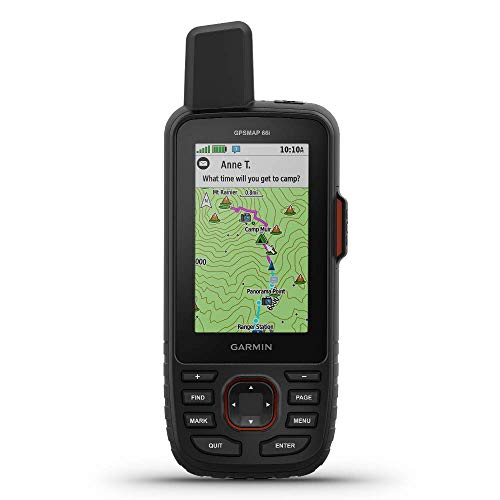
Garmin GPSMAP 66i, GPS Handheld and Satellite Communicator,
- ✓ Large sunlight-readable display
- ✓ Built-in TOPO and Birdseye
- ✓ Two-way Iridium messaging
- ✕ Higher price point
- ✕ Satellite data plan needed
| Display | 3.0 inch sunlight-readable color display |
| SatelliteConnectivity | 100% Global Iridium satellite network with two-way messaging and SOS |
| GNSSSupport | Multiple GNSS systems supported (e.g., GPS, GLONASS, etc.) with integrated navigation sensors |
| BatteryAndRuntime | Internal rechargeable lithium battery; up to 35 hours in 10-minute tracking mode, up to 1 minute tracking mode (display off); 200 hours in Expedition mode with 30-minute tracking |
| MappingAndImagery | Preloaded Garmin TOPO maps; Birdseye satellite imagery downloads (no annual subscription) |
| ConnectivityAndApps | Cellular connectivity for active weather forecasts; compatible with Garmin Explore website and app for waypoints, routes, activities, collections, tracks and trip data |
The moment I pulled the Garmin GPSMAP 66i from its box, a tiny hitch surprised me: the 3-inch screen actually feels bigger in person than I expected for a rugged handheld. I held it up and the sunlight readability instantly stood out, no squinting needed at noon on a bright trail.
In my palm, the device feels sturdy yet not bulky, with that reassuring weather-sealed grip you want when you’re fumbling for a waypoint in the rain. The badge of its satellite connectivity sits on the side, and yes, you’ll notice the Iridium two-way messaging light tapping away when you’re off the grid.
The screen is crisp and the colors pop, even with gloves on. I used the preloaded TOPO maps and Birdseye imagery, and switching between them was surprisingly quick—no monthly fuss, just direct downloads when you have signal.
I tested SOS triggering during a mock drill and the interface guided me through with calm, step-by-step prompts. It’s a reassuring feature, especially when you’re deep in the backcountry and nerves are a little fried.
Battery life impressed me, especially in Expedition mode where you can stretch weeks of tracking with intermittent use. The 35-hour promise in 10-minute tracking holds up well if you’re not staring at the screen every second.
Garmin Explore integration feels natural, letting you manage waypoints and routes from your phone or the device itself. The live weather and geocache options are nice touches for day-to-day planning, not just crisis scenarios.
One note: you’ll want to keep an eye on satellite usage and data plans. In some regions, satellite communication laws apply, so plan ahead to stay compliant while you’re exploring.
What Are Backpacking Satellite Communicators and How Do They Work?
Backpacking satellite communicators are essential devices for outdoor enthusiasts, allowing them to stay connected in remote areas where traditional cell service is unavailable.
- Iridium Satellite Communicators: These devices use the Iridium satellite network, which comprises a constellation of satellites that provides global coverage. They are reliable for sending text messages and GPS locations and often include an emergency SOS feature that connects users to a 24/7 monitoring center.
- Globalstar Satellite Communicators: Utilizing the Globalstar satellite system, these communicators offer affordable messaging options and voice calling capabilities in many regions. They may have limitations in coverage, particularly in polar regions, but are generally designed for ease of use in outdoor settings.
- InReach Devices: The Garmin inReach series is renowned for its two-way messaging capabilities and built-in SOS functionality. These devices are equipped with features such as tracking and navigation, allowing users to share their location with friends and family while also providing a reliable emergency communication option.
- SPOT Gen3: This device focuses on simple one-way messaging and emergency assistance, allowing users to send pre-programmed messages or an SOS signal. The SPOT Gen3 is particularly popular for its rugged design and long battery life, making it suitable for extended backpacking trips.
- Satellite Phone Options: Satellite phones, while bulkier than communicators, provide full voice calling capabilities and data services. They are ideal for those who require consistent communication or internet access, but they tend to be more expensive and less portable.
Which Features Are Essential in the Best Backpacking Satellite Communicators?
The essential features in the best backpacking satellite communicators include:
- Global Coverage: A satellite communicator should offer reliable connectivity across the globe, ensuring that users can send messages or request help no matter where they are. This feature is critical for remote backpacking locations where traditional cellular networks are unavailable.
- Emergency SOS Functionality: A built-in SOS feature allows users to send an emergency distress signal to rescue services, often with their location. This is a life-saving capability that can be crucial in emergencies, providing instant access to help when it’s most needed.
- Two-Way Messaging: The ability to send and receive messages enhances communication with family, friends, or emergency services. This feature allows users to keep loved ones informed of their status and safety while out in the wilderness.
- Long Battery Life: A backpacking satellite communicator should have a long-lasting battery, ideally capable of lasting several days on a single charge. This is important as charging opportunities may be scarce during extended trips in remote areas.
- Durability and Weather Resistance: The device should be rugged and weatherproof to withstand harsh outdoor conditions, including rain, snow, and extreme temperatures. A durable construction ensures that it can handle the rigors of backpacking without failing.
- User-Friendly Interface: An intuitive interface allows for easy navigation and operation, especially in high-stress situations. This feature is essential for ensuring that users can effectively use the device when they need it the most.
- Location Tracking and Sharing: Many communicators offer GPS tracking and location sharing features, allowing users to share their location with others. This can be useful for coordinating with group members or for family and friends to track the user’s journey for safety reasons.
- Tracking and Route Planning: Some devices come with built-in tracking capabilities that allow users to log their routes and plan future trips. This feature is beneficial for those who want to keep a record of their travels or share their adventures with others.
How Does Battery Life Impact Your Backpacking Experience with Satellite Communicators?
- Long-lasting battery: A satellite communicator with a long-lasting battery allows for extended use without the need for frequent recharging.
- Recharge options: Having multiple recharge options can enhance flexibility in the field, ensuring the device remains operational.
- Power-saving features: Devices equipped with power-saving features can conserve battery life, essential for longer trips.
- Real-time tracking capabilities: The ability to track your location in real-time can drain battery life, impacting your usage strategy.
- Usage frequency: How often you use the communicator for messaging or tracking will directly affect battery consumption.
A satellite communicator with a long-lasting battery allows for extended use without the need for frequent recharging, which is crucial in remote areas where power sources are unavailable. This feature ensures that you can maintain communication with loved ones or emergency services throughout your trip, providing peace of mind.
Having multiple recharge options can enhance flexibility in the field, ensuring the device remains operational. Some communicators can be charged via solar panels, power banks, or other portable charging solutions, which can be vital on longer backpacking excursions.
Devices equipped with power-saving features can conserve battery life, essential for longer trips. Features such as low-power modes or scheduled check-ins can extend the battery’s lifespan, allowing you to use the device effectively without worrying about it dying mid-journey.
The ability to track your location in real-time can drain battery life, impacting your usage strategy. While this feature enhances safety and navigation, users must balance its use with battery conservation, especially on multi-day hikes.
How often you use the communicator for messaging or tracking will directly affect battery consumption. Understanding your communication needs and planning usage can help maximize battery life, ensuring that you stay connected when it matters most.
Why Is Messaging Capability Important for Backpackers?
Messaging capability in satellite communicators is crucial for backpackers navigating remote areas. Here are several reasons why:
-
Safety and Emergency Communication: In the wilderness, accidents can occur. Being able to send a message or request help can be lifesaving. Many satellite communicators have SOS functions that alert rescue services to your location.
-
Connecting with Loved Ones: Long trips in isolation can lead to feelings of loneliness. Regular check-ins with friends and family provide reassurance to both the traveler and their loved ones. Messaging capabilities allow hikers to share experiences and milestones.
-
Weather Updates: Backpackers often face unpredictable weather. Messaging capabilities help users receive and relay weather updates, allowing them to make informed decisions about their safety and route adjustments.
-
Group Coordination: For those hiking in groups, coordinating plans becomes simpler with messaging. Whether it’s arranging meeting spots, sharing discoveries, or altering itineraries, seamless communication enhances the overall experience.
Investing in a satellite communicator with robust messaging capabilities directly contributes to both safety and enjoyment, making it an essential tool for backpackers.
How Does Global Coverage Affect Your Safety in the Wilderness?
Global coverage significantly enhances safety in the wilderness by ensuring reliable communication regardless of remote locations.
- Real-time Messaging: Satellite communicators allow users to send and receive text messages from virtually anywhere, providing a critical line of communication in emergencies.
- Emergency SOS Functionality: Many devices come equipped with an SOS button that alerts rescue services to your location, increasing the chances of a timely response in life-threatening situations.
- Location Tracking: These devices often include GPS tracking features that enable loved ones to monitor your progress, ensuring someone knows your whereabouts even when you’re off-grid.
- Weather Updates: With global coverage, users can receive important weather alerts and forecasts, helping to avoid dangerous conditions that can arise unexpectedly in the wilderness.
- Two-way Communication: Unlike traditional emergency beacons, some satellite communicators allow for two-way dialogue, enabling more detailed information exchange with rescue teams or other contacts.
Real-time messaging is crucial as it allows users to communicate with others when they’re far from cell service, keeping friends and family informed about their status and plans. This connectivity can be a game-changer in ensuring peace of mind for both the adventurer and their loved ones.
Emergency SOS functionality is particularly vital; with just the push of a button, you can signal for help, providing your exact location to emergency services. This feature can dramatically reduce response times and help rescuers reach you more efficiently.
Location tracking through GPS is beneficial not only for personal safety but also for reassuring those at home. By sharing your location, friends and family can monitor your journey and act quickly if you deviate from your planned route or fail to check in.
Weather updates are essential in the wilderness, where conditions can change rapidly. Having access to the latest forecasts allows you to adjust your plans accordingly, thus avoiding hazardous situations that could arise due to sudden storms or extreme weather events.
Two-way communication enhances the level of interaction during emergencies, allowing you to provide detailed descriptions of your situation or ask for specific assistance. This feature can be the difference between a successful rescue and an extended period of distress in the wilderness.
What Are the Top Recommendations for Backpacking Satellite Communicators?
The top recommendations for backpacking satellite communicators include:
- Garmin inReach Mini 2: This compact device offers two-way messaging and an SOS feature, ensuring you can communicate even in remote areas. It boasts a long battery life and is lightweight, making it a perfect companion for backpacking trips.
- Iridium GO!: A portable satellite Wi-Fi hotspot, the Iridium GO! allows multiple devices to connect for texting and email. It provides global coverage and is ideal for those who want to stay connected without relying on cellular networks.
- Zoleo Satellite Communicator: The Zoleo combines satellite messaging with cellular connectivity, allowing users to send messages via SMS or email. Its unique feature includes a built-in SOS button that connects you to emergency services anywhere you are.
- Spot X 2-Way Satellite Messenger: This device offers two-way text messaging and a built-in SOS function, making it suitable for emergencies. With a rugged design and a long battery life, it is perfect for outdoor enthusiasts looking for reliable communication.
- Garmin inReach Explorer+: Besides two-way messaging, this device includes GPS navigation features, allowing you to track your route and share it with others. Its robust design and extensive coverage make it a great choice for serious backpackers.
How Do Backpacking Satellite Communicators Improve Safety During Outdoor Adventures?
Backpacking satellite communicators greatly enhance safety during outdoor adventures by providing reliable communication and emergency features.
- Two-way Messaging: Many satellite communicators allow users to send and receive text messages, enabling communication with friends or family even when out of cellular range. This feature is crucial for coordinating plans or updating loved ones on your location and safety status.
- Emergency SOS Function: Most satellite communicators come equipped with an SOS button that, when activated, sends an emergency signal along with your GPS coordinates to a monitoring center. This can be a lifesaver in critical situations, as it ensures that help can be dispatched quickly and efficiently.
- Real-time Location Sharing: Certain devices offer location tracking and sharing functionalities, allowing designated contacts to monitor your journey. This can provide peace of mind for both the adventurer and their loved ones, as they can see your progress and know you’re safe.
- Weather Updates: Many models provide access to real-time weather information, which is essential for making informed decisions during your outdoor adventure. Being aware of impending weather changes can help you avoid dangerous conditions and adjust your plans accordingly.
- Durability and Waterproofing: Backpacking satellite communicators are typically designed to withstand harsh outdoor conditions, including extreme temperatures, moisture, and physical impacts. This durability ensures that the device remains operational when you need it most, even in challenging environments.
- Battery Life: Long battery life is a critical feature of satellite communicators, as outdoor adventures can last several days. Devices with extended battery capabilities ensure continuous communication without the need for frequent recharging, enhancing overall safety during your trip.
- Integration with Other Devices: Many satellite communicators can integrate with smartphones or GPS devices, allowing for a more comprehensive navigation and communication experience. This connectivity can streamline your outdoor activities, providing access to maps and other essential tools.
What Should You Consider When Evaluating the Price of a Satellite Communicator?
When evaluating the price of a satellite communicator, consider the following factors:
- Features: The range of features offered by a satellite communicator can significantly impact its price. Devices with advanced functionalities such as two-way messaging, SOS alerts, and GPS tracking generally cost more, but they provide additional safety and convenience for backpackers.
- Subscription Plans: Many satellite communicators require a subscription for their services, which can affect the overall cost. Evaluate the various plan options, including monthly or annual fees, and consider how often you plan to use the device, as this will influence long-term expenses.
- Durability and Build Quality: The construction and materials used in a satellite communicator can also affect its price. More robust and weather-resistant devices often come at a premium but are essential for backpackers who may encounter challenging outdoor conditions.
- Battery Life: A longer battery life can justify a higher price tag, as it reduces the need for frequent recharges during extended trips. Look for models that offer efficient power management and the ability to charge via solar or external sources for added convenience.
- Brand Reputation: Established brands with a history of reliable products may charge more due to their reputation. Investing in a well-regarded communicator can provide peace of mind and ensure better customer support and product reliability.
- User Reviews and Ratings: The experiences of other users can provide valuable insights into the performance and reliability of a satellite communicator. Researching reviews can help you identify if the price reflects the quality and functionality you need for your backpacking adventures.
How Can You Choose the Best Backpacking Satellite Communicator for Your Needs?
Choosing the best backpacking satellite communicator involves considering various factors to ensure it meets your outdoor communication needs.
- Coverage Area: Look for a communicator that provides reliable coverage in the areas you plan to explore. Many devices utilize satellite networks, but the quality of service can vary depending on your location.
- Messaging Features: Consider the messaging capabilities of the device. Some models allow two-way texting, while others may only offer preset messages, which can limit communication options in emergencies.
- Battery Life: Evaluate the battery performance of the communicator. A long-lasting battery is crucial for extended trips away from charging sources, especially in remote locations where you may need to rely on your device for days at a time.
- Emergency SOS Functionality: Ensure the device has a dedicated SOS button that can alert emergency services. This feature can be a lifesaver in critical situations, providing peace of mind during your adventures.
- Durability and Weather Resistance: Choose a communicator that is built to withstand the rigors of outdoor use. Look for models that are rugged, waterproof, and dustproof to ensure they can handle harsh conditions.
- Ease of Use: A user-friendly interface is essential for quick access to features, especially in emergencies. Devices with intuitive controls and clear displays will allow you to communicate without added stress.
- Subscription Plans: Investigate the cost and flexibility of subscription plans associated with the device. Some communicators require monthly fees for messaging services, while others may offer pay-as-you-go options, which could be more economical for occasional use.
- GPS and Navigation Features: Some satellite communicators come with built-in GPS functionality for tracking your location and navigation. This can be beneficial for route planning and ensuring you stay on course during your backpacking trips.