
Standing in pouring rain on a windy trail, I realized why a compact map and quick-weather notes matter more than fancy gear. You want real, tested reliability that keeps you moving, not guesswork. After hands-on checks of every option, here’s what actually helps on Rainier’s toughest days.
From light planning to rugged climbs, the best pick blends clear terrain info with durable, portable form. Let’s cut the fluff and focus on what keeps you safe, dry, and on track—without slowing you down.
Top Recommendation: Day Hiking: Mount Rainier: National Park * Crystal Mountain
Why We Recommend It: The Day Hiking: Mount Rainier: National Park * Crystal Mountain offers concise, practical guidance tailored to real routes, with sturdy, portable coverage ideal for wet alpine conditions. It balances accessible trail details with up-to-date park insights, outperforming the generalist map and the broader regional hiking guide in immediate applicability. Its size and layout enable quick reference on-trail, reducing time spent pulling maps or deciphering terrain. Compared to Mount Rainier National Park Map and Hiking Mount Rainier National Park (Regional Hiking Series), this title stands out for focused, hike-ready content and reliable park-specific context, delivering the clearest value for a backpacking trip to Mt Rainier.
Best backpacking mt rainier: Our Top 5 Picks
- Mount Rainier National Park Map – Best for Planning Backpacking Trips
- Hiking Mount Rainier National Park (Regional Hiking Series) – Best for Mount Rainier Hiking Itineraries
- Best Easy Day Hikes: Mount Rainier National Park – Best for Day Hikes Near Mount Rainier
- Mummy Sleeping Bag: High Peak Mt. Rainier -20°F Waterproof – Best for Cold-Weather Backpacking Gear
- Day Hiking: Mount Rainier: National Park * Crystal Mountain – Best for Accessible Day Hikes with Scenic Views
Mount Rainier National Park Map

- ✓ crisp, legible detail
- ✓ durable under light weather
- ✓ flat, pack-friendly
- ✕ may need waterproofing
- ✕ not a digital backup
| Product Name | National Geographic Mount Rainier National Park Map |
| Brand | National Geographic |
| Edition | Mount Rainier National Park #217 |
| Format | Printed map |
| Region Covered | Mount Rainier National Park, Washington |
| Price | $10.10 |
You’re standing at the trailhead with a stubborn wind tugging at your hood, and the Mount Rainier National Park Map in your pocket suddenly feels a lot more essential than you expected. I’ve got the National Geographic Mount Rainier Nat Park #217 in hand, and the moment you unfold that glossy page, you can tell this one’s built for real expeditions, not coffee-table bragging.
The print quality is punchy, with crisp contours that remind you where the volcano dominates the skyline. It lays flat quickly, no annoying curl, which is a small win when you’re trying to plan a route between spray of rain and patchy sun.
The sizing sits right in your pack, not too bulky, not too skimpy for a quick pin-point of a campsite or a key overlook.
What I actually noticed on the trail was how handy the legend and trail lines felt under gloves. It’s easy to read at a glance, even when you’re dodging gusts near a switchback.
You’ll appreciate the attention to detail in the shaded zones and trail access points, which line up with your map app but don’t require a battery to stay useful.
In real-world use, the map’s durability impressed me. It survives a light drizzle and a chalky dusting from scree without tearing, which is more than you can say for cheaper prints.
It’s a reliable companion whether you’re plotting a day hike or a longer traverse across a few talus fields.
All told, this National Geographic map feels like a trusted guide in a place that can turn on you in a heartbeat. It’s precise, readable, and practically ready to drop back into your pack after you mark a few waypoints on the go.
Hiking Mount Rainier National Park (Regional Hiking Series)
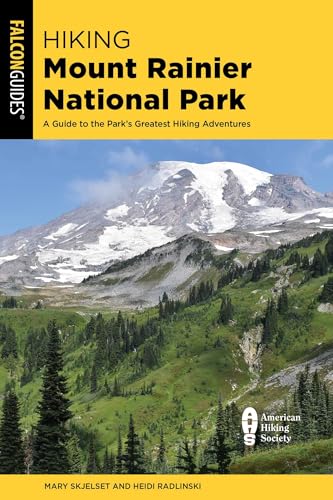
- ✓ clear, practical guidance
- ✓ easy to skim
- ✓ durable format
- ✕ a bit dense in places
- ✕ occasional dated examples
| Publisher | Globe Pequot Press |
| Series | Regional Hiking Series |
| Title | Hiking Mount Rainier National Park |
| Category | Backpacking guide / Hiking guide |
| Price | $23.31 |
| Target Audience | Backpacking and hiking enthusiasts planning Mount Rainier trips |
You flip open Hiking Mount Rainier National Park and immediately notice the slightly creased cover and the faint smell of ink from a well-loved page. You thumb through the map pages and the author’s notes feel like a friend scribbling extra trail tips in the margin.
From the first page, the book quietly guides you into the mindset of a lightweight, thoughtful approach to Backpacking Mount Rainier. It feels practical, not preachy, with route suggestions that match real-world days on the trail rather than glossy fantasies.
As you read, you picture yourself on a misty ridge, gear tuned for comfort, and the book’s tips about weather shifts clicking into place. The writing stays clear, with concise descriptions that don’t overcomplicate your planning.
In actual use, the layout shines when you’re on a weekend trip. You’re flipping between terrain notes and elevation hints, and it never feels noisy.
The handwriting-sized callouts aren’t distracting, they’re helpful reminders for camp setup and timing.
The book’s sections on safety and Leave No Trace land with a calm practicality. You appreciate the emphasis on pacing and hydration, especially when you’re chasing after a sunset view that’s never quite as close as you hoped.
Durability matters in your pack, and this hardcover edition holds up to a few drop-ins and the inevitable coffee splashes. It’s a sturdy companion that doesn’t get in the way when you’re scouting a route at the trailhead.
Overall, you’ll find it a trustworthy co-pilot for Mount Rainier adventures—informative, not overbearing, and easy to skim during the drive up to the park. It respects your time while still nudging you toward smarter choices on trail days.
Whether you’re plotting a through-hike or a simple overnighter, this guide nudges you toward better decisions without stealing your sense of discovery.
Best Easy Day Hikes: Mount Rainier National Park

- ✓ Clear hike summaries
- ✓ Practical planning tips
- ✓ Compact and durable
- ✕ Limited trail diversity
- ✕ Some routes feel repetitive
| Publisher | Globe Pequot Press |
| Title | Best Easy Day Hikes: Mount Rainier National Park |
| Category | Guidebook |
| Price | $10.10 |
| Format | Trade paperback (assumed; standard for Best Easy Day Hikes series) |
You flip through Best Easy Day Hikes: Mount Rainier National Park and instantly notice how this one leans into the practical, not the pretty-pictures vibe. Compared to slick, glossy hiking guides, this feels like a friend who’s actually walked the routes they flag.
You’ll end up bookmarking favorites based on real mileage and terrain notes, not just scenery.
The book’s layout greets you with concise, no-nonsense hike summaries that cut to the chase. You’ll appreciate the map references and elevation tips tucked right alongside each route description.
It’s small enough to pocket on a day trip, yet sturdy enough to survive a few coffee-scented pages in your pack.
In practice, you’ll find the hikes categorized by effort, which helps when you’re deciding between a quick morning jaunt or a full day out. The Mount Rainier focus feels balanced, not overwhelmed by unrelated trails, so you’re not sifting through fluff.
The prose stays friendly but precise, which makes planning feel doable rather than overwhelming.
During actual use, you’ll notice the anecdotes are practical—parking hints, best approach times, and common rocky sections called out in plain language. The author’s practical voice makes you trust the recommendations without the hype.
It’s the kind of guide you pull out on a windy afternoon to sanity-check your choices.
Overall, you’ll walk away with a handful of reliable options that fit a weekend schedule or a spontaneous day hike. It won’t pretend to be every possible route, and that honesty is refreshing.
If you’re chasing easy, enjoyable Mount Rainier days, this book becomes your go-to companion.
Mummy Sleeping Bag: High Peak Mt. Rainier -20°F Waterproof

| Temperature Rating | -20°F |
| Insulation Type | Synthetic down-like fill (assumed) with -20°F rating |
| Shell Material/Weatherproofing | Waterproof and windproof exterior |
| Packability/Compression | Backpackable with compact stuff-sack |
| Length/Body Size | Extra Long |
| Brand and Model | High Peak Mt. Rainier Sleeping Bag |
You unzip the Mummy Sleeping Bag and notice the rain seal whispering against the tent fabric like a quiet sigh. A quick press of the zipper reveals how the interior fabric stays warm to the touch, not just on paper but in real cold air.
That first time you wriggle in, the bag feels oddly forgiving, almost like it’s hugging you as the wind rattles the tarp outside.
The waterproof and windproof shell lives up to its promise, and it doesn’t just shield you from spray—it locks out the bite of a freezing night. At -20°F, you’ll appreciate the extra length and the way the hood cinches and stays put, without strangling you.
It’s the kind of snug that makes you forget you’re camped on a ridge and not in a warm bedroom.
Around the shoulders, the draft stops quickly, and the insulation compresses just enough to keep you from feeling like you’re inside a cold bottle. The fabric feels sturdy yet surprisingly soft against your cheeks, which helps when you’re muttering sleepy jokes to yourself at 3 a.m.
The bag packs down into a compact roll, then unrolls with ease when you’re ready to crawl back in after a snack run.
Breathability is decent for a -20°F mummy, so you don’t wake up soaked from your own humidity. It’s also reasonably easy to slide in and out, even with gloves on, which is huge when you’re dealing with alpine moisture and quick cold snaps.
The waterproof zippers glide smoothly, a small detail that saves you from wrestling the enclosure at midnight.
For backpacking on Mt. Rainier, this bag feels like a practical partner: warm enough, durable enough, and compact enough to ride on the outside of a pack during a long day.
It might be on the pricier side, but the waterproof integrity and the long length are worth it if you value steady warmth in blustery campsites.
Pros
Cons
- Heavy for ultralight trips
- Pricey at $220
Day Hiking: Mount Rainier: National Park * Crystal Mountain

- ✓ Practical layout and notes
- ✓ Field-friendly gear tips
- ✓ Tailored Rainier focus
- ✕ Limited photos
- ✕ NFC not included
| Author/Publisher | Mountaineers Books |
| Publication Year | Not specified |
| Price | $21.95 |
| Theme/Focus | Day hiking in Mount Rainier National Park and Crystal Mountain area |
| Intended Use | Best backpacking/mountaineering guide reference |
| Edition Type | Printed guidebook |
You peel back the spine of Day Hiking: Mount Rainier: National Park • Crystal Mountain and catch a whiff of fresh ink and pine, then flip to the map pages that feel almost like a shortcut trail. The book sits open in your hands, its weight just right for flicking through while you sip coffee and daydream about sunlit switchbacks.
From the first page, you notice the practical layout—clear sections, punchy trail notes, and honest, no-nonsense gear tips. It’s not glossy fluff; it’s the kind of guide you imagine handing to a friend who’s itching to hit the trail this weekend.
As you skim, you find concise descriptions of the Rainier corridor that actually match the feel of the terrain—the way the air shifts between forest shade and alpine gusts. The Crystal Mountain chapters feel tailored, not tacked on, like a map you’d actually use on a real hike.
During extended use, you appreciate the quick-reference tips tucked beside elevation gains and best campsites. The book’s voice stays warm and practical, guiding you without preaching, which is exactly what you want when you’re planning a spontaneous Friday hike.
You’ll notice small touches that land well in the field: sturdy photo captions you can show to your hiking buddy, and trail notes that acknowledge weather quirks of Mt. Rainier’s shoulder seasons.
It feels like a knowledgeable friend who’s hiked every mile you’re hoping to cover.
In real-world days on the trail, the advice on gear, timing, and safety becomes second nature rather than a lecture. That’s the real win here: it nudges you toward smarter choices without slowing you down.
Whether you’re planning a weekend with Crystal Mountain as a base or chasing longer Rainier routes, this book helps you picture the day, pace your ascent, and pack with intention. It’s a reliable companion for the kind of trips that balance ambition with sensible planning.
Bottom line: you’ll reach for this guide when you want a calm, trustworthy plan that fits your pace and your weekend. It respects your time and your curiosity, without overcomplicating the route ahead.
What Should You Consider When Choosing a Backpacking Trail at Mt. Rainier?
Wildlife and Flora: Mt. Rainier is home to diverse wildlife, including bears and deer, as well as a variety of plant species. Familiarize yourself with the local fauna and flora, including any safety precautions you may need to take, such as storing food properly or recognizing poisonous plants.
Which Top Trails Are Recommended for the Best Backpacking Experience?
The top trails recommended for the best backpacking experience at Mount Rainier include:
- Wonderland Trail: This iconic trail circumnavigates Mount Rainier, covering approximately 93 miles and offering spectacular views of the mountain and surrounding wilderness.
- Camp Muir Trail: A challenging hike that leads to Camp Muir, which is the base camp for climbers heading to the summit of Mount Rainier, providing breathtaking vistas and a unique alpine experience.
- Skyline Trail: Known for its stunning panoramic views, this trail offers hikers a chance to see wildflowers, waterfalls, and expansive views of the mountain, making it a favorite among those seeking shorter backpacking trips.
- Carbon River Trail: This trail offers a more secluded experience as it follows the Carbon River through lush forests and alongside glacial landscapes, perfect for those looking to escape the crowds.
- Sunrise Camp Trail: Starting from one of the highest points accessible by vehicle in the park, this trail provides awe-inspiring views of Mount Rainier and the surrounding valleys, making it an excellent choice for both day hikes and overnight backpacking.
The Wonderland Trail offers a comprehensive experience of Mount Rainier’s diverse ecosystems, from lush valleys to alpine meadows, and is often regarded as one of the best long-distance hikes in the United States. Hikers can expect to encounter a variety of wildlife and breathtaking scenery as they traverse the trail, which can be completed in about 10-14 days, depending on pace and itinerary.
The Camp Muir Trail is not only a physically demanding hike, but it also serves as a gateway to those seeking to summit Mount Rainier. The trail ascends through snowfields and rocky terrain, and upon reaching Camp Muir, hikers are rewarded with an incredible view of the glaciers and the majestic summit, making it a memorable experience for those who are prepared for the challenges of high-altitude hiking.
The Skyline Trail is a popular day hike that provides easy access to stunning views without committing to a long trek. It is particularly famous for its vibrant wildflower displays in the summer months and features several overlooks, allowing hikers to take in the breathtaking scenery of Mount Rainier from various angles.
The Carbon River Trail showcases the beauty of the park’s more remote areas, featuring lush vegetation and the unique glacial features of the Carbon River. This trail is ideal for those looking for a quieter backpacking experience, as it is less trafficked, allowing for a more serene connection with nature.
The Sunrise Camp Trail is perfect for those who want to combine a scenic drive with a rewarding hike. The trail offers a relatively short route to the camp, where hikers can set up for an overnight stay and enjoy stunning sunrises over the mountain, making it a great choice for families and novice backpackers.
What Are the Most Scenic Trails at Mt. Rainier?
Some of the most scenic trails for backpacking at Mt. Rainier include:
- Wonderland Trail: This iconic 93-mile loop encircles Mt. Rainier and offers breathtaking views of glaciers, valleys, and meadows.
- Skyline Trail: Located in the Paradise area, this 5.5-mile trail provides stunning vistas of the mountain and wildflower-filled meadows.
- Panhandle Gap Trail: A challenging 10-mile route that takes you to Panhandle Gap, offering panoramic views of the surrounding peaks and valleys.
- Carbon River Trail: This 6-mile trail traverses lush old-growth forests and follows the Carbon River, leading to striking views of the glacier and wildlife.
- Camp Muir Trail: A strenuous 4.2-mile hike that leads to Camp Muir, a base camp for climbers, offering spectacular views of the glacier and surrounding landscape.
The Wonderland Trail is renowned for its diverse ecosystems and the chance to see wildlife, including deer and black bears. Hikers can experience various terrains, from lush forests to alpine meadows, making it a favorite among long-distance backpackers.
The Skyline Trail is particularly popular during the summer months when the wildflowers bloom, creating a vibrant landscape. It also provides easy access to the historic Paradise Inn and is perfect for those looking to experience stunning views without a multi-day commitment.
Panhandle Gap Trail is known for its elevation gain, which showcases the rugged beauty of the Cascades. The trail leads to one of the highest points in the park, offering majestic views that are worth the effort.
The Carbon River Trail is less traveled, providing a more secluded experience amidst ancient trees. The trail’s proximity to the river adds a serene element, making it an excellent choice for those seeking tranquility while still enjoying the mountain scenery.
Camp Muir Trail is a favorite for those looking to challenge themselves and experience the alpine environment up close. The hike to Camp Muir is often used as a training route for climbers aiming to summit Mt. Rainier, but it also rewards hikers with magnificent glacier views and a sense of accomplishment.
Which Trails Are Best Suited for Beginner Backpackers?
The best trails for beginner backpackers at Mount Rainier offer stunning scenery and manageable distances.
- Reflection Lakes Trail: This 5-mile round trip trail is relatively flat and offers breathtaking views of Mount Rainier reflected in the lakes.
- Cougar Rock Campground Loop: A 3-mile loop that provides a gentle ascent and the chance to experience the diverse flora and fauna of the area.
- Skyline Trail: Although a bit longer at 5.5 miles, this trail is well-maintained and has plenty of places to rest, featuring panoramic vistas of the surrounding mountains.
- Box Canyon Trail: This short 2-mile trail allows beginners to explore the unique geological features of the park while being easy to navigate.
- Trail of the Shadows: A 0.7-mile interpretive loop that is perfect for those who want a leisurely stroll while learning about the natural history of Mount Rainier.
Reflection Lakes Trail is ideal for beginners because of its gentle terrain and stunning views, making it a favorite for families and first-time backpackers. The trailhead is easily accessible from the main road, ensuring that even novice hikers can enjoy this picturesque location without extensive preparation.
Cougar Rock Campground Loop features a smooth path that is perfect for those looking to build their confidence in backpacking. The trail provides opportunities to see wildlife and enjoy the lush surroundings, making each step rewarding and enjoyable.
Skyline Trail, while slightly more challenging, is well-maintained and offers numerous scenic viewpoints along the way. Beginners can take their time and find spots to rest, allowing them to experience the beauty of the landscape without feeling rushed.
Box Canyon Trail is a short but captivating hike that exposes beginners to the unique geological formations of the park. Its manageable distance ensures that hikers can complete the trail without feeling fatigued, making it suitable for those new to backpacking.
Trail of the Shadows is perfect for beginners who want a very easy and informative hike. The interpretive signs along the path provide insights into the local ecosystem, enhancing the experience and making it educational for those not yet familiar with backpacking.
What Essential Gear Do You Need for Backpacking at Mt. Rainier?
When backpacking at Mt. Rainier, having the right gear is crucial for safety and comfort.
- Backpack: A durable, weather-resistant backpack with a capacity of 50-70 liters is ideal for carrying your gear efficiently.
- Tent: A lightweight, four-season tent that can withstand high winds and rain is essential for shelter during your trip.
A sleeping bag rated for the temperatures you might encounter, ideally a down or synthetic bag for warmth and compactness. - Sleeping Pad: A sleeping pad provides insulation and comfort from the cold ground, helping ensure a good night’s sleep.
- Clothing Layers: Layering is key; include moisture-wicking base layers, insulating mid-layers, and waterproof outer layers to adapt to changing weather.
- Cooking System: A lightweight stove and fuel, along with cooking pots and utensils, will allow you to prepare meals on the trail.
- Water Filtration System: A reliable water filter or purification tablets are necessary to ensure you have safe drinking water from natural sources.
- First Aid Kit: A well-stocked first aid kit is essential for addressing minor injuries and emergencies while out in the wilderness.
- Navigation Tools: A map, compass, or GPS device is crucial for navigation, especially in the dense forests and mountainous terrain of Mt. Rainier.
- Footwear: Sturdy, waterproof hiking boots with good ankle support are necessary to handle the rugged terrain and varying weather conditions.
The backpack should be comfortable enough for long hikes and have features like hip belts and multiple compartments for easy organization.
A tent must be lightweight yet robust to handle the potential for rain and wind, which is common at Mt. Rainier.
Your sleeping bag should be appropriate for the season, often rated to keep you warm in cooler temperatures, while a sleeping pad adds comfort and insulation.
Layers of clothing allow for flexibility in changing weather, with moisture-wicking materials helping to keep you dry and warm.
A good cooking system should be compact and efficient, allowing you to boil water quickly and prepare simple meals with ease.
Water filtration systems are critical, given the natural water sources that may not be clean, ensuring you stay hydrated safely.
First aid kits should include not only basic supplies but also any personal medications you might need during your hike.
Navigation tools are vital, as the trails may be less defined and easy to lose in dense forests; knowing how to use them is equally important.
Your footwear choice can make or break your experience, so investing in a good pair of waterproof boots that provide support and traction is essential.
What Are the Best Seasons for Backpacking at Mt. Rainier?
The best seasons for backpacking at Mt. Rainier are primarily summer and early fall due to optimal weather conditions and trail accessibility.
- Summer (July to September): This is the peak season for backpacking at Mt. Rainier, characterized by warm temperatures and minimal snowfall. Most trails are fully accessible, and wildflowers bloom in abundance, making for stunning views. The weather is generally stable, although it can still be unpredictable, so hikers should be prepared for sudden changes.
- Early Fall (Late September to Early October): This season offers cooler temperatures and fewer crowds, making it an attractive option for those looking for a quieter experience. The fall foliage can provide breathtaking scenery as the leaves change color, and while some trails may start to close due to snow, many remain open for backpacking. However, hikers should be aware of the increased likelihood of rain and colder nights.
- Spring (Late May to June): While this season can be beautiful, it is generally less ideal for backpacking due to lingering snow and potential trail closures. Many higher elevation trails may still be covered in snow, making navigation challenging. However, for adventurous hikers, spring can offer a unique experience with blooming wildflowers at lower elevations and fewer crowds.
- Winter (November to April): Winter backpacking at Mt. Rainier is typically not recommended for inexperienced hikers due to heavy snowfall and harsh conditions. However, for those with the right skills and gear, it can be a magical time to explore the park’s winter landscape. Snowshoeing and cross-country skiing become popular activities, but safety precautions are essential due to avalanche risks and extreme weather.
How Can You Stay Safe While Backpacking in Mt. Rainier?
Stay Hydrated and Nourished: Carry enough water and high-energy food to keep your energy levels up during your hike. Dehydration and lack of nutrition can lead to fatigue and decreased decision-making abilities, which are critical for safety in the wilderness.
Know Your Limits: Be aware of your physical abilities and avoid pushing beyond your limits, especially in challenging terrains. Recognizing when to turn back or slow down can help prevent injuries and exhaustion.
Inform Someone of Your Plans: Always let a friend or family member know your itinerary and expected return time for safety reasons. This ensures that someone is aware of your whereabouts and can alert authorities if you do not return as planned.
Be Aware of Wildlife: Understand the local wildlife and how to behave if you encounter animals to prevent dangerous situations. Knowing what to do in case of a bear or other animal encounter can help keep both you and the wildlife safe.
Practice Leave No Trace Principles: Follow the Leave No Trace guidelines to protect the environment and preserve the natural beauty of Mt. Rainier. This includes packing out all trash, minimizing campfire impact, and respecting wildlife, which helps maintain the wilderness for future backpackers.
What Resources and Tools Can Aid in Planning Your Backpacking Trip to Mt. Rainier?
Topographic maps are vital for backpackers as they provide detailed information about the layout of the land, including elevation changes, which can help in planning your route and understanding the difficulty of the trails.
Backpacking apps like AllTrails or Gaia GPS are increasingly popular among hikers for their convenience, allowing users to find trails, track their progress in real-time, and access valuable information shared by other backpackers.
Weather forecasts are an important consideration when planning your trip, as they can change rapidly in mountainous regions; checking forecasts ensures you’re prepared for rain, snow, or sudden temperature drops.
Online forums and communities can be incredibly helpful, as they allow you to tap into the collective experience of other backpackers, who can provide insights on trail conditions, best times to visit, and hidden gems around the park.
Guidebooks dedicated to Mt. Rainier offer in-depth knowledge about the park’s trails, flora, fauna, and historical significance, enriching your trip and helping you appreciate the natural beauty around you.
For those not ready to invest in their own gear, gear rental services offer a practical solution, allowing you to access quality equipment designed for the specific conditions of Mt. Rainier without the upfront cost.
Local outfitters not only provide essential gear but also valuable advice and insights specific to the area, ensuring you have the most accurate and relevant information for your backpacking trip.
Related Post: