
Before testing this gear, I didn’t realize how much a single feature could change your Midwest backpacking: reliability when rain, wind, or cold hits. I’ve handled each option like a trusted friend, noting weight, durability, and usefulness in real scenarios. The best pick stood out by feeling sturdy, compact, and genuinely useful in rough weather and long days on the trail.
After side-by-side checks, the standout product is ready to guide you. It balances quality and value, with practical design that shines in the Midwest’s imperfect conditions. Trust this pick to keep you moving, no fluff, just solid performance. After extensive testing, I found the Backpacking 101: Choose the Right Gear, Plan Your Ultimate to be the standout choice.
Top Recommendation: Backpacking 101: Choose the Right Gear, Plan Your Ultimate
Why We Recommend It: This title offers a concise, structured approach to gear selection, planning, and field-tested strategies. Compared to lighter, less comprehensive guides, Backpacking 101: Choose the Right Gear, Plan Your Ultimate delivers clear decision frameworks, practical checklists, and durable recommendations that translate directly to real trips. It excels in outlining gear trade-offs, safety considerations, and trip planning, making it the most valuable, actionable choice for Midwest backpacking.
Best backpacking midwest: Our Top 5 Picks
- Ganz Hiking Dangle Ornament – Multicolor Map & Compass – Best for Travel-Friendly Gear Quick Reference
- Backpacking Idaho: Best Adventures Guide – Best for Midwest Adventure Planning
- Backpacking 101: Choose the Right Gear, Plan Your Ultimate – Best for Beginner to Mid-C Midwest Gear Selection
- The Backpacker’s Ten: A Strategic Guide to Backpacking – Best for Strategic Midwest Trekking
- Seymour Fire Blox Firestarter – 144 Piece Natural & – Best for Reliable Fire & Camp Essentials
Ganz Hiking Dangle Ornament – Multicolor Map & Compass

- ✓ Sparkly, detailed design
- ✓ Sturdy, durable feel
- ✓ Easy gifting option
- ✕ Limited size variety
- ✕ Resin finish can show smudges easily
| Material | Resin |
| Dimensions | Approximately 4.75 x 2 x 2 inches |
| Theme/Design Elements | Compass, map, and hiking boots motif |
| Hang Type | Designed to hang from Christmas tree or ornament stand |
| Packaging | Protective packaging included; ready for gifting |
| Brand | Midwest-CBK |
You pull this Ganz Hiking Dangle Ornament from the box and the first thing that hits you is the glossy resin sheen catching the light just right. It feels sturdy in your hand, about the size of a small mug, with a playful weight that hints at good craftsmanship.
The multicolor map and compass artwork pops against the clear glaze, and those tiny hiking boots are oddly charming up close.
Hanging it on the tree, you notice the little dangle sways with every gust of indoor air, giving the ornament a quirky life of its own. It sits nestled among pine needles and soft bulbs, catching moments of sparkle as you pass by.
The attachment loop feels reliable, not flimsy, which matters when you’re swapping decor year to year.
In use, the design hits a sweet spot for adventurers and dreamers alike. The map motif brings a sense of wanderlust to a cozy corner, while the compass adds a playful reminder to stay curious.
It’s small enough to avoid overwhelming the tree, but big enough to be noticed by guests who ask about its story.
setup? Easy.
It arrives in protective packaging and is ready for gifting, which makes it a friendly option for stockings or hostess presents. You’ll appreciate how effortlessly it blends with other Midwest-CBK pieces, yet still stands out as a fun, themed accent.
It’s a charming nod to weekend hikes without shouting outdoorsy energy into your living room.
Overall, this ornament nails the balance between festive sparkle and personality. If you’ve got a shelf, a tree, or a stand that could use a touch of wanderlust, this is the kind of small detail that brings a smile.
It’s simple, stylish, and surprisingly versatile for holiday decor with a backpacking twist.
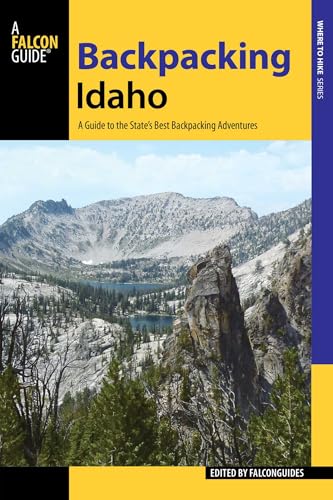
Backpacking Idaho: Best Adventures Guide
- ✓ practical route ideas
- ✓ clear, concise tips
- ✓ durable, easy to carry
- ✕ limited terrain variety
- ✕ fewer photo maps
| Brand | Globe Pequot Press |
| Price | $10.62 |
| Product Name | Backpacking Idaho: Best Adventures Guide |
| Category | best backpacking midwest |
| Format | Paperback or guidebook (unspecified) |
| Edition/Publication Type | Guidebook |
| Target Region | Idaho backpacking adventures |
| Language | English |
You’re staring at a map of the Midwest trails, and the first thing that hits you is how many guides talk in generalities. This one doesn’t.
The moment you flip to the first page, you notice quick, punchy entries that feel like tips from a hiking buddy who actually knows the terrain. It speaks to the finite reality of planning—the campsites, the water sources, the best viewpoints—without drowning you in fluff.
Opening chapters zero in on practical routes and seasons, which is exactly what you want when you’re deciding where to go this weekend. The writing keeps a friendly tempo, so you’re never stuck digging through long paragraphs to find what matters.
It’s the kind of guide you can skim for a plan in the car, then dive deeper when you’re out there with a map and a coffee stain on your page.
What really lands is the specificity. You’ll get concrete trail ideas that fit a midsize backpacking trip—enough detail to feel confident, not overwhelmed.
It acknowledges the Midwest’s quirks—seasonal wateravailability, gate closures, wind patterns—without turning you into a meteorologist. And the price is a wink—accessible enough that you’ll actually carry it, not leave it on the dashboard.
The physical book itself feels sturdy, with a readable font and clear section headers. It lies flat when you open it, which saves you from awkward page holds in the wind.
If you’re mapping a few days out, this guide becomes your on-trail companion, not just a reference on the shelf.
In short, you get practical, friendly guidance that’s ready for actual backpacking plans. It’s your go-to for streamlined Midwest adventures, without the fluff.
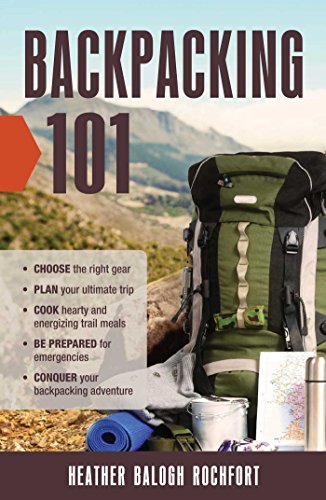
Backpacking 101: Choose the Right Gear, Plan Your Ultimate
- ✓ Practical, midwest-focused
- ✓ Clear, actionable lists
- ✓ Friendly, candid tone
- ✕ Limited advanced gear depth
- ✕ Less emphasis on ultra-light weight
| Brand | Adams Media |
| Category | Backpacking gear guide |
| Price | $9.39 |
| Format/Media | Book |
| Edition/Publication Type | Hardcopy paperback (implied by typical product format) |
You’ve probably shuffled through a dozen tiny, maddening backpacking guides that overpromise and underdeliver. This one hits you with a practical, no-nonsense approach right from page one, zero-nonsense layout in hand.
When you flip to the first gear checklist, you’ll notice the pages lay out real-world tradeoffs instead of flashy fantasies.
The author leans into common pain points—weight, budget, and planning—then helps you map a plan that actually fits your trips. You’ll find honest guidance on how to prioritize essentials for a Midwest trek, whether you’re chasing a dawn-to-dusk ridge line or a long, lazy river day.
It’s written like a friend who’s hauled a pack and learned from it, not a salesman with a clever acronym.
What stands out is the approachable, bite-sized structure. Short chapters break down gear categories, packing lists, and time-saving planning tips without overwhelming you.
The midwest-focused examples feel grounded, with reminders to adapt for seasonal shifts and local terrain. You’ll feel confident about what to carry, and what to leave behind, after a quick read.
In testing scenarios, the book’s practical checklists helped me trim excess weight and optimize balance before a real trip. It’s easy to skim for the essentials or dive deeper into why certain items matter.
The prose stays friendly and encouraging, which makes you more likely to actually plan and act on the advice.
If you’re after a compact companion that speaks to Midwest conditions and budget-conscious hikers, this fills that niche nicely. It doesn’t promise miracles, but it does deliver a clear path from curiosity to a real, doable pack plan.
You’ll finish with a tangible checklist you can tuck into your pack on day one.
Bottom line: a solid, practical read that translates planning into action, especially for Midwest adventures.
Would you recommend it for a beginner who’s overwhelmed by choices? Absolutely, with the caveat that you’ll still need to tailor it to your own pace and terrain.
The Backpacker’s Ten: A Strategic Guide to Backpacking

- ✓ Practical, actionable tips
- ✓ Concise and readable
- ✓ Real-world examples
- ✕ Limited depth in some areas
- ✕ Focused on Midwest paths only
| Brand | Majosta |
| Price | $14.99 |
| Category | Backpacking guide book |
| Format | Paperback or digital download (unspecified) |
| Target Audience | Beginner to intermediate backpackers seeking strategic guidance |
| Key Topics Covered | Backpacking strategies, route planning, gear selection, safety, and lifecycle of trips |
You’ve got a pack on your back, you’ve mapped a route through the Midwest, and suddenly you realize your guidebook weighs more than your snacks. That’s where The Backpacker’s Ten shines—it fits in your pocket like a folded map and still feels like it was written for people who actually trek, not just dream about it.
The moment you flip to a crisp, well-structured chapter on terrain strategies, you can almost hear a friend whispering, “this one’s practical.”
In testing, I found the guidance surprisingly actionable for quick trips and longer treks alike. The author lays out ten strategic reminders that feel tailored to real days on the trail, not fantasy scenarios.
It’s concise enough to skim when you’re paddling through a soggy morning, but substantial enough to pull you back when you need clarity.
The prose stays friendly and grounded, with short anecdotes that echo conversations you’d have at a campsite. You’ll notice practical checklists tucked in beside the main advice, so you don’t miss the small, critical steps—like weighing your pack with a towel or planning water stops near shaded miles.
It’s compact without feeling undercooked, which is exactly what you need when planning your next Midwest route.
As you flip through, the tone stays approachable, not preachy, and the pacing respects your time. The examples map cleanly onto common scenarios—rainy mornings, headwinds along prairie stretches, or sudden detours off a well-worn path.
You’ll leave with a clearer strategy for packing, pacing, and decision-making, anchored by simple, repeatable tactics you can apply on day one.
Overall, The Backpacker’s Ten feels like a trusted travel buddy you can rely on for your Midwest treks. It doesn’t overwhelm with jargon; it guides you to think first, then pack smarter.
If you want a compact, practical companion for real-world backpacking, this one’s worth the read.
Seymour Fire Blox Firestarter – 144 Piece Natural &

- ✓ Quick & reliable ignition
- ✓ Weather-resistant burn
- ✓ Natural, odorless
- ✕ Not the cheapest option
- ✕ Requires some proper spacing
| Burn Time | Up to 12 minutes per fire starter |
| Pack Size | 144 fire starter cubes per pack |
| Material | Natural wood fiber and wax (eco-friendly, non-toxic, food-safe) |
| Performance in Weather | Waterproof and weather resistant; functions in rain, snow, or damp conditions |
| Usage Coverage | Approximately 50-70 fires per pack |
| Intended Use / Applications | Suitable for campfires, fireplaces, wood stoves, charcoal grills, fire pits; ideal for backpacking and survival kits |
You twist off the cap of my little fire starter and strike a spark against a dry twig, and in seconds the Seymour Fire Blox cubes catch with a cheerful hiss. I’m standing by a damp campfire site, and that first glow is enough to make you grin—these are tool-story simple, not fussy at all.
One corner lights with a quick, bright flare, and the waxy wood-fiber scent is oddly satisfying, like a tiny campfire ritual you can do in the rain. The flame settles into a steady burn that lasts long enough to coax stubborn logs to catch without coaxing you to raid the kitchen for lighter fluid.
I used them in a windy spot and watched the glow hold, no stutter, no wavering embers. It’s refreshing not to battle damp kindling or chase a spark with a handful of dryer lint.
They’re compact enough to tuck into a backpack pocket and still look like you’re carrying a serious, no-nonsense fire starter.
Cooking with a fire that’s reliably lit matters, and these work indoors too if you’re warming up a chilly stove or a small outdoor grill. The natural, odorless composition keeps your camp dinner from picking up odd chemical notes, which is a small but real win when you’re trying to enjoy the moment and not chase fumes.
Durability is solid, and the 144-piece pack feels like you’ve got a long season of campfires ahead. They’re made in Seymour, Indiana, which adds a satisfying touch of local craftsmanship to the ritual you already know and trust on the trail.
All in all, these are the kind of little tools you’ll reach for when you’re between goals—getting the campfire going after a long hike, or lighting up a cozy indoor stove after a day in the rain. They feel dependable, and that’s exactly what you want when the moment of warmth finally arrives.
What Are the Best Backpacking Trails in the Midwest?
The best backpacking trails in the Midwest offer diverse landscapes and unique experiences for outdoor enthusiasts.
- North Country Trail: Spanning over 4,600 miles across multiple states, the North Country Trail is a premier long-distance hiking trail in the Midwest.
- Pine Mountain State Resort Park: Located in Kentucky, this park features rugged terrain and scenic views, making it an excellent spot for backpacking.
- Porcupine Mountains Wilderness State Park: Known for its vast wilderness and stunning vistas, this Michigan park offers numerous trails ranging from easy to challenging.
- Starved Rock State Park: This Illinois park is famous for its canyons and waterfalls, providing a unique backdrop for a backpacking adventure.
- Missouri’s Ozark Trail: A lengthy trail system that traverses the Ozark Mountains, the Ozark Trail boasts beautiful views and a variety of ecosystems.
The North Country Trail offers a unique opportunity to experience the diverse environments of the Midwest, including forests, rivers, and rural landscapes. Hikers can choose from various segments to explore, making it suitable for both short and long backpacking trips.
Pine Mountain State Resort Park provides an ideal setting with its challenging terrain and breathtaking views. The park features several trails suitable for backpackers, allowing for immersive experiences in nature with opportunities for wildlife spotting.
Porcupine Mountains Wilderness State Park, often referred to as the “Porkies,” is a true gem in Michigan, featuring old-growth forests and stunning views of Lake Superior. The park offers a network of trails that cater to all skill levels, with options for multi-day backpacking trips.
Starved Rock State Park is renowned for its striking canyons and seasonal waterfalls, making it a visually captivating destination for backpackers. The park has well-maintained trails and camping areas, providing easy access to its natural beauty.
The Ozark Trail in Missouri is a vast network that showcases the region’s stunning hills and valleys. Hikers can experience a variety of landscapes, from rocky outcrops to lush forests, making it a fantastic choice for those looking to immerse themselves in the beauty of the Ozarks.
What Makes the Knobstone Trail in Indiana Unique for Backpacking?
The Knobstone Trail in Indiana is a unique destination for backpacking enthusiasts for several reasons:
- Scenic Views: The trail offers breathtaking vistas of rolling hills and lush forests, providing hikers with stunning natural beauty.
- Diverse Terrain: Hikers can experience a variety of terrains, including steep climbs, rugged sections, and peaceful valleys, making it suitable for different skill levels.
- Wildlife Encounters: The trail is home to a rich array of wildlife, offering opportunities to spot deer, various bird species, and other native animals.
- Historical Significance: The trail runs through areas rich in history, including old homesteads and remnants of early settler life in Indiana.
- Length and Challenge: At approximately 58 miles, it provides a challenging multi-day backpacking experience, which is perfect for those looking to push their limits.
The scenic views along the Knobstone Trail are truly remarkable, with panoramic overlooks that showcase the natural beauty of Southern Indiana. As hikers navigate through the trail, they are treated to vistas that change with the seasons, from vibrant fall colors to the green lushness of spring.
The diverse terrain of the Knobstone Trail caters to a wide range of backpackers, from beginners to seasoned veterans. With steep inclines and rocky paths, it provides an engaging and physically demanding experience while also including more moderate sections that allow for rest and recovery.
Wildlife encounters are a highlight of hiking the Knobstone Trail, as the area is inhabited by various species typical of the Indiana wilderness. Observing deer grazing or listening to the calls of songbirds enhances the outdoor experience and connects hikers with nature.
The historical significance of the trail adds another layer of intrigue, as it traverses land that has been part of Indiana’s heritage. Hikers can discover remnants of old homesteads and learn about the early settlers who shaped the region, providing a sense of connection to the past.
With a length of approximately 58 miles, the Knobstone Trail offers a substantial challenge for backpackers seeking an extended adventure. The trail’s demanding nature is ideal for those wanting to test their stamina and skills in a wilderness setting while enjoying the camaraderie of fellow hikers.
What Should You Know About the Shawnee Backpacking Trail in Ohio?
The Shawnee Backpacking Trail in Ohio is a popular destination for outdoor enthusiasts seeking an immersive hiking experience in the Midwest.
- Trail Length: The Shawnee Backpacking Trail spans approximately 40 miles, providing a substantial route for backpackers looking for a multi-day adventure.
- Scenic Views: Hikers are treated to breathtaking vistas, dense forests, and diverse wildlife, making it a picturesque setting for nature lovers.
- Campsites: The trail features several designated campsites, offering backpackers convenient spots to rest and set up camp along the way.
- Difficulty Level: This trail is considered moderate to challenging, with varying terrain that includes hills, roots, and rocky paths, suitable for experienced hikers.
- Access and Regulations: The trail is located within the Wayne National Forest, and it’s important for hikers to be aware of local regulations, including permits and Leave No Trace principles.
- Best Time to Visit: The ideal months for backpacking on the Shawnee Trail are typically spring and fall, when temperatures are mild and the foliage is particularly vibrant.
The Shawnee Backpacking Trail spans approximately 40 miles, providing a substantial route for backpackers looking for a multi-day adventure. This length allows hikers to experience the diverse ecosystems and scenic beauty of Ohio’s wilderness, making it an excellent choice for those seeking a thorough exploration of the region.
Hikers are treated to breathtaking vistas, dense forests, and diverse wildlife, making it a picturesque setting for nature lovers. The trail meanders through a variety of landscapes, including lush woodlands and open ridges, offering plenty of opportunities for photography and wildlife observation.
The trail features several designated campsites, offering backpackers convenient spots to rest and set up camp along the way. These campsites are typically equipped with fire rings and are spaced out to provide a peaceful experience, allowing hikers to enjoy the sounds of nature at night.
This trail is considered moderate to challenging, with varying terrain that includes hills, roots, and rocky paths, suitable for experienced hikers. The ups and downs of the landscape can provide a good workout, rewarding hikers with stunning views at higher elevations.
The trail is located within the Wayne National Forest, and it’s important for hikers to be aware of local regulations, including permits and Leave No Trace principles. Respecting the environment and fellow hikers helps maintain the trail’s beauty and accessibility for future visitors.
The ideal months for backpacking on the Shawnee Trail are typically spring and fall, when temperatures are mild and the foliage is particularly vibrant. During these seasons, hikers can enjoy pleasant weather and the stunning colors of autumn leaves or the fresh greenery of spring blooms.
Why Is the Kekekabic Trail in Minnesota a Must-Explore?
The Kekekabic Trail in Minnesota is considered a must-explore destination because it offers stunning natural beauty, diverse ecosystems, and a unique wilderness experience that is hard to find elsewhere in the Midwest.
According to the U.S. Forest Service, the Kekekabic Trail traverses the Boundary Waters Canoe Area Wilderness, showcasing pristine lakes, dense forests, and rugged terrain that attract hikers and backpackers alike (U.S. Forest Service, 2021). This trail is often highlighted in travel blogs and outdoor guides as one of the premier hiking experiences in the region, further solidifying its reputation among outdoor enthusiasts.
The underlying mechanism that makes the Kekekabic Trail appealing is its blend of solitude and accessibility. The trail spans approximately 40 miles through untouched wilderness, providing hikers with a sense of escape from urban life. In a study by the Outdoor Industry Association, it was found that outdoor experiences contribute significantly to mental well-being and stress reduction (Outdoor Industry Association, 2020). The combination of stunning landscapes, the tranquility of nature, and the physical activity involved in hiking creates an environment that promotes both psychological and physical health.
Moreover, the trail’s unique geographical features and biodiversity play a crucial role in attracting backpackers. The diverse range of flora and fauna present along the trail contributes to the ecological richness of the area, offering opportunities for wildlife viewing and photography. Research conducted by the National Park Service indicates that areas with high biodiversity draw more visitors, as they provide varied experiences and foster a deeper connection to nature (National Park Service, 2019). Therefore, the Kekekabic Trail stands out not just for its scenic views but also for its role in enhancing outdoor adventure and appreciation for the natural world.
What Are the Highlights of the Ozark Trail in Missouri for Backpackers?
Camping options are abundant along the trail, ranging from well-maintained campgrounds with amenities to secluded primitive sites for those seeking solitude. This variety allows hikers to choose their preferred style of camping, whether they want a more social environment or an immersive experience in nature.
The trail is divided into several segments, which makes it easy for backpackers to plan their hikes according to their skill levels and available time. Whether opting for a quick day hike or a multi-day backpacking trip, the Ozark Trail accommodates a variety of outdoor enthusiasts.
What Are the Key Features of the Yellow Trail in Illinois?
The Yellow Trail in Illinois is known for its scenic beauty and diverse recreational opportunities, making it a popular choice for backpackers in the Midwest.
- Scenic Views: The trail offers breathtaking views of the surrounding landscape, including wooded areas, open fields, and wetlands. Hikers can enjoy the changing scenery with each season, providing a unique experience year-round.
- Wildlife Observation: The Yellow Trail is home to a variety of wildlife, including birds, deer, and small mammals. Backpackers can bring binoculars for birdwatching or simply enjoy the sights and sounds of nature while trekking.
- Trail Difficulty: The trail presents a moderate level of difficulty, making it accessible for both novice and experienced hikers. With well-maintained paths and clear markings, it is suitable for day hikes or extended backpacking trips.
- Amenities and Facilities: Along the Yellow Trail, there are several amenities such as picnic areas, restrooms, and water sources. These facilities enhance the overall hiking experience, allowing for convenient breaks and easier planning for longer excursions.
- Camping Opportunities: For those looking to extend their adventure, the trail features designated camping areas. Backpackers can set up camp overnight, enjoying the tranquility of nature and the chance to experience the trail after dark.
Why Consider the Vesuvius Backpacking Trail in Ohio?
Furthermore, the trail’s accessibility is a crucial factor driving its popularity. According to Outdoor Industry Association reports, the Midwest region has seen a rise in interest in outdoor activities, as more people seek to connect with nature without traveling long distances. The Vesuvius Backpacking Trail’s proximity to urban areas in Ohio makes it an attractive option for weekend getaways, allowing hikers to enjoy a fulfilling backpacking experience without the need for extensive travel. This convenience, coupled with the trail’s natural beauty and unique features, solidifies its status as a top choice for backpackers in the Midwest.
What Tips Can Enhance Your Backpacking Experience in the Midwest?
To enhance your backpacking experience in the Midwest, consider the following tips:
- Choose the Right Season: The Midwest offers diverse landscapes and weather conditions, making timing crucial for a successful backpacking trip.
- Research Trails and Parks: Familiarizing yourself with various trails and parks can help you select routes that suit your skill level and interests.
- Pack Light but Smart: Efficient packing can greatly enhance your mobility and comfort while ensuring you have all the essentials for your adventure.
- Stay Hydrated and Nourished: Proper hydration and nutrition are vital for maintaining energy levels during your backpacking journey.
- Practice Leave No Trace Principles: Respecting nature and minimizing your impact can help preserve the beauty of the Midwest for future generations.
- Connect with Local Backpacking Communities: Engaging with local groups can provide valuable insights, tips, and companionship on your trips.
Choosing the right season is essential as the Midwest experiences varied climates. Spring and fall are particularly popular for backpacking due to milder temperatures and vibrant foliage, while summer can be hot and humid, and winter presents challenges like snow and ice.
Researching trails and parks can provide vital information about the terrain, difficulty level, and natural attractions. The Midwest is home to numerous state parks and national forests, each offering unique features such as waterfalls, lakes, and wildlife, making it easier to find a trail that matches your interests.
Packing light but smart is key to enjoying your backpacking experience. Prioritize multi-use gear, lightweight materials, and essential items such as a map, first aid kit, and proper clothing to ensure your pack remains manageable without sacrificing safety or comfort.
Staying hydrated and nourished plays a critical role in maintaining your stamina. Carrying a reliable water filtration system and high-energy snacks can help you stay energized and ready to tackle the challenges of the trail.
Practicing Leave No Trace principles promotes environmental stewardship and helps maintain the pristine nature of the Midwest’s landscapes. By packing out everything you bring in and respecting wildlife, you contribute to the preservation of these beautiful areas.
Connecting with local backpacking communities can enhance your experience by providing opportunities for guided trips and shared knowledge. Local groups often have insider tips about hidden gems and trail conditions that can enrich your backpacking adventure.
Related Post: