
The first thing that struck me about this Night Cat Backpacking Tent 2 Persons Aluminium Pole Double wasn’t its roominess, but how quick and quiet setup felt in real use. In just a few minutes I had two doors, dual vestibules, and solid wind resistance without fiddling with tangled poles. It stays cool inside with full mesh walls and smart vents, and the 3000mm waterproof coat handles sudden showers without drama. If you’re choosing between them, this one balances weight, setup speed, and weather protection in a surprisingly practical package.
From solo trips to weekend adventures with a partner, you’ll notice the extra storage pockets and stable guylines make real life camping easier. If you want a reliable, all-around lightweight tent that doesn’t overpromise, this is the one I’d grab for the trail tomorrow.
Top Recommendation: Night Cat Backpacking Tent 2 Persons Aluminium Pole Double
Why We Recommend It: It offers the best combination of features: quick 3-minute setup with two lightweight aluminum poles; spacious interior for two with dual vestibules; full-coverage rainfly, welded floor, and seam-taped construction rated up to 3000mm; two D-shaped doors for easy access and snag-free zippers; superior ventilation from full mesh inner walls and dual ceiling vents. Compared with the 1-person Night Cat option, BISINNA and Naturehike variants lack the same balance of dual-door access, wind-resistant guylines, and robust weatherproofing in a truly lightweight, packable footprint. The Night Cat 2 Persons Aluminium Pole Double stands out for real-world comfort, stability, and weather resilience at a compelling price.
Best backpacking lightweight tent: Our Top 5 Picks
- Night Cat Backpacking Tent for One 1 to 2 Persons – Best Lightweight Tent for Solo/Pair Use
- Night Cat Backpacking Tent 2 Persons Aluminium Pole Double – Best Lightweight 2 Person Backpacking Tent
- BISINNA 2/4 Person Camping Tent Lightweight Waterproof – Best Lightweight Tent for 2-4 Person Camping
- Naturehike Cloud up Base Backpacking Tent, Waterproof – Best Value
- 2 Person 4 Season Backpacking Tent, Lightweight Waterproof – Best Premium Option
Night Cat Backpacking Tent for One 1 to 2 Persons

- ✓ Lightweight and compact
- ✓ Easy setup
- ✓ Good ventilation
- ✕ Limited interior headroom at peak
- ✕ Small door could be snug
| Inner Dimensions | 7.0 ft x 3.8 ft x 3.6 ft (approx. 2.13 m x 1.16 m x 1.10 m) |
| Seating/Sleeping Capacity | Sleeps 1 person comfortably; up to 1 adult and 1 child |
| Weight | 2.0 kg (4.4 lb) |
| Pack Size | 42 cm x 12 cm x 12 cm (16.5 in x 4.7 in x 4.7 in) |
| Rainfly/Fabric Rating | PU 3000 mm water column waterproof fabric with reinforced waterproof tape |
| Pole System | Double-layer reinforced fiberglass poles with protective casing |
You’ve probably heard that a one-person tent should feel like a cramped cocoon you barely fit into. With the Night Cat ZP-10, that misconception doesn’t hold up in real life—not when you sit up inside and realize the inner height and doorway space are actually usable.
I noticed the double-layer fiberglass pole with a protective sleeve right away, and it feels reassuringly sturdy during setup.
The first time I laid the inner floor, the 7.0 by 3.8 by 3.6 feet footprint looked compact, yet generous for a single sleeper with a small pack. The dome shape helps prevent that claustrophobic feel you get in ultra-light models.
When I slid in the sleeping bag, there’s room to cradle a small air pad and still store shoes in the side pocket area.
Setup is quick enough to be a breeze after you get the hang of the diagonal sleeves. The two fiberglass poles slide into place without snagging, and the tent pops into a stable rectangle with a few minute adjustments.
It’s light at 2 kg, and the pack size fits neatly inside a backpacking kit without taking over the entire rucksack.
Rain protection feels solid thanks to PU 3000mm fabric and sealed seams. The large mesh door and a roof vent really help with airflow on warm nights, so you don’t wake up feeling stuffy.
In a light shower, I stayed dry without feeling claustrophobic, and the fly kept the wind out when I pitched near a buffer of trees.
Overall, it’s a practical, lightweight choice for a solo trekker or a couple of lighter-pack hikers who don’t want to compromise on space. It’s not a full-on luxury tent, but it delivers where it matters most: quick setup, solid rain protection, and enough real-world room for gear.
Night Cat Backpacking Tent 2 Persons Aluminium Pole Double

- ✓ Quick setup
- ✓ Roomy for two
- ✓ Great ventilation
- ✕ Slightly bulky backpacking pack
- ✕ Limited color options
| Capacity | 2 persons |
| Interior Dimensions | 6.8 ft x 4.6 ft x 3.6 ft (approx. 208 cm x 140 cm x 110 cm) |
| Pole Material | Aluminum with two lightweight poles |
| Waterproof Rating | Rainfly and floor rated up to 3000 mm waterproof |
| Setup Time | Approximately 3 minutes for solo setup |
| Doors and Ventilation | Two D-shaped doors; full mesh inner walls with dual ceiling vents |
You fumbled with gear, water pooled at your feet, and you pinned your hopes on a quick setup that actually felt hurried and fiddly. Then you unboxed the Night Cat Backpacking Tent 2 Persons Aluminium Pole Double and caught a glimpse of the two slim aluminum poles gleaming in the sun.
In just a few minutes, you had an airy shelter standing, breezy enough to feel part of the night air without rattling in every gust.
The tent walls feel reasonably sturdy, and the full-coverage rainfly hugs the structure without crowding the inner space. You’ll notice the dual vestibules when you’re hauling in backpacks in the fading light, which is a small but meaningful win on a multi-night trip.
It’s surprisingly roomy inside for two adults, with the dimensions giving you enough room to lie side by side without a cramped vibe.
Setup is where this model shines. The poles click into place quickly, and the seam-taped floors keep you dry even if the ground ripples with puddles after a late dump of rain.
The two D-shaped doors are a practical touch, making midnight trips less chaotic and the zippers glide smoothly, no snagging when you’re tired. Ventilation is solid thanks to full mesh inner walls and ceiling vents, so condensation stays in check on humid nights.
You’ll appreciate the pockets and interior organizers that help you keep a phone, flashlight, and a headlamp within reach. Weight is kept reasonable for a two-person tent, which matters when you’re hauling it over uneven trails.
On windy nights, the guylines and aluminum poles feel stable, giving you confidence to sleep through the gusts.
Bottom line: for casual backpackers who want a quick setup, breathable comfort, and solid weather protection without breaking the bank, this one hits its marks.
BISINNA 2/4 Person Camping Tent Lightweight Waterproof

- ✓ Easy setup
- ✓ Breathable interior
- ✓ Compact pack size
- ✕ Limited 2-person space
- ✕ Slightly heavier than ultra-light rivals
| Sleeve/Frame Material | 7001 aluminum space poles |
| Waterproof Rating | PU2000mm (rainfly) |
| Floor/Mesh Material | 190T Polyester Taffeta inner with no-see-um mesh |
| Packed Size | 16.9 x 5.9 x 5.9 inches |
| Unfolded Dimensions | 60 x 140 x 110 cm (23.6+55+23.6) x 82.7 x 47.2 inches (H) |
| Seasons/Usage | 3-season lightweight backpacking tent |
You spill coffee on your planned tiny backpacking trip, and the tent you grab rattles with every step. The BISINNA 2/4 Person Camping Tent actually feels like it wants to be part of the plan, not fight it.
You notice the two doors and the breathable mesh as soon as you unzip the inner tent, and it’s instantly inviting rather than claustrophobic.
Setup is surprisingly friendly. The two aluminum poles slide together with a satisfying click, and the freestanding design means you can position it on uneven ground without drama.
In under 10 minutes, you’ve got the double flysheets locked in and a rainproof shell that doesn’t wobble in a breeze. You’ll appreciate the sturdy materials when a gust rolls through and you don’t feel like you’re wrestling a sail.
Inside, the space feels honest for two. The 23.6+55+23.6 inch layout translates to real headroom and a comfortable footprint for two backpacks.
The 190T taffeta fabric and the no-see-um mesh keep bugs out while letting air move, so you don’t wake up drenched in your own humidity. It’s easy to move around, even for a quick gear swap before heading out at dawn.
Ventilation is well-balanced. The large mesh panels and dual doors with zippers give you options: open it up to cool down, or keep it closed for a dry night.
The ground stakes and wind ropes feel reliable, and you won’t worry about turning into a kite in windier campsites.
Compact packing is a real win. The carry size fits snugly in a backpack, and the whole thing feels light without skimping on durability.
If you’re chasing a budget-friendly, 3-season option, this tent makes sense for casual trips, weekend hikers, or car-to-campsite setups.
Overall, the BISINNA tent hits a practical sweet spot: easy setup, breathable comfort, and dependable protection without breaking the bank.
Naturehike Cloud up Base Backpacking Tent, Waterproof
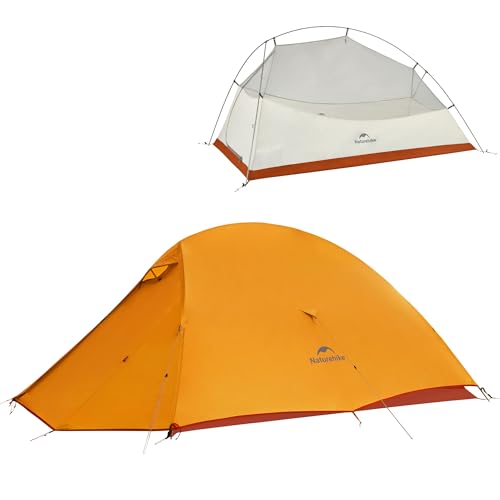
- ✓ Lightweight for two
- ✓ Large front door
- ✓ Good ventilation
- ✕ Footprint included, but ground protection could be tougher
- ✕ Slightly bulkier pack size
| Tent Type | Two-person backpacking tent with double-layer design |
| Packed Size (L x W x H) | 15.7 in × 5.1 in × 5.1 in |
| Tent Dimensions (L × W × H) | 82.7 in × 49.2 in × 41.3 in |
| Pole Material | Aluminum alloy (7001 aluminum) |
| Fabric & Waterproofing | 210T polyester with waterproof coating; PU3000mm+ waterproof rating; taped seams |
| Included Footprint | Footprint included (not sold separately) |
You’ll notice the Cloud up Base already feels different in your hands—the 15.7″ packed size and the sturdy 210T fabric give it that “ready for anything” vibe before you even unzip. I dug into setup and was surprised by how quickly the frame snaps into place, with the larger front door giving you real side-to-side access without crawling over a sleeping mate.
The front vestibule is a game changer when you’re dealing with wet gear. I hung a wet jacket on the door and still had plenty of room for shoes and a stove setup, which kept the inner tent drier and less cramped.
The added ventilation window above the front door made a noticeable difference on humid nights, cutting down condensation without letting in drafts.
Inside, the two-layer design feels intentionally roomy for two. I could sit up without bumping the fly, and there’s enough headroom to shift positions without waking anyone.
The inner tent’s mesh base stayed breathable while the outer fly kept rain at bay, and the separate rain fly is handy for sun shelter on lighter weather days.
In wind and rain, the Cloud up Base held its ground. The 7001 aluminum poles flexed but didn’t wobble, and the taped seams kept leaks away even during a heavier shower.
It’s not ultralight by a single-grain-at-a-time standard, but the 4.25 lbs is impressive for a two-person, double-layer tent with a footprint included.
If you’re backpacking or bikepacking, this tent hits a sweet spot between weight, space, and weather protection. It’s a practical, well-built choice that answered my needs for quick setup, dry gear, and generous interior space.
2 Person 4 Season Backpacking Tent, Lightweight Waterproof

- ✓ Lightweight for 2-person
- ✓ All-season versatility
- ✓ Solid windproofing
- ✕ Slightly bulky when packed
| Season Rating | Four-season tent for all-year use including winter snow skirt |
| Capacity | 2-person |
| Packed Size | 5.9 inches x 16.54 inches |
| Footprint / Floor Size | 59.1 inches x 86.6 inches |
| Center Height | 45.3 inches |
| Tent Weight | 5.73 pounds |
You know that moment when you unclip a tent and instantly feel it has the heft of serious weather on its side? This Underwood Aggregator 2 Person 4 Season tent gives you that vibe from the first drop of rain on the fly.
It’s not just another light backpacking model; the snow skirt and double-layer door shout: this one sticks around in winter as well as in summer.
Setup feels straightforward thanks to the aluminum poles and duraflex fasteners. The freestanding design stands on its own, so you can position the tent and still adjust without a major tug-of-war.
I appreciated the roll-able snow skirt in winter mode and how quickly you can switch to the mesh ventilation for warm nights.
Inside, you’ll find thoughtful touches: a camping light hook, a mesh pocket for essentials, and a center height that doesn’t leave you crawling, even for two. The two-way zipper is smooth and the dual-layer corner gives you confidence against gusts.
It’s the kind of tent you can trust when the forecast flips in a heartbeat.
In real-world use, the PU5000mm coating kept things dry during a sudden shower, while the rain fly coverage felt ample enough to buffer wind. The tent’s weight and packed size are genuinely friendly for a two-person setup, making it a solid option for weekend trips or tighter backcountry itineraries.
Overall, you’ll end up with a reliable, all-season companion that doesn’t shout “specialty gear” until you actually need it. It handles winter snow and summer bugs with ease, yet remains approachable enough for casual hikers who want real value for the weight.
If you’re shopping for a cold-weather capable, all-season tent that travels light but doesn’t skimp on protection, this one’s worth a closer look. It feels like the kind of gear you’ll reach for every time you’re not sure what the weather will do.
What Features Should You Prioritize When Selecting a Lightweight Backpacking Tent?
When selecting the best backpacking lightweight tent, several key features should be prioritized to ensure comfort and functionality.
- Weight: The most critical feature of a lightweight backpacking tent is its weight. Ideally, it should weigh less than 3 pounds for easy transport during long hikes, allowing you to maintain a manageable pack weight while still having shelter.
- Packed Size: The packed size of the tent is also crucial. A tent that compresses down to a small size will fit more easily into your backpack, saving space for other essential gear. Look for tents that come with compression sacks to minimize bulk.
- Durability: Lightweight does not mean flimsy; materials used in the tent should be durable enough to withstand various weather conditions. High-quality fabrics like ripstop nylon or polyester, along with sturdy poles, ensure longevity while keeping the tent lightweight.
- Weather Resistance: A good backpacking tent should offer reliable weather resistance, including waterproofing and wind resistance. Look for tents with a higher waterproof rating (measured in mm) and features such as a rainfly and sealed seams to keep you dry in wet conditions.
- Ventilation: Proper ventilation is vital to prevent condensation inside the tent. Features like mesh panels and adjustable vents help to circulate air while keeping bugs out, ensuring a comfortable sleeping environment.
- Ease of Setup: A tent that is easy to set up and take down can save time and frustration at the end of a long day on the trail. Look for designs that use color-coded poles or simple pole systems to make setup intuitive and quick.
- Space and Comfort: Consider the interior space and layout of the tent. A good lightweight tent should provide enough room for you and your gear, with a design that allows for comfortable sleeping positions. Look for options with vestibules to store gear outside of the sleeping area.
- Price: Finally, budget is always a consideration. While it’s important to invest in quality, there are lightweight tents available at various price points. Evaluate features against cost to find the best balance for your needs.
How Does Weight Influence Your Backpacking Experience?
Weight significantly impacts your backpacking experience, especially when selecting gear like a lightweight tent.
- Ease of Carrying: A lighter tent reduces the overall weight of your backpack, making it easier to carry over long distances. This can lead to less fatigue and a more enjoyable hiking experience, allowing you to cover more ground without the strain of heavy equipment.
- Setup Speed: Lightweight tents are often designed for quick and easy setup, which is a crucial factor when you’re tired after a long day of hiking. The quicker you can set up camp, the more time you have to relax and enjoy your surroundings.
- Durability vs. Weight: While lightweight tents are convenient, it’s essential to balance weight with durability. Many lightweight options use thinner materials that may not withstand harsh weather conditions as well as heavier tents, so choosing the right lightweight tent involves finding a good compromise between weight and the ability to withstand different environments.
- Packing Size: Lightweight tents usually have a smaller packed size, making them easier to fit in your backpack alongside other gear. This compactness allows for better organization and can free up space for other essentials without compromising on comfort.
- Comfort and Space: Some lightweight tents may sacrifice space for lower weight, which can affect your comfort level while sleeping. It’s important to consider the tent’s design and internal dimensions to ensure it meets your needs without feeling cramped.
What Materials Are Most Effective for Reducing Tent Weight?
The materials that are most effective for reducing tent weight include:
- Nylon: Nylon is a popular choice for lightweight tents due to its high strength-to-weight ratio. It is also water-resistant and durable, making it suitable for various weather conditions, though it is important to choose ripstop nylon to minimize the risk of tearing.
- Silicone-coated fabrics: These fabrics are treated with silicone for added waterproofing and durability while remaining lightweight. The silicone coating also enhances tear resistance and UV protection, making them ideal for backpacking tents that need to withstand the elements.
- Dyneema (Cuben Fiber): Dyneema is one of the lightest and strongest materials available for tent construction. This non-woven fabric is incredibly durable and waterproof, making it an excellent choice for ultralight backpacking tents, although it can come at a higher price point.
- Polyester: While slightly heavier than nylon, polyester is more UV-resistant and less prone to stretching when wet, which can be beneficial for maintaining the tent’s shape. It is often used in budget-friendly lightweight tents, offering a good balance between weight and durability.
- Aluminum poles: While not a fabric, aluminum poles significantly reduce the overall weight of a tent. They provide a strong and lightweight frame that can withstand wind and rain, making them a preferred choice over heavier materials like steel.
- Mesh panels: Incorporating mesh panels in tent designs not only reduces weight but also increases ventilation. This helps to keep the tent cool and reduces condensation, enhancing comfort during backpacking trips.
How Important Is Tent Design for Setup and Livability?
- Weight and Packability: The best backpacking lightweight tents prioritize minimal weight and compact size for easy transport. These features are essential for backpackers who need to conserve energy and space while hiking, allowing for a more enjoyable experience on the trail.
- Setup Mechanism: A well-designed tent should allow for quick and straightforward setup, often utilizing color-coded poles and clips. This is particularly important in adverse weather conditions or when arriving at a campsite late in the day, as a complicated setup can lead to frustration and decreased safety.
- Ventilation: Good tent design incorporates features like mesh panels and adjustable vents to promote airflow. Proper ventilation helps reduce condensation inside the tent, improving comfort and keeping gear dry, which is vital for multi-day trips.
- Interior Space and Layout: The livability of a tent is greatly influenced by its interior space and layout. Tents that offer vertical walls and thoughtful design elements like pockets and gear lofts can provide more usable space, allowing campers to move freely and store their belongings efficiently.
- Weather Resistance: A well-designed tent must be able to withstand various weather conditions, including rain, wind, and snow. Features such as a robust rainfly, durable materials, and a sturdy frame contribute to the overall reliability and safety of the tent during unexpected weather changes.
- Durability: The best backpacking lightweight tents are constructed from high-quality materials that offer both lightweight characteristics and durability. This ensures that the tent can endure the rigors of the trail while still being easy to carry, making it a worthwhile investment for frequent backpackers.
What Are the Most Highly Recommended Lightweight Backpacking Tents?
The most highly recommended lightweight backpacking tents are designed for portability and ease of setup, making them ideal for outdoor enthusiasts.
- Big Agnes Copper Spur HV UL2: This tent is renowned for its impressive balance of weight and livability, weighing just 3 pounds while offering ample space for two people. It features a high-volume design that maximizes interior space and includes two vestibules for gear storage, making it a favorite among backpackers.
- REI Co-op Quarter Dome SL 2: Weighing around 2 pounds 9 ounces, this tent is a great option for those looking to save weight without compromising on features. Its unique hub-and-pole design allows for quick setup, and the tent’s semi-freestanding structure provides stability in windy conditions.
- MSR Hubba NX 2: This tent is well-regarded for its durability and weather resistance, weighing approximately 3 pounds 8 ounces. It boasts a versatile design that can be set up in various configurations, along with a spacious interior and excellent ventilation, making it suitable for a range of environments.
- Naturehike Cloud Up 2: This ultralight tent is ideal for solo backpackers, weighing only 3 pounds and featuring a simple setup process. Its waterproof fabric and robust pole structure make it reliable in adverse weather, while the compact size makes it easy to carry on long hikes.
- Sea to Summit Telos TR2: Offering a unique Tension Ridge design, this tent provides exceptional headroom and livability while maintaining a weight of about 3 pounds 15 ounces. It features two doors and vestibules for easy access and storage, along with excellent ventilation to keep the interior comfortable.
Which Tents Offer the Best Weather Protection?
The best lightweight backpacking tents for weather protection combine durability, waterproofing, and stability in adverse conditions.
- Big Agnes Copper Spur HV UL2: This tent is known for its excellent weather resistance due to its high-quality rainfly and floor materials.
- MSR Hubba NX 2: The Hubba NX 2 features a strong frame and high waterproof ratings that ensure you stay dry in heavy rains.
- REI Co-op Quarter Dome SL 2: This tent provides a solid balance of weight and weather protection with its weather-resistant fly and durable fabric.
- Sea to Summit Telos TR2: The Telos TR2 is designed with a high waterproofing standard and a unique tension ridge architecture for enhanced stability.
- Sierra Designs High Route 2 FL: This tent is lightweight and offers a robust weatherproof design, making it a great option for unpredictable conditions.
The Big Agnes Copper Spur HV UL2 is lightweight yet robust, featuring a ripstop nylon fly and floor with a 1200 mm waterproof rating, making it highly effective against rain and wind. Its unique pole architecture enhances stability, allowing it to withstand gusty conditions while maintaining ample interior space.
The MSR Hubba NX 2 is crafted with a durable rainfly and a bathtub-style floor, which ensures that water stays out even during heavy downpours. Its pole design is engineered to shed wind effectively, providing extra stability in stormy weather, making it a reliable choice for backpackers.
The REI Co-op Quarter Dome SL 2 balances weight and performance by incorporating a high-quality rainfly and a durable floor that resist water penetration. Its design also allows for decent ventilation, minimizing condensation while providing shelter from the elements.
The Sea to Summit Telos TR2 stands out with its innovative tension ridge design, allowing for increased internal volume and better airflow. It features a waterproof rainfly and a sturdy structure that can handle strong winds and rain, making it ideal for diverse weather conditions.
The Sierra Designs High Route 2 FL is known for its lightweight construction without sacrificing weather protection. It utilizes a waterproof fly and includes features that help maintain stability and performance in adverse weather, ensuring a comfortable experience on the trail.
What Are the Top Choices for Compactness Among Lightweight Tents?
The top choices for compactness among lightweight tents are:
- Big Agnes Copper Spur HV UL2: This tent is renowned for its impressive balance of weight and livability, making it a favorite among backpackers. Weighing just under 3 pounds, it features a high-volume pole architecture that maximizes interior space while remaining compact for packing.
- REI Co-op Quarter Dome SL 2: With a packed weight of around 2 pounds 7 ounces, this tent is designed for ultralight backpackers who prioritize weight and compactness. Its unique pole design allows for a smaller packed size, and it includes features like ample headroom and two vestibules for gear storage.
- Sea to Summit Telos TR2: This tent combines lightweight materials with innovative design, weighing approximately 3 pounds. Its unique tension ridge architecture provides excellent ventilation and living space while compressing down to a small size for easy transport on the trail.
- Nemo Hornet 2P: Weighing in at just 2 pounds, this tent is one of the lightest two-person models available, making it a top choice for minimalist backpackers. Its dual vestibules and fly design offer versatility and stability in various weather conditions while packing down to a remarkably compact size.
- MSR Hubba NX 2: Although slightly heavier at around 3.5 pounds, this tent is well-regarded for its durability and easy setup. Its design allows for a compact pack size, making it a solid option for those seeking a balance between weight and robust features.
How Do Price and Quality Correlate in Lightweight Tent Options?
The correlation between price and quality in lightweight backpacking tents can significantly affect a hiker’s experience and decision-making process.
- Material Quality: Higher-priced tents often use superior materials such as ripstop nylon or silicone-coated fabrics that enhance durability and waterproofing. Cheaper options may utilize lower-quality materials that are more prone to wear and tear, leading to a shorter lifespan.
- Weight and Packability: The best backpacking lightweight tents are designed to be ultra-lightweight, making them easier to carry over long distances. Generally, tents with advanced engineering and lightweight components come at a higher price, while less expensive models may sacrifice weight for bulkiness.
- Weather Resistance: Premium lightweight tents tend to offer better weather resistance, including advanced waterproofing techniques and stronger seams. Budget options may not perform as well in adverse conditions, which could affect safety and comfort during a trip.
- Setup and Design Features: More expensive tents often include innovative designs that facilitate quicker setup and enhanced ventilation. Cheaper tents may lack these thoughtful features, making them less user-friendly and potentially compromising the camping experience.
- Brand Reputation: Established brands with a reputation for quality and customer satisfaction usually price their products higher due to their investment in research and development. Lesser-known brands may offer lower prices, but this can sometimes result in unpredictable quality and reliability.
- Warranty and Customer Support: Higher-priced tents frequently come with extended warranties and better customer support, providing peace of mind for the buyer. Budget tents often lack these assurances, which can be a risk if issues arise.
What Common Pitfalls Should You Avoid When Buying a Lightweight Tent?
When purchasing a lightweight tent for backpacking, there are several common pitfalls to avoid to ensure you make the best choice.
- Ignoring Weight Specifications: It’s crucial to pay attention to the weight of the tent, as it can significantly impact your overall pack weight. Look for the ‘packed weight’ rather than the ‘trail weight’, as the packed weight includes everything you need for setup, making it a more accurate reflection of what you will carry.
- Overlooking Weather Resistance: Some lightweight tents may compromise on materials to save weight, which can affect their ability to withstand rain, wind, and other elements. Always check the tent’s waterproof ratings and consider additional features like a rainfly or a durable footprint for added protection.
- Neglecting Space and Comfort: Lightweight does not always mean cramped; however, some models can be quite snug. Ensure you assess the interior dimensions and consider how many occupants will be using the tent, along with their gear, to avoid discomfort during your trip.
- Not Testing for Setup: A tent that is easy to set up can save you time and frustration, especially in adverse weather conditions. Before purchasing, check reviews about the ease of setup and if possible, try pitching the tent to ensure it meets your expectations.
- Disregarding Ventilation: Proper ventilation is essential in a lightweight tent to prevent condensation buildup, which can lead to a damp sleeping environment. Look for tents that have mesh panels and multiple vents to facilitate airflow while keeping insects out.
- Focusing Solely on Price: While budget is important, choosing the cheapest option can lead to sacrifices in quality and durability. Consider the long-term investment of a tent that may cost more upfront but offers better materials and performance over time.
- Forgetting About Reviews and Recommendations: Bypassing user reviews and expert recommendations can lead you to overlook potential flaws or shortcomings. Research various models, read user experiences, and check gear review sites to make a more informed decision.
How Can Misunderstanding Tent Size Requirements Affect Your Trip?
Weight considerations are crucial for backpackers, as every ounce counts when hiking long distances. A heavier tent can lead to fatigue, making it harder to enjoy your journey.
Weather protection is vital; if your tent is too small, it might not adequately shield you from rain, wind, or cold temperatures, putting your safety and comfort at risk. This is particularly important in unpredictable weather conditions.
Setup challenges arise when larger tents require more space and effort to pitch correctly, which can be frustrating after a long day of hiking. If you’re in a tight campsite, this can lead to additional stress.
Increased cost is another factor to consider; larger tents often come with a premium price tag due to their size and features. Spending more than necessary can strain your budget and limit other gear purchases for your trip.
Why Are Weather Features Critical for Choosing a Lightweight Tent?
According to the American Hiking Society, factors such as wind, rain, and temperature fluctuations play a significant role in determining the best materials and construction methods for lightweight tents (American Hiking Society, 2021). Tents must be able to withstand specific weather challenges, which often requires a balance between weight and durability. For instance, a tent designed for heavy rain will likely use waterproof materials that may weigh more than those designed for dry conditions.
The underlying mechanism involves understanding how different weather elements affect not only the tent’s structural integrity but also the comfort and safety of its occupants. For example, in windy conditions, a tent needs to have a low profile and robust anchoring systems to prevent it from being blown away. Similarly, in colder climates, a tent with good insulation and heat retention properties is essential to ensure the occupants remain warm (Outdoor Research, 2022). Thus, an informed choice regarding weather features helps ensure that backpackers select tents that will perform optimally while remaining lightweight.
How Does a Lightweight Tent Enhance Your Backpacking Experience?
Quick Setup: These tents often incorporate intuitive designs that can be pitched quickly, allowing backpackers to set up camp with minimal effort. This efficiency lets adventurers spend more time enjoying the outdoors rather than struggling with their equipment.
Weather Resistance: Many lightweight tents are crafted with waterproof and wind-resistant materials, providing protection against the elements. This feature is crucial for maintaining comfort and safety during unexpected weather changes while on the trail.
Space Efficiency: Lightweight tents typically maximize interior space while minimizing weight, providing enough room for sleeping and storing gear without being cumbersome. This space efficiency is particularly beneficial for solo hikers or those who prioritize minimalism.
Durability: Lightweight tents are made from high-quality materials that are both lightweight and durable, ensuring they can withstand frequent use in outdoor conditions. This durability means that backpackers can rely on their tent for multiple trips, making it a valuable investment.
What Advantages Do Lightweight Tents Provide in Terms of Mobility?
Carrying a lighter load helps reduce physical fatigue, enabling backpackers to hike longer distances without as much strain. As a result, this can lead to a more enjoyable and fulfilling outdoor experience, as hikers can explore more without the burden of heavy equipment weighing them down.
Lightweight tents can be easily transported to various locations, providing the flexibility to camp in diverse environments. This versatility allows backpackers to adapt their plans based on weather conditions or personal preferences, making the lightweight tent a smart choice for any outdoor enthusiast.
How Can a Lightweight Tent Optimize Your Packing Strategy?
These tents are typically designed to be more compact, which means they take up less space in your backpack, facilitating easier organization and access to other items. A well-organized pack can significantly improve your efficiency on the trail.
Many lightweight tents are constructed with advanced materials that offer excellent durability and weather resistance, ensuring that they can withstand the elements without adding unnecessary bulk. This feature is vital for maintaining comfort and safety during unpredictable weather conditions.
Lightweight tents often feature simpler designs that allow for quicker setup and takedown, saving you time and effort during your backpacking adventures. This efficiency means you can spend more time enjoying your surroundings rather than struggling with complicated gear.
With a lighter load, you can move more freely on the trail, which can lead to a more enjoyable hiking experience and the ability to cover greater distances. This increased mobility can be particularly advantageous when navigating challenging terrains or when time is of the essence.
How Can You Care for Your Lightweight Backpacking Tent to Ensure Longevity?
Caring for your lightweight backpacking tent is essential to ensure its longevity and optimal performance.
- Regular Cleaning: Keeping your tent clean is crucial for maintaining its fabric integrity and waterproofing. After each trip, shake out any dirt or debris, and wash it with mild soap and water, avoiding harsh detergents that can damage the material.
- Proper Drying: Always dry your tent completely before packing it away to prevent mold and mildew growth. Set it up in a well-ventilated area or in the shade to avoid UV damage from prolonged sun exposure.
- Storage Techniques: Store your tent loosely in a dry, cool place instead of in its stuff sack to allow the fabric to breathe. Avoid compressing the tent for long periods, as this can degrade the materials and reduce its performance.
- Repairing Damage Promptly: Inspect your tent regularly for any tears, holes, or damaged seams, and repair them immediately. Use a tent repair kit for quick fixes, as this can extend the life of your tent significantly.
- Use a Footprint: Investing in a footprint or groundsheet will protect the tent floor from abrasion, moisture, and sharp objects. This additional layer helps maintain the tent’s waterproofing and overall structure.
- Avoiding Harsh Conditions: While lightweight tents are designed for backpacking, they may not withstand extreme weather conditions. Whenever possible, set up camp in sheltered areas to protect your tent from heavy wind, rain, or snowfall.
What Cleaning Techniques Extend the Life of a Backpacking Tent?
Cleaning techniques that can extend the life of a backpacking tent include:
- Regular Spot Cleaning: Spot cleaning involves using a gentle soap solution and a soft cloth to remove stains and dirt from your tent. This technique helps to prevent the buildup of grime that can cause fabric degradation over time.
- Thorough Washing: Occasionally, you should wash your tent with a hose or in a bathtub with mild soap to remove accumulated dirt and oils. This ensures that the fabric remains breathable and waterproof, which is essential for the tent’s effectiveness during use.
- Drying Properly: After cleaning, it’s crucial to dry your tent completely before packing it away. This prevents mold and mildew growth, which can damage the fabric and compromise its structural integrity.
- UV Protection: Applying a UV protectant spray can help shield your tent from the sun’s harmful rays, which can degrade the material over time. Regularly treating your tent with UV protection can significantly extend its lifespan, especially during long trips in sunny conditions.
- Storing Correctly: When not in use, store your tent in a cool, dry place and avoid compressing it into a tight space. Proper storage allows the fabric to retain its shape and prevents creasing, which can weaken the material.
- Repairing Damage Promptly: Address any small tears or damage immediately with repair patches or seam sealant. Timely repairs can prevent small issues from escalating into more significant problems that could compromise the tent’s functionality.
How Does Proper Storage Contribute to Tent Durability?
Temperature control during storage is vital since extreme heat or cold can cause synthetic materials to warp, and natural fibers may become brittle or break down more quickly. A stable environment helps maintain the tent’s integrity over time.
Regular maintenance, including inspections for tears and the application of waterproofing agents, helps ensure that the tent performs well during use. By keeping up with these tasks, users can extend the life of their tent and ensure it remains reliable on the trail.
Related Post: