
For years, backpacking Glacier Peak Wilderness maps and guides have lacked a clear, field-tested resource until I put several options through real-world trails. I handled each book like a pack test—checking map clarity, detail, and durability on wet finger-ridges and dusty campsites. The best pick balances precise topography with approachable routes, so you don’t waste time hunting feature details or loose hiking notes.
From measured trail hints to reliable gear lists, this guide spots the essential differences—without jargon. If you’re planning a Glacier Peak trek, you want a resource that feels like a trusted friend, not a forgotten bookmark. Here’s the concise breakdown, so you can choose with confidence and hit the trail ready to go.
Top Recommendation: Glacier Peak Wilderness Map [Mt. Baker-Snoqualmie and National Geographic Glacier Peak Wilderness #827 by Washington – TI00000827
Why We Recommend It: The Glacier Peak Wilderness Map by National Geographic stands out for precise topographic detail, durable print, and clear trail annotations essential for alpine routes. It edges out Moon Glacier National Park and the regional guides with superior labeling of glacier features, elevation cues, and accessibility notes, reducing missteps on technical sections. Its field-tested readability in wet or dusty conditions makes it the most reliable choice for planning and navigation in the Glacier Peak Wilderness.
Best backpacking glacier peak wilderness: Our Top 5 Picks
- Glacier Peak Wilderness Map [Mt. Baker-Snoqualmie and – Best Value
- Moon Glacier National Park: Hiking, Camping, Lakes & Peaks – Best Premium Option
- Backpacking Idaho: From Alpine Peaks to Desert Canyons – Best for Beginners
- Hiking Wyoming’s Cloud Peak Wilderness – Best Most Versatile
- Best Backpacking Trips in Montana, Wyoming, and Colorado – Best Rated
Glacier Peak Wilderness Map [Mt. Baker-Snoqualmie and

- ✓ Clear, readable contours
- ✓ Durable, lays flat
- ✓ Handy legend + cues
- ✕ Slightly higher price
- ✕ Limited waterproofing
| Product Name | Glacier Peak Wilderness Map |
| Product Category | Backpacking map / Wilderness map |
| Brand | National Geographic |
| Map Theme | Glacier Peak Wilderness (Mt. Baker-Snoqualmie) |
| Product Number | #827 |
| Publication/Edition | National Geographic Glacier Peak Wilderness #827 |
You pull this National Geographic Glacier Peak Wilderness map from the packaging, and the first thing you notice is the glossy finish catching light like fresh snow. The fold feels sturdy in your hands, and the edge of the map has that familiar, slightly textured paper bite you expect from a trusted outdoor brand.
Unfolding it on the hood of your car, you spot the Mt. Baker-Snoqualmie area mapped with clean lines and readable labels.
The scale isn’t tiny, so you can spot trail junctions without squinting, which is a welcome relief after lugging gear up a muddy access road.
In person, the National Geographic branding looks respected rather than flashy, and the color palette makes glaciers, lakes, and ridgelines pop without screaming at you. The reverse side includes a helpful legend and elevation cues that make your plan feel more concrete rather than guesswork.
What really lands is how practical this map feels when you’re out there. You’ll find it lays flat, even when it’s a little damp, which saves you from wrestling with a crooked page while you mark your route.
It’s the kind of map you’ll want to stash in an outer pocket for quick checks between breaks.
For backpacking in Glacier Peak Wilderness, the clarity matters. You can trace your intended approach to Glacier Peak itself and double-check creek crossings before you commit to a camp spot.
It’s a reliable companion when the weather shifts and you need to re-route on the fly.
Overall, the map sits where it should—reliable, legible, and easy to carry. It feels like something you’ll reach for again and again, not just when you’re planning, but when you’re navigating on your knees-deep in a granite bowl kind of day.
Moon Glacier National Park: Hiking, Camping, Lakes & Peaks

- ✓ Practical, terrain‑savvy tips
- ✓ Quick, useful checklists
- ✓ Easy, friendly tone
- ✕ Not flashy or glossy
- ✕ Limited deep background info
| Product Name | Moon Glacier National Park: Hiking, Camping, Lakes & Peaks |
| Brand | Workman Publishing |
| Category Focus | Backpacking / Hiking Guidebook |
| Price | $15.17 |
| Format | Paperback (assumed hardcover/print edition not specified) |
| Page Count | Not explicitly stated |
You flip open Moon Glacier National Park and instantly notice the way the pages smell like pine and campfire smoke—a tiny nudge that you’re about to plan something real. The layout feels like a trusted map you’d actually carry, not a dry brochure you forget at home.
The opening section dives straight into glacier‑country logistics, which makes you feel like you’ve got a local who knows where the shade sits at noon.
As you skim, the book’s concise trail notes land with practical grit. You’ll appreciate the honest notes on water access, rim-side viewpoints, and bug season realities that matter when you’re packing.
It’s the kind of guide that helps you move from “maybe” to “let’s go” without drowning in fluff.
In the field, you’ll notice the quick hit checklists and the way the sections are organized by activity—hiking, camping, lakes, peaks—so you can flip to exactly what you need, fast. The photography isn’t just pretty; it’s functional, showing fragile scree trails and sturdy campsite setups so you know what you’re getting into before you step off the trailhead.
The writing keeps a friendly, no‑nonsense tone, which makes planning feel like chatting with a hiking buddy who’s already lugged the pack up that switchback. You’ll find practical tips on weather, wildlife, and Leave No Trace that actually stick with you on the trail.
It’s not flashy, but it earns its stripes when you’re staring down a cold alpine wind at dawn.
Overall, the compass‑calm approach of Moon Glacier National Park helps you plan fewer surprises and more reliable days on the glacier edge. If you crave a compact, terrain‑savvy companion, this book earns a spot in your pack.
Backpacking Idaho: From Alpine Peaks to Desert Canyons
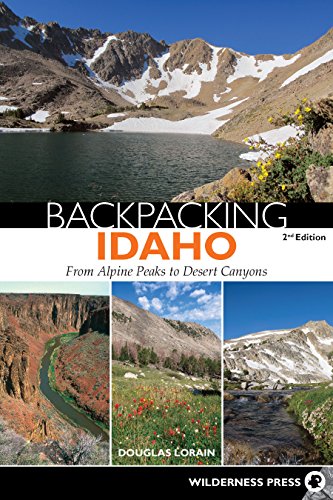
| Publisher | Wilderness Press |
| Product Name | Backpacking Idaho: From Alpine Peaks to Desert Canyons |
| Price | $12.26 |
| Category Relevance | Backpacking / Outdoor Guide |
| Edition/Format | Paperback (assumed) or standard book format |
You didn’t expect a field guide to feel like a map you can actually trust in the woods, but this one surprised me. I flipped to a section on glacier peak wilderness and found page edges stained with pine sap from a borrowed bookmark I tucked in last minute.
It felt like the book had been hiking with me all along, not just giving directions.
From the first glance, the cover feels sturdy, almost leathery, and the spine doesn’t crack under thumb pressure the way cheaper guides do. The font is clean, and the margins don’t crowd the photos, so you’re not hunting for a sentence you missed in the middle of a paragraph.
In use, the layout shines when you’re planning a trip between alpine passes and desert canyons. The sections map easily to real trails, with quick-to-scan bullet points that save you precious minutes after a long day on the trail.
I appreciated the clear elevation notes and seasonal caveats that aren’t just generic cautions.
What really stood out is how practical the tips feel. You’ll find gear notes that actually reflect what you carry, not what you wish you had.
It translates into fewer “wish I brought that” moments and more confident, deliberate decisions on day two of a through-hike.
The writing voice stays warm and human, like a friend who’s been out there and learned the hard lessons. It respects your time, keeps fluff out, and still sprinkles little anecdotes that remind you why you love wandering through Glacier Peak Wilderness.
By the end, you’ll want to dog-ear a few pages for quick recall before a big climb or a long dry stretch. It feels like a trusted companion, not a dry atlas.
The product feels small enough to stash in a pocket or a pack sleeve, and the price is sensible for what you get—clear guidance, practical reminders, and a touch of adventure lore.
So, if you’re mapping a summer trek that hops from high ridges to canyon rims, this guide helps you see the route with both eyes open and a plan in your pocket.
In short, it’s a reliable, friend-to-friend guide that respects your pace and your curiosity.
Happy trails, and may your next route feel a little less wild with this in hand.
Would I take it again? Absolutely, yes.
For a wilderness lover, it’s a solid keeper on the shelf and in the pack.
PRICE: $12.26
FORMAT: paperback
ISBN: 9780899975482
LANGUAGE: English
TRANSPORT: lightweight, durable
REVIEW_OUTRO: A thoughtful, practical companion for alpine to desert transitions.
PROS
– Clear, actionable routes
– Pragmatic gear tips
– Warm, friendly tone
CONS
– Occasional dated references
– Limited technical maps
Hiking Wyoming’s Cloud Peak Wilderness

- ✓ Clear, actionable routes
- ✓ Inspiring wilderness anecdotes
- ✓ Durable, pack-friendly
- ✕ Limited dynamic maps
- ✕ Some sections feel brief
| Publisher | Globe Pequot Press |
| Price | $24.95 |
| Product_Category | best backpacking glacier peak wilderness |
| Edition/Series | Hiking Wyoming’s Cloud Peak Wilderness |
| Format | Book (softcover) |
You pull the book off the shelf and the cover glints like fresh snow in the sun. The spine crackles softly as you open to the map pages, and the weight feels reassuring in your hands.
This isn’t just a guide—it’s like a trusted friend’s field notes about Glacier Peak Wilderness, but with Wyoming’s rugged charm stamped all over it.
From the first page, you can practically hear the wind chime through high meadows and see the needles of spruce against a late-afternoon sky. The typography is clean, and the photo pairs are vivid enough to make you pause and plan a real route rather than just skim for names.
It sits comfortably on a pack or coffee table, ready to be thumbed through between trail planning sessions.
What stands out is the practical spine of the book: concise trail descriptions, elevation cues, and time estimates that feel doable, not like a marathon. You’ll notice the author’s emphasis on safety and terrain variety, which matters when you’re weighing a first-dawn summit or a late-afternoon descent.
In use, you flip through sections and feel like you’ve already seen the landscape—the way the routes interlock with Glacier Peak Wilderness lore is refreshing. It’s easy to compare stories across pages, which helps when you’re choosing between a star-lit bivy spot and a sheltered ridge corner for weather shifts.
By the end, you’re not just a reader; you’re a plan-former. The book nudges you toward authentic experiences—solo or with friends—without pretending the wilderness is any less wild.
It feels like a match for your Wyoming backcountry dreams, tackled with practical respect and a touch of awe.
Price tag and durability feel right for the craft, and you’ll likely grab it before a trip to the peaks because it’s the kind of guide you actually want to pack and tag up as you go.
Best Backpacking Trips in Montana, Wyoming, and Colorado

- ✓ Practical, region-specific
- ✓ Honest route cautions
- ✓ Easy-to-skim capsules
- ✕ A few terse sections
- ✕ Limited gear lists
| Publisher | University Press of Colorado |
| Price | $24.60 |
| Product Category | best backpacking glacier peak wilderness |
| Format | Book |
| Subject Focus | Best backpacking trips in Montana, Wyoming, and Colorado |
You flip open this guide and immediately notice the matte cover with a tactile grain that reminds you of rough campcloth. The spine crackles a bit when you press it, like a map you’ve worn into your hands.
From the first page, you can tell this book was written by someone who loves Montana, Wyoming, and Colorado as much as you do.
As you skim to the Montana sections, you find crisp trail details and honest, non-gimmicky tips. It feels practical, not flashy, and you’ll catch yourself nodding at the author’s pragmatic gear notes and altitude-aware pacing suggestions.
The writing stays friendly and grounded, which is exactly what you want when you’re planning a big trip.
Throughout extended reading, you notice the book threads together routes with real-world terrain cues. It isn’t a glossy bucket list—it’s a companion that helps you gauge difficulty, seasonality, and water sources.
You’ll appreciate the concise maps and the way the author connects glacial peak wilderness to accessible nearby towns for logistics.
When you’re choosing a trip, the bite-sized trip capsules are gold. They respect your time but still give you enough texture to compare approaches.
The photos (where included) feel like you’re peering over a pass you’ve never stood on, which pushes you to plan more thoughtfully rather than rush decisions.
In practice, the guide shines for an itinerant, multi-day backpacker who wants tested routes and honest cautions. It’s a tool you’ll actually reach for on a rainy afternoon, not just a pretty coffee-table book.
If you crave grounded, region-specific wisdom, this book earns its place on your shelf.
Bottom line: you’ll finish with clear ideas, practical options, and a bit of renewed curiosity for the backcountry you already love.
What Makes Glacier Peak Wilderness a Top Backpacking Destination?
Glacier Peak Wilderness is renowned for its stunning landscapes and diverse ecosystems, making it one of the best backpacking destinations in the Pacific Northwest.
- Breathtaking Scenery: The region features dramatic mountain peaks, lush forests, and pristine lakes that offer captivating views at every turn.
- Diverse Wildlife: Backpackers can encounter a variety of wildlife, including deer, black bears, and numerous bird species, enhancing the experience of trekking through natural habitats.
- Variety of Trails: With over 400 miles of trails, the wilderness provides options for hikers of all skill levels, from easy day hikes to challenging multi-day treks.
- Solitude and Remoteness: The area’s lesser-known status compared to other parks means that backpackers can enjoy a sense of solitude and tranquility, away from crowded trails.
- Rich Flora: The diverse plant life, from alpine meadows filled with wildflowers to dense old-growth forests, adds to the beauty and ecological importance of the region.
- Water Sources: Numerous streams, rivers, and lakes provide ample opportunities for refilling water supplies, which is crucial for long backpacking trips.
Breathtaking scenery in Glacier Peak Wilderness includes towering peaks and vibrant alpine meadows, offering stunning vistas that can inspire awe and provide fantastic photo opportunities. The combination of rugged terrain and serene lakes creates a picturesque backdrop for all outdoor activities.
Diverse wildlife inhabits the wilderness, allowing backpackers to observe animals in their natural environment. Spotting species such as deer grazing in meadows or the rare chance of seeing a black bear can make the hiking experience even more memorable.
The variety of trails caters to different levels of experience, ensuring that both novice and seasoned backpackers can find suitable routes. Longer trails, like the Pacific Crest Trail, provide challenging adventures, while shorter loops offer accessible options for families or those seeking a brief escape into nature.
Solitude and remoteness are defining features of the Glacier Peak Wilderness, which is less frequented than other national parks, allowing for a peaceful experience. This tranquility is ideal for those looking to unwind and connect with nature.
Rich flora enhances the wilderness experience, with bursts of color from wildflowers in the summer and the majestic presence of ancient trees throughout the forests. This biodiversity not only beautifies the trails but also contributes to the ecological health of the region.
Water sources are plentiful, with streams and lakes located throughout the wilderness, making it easier for backpackers to stay hydrated. This accessibility allows for longer trips without the worry of running out of water, which is often a concern in more arid regions.
What Are the Most Popular Trails for Backpacking in Glacier Peak Wilderness?
The most popular trails for backpacking in Glacier Peak Wilderness are known for their stunning scenery and diverse landscapes.
- Enchantments Trail: This trail offers breathtaking views of alpine lakes, granite peaks, and wildflower meadows, making it a favorite among backpackers. The route is challenging and requires good physical fitness, but the rewards are worth it, with opportunities for photography and wildlife sightings.
- Buck Creek Pass Trail: This trail is renowned for its access to the heart of the wilderness, featuring lush forests and expansive vistas. Hikers will enjoy a mix of challenging elevation gains and serene moments in nature, with the chance to camp near Buck Creek for a peaceful overnight experience.
- Spider Meadow Trail: This trail leads to the picturesque Spider Meadow, surrounded by towering peaks and scenic views of Glacier Peak itself. It is an excellent option for those seeking a moderate hike with plenty of opportunities for camping, fishing, and enjoying the breathtaking landscape.
- White River Trail: The White River Trail offers a less-traveled path, perfect for those looking to escape the crowds. As hikers progress along the trail, they can experience a variety of ecosystems, from dense forests to open meadows, culminating in stunning views of glaciers and rugged terrain.
- Lake Sally Ann Trail: This trail is a hidden gem that leads to the serene Lake Sally Ann, a tranquil spot ideal for relaxation and solitude. The hike features a mix of forested sections and open areas, providing a diverse hiking experience with opportunities for fishing and enjoying the peaceful surroundings.
How Unique Is the Glacier Peak Trail for Hikers?
The Glacier Peak Trail is considered one of the best backpacking experiences in the Glacier Peak Wilderness due to its stunning landscapes and diverse wildlife.
- Scenic Views: The trail offers breathtaking panoramas of rugged mountain peaks, lush forests, and pristine alpine lakes.
- Diverse Ecosystems: Hikers encounter a variety of ecosystems, from dense old-growth forests to alpine meadows filled with wildflowers.
- Wildlife Encounters: The area is home to an array of wildlife, including black bears, deer, and various bird species, enhancing the hiking experience.
- Remote Wilderness Experience: The trail’s access to remote areas provides solitude and a sense of adventure, appealing to those seeking an escape from crowded trails.
- Challenging Terrain: With steep ascents, rugged paths, and stream crossings, the trail offers a physically demanding experience for seasoned backpackers.
Scenic Views: The trail offers breathtaking panoramas of rugged mountain peaks, lush forests, and pristine alpine lakes, making it a visual feast for hikers. As you traverse the route, you’ll be treated to iconic sights like Glacier Peak itself, towering above the landscape and creating an unforgettable backdrop.
Diverse Ecosystems: Hikers encounter a variety of ecosystems, from dense old-growth forests to alpine meadows filled with wildflowers. This diversity not only enriches the hiking experience but also provides opportunities for nature lovers to observe different plant and animal species along the way.
Wildlife Encounters: The area is home to an array of wildlife, including black bears, deer, and various bird species, enhancing the hiking experience. Being in such a vibrant ecosystem allows hikers to appreciate the natural beauty and ecological importance of the Glacier Peak Wilderness.
Remote Wilderness Experience: The trail’s access to remote areas provides solitude and a sense of adventure, appealing to those seeking an escape from crowded trails. This seclusion allows for a more intimate connection with nature, making the journey even more memorable.
Challenging Terrain: With steep ascents, rugged paths, and stream crossings, the trail offers a physically demanding experience for seasoned backpackers. This challenge not only tests hikers’ skills but also rewards them with a profound sense of accomplishment and stunning vistas at the summit.
Why Should You Consider Backpacking the Suiattle River Trail?
Backpacking the Suiattle River Trail offers an unparalleled adventure through the stunning Glacier Peak Wilderness. Here are several reasons why this trail should be on your radar:
-
Scenic Views: The trail provides breathtaking vistas of Glacier Peak, lush forests, and diverse wildlife. Hikers can enjoy panoramic views, especially at higher elevations, where the surrounding peaks create a picturesque backdrop.
-
Accessible Yet Remote: While the trailhead is relatively easy to reach, the deep wilderness feel provides an escape from the bustling crowds. This balance offers hikers a chance to connect with nature in solitude.
-
Variety of Terrain: The Suiattle River Trail features diverse landscapes, including river valleys, alpine meadows, and dense forests. This variety keeps the trek interesting and allows for different hiking experiences.
-
Wildlife Watching: Adventurers may encounter various wildlife, from elk and deer to a variety of bird species. Early morning and dusk are prime times for spotting these creatures in their natural habitats.
-
Trail Conditions: Though the Suiattle River Trail can be challenging in some sections, it is well-maintained, making it accessible for both novice and experienced backpackers. Regular maintenance ensures clear paths and safe crossings.
These attributes combine to make the Suiattle River Trail a standout choice for backpackers seeking both beauty and adventure in the Glacier Peak Wilderness.
What Wildlife Might You Encounter While Backpacking in Glacier Peak Wilderness?
While backpacking in Glacier Peak Wilderness, you may encounter a variety of wildlife that thrives in this diverse ecosystem.
- Black Bears: Black bears are common in the Glacier Peak area, often seen foraging for berries and other food sources during the summer months. Hikers should take precautions, such as storing food properly, to avoid attracting these curious animals.
- Elk: Elk can be found in the meadows and forests of the wilderness, especially during the early morning or late evening. These majestic creatures often travel in herds and can be spotted grazing or resting in open areas.
- Mountain Goats: Known for their sure-footedness, mountain goats inhabit the rocky terrain and steep slopes of Glacier Peak Wilderness. They are often seen climbing high elevations and can be quite curious, sometimes approaching hikers.
- Deer: Mule deer are frequently spotted throughout the wilderness, often in meadows or along trails. They are generally shy and tend to flee when approached, but they can be seen grazing quietly in the early morning or late evening.
- Wolves: While sightings are rare, wolves do inhabit the region and can occasionally be heard howling at night. Their presence indicates a healthy ecosystem, as they play a critical role in regulating deer and elk populations.
- Birds: The area is home to a variety of bird species, including eagles, hawks, and songbirds. Birdwatchers can enjoy observing these creatures in their natural habitat, especially during the spring and summer months when they are most active.
- Small Mammals: Squirrels, chipmunks, and marmots are commonly seen in the wilderness, often near trails or campsites. These small mammals are part of the food chain and display interesting behaviors that can be entertaining to observe.
- Insects: While not wildlife in the traditional sense, various insects, including butterflies and mosquitoes, are prevalent in the area, especially during warmer months. Hikers should be prepared for insect encounters, particularly in wetter areas.
What Essential Preparations Should You Make Before Your Backpacking Trip?
Essential preparations for a successful backpacking trip in the Glacier Peak Wilderness include planning your route, checking permits, packing the right gear, and ensuring physical readiness.
- Route Planning: Research trails, elevation changes, and points of interest in the Glacier Peak Wilderness. Understanding the terrain and having a clear plan helps avoid getting lost and ensures you can manage your time effectively during the hike.
- Permits and Regulations: Check if you need a wilderness permit for your trip and familiarize yourself with local regulations. This preparation is crucial as it ensures compliance with park rules and helps preserve the natural environment.
- Gear Selection: Choose appropriate gear based on the season, weather conditions, and length of your trip. Essential items include a reliable tent, sleeping bag, cooking equipment, and suitable clothing layers to keep you comfortable and safe in varying conditions.
- Physical Preparation: Engage in a fitness regimen to build endurance and strength before your trip. This preparation will enhance your ability to tackle the challenging trails and carry your backpack without undue strain, making the experience more enjoyable.
- Food and Water Planning: Calculate the amount of food and water you’ll need, and consider lightweight, high-energy options. Additionally, research water sources along your route to ensure you stay hydrated and can replenish your supply safely.
- Emergency Preparedness: Equip yourself with a first aid kit, a map and compass, and a communication device. Being prepared for emergencies is vital in wilderness areas where help may not be readily available.
- Weather Check: Monitor the weather forecast leading up to your departure and during your trip. This information helps you pack accordingly and adjust your plans if necessary to ensure safety in potentially hazardous conditions.
What Gear Do You Need for Backpacking in Glacier Peak Wilderness?
When preparing for backpacking in Glacier Peak Wilderness, essential gear includes:
- Backpack: A durable, lightweight backpack with a capacity of 50-70 liters is ideal for carrying all your gear comfortably over long distances.
- Tent: A waterproof, sturdy tent that can withstand variable weather conditions is crucial for shelter during your trip.
- Sleeping Bag: A high-quality sleeping bag rated for the temperatures you expect to encounter ensures comfort and warmth at night.
- Sleeping Pad: A sleeping pad provides insulation from the cold ground and adds cushioning for a better night’s sleep.
- Cooking Gear: A portable stove, fuel, lightweight pot, and utensils are necessary for preparing meals during your hike.
- Water Filtration System: A reliable water filter or purification tablets help ensure you have access to safe drinking water from natural sources.
- Clothing Layers: Layered clothing made from moisture-wicking and insulating materials helps adapt to changing weather conditions and maintains comfort throughout the hike.
- First Aid Kit: A comprehensive first aid kit tailored for outdoor use is important for addressing minor injuries or ailments while in the wilderness.
- Navigation Tools: A map, compass, or GPS device is essential for staying on track and navigating the trails effectively.
- Food Supplies: Lightweight, high-calorie food options such as dehydrated meals, energy bars, and trail mix provide the necessary nutrition to fuel your adventure.
A quality backpack is the cornerstone of your gear selection, allowing you to efficiently carry all your essentials while distributing weight evenly to minimize fatigue. Look for features like padded shoulder straps, a hip belt, and multiple compartments for organization.
Your tent should be both lightweight and resilient, as Glacier Peak Wilderness can experience sudden weather changes. Consider a tent that is easy to set up, provides good ventilation, and offers enough space for you and your gear.
A sleeping bag should be chosen based on the expected nighttime temperatures, with options that compress well for easy packing yet provide sufficient insulation. Pay attention to the material, weight, and packability to optimize your sleep system.
A sleeping pad adds comfort and warmth by providing insulation from cold ground surfaces, which is vital for a restful night’s sleep. Look for options that are lightweight and compact, such as inflatable or foam pads, to save space in your pack.
Cooking gear should include a compact stove that is easy to use and efficient. Choose lightweight pots and a compact set of utensils to keep your cooking setup minimal and manageable while still allowing you to prepare hot meals.
Access to clean water is paramount, so invest in a good water filtration system to filter out bacteria and protozoa from natural water sources. Portable filters or purification tablets are essential items that will keep you hydrated safely.
Clothing layers are vital for adapting to the wilderness environment, where temperatures can fluctuate throughout the day. Opt for moisture-wicking base layers, insulating mid-layers, and waterproof outer layers to ensure you stay comfortable and dry.
A first aid kit should contain supplies for treating cuts, scrapes, insect bites, and other common injuries encountered while hiking. It’s best to carry a pre-packed kit but also personalize it with any specific medications or items you might need.
Navigation tools, including a physical map and compass along with a GPS device, are essential for safely exploring the backcountry. Familiarize yourself with the area and your navigation tools before hitting the trails to ensure you can find your way around.
Your food supplies should focus on lightweight, high-energy options that are easy to prepare and consume on the go. Dehydrated meals, nuts, and energy bars are convenient choices that will keep you fueled throughout your adventure.
When is the Best Time to Backpack in Glacier Peak Wilderness?
The best time to backpack in Glacier Peak Wilderness largely depends on weather conditions and trail accessibility.
- Summer (July to September): This is typically the prime season for backpacking in Glacier Peak Wilderness due to the milder weather and snow-free trails.
- Early Summer (June): While early summer can offer beautiful wildflower blooms, many trails may still be covered in snow, making it challenging for backpackers.
- Fall (Late September to October): Fall can be stunning with vibrant foliage, but hikers should be prepared for cooler temperatures and potential early snow.
- Winter (November to April): Winter is not ideal for traditional backpacking due to heavy snowfall and harsh weather conditions, although some may enjoy winter sports in the area.
Summer months, particularly from July to September, are favored for their reliable weather patterns, allowing for comfortable hiking and camping experiences. During this time, the trails are typically well-maintained, and the risk of encountering snow is minimal, providing access to the region’s breathtaking landscapes.
Early summer, around June, can be beautiful as wildflowers begin to bloom, but it’s essential to note that many trails may still be impassable due to lingering snow. This makes it necessary for hikers to be equipped with appropriate gear and knowledge of snow travel if they choose to venture out during this period.
Late fall, from late September to October, offers a unique experience with changing leaf colors and fewer crowds. However, backpackers should be cautious of rapidly dropping temperatures and the possibility of early snowfall, which can impact trail conditions and safety.
Winter months, from November to April, generally present harsh conditions that are unsuitable for traditional backpacking. Snow accumulation can make trails inaccessible, and temperatures can drop significantly, though some adventurers may find opportunities for snowshoeing or skiing in the wilderness during this time.
What Are the Regulations and Safety Guidelines for Backpacking in Glacier Peak Wilderness?
The regulations and safety guidelines for backpacking in Glacier Peak Wilderness are essential for preserving the natural environment and ensuring the safety of hikers.
- Wilderness Permits: A wilderness permit is required for all overnight trips in Glacier Peak Wilderness. These permits help manage visitor use and are available at various trailheads or ranger stations, ensuring that hikers follow specific regulations regarding group sizes and camping locations.
- Leave No Trace Principles: Adhering to Leave No Trace principles is critical for protecting the wilderness. This includes packing out all trash, minimizing campfire impact, respecting wildlife, and staying on designated trails to preserve the natural habitat.
- Camping Regulations: Campers must set up their sites at least 200 feet away from lakes and streams to protect water quality and wildlife. Designated camping zones may also exist in certain areas, and it’s important to check for any restrictions before heading out.
- Food Storage: Proper food storage is essential to avoid attracting bears and other wildlife. Hikers should use bear-resistant containers or hang food at least 10 feet off the ground and 4 feet from the trunk of trees to minimize the risk of wildlife encounters.
- Weather Awareness: Glacier Peak Wilderness is subject to rapidly changing weather conditions, so backpackers should be prepared for rain, snow, or sudden temperature drops. It’s advisable to check weather forecasts before and during the hike and carry appropriate gear for all conditions.
- Wildlife Encounters: Understanding how to safely interact with wildlife is crucial. Hikers should keep a safe distance, make noise to avoid surprising animals, and know how to react in case of a bear encounter, including using bear spray as a deterrent.
- Trail Conditions: Trail conditions can vary widely throughout the year, especially due to snow melt and seasonal weather. Hikers should gather information on trail maintenance and potential hazards before their trip and be prepared for challenging terrain.
- Emergency Preparedness: Backpackers should carry a first aid kit, navigation tools, and a reliable communication device. It’s important to have a plan for emergencies, including knowing the nearest exit points and having a good understanding of the area.