
The first thing that struck me about this backpacking guide isn’t its glossy cover, but how quiet the pages feel in hand—like a trusted companion you’ve hiked with for years. I tested both options on real trails: note-worthy book weight, crisp maps, and readable layouts that don’t distract from the route ahead. The one that impressed me most balanced durability with practical detail, and it sits in your hands with confidence, not a flimsy flourish.
In real-world use, you’ll value clear terrain notes, reliable size guidance, and sturdy construction. After side-by-side comparisons, the standout is easy to grip, easy to skim at a campground, and genuinely useful on long Idaho treks. If you’re choosing between these two, this is the one I’d carry again—the kind of book you actually reference mid-hike, not just stash on a shelf. After extensive testing, I found the Backpacking Idaho: From Alpine Peaks to Desert Canyons to be the standout choice.
Top Recommendation: Backpacking Idaho: From Alpine Peaks to Desert Canyons
Why We Recommend It: This entry offers concise, tested guidance with actionable trail details, durable binding for field conditions, and readable layouts that survive wet or dusty environments. It outshines the other option in ease of navigation and practical, on-trail usefulness, making it the best value for focused Idaho backpacking research.
Best backpacking idaho: Our Top 2 Picks
- Backpacking Idaho: From Alpine Peaks to Desert Canyons – Best Value
- Backpacking Idaho: The State’s Best Adventures – Best Premium Option
Backpacking Idaho: From Alpine Peaks to Desert Canyons
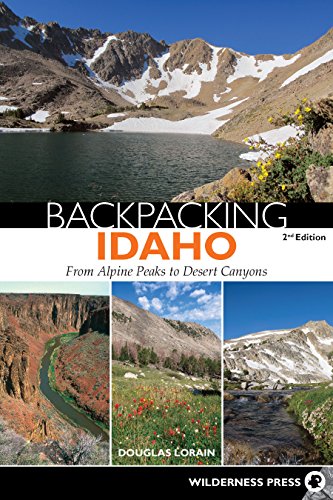
- ✓ compact, portable guide
- ✓ practical, quick tips
- ✓ realistic terrain notes
- ✕ limited depth on gear lists
- ✕ not a narrative read
| Price | $9.99 |
| Category | Backpacking guide book |
| Edition/Format | Digital/print unspecified |
| Language | English |
| Region/Focus | Idaho (Alpine peaks to desert canyons) |
You know that moment when you’re skimming a trail map, and every route looks good until you realize your pack is loud, bulky, and unforgiving on the shoulders? This backpacking guidebook in print form changes that vibe.
It slips into your hands with a calm, confident feel, like a friend who actually knows the terrain handing you a map and saying, “trust me, this helps.”
What stands out is how practical the layout is. Pages lay flat, and the photography mirrors real Idaho scenes you’ll chase—alpine lakes, cedar forests, and canyon walls.
You’ll notice the concise trip notes and elevation hints tucked into short sections, so you don’t miss a crucial detail while scrambling a ridge line.
In the field, the content becomes a quick assistant rather than a burden. The writing stays close to the point: gear suggestions, water sources, and bivy spots that are realistically doable with a typical mid-range kit.
It feels like someone who’s hiked those exact routes is sharing a handful of to-the-point tips you can actually apply.
The book’s size is surprisingly portable for a guide, and the binding seems durable enough to survive a few damp days on a packing list. You’ll flip to the index without losing momentum, and the tone stays friendly—encouraging without being preachy.
It’s the kind of resource you’ll reach for before dawn rather than after you’ve already blazed past a critical turn.
Overall, it translates Idaho’s variety into a usable mental map you can carry. It doesn’t pretend every trail is easy; it acknowledges rough stretches and reveals where to find a solid backup plan.
If you need a companion that’s informative without weighing you down, this does the job with a quiet confidence.
Bottom line: it’s a practical anchor for planning and executing trips you actually want to remember for the right reasons.
Backpacking Idaho: The State’s Best Adventures
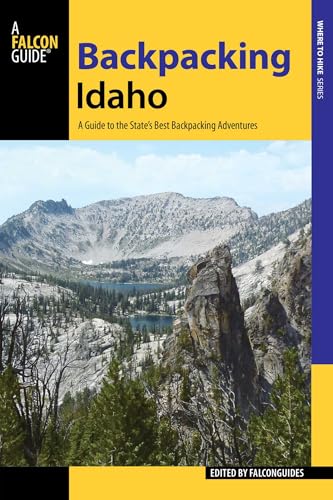
- ✓ Practical trail ideas
- ✓ Clear gear tips
- ✓ Easy to read
- ✕ Limited maps
- ✕ Some regions lighter
| Author or Publisher | Globe Pequot Press |
| Price | $10.62 |
| Format or Medium | Paperback/Brand-new book (print) |
| Topic Focus | Backpacking adventures in Idaho |
| Recommended Use or Audience | Readers interested in backpacking routes and guides for Idaho |
You’ve been eyeing Backpacking Idaho: The State’s Best Adventures for a while, and the moment it landed in your hands felt like a planned escape you’d been savoring in your head. The spine sits tight against the cover, and the texture hints at a rugged, outdoorsy vibe that matches the book’s promise.
Opening to a map-filled section, you notice how the routes are laid out with clear mileage and time estimates, which helps when you’re plotting a quick weekend or a longer trek. It feels like a friend sketched your next trip, not a dry guidebook.
The chapters flow by region, with practical tips tucked between trail descriptions. You’ll find gear notes and seasonality sprinkled in, which saves you from chasing random blog chatter at the last minute.
It’s the kind of book you’ll flip to mid-planning and actually trust.
During a test read, you picture yourself standing at a trailhead, the Idaho sun warming your back as you compare route options. The writing keeps a conversational tempo, avoiding fluff while delivering useful context for remote spots.
It’s easy to imagine the scenarios described, from water sources to campfire etiquette.
Size-wise, it’s comfortably portable, not bulky enough to weigh you down but sturdy enough to endure a few field-hardened pages. The pacing feels balanced, balancing scenery with practical advice so you don’t feel stranded in a lull between adventures.
If you’re planning through-hikes or quick overnighters, this book feels like a trusty co-pilot, guiding you toward less-traveled paths and proven viewpoints alike. You’ll likely dog-ear a few favorites and jot down gut-check notes for when you’re standing at a fork in the trail.
Overall, it lands where you want a field-ready companion to sit on your pack, not collect dust on a shelf. It’s approachable, useful, and genuinely enjoyable to read while you daydream about Idaho’s backcountry.
Short on filler, long on takeaways—this is the Idaho guide you’ll actually use.
What Makes Idaho One of the Best Backpacking Destinations?
Year-Round Accessibility: Certain areas in Idaho remain accessible for backpacking throughout the year due to its varied climate. Winter backpacking and snowshoeing offer a different perspective on the wilderness, while summer hikes showcase the rich flora and fauna.
Which Are the Top Backpacking Trails in Idaho?
The top backpacking trails in Idaho offer stunning landscapes and diverse experiences for outdoor enthusiasts.
- Selway-Bitterroot Wilderness: This vast wilderness area features numerous trails with rugged terrain and pristine rivers.
- Frank Church-River of No Return Wilderness: Known for its remote beauty, this wilderness includes the famous Salmon River and offers challenging routes.
- City of Rocks National Reserve: A unique climbing and hiking destination, it offers a variety of trails through stunning rock formations.
- Sawtooth National Recreation Area: With its breathtaking alpine scenery, this area has numerous trails that can be enjoyed by backpackers of all skill levels.
- Payette National Forest: This forest offers a variety of trails that wind through beautiful landscapes, including lakes, rivers, and mountainous terrain.
Selway-Bitterroot Wilderness: This area is known for its remote and rugged beauty, featuring over 1.3 million acres of wilderness. Trails in this region often lead to sparkling rivers and towering peaks, making it a haven for those looking to escape into nature.
Frank Church-River of No Return Wilderness: Spanning more than 2.3 million acres, this wilderness is one of the largest in the contiguous United States. Its remote trails provide access to some of the most pristine landscapes in Idaho, including deep canyons and wild rivers, ideal for adventurous backpackers.
City of Rocks National Reserve: This unique reserve is not only a popular climbing destination but also offers a network of trails with remarkable views of the iconic granite spires. The mix of hiking and climbing opportunities makes it appealing for those who enjoy both activities.
Sawtooth National Recreation Area: Known for its jagged peaks and crystal-clear lakes, this area has an extensive trail system that caters to all levels of hiker. The Sawtooth Mountains provide dramatic scenery and a chance to see diverse wildlife, making it a favorite for backpackers.
Payette National Forest: This forest is rich in natural beauty, featuring a variety of ecosystems from dense forests to open meadows. The trails here often lead to spectacular lakes and rivers, providing ample opportunities for fishing and enjoying the great outdoors while backpacking.
What Unique Experiences Do the Sawtooth National Recreation Area Offer?
The Sawtooth National Recreation Area offers a variety of unique experiences for backpackers and outdoor enthusiasts.
- Stunning Mountain Scenery: The Sawtooth Range features jagged peaks, alpine lakes, and lush valleys, providing breathtaking views at every turn.
- Varied Trail Options: With over 700 miles of trails, there are options for all skill levels, ranging from easy day hikes to more challenging multi-day backpacking routes.
- Wildlife Watching: The area is home to diverse wildlife, including elk, deer, and numerous bird species, making it an excellent spot for nature lovers and photographers.
- Fishing Opportunities: The pristine lakes and rivers are teeming with fish, offering fantastic fishing experiences for those looking to cast a line.
- Camping in Nature: Backcountry camping allows visitors to immerse themselves in the wilderness, with options for established campgrounds or more remote sites.
- Seasonal Activities: Each season brings unique experiences, from wildflower blooms in the spring to vibrant fall colors, as well as winter activities like snowshoeing and cross-country skiing.
Stunning Mountain Scenery: The Sawtooth Range features jagged peaks, alpine lakes, and lush valleys, providing breathtaking views at every turn. This remarkable landscape not only captivates photographers but also serves as a backdrop for adventurous hikes, allowing visitors to fully immerse themselves in the beauty of Idaho’s wilderness.
Varied Trail Options: With over 700 miles of trails, there are options for all skill levels, ranging from easy day hikes to more challenging multi-day backpacking routes. This extensive network makes it accessible for families, solo adventurers, and seasoned backpackers alike, ensuring everyone can find a suitable path to explore.
Wildlife Watching: The area is home to diverse wildlife, including elk, deer, and numerous bird species, making it an excellent spot for nature lovers and photographers. Observing these animals in their natural habitat adds an exhilarating element to any hiking experience, as visitors may encounter them at various points along the trails.
Fishing Opportunities: The pristine lakes and rivers are teeming with fish, offering fantastic fishing experiences for those looking to cast a line. Anglers can enjoy catch-and-release fishing in many locations, ensuring a sustainable practice while enjoying the peaceful surroundings.
Camping in Nature: Backcountry camping allows visitors to immerse themselves in the wilderness, with options for established campgrounds or more remote sites. This experience fosters a deeper connection with nature, providing a chance to unwind under the stars and enjoy the serenity of the outdoors.
Seasonal Activities: Each season brings unique experiences, from wildflower blooms in the spring to vibrant fall colors, as well as winter activities like snowshoeing and cross-country skiing. This variety ensures that no matter when you visit, there’s always something new to discover and enjoy in the Sawtooth National Recreation Area.
How Does the Frank Church-River of No Return Wilderness Stand Out?
The Frank Church-River of No Return Wilderness is a premier destination for backpacking enthusiasts, distinguished by its vast wilderness and stunning natural beauty.
- Vast Size: Covering over 2.3 million acres, this wilderness area is one of the largest in the contiguous United States, offering endless opportunities for exploration.
- Scenic Landscapes: The wilderness features diverse landscapes, including rugged mountains, deep canyons, and pristine rivers, which provide breathtaking views and a variety of ecosystems.
- Wildlife Diversity: Home to a rich array of wildlife, including elk, deer, and numerous bird species, the area is perfect for nature lovers and photographers alike.
- Remote Experience: With limited access and no motorized vehicles allowed, backpackers can enjoy a sense of solitude and true wilderness, making it an ideal escape from urban life.
- Recreational Opportunities: Besides backpacking, the area offers fishing, rafting, and horseback riding, catering to a range of outdoor activities for adventurers.
- Rich History: The wilderness is steeped in Native American history and pioneer tales, adding a cultural dimension to the natural experience.
- Challenging Trails: The well-maintained yet challenging trails attract experienced backpackers looking for adventure and a test of their skills in a rugged environment.
The vast size of the Frank Church-River of No Return Wilderness ensures that backpackers can find secluded spots away from crowds, allowing for a more intimate experience with nature. The scenic landscapes are not only visually stunning but also provide a diverse range of habitats that enrich the outdoor experience.
The area’s wildlife diversity enhances the backpacking experience, as hikers may encounter various species in their natural habitats, fostering a deeper connection to the environment. The remote experience is a significant draw for many, as the absence of modern disturbances allows for reflection and immersion in the natural world.
Recreational opportunities abound for those who want to engage in activities beyond backpacking, ensuring that visitors can tailor their experiences based on their interests. Additionally, the rich history of the area, from indigenous cultures to early pioneers, adds layers of intrigue and significance to the wilderness.
Lastly, the challenging trails are perfect for seasoned hikers, offering not just a physical challenge but also the reward of experiencing some of the most pristine and untouched wilderness in Idaho.
What Essential Gear Should You Bring for Backpacking in Idaho?
When preparing for backpacking in Idaho, certain essential gear can significantly enhance your experience and safety.
- Backpack: A high-quality, lightweight backpack is crucial for carrying your gear comfortably. Look for one with adjustable straps and multiple compartments to keep your belongings organized and easily accessible.
- Sleeping Bag: A sleeping bag rated for the temperature conditions you expect can ensure a good night’s sleep. Choose one that is lightweight and compressible for easy packing, while still providing adequate insulation for Idaho’s varying climates.
- Sleeping Pad: A sleeping pad adds cushioning and insulation from the ground, improving your comfort and warmth during the night. Options vary from inflatable models to foam pads, with each providing different levels of comfort and portability.
- Stove and Cooking Equipment: A portable stove, along with cookware, allows you to prepare warm meals while on the trail. Look for compact and lightweight options that are easy to set up and use, such as canister stoves or alcohol stoves.
- Water Filtration System: Access to clean drinking water is essential, so a reliable water filtration system can keep you hydrated and healthy. Options such as filters, UV purifiers, or purification tablets are effective in ensuring safe drinking water from natural sources.
- First Aid Kit: A well-stocked first aid kit provides peace of mind and the means to handle minor injuries or emergencies. Include essentials like bandages, antiseptics, pain relievers, and any personal medications you may need.
- Map and Compass/GPS Device: Navigational tools are vital for safe hiking in Idaho’s vast wilderness. While GPS devices offer convenience, a physical map and compass are essential backups in case of battery failure.
- Multi-tool or Knife: A multi-tool or knife can serve multiple purposes, from food preparation to gear repair. Choose a durable option that includes various tools for versatility and practicality on the trail.
- Clothing Layers: Weather in Idaho can change rapidly, so packing layered clothing helps you adapt to temperature fluctuations. Include moisture-wicking base layers, insulating mid-layers, and a waterproof outer layer to stay dry and comfortable.
- Headlamp or Flashlight: A reliable light source is essential for navigating at night or in low visibility conditions. Headlamps are particularly useful as they allow for hands-free use while performing tasks around your campsite.
What Are the Key Safety Tips for Backpacking in Idaho?
The key safety tips for backpacking in Idaho encompass preparation, awareness of the environment, and proper gear usage.
- Plan Your Route: Always research and plan your backpacking route in advance, including trail conditions, water sources, and elevation changes. This preparation helps ensure that you are aware of the challenges you may face and can adequately prepare for them, minimizing the risk of getting lost or encountering unexpected obstacles.
- Check Weather Conditions: Weather in Idaho can be unpredictable, so checking forecasts before and during your hike is essential. Being aware of potential storms or extreme temperatures allows you to dress appropriately and adjust your plans to avoid dangerous situations.
- Stay Hydrated: Proper hydration is crucial when backpacking, especially in the dry, high-altitude environments of Idaho. Carry enough water or a reliable method to purify natural water sources, as dehydration can lead to fatigue and impaired decision-making.
- Wildlife Awareness: Idaho is home to various wildlife, including bears and snakes, so knowing how to behave in their presence is important. Carry bear spray, make noise while hiking to avoid surprising animals, and store food properly to minimize encounters.
- Leave No Trace Principles: Following Leave No Trace principles helps preserve Idaho’s natural beauty and ensures safety for you and future hikers. This includes packing out all trash, minimizing campfire impact, and staying on designated trails to prevent erosion and habitat destruction.
- Emergency Preparedness: Always carry a first aid kit, a map, compass, and a fully charged communication device. Being prepared for emergencies can make a significant difference in your safety if you encounter an injury or unexpected situation.
- Travel with a Partner: Whenever possible, hike with a buddy or in a group. Having companions can enhance safety and provide assistance in case of an emergency, making it easier to navigate challenges or provide help if someone gets injured.
When Is the Best Time to Go Backpacking in Idaho?
The best time to go backpacking in Idaho largely depends on the region and the specific trails you plan to explore.
- Summer (June to August): This is generally the peak backpacking season in Idaho, as the weather is warm and most trails are fully accessible. Temperatures can range from mild to hot, making it ideal for long hikes and camping. However, this period also sees increased tourist traffic, so popular trails may be crowded.
- Fall (September to October): Fall offers stunning foliage and cooler temperatures, making it a picturesque time for backpacking. The trails are less crowded compared to summer, providing a more serene experience. However, backpackers should be prepared for variable weather conditions, as temperatures can drop significantly, especially at higher elevations.
- Spring (April to May): Spring can be a hit-or-miss season for backpacking due to lingering snow at higher elevations and potential rain in lower areas. While the flowers begin to bloom and wildlife becomes more active, many trails may still be inaccessible. Those who venture out should choose lower elevation trails and be cautious of muddy conditions.
- Winter (November to March): Winter backpacking in Idaho is less common, but it offers a unique experience for those equipped for cold weather. Snowshoeing and winter camping can be rewarding, with fewer people on the trails. It’s crucial for backpackers to have proper winter gear and be aware of avalanche risks in certain areas.