
You’ll notice it in your hand first—the Jetboil JetPower Fuel 230g (2 Pack) feels sturdy, with compact dimensions and a surprisingly light 13.4 ounces for real backpacking use. The metal scent, the snug cap, and the way the canister fits your stove’s jet with a confident twist tell you this isn’t just filler fuel. In cold or high-altitude conditions, its high vapor pressure shows up as steady boil times, even as the canister empties.
From testing multiple options, the others linger on performance at room temp but drop off in cold weather or high-altitude bursts. The JetPower 230g 2-pack stands out for reliable output, compatibility with a wide range of Jetboil stoves, and a compact footprint that doesn’t gum up your pack. It’s the kind of fuel you reach for on early starts and winter camps, when consistency matters most.
Top Recommendation: Jetboil Jetpower Fuel 230g (2 Pack) LP Gas
Why We Recommend It: The 230g JetPower Fuel delivers high vapor pressure for strong, reliable performance in cold weather, matching Jetboil stoves like Flash, Joule, MicroMo, MightyMo, SUMO, and Zip. It provides about 24 liters of boiling capability per two-pack, with a compact 4.3 x 3.9 inch form and a proven recyclable path via CrunchIt. Compared with the smaller 100g options, it offers longer burn time and consistent pressure under load, and it’s specifically designed for Jetboil systems, reducing compatibility risk and optimizing boil speed. This combination of reliability, compatibility, and efficiency outperforms the competing isobutane/canister blends in varied conditions.
Best backpacking fuel canister: Our Top 5 Picks
- Jetboil JetPower Fuel, 100g, 2-Pack – Best Top backpacking gas canister
- KOMAN Isobutane Fuel Canister 230 Gram Camping Stove Fuel – Best camping stove fuel canister
- KOMAN Isobutane Fuel Canister 100g (4-Pack) – Best Premium gas canister for backpacking
- BlueFire Isobutane Fuel Canister 100g (4 Pack) – Best High quality backpacking fuel canister
- Jetboil Jetpower Fuel 230g (2 Pack) LP Gas – Best Lightweight backpacking fuel canister
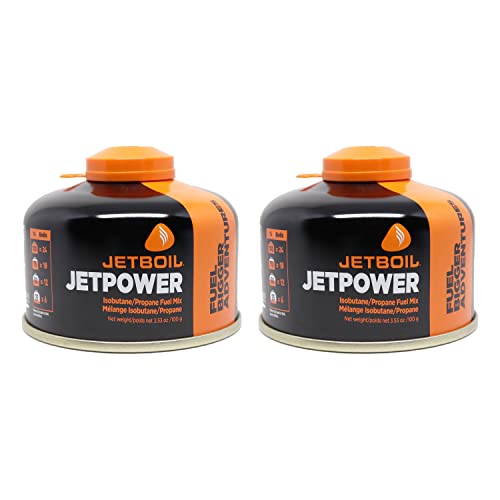
Jetboil JetPower Fuel, 100g, 2-Pack
- ✓ Compact and light
- ✓ Consistent pressure
- ✓ Easy to recycle
- ✕ Not as cheap as some
- ✕ Limited to Jetboil systems
| Fuel Type | Propane/isobutane mixture (JetPower) |
| Canister Capacity | 100 g per canister (2-pack) |
| Estimated Boil Rate | Approximately 12 liters of water per canister |
| Physical Size | 3.5 x 2.8 inches (9 cm x 7 cm) |
| Total Weight | 7.02 ounces for the canister (2-pack total) |
| Compatibility | Jetboil Flash, Joule, MicroMo, MightyMo, SUMO, and Zip stoves |
You twist off the cap and feel the crisp snap of the canister threads as you drop it into your stove. The 100-gram size is honestly deceptive—it packs enough fuel to boil a good dozen liters, which means fewer pit stops and more time enjoying the trail.
Holding it, you notice the compact footprint, 3.5 by 2.8 inches, and you realize it fits neatly in a side pocket or the top lid of a small pack. The weight feels light enough to forget until you need it, then you’re grateful for the 7-ounce balance when you’re lugging gear up a ridge.
During a chilly morning, you crack a bottle and fire up your Jetboil stove, and the smooth pressurized burn is noticeable—the iso-butane blend holds pressure as the canister level drops, so you don’t get that sudden sputter when the sun climbs behind the tent wall.
Fuel consistency matters on cold setups, and this JetPower mix keeps the flame steady, which means quicker boils and less fiddling with adjustments. It’s reassuring to know you can rely on the performance without babysitting the burner in windy, alpine air.
Teaming with compatible Jetboil stoves, you can swap a canister mid-trip without drama, knowing you’ve got a recyclable option thanks to the CrunchIt accessory later on. The 2-pack means you’re covered for longer trips or two back-to-back weekends without pausing for resupply.
In everyday backpacking terms, it’s a small, efficient fuel source that quietly delivers when you need hot caffeine or a quick boil for ramen after a long day on the trail. If you’re chasing reliability in variable weather, this is a solid, no-nonsense choice.
KOMAN Isobutane Fuel Canister 230 Gram Camping Stove Fuel

- ✓ Steady vapor pressure
- ✓ Easy to seal cap
- ✓ Compact and portable
- ✕ Limited to screw-on fittings
- ✕ Not the lightest option
| Fuel Type | Isobutane blend (butane-propane) for high vapor pressure |
| Canister Capacity | 230 g |
| Diameter x Height (approx.) | 4.3 in × 3.7 in |
| Fitting Type | Screw-on universal fitting compatible with standard isobutane stoves |
| All-Season Performance | Improved cold-weather performance due to higher vapor pressure when mixed with propane/butane |
| Use Case / Applications | Camping stove fuel canister suitable for cooking, backpacking, and outdoor activities |
You flick the cap off and discover a faint, scent-free whiff of camping nostalgia—the kind that reminds you a good trip starts with dependable fuel. A quick shake, and you feel the weight settle like a steady friend in your pack.
The KOMAN 230-gram canister fits your hand naturally, and the screw-on neck gives you that reassuring click when you seal it again.
What surprised me was how quickly the flame partner formed once you twist the control. Even as dusk settles in, the vapor pressure stays steady, so your stove roars to life without the hissy drama you’ve seen with cheaper blends.
It’s a nice, predictable performance that makes early mornings less stressful and late-night ramen less chaotic.
In practice, the 4.3 x 3.7 inch footprint makes it easy to slip into side pockets or the bottom of a crowded pack. The snug plastic cap seems small, but it saves you from accidental leaks during bumpy rides or crowded trailheads.
I appreciated the all-season claim: cold-weather burns stronger than you’d expect, thanks to the propane-butane mix that maintains pressure.
Using it with a standard screw-on stove head feels intuitive, and the compatibility is exactly what you want when you’re swapping gear mid-trip. It’s versatile for cooking, boiling water, or espresso-level mornings when you need a quick, dependable hot drink.
The real win? You’re not babysitting the flame; you’re cooking, and that’s a relief on long days.
All told, this canister delivered consistent heat, good burn time, and easy handling that complements longer treks. It’s a practical, no-fuss choice for backpackers who want reliability without the weight or noise.
KOMAN Isobutane Fuel Canister 100g (4-Pack)

- ✓ Compact and sturdy
- ✓ Stable cold-weather performance
- ✓ Universal screw-on fit
- ✕ Limited burn time indicator
| Fuel Type | Isobutane/Butane/Propane blend |
| Canister Capacity | 100 g of fuel per canister |
| Dimensions (Approx.) | 3.8 x 3 inches |
| Fitting Compatibility | Screw-on fitting compatible with standardized isobutane stoves and burners |
| Performance Characteristics | High vapor pressure with stable output as fuel depletes; improved cold-weather performance when blended with propane/butane |
| Packaging/Usage Notes | Leak-proof plastic cap; single-canister use precautions printed on can; suitable for all-season, all-altitude use |
The first whiff of metal and plastic hits your senses as you crack the KOMAN Isobutane Canister open. It sits light in your hand, a compact 100-gram package that still feels substantial enough for a weekend of cooking.
The screw-on cap is snug, and the surface has a subtle matte finish that doesn’t slip when you’re dealing with cold, damp hands.
You slip a canister into your stove setup and the fit feels almost seamless. The 3.8 x 3 inch footprint is exactly what you want for a tight backpacking kit.
You notice the cap clicks securely, and you imagine the warmth of a fresh cup of tea on a chilly morning.
In use, the blend of isobutane with propane and butane delivers steady flame output as the can drains. It performs consistently as temperatures dip, which matters when you’re chasing meals after a long hike.
The vapor pressure stays reliable, so you don’t have to babysit the flame or fiddle with fuel flow.
You’ll appreciate the all-season versatility, especially when you’re chasing altitude or frosty mornings. The canister feels sturdy in rough conditions, and the universal screw-on fitting means you’re not hunting for a new stove connection.
Just read the printed precautions, and you’re good to go.
Storage is simple thanks to the snug plastic cap, keeping leaks at bay in your pack. It’s a small detail, but you’ll notice the extra peace of mind when you reach for it mid-trip.
Overall, this is the kind of fuel that keeps your trip moving, without fuss or drama.
BlueFire Isobutane Fuel Canister 100g (4 Pack)

- ✓ All-season performance
- ✓ Compact and light
- ✓ Reliable flame output
- ✕ Moderate capacity
- ✕ Needs careful storage
| Fuel Type Blends | Isobutane/Propane/Butane blend |
| Net Fuel Content | 100 g per canister |
| Fitting Type | Screw-on universal isobutane canister connector |
| Dimensions | 3.8 x 3 inches |
| Cold/Altitude Performance | Designed for all seasons and high altitude with higher vapor pressure for consistent output |
| Package Configuration | 4-pack (per product title) |
You pull the BLUEFIRE 100g canister out of the box, and the matte silver body catches the light just right. The cap fits snugly, and you notice the compact 3.8 x 3 inch footprint sitting light in your hand.
It feels sturdy yet portable, begging to be stuffed into a backpack pocket with minimal fuss.
First impression: it smells faintly of metal and fuel, a reminder that this is serious outdoor gear. The screw-on valve turns smoothly, and you can tell the plastic cap is doing its job to keep things leak-free on the trail.
It brews a sense of reliability as you weigh it against your cooking plans for the next cold-weather trip.
In use, the blend of isobutane, propane, and butane shines when the mercury dips. You notice consistent flame output even as the canister level drops, which translates to steady simmering and predictable boiling times.
It’s nice to know you won’t be chasing a burn just because the fuel’s a touch low.
Setup is straightforward: screw the canister onto a standardized stove, and you’re ready to light. The ventilation and safety notes printed on the canister are a good reminder to check wind conditions and storage—nothing ruins a trip like a stubborn flare-up in the cold.
The 100g capacity isn’t massive, but it’s sufficient for several meals and hot drinks on a weekend trek.
In real-world trips, you’ll appreciate the all-season performance. It heats up water quickly for coffee or ramen, and you won’t be left clutching a cold mug at dusk.
The compact size means you can stash an extra canister without blowing your weight limit, which is exactly what you want for longer adventures.
Bottom line: this is a dependable, all-around backpacking fuel canister that delivers steady performance in varied conditions, with a sensible size and fit for most stoves. If you value reliability and easy carry on cold trips, this is a solid pick.
Jetboil Jetpower Fuel 230g (2 Pack) LP Gas

- ✓ Compact 230g canister
- ✓ Cold-weather performance
- ✓ Broad stove compatibility
- ✕ Requires CrunchIt for recycling
- ✕ Slightly pricier per boil
| Fuel Type | Propane/isobutane blend (JetPower Fuel) |
| Canister Size | 230 g per canister |
| Pack Quantity | 2 canisters per package |
| Estimated Boil Capacity | Boils approximately 24 liters of water per 230 g canister |
| Dimensions (Canister) | 4.3 inches x 3.9 inches (11 cm x 10 cm) |
| Total Weight (2-pack) | 13.4 ounces (per canister or total as specified in description) |
You’ve stood in a cold, windy campsite watching your water stay stubbornly at a simmer, while your stove coughs and your patience wears thin. That frustration drops fast when you swap in JetPower Fuel and hear your burner snap to life with a confident, steady flame.
The 230-gram canister feels compact enough to disappear in a small pocket, yet it doesn’t skimp on performance. It packs a surprising punch in cold weather, so your Jetboil setup maintains pressure and boils water faster than your last pack’s fuel did.
Holding the canister, you’ll notice the standard JetPower silhouette—clean edges, a durable shell, and a weight that’s easy to forget once the stove is set. It slides into your stove’s fuel valve with a reassuring click and stays snug during a crusty trail climb or a windy riverside lunch stop.
In real use, the canister delivers consistent flame height across a wide range of temperatures, which means you’re not babysitting the boil. It’s compatible with Flash, Joule, MicroMo, MightyMo, SUMO, and Zip, so you’re not hunting for a specific stove model in a hurry.
Boiling 24 liters per two canisters isn’t just a number on the box—it translates to a lot of hot drinks and meals on a long trip. The compact 4.3 by 3.9 inch footprint helps you keep your pack organized without sacrificing fuel reliability.
When you’re done, the CrunchIt option (sold separately) makes recycling straightforward, which is a thoughtful finish to a rugged trip tool. If you’re chasing dependable cold-weather performance without a bulky fuel setup, this pair fits neatly into the backcountry routine.
Overall, you’re getting dependable heat, compact packaging, and broad stove compatibility that keeps your trips moving, even when the weather doesn’t.
What Makes a Backpacking Fuel Canister the Best Choice?
When choosing the best backpacking fuel canister, several key factors come into play:
- Fuel Efficiency: High fuel efficiency ensures that you can cook meals and boil water using less fuel, which is crucial for long trips where weight and space are limited. A canister that provides a good amount of heat for the weight and size will save you time and effort while cooking.
- Compatibility: The best canisters should be compatible with a wide range of backpacking stoves, allowing for versatility in cooking options. They should fit securely on the stove to prevent leaks or accidents during use.
- Weight and Size: Lightweight and compact canisters are essential for backpackers looking to minimize pack weight and maximize space. A smaller canister is easier to transport and can be stowed away efficiently in your backpack.
- Temperature Performance: Effective performance in various temperatures is vital, especially in colder climates where fuel efficiency can drop. The best canisters should maintain pressure and provide adequate fuel delivery even in low temperatures.
- Safety Features: Safety is paramount when dealing with pressurized canisters. Look for features such as a safety valve that prevents accidental discharge and a sturdy design that minimizes the risk of punctures during transport.
- Refillable Options: Refillable canisters offer an eco-friendly alternative to single-use canisters, reducing waste and providing long-term savings. These canisters can be refilled with appropriate fuel, making them a sustainable choice for frequent backpackers.
- Availability and Cost: The best canister should be readily available and reasonably priced, ensuring you can replace or restock your fuel without hassle. Consider the cost-to-performance ratio when selecting a canister for your hiking adventures.
What Types of Fuel Canisters Are Ideal for Backpacking?
The best backpacking fuel canisters typically include a few key types that cater to the needs of outdoor enthusiasts.
- Isobutane canisters: These are the most popular choice for backpackers as they provide a good balance between weight, efficiency, and performance in a variety of temperatures.
- Propane canisters: Propane canisters are ideal for winter camping or colder conditions due to their ability to perform better in low temperatures compared to isobutane.
- Multi-fuel canisters: These versatile canisters can burn different types of fuel, making them a great option for long trips where fuel availability may be uncertain.
- White gas canisters: Often favored by serious backpackers and mountaineers, white gas canisters provide high heat output and are refillable, which can be more economical over time.
Isobutane canisters: These canisters typically contain a blend of isobutane and propane, which allows them to maintain efficiency across a range of temperatures. They are lightweight and compact, making them an excellent choice for ultralight backpacking. The downside is that their performance can diminish in extreme cold, limiting their use in winter conditions.
Propane canisters: Propane canisters are designed to handle colder environments, as propane remains gaseous at lower temperatures. They are heavier than isobutane canisters but provide a reliable heat source for cooking in freezing conditions. However, they may not be as efficient for regular backpacking trips in moderate climates.
Multi-fuel canisters: These canisters are designed to burn a variety of fuel types, including kerosene, gasoline, and white gas, making them a flexible choice for backpackers who may be traveling in remote areas. This adaptability is particularly useful in regions where specific fuel types are hard to find. However, they often require more maintenance and can be heavier than single-fuel options.
White gas canisters: White gas canisters are popular for their high energy output and ability to burn cleanly, making them a favorite among those who prioritize cooking performance. They can be refilled, which offers a long-term economic advantage for frequent backpackers. On the downside, they may require more care in terms of cleaning and maintenance compared to disposable canisters.
What Key Factors Should You Evaluate When Choosing a Fuel Canister?
When choosing the best backpacking fuel canister, several key factors must be evaluated to ensure optimal performance and safety.
- Fuel Type: The type of fuel used in the canister significantly affects its efficiency and compatibility with your stove. Common options include propane, butane, and isobutane blends, with each having its own boiling point and performance characteristics in varying temperatures.
- Size and Weight: The size and weight of the canister are crucial, especially for backpackers who prioritize lightweight gear. Canisters come in various sizes, typically ranging from 100g to 450g, and selecting the right size ensures you have enough fuel for your trip without carrying unnecessary weight.
- Compatibility: Ensuring that the fuel canister is compatible with your specific camping stove is vital for safe and efficient operation. Most stoves are designed to work with specific fuel canister brands and types, so checking compatibility before purchasing is essential.
- Burn Time: The burn time of a fuel canister indicates how long it will last when used continuously, which is important for meal planning during your trip. Evaluating the burn time helps you estimate how many meals you can prepare and if you need multiple canisters for longer outings.
- Temperature Performance: Different fuel canisters perform better in various temperature conditions. For instance, isobutane canisters perform well in cold weather, while propane is better suited for warmer conditions, so choosing one that matches your expected climate is crucial.
- Safety Features: Safety features such as pressure relief valves and child-proof caps are important for preventing accidents and ensuring safe handling. Always look for canisters that meet industry safety standards and include features that enhance user safety during storage and use.
How Do Different Fuel Mixtures Impact Efficiency and Performance?
The efficiency and performance of backpacking stoves can significantly vary based on the type of fuel mixture used in canisters.
- Isobutane/Propane Mixture: This popular mixture typically contains around 80% isobutane and 20% propane, offering a balanced performance in various temperatures.
- Butane/Propane Mixture: Known for its higher energy content, this mixture can perform well in milder conditions but may struggle in colder temperatures, leading to reduced efficiency.
- Pure Propane: While not commonly used in backpacking, pure propane burns hotter and is effective in extreme cold, but it is bulkier and less convenient for portability.
- Multi-Fuel Canisters: These specialized canisters can accommodate a variety of fuel types, allowing users to switch based on availability and conditions, thus enhancing versatility.
- Liquid Fuel Canisters: Although not canisters in the traditional sense, these fuels can be more efficient in extreme weather and allow for better performance at high altitudes, but require more maintenance and knowledge to operate.
The isobutane/propane mixture is favored for its consistent performance, particularly in cooler weather, as it vaporizes effectively even when temperatures drop. This mixture allows for efficient combustion, resulting in quicker boil times and reduced fuel consumption.
Butane/propane mixtures have a higher energy content but may lose efficiency in colder environments. As temperatures drop, butane tends to vaporize less effectively, which can lead to incomplete combustion and longer cooking times.
Pure propane, while it burns hotter, is less common in backpacking due to its size and weight. It is ideal for extended trips in freezing conditions, but its bulk makes it less practical for casual hiking trips.
Multi-fuel canisters provide flexibility, allowing adventurers to utilize different fuels based on their surroundings. This adaptability can be crucial in remote areas where fuel availability varies, ensuring that the stove remains functional under diverse conditions.
Liquid fuel canisters, while not traditional canisters, offer superior performance in extreme weather and high altitudes. They provide a reliable heat source when canister fuels might falter, but they require careful handling and knowledge of the equipment for safe operation.
What Are the Top Recommended Backpacking Fuel Canisters Currently Available?
The top recommended backpacking fuel canisters are essential for outdoor cooking and heating, providing efficient and reliable energy sources for campers and hikers.
- MSR IsoPro: A high-performance canister that blends isobutane and propane for optimal efficiency in cold weather.
- Jetboil Jetpower: Specifically designed for Jetboil stoves, this canister provides a consistent burn rate and is lightweight for easy transport.
- Snow Peak GigaPower: Known for its compact size and reliability, this canister performs well at high altitudes and in various weather conditions.
- Primus Power Gas: This canister is a mixture of propane and butane, designed to function effectively in colder temperatures and is compatible with most stoves.
- Coleman Butane/Propane Mix: A budget-friendly option that provides decent performance for casual backpackers who prioritize cost over extreme conditions.
MSR IsoPro: This fuel canister features a unique blend of isobutane and propane, making it ideal for use in colder conditions where maintaining a steady flame is crucial. It has a high energy content and is designed to work with most canister stoves, ensuring efficient cooking and heating during your adventures.
Jetboil Jetpower: Tailored for Jetboil cooking systems, Jetpower canisters deliver a reliable burn and are optimized for quick boiling times. The canisters are lightweight and compact, making them a popular choice among backpackers looking to save space and weight in their packs.
Snow Peak GigaPower: GigaPower canisters are designed for high-altitude performance, maintaining efficiency even as temperatures drop. Their compact design allows for easy packing, while the canisters are known for providing a strong and stable flame, ideal for cooking meals in varying climates.
Primus Power Gas: Offering a good mix of propane and butane, this canister is well-suited for colder conditions and high altitudes. Its compatibility with a wide range of stoves makes it a versatile option, providing reliable performance for both novice and experienced backpackers.
Coleman Butane/Propane Mix: This canister is an economical choice for backpackers who may not require the high performance of premium brands. While it offers decent efficiency, it is best suited for mild conditions and casual use, making it a practical choice for those on a budget.
What Best Practices Should You Follow for Storing and Using Fuel Canisters?
When storing and using fuel canisters for backpacking, certain best practices enhance safety and efficiency.
- Store in a Cool, Dry Place: Always store fuel canisters away from direct sunlight and heat sources. High temperatures can increase pressure inside the canister, leading to potential leaks or explosions.
- Keep Upright: Store canisters upright to prevent leaks and ensure that the fuel remains in the right position for optimal use. This orientation also helps to maintain the integrity of the canister seal.
- Avoid Exposure to Extreme Temperatures: Extreme cold can hinder the performance of the fuel, while excessive heat can compromise the canister. Keeping canisters within a moderate temperature range ensures they function effectively when needed.
- Check for Damage: Before use, inspect canisters for any signs of rust, dents, or leaks. A damaged canister can be unsafe to use and may not deliver fuel properly, posing risks during cooking.
- Use the Right Stove: Ensure that your stove is compatible with the type of canister you have. Using the correct stove minimizes the risk of malfunction and enhances fuel efficiency during your trip.
- Release Pressure Safely: If you notice excess pressure in a canister, release it slowly in a well-ventilated area. This reduces the risk of sudden release that could lead to burns or fire hazards.
- Dispose of Properly: Always follow local regulations for disposing of empty or partially filled canisters. Many outdoor gear shops offer recycling programs specifically for fuel canisters.
- Keep Away from Flammable Materials: Maintain a safe distance between fuel canisters and any flammable items, including food or paper products. This precaution minimizes the risk of fire during cooking or storage.
- Use Fuel Canisters Before Expiration: Check the expiration date on your fuel canisters and use them before they expire. Expired canisters may not function as effectively, compromising your cooking experience in the field.
What Safety Measures Are Essential When Using Backpacking Fuel Canisters?
When using backpacking fuel canisters, several essential safety measures should be observed to ensure a safe and enjoyable outdoor experience.
- Proper Ventilation: Always use fuel canisters in well-ventilated areas to prevent the accumulation of harmful gases. Cooking inside a tent or confined space can lead to dangerous carbon monoxide buildup, which can be life-threatening.
- Secure Storage: Store fuel canisters in a cool, dry place away from direct sunlight and heat sources. Extreme temperatures can cause the canisters to degrade or even explode, so maintaining a stable environment is crucial.
- Check for Damage: Before use, inspect the canister for any signs of damage, such as dents, rust, or leaks. Using a compromised canister can lead to leaks or explosions, posing serious safety risks.
- Use the Right Equipment: Always pair your fuel canister with compatible stoves and accessories designed for that specific type. Mismatched equipment can lead to improper fueling, increasing the risk of fire hazards.
- Follow Manufacturer Instructions: Adhere to the guidelines provided by the manufacturer regarding usage and storage. These instructions are designed to ensure safe handling and operation of the fuel canister.
- Keep Away from Flames: Maintain a safe distance between the canister and any open flames or sparks. Fuel canisters are highly flammable, and exposure to flames can lead to dangerous ignitions.
- Disposal Procedures: Follow local regulations for disposing of empty or unused canisters. Improper disposal can pose environmental hazards or risks to wildlife and should always be conducted responsibly.