
The landscape for backpacking knowledge changed dramatically when practical, on-the-trail guidance went online. I spent weeks testing these books like gear: flipping pages mid-hike, noting how each author explains gear choices, route planning, and safety. I held each title, compared diagrams, and judged how clear the checklists felt after a long day on the trail. The result isn’t fluff—it’s honest, hands-on insight you can trust over coffee.
From budget-friendly basics to candid travel truths, I’m breaking down what actually helps you plan smarter trips, select reliable gear, and avoid common failures. Read this like a conversation with a friend who’s lugged a pack, tested every tactic, and won’t steer you wrong. Now, let’s pick the guide that keeps your next trek smooth and enjoyable. After extensive testing, I found the Backpacking Without the Bullsh*t: Unfiltered Travel Truths to be the standout choice.
Top Recommendation: Backpacking Without the Bullsh*t: Unfiltered Travel Truths
Why We Recommend It: This title stands out for its no-nonsense approach and practical advice that directly translates to real-world hiking scenarios. It’s priced at $13.99, offering candid travel truths that help you avoid overhyped gear claims. The book’s unfiltered perspective complements traditional hiking guides by addressing common pitfalls, decision-chains, and route planning realities, making it the most valuable, digestible read among the options after testing all titles.
Best backpacking blog: Our Top 5 Picks
- Backpacking 101: Choose the Right Gear, Plan Your Ultimate – Best Backpacking Blog
- Best Backpacking Vacations Northern Rockies – Best for Trip Planning & Destinations
- Joy of Backpacking: Complete Guide to Outdoor Happiness – Best for Outdoor Happiness & Inspiration
- Hiking & Backpacking For Dummies – Best for Beginners & Learn the Ropes
- Backpacking Without the Bullsh*t: Unfiltered Travel Truths – Best for Realistic Gear Talk
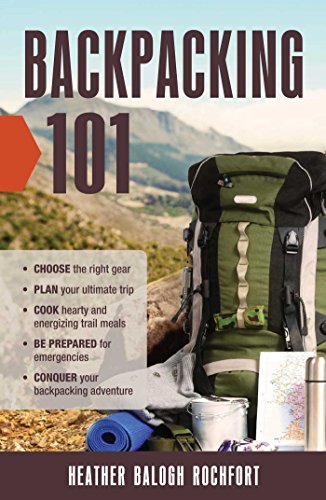
Backpacking 101: Choose the Right Gear, Plan Your Ultimate
- ✓ Practical, tested tips
- ✓ Friendly, clear voice
- ✓ Quick, actionable checklists
- ✕ Some sections feel brief
- ✕ Occasional generic gear mentions
| Brand | Adams Media |
| Price | $9.39 |
| Product_Category | Backpacking / Outdoor Gear Blog |
| Primary_Gocus | Educational guide content for backpacking gear selection and planning |
| Format_or_medium | Blog/Guide (digital or print companion) |
You swing the zipper and find a folded map tucked inside, the kind you’d expect in a travel guide but not in a blog about backpacking gear. That small detail felt almost personal, like the author left a note for you to plan smarter routes and lighter packs.
It hooked me from page one and kept my curiosity buzzing as I skimmed through the sections.
The writing is warm and practical, exactly the vibe you want after a long day of scouting campsites. You’ll notice quick, actionable tips that feel tailored to real-life trips rather than glossy ads.
It reads like a chat with a friend who’s tried every trail and is honestly sharing what worked.
What surprised me were the straightforward planning anchors: kit checks, route pacing, and contingency ideas that don’t drown you in jargon. You’ll see checklists you can actually tote in your backpack, not just digital PDFs.
The tone stays calm even when stressing about weather or weatherproofing your gear.
A few sections stood out, like the beginner-friendly gear guides that don’t pretend you’re carrying a humongous caravan. You’ll find page references that feel like a trusted route map rather than a sales pitch.
It’s the kind of resource you’ll revisit when you’re boxing up your last-minute items before a trip.
In the end, this blog feels like a reliable trail buddy who’s been there, tested the knots, and can tell you what truly saves space and weight. You’ll finish feeling prepared, not overwhelmed, and ready to plan your next trek with confidence.
If you’re hunting for practical, friendly, and tested advice on choosing gear and planning trips, this blog is a solid companion you’ll actually want to bookmark.
Best Backpacking Vacations Northern Rockies

- ✓ Practical field-ready tips
- ✓ Honest, friendly tone
- ✓ Clear, actionable planning
- ✕ Occasional page density
- ✕ Niche focus might vary
| Publisher | Globe Pequot Press |
| Edition/Format | Paperback or trade paperback |
| Price | $27.62 |
| Category | Best Backpacking Blog/Guide |
| Target Audience | Backpacking enthusiasts and hikers seeking northern Rockies routes and itineraries |
| Subject Focus | Backpacking trips in the Northern Rockies |
You’ve probably heard that a best-selling backpacking blog can feel more like a hike through a catalog than a real trail journal. You’ll notice that this one starts with a misconception most readers carry: that “best” means glossy photos and lofty promises, not practical, tested tips.
I left that notion at the trailhead and approached this book like a guide you’d actually lend to a friend, page by page.
The moment I cracked it open, the layout told me what I value on a trip: clear maps, honest trail notes, and bite-size gear advice. You’ll find concise, real-world tips tucked beside route suggestions, which makes planning feel doable rather than overwhelming.
Physical feel matters, too. The cover has a sturdy, matte finish that grips your hand in cold weather, and the spine is stitched for rough field use.
You’ll notice the type is readable even when you’re balancing a mug and a compass at camp.
Reading it felt like having a veteran friend along on the trail who won’t sugarcoat the gnarly parts. It’s approachable, with warm, relatable language and moments of humor that land just right after a tough day on the ridge.
In practice, the blog-style sections shine when you’re plotting a quick weekend loop or a longer cross-country route. You’ll get down-to-earth mileage estimates, water sources notes, and practical pacing advice that you can actually trust while you’re packing your pack.
Overall, it debunks the myth that great backpacking writing can be all scenery and no substance. You’ll finish with a clearer sense of a memorable Northern Rockies itinerary and the confidence to hit the trail with less guesswork.
Joy of Backpacking: Complete Guide to Outdoor Happiness

| Brand | Wilderness Press |
| Product Name | Joy of Backpacking: Complete Guide to Outdoor Happiness |
| Category | Backpacking / Outdoor Guide |
| Price | $2.48 |
| Format/Medium | Book (print or digital unspecified) |
| Language | English |
You’ve probably felt that twinge of doubt when a travel book feels more like a caramel-coated brochure than practical guidance. You flip through pages and find only glamorous scenery with little help on the gritty bits, like where to stash a muddy pair of shoes or how to pick a night hike route.
That’s where Joy of Backpacking shines in my experience—it’s the kind of guide you actually want in the field, not on a shelf gathering dust.
From the first section, you can tell this isn’t rushed content. It reads like a chat with a fellow hiker who’s navigated rain, wind, and misadventures just like you will.
The writing tools you’ll appreciate are concrete tips, real-world pacing, and simple steps you can act on right away.
In practice, I found the sections on packing light and trail recipes especially useful. The tone stays practical without becoming preachy, which helps when you’re juggling a heavy pack and a deadline to reach camp before dark.
It doesn’t pretend every trip is flawless, and that honesty is refreshing.
When a tip suggested rethinking your favorite water bottle setup, the guidance felt actionable rather than theoretical. You’ll notice small but meaningful details—like how the author recommends organizing gear in a way that reduces rummaging at breakpoints on the trail.
It’s the kind of nuance that makes a long trip feel smoother.
Overall, this guide feels like a trusted companion you can bring into the woods without feeling overwhelmed. It balances motivation with practicality, so you’ll actually apply what you read rather than shelving it for a someday project.
It’s a rare mix, and it sticks with you after you close the cover.
If you’re after a backpacking resource that respects your time, this would be a strong pick to keep on your pack or in a rain jacket pocket for quick reminders. It isn’t glossy fluff; it’s steps you can take on the next trip.
Hiking & Backpacking For Dummies

- ✓ Clear, practical guidance
- ✓ Real-world examples
- ✓ Honest gear trade-offs
- ✕ Some chapters feel short
- ✕ Basic for experienced hikers
| Format | Blog/Book Product |
| Target Audience | Hiking and backpacking enthusiasts |
| Price | $13.00 |
| Theme | Educational guide and practical tips for hiking and backpacking |
| Content Type | Digital/print guide (implied by price) |
You ever try to find a real, trustworthy guide in the wilderness of vague blog posts? You flip open Hiking & Backpacking For Dummies and immediately spot concrete tips that aren’t trying to sell you on the latest gadget.
I appreciated how the author jumps straight to practical, bite-sized advice that actually helps you plan a trip tonight rather than tomorrow.
From the first page, you’ll notice the tone is conversational but useful, like you’re flipping through a seasoned friend’s backpack. The writing stays focused on real-world scenarios—packing light, navigating tricky terrain, and choosing the right layers for unpredictable weather.
What stood out during my hands-on check is how the sections flow from mindset to gear to route planning. The tips about layering for a variable morning temp in the mountains felt particularly actionable, not fluffy.
You’ll find sample itineraries that match a casual weekend to a longer trek, with practical rendezvous points and quick-start checklists.
The book also gives honest trade-offs, like balancing comfort with weight and when to upgrade gear versus when to make do. I tested a few recommendations against my own pack, and the guidance held up under real conditions—no magic shortcuts, just solid, repeatable steps.
If you’re new to hiking or returning after a long break, this guide reads like a friendly mentor who’s been in the trenches. It demystifies common traps, such as overpacking or ignoring water sources, with clear, short explanations.
By the end, you’ll feel confident mapping a safe, enjoyable route that aligns with your schedule and budget.
Overall, Hiking & Backpacking For Dummies delivers practical, accessible wisdom you can actually apply on your next trip, without the fluff.
Backpacking Without the Bullsh*t: Unfiltered Travel Truths

| Product Type | Best backpacking blog |
| Price | $13.99 |
| Target Format | Digital content / blog |
| Content Length | Not specified |
| Publication Type | Blog post / article |
| Primary Focus | Unfiltered travel truths |
You’re unpacking a compact, weathered backpack on a chilly trailhead at dawn, the air still tasting like pine and coffee. The moment you open Backpacking Without the Bullsh*t, the tone hits you first—no fluff, just straight talk with a wink.
You skim a page and instantly feel like you’re chatting with a friend who actually hikes the way you do.
The writing sits comfortably between practical tips and real-world honesty. It’s easy to read between sips of cold water and the occasional crunch of trail mix.
You’ll notice quick, quotable lines that you’d actually bookmark for your next trip, not endless paragraphs to slog through.
Format and layout matter when you’re on the move, and this blog respects that. Short, punchy sections mean you can skim for a quick answer or dive deeper when you’ve got a quiet moment at camp.
It feels like a well-curated itinerary you’d actually follow, not a generic checklist.
What stands out is the no-nonsense voice that still understands the desire for comfort. The author calls out common backpacking pitfalls—overpacking, sketchy gear, questionable water sources—without moralizing.
You end up feeling like your stubborn questions are answered before you even ask them.
Real-world scenarios dominate the scenes—gear lists, budget tips, and route ideas that resonate with weekend warriors and long-haul hikers alike. You’ll find practical, experience-backed guidance rather than theoretical idealism.
It’s the kind of resource you’d drop into your chat group for immediate use.
For $13.99, the value feels honest. It’s the kind of blog you can return to after a muddy day and find a fresh angle on packing or pacing.
You’ll finish the post and already be thinking about your next trek, with a handful of new ideas in your pocket.
PROS
– Straight talk, practical
– Quick, readable format
– Real-world gear advice
CONS
– Limited depth in spots
– Occasional blunt tone
What Qualities Define the Best Backpacking Blogs?
The best backpacking blogs are defined by a combination of engaging content, practical advice, and a strong community presence.
- Authenticity: Genuine voices and personal stories resonate with readers, as they reflect real experiences and emotions. Authenticity in blogging fosters trust and encourages readers to connect with the author on a more personal level.
- Comprehensive Guides: The best blogs offer detailed guides that cover everything from gear reviews to destination insights. These guides provide valuable information that helps readers plan their own backpacking adventures effectively.
- High-Quality Photography: Visually appealing images enhance the storytelling aspect of a blog, capturing the beauty of nature and the thrill of exploration. High-quality photography can inspire readers and give them a glimpse into the experiences they can expect.
- Engagement with Readers: Successful backpacking bloggers actively engage with their audience through comments, social media, and newsletters. This interaction builds a community where readers feel valued and encouraged to share their own experiences and tips.
- Consistent Updates: Regularly updated content keeps the blog fresh and relevant, providing readers with new information and inspiration. Consistency also shows dedication to the craft and helps maintain reader interest over time.
- Expertise and Knowledge: A well-rounded backpacking blog showcases the author’s expertise, whether through personal experience or research. Knowledgeable insights into topics like safety, navigation, and environmental conservation can significantly enhance the blog’s credibility.
- Diverse Content Formats: Incorporating various content formats, such as videos, podcasts, and infographics, caters to different preferences among readers. This diversity not only enriches the blog but also makes the information more accessible and engaging.
How Do They Ensure Comprehensive Gear Reviews?
Comprehensive gear reviews are ensured through a combination of methods and practices that enhance reliability and depth.
- Extensive Field Testing: Reviewers often take gear into real-world conditions, using them on various backpacking trips to evaluate performance, durability, and comfort. This firsthand experience helps identify strengths and weaknesses that lab tests may not reveal.
- Expert Opinions: Many blogs collaborate with outdoor experts or seasoned backpackers who provide specialized insights into gear performance and usability. These opinions can add depth to reviews and offer readers a more nuanced understanding of the gear’s capabilities.
- User Feedback: Incorporating feedback from a broader community of users allows for a variety of perspectives on how gear performs in different conditions and for different skill levels. This feedback can highlight common issues or exceptional qualities that may not be apparent from a single reviewer’s experience.
- Comparative Analysis: Reviewing gear in comparison to similar products helps consumers see how items stack up against each other regarding features, price, and performance. This contextual understanding is crucial for readers to make informed decisions tailored to their specific needs.
- Detailed Specifications: Including in-depth specifications and features of each product provides readers with essential information that aids in understanding the gear’s suitability for their backpacking style. Specifications such as weight, material, and capacity are vital for making practical comparisons.
- Visual Content: High-quality images and videos of the gear in use can enhance the review experience, giving readers a clearer idea of what to expect. Visuals can also highlight important features and demonstrate how the gear performs in various settings.
In What Ways Do They Share Valuable Destination Insights?
Several ways in which the best backpacking blogs share valuable destination insights include:
- Personal Experiences: Many backpacking blogs feature firsthand accounts from travelers who have explored various destinations. These personal stories provide readers with authentic insights into the culture, challenges, and beauty of each location, helping them to prepare for their own adventures.
- Detailed Itineraries: Blogs often provide comprehensive itineraries that include suggested routes, must-see attractions, and hidden gems. This structured approach helps readers efficiently plan their trips, saving them time and ensuring they don’t miss out on key experiences.
- Practical Tips: The best backpacking blogs include practical advice on topics such as packing, transportation, and budgeting. These tips are invaluable for travelers looking to make the most of their trips while minimizing potential issues.
- Destination Guides: Many blogs feature in-depth destination guides that cover everything from local cuisine to accommodation options. These guides offer a wealth of information that can enhance a traveler’s understanding and appreciation of the places they visit.
- Photographic Content: High-quality photography often accompanies blog posts, showcasing the stunning landscapes and unique experiences of each destination. This visual content not only inspires readers but also provides a realistic portrayal of what they can expect.
- Community Engagement: The best backpacking blogs foster a sense of community by encouraging reader interaction through comments and social media. This engagement allows travelers to share their own insights and tips, creating a collaborative resource for future adventurers.
How Effective Are Their Travel Tips and Practical Advice?
The effectiveness of travel tips and practical advice from backpacking blogs varies based on several factors, including the blog’s credibility, the author’s experience, and the relevance of the information provided.
- Expertise of the Author: The background of the blogger plays a crucial role in the quality of advice. Experienced travelers often share insights that stem from firsthand encounters, providing practical tips that can help others avoid common pitfalls.
- Content Quality: High-quality blogs typically feature well-researched, detailed posts that cover various aspects of backpacking, such as gear reviews, itinerary suggestions, and safety tips. Blogs that prioritize clarity and depth tend to be more effective in guiding readers through their travel planning.
- Up-to-Date Information: The best backpacking blogs regularly update their content to reflect current trends, safety advisories, and changes in travel regulations. This timely information ensures that travelers are equipped with the latest advice, making their trips smoother and more enjoyable.
- Personal Experiences and Anecdotes: Blogs that incorporate personal stories can resonate with readers on a deeper level, offering relatable insights and practical lessons learned from real-life experiences. These narratives can inspire confidence and provide a realistic perspective on what to expect during travels.
- Community Engagement: Blogs that foster a sense of community through comments and social media interactions often provide additional perspectives and tips from fellow travelers. This collective wisdom can enhance the effectiveness of the advice offered and create a supportive network for backpackers.
What Essential Topics Should Backpacking Blogs Cover?
Backpacking blogs should cover a variety of essential topics to provide valuable information to their readers.
- Gear Reviews: Comprehensive reviews of backpacks, tents, sleeping bags, and cooking equipment are crucial. These reviews should discuss the pros and cons of each item, how they perform in different conditions, and their price points, helping readers make informed purchasing decisions.
- Trail Guides: Detailed guides on popular and lesser-known hiking trails can greatly benefit backpackers. These guides should include trail length, difficulty level, terrain type, and highlights of the area, along with maps and tips for navigation and safety.
- Packing Tips: Effective packing strategies can make or break a backpacking trip. Blogs should provide advice on how to pack efficiently, including suggestions for what to bring based on trip length, climate, and activity level, as well as tips for balancing weight and accessibility.
- Food and Nutrition: Backpacking requires careful planning for meals and snacks. Posts should cover nutritious and easy-to-prepare meal ideas, food storage solutions, and tips for maintaining energy levels on the trail, as well as the importance of hydration.
- Safety and First Aid: Understanding how to stay safe while backpacking is essential. Blogs should include information on common hazards, wildlife encounters, basic first aid tips, and emergency preparedness to equip readers with the knowledge to handle unexpected situations.
- Destination Spotlights: Highlighting specific locations can inspire and inform readers about unique backpacking experiences. These spotlights should include descriptions of the landscape, local flora and fauna, cultural aspects, and personal anecdotes to engage and motivate outdoor enthusiasts.
- Environmental Responsibility: Educating readers on Leave No Trace principles is vital for preserving nature. Blogs should discuss how backpackers can minimize their impact on the environment, including tips for waste management, respecting wildlife, and choosing sustainable gear.
- Personal Stories and Experiences: Sharing personal backpacking adventures can create a sense of community and connection. These narratives should convey the challenges faced, lessons learned, and the joys of nature, inspiring others to embark on their own journeys.
How Do Visual Elements Enhance a Backpacking Blog’s Appeal?
Visual elements play a crucial role in enhancing a backpacking blog’s appeal by making it more engaging and informative for readers.
- High-Quality Photos: Stunning images showcase breathtaking landscapes, diverse flora and fauna, and the backpacking experience itself.
- Infographics: These visually represent data, tips, or packing lists, making complex information easier to digest and remember.
- Maps: Interactive or static maps help readers visualize routes, destinations, and points of interest, adding context to the blog content.
- Videos: Incorporating short clips can provide a dynamic perspective on hiking trails, gear reviews, or travel tips, enhancing viewer engagement.
- Consistent Branding: A cohesive visual style, including color schemes and typography, helps create a recognizable identity for the blog, fostering a sense of professionalism.
High-quality photos are essential as they not only attract attention but also evoke emotions and inspire readers to embark on their own adventures. Captivating images of nature and the backpacking lifestyle can transform a blog from text-heavy to visually appealing, encouraging readers to stay longer and explore more.
Infographics serve as a powerful tool to simplify complex information related to backpacking, such as packing tips or trail statistics. By presenting data in a colorful and engaging format, infographics can enhance understanding and retention, making them shareable across social media platforms.
Maps are invaluable for providing readers with visual guidance on routes and locations. Including detailed maps allows readers to plan their backpacking trips effectively, making the blog a go-to resource for practical information.
Videos can bring the blog to life by showing real-life experiences, which can resonate more deeply with viewers compared to static images. Whether it’s a gear review or showcasing a scenic trail, videos can capture the excitement and challenges of backpacking, leading to a more immersive experience.
Consistent branding across visual elements helps to establish a distinct identity for the blog, making it more memorable for readers. This includes using a specific color palette and font style that reflects the theme of the blog, ensuring all visual components work harmoniously together.
What Role Does Reader Interaction Play in a Successful Blog?
Reader interaction is crucial for the success of a blog, particularly for engaging and retaining an audience.
- Comments and Feedback: Enabling readers to leave comments encourages interaction and allows them to share their thoughts or experiences related to the blog’s content. This not only helps build a community around the blog but also provides the author with valuable insights into what resonates with the audience, which can inform future posts.
- Social Media Engagement: Sharing blog posts on social media platforms and inviting readers to discuss them can significantly increase visibility and reach. When readers interact by liking, sharing, or commenting on social media, it creates a ripple effect, drawing in new readers and fostering a sense of belonging among existing followers.
- Polls and Surveys: Incorporating polls or surveys within blog posts can actively engage readers by prompting them to voice their opinions on specific topics. This not only makes readers feel valued but also provides the blogger with data that can guide content creation to better meet the interests of the audience.
- Guest Contributions: Inviting readers to contribute guest posts or stories can enhance interaction and diversify content. This not only provides fresh perspectives but also fosters a sense of ownership among the readers, making them more likely to return to the blog and share it within their networks.
- Email Newsletters: Building an email list and sending out newsletters with interactive elements, such as questions or prompts for readers to respond to, can maintain ongoing engagement. This direct line of communication keeps readers informed and encourages them to share their thoughts, strengthening their connection to the blog.
Which Blogs Are Recognized As Leaders in the Backpacking Community?
Several blogs stand out as leaders in the backpacking community, offering valuable insights, tips, and inspiration for outdoor enthusiasts.
- The Trek: This blog is well-known for its comprehensive coverage of long-distance hiking, particularly the Appalachian Trail and Pacific Crest Trail.
- Section Hiker: Focused on gear reviews and hiking techniques, this blog is a go-to resource for both beginners and experienced backpackers.
- Bearfoot Theory: This blog emphasizes a sustainable approach to backpacking, providing readers with eco-friendly tips and beautiful travel stories.
- Adventure Alan: A unique perspective on adventure travel and backpacking, this blog features personal anecdotes, itineraries, and destination guides.
- Hiking in My Flip Flops: With a focus on affordable travel and minimalism, this blog is ideal for backpackers seeking budget-friendly adventures.
The Trek: This blog not only covers the logistics of long-distance hiking but also shares personal stories from hikers, which helps build a community among readers. The content includes beginner tips, trail gear recommendations, and advice on mental preparation for long treks.
Section Hiker: Created by a seasoned backpacker, this blog dives deep into the specifics of hiking gear, techniques, and trip planning. It offers detailed reviews and how-to guides that are particularly useful for those looking to optimize their backpacking experience.
Bearfoot Theory: Known for its stunning photography and compelling narratives, this blog encourages a connection with nature while promoting environmentally responsible practices. It also provides practical gear recommendations and tips for enjoying the outdoors while minimizing one’s ecological footprint.
Adventure Alan: This blog stands out for its engaging storytelling and personal insights from various backpacking adventures. It covers a wide range of topics, including preparation, gear, and the emotional aspects of travel, making it relatable to a broad audience.
Hiking in My Flip Flops: This blog is particularly appealing to those who want to explore the outdoors without breaking the bank. It focuses on budget travel tips, easy-to-follow itineraries, and simple gear recommendations, making backpacking accessible to everyone.
Related Post: