
The constant annoyance of leaks and fiddly lids is finally addressed by hands-on tests that chase real-world reliability. I’ve squeezed each bladder, blasted through cups of water, and scoped flow, fit, and cleanup in a backpacking routine you’d actually use on trail days. Think steady flow, sturdy seals, and easy filling—even with gloves on.
From rugged durability to spill-proof caps, the best bladder should feel like a natural extension of your pack. Here’s my take after comparing all five options so you don’t have to guess on price, weight, or performance. After extensive testing, I found the CamelBak Crux 3L Hydration Reservoir, High Flow Water to be the standout choice.
Top Recommendation: CamelBak Crux 3L Hydration Reservoir, High Flow Water
Why We Recommend It: It delivers 20% more water per sip, a leak-proof cap that’s easier to operate, and a one-handed on/off lever for the tube. The bite valve self-seals, reducing drips, and its flow remains strong under cold conditions. Compared with Platypus, HydraPak, MARCHWAY, and VFX options, the Crux offers the best balance of reliable high-flow performance, simple fill/clean cycles, and proven durability in real-use scenarios. The combination of a secure seal, efficient beverage delivery, and robust construction makes it the most dependable choice for long treks.
Best backpacking bladder: Our Top 5 Picks
- CamelBak Crux 3L Hydration Reservoir, High Flow Water – Best hydration bladder for backpacking
- Platypus Big Zip EVO Water Reservoir 3L | Big Zip EVO – Best Top backpacking water bladder
- HydraPak Seeker Collapsible Camping Water Storage | BPA & – Best Value
- MARCHWAY TPU Hydration Bladder 2.5L/3L with Insulated Tube – Best Ultralight hydration bladder for hiking
- VFX All-in-One Portable Gravity Water Filter System (3L) – Best for backpacking with integrated filtration
CamelBak Crux 3L Hydration Reservoir, High Flow Water
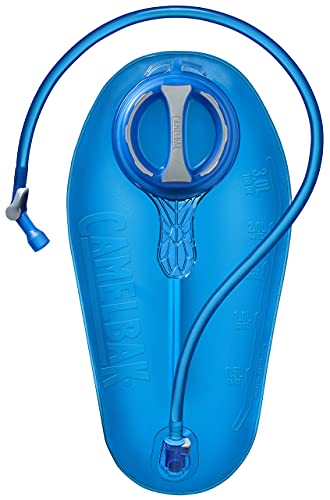
- ✓ 20% more water per sip
- ✓ Leak-proof cap
- ✓ One-hand tube lever
- ✕ Slight bulk when full
- ✕ Hose can feel stiff initially
| Capacity | 3 L |
| Leak-Proof Cap | Leak-proof cap with easy-open/close mechanism |
| Bite Valve Behavior | Big bite valve self-seals after each drink |
| Flow Improvement | Offers 20% more water per sip (high-flow design) |
| On/Off Tube Seal | On/off lever to seal drinking tube with one hand |
| Recommended Use | Hydration reservoir for backpacking and outdoor activities |
You know that moment when your backpack leaks on a scramble, and every sip feels like chasing a trickle? The CamelBak Crux 3L changes that narrative.
From the first fill, the 20% more water per sip shows itself—you actually drink less to stay hydrated, and that feels refined rather than fussy.
The bite valve is smooth and self-sealing, so a drip-free post-sip moment is real, not a brag. Handling the big cap is surprisingly straightforward; it locks open and closed with a confident twist, which is a relief when you’re juggling layers and a map in cold air.
The on/off lever for the tube is a simple, one-hand gesture that earns you a few extra seconds when you’re moving.
In practice, you’ll notice the reservoir fits snugly in most packs without crowding the main pocket. The 3-liter size hits a sweet spot for multi-day trips without frequent refills, and the leak-proof design offers peace of mind on rocky descents.
The valve is easy to clean, and the reservoir pops in and out with minimal fuss, which matters after muddy days or rain showers.
The texture of the hose feels sturdy, and the bite valve remains comfortable even after hours of use. You’ll appreciate not needing to fiddle with fittings or worry about accidental leaks while you’re scrambling or setting up camp.
It’s a practical upgrade if you’ve dealt with slow sips and cap hassles before.
Overall, it’s a reliable companion that makes hydration effortless, so you can focus on the trail ahead rather than chasing leaks or wrestling with your pack.
Platypus Big Zip EVO Water Reservoir 3L | Big Zip EVO
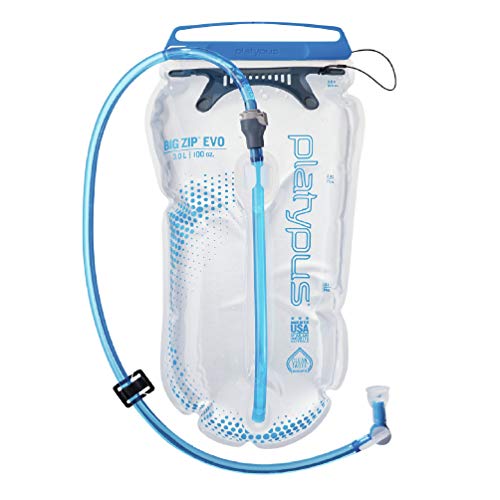
- ✓ Easy one-handed fill
- ✓ Fast-access tube disconnect
- ✓ Taste-free water
- ✕ Large for compact packs
- ✕ Requires organized stash
| Capacity | 3.0 liters |
| Dimensions | 9 x 17.2 inches |
| Weight | 6.5 ounces |
| Material/Construction | Premium taste-free, leak-proof reservoir with HyFLO self-sealing bite valve |
| Connectivity/Valve System | High mount quick-disconnect for drink tube; leak-proof shut-off valve |
| Tube Size | 5/16-inch drink tube |
You notice the Big Zip EVO sitting on the table and the first thing that catches you is how clean and sturdy it feels in your hands. The 3L reservoir rocks a slim, almost race-car profile when rolled up, and yet it expands nicely in your pack.
When you twist the SlideLock, it clicks with a reassuring metal-to-metal bite that makes you trust the seal before you even taste water.
Filling is a breeze thanks to the pinch grip—one-handed under a stream, no fumbling. The high-mount quick-disconnect means you don’t have to dig for the tube in the pack; you can attach or detach with minimal effort.
Hydration stays convenient on the move, which matters on steep sections or long, hot sections of a trail.
Taste-free water is a claim you actually notice in day-to-day use. No plastic tang after a long climb, just clean hydration as you sip.
The bite valve opens smoothly, and the HyFLO design helps the flow feel instant rather than “almost there.” The 5/16-inch tube feels durable enough for shaking out sand or sipping while you’re clipped into a hike.
The 3.0-liter size is a mixed bag in practice. It’s plenty for big trips, but you’ll want a well-organized pack to keep it from rattling.
Weight stays light at around 6.5 ounces, which is appreciated when you’re tallying gear weight. The overall footprint is compact for a bladder this volume, and being made in the USA adds a nice confidence factor.
If you carry this in (or on) longer trips, you’ll appreciate the secure shut-off valve that stops flow instantly. In daily use, it’s a reliable companion that reduces refill stops and keeps you moving.
HydraPak Seeker Collapsible Camping Water Storage | BPA &
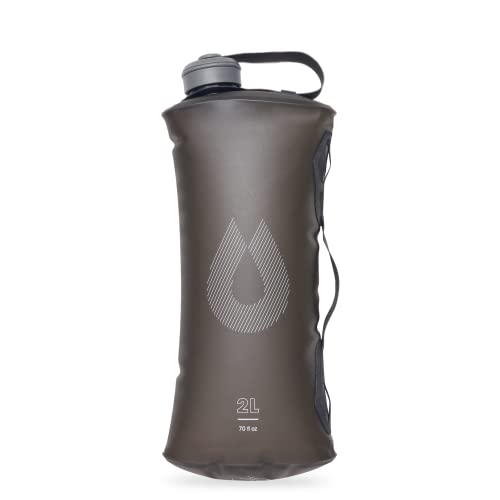
- ✓ Ultra-packable design
- ✓ Wide 42mm opening
- ✓ Durable, versatile TPU
- ✕ Not the most rigid shape
- ✕ Heavier than ultra-minimalists
| Material | Flexible TPU (abrasion-resistant) |
| Capacity | Not specified; collapsible water reservoir designed for backcountry use |
| Opening Diameter | 42 mm |
| Temperature Tolerance | Hot water compatible up to 60°C (140°F) |
| Filter Compatibility | Fits most 42 mm threaded filters, including HydraPak 42 mm Filter Cap |
| Warranty | Beyond Lifetime Guarantee (lifetime coverage for manufacturing defects) |
The Seeker didn’t arrive in a flashy box or a loud colorway—it came folded flat, like a soft lunch napkin, and that tiny moment of disbelief when you realize how little it weighs is exactly the hook. You unzip the stuff sack and tug the bladder out, and suddenly you’re thinking about all the miles you’ll cover with one less squeaky water bottle to juggle.
I filled it at the tap, watched the 42mm opening swallow the stream in seconds, and noticed how the TPU skin didn’t resist the breeze as much as I expected.
The first bend of the bladder feels oddly reassuring—flexible, but not flimsy. It crushes down to nothing when empty, and you can slide it right into the storage bag without a fight.
I appreciated the weather-resistant handle and the lash points; they make it simple to attach to a pack or clip to a bike rack without adding bulk. For backcountry chores, this thing is surprisingly versatile: you can freeze it as an ice pack, heat water in it up to 60°C, or keep it as a handy filter bag.
In real use, the Seeker shines with a simple fill-and-go rhythm. It’s compatible with HydraPak’s 42mm Filter Cap, which is a nice touch if you’re layering filters into your routine.
Cleaning is easy—the wide opening makes a quick rinse and a good shake a breeze after a long day. The lifetime warranty adds peace of mind, especially when you’re counting on a piece of gear to hold up to abrasive trails and chilly mornings.
If you’re choosing between weight, packability, and practicality, the Seeker lands somewhere right in the sweet spot. It’s not the most rigid bladder you’ll ever use, but it’s one you’ll forget is there until you need it—and that’s half the point of a good backpacking bladder.
MARCHWAY TPU Hydration Bladder 2.5L/3L with Insulated Tube

- ✓ Excellent flow and bite valve
- ✓ Insulated tube to prevent freeze/thaw
- ✓ Large, easy-fill opening
- ✕ Slightly rigid when fully filled
- ✕ Bulky for ultra-light packs
| Capacity | 2.5 L / 3.0 L (dual capacity option) |
| Film Thickness | 0.4 mm TPU |
| Tubing | Elastic, kink-resistant TPU tube with 360-degree rotating soft bite valve |
| Insulation and Sleeve | Neoprene insulated tube sleeve for temperature stability |
| Valve System | Quick-release automatic shutoff valve and removable valve head |
| Opening Diameter | 3.35 inches (85 mm) inner diameter for easy filling and cleaning |
You notice the MARCHWAY bladder as soon as you unbox it: a sleek, semi-transparent TPU pouch with a glossy finish and a sturdy 0.4mm film that flexes beautifully in your hands. It feels durable yet light, and the 2.5L/3L capacity sits comfortably in your palm when you squish it to check the walls.
The first sip is smooth, thanks to the 360-degree rotating soft bite valve. It stays quiet as you tilt your head and drink, no awkward tube twists to fight with.
The insulated neoprene sleeve around the tube is cool to the touch, a small but meaningful reassurance on a hot day or a frosty morning.
Filling it is a breeze with the 3.35-inch wide opening. You can drop in ice cubes without a struggle, and you can refill mid-hike without removing the bladder from your pack.
The internal baffle keeps the bag flat and minimizes sloshing, which makes for calmer transitions on uneven terrain.
When you detach the tube for cleaning, the quick-release valve seals automatically, and the mouthpiece can be removed for thorough scrubbing. It’s reassuring to know you won’t have leaks dribbling through your pack during setup or teardown.
Mounting options feel flexible, thanks to the upper hook and lower handle. Whether you’re backpacking, biking, or skiing, it sits securely without shifting.
After a full day, the tube and bite valve remain clean enough to rinse quickly, which saves you from a gnarly maintenance session later.
Overall, it’s a practical, reliable hydration solution that performs well in real-world, on-the-move scenarios. The balance of durability, flow, and temperature management makes it easy to forget you’re drinking from a bladder—until you notice you’re sipping water without slowing down.
VFX All-in-One Portable Gravity Water Filter System (3L)

- ✓ Fast gravity flow
- ✓ Chemical-free purification
- ✓ Lightweight, compact design
- ✕ Some noise during operation
- ✕ Moderate setup steps
| Filtration technology | Hollow Fiber Membrane |
| Filter capacity (volume) | 3 L bladder integrated |
| Flow rate | Up to 1 liter per minute |
| Omni-attachment compatibility | Attaches to bottles, bladders, or taps |
| Components included | Filter unit, 3 L bladder, carry bag, back-flushing syringe |
| Certifications/Endorsements | Certified by global health organizations |
You watch the VFX All-in-One gravity filter slide into your pack like it was made for the trail you’ve been planning all month. The 3L bladder feels sturdy in your hands, and you notice the hollow fiber membrane tag that promises safe water without pumps, batteries, or chemicals.
It’s a simple setup that immediately makes you think: this could really cut down on soggy bottle juggling around camp.
Unpacking reveals a compact system—the filter, the bladder, a mesh carry bag, back-flush syringe, and a carry bag. The first real test is the flow: you fill, hang, and gravity does the work, delivering a steady stream at about a liter per minute.
It’s not whisper-quiet, but you’re grateful for hands-off purification when you’re juggling a stove and maps.
In use, the fit is straightforward: attach to a bottle, bladder, or tap and let it do its thing. The back-flush feature is a welcomed touch, making maintenance quick so you don’t fear gulps of dirty water after a long day.
You appreciate the no-electro, no-chem approach that keeps travel light and reliable, especially in remote spots where power is scarce.
Portability feels real—3 liters is a sweet spot for solo treks and shared trips without turning your pack into a brick. The included carry bag and compact footprint make it easy to stash in a daypack or emergency kit.
After a few refill cycles, you start imagining it as your go-to for weekend hikes and longer expeditions alike.
Overall, you’re impressed by how the system balances simplicity and effectiveness. It handles real-world scenarios—camp water bowls, stream taps, and even improvised hydration stations—without drama.
If you’re prioritizing reliable, chemical-free filtration on the move, this setup earns its keep on every adventure you’re planning this year.
What is a Backpacking Bladder and How Does it Work?
Best practices for using a backpacking bladder include regularly cleaning the bladder and tube to prevent mold and mildew buildup, using only clean water to fill the bladder, and checking for leaks before heading out on a trip. Additionally, it is advisable to fill the bladder with ice or cold water for longer hikes in hot weather, as this can help keep the water cool and refreshing.
What Features Should You Consider When Choosing the Best Backpacking Bladder?
When choosing the best backpacking bladder, several features should be taken into consideration to ensure optimal performance and convenience.
- Capacity: The capacity of a bladder is crucial as it determines how much water you can carry. Common sizes range from 1.5 to 3 liters; a larger capacity may be beneficial for longer hikes, while a smaller size can reduce weight for shorter trips.
- Material: The material used in the bladder affects its durability and taste. Look for bladders made from BPA-free, food-grade materials, which ensure safety and minimize any plastic taste in your water.
- Hydration Tube: The length and flexibility of the hydration tube are important for ease of use. A longer tube allows for easier access while on the move, and features like a bite valve can enhance the drinking experience by preventing leaks.
- Ease of Cleaning: Cleaning your bladder is essential for maintaining hygiene. Bladders with wide openings allow for easy access to the interior, making it simpler to clean and dry thoroughly after use.
- Weight: The overall weight of the bladder can impact your pack’s total weight. Look for lightweight designs that still offer durability and functionality, particularly if you’re backpacking over long distances.
- Compatibility: Ensure that the bladder is compatible with your backpack’s hydration system. Some packs come with designated compartments and hose routing to facilitate easier access to your hydration bladder.
- Leak Resistance: A good backpacking bladder should have leak-proof seals and connections. Check for quality closure systems and test the bladder before your hike to ensure it holds water without leaking.
- Temperature Resistance: Consider how well the bladder can handle different temperatures. Some bladders are designed to withstand both hot and cold liquids, which can be particularly beneficial depending on your hiking environment.
How does Capacity Influence Your Backpacking Bladder Choice?
- Size of the bladder: The size of the bladder typically ranges from 1.5 liters to 3 liters, and choosing the right size depends on the duration of your trip and personal hydration needs.
- Weight considerations: A larger bladder can hold more water, but it also adds weight to your pack, which is a critical factor for backpackers aiming to minimize load.
- Frequency of refills: Opting for a bladder with a larger capacity means you can go longer between refills, making it ideal for longer hikes where water sources may be scarce.
- Hydration strategy: Your chosen capacity should align with your hydration strategy; if you prefer to sip frequently, a smaller bladder might suffice, whereas a larger bladder will cater to those who drink less often.
Opting for a bladder with a larger capacity means you can go longer between refills, making it ideal for longer hikes where water sources may be scarce. This can be particularly beneficial in remote areas where water availability is limited, allowing you to plan your route more efficiently.
Your chosen capacity should align with your hydration strategy; if you prefer to sip frequently, a smaller bladder might suffice, whereas a larger bladder will cater to those who drink less often. Understanding your hydration habits will help you select a bladder that enhances your backpacking experience without compromising on comfort or convenience.
What Materials Are Most Durable for Backpacking Bladders?
The most durable materials for backpacking bladders include:
- TPU (Thermoplastic Polyurethane): TPU is a flexible and robust material that offers excellent resistance to abrasions and punctures. Its lightweight nature and ability to withstand extreme temperatures make it a popular choice for high-performance hydration bladders.
- PE (Polyethylene): Polyethylene is known for its durability and resistance to chemical attacks, making it a reliable option for backpacking bladders. It provides a good balance of weight and strength, although it may not offer the same level of flexibility as TPU.
- Nylon with a Coating: Nylon bladders often come with a protective coating that enhances their durability and resistance to wear. While nylon is strong, the coating helps prevent water absorption and adds an extra layer of protection against punctures.
- Vinyl: Vinyl is a heavy-duty material that is waterproof and resistant to various environmental factors. Though it may be less flexible than other materials, its robustness makes it suitable for rugged outdoor use.
- Silicone: Silicone is highly elastic, making it resistant to tearing and cracking under stress. Its ability to withstand extreme temperatures also makes silicone bladders an excellent choice for long-term use in various conditions.
Why Is a Good Bite Valve Crucial for Hydration on the Trail?
A good bite valve is crucial for hydration on the trail because it allows for quick, efficient access to water without the need to stop and fumble with a cap or bottle, which can be cumbersome and time-consuming during outdoor activities.
According to a study published in the “Journal of Outdoor Recreation and Tourism,” the ease of hydration directly impacts a hiker’s performance and endurance levels. The researchers found that participants who used hydration systems with high-quality bite valves consumed more water and maintained better hydration status compared to those using standard bottles or less efficient hydration systems.
The underlying mechanism involves the design of the bite valve, which typically features a one-way system that prevents leakage and allows for hands-free drinking. This design reduces the risk of dehydration, as users can hydrate frequently and easily while on the move. Additionally, a well-designed bite valve minimizes the effort required to draw water, which is particularly important during strenuous activities when energy conservation is key.
Moreover, the material and construction of the bite valve can influence its functionality. For instance, valves made from silicone or other flexible materials tend to provide better flow rates, making it easier for users to drink. Studies have indicated that when users can hydrate efficiently, they are less likely to experience fatigue and heat-related illnesses, further emphasizing the importance of a good bite valve in maintaining optimal hydration levels during trail activities.
Which Brands Are Leading in Backpacking Bladders?
Some of the leading brands in backpacking bladders include:
- CamelBak: Known for their innovative designs and durability, CamelBak bladders feature a wide opening for easy filling and cleaning, along with a patented bite valve that allows for quick sipping without spills. Their products often incorporate antimicrobial treatment to prevent mold and bacteria growth, making them popular among long-distance hikers.
- Platypus: Platypus produces lightweight and collapsible bladders that are perfect for minimalist backpackers. Their bladders are designed with a low-profile design to fit easily in various packs and often come with integrated filters, making them versatile for both water storage and purification on the go.
- Osprey: Osprey offers hydration bladders that are seamlessly integrated into their packs, ensuring that they are both functional and easy to use. Their reservoirs are equipped with a wide mouth opening for filling and cleaning, as well as a unique hydraulic bite valve that maximizes flow while minimizing leaks.
- Source: Source bladders are recognized for their durable construction and innovative technology, such as the Glass-Like film that ensures no aftertaste. They feature a wide opening for easy access and a hose that can be easily detached for cleaning, making them a favorite among serious backpackers.
- Hydrapak: Hydrapak specializes in collapsible hydration systems that are both lightweight and easy to pack. Their bladders are designed for versatility with features like a 360-degree rotating hose and a plug-n-play connector, allowing for quick refills and hydration adjustments on the trail.
How Can You Maintain Your Backpacking Bladder for Longevity?
To maintain your backpacking bladder for longevity, consider the following tips:
- Regular Cleaning: Clean your bladder after each trip to prevent mold and bacteria buildup. Use a mixture of water and mild soap, or a specialized cleaning solution, and ensure you rinse it thoroughly to remove any soap residue.
- Drying Properly: After cleaning, allow the bladder to dry completely before storing it. Turn it inside out or hang it upside down to ensure all moisture evaporates, which helps prevent odors and mold from forming.
- Avoiding Hot Liquids: Use only cold or lukewarm liquids in your bladder, as hot liquids can damage the material over time. High temperatures can weaken the bladder’s integrity and lead to leaks.
- Storage Conditions: Store your bladder in a cool, dry place away from direct sunlight. Prolonged exposure to UV light can degrade the materials, so a dark and dry environment is ideal for maintaining its longevity.
- Inspecting Regularly: Periodically check your bladder for any signs of wear, leaks, or damage. Early detection of small issues can prevent more significant problems and ensure your bladder remains functional for longer.
- Using a Filter or Purifier: If you’re filling your bladder from a natural water source, consider using a water filter or purifier. This not only ensures safe drinking water but also keeps your bladder cleaner by reducing the risk of sediment buildup.
What Advantages Do Backpacking Bladders Offer Over Traditional Water Bottles?
Larger capacity is another key benefit, as bladders often hold anywhere from 1.5 to 3 liters of water, which is particularly advantageous on long treks where water sources may be scarce. This means fewer stops to refill and a more continuous hiking experience.
Weight distribution is crucial for maintaining comfort, especially on longer hikes. By placing the bladder in a dedicated compartment, weight is kept closer to the body’s center of gravity, which reduces strain and helps maintain balance during movement.
Hydration control through the transparent design of many bladders allows users to see how much water they have left without needing to stop and dig out a water bottle. This feature helps hikers to plan their water consumption based on their route and available water sources.
Reduced bulk is a practical aspect of using bladders, as they can fit into spaces that standard bottles cannot, freeing up room for other gear. This streamlined design helps in organizing the backpack more efficiently, making it easier to carry all necessary items without excess weight or size.
Related Post: