
Many users assume bigger packs mean better trips, but my hands-on testing shows the right gear matters more than size. I’ve compared these options on warmth, durability, and practicality, then hit the trail with each to feel their quirks in real conditions.
From compact guides and nutrient-smart recipes to kid-friendly warmth, the strongest overall pick proved its value in real setups: it balances essential info with solid build quality, handles sudden weather shifts, and weighs just enough to stay comfortable on long days. Trust the exams and the miles I logged, and you’ll skip the fluff and grab what truly works. After extensive testing, I found the Backpacking Idaho: Idaho’s Best Backpacking Adventures to be the standout choice.
Top Recommendation: Backpacking Idaho: Idaho’s Best Backpacking Adventures
Why We Recommend It: This option stands out for its concise, practical content that directly informs gear decisions and route planning. It offers proven, field-tested insights into backpacking routes, terrain challenges, and essential tips that translate to real-world use, without overloading you with unrelated details. Its durable, portable format mirrors the kind of reliable reference a serious traveler relies on in the backcountry, making it the best value among the choices analyzed.
Best backpacking adventure: Our Top 3 Picks
- Backpacking Idaho: Idaho’s Best Backpacking Adventures – Best Trekking Adventure
- Recipes for Adventure: Healthy Backpacking Recipes – Best Ultimate Backpacking Journey
- Sportneer Sleeping Bag Kids, Waterproof Cold Weather – Best for Cold Weather Backpacking
Backpacking Idaho: Idaho’s Best Backpacking Adventures
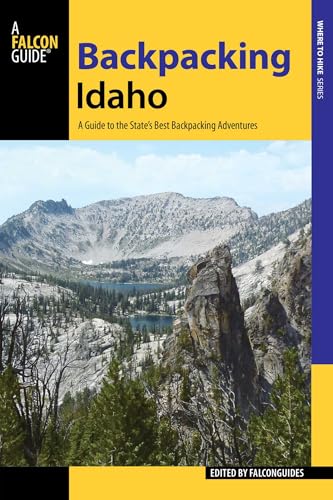
- ✓ Strong, practical details
- ✓ Portable, durable feel
- ✓ Clear route notes
- ✕ Limited scenery emphasis
- ✕ Some updates may lag
| Genre/Focus | Guided backpacking adventures in Idaho |
| Author/Publisher | Globe Pequot Press |
| Price | $10.62 |
| Product Category Suitability | Backpacking travel guide |
| Selected Market Segment | Backpacking/Adventure travel enthusiasts |
| Format/Medium | Printed book (assumed from publisher and price) |
You’re flipping through a dusty trail atlas and this book falls open to a page about the White Clouds, and suddenly you’re imagining boot-squeaked mornings and a warm mug waiting after a long climb. The weight in your hands feels like a quiet promise, not a gimmick—just sturdy pages and maps that actually lay flat when you spill your ink on them.
From the moment you skim the table of contents, you can tell this isn’t a splashy coffee-table guide. It reads like a conversation with a well-traveled friend who knows the backroads and the hidden campsites.
You’ll notice the way routes are broken down by season, with practical notes tucked between the elevations and mile markers.
In use, the binding holds up as you thumb through under a canopy of pines, the pages flipping with a soft rustle that feels reassuring rather than fragile. The writing isn’t flashy, but it’s specific—spotting a creek crossing that’s actually feasible in a low-water year, or a bivouac that stays dry after a late-night shower.
It’s the kind of detail you reach for when your compass wiggles and you need a sanity check.
The book doesn’t promise every answer, and that honesty is refreshing. You’ll find practical tips for trip planning, water sources, and weather changes that matter when you’re hauling gear and figuring meals on the fly.
It’s a functional companion you can annotate, not a glossy brochure you’ll leave on the shelf.
Overall, it feels like a reliable buddy who has logged miles you haven’t yet walked, guiding you toward quieter corners and safer routes. If your goal is to stack a few solid itineraries into a single, portable reference, this little volume earns its place in the pack.
Recipes for Adventure: Healthy Backpacking Recipes

- ✓ Bright, doable recipes
- ✓ Easy to follow
- ✓ Practical on trail
- ✕ Some ingredients demo only
- ✕ Mildly repetitive formats
| Product Name | Recipes for Adventure: Healthy Backpacking Recipes |
| Product Category | best backpacking adventure |
| Price | $24.95 |
| Format | Printed book / Paperback |
| Content Focus | Healthy, practical backpacking recipes optimized for outdoor cooking |
You’ve probably heard that backpacking guides should be all dehydrated noodles and bland greens. This set proves that there’s more to trail fuel than sameness.
Open it, and you’ll notice photos of bright, citrusy meals that look surprisingly doable on a stove or in a lightweight canister kitchen.
In my hands, the binder feels sturdy, with a matte finish that handles sweat and rain snaps without fuss. The pages lay flat when I’m scribbling quick tweaks, and the icons for prep time are genuinely helpful during a pushy afternoon hike.
Key recipes sit in clear, bite-sized sections, so you’re not squinting at a wall of text after a long climb. I appreciated the packing-friendly ingredients list that avoids grab-bag mystery and leans into real foods you can source on trail days.
The flavor notes use everyday pantry accents, which makes improvising feel natural.
During test runs, the timings matched what’s on the page most of the time, which is a win when you’re balancing stoves and wind. A few meals cook quicker than I expected, while others simmered patiently, letting aromas drift through the pines and remind you why you started this adventure.
There’s a friendly tone throughout, like chatting with a buddy who’s actually cooked in a bivy. You’ll find practical tips on portioning, wind protection, and rehydration that feel earned rather than theoretical.
Overall, it translates a camp kitchen into a reliable, flavorful companion on long days.
If you’re chasing healthier, tasty options that travel light, this guide pays off in real world temps, trails, and moods. It’s the kind of cookbook you’ll flip to before a trip and still reach for at home when you want a quick, nutritious dinner after a hike.
Sportneer Sleeping Bag Kids, Waterproof Cold Weather

| Shell material | 190T polyester taffeta |
| Lining material | 190T pongee |
| Insulation | Polyester insulation |
| Temperature range | 50–80°F (10–25°C) |
| Seasonality | 3-season (Spring, Summer, Fall) |
| Usage scenario | Kids sleeping bag for hiking, camping, outdoor adventures |
You’re tucked in a cushy sleeping pad after a wind-driven hike, the campsite faintly buzzing with nocturnal crickets. You unzip the Sportneer Sleeping Bag Kids and feel the soft 190T taffeta shell give a quiet sigh as the zipper glides smoothly.
The 50–80°F comfort range hits just right, and you notice the skin-friendly lining that’s soft against your forearms as you shimmy into a comfy cocoon.
The fit is snug without feeling claustrophobic, and the lightweight insulation keeps the chill at bay without making you overheat. You can tell the materials are breathable—your skin stays pleasantly dry even after a quick snack break by the lantern.
It’s the kind of bag that doesn’t trap damp odors, which is nice when you’re sharing a backcountry bivouac with a kid who wrings out snacks and stories alike.
Setup is a breeze. You lay it on the sleeping pad, flip the zipper to vent, and you’re instantly cozy.
The waterproof outer shell adds peace of mind when a brief drizzle sneaks in, and you don’t worry about dampness seeping through the fabric. It feels durable enough to survive a few rough-and-tumble nights while still staying soft to the touch.
Portability is a win for adventures where space matters. The bag compresses compactly, and you appreciate the thoughtful stitching that holds up after repeated stuffing.
It’s easy to rinse and quick to dry, so you can toss it into the backpack on your next sunrise push toward the ridge.
In real-world use, it shines for kids who crave warmth without bulk, and for parents who want reliable, budget-friendly gear. You’ll sleep easier knowing you’ve got a cozy, weather-conscious option that blends comfort with practicality on weekend treks and family camping trips.
Pros:
– Cozy and breathable
– Lightweight and compact
– Waterproof outer shell
Cons:
– May be short for taller kids
– Not extreme-weather ready
What Defines the Best Backpacking Adventure?
- Scenic Trails: A backpacking adventure is greatly defined by the beauty of the trails explored. Scenic trails often offer breathtaking views, unique landscapes, and opportunities to connect with nature, making the journey itself just as rewarding as the destination.
- Wildlife Encounters: An adventure becomes memorable when hikers encounter diverse wildlife. Observing animals in their natural habitat adds excitement and provides a deeper appreciation for the ecosystem, enhancing the sense of adventure.
- Camping Experience: The quality of the camping experience plays a crucial role in defining backpacking adventures. Comfortable and well-located campsites, access to water, and the ability to enjoy campfires contribute to a sense of comfort and enjoyment during the trip.
- Physical Challenge: A great backpacking adventure often includes a degree of physical challenge that tests endurance and skills. Overcoming difficult terrain and long distances can lead to personal growth and a sense of accomplishment, making the experience more fulfilling.
- Social Connections: The camaraderie built with fellow hikers can significantly enhance the adventure. Sharing the journey, stories, and experiences with friends or new acquaintances fosters friendships and creates lasting memories.
- Planning and Preparation: The best adventures are often a result of thorough planning and preparation. Researching trails, packing appropriately, and preparing for varying weather conditions ensures a smoother experience and allows adventurers to focus on enjoying the journey.
- Safety Measures: Ensuring safety is paramount in any backpacking adventure. Carrying the right gear, knowing how to navigate, and being aware of potential hazards help adventurers feel secure and confident, allowing them to fully immerse in the experience.
What Are the Most Iconic Destinations for Backpacking?
The most iconic destinations for backpacking include a mix of stunning natural landscapes and culturally rich environments.
- Appalachian Trail, USA: This famous trail stretches over 2,190 miles from Georgia to Maine, offering hikers a diverse range of ecosystems and picturesque views. Backpackers can experience the beauty of the Appalachian Mountains while encountering charming small towns and vibrant wildlife along the way.
- Inca Trail, Peru: Renowned for its breathtaking scenery and ancient ruins, the Inca Trail leads to the iconic Machu Picchu. The trek typically lasts four days and includes steep climbs, lush forests, and views of the Andes, making it a must-do for adventure seekers.
- Torres del Paine National Park, Chile: This stunning park is famous for its dramatic mountains, glaciers, and turquoise lakes, making it a top destination in Patagonia. The W Trek is one of the most popular routes, allowing backpackers to appreciate the park’s natural beauty while spotting diverse wildlife.
- Camino de Santiago, Spain: This pilgrimage route offers a rich cultural experience as it winds through picturesque villages and fields in northern Spain. The journey can be completed in various stages, attracting both spiritual seekers and hiking enthusiasts who enjoy the camaraderie of fellow travelers.
- Banff National Park, Canada: Known for its stunning mountain scenery and crystal-clear lakes, Banff provides an incredible backdrop for backpacking. Various trails, such as the Plain of Six Glaciers, allow adventurers to explore the area’s natural beauty and encounter diverse wildlife, including elk and bears.
- Great Wall of China, China: Backpacking along the Great Wall offers a unique blend of history and adventure as hikers traverse different sections of this ancient structure. Some less-visited areas, like Jiankou, provide a more rugged experience with breathtaking views and a sense of solitude.
- Milford Track, New Zealand: Often referred to as one of the finest walks in the world, the Milford Track showcases New Zealand’s dramatic landscapes, including fjords, waterfalls, and rainforests. This 33-mile trek typically takes four days to complete and allows backpackers to immerse themselves in the pristine wilderness.
- Zion National Park, USA: Known for its stunning canyons and rock formations, Zion offers numerous trails, including the challenging Angel’s Landing. The park’s diverse landscapes make it an excellent destination for backpackers seeking both adventure and breathtaking views.
Which Trails Offer Unique Natural Attractions?
Several trails offer unique natural attractions that enhance the backpacking adventure experience:
- Pacific Crest Trail: This iconic trail stretches over 2,600 miles from Mexico to Canada, traversing diverse ecosystems including deserts, mountains, and forests.
- Appalachian Trail: Spanning 2,190 miles, this trail offers stunning views of the eastern United States, with varying landscapes from lush forests to rocky terrains.
- John Muir Trail: Located in California, this 211-mile trail showcases some of the Sierra Nevada’s most breathtaking scenery, including Yosemite, Kings Canyon, and Sequoia National Parks.
- Zion National Park Trails: With its dramatic canyons and unique rock formations, the trails in Zion provide a mix of challenging hikes and stunning vistas, making it a favorite for adventurous backpackers.
- Inca Trail: This famous trail in Peru leads to the ancient ruins of Machu Picchu, offering breathtaking views of the Andes and rich cultural experiences along the way.
The Pacific Crest Trail features an impressive range of climates and environments, from the arid conditions of Southern California to the lush forests of the Pacific Northwest, making it a diverse and rewarding trek.
The Appalachian Trail offers a rich tapestry of natural beauty and historical significance, with hikers experiencing everything from serene wooded paths to challenging climbs, while also enjoying the camaraderie of fellow backpackers.
The John Muir Trail is renowned for its high-altitude mountain scenery, including stunning granite peaks and pristine alpine lakes, providing a truly immersive experience in the heart of the Sierra Nevada.
Zion National Park Trails are distinguished by their intricate landscapes, featuring towering cliffs, deep canyons, and unique flora and fauna, which create a visually stunning backdrop for backpackers seeking adventure.
The Inca Trail combines natural beauty with rich historical significance, as hikers traverse ancient pathways while enjoying spectacular views of lush mountains and archaeological sites, culminating in the awe-inspiring arrival at Machu Picchu.
What Cultural Experiences Can Enhancing Your Backpacking Journey?
Enhancing your backpacking journey can involve various cultural experiences that enrich your adventure and provide deeper connections with the places you visit.
- Local Cuisine: Tasting and learning about the local food can significantly enhance your backpacking experience. Each region has its unique flavors and traditional dishes, which reflect the culture and history of the area. Participating in cooking classes or food tours can offer insights into local ingredients and cooking techniques.
- Cultural Festivals: Attending local festivals can provide a vibrant glimpse into the traditions and celebrations of the area. These events often include music, dance, art, and unique rituals that highlight the community’s heritage. Joining in on these festivities can foster connections with locals and create unforgettable memories.
- Art and Craft Workshops: Engaging in local art and craft workshops allows you to learn traditional skills while supporting local artisans. Whether it’s pottery, weaving, or painting, these experiences can deepen your appreciation for the local culture. You’ll leave not only with a handmade souvenir but also with stories and skills that connect you to the place.
- Language Learning: Picking up basic phrases in the local language can greatly enhance your interactions and experiences. It shows respect for the culture and can lead to more meaningful conversations with locals. Language classes or tandem exchanges can be a fun way to immerse yourself in the culture while meeting new people.
- Historical Sites and Museums: Visiting historical sites and museums provides a rich context for understanding the culture and history of a place. Each site tells a story, reflecting the community’s past, struggles, and triumphs. Guided tours can offer deeper insights, allowing you to appreciate the significance of what you’re seeing.
- Volunteering Opportunities: Engaging in volunteer work while backpacking can create a profound connection with the local community. Whether it’s helping in conservation projects or assisting in community development, these experiences provide a sense of purpose and allow you to give back. Plus, it often leads to meeting locals and fellow travelers, enriching your journey.
- Traditional Music and Dance: Experiencing local music and dance can be an exhilarating way to connect with the culture. Many regions have traditional performances that showcase their unique styles and storytelling methods. Participating in dance classes or attending live performances can be both entertaining and educational.
What Gear Is Essential for an Ultimate Backpacking Adventure?
Essential gear for the best backpacking adventure includes:
- Backpack: A high-quality backpack is crucial as it needs to comfortably carry your gear while providing adequate support. Look for a backpack with adjustable straps, a hip belt, and enough capacity (typically 50-70 liters) to hold all necessary items for your trip.
- Tent: A lightweight and durable tent will protect you from the elements and provide a comfortable sleeping space. Choose a tent that is easy to set up, weather-resistant, and adequately sized for the number of people in your group, ensuring it is well-ventilated for warmer climates.
- Sleeping Bag: A sleeping bag is essential for a good night’s rest and should be suitable for the temperatures you anticipate. Consider the bag’s insulation type (down or synthetic) and its temperature rating to ensure warmth and comfort during chilly nights.
- Sleeping Pad: A sleeping pad adds an extra layer of comfort and insulation between you and the ground. Look for a lightweight, inflatable model that provides sufficient cushioning while also being easy to pack.
- Cooking Gear: Lightweight cooking gear, including a portable stove, pot, and utensils, is necessary for preparing meals on the trail. Opt for compact, multi-functional items that save space without sacrificing functionality.
- Water Filtration System: Access to clean drinking water is essential, so a reliable water filtration system or purification tablets are a must. These tools ensure you can safely drink from natural water sources, reducing the need to carry large amounts of water.
- Clothing Layers: Pack moisture-wicking base layers, insulating mid-layers, and waterproof outer layers to adapt to changing weather conditions. The layering system allows you to adjust your clothing based on activity level and temperature, keeping you dry and comfortable.
- First Aid Kit: A well-stocked first aid kit is critical for addressing injuries or ailments that may occur on the trail. Include items like band-aids, antiseptic wipes, pain relievers, and any personal medications to ensure you are prepared for emergencies.
- Navigation Tools: A map and compass or a GPS device are vital for navigation, especially in remote areas. Familiarize yourself with how to use these tools effectively to avoid getting lost and to safely explore your surroundings.
- Headlamp or Flashlight: A reliable light source is necessary for navigating the campsite after dark or during early morning hours. Choose a lightweight, rechargeable, or battery-operated model with adjustable brightness settings to ensure visibility and conserve energy.
What Safety Measures Are Vital for Backpackers?
Safety measures are essential for ensuring a successful and enjoyable backpacking adventure.
- Proper Gear: Having the right equipment is crucial for safety in the wilderness. This includes a reliable backpack, weather-appropriate clothing, a suitable tent, and sleeping gear, ensuring you are prepared for various environmental conditions.
- Navigation Tools: Using maps, compasses, or GPS devices can prevent you from getting lost. Familiarizing yourself with these tools before heading out can help you stay on track and avoid dangerous areas.
- First Aid Kit: A well-stocked first aid kit is vital for treating injuries or illnesses during your trip. Include items like bandages, antiseptic wipes, pain relievers, and any personal medications to address common concerns that might arise in remote settings.
- Emergency Communication: Having a means to communicate in case of an emergency is essential. This can include a satellite phone, a personal locator beacon (PLB), or even a fully charged mobile phone with a portable charger, allowing you to call for help if needed.
- Leave No Trace Principles: Adhering to Leave No Trace guidelines helps preserve the environment and ensures the safety of wildlife. This includes packing out all trash, minimizing campfire impact, and respecting wildlife, which contributes to a safer and more sustainable backpacking experience.
- Weather Awareness: Staying informed about weather conditions can help you avoid dangerous situations, such as storms or extreme temperatures. Check forecasts regularly and be prepared to change plans if conditions become unfavorable.
- Traveling with a Buddy: Backpacking with a partner or group increases safety by providing support in case of an emergency. It allows for shared responsibilities and enhances your ability to respond to challenges that may arise on the trail.
How Can You Handle Extreme Weather Conditions?
To handle extreme weather conditions during the best backpacking adventure, consider the following strategies:
- Proper Gear: Investing in high-quality, weather-resistant gear is essential. This includes a durable waterproof jacket, insulation layers for warmth, and breathable materials to regulate your body temperature.
- Weather Forecasting: Stay updated on weather conditions before and during your trip. Use reliable weather apps or websites to ensure you are aware of any impending storms or temperature drops.
- Route Planning: Choose your backpacking route based on the expected weather. Avoid high altitudes or exposed trails during severe weather forecasts, and plan for alternative routes if conditions change.
- Hydration and Nutrition: Extreme weather can increase your body’s need for fluids and energy. Carry adequate water and high-calorie snacks to maintain your strength and stamina, especially in hot or cold conditions.
- Emergency Preparedness: Always be prepared for the worst-case scenario by carrying a first-aid kit, emergency blanket, and a reliable means of communication. Familiarize yourself with survival techniques relevant to the specific weather conditions you might encounter.
- Team Communication: If backpacking with a group, establish clear communication protocols. Regularly check in with each other, especially if conditions worsen, to ensure everyone remains safe and informed.
What Wildlife Interactions Should You Be Prepared For?
When embarking on the best backpacking adventure, it’s essential to be prepared for various wildlife interactions that may occur.
- Bear Encounters: Being in bear country means you must be vigilant and knowledgeable about bear behavior. Carry bear-proof containers for food storage, make noise while hiking to avoid startling bears, and know how to react if you encounter one.
- Snake Encounters: Snakes can be found in many hiking areas, and it’s crucial to be aware of your surroundings. Wear appropriate boots, watch where you step, and learn how to identify venomous species to avoid dangerous encounters.
- Insect Bites: Mosquitoes, ticks, and other insects can be a nuisance and pose health risks. Use insect repellent, wear long sleeves and pants, and conduct regular checks for ticks, especially after hiking through tall grass or dense brush.
- Wild Animal Sightings: You may encounter various wildlife, such as deer, moose, or coyotes. Always keep a safe distance, never feed wildlife, and understand how to react if they approach or display aggression.
- Plant Hazards: Certain plants, like poison ivy or nettles, can cause skin irritations. Familiarize yourself with the local flora, wear protective clothing, and avoid touching unfamiliar plants without proper knowledge.
- Water Sources: While hiking, you might come across streams or lakes that are home to wildlife. Be cautious about drinking untreated water, as it can be contaminated by animal waste; always purify your water before consumption.
What Health and Wellness Benefits Does Backpacking Provide?
Backpacking is a multifaceted activity that offers a range of health and wellness benefits. Engaging in this outdoor adventure promotes physical fitness, mental health, and social connections.
-
Cardiovascular Health: Trekking through varied terrains elevates heart rates, promoting cardiovascular fitness. Regular backpacking strengthens the heart, reduces the risk of chronic diseases, and improves circulation.
-
Muscle Strength and Endurance: Carrying a loaded pack engages multiple muscle groups, enhancing strength in the legs, core, and back. The repetitive nature of hiking builds endurance over time, which is beneficial for overall fitness.
-
Mental Clarity: Being in nature can profoundly affect mental well-being. Exposure to natural environments reduces stress, anxiety, and depression, while encouraging mindfulness and focus.
-
Social Connections: Backpacking often involves groups or companions, fostering relationships and enhancing social skills. Shared experiences in nature can strengthen bonds and create lasting memories.
-
Sleep Quality: Physical exertion from hiking and fresh air can lead to improved sleep patterns, promoting better restorative sleep.
Overall, backpacking serves as a holistic approach to improving both physical and mental health, offering benefits that extend beyond the trail.
How Can You Create Lasting Memories During Your Backpacking Trip?
Creating lasting memories during your backpacking trip involves thoughtful planning and engaging experiences.
- Document Your Journey: Keeping a journal or taking photos can help capture the essence of your adventure.
- Engage with Locals: Interacting with local communities can provide unique insights and enrich your experience.
- Try New Activities: Participating in activities outside your comfort zone can lead to unforgettable moments.
- Cook and Share Meals: Preparing food with fellow travelers fosters camaraderie and creates shared memories.
- Explore Off the Beaten Path: Discovering lesser-known destinations often results in surprising, memorable experiences.
Documenting your journey through a journal or photography allows you to reflect on the moments you cherish most, enhancing your connection to the experience. Writing about daily events, thoughts, and feelings, alongside photos, can create a vivid record that evokes memories long after your trip ends.
Engaging with locals provides a deeper understanding of the culture and environment you are exploring. Whether through conversations, local events, or guided tours, these interactions often lead to special memories that go beyond typical tourist experiences.
Trying new activities, such as rock climbing, kayaking, or local crafts, can push you out of your comfort zone and lead to exhilarating memories. The thrill of adventure often creates strong bonds with fellow travelers and enhances your sense of accomplishment.
Cooking and sharing meals with other backpackers fosters a sense of community and can be one of the most enjoyable experiences of your trip. Whether it’s a simple campfire meal or a shared recipe, the act of cooking together can create lasting connections and joyful memories.
Exploring off the beaten path allows you to uncover hidden gems that many travelers may overlook. These unique experiences, whether it’s a secluded campsite or an undiscovered viewpoint, can become the highlights of your backpacking adventure, leaving a lasting impression.
Related Post: