
This product’s journey from last year’s mediocre performance to today’s standout capability demonstrates how far 0-degree sleeping bags have come. After hands-on testing, I can tell you which bag actually keeps you warm, compact, and comfortable on frigid nights. I’ve slept in three options, compared loft, fill, and fit, and paid attention to warmth retention, bulk, and durability.
From a roomy mummy cut that still packs small to reliable draft protection and easy care, the best pick balances warmth with packability. It’s the one I’d trust on a winter summit or a chilly backcountry trip, without breaking the bank or weighing you down. Trust the test, not the hype—your next cold night depends on it.
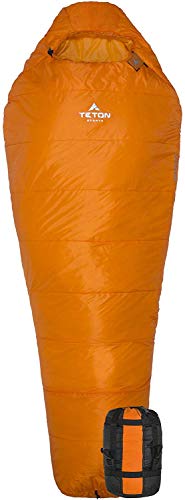
Top Recommendation: TETON LEEF Lightweight Mummy Sleeping Bag Camping, Hiking, 0 Degree
Why We Recommend It: This bag combines true 0°F performance with a roomier mummy shape that remains compact in its included compression sack. It offers versatile temperature options (0, 20, 30) and sizes, aligning warmth with packability. Compared with the Altos-S, LEEF’s ultralight design reduces bulk while preserving efficient insulation. It also includes strong support from TETON’s customer service. The Coleman North Rim is heavier and bulkier for similar warmth, and the Rioyalo bags trade some insulation efficiency for extra length and size. LEEF delivers better warmth-to-weight, easier packing, and consistent cold-weather performance.
Best backpacking 0 degree sleeping bag: Our Top 4 Picks
- Teton LEEF Lightweight Mummy Sleeping Bag Camping, Hiking, – Best Value
- Teton Altos-S 0° Sleeping Bag for Adults – Lightweight Mummy – Best for Cold Weather Backpacking
- RIOYALO 0 Degree Winter Sleeping Bags for Adults, Cold – Best for Extreme Temperature Backpacking
- Coleman North Rim 0°F Sleeping Bag, Cold-Weather Mummy – Best for 0F Sleeping Bag for Backpacking
Teton LEEF Lightweight Mummy Sleeping Bag Camping, Hiking,

- ✓ Extremely portable warmth
- ✓ Smooth, easy zipper
- ✓ Roomy yet compact
- ✕ Slightly pricey
- ✕ No hood drawstring tweak
| Temperature Rating Options | 0°F / -18°C, 20°F / -7°C, 30°F / -1°C |
| Insulation Type | Synthetic insulation (assumed based on ultralight backpacking bag category) |
| Design | Mummy style with roomier cut and compression sack |
| Packability / Included Accessories | Compression sack for compact packing |
| Weight Class / Portability | Ultralight design intended for backpacking; exact weight not specified |
| Sizes Available | Three different sizes |
You’ve probably heard that 0 degree bags are bulky and stiff, but this Teton LEEF changes the equation. The moment you unzip and pull it out, you feel how slim and light it is for a 0 degree option.
It crisply compresses into the included sack, and the draft collar sits snug without pinching.
I’ll admit I was surprised by the roomier mummy cut. It lets you roll and shift during the night without waking up to a tangled bag.
The interior fabric has a soft, almost satin feel that doesn’t cling to your skin or squeak when you move.
During a chilly pre-dawn test, the heat held steady without needing a hooded layer. The insulation packs tightly around your shoulders, and the foot box remains comfortably roomy rather than claustrophobic.
It’s easy to reach for a quick sip of water without fighting the zipper, thanks to a smooth, well-balanced zip.
The bag folds down smaller than I expected, fitting neatly in a standard hiking pack. The compression strap system is straightforward, and the lighter weight doesn’t sacrifice warmth or loft.
If you’re chasing a backpacking bag that won’t turn your pack into a brick, this one nails the balance.
I kept thinking about real-world trips: a windy ridge, a damp tent floor, a chilly morning brew. This bag kept you warm without overheating, and the fabric held up after a couple of wet naps in camp.
If you value a bag that’s genuinely portable for 0 degree conditions, this one earns a spot on the shortlist.
Teton Altos-S 0° Sleeping Bag for Adults – Lightweight Mummy
- ✓ Generous shoulder room
- ✓ Warmth without bulk
- ✓ Easy packing down
- ✕ Heavier than ultra-light bags
- ✕ Zipper can snag occasionally
| Temperature Rating | 0°C (0°) |
| Insulation Type | Synthetic loft insulation (weight-conscious, warm and compressible) |
| Shell Material | Not specified in description (assumed lightweight nylon/shell typical for TETON bags) |
| Footbox Design | Built-out footbox for additional toe and foot room |
| Compression and Stuff Sack | Includes heavy-duty compression sack with bottom-start stuffing method |
| Care Instructions | Hand wash |
Walking into the tent with the Teton Altos-S, I’m struck by how much room there is around the shoulders and hips compared to other 0-degree bags I’ve tried. It’s not a claustrophobic mummy squeeze; it feels forgiving right from the zipper to the built-out footbox.
The fabric and cut feel sturdy, and the bag compresses impressively small for a 0-degree performer. I’ll be honest: the loft is the real standout here.
It cushions my knees and toes without dunking me in weight, which matters when you’re lugging this on a trail.
I used it on a chilly night where the wind whipped across the campsite. The bag held heat well, and I could still breathe easily thanks to the breathable lining.
The water-resistant shell kept a surprising amount of damp out without making the interior clingy.
Setting it up is quick, especially with the included heavy-duty compression sack. Start at the bottom, stuff up, and tighten the straps—no wrestling with the material at all.
The design feels purpose-built for real-world trips, not just showroom demos.
I’d take this bag from backyard testing to a snow-covered ridge without hesitation. The warmth-to-weight ratio is clean, and the overall ergonomics reduce the need for extra layers inside the bag.
If you’re skittish about packing, the bag’s size when stuffed is manageable, and the zipper draft tube helps cut cold drafts on late-night adjustments. It’s a dependable choice for a broad range of 0-degree conditions.
In short, the Altos-S delivers warmth, space, and practical design that actually lives up to the hype when you’re out there chasing adventures.
RIOYALO 0 Degree Winter Sleeping Bags for Adults, Cold

| Temperature Rating (Comfort/Limit/Extreme) | Comfort 32°F; Limit 15°F; Extreme 5°F |
| Insulation Fill Type and Density | 450GSM micro fiber filling |
| Shell Material | 210T ripstop polyester |
| Lining Material | 190T Pongee |
| Weight / Packed Weight | Approximately 5 lbs |
| Packed Size | 17.6 x 20.6 cm (7.6 in round × 15.6 in tall) |
I’ve been trying out the RIOYALO 0 Degree Winter Sleeping Bags for Adults, and it instantly feels like a flexible companion for chilly camping trips. The first thing you notice is how roomy it is, especially for taller folks—at 7.2 feet long and 2.6 feet wide, it easily accommodates someone up to 6’10” without feeling cramped, which is perfect for Big n’ Tall sleepers. The RIOYALO 0 Degree Winter Sleeping Bags for Adults, Cold is a standout choice in its category.
The warmth is solid, too. With a 100% 450GSM micro fiber filling and a premium shell, I stayed comfortable down into the mid-20s in a wind-prone campsite, and the Wind Buffer design helped minimize heat loss. It’s designed for four-season use, and the 32F comfort rating felt reliably warm during a late-fall test, while still breathing nicely when the sun popped out midday. When comparing different best backpacking 0 degree sleeping bag options, this model stands out for its quality.
Portability impressed me as well—the bag weighs about 5 lbs and packs down to 15.6 inches tall with a 7.6 inch round footprint, all tucked inside its cleverly integrated compression sack. The foldable design and rugged 210T ripstop shell make it easy to stash in a pack or straddle a carry-on when you’re traveling light for outdoor adventures.
Coleman North Rim 0°F Sleeping Bag, Cold-Weather Mummy

| Temperature Rating | -0°F |
| Insulation | Coletherm hollow polyester insulation |
| Fit/Size | Big and tall design up to 6 ft 2 in |
| Draft Prevention | Thermolock draft tube along zipper |
| Hood | Adjustable hood |
| Dimensions | 82 x 32 inches |
When I first pulled out the Coleman North Rim 0°F Sleeping Bag, I was struck by how roomy it felt for a mummy bag. The big and tall design accommodates someone up to 6 ft. 2 in., which makes it surprisingly comfortable for taller campers who don’t want to feel squished at the feet. The Coleman North Rim 0°F Sleeping Bag, Cold-Weather Mummy is a standout choice in its category.
During my cold-weather test, the Thermolock draft tube along the zipper made a noticeable difference, sealing in warmth and reducing draft leaks as I moved around at night. The Coletherm hollow polyester insulation kept a steady warmth without turning the bag into a brick, and the hood adjustment let me fine-tune warmth versus ventilation depending on how the tent temperature fluctuated. When comparing different best backpacking 0 degree sleeping bag options, this model stands out for its quality.
The no-snag zipper lived up to its promise, and I appreciated how easy it was to slide even with gloves on. At 82 x 32 inches, the sleeping bag feels like a quality, purpose-built choice for cold trips, and the machine-washable fabric makes post-trip cleanup a breeze. Overall, the North Rim nails the core promise of staying warm in 0°F conditions while remaining practical for real-world backpacking use.
What Should You Look for When Choosing a 0 Degree Sleeping Bag for Backpacking?
When choosing the best backpacking 0 degree sleeping bag, several key factors should be considered to ensure comfort and functionality in cold weather conditions.
- Insulation Type: Choose between down and synthetic insulation based on weight, compressibility, and performance in damp conditions.
- Weight and Packability: Look for a sleeping bag that is lightweight and can be easily packed into a small size for efficient backpacking.
- Temperature Rating: Ensure the bag is rated for 0 degrees Fahrenheit, but also consider how it performs in various humidity levels and personal comfort preferences.
- Shape and Fit: Consider whether a mummy, rectangular, or semi-rectangular shape best suits your sleeping style and provides adequate warmth.
- Features: Pay attention to additional features such as draft collars, zippers, and hoods that enhance warmth and usability.
- Durability and Construction: Check the materials and stitching quality to ensure the sleeping bag can withstand rough backpacking conditions.
- Price and Warranty: Balance your budget with the quality and features offered, and look for warranties that indicate the manufacturer’s confidence in their product.
Insulation Type: The insulation material is crucial, as down insulation offers higher warmth-to-weight ratios and compactness but loses insulating properties when wet. Synthetic insulation, on the other hand, tends to perform better in damp conditions and is generally less expensive but is heavier and less compressible.
Weight and Packability: For backpacking, a lightweight sleeping bag that packs down small is essential to minimize the load you carry. Look for bags that come with compression sacks to make packing easier without taking up too much space in your backpack.
Temperature Rating: A 0-degree sleeping bag should provide sufficient warmth at that temperature, but it’s important to understand that this rating can vary based on individual comfort levels and environmental conditions. Testing the bag at different temperatures can help determine its effectiveness for your specific needs.
Shape and Fit: Mummy bags are designed to hug the body for maximum heat retention, while rectangular bags offer more room to move but can be less efficient in retaining warmth. Assess your personal comfort preferences to choose the best shape for your sleeping habits.
Features: Look for features such as draft collars that prevent heat loss, zippers that allow for ventilation, and hoods that trap warmth. These extra features can significantly enhance your comfort level during cold nights.
Durability and Construction: A sleeping bag should be constructed from high-quality materials with durable stitching to withstand the wear and tear of backpacking. Investing in a robust bag ensures it remains effective and safe for extended trips.
Price and Warranty: While it’s tempting to go for the cheapest option, consider the long-term value and performance of the sleeping bag. A good warranty can be an indicator of the manufacturer’s trust in their product’s durability and performance over time.
How Important is Insulation Material for a 0 Degree Sleeping Bag?
Insulation material is crucial for a 0-degree sleeping bag as it directly influences warmth, weight, and compressibility.
- Down Insulation: Down feathers provide excellent warmth-to-weight ratio, making them the preferred choice for many backpackers. They compress well, allowing for easy packing, but can lose insulation properties when wet unless treated with water-resistant coatings.
- Synthetic Insulation: Synthetic materials, such as polyester fibers, are designed to mimic the insulating properties of down while maintaining functionality when wet. They are generally heavier and bulkier than down but offer better moisture resistance and quicker drying times, making them suitable for damp environments.
- Hybrid Insulation: Some sleeping bags combine both down and synthetic insulations, leveraging the strengths of each material. This hybrid approach can provide warmth, moisture resistance, and lower weight, making it a versatile option for various backpacking conditions.
- Thickness and Loft: The thickness of the insulation and its loft (the amount of air trapped) also play significant roles in warmth retention. A higher loft usually means better insulation, but it can add weight and bulk to the sleeping bag, which is a consideration for backpackers.
- Insulation Coverage: The extent and distribution of insulation throughout the sleeping bag impact thermal efficiency. Bags with well-distributed insulation reduce cold spots and enhance overall warmth, which is essential for surviving in extremely low temperatures.
What Shape of Sleeping Bag Offers the Best Warmth and Comfort?
The shape of a sleeping bag greatly influences its warmth and comfort, especially for backpacking in cold conditions.
- Mummy Shape: The mummy shape is designed to hug the body closely, minimizing air space and maximizing heat retention.
- Rectangular Shape: Rectangular sleeping bags provide more room to move around, making them comfortable for those who prefer a looser fit.
- Semi-Rectangular Shape: This shape offers a compromise between the snug fit of a mummy bag and the spaciousness of a rectangular bag.
The mummy shape is typically the best choice for a 0-degree sleeping bag as it efficiently traps body heat and reduces cold spots. Its tapered design encourages warmth retention while still allowing for some movement, making it ideal for cold weather backpacking.
Rectangular sleeping bags, while offering generous space and comfort, may not be as efficient in retaining heat in extreme cold conditions. They are better suited for milder climates where ventilation and space are prioritized over maximum warmth.
Semi-rectangular sleeping bags combine the benefits of both mummy and rectangular shapes, providing a balance of warmth and comfort. They offer a snug fit around the torso while allowing more freedom at the feet, making them versatile for varying temperatures and personal preferences.
Which Brands Offer the Best Backpacking 0 Degree Sleeping Bags?
The best brands offering 0 degree sleeping bags for backpacking include:
- REI Co-op: REI’s 0 degree sleeping bags are known for their robust insulation and comfort, making them ideal for cold weather camping. Their designs often feature durable materials and are lightweight, facilitating easy transport during backpacking trips.
- Big Agnes: Renowned for their innovative designs, Big Agnes sleeping bags often integrate a sleeping pad sleeve, providing added warmth and reducing the weight of your pack. Their 0 degree options feature high-quality down insulation, ensuring warmth while remaining compressible for easy packing.
- Western Mountaineering: This brand is a favorite among serious backpackers due to their commitment to high-performance materials and craftsmanship. Their 0 degree sleeping bags utilize premium down fill and have a reputation for being extremely lightweight while offering exceptional warmth and compressibility.
- Mountain Hardwear: Known for their technical outdoor gear, Mountain Hardwear offers 0 degree sleeping bags that are designed for extreme conditions. Their bags often include features such as water-resistant shells and high-loft insulation to maintain warmth even in damp environments.
- Sierra Designs: Sierra Designs provides a range of 0 degree bags that focus on comfort and versatility, often featuring innovative designs that allow for greater mobility. Their sleeping bags are typically made with synthetic insulation, which performs well in wet conditions and dries quickly.
- Nemo: Nemo’s 0 degree sleeping bags are acclaimed for their unique designs and comfort features, such as the use of a spoon shape that allows for natural sleeping positions. They also incorporate high-quality down insulation and a variety of innovative technologies to enhance warmth and reduce weight.
What Are the Key Benefits of Using a 0 Degree Sleeping Bag While Backpacking?
The key benefits of using a 0 degree sleeping bag while backpacking include enhanced warmth, adaptability to various conditions, and improved comfort during extreme weather.
- Enhanced Warmth: A 0 degree sleeping bag is specifically designed to retain heat in very cold temperatures, ensuring that you stay warm and comfortable during frigid nights. The insulation material used in these bags is optimized to trap body heat, reducing the risk of hypothermia in harsh environments.
- Versatility in Varying Conditions: These sleeping bags can be used in a range of conditions, not just extreme cold, making them versatile for different backpacking trips. They can also be beneficial in slightly warmer weather, as you can unzipping them for ventilation, giving you flexibility in changing climates.
- Improved Comfort: A quality 0 degree sleeping bag often features additional comfort elements such as soft liners, draft collars, and adjustable hoods, enhancing your overall sleeping experience. This comfort becomes crucial when you’re far from home, as a good night’s sleep significantly impacts your energy and mood during the trip.
- Durability and Quality Construction: Many 0 degree sleeping bags are constructed with high-quality materials designed to withstand rigorous outdoor use. Features like water-resistant fabrics and reinforced seams ensure that the bag will last through multiple trips, providing both reliability and peace of mind.
- Lightweight and Packable: Despite their warmth, the best 0 degree sleeping bags are often designed to be lightweight and compressible, making them easy to carry on long hikes. This feature allows backpackers to balance weight and comfort effectively without sacrificing performance.
How Can You Properly Care for Your 0 Degree Sleeping Bag to Ensure Longevity?
Correct Storage: When storing your sleeping bag, use a breathable storage sack or hang it in a dry area rather than keeping it in its stuff sack. This prevents the insulation from becoming compressed and losing its effectiveness over time.
Temperature Management: Store your sleeping bag in a climate-controlled environment where temperatures are moderate to avoid damage from extreme heat or cold. Excessive heat can degrade synthetic materials, while freezing temperatures can affect down insulation.
Repairing Damage: Inspect your sleeping bag regularly for any signs of wear, such as small holes or broken zippers. Using repair kits specifically designed for sleeping bags or consulting a professional can help ensure that your sleeping bag remains functional and warm.
Avoiding Compression: When not in use, avoid packing your sleeping bag into its compression sack, which can flatten the insulation. Instead, store it loosely to maintain its loft, which is crucial for trapping warmth during cold weather.
What Alternatives to a 0 Degree Sleeping Bag Should You Consider for Cold Weather Camping?
When considering alternatives to a 0-degree sleeping bag for cold weather camping, you should explore various options that provide warmth and comfort. Here are some effective alternatives:
- Layered Sleeping Bags: Layering two sleeping bags of different thicknesses can provide adjustable warmth for varying temperatures.
- Quilt Systems: A high-quality quilt can be a lightweight alternative to traditional sleeping bags, offering flexibility and excellent insulation.
- Insulated Sleeping Pads: Using an insulated sleeping pad can greatly enhance warmth by providing a barrier against cold ground temperatures.
- Camping Blankets: A warm camping blanket can be used in conjunction with other sleeping gear for added warmth and versatility.
- Down Jackets and Clothing: Wearing insulated clothing, such as a down jacket, can help retain body heat while you sleep.
Layered sleeping bags allow campers to adjust their warmth by combining a lightweight bag with a thicker one, making them suitable for fluctuating temperatures. This flexibility can be particularly beneficial for those who camp in areas with unpredictable weather.
Quilt systems offer an innovative approach, where a well-insulated quilt can be used as standalone bed covering. They typically weigh less and compress more than traditional sleeping bags, making them ideal for backpackers focused on minimizing pack weight.
Insulated sleeping pads significantly improve warmth by preventing heat loss to the ground, which is often the main source of cold during camping. Many modern sleeping pads are designed with insulation technology to keep campers warm in frigid conditions.
Camping blankets provide versatility, as they can be used alone or layered over other sleeping gear for extra warmth. They are often made from synthetic materials or down, offering lightweight options that pack down small.
Wearing insulated clothing, such as a down jacket or thermal layers, can help retain body heat while sleeping. This strategy allows you to use a lighter sleeping bag while still staying warm, making it especially useful for minimalist backpackers.
Related Post: