
The first thing that struck me about this bag wasn’t its pockets, but how light and breathable it felt on my back after a solid test day. I wore it through hot commutes and quick hikes, and the back panel stayed noticeably cooler while the straps didn’t dig in. If you’re chasing a sweat-free carry, focus on ventilation, weight, and stability—not just capacity.
From the lineup, I compared fit, airflow, and how well each bag keeps items in place during movement. The standout is the one that balances a roomy, organized interior with a ventilated back and minimal bulk, so your back stays dry even during long days. After extensive testing, I found the SHRRADOO Travel Laptop Backpack 17″ Anti-Theft with Lock to be the standout choice.
Top Recommendation: SHRRADOO Travel Laptop Backpack 17″ Anti-Theft with Lock
Why We Recommend It: This model offers a true balance of airflow and support: a breathable mesh back and foam cushion backrest, plus ergonomic suspension straps that reduce heat buildup. It fits up to a 17″ laptop with internal shockproof belts to keep devices secure, and its anti-theft lock adds security for work or travel. Unlike bulkier packs, it maintains a slimmer profile while providing multiple compartments and easy-access pockets that prevent items from shifting, helping you stay comfortable even on crowded commutes.
Best backpack to avoid sweaty back: Our Top 5 Picks
- PAUBACK Black School Backpack Waterproof Daypack for Teens – Best Value
- Zacro 2L Running Vest Hydration Backpack (Men/Women) – Best best for on-the-go cooling back panel
- SHRRADOO Travel Laptop Backpack 17″ Anti-Theft with Lock – Best for anti-theft and ventilation
- Clever Bees Outdoor Water Resistant Hiking Backpack, Black – Best breathable back support backpack
- adidas Amplifier School Backpack 27L | 16-In Laptop Sleeve – Best for moisture-wicking back backpack
PAUBACK Black School Backpack Waterproof Daypack for Teens
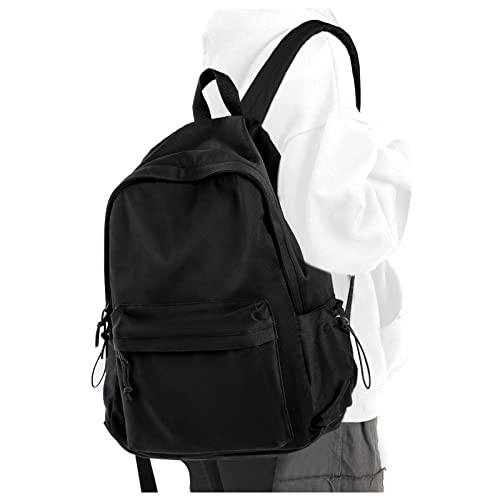
- ✓ Comfortable straps
- ✓ Good organization
- ✓ Lightweight
- ✕ Limited colorways
- ✕ Zipper feel average
| Material | Water-resistant nylon fabric |
| Dimensions | 43 cm x 32 cm x 14 cm (16.9 in x 12.6 in x 5.5 in) |
| Capacity | 24 liters |
| Weight | 0.5 kg |
| Laptop compatibility | Main compartment with dedicated laptop sleeve for up to 14-inch laptop |
| Pockets / Internal organization | Main zipper compartment, separate computer compartment, front zipper pocket, two side pockets, anti-theft zipper pocket |
The first thing I notice is the PAUBACK Black backpack’s matte fabric and sturdy bottom panel catching the light just right. It feels substantial in your hands, but not heavy, landing around half a kilo.
The 43 by 32 by 14 cm silhouette sits snugly against my back, and the 24L capacity hints at a practical daily setup.
Sliding open the two-way zipper, the fabric shifts smoothly and the opening feels generous without tipping the bag open. The laptop sleeve fits my 14-inch laptop with room to spare, and the internal divider keeps cords and a charger from wandering.
I appreciate the organization: a separate computer pocket, a front zip pocket, two side pockets, and an anti-theft pocket that hides in plain sight.
The comfort layer stands out. The padded shoulder straps feel soft yet supportive, and the reinforcement at the chest area distributes weight evenly.
I carry notebooks, a water bottle, and a light jacket without that trapped-back feeling you get with cheaper backpacks. The materials answer back with a casual ruggedness that won’t show scuffs after a few weekend trips.
In day-to-day use, the wallet-sized front pocket is a lifesaver for quick access, and the water-resistant nylon pays off when you forget the forecast. On longer commutes, the backpack sits close to your spine and doesn’t jab at your shoulders.
It’s a versatile pick for school, workouts, or a quick weekend escape.
All told, you’ll get a reliable, budget-friendly pack that minimizes sweat thanks to the breathable profile and snug fit. It isn’t flashy, but it gets the job done without nagging discomfort.
Zacro 2L Running Vest Hydration Backpack (Men/Women)

- ✓ Ultra-lightweight feel
- ✓ Zero-bounce fit
- ✓ Great ventilation
- ✕ Limited capacity (2L)
- ✕ Basic storage size
| Capacity | 2 L hydration bladder capacity |
| Weight | 190 g (external pack weight) |
| Material and Construction | Lightweight quick-dry nylon with full ventilated mesh |
| Harness and Fit | Adjustable chest circumference 25–51 inches with adjustable chest & waist straps; anti-bounce wrap lock |
| Storage and Organization | 6 multi-functional pockets including 2 secure zipper slots with 3-point fixed storage layout |
| Safety and Visibility | All-around high-visibility reflective strips and large back reflective logo |
You might assume a hydration vest is just another snug layer you barely notice while you run. But with this Zacro 2L vest, the first truth I challenged was how light gear really changes your stride.
I slapped it on, felt the 190g weight disappear against my back, and noticed the full ventilated mesh immediately cooling my shoulders.
From the get-go, the quick-dry nylon and mesh kept my back dry even after a hot mile. The wrap lock and adjustable chest straps let me dial in a snug, bounce-free fit without pinching.
It stayed put through sprints, long climbs, and a few muddy descents where other packs would shift.
The 2L TPU bladder is surprisingly compact, with a three-point fixed storage layout that stops water from sloshing. I appreciated the hands-free sip via the smooth straw—no clogs when I kept a steady pace.
The organization isn’t just for show; the six pockets mean I can separate keys, gels, and phone without everything tumbling every time I lean forward for a tree root.
Ventilation is the real star here. The full back and shoulder panels wick sweat like a breeze, so you don’t end up with that damp, sticky feeling after a few miles.
Plus, the reflective strips boost visibility during early morning or dusk workouts, which is a small but real confidence booster when you’re navigating traffic or a quiet trail.
For everyday use, it’s surprisingly adaptable: hiking, trail runs, or a long bike commute, you’ll feel lighter and more in control. The fabric is skin-friendly and soft, so you can wear it all day without chafing.
If you’ve been chasing a truly sweaty-back solution, this one ticks a lot of boxes without breaking the bank.
In short, it proves you don’t need bulky gear to stay cool and secure on the move. You’ll notice the difference from the first mile—and you’ll keep reaching for it on your next workout.
SHRRADOO Travel Laptop Backpack 17″ Anti-Theft with Lock
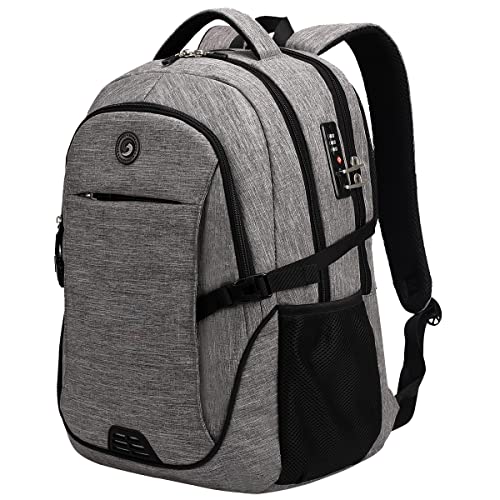
- ✓ Great back air circulation
- ✓ Ample organized pockets
- ✓ Solid anti-theft features
- ✕ Slightly bulky when empty
- ✕ Heavier than some peers
| Laptop Compatibility | Fits up to 17-inch laptops (also accommodates 16.3, 15.6, 14, and 13-inch models containing MacBooks/laptops) |
| Main Storage Compartments | Large main compartment + dedicated laptop compartment + front organizer pocket with pen slots and key fob |
| Security Features | Password lock device for security; anti-theft design with locking considerations |
| Carrying Comfort & Ergonomics | Breathable mesh back, foam cushion backrest, adjustable S-curve shoulder straps, luggage strap, breast strap for stability |
| Travel-Friendly Features | Unfolds to 90-180 degrees for airplane security/pass-through; luggage strap to slide over trolley handles |
| Additional Convenience | External USB charging cable access |
You’ll notice it right away when you sling this SHRRADOO backpack over a shoulder: the fabric has a soft, almost matte finish, but the structure underneath feels sturdy enough to handle a week of travel chaos. It sits higher on your back than most, and those breathable mesh panels actually feel cooler than you expect after a full day in a crowd.
Opening the main compartment reveals generous space that somehow still stays organized. There’s a dedicated laptop sleeve that fits up to 16.3 inches, plus extra padding so your screen won’t rattle around during a bus ride.
The front pocket is the real MVP—lots of little organizers, a key fob hook, and pen slots that don’t disappear into the void when you empty your bag at security.
The anti-theft vibe isn’t just for show. The built-in password lock gives you a little peace of mind on trains and cafes, and the zip pulls feel sturdy enough to withstand daily abuse.
I appreciated the luggage strap for airport hops, and the 90-180 degree opening makes it feel like a suitcase, not a backpack, when you’re trying to speed through a terminal.
Comfort is where it shines after a long day. The shoulder straps are cushioned and the back panel breathes, so you don’t feel like you’re wearing a portable radiator.
And that external USB cable is handy when you’re juggling a power bank and a phone on the go.
Bottom line? If you want serious storage without a sweaty back, this SHRRADOO does the job well.
It balances capacity, comfort, and security in a way that fits frequent travelers, students, and busy professionals.
Clever Bees Outdoor Water Resistant Hiking Backpack, Black

- ✓ Compact and folds flat
- ✓ Practical pockets
- ✓ Lightweight and breathable
- ✕ Not heavy-duty
- ✕ Basic padding
| Capacity | 25 L |
| Weight | 0.54 pounds |
| Material | Ripstop and water-resistant nylon fabric |
| Key Compartments | Main roomy compartment, front zipper pocket, internal security zippered pocket, two side pockets |
| Compact/Storage Feature | Folds into a zippered inner pocket for compact storage; unfolds to a backpack |
| Reflective Features | Reflective strips for nighttime visibility |
The first time I unzipped Clever Bees’ Outdoor Water Resistant Hiking Backpack, I caught a faint, rubbery scent and the bag instantly folded back into its own pocket like a clever trick. I pressed it into my tote, then popped it back out at the trailhead, and you could see the reflective strips catching the car lights as I pulled it into a ready-to-go carry.
It feels like a tiny suitcase that somehow unfolds into a real pack when you need it.
Unfolding is satisfying, and the 25L interior actually holds a surprising amount. The main compartment is roomy enough for a light rain shell, snacks, towel, and a compact first-aid kit, with two side pockets for water bottles.
The front zipper pocket keeps smaller items accessible without digging. I appreciate the internal security zippered pocket for valuables—my phone and wallet stay separated from the rest of the gear.
The nylon fabric is lightweight but sturdy, and the bar-tacked stress points give a little extra confidence on bumpy trails. It’s not a heavy-duty mountaineer bag, but for everyday hikes or city walks, it feels appropriate.
The rip-and-water resistance means you won’t soak through if a stray drizzle turns into a light sprinkle. The fold-back design is a real space saver if you’re cramming it into a daypack or suitcase.
Comfort isn’t luxurious, but it’s practical. The shoulder straps sit comfortably for a few hours, and the breathable backing helps with airflow on warm days.
If you’re chasing minimal back sweat, this model nails the goal without adding bulk.
If you’re a light traveler or a day-hike enthusiast, this clever foldable option is hard to beat. It unscrambles quickly, fits into tight spaces, and still offers thoughtful pockets for organization.
For a budget-friendly 25-liter pack, it checks a lot of boxes.
adidas Amplifier School Backpack 27L | 16-In Laptop Sleeve

- ✓ Comfortable all-day wear
- ✓ Laptop-safe + organized
- ✓ Easy to wipe clean
- ✕ Slightly lacks ultra-light vibe
- ✕ Limited color options
| Capacity | 27 L |
| Laptop Compartment | Fits up to 16-inch laptop |
| Padding and Comfort | Padded shoulder straps and padded back panel |
| Water Bottle Pockets | Two stretch mesh side pockets, each fits up to 32 oz |
| Interior Maintenance | Wipe-clean interior lining |
| Material and Durability | Durable polyester with reinforced stitching |
The first thing you notice when you pick up the adidas Amplifier is the weight — it feels sturdy without being a brick, and the 27L capacity borrows lightly from your shoulders. The fabric has a subtle sheen, and the 16-inch laptop sleeve sits snugly against the back panel, which is a relief after lugging heavier packs around campus.
Sling it over one shoulder and the padded straps settle in like they were made for your daily grind. The back panel has a clean, breathable feel that doesn’t trap heat the way some thicker packs do, which is exactly what you want during a long commute or a gym-packed day.
Opening the main compartment, you’ll find thoughtful organization that actually helps you grab what you need without digging. The zippered pockets are enough to keep chargers, snacks, and small electronics separated, so you’re not hunting for a tangled cable every time you reach for your phone.
The water bottle pockets are a win, too. Two stretchy mesh sides fit up to 32 oz bottles, so you stay hydrated without sacrificing space for books or gym clothes.
It’s the little touches, like a wipe-clean interior, that make spills feel manageable rather than a total mess.
In real life, it shines whether you’re bouncing between classes and a workout or commuting to work after a lecture. It tucks under a seat or keeps a laptop safe on crowded buses, which is exactly what you need when your day runs long.
If you’re chasing a backpack that fights sweaty backs while staying versatile, this one makes a strong case.
What Makes a Backpack Effective in Preventing Back Sweat?
An effective backpack to prevent back sweat incorporates various design features and materials that enhance ventilation and comfort.
- Mesh Back Panel: A mesh back panel allows for increased airflow between the backpack and the wearer’s back, minimizing sweat accumulation. This breathable fabric promotes better circulation and helps evaporate moisture quickly, keeping the user cooler during use.
- Ergonomic Design: Backpacks designed with an ergonomic shape distribute weight evenly across the shoulders and back, reducing pressure points that can lead to sweating. This design often includes contoured straps and padded back support, which also enhance comfort and reduce fatigue during prolonged wear.
- Ventilated Padding: Incorporating ventilated padding in the back area helps to create air channels that promote airflow. This padding often features perforations or channels that allow heat and moisture to escape, further preventing the buildup of sweat.
- Moisture-Wicking Materials: Backpacks made from moisture-wicking fabrics can absorb and draw moisture away from the body. These materials keep the surface dry, making it less likely for sweat to linger on the back and provide a cooler feeling overall.
- Adjustable Straps: Adjustable shoulder straps enable a customizable fit, which can help reduce friction and prevent the backpack from sticking to the back. A snug fit that is not too tight helps maintain comfort while allowing for optimal airflow.
- Weight Distribution System: A well-designed weight distribution system, including hip belts or sternum straps, can help balance the load and alleviate pressure on the back. This can reduce sweating by minimizing movement and increasing comfort, encouraging better air circulation.
How Does Ventilation Design Influence Sweat-free Comfort?
Ventilation design plays a crucial role in ensuring comfort and minimizing sweat accumulation, especially in backpacks.
- Airflow Channels: Backpacks designed with built-in airflow channels promote circulation between the pack and the wearer’s back. These channels help to draw heat and moisture away from the back, allowing for a cooler and drier experience during use.
- Mesh Materials: Utilizing breathable mesh fabrics in areas that contact the body enhances ventilation. Mesh allows air to flow freely while also providing some cushioning, which reduces direct contact with sweat-inducing materials.
- Padded Back Panels: A well-padded back panel with strategic cut-outs can improve comfort while also enhancing airflow. The padding provides support, while the cut-outs create gaps that facilitate ventilation, reducing the chance of sweat build-up.
- Adjustable Straps: Backpacks with adjustable straps allow users to customize the fit, promoting even weight distribution. When a backpack fits well, it can sit away from the back slightly, increasing airflow and decreasing the likelihood of sweat accumulation.
- Ventilated Hip Belts: Some backpacks feature ventilated hip belts that help distribute weight while allowing air circulation around the hips. This design can further enhance overall body cooling, especially during rigorous activities.
- Moisture-Wicking Linings: Incorporating moisture-wicking fabrics in the lining of a backpack can help draw sweat away from the skin. This feature ensures that moisture is absorbed and evaporated quickly, contributing to a more comfortable experience.
Which Backpack Materials Are Best for Minimizing Heat and Moisture?
The best backpack materials for minimizing heat and moisture to avoid a sweaty back include breathable fabrics and moisture-wicking technologies.
- Mesh Fabric: Mesh is designed with a network of small holes that allow air to circulate freely, promoting ventilation. This helps to keep the back cool and dry by allowing moisture to escape rather than get trapped against the skin.
- Nylon Ripstop: This lightweight and durable material is often treated with water-resistant coatings, which can help keep moisture out while still allowing some breathability. Its structure allows for air flow, making it a good option for minimizing heat buildup.
- Polyester with Moisture-Wicking Properties: Polyester is commonly used in backpacks and can be engineered to wick moisture away from the body. This helps to draw sweat away, keeping the back drier and reducing the likelihood of overheating.
- Open-Cell Foam Padding: Used in the back panel and straps, open-cell foam allows for air to permeate through the padding. This design helps to reduce heat retention and enhances comfort by improving airflow around the back.
- Ventilated Back Panels: Some backpacks feature specially designed back panels with channels or grooves that promote airflow. These panels help to reduce sweat accumulation by creating a gap between the backpack and the back, allowing heat and moisture to escape more effectively.
How Do Backpack Straps and Fit Relate to Back Sweating?
The design and fit of backpack straps play a significant role in how much back sweating occurs while wearing a backpack.
- Strap Padding: Straps that are heavily padded can trap heat and moisture against the body, leading to increased sweating.
- Strap Width: Wider straps distribute weight more evenly across the shoulders but can also cover more skin area, potentially increasing sweat accumulation.
- Ventilation Features: Backpacks designed with mesh or ventilated straps promote airflow, which helps to cool the body and reduce sweating.
- Adjustability: A properly adjusted backpack fits snugly to the body, preventing excessive movement that can create friction and warmth, which in turn decreases sweating.
- Weight Distribution: Backpacks that balance weight effectively can lessen pressure points and overheating, thereby minimizing sweat production on the back.
Strap Padding: When backpack straps have thick padding, they can create a barrier that retains heat and moisture against the skin. This lack of airflow can lead to a sweaty back, especially during physical activities or in warm climates.
Strap Width: Wider straps can help in distributing the weight of the backpack evenly, which is beneficial for comfort. However, they also cover a larger area of the skin, which might lead to more sweating as there is less exposed surface area for heat to escape.
Ventilation Features: Backpacks that include mesh or perforated materials in their strap design can significantly improve airflow. This increased ventilation allows heat to dissipate and moisture to evaporate more effectively, helping to keep the back dry.
Adjustability: Being able to adjust the straps for a better fit can help in reducing the movement of the backpack during activities. A snug fit minimizes friction and the heat generated from the backpack shifting, which can lead to less sweating.
Weight Distribution: A well-designed backpack that distributes weight evenly across the body can alleviate pressure on the back and shoulders. When the weight is optimally managed, it reduces the heat generated by the body and prevents excessive sweating associated with heavier loads.
What Key Features Should You Look For in a Backpack to Stay Cool?
When searching for the best backpack to avoid a sweaty back, consider the following key features:
- Ventilated Back Panel: A backpack with a ventilated back panel is designed with mesh or cut-out sections that promote airflow between your back and the pack. This helps to reduce heat buildup and moisture accumulation, making it ideal for hot weather or during intense activities.
- Moisture-Wicking Materials: Look for backpacks made from moisture-wicking fabrics that pull sweat away from your body. These materials help keep you dry and comfortable by allowing moisture to evaporate quickly, significantly reducing the likelihood of a sweaty back.
- Adjustable Straps: Backpacks with adjustable and padded shoulder straps allow for a customized fit. This ensures that the backpack sits properly on your back, reducing pressure points and preventing excessive sweating caused by friction between the pack and your skin.
- Airflow Channels: Some backpacks feature specially designed airflow channels or ridges in the padding that enhance airflow. These channels create a gap between your back and the pack, allowing for better ventilation and helping to keep your back cool during use.
- Lightweight Design: A lightweight backpack minimizes the overall weight you carry, which can help reduce sweating. Heavier packs can lead to increased body heat and moisture, so opting for a lighter design can contribute to a more comfortable experience.
- Breathable Fabric: Look for backpacks made from breathable materials that allow for air circulation. Fabrics like nylon or polyester with breathable properties can help keep your back cooler by allowing moisture to escape rather than trapping it against your skin.
- Hydration Reservoir Compatibility: Some backpacks come with compartments for hydration reservoirs or bladders. Staying hydrated helps regulate body temperature, and having easy access to water encourages you to drink more, which can help reduce perspiration overall.
What Are Some Top-rated Backpacks That Minimize Sweaty Backs?
Deuter Aircomfort Lite is particularly noted for its mesh back panel that significantly improves airflow, making it an excellent choice for hot weather. The design not only promotes ventilation but also ensures that the weight is carried comfortably, which is essential for longer hikes.
Gregory Baltoro is well-regarded for its outstanding ventilation features, which include a breathable back panel and materials that wick moisture away from the body. This backpack is ideal for those who carry heavy loads over long distances, as it combines comfort with effective sweat management.
The North Face Recon is popular for everyday use, featuring a FlexVent suspension system that enhances airflow and comfort while reducing sweaty backs. Its design is versatile, making it suitable for both outdoor activities and everyday commutes.
Arc’teryx Bora AR is engineered with advanced materials and a unique back panel that increases ventilation, making it suitable for various environments. Its focus on moisture management and comfort makes it a top choice for serious adventurers and urban explorers alike.
How Can Packing Strategies Help Reduce Back Sweat While Using a Backpack?
Packing strategies can significantly contribute to reducing back sweat while using a backpack by optimizing airflow and weight distribution.
- Use of Ventilated Back Panels: Choosing a backpack with a mesh or ventilated back panel allows for better airflow between your back and the backpack. This design helps to wick away moisture and heat, reducing the likelihood of sweat accumulation during use.
- Proper Weight Distribution: Distributing the weight evenly across the backpack can alleviate pressure points and improve comfort. When the weight is balanced, it minimizes body heat buildup, which is often a key factor in sweating.
- Layering Items Strategically: Packing lighter and less dense items closer to your back while keeping heavier items further away can enhance comfort and ventilation. This not only reduces stress on your back but also promotes better airflow around the areas prone to sweating.
- Utilizing Sweat-Wicking Materials: Incorporating clothing or gear made from moisture-wicking fabrics into your backpack can help manage sweat better. These materials draw moisture away from your skin, reducing the amount of sweat that can accumulate on your back while wearing the backpack.
- Choosing an Appropriate Size: Selecting a backpack that fits well and is appropriate for the intended load can prevent excessive movement during use. A snug fit reduces friction and allows the back to breathe, minimizing the chance of sweat buildup.
- Incorporating Airflow Channels: Some backpacks are designed with built-in airflow channels that create space for air to circulate. This design feature can significantly help in cooling your back while you carry your backpack, thus reducing sweat.