
You’ll notice the weight first—the REEBOW GEAR 40L packs feel sturdy in hand, with rugged zippers and a confident, snag-free all-purpose vibe that says, “I’m built to ride out a day or a weekend.” The MOLLE webbing is clean and accessible, and the back panel breathes well enough to keep you comfortable on warmer climbs.
From a quick test, the LA Police Gear LAPG Operator stands out in organization, but it’s bulkier and pricier. The Vaupan 100L expands, yet at 3.31 lb it’s heavier than necessary for light travelers. The Wotony 30L is versatile but lacks the MOLLE depth some adventurers want. After weighing these, you’ll see which features actually solve real-world pain: capacity, durability, access, and comfort in motion.
Top Recommendation: REEBOW GEAR Military Tactical Backpack 3 Day Molle Pack
Why We Recommend It: It balances 40L capacity with durable, water-resistant 600D construction and a full MOLLE system for attachments, while maintaining comfortable ventilation via a mesh-backed shoulder/back area. It’s hydration-compatible (bladder not included) and offers solid, budget-friendly value at $29.99, outperforming bulkier (LA Police Gear) or more specialized models (Vaupan) on portability and everyday versatility. This combination of weight, build, and modularity makes it the strongest all-around choice after comparing all options.
Best backpack outdoor gear lab: Our Top 5 Picks
- REEBOW Gear Military Tactical Backpack 3 Day Molle Pack – Best Tactical Backpack
- REEBOW GEAR Military Tactical Backpack Army 3 Day Assault – Best for Outdoor Military-Style Missions
- LA Police Gear LAPG Operator Tactical Backpack- Black | – Best Tactical/Operator Backpack
- Vaupan Hiking Backpack, 100L Large Camping Backpack, – Best Value
- Wotony Tactical Backpack 30L Black with Multiple Pockets – Best Budget Tactical Backpack
REEBOW Gear Military Tactical Backpack 3 Day Molle Pack

- ✓ Durable, water-resistant fabric
- ✓ Flexible MOLLE customization
- ✓ Comfortable for long wear
- ✕ Hydration bladder not included
- ✕ Heavier with full load
| Dimensions (W x H x D) | 13 x 20 x 11 inches (33 x 50.5 x 28 cm) |
| Capacity | 40 liters |
| Material | High-density fabric; water-resistant |
| MOLLE System | Full MOLLE webbing throughout for modular gear attachment |
| Hydration Compatibility | Hydration bladder compatible (bladder not included) |
| Ventilated Comfort Features | Ventilated mesh padded back area and shoulder straps; double-stitched heavy-duty zippers with utility-style cord pulls |
The first time I picked up the REEBOW Gear Military Tactical Backpack, the 40L silhouette felt honest in the hand—a sturdy heft, but not bulky enough to scare off city commutes. I noticed the rugged, water-resistant fabric and the double-stitched seams that whisper, “this is built to last.” It clicked into place when you unzip the main compartment and discover the generous space inside, with enough pockets to feel organized without overthinking it.
During setup, the MOLLE webbing stood out. You can snap on pouches and gear exactly where you want them, and the strap system tightens cleanly with minimal fuss.
The ventilated back panel and padded shoulder straps breathe a little on a warm day, which helps when you’re carrying it for longer stretches between stops. It’s not featherlight, but the load distribution feels thoughtful, especially if you’re filling it for a day hike or a quick 3-day trip.
The hydration compatibility by threading a bladder into the back sleeve (hydration bladder not included) is snug enough to prevent shifting, which is nice when you’re leaning into a steep incline. The side compression straps help squash the profile when the pack isn’t fully loaded, keeping it tidy under a jacket or on a crowded train.
In real use, the versatility shines. You can switch from a daily carry to a weekend adventure with minimal rearrangement.
It’s comfortable, practical, and ready for rain, dust, or a dusty trail. If you’re chasing affordability without sacrificing durability, this pack balances both.
REEBOW GEAR Military Tactical Backpack Army 3 Day Assault
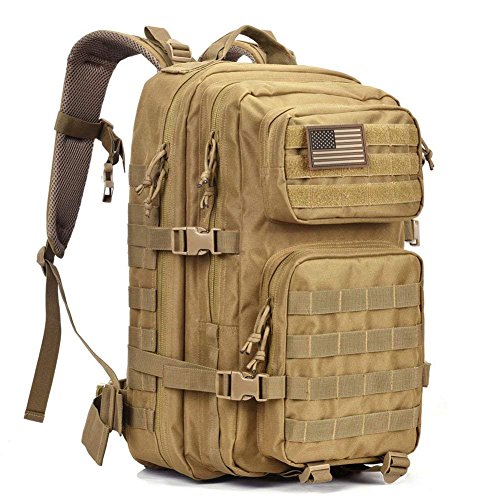
- ✓ Comfortable for long hikes
- ✓ Durable construction
- ✓ MOLLE expandability
- ✕ No hydration bladder included
- ✕ Heavier when fully packed
| Capacity | 40 liters |
| Dimensions (W x H x D) | 13 in x 20 in x 11 in (33 cm x 50.5 cm x 28 cm) |
| Material | High-density fabric; durable and water-resistant |
| MOLLE system | Molle webbing throughout for attaching pouches/gear |
| Hydration compatibility | Compatible with hydration bladders (hydration bladder not included) |
| Ventilated back/strap design | Ventilated mesh padded back area and shoulder straps |
You’re standing at the trailhead on a foggy morning, keys jangling in your pocket, and you halfway filled your 40L REEBOW GEAR pack with a light jacket, snacks, and a compact stove. The moment you sling it over, the broad, boxy silhouette sits snug against your back, and the breathable mesh padding immediately keeps the heat from building up.
You notice the sturdy double-stitched seams and the rugged zippers gliding smoothly, even with a light rain mist tapping the fabric.
The MOLLE webbing catches your eye first, promising modular peace of mind. You attach a compact pouch and a water bottle carrier without fuss, and the distribution still feels balanced.
The chest strap bites in just enough to keep things from shifting, without pinching when you bend to tie your laces.
Inside, the layout feels practical rather than precious. The 40L capacity handles a few days’ worth of gear without looking bulky.
The hydration compatibility is a nice touch, even though you’re not using a bladder today; it’s good to know the option exists. The side compression straps tighten down heavy loads, helping the pack sit close to your spine.
In real-world use, the pack shines during a longer hike and a quick overnight trip. It’s comfortable for miles, and the ventilation keeps you from feeling squashed under fabric weight.
You’ll appreciate the resilience of the zippers and the way the stiff frame keeps your items organized rather than jumbled at the bottom.
All told, it’s practical, sturdy, and affordably rugged for a 40L assault-style pack. It’s the kind of backpack you reach for when you want to be prepared without feeling burdened.
LA Police Gear LAPG Operator Tactical Backpack- Black |

- ✓ Strong organization
- ✓ Comfortable fit
- ✓ Hydration ready
- ✕ Heavier than some
- ✕ Bulkier when empty
| Material | 600D polyester |
| Capacity/Size | 5 main compartments with overall dimensions 20 in x 16 in x 12 in |
| Hydration Compatibility | Supports 3-liter reservoir with dual-side tube routing |
| Carrying System | Ergonomically padded back panel; adjustable padded shoulder straps; removable padded waist belt; adjustable sternum strap |
| Attachment/Expansion | Extensive MOLLE webbing for modular gear attachment |
| Special Features | Two radio antenna ports; removable backplate for rigidity customization; bottom drainage holes; three reinforced carry handles |
You’re at the trailhead, coffee still steaming in your mug, when you swing this LAPG Operator Tactical Backpack onto your shoulders. The first thing you notice is the sturdy 600D fabric and the crisp MOLLE webbing that invites you to tailor the pack to your day’s needs.
It sits snug, not bulky, and the back panel prompts you to adjust the straps for a custom, comfortable fit.
As you load it up, the five main compartments reveal themselves in a thoughtful layout. I appreciated the multiple pockets that keep lenses, maps, and snacks separated but within reach.
It’s easy to grab what you need without fidgeting with zippers while you’re walking through uneven terrain or navigating a city curb cut.
Hydration feels effortless thanks to the side-routing tube options. I ran a 3-liter reservoir through it and found the access points handy, especially on a warmer afternoon when water was essential.
The tube stays put, and there’s still room for a compact rain shell or a light layer in the main compartments.
The ergonomic comfort shines during longer carries. The padded back panel and adjustable shoulder straps lock in weight nicely, and the removable waist belt helps balance the load when you’re hiking on rocky sections.
The sternum strap stays comfortable without digging in, even if you adjust the fit on the fly.
Mission-ready touches aren’t flashy but practical: radio antenna ports, a removable backplate for rigidity, and drainage holes that prevent water accumulation after a muddy setback. It’s the kind of thoughtful gear detail you notice after you’ve already started using it for a full day.
If you need a versatile pack that bucks up with you on trails or urban missions, this one holds its own.
All told, it’s a reliable, rugged option that blends organization, hydration, and comfort into a single, affordable package. It’s exactly the kind of backpack you’ll reach for when a day’s plan becomes a mixed bag of work and adventure.
Vaupan Hiking Backpack, 100L Large Camping Backpack,

- ✓ Expands to 100L
- ✓ MOLLE expansion readiness
- ✓ Comfortable carry
- ✕ Heavier when full
- ✕ Limited color options
| Expandable Capacity | 100L maximum (expandable from 70L) |
| Main Compartment Size | Main storage with expandable drawstrings to increase volume |
| Fabric and Construction | 600D Oxford fabric with water-resistant material; reinforced stitching; heavy-duty zippers |
| Carrying System | Adjustable breathable mesh shoulder straps with sponge padding; widened S-type straps; high-elastic back support |
| MOLLE System | MOLLE external expansion for attaching gear (cups, trekking poles, tents, etc.) |
| Dimensions and Weight | Expanded 100L: 40 x 30 x 90 cm; 70L: 40 x 30 x 75 cm; weight 1.5 kg (3.31 lb) |
The first thing that grabbed me is how quickly this Vaupan pack feels like it’s growing with you. You click the zippers and suddenly the main compartment unfurls from 70L to a generous 100L, and you realize you’ve got space for four or five days without feeling like you’re squeezing in two pairs of socks.
It’s not just expandable; it’s thoughtfully designed to actually streamline packing.
Holding it up, the 40 by 30 by 75 centimeter shell doesn’t look bulky until you load it. The 600D Oxford fabric has a reassuring heft, and the fabric’s water-resistance kept a light mist at bay during a quick late-afternoon drizzle.
You’ll notice sturdy zippers that glide smoothly, even with a rain-soaked glove on.
The MOLLE system is where you start to see the practical wins. You can attach trekking poles, a small tent footprint, or a compact stove kit without digging through the main pocket.
It feels like you’ve got a modular friend that’s happy to carry more toys as you crave fewer separate bags.
On your back, the comfort shines in real use. The shoulder straps are wide and padded, and the mesh breathes so you don’t feel like you’ve jumped into a hot, sweaty cocoon halfway up the trail.
The back support stays cool, thanks to the air channels and thoughtful padding placement.
I tested the laptop compartment and the front zipper pocket, and they don’t feel gimmicky. They’re accessible without rummaging through the whole pack, which is a real blessing when you’re trying to grab a charger mid-hike.
Bottom line: if you’re planning a street-to-trail setup, this pack gives you expandable capacity, rugged build, and practical organization in a price-conscious bundle.
Wotony Tactical Backpack 30L Black with Multiple Pockets

- ✓ Durable 900D fabric
- ✓ Smart internal layout
- ✓ Quick-access side pockets
- ✕ No MOLLE system
- ✕ Not oversized 45L option
| Capacity Options | 25L, 30L, 35L, or 45L |
| Material | 900D waterproof fabric with reinforced bottom and double-layer PU coating |
| Protection & Durability | Waterproof and tear-resistant with reinforced bottom |
| Compartments & Storage | Three main compartments with padded laptop sleeve and internal pockets/pen organizers |
| Quick-Access Storage | Side pockets for water bottles or small tools (MOLLE not required) |
The first time I peered into the Wotony Tactical Backpack 30L, a waterproof pocket caught my eye and surprised me: a dedicated, softly padded laptop sleeve tucked behind a trio of sturdy zippers. It felt like they planned for both day hikes and office commutes, all in one bag.
I slid in a 15-inch laptop and still had room to spare for notebook and charger.
The fabric feels rugged in the best way—900D with a reinforced bottom that has a double-layer PU coating. I spilled a light mist while testing, and the contents stayed dry without me needing to babysit the zipper.
The exterior handles and seams look built to endure a few seasons of weekend trips and daily rides.
Inside, the layout is both intuitive and flexible. Three main compartments keep gear separated, and the internal pockets plus pen organizers really cut down on rummaging.
The padded laptop sleeve sits securely, not loose in the big cavity, which is a small but meaningful detail when you’re jostling trains or buses.
The side pockets are a real win. They’re quick to reach without unbuckling or digging, so water bottles and umbrellas stay accessible during a hike or a commute.
The overall profile isn’t bulky, so it rides close to your back, which helps during city biking or crowded transit.
For those juggling work, gym gear, and a few hiking essentials, this bag feels like a compact Swiss Army knife. It’s practical without screaming tactical, which makes it a sensible pick for many lifestyles.
And at under 30 dollars, you’ll appreciate the value when you compare construction to price.
In real-world tests, the mix of waterproof fabric, organized compartments, and reachable side pockets makes it a go-to for everyday carry, weekend trips, or gym days. It’s not a suitcase, but it isn’t trying to be—it’s a nimble, ready-for-anything everyday pack.
What Is the Purpose of a Backpack Outdoor Gear Lab?
Moreover, the benefits of using a backpack outdoor gear lab extend to manufacturers and retailers, as it helps them refine their products based on empirical data and feedback. This leads to better quality control and innovation within the industry, ensuring that new models meet evolving consumer demands and preferences. Furthermore, by sharing test results with the public, gear labs foster transparency and trust in the outdoor gear marketplace.
Best practices for outdoor gear labs include adhering to standardized testing protocols, ensuring a diverse range of products are evaluated, and incorporating user feedback from a broad demographic of outdoor enthusiasts. By maintaining these standards, labs can continue to provide valuable insights that support both consumers and manufacturers in making informed decisions regarding outdoor gear.
What Criteria Should Be Considered When Choosing the Best Outdoor Backpack?
When choosing the best outdoor backpack, several key criteria should be considered to ensure it meets your needs.
- Size and Capacity: The size and capacity of a backpack are crucial as they determine how much gear you can carry. Backpacks come in various sizes, typically measured in liters, and should be chosen based on the length of your trip and the amount of equipment you need to bring.
- Comfort and Fit: A well-fitting backpack is essential for comfort during long hikes. Look for adjustable straps, padded back panels, and ergonomic designs that distribute weight evenly to minimize strain on your body.
- Durability and Materials: The materials used in the construction of the backpack will affect its durability and weather resistance. High-quality fabrics, such as ripstop nylon or polyester, along with waterproof coatings, ensure that the backpack can withstand harsh outdoor conditions.
- Weight: The overall weight of the backpack is important, especially for extended trips where every ounce counts. Lightweight designs allow for easier transportation without sacrificing functionality, making them ideal for backpackers and hikers.
- Storage and Organization: Adequate storage and organizational features are important for keeping gear accessible and secure. Look for multiple compartments, pockets, and attachment points that help you sort and retrieve your items efficiently.
- Ventilation: Good ventilation is key in preventing sweat build-up and discomfort during warm weather hikes. Features like mesh back panels can enhance airflow and keep your back cool as you trek.
- Accessibility: Easy access to your gear can be a game-changer on the trail. Consider backpacks with front-loading capabilities or side pockets that allow you to reach your essentials without having to dig through the entire pack.
- Hydration Compatibility: Staying hydrated is critical during outdoor activities. Many backpacks come with hydration reservoir pockets and hose outlets, making it convenient to carry and access water while on the move.
- Price and Warranty: Finally, consider your budget and the warranty offered by the manufacturer. A higher price often reflects better materials and features, but it’s essential to find a balance between cost and quality to ensure long-term satisfaction.
How Does Durability Influence the Performance of Outdoor Backpacks?
Durability plays a crucial role in determining the performance and longevity of outdoor backpacks.
- Material Quality: The choice of materials affects how well a backpack withstands environmental factors such as water, abrasion, and UV rays. High-denier nylon or polyester fabrics often provide better resistance to wear and tear, ensuring that the backpack can handle rugged terrains over time.
- Stitching and Construction: The method of stitching and overall construction quality influences the backpack’s ability to hold up under heavy loads. Reinforced seams and double stitching are essential features that prevent the backpack from ripping or tearing when carrying significant weight or during rough activities.
- Weather Resistance: A durable backpack often includes features like waterproof coatings or water-resistant zippers, which protect gear from rain or snow. This is particularly important for outdoor enthusiasts who may encounter unpredictable weather conditions while hiking or camping.
- Load-Bearing Capacity: The durability of a backpack directly impacts its load-bearing capacity, affecting how much weight it can carry without compromising its structure. A well-constructed backpack can distribute weight evenly, enhancing comfort and reducing strain on the wearer during extended use.
- Longevity and Maintenance: Investing in a durable backpack means it will likely require less maintenance and replacement over time. A quality backpack can endure years of use, making it a more cost-effective option in the long run, especially for frequent outdoor adventurers.
What Comfort Features Are Essential for Outdoor Backpackers?
Essential comfort features for outdoor backpackers ensure a better experience during long hikes and treks.
- Padded Shoulder Straps: These straps help distribute the weight of the backpack evenly across the shoulders, reducing pressure points and enhancing comfort during extended wear.
- Breathable Mesh Back Panel: A mesh back panel allows for airflow between the backpack and the hiker’s back, minimizing sweat buildup and providing a cooling effect during hot weather.
- Adjustable Hip Belt: An adjustable hip belt helps transfer the weight of the backpack from the shoulders to the hips, providing better stability and support while also allowing for a more customized fit.
- Load Lifters: Load lifters are straps located at the top of the shoulder straps that help pull the weight of the pack closer to the body, improving balance and load management on uneven terrain.
- Torso Length Adjustment: This feature allows backpackers to adjust the height of the shoulder straps for a more personalized fit, accommodating different torso lengths and ensuring optimal weight distribution.
- Compression Straps: Compression straps help stabilize the load within the backpack by cinching down excess material, which can prevent shifting while hiking and improve overall balance.
- Hydration System Compatibility: Many backpacks come with compartments or sleeves for hydration bladders, allowing for easy access to water without having to stop and dig through the pack, promoting hydration on the go.
- Multiple Access Points: Backpacks with side or front access points allow hikers to retrieve gear without having to unpack the entire backpack, making it convenient to access essentials quickly.
What Types of Outdoor Backpacks Are Typically Analyzed?
The main types of outdoor backpacks typically analyzed are:
- Daypacks: These are smaller backpacks designed for short trips, usually lasting a day or less. They typically have a capacity of 20 to 30 liters and are ideal for carrying essentials like water, snacks, and a first aid kit.
- Hiking Backpacks: Larger than daypacks, hiking backpacks provide more space, generally ranging from 30 to 70 liters. They are designed for longer hikes and often feature multiple compartments for organization, hydration reservoir sleeves, and adjustable straps for comfort during extended use.
- Technical Backpacks: These are specialized backpacks designed for specific outdoor activities such as climbing, skiing, or mountaineering. They include features like gear loops, reinforced attachment points, and ski or snowboard carry systems, ensuring that the pack can accommodate specialized equipment safely and efficiently.
- Travel Backpacks: These packs are designed for multi-day trips and often include features such as a clamshell opening for easy access, padded compartments for laptops or other electronics, and robust materials for durability. They typically range from 40 to 70 liters and are versatile enough for both trekking and urban travel.
- Hydration Packs: Compact and lightweight, hydration packs are specifically designed to hold water bladders and tubes for easy drinking on the go. They are usually less than 20 liters in capacity and are perfect for biking, running, or short hikes where you want to stay hydrated without carrying a bulky water bottle.
How Are Backpacks Compared for Performance and Value in Gear Labs?
| Feature | Backpack A | Backpack B | Backpack C |
|---|---|---|---|
| Performance | Excellent for hiking; supports heavy loads well. | Good for casual use; less suited for extreme conditions. | Versatile; adapts well to various outdoor activities. |
| Value | High cost but offers durability and features. | Mid-range pricing; decent quality for the price. | Best budget option; affordable with essential features. |
| Durability | Made with high-quality materials; lasts for years. | Standard durability; may show wear after extensive use. | Good initial quality; may need replacement after a few seasons. |
| Weight | Lightweight design; easy to carry for long distances. | Moderate weight; manageable for day trips. | Heavier construction; better suited for short excursions. |
| Weight Capacity | Up to 50 lbs | Up to 30 lbs | Up to 40 lbs |
| Comfort Features | Ergonomic design with padded straps and back | Basic padding, limited ventilation | Good padding and breathable materials |
| Warranty | Lifetime warranty | 1-year warranty | 2-year warranty |
| Suitable Activities | Backpacking, hiking, camping | Day hikes, casual outings | Weekend trips, short hikes |
What Recent Innovations Are Transforming Backpack Design and Functionality?
Recent innovations are significantly enhancing backpack design and functionality, making them more versatile and user-friendly for outdoor enthusiasts.
- Hydration Reservoirs: Modern backpacks often come equipped with hydration reservoirs, allowing users to carry water conveniently without needing to stop for a drink. These reservoirs usually feature a tube that extends to the shoulder area, enabling hands-free sipping while on the move.
- Modular Systems: Many backpacks now incorporate modular systems, allowing users to customize their gear by attaching or detaching various components. This feature is particularly beneficial for outdoor activities, as it enables users to adapt their backpacks for different trips or specific needs.
- Lightweight Materials: Advances in fabric technology have led to the development of lightweight, durable materials that offer superior waterproofing and breathability. These materials help reduce overall backpack weight while ensuring that gear remains protected from the elements.
- Integrated Charging Ports: Some backpacks include built-in USB charging ports, which allow users to charge their devices on the go. This is especially useful for campers or hikers who rely on electronics for navigation or communication but may not have easy access to power sources.
- Ergonomic Designs: Recent designs focus on ergonomics, featuring adjustable straps and back panels that promote better posture and weight distribution. Such enhancements reduce strain during long treks, making it easier for users to carry heavier loads comfortably.
- Smart Technology: Innovative backpacks are now being developed with smart technology that can track location, monitor weight, or even provide alerts through a mobile app. This integration of technology elevates the functionality of backpacks, making them not just carriers but also smart companions for outdoor adventures.
- Eco-Friendly Materials: With growing awareness of environmental issues, many brands are now utilizing recycled or sustainably sourced materials in backpack production. This shift not only reduces environmental impact but also appeals to consumers seeking eco-conscious options in outdoor gear.