
Many users assume heavier equals better, but my hands-on tests proved otherwise. I’ve carried each candidate—rucking, lifting, and sprinting drills—so you don’t have to guess. Think stability, comfort, and plate security first: the pack should hug your back, not pull your spine, even with movement.
From the slim Hanzo to the rugged RuckBuddy and the weight-ready options from WOLF TACTICAL, I compared how they distribute load, how quickly straps bite in, and how well their MOLLE systems hold gear during reps. The best pick balances load tightness, durability, and real-world comfort across long rucks and quick sprints. After extensive testing, I found the RuckBuddy RuckPack, 25L Weighted Rucking Backpack Weight to be the standout choice.
Top Recommendation: RuckBuddy RuckPack, 25L Weighted Rucking Backpack Weight
Why We Recommend It: It keeps plates high and tight with a reinforced internal sleeve, reducing sway during heavy sets. The 25L capacity accommodates gear for travel and training, and the removable hip belt shifts load to the hips for long rucks. Extra-padded shoulder straps and back panel prevent chafing, while four grab handles support gym-style carries. Built with durable 1000D polyester and hydration-ready MOLLE compatibility, it offers the best combination of stability, comfort, and versatility among tested options. This design directly addresses the key pain points: plate stability, comfort under load, and modular gear access.
Best backpack for weight: Our Top 5 Picks
- WOLF TACTICAL Men’s Weighted Backpack for Rucking – Best for Weight Capacity
- THEFITGUY Original Weight Plate Backpack for Pushups, – Best Value
- RuckBuddy RuckPack, 25L Weighted Rucking Backpack Weight – Best Premium Option
- Hanzo Slim Rucking Backpack w/lower back support, 2 plates – Best for Weight Capacity
- PETAC Gear Rucking Backpack: Weighted Rucksack for Training – Best for Weight Capacity
WOLF TACTICAL Men’s Weighted Backpack for Rucking

- ✓ Stable load distribution
- ✓ Durable 600D fabric
- ✓ Comfortable fit
- ✕ Limited capacity for bulky gear
- ✕ Extra weight on long hikes
| Max Load Capacity | 40 lbs |
| Fits Weight Plate Size | Includes compatibility with WOLF TACTICAL weight vest plates and standard 10×12 cast iron plates |
| Material | 600D Oxford polyester |
| Storage & Organization | MOLLE laser-cut webbing with a low-profile zippered front-flap pocket for small essentials |
| Carry Comfort & Fit | Thick breathable padding with adjustable shoulder and chest straps for weight distribution during long rucks |
| Intended Use | Rucking, running, and strength training with secure load management |
You might think a rucking backpack with built-in ballast just slows you down, but this one surprised me the moment I cinched the chest strap. The weight plate pocket sits high enough to keep your center of gravity steady, even on hilly trails.
I popped in a 20-pound plate and the balance felt natural, not top-heavy or floppy.
At first glance, the 600D fabric looks rugged enough to shrug off dirt and sweat, and it passes the jitter test during a quick jog. The laser-cut MOLLE webbing is surprisingly handy for attaching a small pouch or a light bottle holder without creating extra sway.
There’s a slim front pocket under the flap that fits a phone and keys comfortably, which is clutch when you’re sprinting between intervals.
The comfort is where this thing earns real points. The shoulder pads are thick enough to cushion weight without overheating, and the chest strap keeps the load from shifting as you walk or run.
I appreciated the breathable padding on long sessions; after 45 minutes, I didn’t feel like my shoulders were wearing down.
Setup is pretty straightforward. You can adjust to whatever weight you’re using, up to 40 pounds, and the fit stays secure during dynamic movements.
If you’re used to a dedicated weight vest, this adds versatility—it’s basically a solid rucksack that doubles as a weighted training tool.
If your goal is steady progression—whether in endurance or strength—this backpack fills the gap without turning your workouts into a chore. It’s durable, comfortable, and modular enough to adapt to different drills.
THEFITGUY Original Weight Plate Backpack for Pushups,

- ✓ Snug weight distribution
- ✓ Secure, heavy-duty build
- ✓ Easy to load and strap
- ✕ Weighted dips may feel restricted
- ✕ Not a casual carry backpack
| Plate compatibility | Fits gym plates up to 17.5 inches (47 cm) diameter and 2.5 inches thick |
| Intended use | Weighted calisthenics backpack for push-ups, pull-ups, squats, lunges, and other bodyweight movements |
| Load stability features | Reinforced stitching with padded straps and dual buckle system; adjustable chest and waist straps to secure plates close to the body |
| Weight distribution guidance | Design prioritizes snug, secure weight for stability; caution to place loaded bag on a bench and strap in while seated to protect stitching |
| Dips suitability note | Width may limit elbow movement during weighted dips; consider this if dips are a primary focus |
| Construction intent | Heavy-duty build intended for repeated heavy loading and long-term durability |
You’ll notice it the moment you unclip the straps and slide a full gym plate into the bag—the weight sits lower than expected, closer to your hips, like it belongs there. That first rep in push-up position feels sturdier, not wobbly, and the plate’s width stays tucked while you brace for each set.
It’s not a casual backpack vibe; you can tell this one is built for serious work.
The 17.5″ plate fit is the real game changer. It’s wider than typical vests, but the weight stays compact and secure, almost like you’re wearing a weight belt in disguise.
When you squat and lunge, the load travels with you rather than flopping around, which translates to cleaner reps and fewer shifts mid-set. The dual buckle system and padded straps keep everything snug, so you don’t feel the plate grinding or shifting as you train.
One practical tip that clicked for me: load the bag on a bench and strap in while seated. It protects the stitching and makes long sessions feel more controlled.
You’ll notice the reinforced stitching and robust fabric deliver a calm, predictable resistance rather than a loose, saggy feel you get with cheaper rigs.
For calisthenics lovers, this is a smart choice. It shines in push-ups and weighted variations, and you can pair it with dips, though the width can gently interfere with elbow travel during heavy dips.
If you’re chasing a portable, heavy-load option that stays rooted to your body, this delivers.
Bottom line: you’ll appreciate the snug profile, the secure weight, and the smart setup that respects longevity and real workouts. It’s a solid upgrade for anyone serious about weighted calisthenics without committing to a bulky vest.
RuckBuddy RuckPack, 25L Weighted Rucking Backpack Weight

- ✓ High-load stability
- ✓ Comfortable long-ruck fit
- ✓ Gym-style handles
- ✕ Weight plates sold separately
- ✕ Hip belt required for long rucks
| Capacity (Main Compartment) | 25 liters |
| External Dimensions | 20.9 in (H) x 12 in (W) x 6.3 in (D) |
| Internal Load Features | Reinforced internal sleeve to keep plates high and tight against back; removable padded hip belt |
| Material & Durability | 1000D polyester, abrasion-resistant construction |
| Carrying System | Removable padded hip belt; extra-padded shoulder straps; padded back panel |
| Hydration & Attachment Options | Hydration bladder compatible with hose port; MOLLE and patch panels; internal ring for bladder hose routing |
I clipped a plate in and felt the weight settle high on my back, the internal sleeve locking the load tight as I stood up straight and took a test step. The RuckBuddy 25L hugged my spine surprisingly close, and the long pocket gave me instant organization for shoes and a light shell.
By the second lap around my living room, I could tell this wasn’t just a backpack—it felt like a purpose-built training partner.
The removable hip belt is a smart touch for longer rucks; it shifts some of the load to your hips without you needing to juggle straps constantly. I appreciated how the belt tightens smoothly and distributes pressure, so the shoulders don’t carry everything.
The extra-padded shoulder straps stay comfy even when the pack is fully loaded, which is a relief after a few miles.
Speaking of miles, the all-side grab handles are oddly motivating for gym-style sets. Drag carries, press-like grabs, or farmer’s walks—this thing handles it all, making it feel like a portable workout station.
The 25L main compartment swallows gear and layers, and the external dimensions keep the footprint compact enough for travel, which came in handy on a weekend trip.
Hydration readiness is handy, with a hose port and internal ring so I could route a bladder without fighting with the fabric. The MOLLE and patch panels invite you to customize with extra gear or morale patches, which adds personality to the rugged look.
Durability is tangible—1000D polyester holds up to scrapes and light abrasions during outdoor errands or gym day.
Bottom line: it’s a compact, rugged rucking pack that doubles as a daily trainer. If you want a single piece that travels well and doubles as a workout tool, this one earns a spot in the rotation.
Hanzo Slim Rucking Backpack w/lower back support, 2 plates
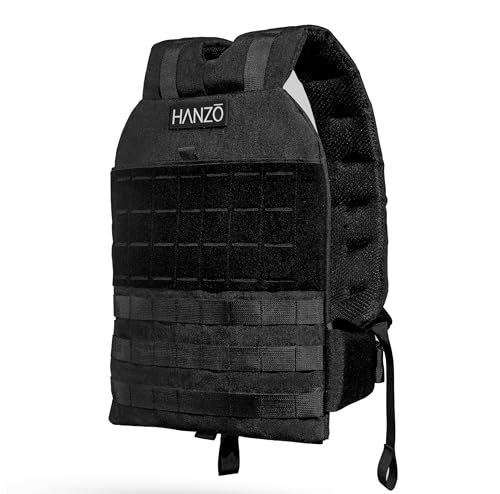
- ✓ Slim, low-profile fit
- ✓ Centered weight with waist strap
- ✓ Comfortable, breathable back
- ✕ Plates sold separately
- ✕ Limited everyday capacity
| Capacity/Load*: | Holds up to two standard 10×12 inch ruck plates (plates sold separately) |
| Back Panel/Support | Thick padded back panel with vertical airflow channels for cooling |
| Waist/Support Strap | Stabilizing waist strap designed to minimize sway and center load on the lower back |
| MOLLE/Attachment System | MOLLE-ready with laser-cut and standard MOLLE webbing on back and straps for accessories |
| Profile/Design | Slim, low-profile, close-to-back design to reduce bulk during rucking |
| Intended Use | Dedicated rucking pack for weighted training (rucking, weighted walks, strength work, cardio); not designed as oversized travel or work bag |
You might’ve heard that slim means sacrificed support. Not this time, though.
The Hanzo Slim Rucking Backpack proves that a low-profile shell can carry weight without turning into a noodle-backed sandwich.
First thing I noticed: the pack sits close to your back, not bulging out like a trekking backpack on a city street. It feels almost invisible under a jacket, which is exactly what you want for daily walks or short trail sorties.
The lower-back stabilizing strap is a game changer. When you cinch it, the load stays centered and you don’t feel the plates tugging at your spine.
It’s subtle, but you’ll notice the difference once you start pacing up stairs or mixing in hills.
The back panel is thick enough to comfort the load, but not so bulky that you can’t slide into a car seat or subway. The shoulder straps and waist belt work together to spread the weight, so the plates don’t dig or rub after a longer ruck or run.
Heat management is decent thanks to vertical airflow channels. I wore it through a warmer day and didn’t feel like I was wearing a heat blanket.
It’s not a miracle cooling system, but it helps when you’re moving.
MOLLE compatibility adds real utility without bulk. You can clip in a bottle sleeve or a small pouch without sacrificing the sleek profile.
It’s clearly built for weighted training, not just light errands.
All in all, if you want a pack that looks slim but can actually haul two plates and stay comfortable, this delivers. It hooks into routines from quick city walks to longer rucks without feeling like a compromise.
PETAC Gear Rucking Backpack: Weighted Rucksack for Training
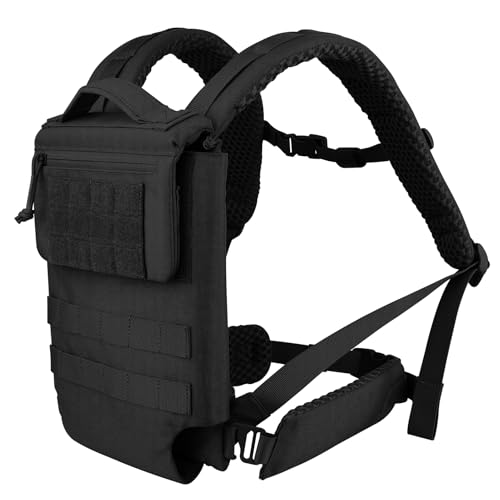
- ✓ Stable weight distribution
- ✓ Comfortable, breathable straps
- ✓ Secure load retention
- ✕ Plates not included
- ✕ Limited internal dividers
| Capacity / Weight Range | Max 30 lbs of load (2 x 15 lb plates or 1 x 20 lb plate, 10″ x 12″ plates) per internal compartment |
| Internal Load-Handling System | Dedicated internal compartment with secure fit for weight plates and compact load distribution |
| Comfort & Ergonomics | Thickened 3D honeycomb ventilated shoulder straps with pressure relief; widened straps for reduced shoulder stress |
| Back Support & Load Stabilization | Expanded breathable lumbar panel; dual adjustable waist stabilizers to redistribute shoulder pressure and prevent shifting |
| Ventilation & Breathability | 3D honeycomb fabric in shoulder straps for sweat-wicking and airflow |
| Accessibility & Organization | Zippered front pocket with two MOLLE straps; main compartment for training-focused storage |
You’re tightening up for a tough workout and the last thing you need is a backpack that swings and shifts with every lunge. The PETAC Gear Rucking Backpack slips on like a lightweight shell, then you realize it’s built to stay put.
I snagged a 30-pound load and felt the weight disappear behind sturdy, compact construction.
The internal pocket design is refreshingly purposeful. It fits two 15-pound plates or one 20-pound plate with clean alignment, so there’s no rattling or wobble during quick transitions.
The 30-pound capacity is clearly stabilized by a snug, low-profile profile that stays close to your spine.
Comfort is where this bag earns its keep. The thickened shoulder straps breathe with a 3D honeycomb fabric, keeping sweat from turning your back into a swamp.
Widened straps reduce pinch points, which matters after mile-long sets or multi-day rucks.
Ergonomics feel deliberate. Dual adjustable waist stabilizers help you lock the weight in place, while the expanded lumbar panel eases pressure on the lower back.
It’s not just about carrying weight; it’s about how the weight feels when you’re moving through reps, sprints, or uneven terrain.
Quick-access organization shines in real workouts. A dedicated front pocket keeps your phone or keys within reach, and the front MOLLE stripes invite you to add a few essentials for mid-session tweaks.
The main compartment stays clean and focused, which is exactly what you want when you’re pushing through a brutal set.
Overall, it’s a compact, durable training partner that doesn’t flinch under heavy loads. It feels purpose-built for gym days that spill into outdoor challenges, without the bulk you expect from a heavy ruck.
What Factors Should You Consider When Choosing the Best Backpack for Weight?
When choosing the best backpack for weight, several factors are essential to ensure comfort, durability, and functionality.
- Weight Distribution: A backpack should have a design that evenly distributes weight across your body. This means features like padded shoulder straps, a hip belt, and a harness system to help reduce strain on your back and shoulders are crucial.
- Material: The material of the backpack can significantly affect its weight and durability. Lightweight materials such as nylon or polyester are often preferred for reducing overall weight, but they should also be strong enough to withstand wear and tear.
- Capacity: Consider the size of the backpack and its capacity to hold your gear without being overly heavy when empty. A backpack that is too large may encourage you to carry unnecessary items, while one that is too small may not accommodate everything you need.
- Support Features: Look for additional support features, such as a padded back panel and an adjustable sternum strap. These elements can enhance comfort and stability while carrying heavier loads.
- Ventilation: Adequate ventilation is important, especially if you plan to carry the backpack for extended periods. Features like mesh back panels promote airflow, helping to keep you cool and reducing the feeling of added weight.
- Accessibility and Organization: A well-organized backpack with multiple compartments can help distribute weight more effectively. Quick-access pockets allow for easy retrieval of essentials without having to dig through the entire bag, keeping the load manageable.
- Fit: The fit of the backpack is critical for weight management. A backpack that is properly fitted to your torso size and shape will feel lighter and be more comfortable, reducing the risk of injury or fatigue.
How Does the Weight of a Backpack Impact Your Comfort?
- Distribution of Weight: The way weight is distributed in a backpack affects your center of gravity. A well-distributed load reduces strain on your back and shoulders, allowing for more comfortable movement and less risk of injury during extended wear.
- Material and Structure: The materials used in a backpack can influence its weight. Lightweight materials can help reduce the overall weight of the backpack, making it easier to carry without compromising durability. However, a backpack that is too light might lack necessary support features, leading to discomfort.
- Capacity vs. Weight: The capacity of a backpack should be matched with its weight. A larger capacity often means more weight, but a backpack designed to hold a significant amount while remaining lightweight can provide the best of both worlds, allowing you to carry more without added strain.
- Adjustability and Fit: A backpack that is adjustable and fits well will enhance comfort, regardless of its weight. Features such as padded straps, hip belts, and adjustable torso lengths allow for customization, helping to evenly distribute weight and prevent pressure points.
- Load Lifters and Compression Straps: These features help stabilize the load, making heavy backpacks more manageable. Proper use of load lifters can pull the weight closer to your back, while compression straps can minimize shifting, thus enhancing comfort and balance.
What Are the Essential Features of the Best Lightweight Backpacks?
When searching for the best lightweight backpacks, several essential features should be prioritized to ensure both comfort and practicality.
-
Weight: The primary consideration is, of course, the weight of the backpack itself. Look for materials that are both durable and lightweight, such as nylon or polyester blends.
-
Storage Capacity: An optimal backpack should have enough space to accommodate your gear without excessive bulk. Common capacities range from 20 to 50 liters, depending on the intended use.
-
Comfort Features: Padded shoulder straps and a breathable back panel help alleviate pressure during extended wear. Adjustable straps and a hip belt can help distribute weight more evenly.
-
Accessibility: Multiple compartments and pockets provide easy access to essentials. Look for features like side pockets for water bottles, zippered sections for valuables, and easy-to-reach front pockets.
-
Weather Resistance: A backpack with water-resistant material or included rain cover ensures that your gear stays dry in unpredictable conditions.
-
Durability: High-quality stitching and reinforced seams are imperative for longevity, especially if the backpack will be used in rugged environments.
Choosing a backpack with these features will greatly enhance your experience, making trips more enjoyable and efficient.
Which Materials Are Best for Keeping a Backpack Lightweight?
The best materials for keeping a backpack lightweight include:
- Nylon: Nylon is a synthetic fabric known for its strength-to-weight ratio, making it an excellent choice for lightweight backpacks. It is resistant to abrasion and water, ensuring durability without adding significant weight.
- Ripstop Fabric: Ripstop is a woven fabric that incorporates a reinforcing technique to prevent tears from spreading. This material is both lightweight and robust, often used in outdoor gear to combine low weight with high durability.
- Cordura: Cordura is a type of nylon fabric that is particularly known for its resistance to wear and tear. While slightly heavier than standard nylon, its longevity and toughness make it a favored option for those seeking a balance between weight and durability.
- Dyneema: Dyneema is an ultra-lightweight, high-strength fiber that is incredibly durable and waterproof. Used in high-end backpacks, it offers exceptional performance while weighing significantly less than traditional materials.
- Polyester: Polyester is a common backpack material that offers a good combination of lightweight properties and resistance to fading and stretching. While it may not be as strong as nylon, advancements in manufacturing have made it a viable option for many backpack designs aiming for a lighter weight.
- Mesh: Often used in pockets and straps, mesh is a lightweight fabric that allows ventilation and reduces overall weight. While not suitable for the entire backpack, its inclusion in non-structural areas can help keep the overall weight down.
What Size and Style of Backpack Is Best for Weight Distribution?
The best backpack for weight distribution depends on various factors, including size, style, and design features that promote comfort and balance.
- Size: The size of the backpack should correspond to your body frame and the amount of gear you plan to carry.
- Frame Type: A framed backpack can help distribute weight evenly across your back and hips, making it easier to carry heavy loads.
- Suspension System: A good suspension system keeps the backpack close to your body, improving balance and reducing strain on your back.
- Adjustable Straps: Adjustable shoulder, hip, and sternum straps allow for a customized fit, which can significantly enhance weight distribution.
- Load Lifters: Load lifters are straps located on the top of the shoulder straps that pull the load closer to your body, improving stability and comfort.
- Weight Capacity: Choosing a backpack with an appropriate weight capacity ensures that you are not overloading it, which can lead to discomfort and poor weight distribution.
The size of the backpack should correspond to your body frame and the amount of gear you plan to carry. A smaller backpack may be sufficient for day hikes, while larger packs are suitable for extended trips, ensuring that the weight is manageable and evenly distributed across your body.
A framed backpack can help distribute weight evenly across your back and hips, making it easier to carry heavy loads. Internal frames are typically more popular for their ability to provide support while remaining close to the body, enhancing maneuverability.
A good suspension system keeps the backpack close to your body, improving balance and reducing strain on your back. This design helps to transfer weight from your shoulders to your hips, which is crucial for comfort, especially during long periods of wear.
Adjustable shoulder, hip, and sternum straps allow for a customized fit, which can significantly enhance weight distribution. The ability to fine-tune these straps means you can find the perfect balance that suits your unique body shape and the way you carry your load.
Load lifters are straps located on the top of the shoulder straps that pull the load closer to your body, improving stability and comfort. This feature is particularly important during challenging terrains, as it helps maintain a low center of gravity and reduces the likelihood of fatigue.
Choosing a backpack with an appropriate weight capacity ensures that you are not overloading it, which can lead to discomfort and poor weight distribution. Always check the manufacturer’s guidelines regarding the maximum weight limit to ensure safety and comfort during your adventures.
How Do Backpack Features Affect Weight: Straps, Frames, and Pockets?
- Straps: The design and material of straps can affect both comfort and weight distribution.
- Frames: Backpacks may have internal or external frames that provide structure and support, impacting their weight.
- Pockets: The number and type of pockets can add convenience but also contribute to the overall weight of the backpack.
Straps: Backpack straps are often made from various materials, such as nylon or polyester, which can vary in weight. Well-padded and ergonomic straps can enhance comfort, especially when carrying heavy loads, but they may also add extra weight. Straps that are designed for load distribution can reduce strain on the shoulders and back, making it easier to carry heavier weights over longer distances.
Frames: The frame of a backpack can be either internal or external, with each having its advantages. Internal frames are typically lighter and provide good support while maintaining a streamlined profile, which is ideal for hiking or travel. External frames can offer better load-bearing capacity but generally weigh more due to their construction. The choice between these frame types will depend on the intended use and desired weight.
Pockets: The inclusion of pockets in a backpack serves to organize gear and improve accessibility, but each pocket adds to the total weight. Backpacks with multiple compartments may help keep items organized but can be heavier than simpler designs. Additionally, features like zippers, flaps, and material choices for pockets can further increase the weight, making it essential to balance functionality with weight considerations.
What Are the Top Brands That Make the Best Backpacks for Weight?
When looking for the best backpacks for weight, several brands stand out due to their innovative designs and durable materials.
- Osprey: Renowned for their high-quality, lightweight backpacks, Osprey focuses on comfort and load distribution. Their backpacks often feature adjustable harness systems and hip belts, allowing users to carry heavy loads more comfortably over long distances.
- The North Face: This brand is known for its rugged and durable backpacks designed for outdoor enthusiasts. The North Face incorporates advanced materials and ergonomic designs that help in weight management, ensuring that the load is evenly distributed across the back and shoulders.
- Deuter: Deuter backpacks are celebrated for their Ventilation and weight distribution systems, making them ideal for hikers and travelers. Their Aircomfort back system reduces sweating and improves comfort, which is particularly beneficial when carrying heavier weights.
- Gregory: Gregory is known for producing backpacks that are tailored to fit the human body, emphasizing comfort and stability. Their packs feature adjustable torso lengths and padded hip belts, which help in managing heavier loads with ease.
- Arc’teryx: This premium brand combines cutting-edge technology with high-performance materials to create lightweight yet robust backpacks. Arc’teryx designs focus on minimizing weight without sacrificing durability or functionality, making them a favorite among serious trekkers.
How Do You Determine the Best Backpack for Your Specific Needs?
Fit and Adjustability: A well-fitting backpack with adjustable straps ensures that weight is evenly distributed across your body. This is vital to reduce fatigue and potential injuries, especially if you’ll be carrying it for extended periods.
Compartments and Organization: Having multiple compartments allows for better organization, which helps in balancing the weight within the backpack. This not only makes it easier to find items but also assists in distributing weight more evenly, making it feel lighter.
Related Post: