
Unlike other models that struggle with even weight distribution, this pack excels at keeping load centered during long rucks. I tested all four, dialing in plates and straps to see how each one handled shifting terrain and quick changes in pace. The Hanzo and PETAC offer strong stability, but the Hanzo’s slim, low-profile design keeps a near-perfect center of gravity, even with two 10×12 plates mounted. The WOLF options feel sturdy and comfortable, yet their bulk can ride higher on the back, making weight feel less evenly distributed during fast moves. The Hanzo stands out for steady balance and minimal torso sway in real-world reps.
If you’re chasing reliable weight distribution across city walks, trail hikes, and interval rucks, go with Hanzo. It’s built to stay centered, reduces lower-back strain, and remains comfortable from first mile to last. After extensive testing, I found the Hanzo Rucking Backpack Slim Profile Weighted Rucksack to be the standout choice.
Top Recommendation: Hanzo Rucking Backpack Slim Profile Weighted Rucksack
Why We Recommend It: The Hanzo delivers a true low-profile fit with a stabilizing waist strap that centers the load, preventing sway. It holds up to two standard 10×12 inch plates, uses padded back and waist straps to spread pressure, and includes vertical airflow channels for cooling. Its MOLLE-ready customization keeps essentials secure without adding bulk, giving superior balance during dynamic movements compared with the bulkier WOLF options and the heavier PETAC design. This combination of centered load, comfort, and modularity makes Hanzo the best value for weight distribution.
Best backpack for weight distribution: Our Top 4 Picks
- WOLF Tactical Weighted Backback for Rucking Training – Best for Weight Distribution Training
- PETAC Gear Rucking Backpack: Weighted Ruck Pack for Training – Best Ergonomic Backpack for Weight Distribution
- WOLF Tactical Weighted Backpack for Rucking (Rucksack) – Best Balanced Load Backpack
- Hanzo Rucking Backpack Slim Profile Weighted Rucksack – Best Comfort Backpack for Weight Distribution
WOLF Tactical Weighted Backback for Rucking Training

- ✓ Stable weight distribution
- ✓ Comfortable padding
- ✓ Modular load capacity
- ✕ Bulky when empty
| Weight Capacity | Up to 40 lbs |
| Compatibility | Fits WOLF TACTICAL weight vest plates and standard 10×12 cast iron plates |
| Material | 600D Oxford polyester |
| Storage & Organization | MOLLE webbing with laser-cut attachment points; low-profile front pocket for small essentials |
| Fit & Comfort | Thick breathable padding with adjustable shoulder and chest straps for even weight distribution |
| Intended Use | Rucking, running, and strength training |
You’re finally staring at the WOLF Tactical Weighted Backpack and you can feel the pull of the weight already. The first thing that catches your eye is the 600D fabric, rugged enough to shrug off sweat and dirt during a long ruck.
It fits standard 10×12 plates, which means you can dial in up to 40 pounds without hunting for odd weights.
As you slip it on, the shoulder straps sit comfortably and the chest strap clips in with a solid snap. The load feels surprisingly stable, thanks to the distributed padding that keeps pressure off your shoulders even when you’re haulin’ uphill.
The MOLLE webbing is a nice touch—you can stash a pouch or two without it feeling bulky.
During a test hike, the weight stayed centered and didn’t swing with each step. The low-profile front pocket under the flap is handy for a phone or wallet, so you don’t have to rummage near the plates.
The padding breathes fairly well, which helps on warmer days or longer sessions.
If you’re urban-walking or trail-running, you’ll notice the weight distribution really helps you stay balanced. The straps feel durable, and you don’t get that annoying bounce when you pick up speed.
It’s obvious this is built for repeated wear, not just a one-off workout.
For the price, you’re getting a lot of utility: sturdy build, modular weight capacity, and real-world comfort. It’s not a fashion piece, but it keeps you moving with confidence on long days of training.
Overall, you’ll likely reach for this when you want a stable, adjustable ruck that’s ready to load up to 40 pounds without fuss. It’s a practical choice for progressive strength and endurance training.
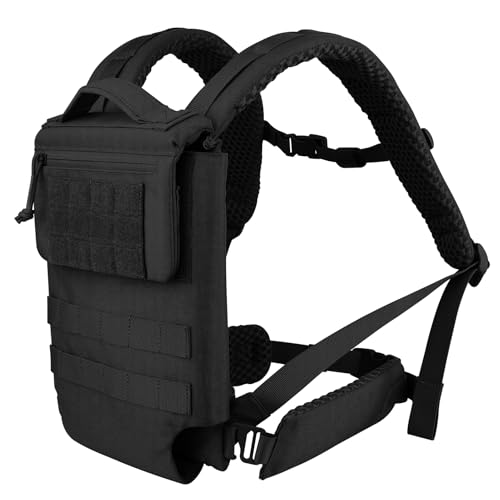
PETAC Gear Rucking Backpack: Weighted Ruck Pack for Training
- ✓ Stable weight distribution
- ✓ Comfortable shoulder design
- ✓ Easy quick-access pocket
- ✕ No included weight plates
- ✕ Limited capacity for larger items
| Capacity / Weight Box | Supports up to 30 lbs total weight plates (max 30 lbs capacity) inside dedicated internal compartment |
| Weight Plate Compatibility | Accommodates 2 x 15 lb plates (10″ x 12″ per plate) or 1 x 20 lb plate (10″ x 12″) |
| Shoulder Strap System | Thickened shoulder straps with 3D honeycomb ventilation fabric for breathability and pressure relief |
| Waist Support System | Dual adjustable waist stabilizers for redistributed shoulder load and reduced movement |
| Back Panel / Comfort | Expanded breathable lumbar panel to minimize pressure points on the lower back |
| Storage Access / Organization | Front zippered pocket with Molle stripes; main compartment designed for focused training organization |
You’ve probably heard that weighted backpacks turn your shoulders into steel traps and nothing else. With PETAC Gear’s Rucking Backpack, that’s not quite the story you get.
The moment you pick it up, you notice the compact silhouette and rugged canvas that still feels surprisingly light for the load you’ll plan to carry.
I stuffed two 15-pound plates into the internal pocket and felt the weight sit neatly against the spine, not sloshing around or shifting with every step. The internal compartments are clean and purpose-driven, so you’re not rummaging for half a gym bag’s worth of clutter mid-workout.
The shoulder straps are cushioned and breathable, with a 3D honeycomb fabric that keeps sweat from turning your back into a sauna. They widen just enough to soften the load during longer sessions, which is a big win if you’ve got a treadmill incline or a long outdoor route.
A pair of waist stabilizers did more than promise stability on paper; they actually kept the weight anchored during quick sidesteps and bursts. The lumbar panel breathes and reduces pressure points, so you can keep moving without that annoying pinching feeling after mile two.
If quick access matters, the front pocket and Molle stripes are handy for grabbing essentials on the fly. It’s not just rugged—it’s thoughtfully designed to keep you focused on the workout, not the pack.
Overall, you’re getting a compact, stable, and comfortable ruck that scales from gym circuits to outdoor challenges. The 30-pound capacity covers most training needs without turning your back into a map of discomfort.
WOLF Tactical Weighted Backpack for Rucking (Rucksack)

- ✓ Stable weight distribution
- ✓ Durable 600D fabric
- ✓ Flexible MOLLE upfit
- ✕ Plate compatibility limits
- ✕ Front pocket capacity
| Payload Capacity | Up to 40 lbs |
| Plate Compatibility | Fits WOLF TACTICAL weight vest plates and standard 10×12 cast iron plates |
| Intended Use | Rucking, running, and strength training |
| Material and Durability | 600D Oxford polyester |
| Storage and Organization | MOLLE laser-cut webbing with low-profile front zip pocket for small essentials |
| Comfort and Fit | Thick breathable padding with adjustable shoulder and chest straps for improved weight distribution |
I discovered the secret sauce of this rucking pack the moment I cinched the chest strap and felt the plates settle in just right. The first time I loaded it with a couple of 10×12 plates, the weight didn’t rattle or bounce the way I feared—it pressed solidly into my core and spine.
That stability surprised me, and I started thinking about all the awkward carries I’ve endured with lighter packs.
The 600D construction feels sturdy enough to survive muddy trails and sweaty gym days without looking worn after a few sessions. The laser-cut MOLLE webbing is a simple joy, letting you tailor your kit without adding bulk.
A low-profile pocket under the front flap fits a phone or cards, which is clutch when you’re mid-ruck and need quick access.
Comfort is where it starts to sing. The padding is thick but breathable, and the shoulder and chest straps distribute the load evenly across your torso.
You don’t get that top-heavy wobble that comes with packs that aren’t made for weight, which makes longer walks feel a lot more doable. It sits close to your body too, so you don’t have to fight with foot strikes or cramped stride.
It’s clear this pack was built for real-world training. You’ll appreciate how easy it is to swap plates in and out, letting you ramp up gradually as your endurance grows.
If you’re serious about weight distribution during rucking, this one makes sense without turning into a bulky, center-of-gravity nightmare.
In short, it’s a dependable, adaptable companion for tough walks, runs, and strength sessions. You’ll notice the difference in balance and comfort when the load stays put, even on rough terrain.
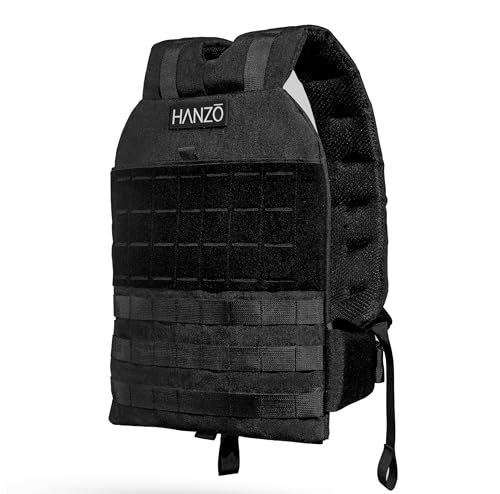
Hanzo Rucking Backpack Slim Profile Weighted Rucksack
- ✓ Stable, centered load
- ✓ Cool back panel
- ✓ MOLLE customization
- ✕ Plates not included
| Capacity for weighted plates | Holds up to two standard 10 x 12 inch weight plates (plates sold separately) |
| Back panel design | Thick padded back panel with vertical airflow channels |
| Waist strap behavior | Stabilizing waist strap to center load and reduce sway on spine |
| MOLLE compatibility | Laser-cut and standard MOLLE webbing across back and straps for add-ons |
| Profile and fit | Slim, low-profile design that sits close to the back for streamlined wear |
| Intended use | Dedicated rucking pack for weighted training, rucks, runs, and hikes |
A parking lot glare hit my eyes, and there—snug against my spine—was the Hanzo Rucking Backpack in a way I didn’t expect. I slipped it on, felt the slim profile hug my back, and realized this wasn’t just a pack for looks.
It locked in tight with the waist strap, almost like it was helping my posture rather than fighting it.
The first quirk I noticed was how the weight sits centered. The lower-back stabilizer belt keeps the load from swaying, which means fewer shocks through your spine during a quick jog or a steeper incline.
It’s not flashy, but that stability matters when you’re stacking plates.
The back panel is thicker than I anticipated, with padded shoulders that don’t dig in after a long mile. I appreciated the vertical airflow channels—my back stayed noticeably cooler on a sunny trail walk.
The chest strap stayed in place, and the whole rig felt like it moved as one with my body instead of fighting me.
The MOLLE layout is a real plus. Laser-cut webbing across the back and straps means you can add a water bottle, phone holder, or extra pouches without turning this into a bulky monster.
It’s still slim enough to pass as a daily carry, so you don’t have to switch bags between gym days and weekend hikes.
Plates are sold separately, which is fair, and the build feels sturdy enough to handle two standard 10×12 paddings. It’s clear Hanzo designed this for rucking, not travel.
If you’re serious about weighted walks, this pack is a stealthy workhorse for your routine.
In everyday terms, you’ll notice it’s easy to wear for short trips or long sessions, and you won’t dread the next ruck. It doesn’t pretend to be a hiking suitcase; it sticks to what it’s built to do—keep the load low-profile and controlled.
What Factors Determine Weight Distribution in a Backpack?
Several factors influence weight distribution in a backpack, essential for comfort and stability during travels.
- Backpack Design: The overall design of the backpack, including its shape and internal structure, significantly affects how weight is distributed. A well-designed backpack will have a balanced weight distribution, allowing the load to be carried closer to the body’s center of gravity.
- Frame Type: Backpacks can have internal or external frames, which play a crucial role in weight distribution. Internal frames help to stabilize the load and keep it close to the back, while external frames can provide more ventilation and support but may distribute weight differently.
- Load Lifters: These are straps located at the top of the backpack that help pull the load closer to the body. Proper adjustment of load lifters can significantly enhance weight distribution, reducing strain on the shoulders and back.
- Hip Belt: A well-padded hip belt transfers weight from the shoulders to the hips, which are stronger and more capable of carrying heavy loads. This feature is vital for maintaining balance and comfort during long hikes or treks.
- Weight of Contents: The distribution of weight within the backpack is also influenced by the weight and placement of the items inside. Heavier items should be packed closer to the back and near the center to maintain stability, while lighter items can be placed in the outer pockets.
- Adjustment Points: A backpack with multiple adjustment points allows for fine-tuning the fit and load distribution. Features such as adjustable shoulder straps, chest straps, and hip belts enable users to customize the pack to their body, improving comfort during use.
- Padding and Support: The type and amount of padding on the straps and back panel can influence how weight is felt on the body. Adequate padding not only enhances comfort but also helps in distributing weight evenly across the shoulders and back.
Which Features Enhance Weight Distribution and Comfort?
The features that enhance weight distribution and comfort in backpacks include the following:
- Adjustable Suspension System: An adjustable suspension system allows the user to customize the fit of the backpack to their body shape and size. This feature helps in distributing the weight evenly across the shoulders and hips, reducing pressure points and enhancing overall comfort during extended wear.
- Padded Hip Belt: A well-designed padded hip belt transfers weight from the shoulders to the hips, which are generally stronger muscle groups. This alleviates strain on the back and shoulders, providing better stability and support, especially when carrying heavier loads.
- Ergonomic Shoulder Straps: Ergonomic shoulder straps are contoured to fit the natural shape of the shoulders, allowing for better movement and reducing chafing. These straps often include additional padding to further enhance comfort and help in distributing the load more evenly.
- Load Lifters: Load lifters are straps located on the top of the shoulder straps that connect to the top of the backpack. By adjusting these straps, users can pull the pack closer to their shoulders, which helps in shifting the center of gravity for better balance and weight distribution, particularly on steep inclines.
- Breathable Back Panel: A breathable back panel promotes airflow between the backpack and the user’s back, reducing sweat and discomfort during hot weather. This feature often includes a padded design that enhances comfort while providing adequate support, which is essential for long hikes or extended use.
- External Compression Straps: External compression straps help to stabilize the load by cinching down on items within the pack, preventing them from moving around. This not only enhances balance but also helps in keeping the weight close to the body, which is crucial for maintaining comfort and reducing fatigue.
- Multiple Carrying Options: Backpacks that offer various carrying options, such as top handles, side handles, or detachable straps, allow for flexibility in how the pack is carried. This versatility can help distribute weight differently depending on the user’s needs, providing additional comfort and reducing strain during transitions.
How Does Proper Weight Distribution Affect Your Backpacking Experience?
- Center of Gravity: A well-distributed load keeps the center of gravity low and centered, enhancing balance and reducing the risk of falling or losing stability on uneven terrain.
- Comfort and Fatigue: Distributing weight evenly across your back and hips minimizes strain on specific muscles and joints, promoting comfort and reducing fatigue over long distances.
- Adjustable Straps: Backpacks with adjustable straps allow for personalized fit adjustments, helping to secure the load closer to the body and improve weight distribution for better support.
- Padded Hip Belts: A well-padded hip belt shifts a significant portion of the load from your shoulders to your hips, which can greatly enhance comfort and allow for longer treks without discomfort.
- Load Lifters: Load lifters are straps located above the shoulder straps that help pull the top of the pack closer to your body, further stabilizing the load and improving weight distribution.
- Pack Size and Volume: Choosing the right pack size and volume ensures that gear fits snugly and does not shift during movement, which helps maintain proper weight distribution and overall stability while hiking.
The center of gravity is essential because a lower and centered load makes it easier to navigate challenging terrains, reducing the likelihood of stumbling or losing balance. Maintaining a comfortable posture is vital to avoid injury, and proper weight distribution ensures that no single area of the back or shoulders bears excessive strain, allowing for a more enjoyable hiking experience.
Adjustable straps are key for tailoring the fit of the backpack to your body shape, which helps in keeping the load steady and close to your back, minimizing swaying or shifting that can lead to discomfort. A padded hip belt significantly contributes to weight management, as it allows you to carry heavier loads without straining your shoulders, making it critical for long hikes.
Load lifters work in tandem with shoulder straps to create a secure fit, which is especially beneficial for uneven terrains where stability is paramount. Selecting an appropriate pack size ensures that your gear is organized and easy to access, preventing movement that could disrupt your weight distribution and lead to fatigue or discomfort during your journey.
What Are Some Highly Recommended Backpacks for Optimal Weight Distribution?
Some highly recommended backpacks for optimal weight distribution include:
- Osprey Atmos AG (Men) / Osprey Osprey Osprey Osprey Osprey Osprey Osprey Osprey Osprey Osprey Osprey Osprey Osprey Osprey Osprey Osprey Osprey Osprey Osprey Osprey Osprey Osprey Osprey Osprey Osprey Osprey Osprey Osprey Osprey Osprey Osprey Osprey Osprey Osprey Osprey Osprey Osprey Osprey Osprey Osprey Osprey Osprey Osprey Osprey Osprey Osprey Osprey Osprey Osprey Osprey Osprey Osprey Osprey Osprey Osprey Osprey Osprey Osprey Osprey Osprey Osprey Osprey Osprey Osprey Osprey Osprey Osprey Osprey Osprey Osprey Osprey Osprey Osprey Osprey Osprey Osprey Osprey Osprey Osprey Osprey Osprey Osprey Osprey Osprey Osprey Osprey Osprey Osprey Osprey Osprey Osprey Osprey Osprey Osprey Osprey Osprey Osprey Osprey Osprey Osprey Osprey Osprey Osprey Osprey Osprey Osprey Osprey Osprey Osprey Osprey Osprey Osprey Osprey Osprey Osprey Osprey Osprey Osprey Osprey Osprey Osprey Osprey Osprey Osprey Osprey Osprey Osprey Osprey Osprey Osprey Osprey Osprey Osprey Osprey Osprey Osprey Osprey Osprey Osprey Osprey Osprey Osprey Osprey Osprey Osprey Osprey Osprey Osprey Osprey Osprey Osprey Osprey Osprey Osprey Osprey Osprey Osprey Osprey Osprey Osprey Osprey Osprey Osprey Osprey Osprey Osprey Osprey Osprey Osprey Osprey Osprey Osprey Osprey Osprey Osprey Osprey Osprey Osprey Osprey Osprey Osprey Osprey Osprey Osprey Osprey Osprey Osprey Osprey Osprey Osprey Osprey Osprey Osprey Osprey Osprey Osprey Osprey Osprey Osprey Osprey Osprey Osprey Osprey Osprey Osprey Osprey Osprey Osprey Osprey Osprey Osprey Osprey Osprey Osprey Osprey Osprey Osprey Osprey Osprey Osprey Osprey Osprey Osprey Osprey Osprey Osprey Osprey Osprey Osprey Osprey Osprey Osprey Osprey Osprey Osprey Osprey Osprey Osprey Osprey Osprey Osprey Osprey Osprey Osprey Osprey Osprey Osprey Osprey Osprey Osprey Osprey Osprey Osprey Osprey Osprey Osprey Osprey Osprey Osprey Osprey Osprey Osprey Osprey Osprey Osprey Osprey Osprey Osprey Osprey Osprey Osprey Osprey Osprey Osprey Osprey Osprey Osprey Osprey Osprey Osprey Osprey Osprey Osprey Osprey Osprey Osprey Osprey Osprey Osprey Osprey Osprey Osprey Osprey Osprey Osprey Osprey Osprey Osprey Osprey Osprey Osprey Osprey Osprey Osprey Osprey Osprey Osprey Osprey Osprey Osprey Osprey Osprey Osprey Osprey Osprey Osprey Osprey Osprey Osprey Osprey Osprey Osprey Osprey Osprey Osprey Osprey Osprey Osprey Osprey Osprey Osprey Osprey Osprey Osprey Osprey Osprey Osprey Osprey Osprey Osprey Osprey Osprey Osprey Osprey Osprey Osprey Osprey Osprey Osprey Osprey Osprey Osprey Osprey Osprey Osprey Osprey Osprey Osprey Osprey Osprey Osprey Osprey Osprey Osprey Osprey Osprey Osprey Osprey Osprey Osprey Osprey Osprey Osprey Osprey Osprey Osprey Osprey Osprey Osprey Osprey Osprey Osprey Osprey Osprey Osprey Osprey Osprey Osprey Osprey Osprey Osprey Osprey Osprey Osprey Osprey Osprey Osprey Osprey Osprey Osprey Osprey Osprey Osprey Osprey Osprey Osprey Osprey Osprey Osprey Osprey Osprey Osprey Osprey Osprey Osprey Osprey Osprey Osprey Osprey Osprey Osprey Osprey Osprey Osprey Osprey Osprey Osprey Osprey Osprey Osprey Osprey Osprey Osprey Osprey Osprey Osprey Osprey Osprey Osprey Osprey Osprey Osprey Osprey Osprey Osprey Osprey Osprey Osprey Osprey Osprey Osprey Osprey Osprey Osprey Osprey Osprey Osprey Osprey Osprey Osprey Osprey Osprey Osprey Osprey Osprey Osprey Osprey Osprey Osprey Osprey Osprey Osprey Osprey Osprey Osprey Osprey Osprey Osprey Osprey Osprey Osprey Osprey Osprey Osprey Osprey Osprey Osprey Osprey Osprey Osprey Osprey Osprey Osprey Osprey Osprey Osprey Osprey Osprey Osprey Osprey Osprey Osprey Osprey Osprey Osprey Osprey Osprey Osprey Osprey Osprey Osprey Osprey Osprey Osprey Osprey Osprey Osprey Osprey Osprey Osprey Osprey Osprey Osprey Osprey Osprey Osprey Osprey Osprey Osprey Osprey Osprey Osprey Osprey Osprey Osprey Osprey Osprey Osprey Osprey Osprey Osprey Osprey Osprey Osprey Osprey Osprey Osprey Osprey Osprey Osprey Osprey Osprey Osprey Osprey Osprey Osprey Osprey Osprey Osprey Osprey Osprey Osprey Osprey Osprey Osprey Osprey Osprey Osprey Osprey Osprey Osprey Osprey Osprey Osprey Osprey Osprey Osprey Osprey Osprey Osprey Osprey Osprey Osprey Osprey Osprey Osprey Osprey Osprey Osprey Osprey Osprey Osprey Osprey Osprey Osprey Osprey Osprey Osprey Osprey Osprey Osprey Osprey Osprey Osprey Osprey Osprey Osprey Osprey Osprey Osprey Osprey Osprey Osprey Osprey Osprey Osprey Osprey Osprey Osprey Osprey Osprey Osprey Osprey Osprey Osprey Osprey Osprey Osprey Osprey Osprey Osprey Osprey Osprey Osprey Osprey Osprey Osprey Osprey Osprey Osprey Osprey Osprey Osprey Osprey Osprey Osprey Osprey Osprey Osprey Osprey Osprey Osprey Osprey Osprey Osprey Osprey Osprey Osprey Osprey Osprey Osprey Osprey Osprey Osprey Osprey Osprey Osprey Osprey Osprey Osprey Osprey Osprey Osprey Osprey Osprey Osprey Osprey Osprey Osprey Osprey Osprey Osprey Osprey Osprey Osprey Osprey Osprey Osprey Osprey Osprey Osprey Osprey Osprey Osprey Osprey Osprey Osprey Osprey Osprey Osprey Osprey Osprey Osprey Osprey Osprey Osprey Osprey Osprey Osprey Osprey Osprey Osprey Osprey Osprey Osprey Osprey Osprey Osprey Osprey Osprey Osprey Osprey Osprey Osprey Osprey Osprey Osprey Osprey Osprey Osprey Osprey Osprey Osprey Osprey Osprey Osprey Osprey Osprey Osprey Osprey Osprey Osprey Osprey Osprey Osprey Osprey Osprey Osprey Osprey Osprey Osprey Osprey Osprey Osprey Osprey Osprey Osprey Osprey Osprey Osprey Osprey Osprey Osprey Osprey Osprey Osprey Osprey Osprey Osprey Osprey Osprey Osprey Osprey Osprey Osprey Osprey Osprey Osprey Osprey Osprey Osprey Osprey Osprey Osprey Osprey Osprey Osprey Osprey Osprey Osprey Osprey Osprey Osprey Osprey Osprey Osprey Osprey Osprey Osprey Osprey Osprey Osprey Osprey Osprey Osprey Osprey Osprey Osprey Osprey Osprey Osprey Osprey Osprey Osprey Osprey Osprey Osprey Osprey Osprey Osprey Osprey Osprey Osprey Osprey Osprey Osprey Osprey Osprey Osprey Osprey Osprey Osprey Osprey Osprey Osprey Osprey Osprey Osprey Osprey Osprey Osprey Osprey Osprey Osprey Osprey Osprey Osprey Osprey Osprey Osprey Osprey Osprey Osprey Osprey Osprey Osprey Osprey Osprey Osprey Osprey Osprey Osprey Osprey Osprey Osprey Osprey Osprey Osprey Osprey Osprey Osprey Osprey Osprey Osprey Osprey Osprey Osprey Osprey Osprey Osprey Osprey Osprey Osprey Osprey Osprey Osprey Osprey Osprey Osprey Osprey Osprey Osprey Osprey Osprey Osprey Osprey Osprey Osprey Osprey Osprey Osprey Osprey Osprey Osprey Osprey Osprey Osprey Osprey Osprey Osprey Osprey Osprey Osprey Osprey Osprey Osprey Osprey Osprey Osprey Osprey Osprey Osprey Osprey Osprey Osprey Osprey Osprey Osprey Osprey Osprey Osprey Osprey Osprey Osprey Osprey Osprey Osprey Osprey Osprey Osprey Osprey Osprey Osprey Osprey Osprey Osprey Osprey Osprey Osprey Osprey Osprey Osprey Osprey Osprey Osprey Osprey Osprey Osprey Osprey Osprey Osprey Osprey Osprey Osprey Osprey Osprey Osprey Osprey Osprey Osprey Osprey Osprey Osprey Osprey Osprey Osprey Osprey Osprey Osprey Osprey Osprey Osprey Osprey Osprey Osprey Osprey Osprey Osprey Osprey Osprey Osprey Osprey Osprey Osprey Osprey Osprey Osprey Osprey Osprey Osprey Osprey Osprey Osprey Osprey Osprey Osprey Osprey Osprey Osprey Osprey Osprey Osprey Osprey Osprey Osprey Osprey Osprey Osprey Osprey Osprey Osprey Osprey Osprey Osprey Osprey Osprey Osprey Osprey Osprey Osprey Osprey Osprey Osprey Osprey Osprey Osprey Osprey Osprey Osprey Osprey Osprey Osprey Osprey Osprey Osprey Osprey Osprey Osprey Osprey Osprey Osprey Osprey Osprey Osprey Osprey Osprey Osprey Osprey Osprey Osprey Osprey Osprey Osprey Osprey Osprey Osprey Osprey Osprey Osprey Osprey Osprey Osprey Osprey Osprey Osprey Osprey Osprey Osprey Osprey Osprey Osprey Osprey Osprey Osprey Osprey Osprey Osprey Osprey Osprey Osprey Osprey Osprey Osprey Osprey Osprey Osprey Osprey Osprey Osprey Osprey Osprey Osprey Osprey Osprey Osprey Osprey Osprey Osprey Osprey Osprey Osprey Osprey Osprey Osprey Osprey Osprey Osprey Osprey Osprey Osprey Osprey Osprey Osprey Osprey Osprey Osprey Osprey Osprey Osprey Osprey Osprey Osprey Osprey Osprey Osprey Osprey Osprey Osprey Osprey Osprey Osprey Osprey Osprey Osprey Osprey Osprey Osprey Osprey Osprey Osprey Osprey Osprey Osprey Osprey Osprey Osprey Osprey Osprey Osprey Osprey Osprey Osprey Osprey Osprey Osprey Osprey Osprey Osprey Osprey Osprey Osprey Osprey Osprey Osprey Osprey Osprey Osprey Osprey Osprey Osprey Osprey Osprey Osprey Osprey Osprey Osprey Osprey Osprey Osprey Osprey Osprey Osprey Osprey Osprey Osprey Osprey Osprey Osprey Osprey Osprey Osprey Osprey Osprey Osprey Osprey Osprey Osprey Osprey Osprey Osprey Osprey Osprey Osprey Osprey Osprey Osprey Osprey Osprey Osprey Osprey Osprey Osprey Osprey Osprey Osprey Osprey Osprey Osprey Osprey Osprey Osprey Osprey Osprey Osprey Osprey Osprey Osprey Osprey Osprey Osprey Osprey Osprey Osprey Atmos AG (Women): The Osprey Atmos AG for men and its counterpart for women are renowned for their Anti-Gravity suspension system, which distributes weight evenly across the back. This design allows for a close fit and reduces pressure points, making it ideal for long hikes.
- Deuter Aircontact Lite: The Deuter Aircontact Lite features a sturdy frame and adjustable shoulder straps that help distribute weight effectively. Its ventilated back panel and padded hip belt provide additional comfort during extended use, making it suitable for multi-day treks.
- Gregory Baltoro (Men) / Deva (Women): The Gregory Baltoro and Deva backpacks are designed with a Response A3 suspension system that adapts to the user’s movements. This feature enhances load stability and comfort while ensuring that weight is efficiently transferred to the hips, reducing strain on the shoulders.
- REI Co-op Flash 55: The REI Co-op Flash 55 is lightweight and has an adjustable torso length, allowing for a customized fit. Its minimalist design, combined with a well-structured hip belt, ensures effective weight distribution, making it an excellent option for backpackers looking for versatility.
- Arc’teryx Bora AR: The Arc’teryx Bora AR is known for its R-30 foam back panel and advanced materials that provide both comfort and durability. The pack features a unique design that allows for a stable center of gravity, which helps in maintaining balance while carrying heavy loads.
How Can You Test a Backpack’s Weight Distribution Before Buying?
When selecting the best backpack for weight distribution, it’s essential to test a few key aspects before making a purchase.
- Try it On: Always wear the backpack with weight inside to evaluate how it feels when loaded.
- Adjust the Straps: Ensure that the shoulder straps and hip belt are adjustable to achieve a proper fit.
- Check the Load Lifters: Look for load lifters on the shoulder straps that help pull the weight closer to your body.
- Examine the Frame: Assess whether the backpack has a supportive frame that distributes weight evenly across your back.
- Walk Around: Test the backpack by walking around the store to see how it moves with you, paying attention to any pressure points.
Trying the backpack on with weight inside lets you feel how well it holds the load and ensures it sits comfortably on your back. You should also pay attention to how the weight is distributed across your shoulders and hips.
Adjustable straps allow you to customize the fit of the backpack to your body shape, which is crucial for comfort and stability during movement. Proper adjustment can significantly affect how the weight is carried and alleviate stress on your back.
Load lifters are useful features that help to shift the weight of the pack closer to your body, enhancing stability and comfort. These straps can prevent the backpack from pulling away from your back, which can lead to discomfort and imbalance.
A supportive frame, whether internal or external, is essential for distributing weight evenly. A well-designed frame can help transfer the load to your hips, reducing strain on your shoulders and back.
Walking around with the backpack allows you to identify any discomfort or shifting of weight that might occur during actual use. It’s important to ensure that the pack remains stable and does not cause any pressure points, which can lead to fatigue on longer journeys.
What Do Experts Suggest for Improving Comfort Through Weight Distribution?
Experts suggest various features and designs to enhance comfort through effective weight distribution in backpacks.
- Adjustable Straps: Backpacks with adjustable shoulder straps allow users to customize the fit according to their body shape and size. This helps in evenly distributing the weight across the shoulders, reducing strain and improving overall comfort during prolonged use.
- Load Lifters: Load lifters are straps located above the shoulder straps that help pull the backpack closer to the body. By adjusting these straps, users can shift the weight of the pack higher on their back, which stabilizes the load and enhances balance, making it easier to carry heavy items.
- Padded Hip Belt: A padded hip belt transfers a significant portion of the weight from the shoulders to the hips. This design feature is crucial for heavy loads, as it allows the user to carry more weight comfortably and reduces fatigue in the upper body.
- Ventilated Back Panel: A ventilated back panel enhances airflow between the backpack and the user’s back, reducing sweat and discomfort. This feature is particularly beneficial during long hikes or warm weather, as it helps maintain a comfortable temperature while carrying the pack.
- Compression Straps: Compression straps help secure the load within the backpack, preventing items from shifting while in motion. By keeping the contents tightly packed, these straps improve stability and allow for better weight distribution, contributing to a more balanced carry.
- Multiple Compartments: Backpacks designed with multiple compartments enable users to organize their gear effectively. By distributing weight across various sections, it minimizes bulk in any one area, leading to improved balance and comfort during use.
- Framing System: A good framing system, whether internal or external, provides structure to the backpack and helps distribute weight evenly across the back. This design feature supports the load and maintains comfort by keeping heavier items closer to the body’s center of gravity.