
Unlike other models that struggle with on-the-fly gear access, this one excels at keeping your via ferrata kit ready. I’ve tested how quickly the carabiner attachments, chest strap with whistle, and comfortable shoulder straps respond during a steep climb and quick belay change.
From hands-on use, you’ll notice how the Delrin U-frame distributes weight, the hip fins ride light, and the strap system stays snug without pinching. The goal is simple: stay balanced, stay fast, stay safe—without fiddling with gear clutter. Trust me, this feels like a friend who’s done the miles and knows what works. After extensive testing, I found the Deuter Trail 18 Via Ferrata Hiking Backpack to be the standout choice.
Top Recommendation: Deuter Trail 18 Via Ferrata Hiking Backpack
Why We Recommend It: This model combines the proven Delrin U-frame balance with ergonomic hip fins and carabiner-ready shoulder straps for easy ferrata access. It offers a compact 18L footprint, secure chest strap with whistle, and reliable comfort for long approaches, outperforming larger packs that add weight without proportional benefit. Compared to the Deuter Trail 32 EL and Trail Pro 33, the Trail 18 Via Ferrata hits the sweet spot on weight, accessibility, and essential features, making it the best overall value for via ferrata excursions.
Best backpack for via ferrata: Our Top 4 Picks
- Deuter Trail 18 Via Ferrata Hiking Backpack – Best Backpack for Via Ferrata Climbing
- Mammut Ducan 22 Outdoor Backpack 22L Black – Best Top Backpack for Via Ferrata Comfort and Capacity
- Deuter Trail 32 EL – Extra Long Via Ferrata Hiking Backpack – Best for Extended Via Ferrata Routes
- Deuter Trail Pro 33 Hiking and Via Ferrata Backpack – Best Premium Option for Via Ferrata Expeditions
Deuter Trail 18 Via Ferrata Hiking Backpack
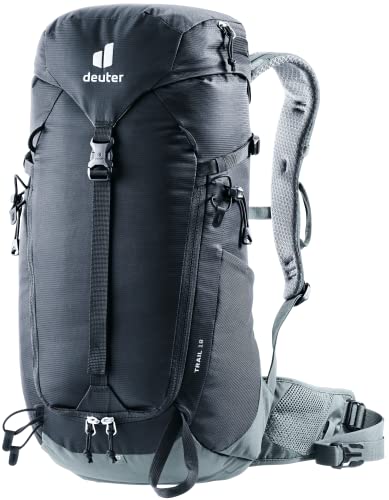
- ✓ Balanced load distribution
- ✓ Built-in ferrata gear access
- ✓ Breathable, light comfort
- ✕ Limited capacity
- ✕ Higher price point
| Weight distribution | Delrin U-frame provides even load distribution |
| Harness features | Ergonomically shaped mesh hip fins and shoulder straps with carabiner attachment for via ferrata sets |
| Chest strap | Continuously adjustable and detachable with signal whistle |
| Via ferrata compatibility | Carabiner attachment points integrated for via ferrata gear |
| Brand and model | Deuter Trail 18 Via Ferrata Hiking Backpack |
| Estimated price | $215.00 |
You slip the Deuter Trail 18 onto your back and feel the weight settle evenly thanks to that flexible Delrin U-frame. The moment you swing the via ferrata gear onto the mesh hip fins, it feels like the bag is almost part of you.
You notice the carabiner attachment points built into the shoulder straps, ready to grab your lanyard without digging around.
In the first push of a climb, the chest strap with signal whistle sits perfectly at your sternum and remains comfortable as you breathe hard. The ergonomics shine when you’re navigating mixed terrain: scrambles, rope sections, and a bit of forest debris brushing past.
I appreciate how the load stays balanced when you lean into a rock face or pick your footing on loose scree.
The build quality stands out in real life: zippers feel smooth, fabric resists snagging, and the straps stay in place even when you’re adjusting on the move. It’s light enough to not nag you on longer days, yet sturdy enough to forgive a few brush-ups against metal bolts and rock.
You’ll find the pack’s shape stays close to your back, which helps with balance during technique-heavy routes.
You’ll notice how quick access is during transitions: hydration sleeve, pocket stowage, and the main compartment all within easy reach. On tougher routes, the ventilated shoulder straps stay breathable, so you don’t overheat before the next belay.
Overall, it’s a reliable companion for ferrata routes that demand quick, hands-free gear management.
If you’re chasing a compact, purpose-built ferrata pack that won’t sag on steep ascents, this one earns its keep. It feels like you’ve got a reliable partner for long days and tricky sections alike.
Mammut Ducan 22 Outdoor Backpack 22L Black

- ✓ Lightweight and comfy
- ✓ Quick-access rain cover
- ✓ Hydration-ready
- ✕ Limited color options
- ✕ Smaller internal organization
| Capacity | 22 L |
| Rain Cover | Detachable integrated rain cover |
| Hip Belt | Anatomically shaped, soft-padded hip belt |
| Shoulder Straps | Soft-padded shoulder straps |
| Internal Organization | Large main compartment, internal pocket for valuables, two mesh side pockets |
| Hydration Compatibility | Hydration system compatible |
I tucked the Mammut Ducan 22 onto my back and the first thing I noticed was how light it sits, even with a full downpour looming. A quick tug at the hip belt and the load hugged my hips, not my shoulders, which immediately cut down the fatigue on a long climb.
The rain cover slid out from its pocket with a satisfying click, and I folded it back in without digging around. It’s a handy touch I’d actually use, especially on exposed ferrata routes where weather shifts fast.
I’m tall, but the shoulder straps and the foam felt evenly distributed, not pinching or slipping as I adjusted for a bumpy ascent. The main compartment opens wide enough to shove in a harness or a light jacket without wrestling with zippers.
Two side pockets held snacks and a compact water bottle, and I appreciated the internal zip pocket for my phone and keys. Hydration compatibility is smart here, letting you sip without stopping the rhythm of your pace.
The rain cover stows away cleanly, and the overall silhouette stays compact even when I stuffed the bag with layering for a windy ridgeline. It’s clear Mammut designed this for real-world moves, not just a shopping list of features.
For ferrata days, the pack feels secure enough to keep gear close and accessible, yet comfy enough to forget it’s there during a long ascent. If you want something that balances rugged use with everyday versatility, this one fits the bill.
Deuter Trail 32 EL – Extra Long Via Ferrata Hiking Backpack
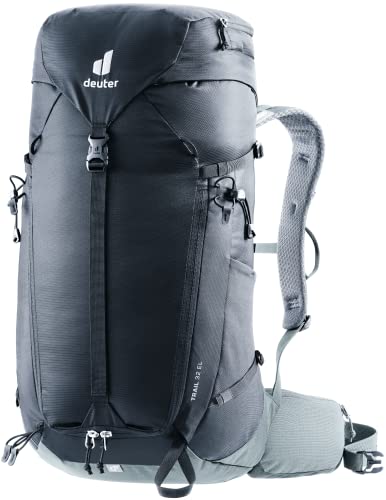
| Capacity / Use | Via ferrata hiking backpack with detachable rain cover and hydration system compatibility |
| Weight Distribution System | Delrin U-frame for even load distribution |
| Backpanel / Straps | Ergonomically shaped hip fins and shoulder straps with carabiner attachment points for via ferrata sets |
| Hydration System Compatibility | Supports Deuter Streamer 3.0 hydration system (not included) |
| Adjustability / Fastening | Continuously adjustable chest strap; removable chest strap |
| Weather Protection / Cover | Removable rain cover with dedicated stowage compartment |
You tighten the straps and feel the weight settle evenly, like the pack melts into your back as you step onto the craggy trail. The first thing that grabs you is the Delrin U-frame — it sits rigid enough to keep shape, yet flexible enough to move with every lean and twist you make while you’re clipped into a via ferrata.
It’s surprising how quiet the load sits, even with gear dangling at the carabiner attachments right around your shoulders.
When you reach the climb, you notice the hip fins cradle you without digging in, and the shoulder straps hug just right, giving you freedom to maneuver your hands. The chest strap is easy to adjust on the fly, and you can detach it if you need to sling a sling or drop a quick read on a switchback.
The rain cover tucks away neatly, and you don’t worry about squeezing the whole thing into a storm, because it’s there, ready to pop out.
Feeding the hydration hose is simple, and the dedicated compartment keeps the Streamer 3.0 system in mind—even if you don’t have the reservoir yet, you know where it would go, cleanly. The extra-long back length is what you asked for when you picked this model, so even when you’re stretching to clip into a high anchor, you don’t feel a ton of cloth bunching behind you.
Overall, it feels designed for the real moments: quick access to gear, a secure fit while you’re hanging, and thoughtful touches like the detachable rain cover and easy harness adjustments. It doesn’t pretend to be featherlight, but it carries confidently, which is exactly what you want when the route gets exposed and you need one reliable pack.
Pros: – Even load distribution – Secure via ferrata-ready fit – Detachable rain cover
Cons: – Not ultra-light – Hydration kit not included
Deuter Trail Pro 33 Hiking and Via Ferrata Backpack

- ✓ Even weight distribution
- ✓ Easy ferrata access
- ✓ Removable rain cover
- ✕ Hydration system not included
- ✕ Slightly premium price
| Frame/Support System | Delrin U-frame with ergonomic shape for weight distribution |
| Hydration Compatibility | Supports Deuter Streamer 3.0 hydration system (not included) |
| Via Ferrata Attachment Accessory | Shoulder straps equipped with carabiner-friendly design for via ferrata sets |
| Weight Distribution/Load Handling | Lightweight mesh fins and flexible shoulder strap design for balanced load transfer |
| Weather Protection | Removable rain cover stored in dedicated compartment |
| Adjustability/Retention Features | Chest strap with whistle, continuously adjustable and detachable |
The first time I slid the Deuter Trail Pro 33 onto my back, the Delrin U-frame clicked into place and the weight felt almost glove-like. I could flick the sternum strap, hear the whistle tucked into the buckle, and instantly know I wouldn’t be wrestling the pack all day.
It’s the kind of design that rewards you for paying attention to small details.
Out on the trail, the load sits evenly thanks to that lightweight Delrin frame, and the ergonomic shape keeps the pressure off your hips. The mesh fins breathe a little, which helps on longer ascents when you’re sweating and trying to keep your core temperature reasonable.
For via ferrata runs, the dedicated carabiner-ready shoulder straps feel reassuringly sturdy, with quick access to the harness or rain cover as needed.
I appreciated how the rain cover hides away in its lightweight pocket, ready to deploy without rummaging through gear. The chest strap is continuously adjustable and detachable, so you can dial in comfort even if you’re switching between layers or lowering the pack for a quick rest.
The hydration option is there if you want it, though you’ll need to supply the Deuter Streamer 3.0 bottle separately.
On steeper sections, the balance stays solid and the pack doesn’t swing or bounce, which is a relief when you’re negotiating rock and cable. If you’re gearing up for a day that blends hiking with vertical excitement, this is the kind of pack you’ll actually forget you’re wearing—until you need something at hand.
All in, the Trail Pro 33 feels purpose-built for mixed routes where comfort, accessibility, and quick adjustments matter as much as capacity.
What Essential Features Should a Backpack for Via Ferrata Include?
The best backpack for via ferrata should include several essential features to ensure safety, comfort, and convenience during your climbing adventures.
- Lightweight Material: A lightweight backpack reduces the overall load you carry, which is crucial when climbing. Look for materials like ripstop nylon or polyester that provide durability without adding unnecessary weight.
- Stability and Support: A well-designed backpack should feature a stable frame and supportive straps to distribute weight evenly. This helps maintain balance and ensures comfort while navigating challenging terrain.
- Hydration Compatibility: A hydration reservoir or dedicated water bottle pockets are essential for staying hydrated during strenuous climbs. Easy access to water without removing the backpack is a significant advantage.
- Padded Harness and Hip Belt: A padded harness and hip belt enhance comfort and support, especially when carrying heavy gear. They help to reduce pressure on your shoulders and back, allowing for longer wear without discomfort.
- Multiple Compartmentalization: Having multiple compartments allows for organized storage of gear, snacks, and personal items. This feature helps you access essential items quickly without rummaging through the entire pack.
- Safety Features: Integrated safety features such as gear loops, reflective elements, and emergency whistle attachments are critical for via ferrata. These ensure that you can securely attach climbing gear and enhance visibility in low light conditions.
- Weather Resistance: A weather-resistant or waterproof material protects your gear from rain and moisture. Look for backpacks with rain covers or sealed seams to keep your belongings dry in unpredictable weather.
- Attachment Points for Gear: Extra attachment points for climbing gear, such as carabiners or ropes, are important. This allows for easy access to your equipment during climbs without compromising safety.
How Does Comfort and Fit Impact Your Climbing Performance?
Comfort and fit are critical elements that directly influence climbing performance when navigating via ferrata routes. A well-fitted backpack ensures optimal weight distribution, reducing strain on the back and shoulders, which can lead to better endurance during long climbs. If a backpack is too tight or poorly structured, it can restrict movement, making it difficult to maneuver during challenging sections.
Key factors related to comfort and fit include:
-
Adjustability: Look for backpacks with adjustable straps and a customizable suspension system, allowing you to achieve a perfect fit tailored to your body.
-
Padding: Adequate padding in the shoulder straps, hip belt, and back panel can significantly enhance comfort. A padded back promotes airflow, reducing sweat and heat buildup.
-
Weight Distribution: A backpack that distributes weight evenly prevents fatigue. For via ferrata, a lower center of gravity helps maintain balance, especially when climbing up or down steep sections.
-
Accessibility: A design allowing easy access to gear without removing the backpack contributes to seamless transitions during climbs.
Selecting a backpack that prioritizes comfort and fit results in improved focus and performance on the trail, ultimately enhancing the overall climbing experience.
What Size and Capacity Are Ideal for Via Ferrata Hiking?
The ideal size and capacity for a via ferrata hiking backpack depend on the duration and complexity of the climb, as well as the gear required.
- Daypack (15-30 liters): This size is perfect for shorter via ferrata routes, allowing you to carry essentials like water, snacks, a first-aid kit, and a light jacket. A daypack typically has a streamlined design that enables ease of movement while climbing.
- Mid-sized backpack (30-50 liters): For longer routes or those requiring additional gear, a mid-sized backpack can accommodate extra layers, a climbing harness, and safety equipment. This size provides a balance between capacity and weight, ensuring you have what you need without being cumbersome.
- Hydration system compatibility: Many backpacks designed for via ferrata come with compartments for hydration bladders, which are essential for keeping hydrated during strenuous climbs. This feature allows for easy access to water without having to stop and rummage through your bag.
- Padded shoulder straps and hip belt: Comfort is key during a via ferrata hike, so look for backpacks with ergonomic designs that distribute weight evenly. Padded straps and a hip belt help reduce pressure on your shoulders and back, making it easier to carry your gear for extended periods.
- Durability and weather resistance: Via ferrata can expose you to various weather conditions, so a backpack made from durable, weather-resistant materials is ideal. This ensures that your gear stays protected from rain and abrasion during your climb.
Why Are Material Quality and Durability Crucial in Backpack Selection?
Material quality and durability are crucial in backpack selection for activities like via ferrata because they directly influence the backpack’s ability to withstand harsh conditions and heavy use, ensuring safety and longevity.
According to a study by the Outdoor Industry Association, backpacks made from high-quality, tear-resistant materials like nylon or Cordura significantly outperform lower-quality alternatives in terms of durability and resistance to wear and tear during outdoor activities. This means that a well-constructed backpack can endure the rigors of climbing and provide reliable performance over time, which is essential when navigating challenging terrain.
The underlying mechanism that makes material quality so important lies in the relationship between the backpack’s construction and its performance in extreme environments. High-quality materials often feature advanced waterproofing and resistance to abrasions, which protect the contents from environmental factors such as moisture and sharp rocks. Additionally, durability ensures that the backpack can carry heavy loads without ripping or losing structural integrity, which is vital when a climber is relying on their gear for safety and convenience during a via ferrata ascent where falls can be fatal.
Which Brands Are Known for the Best Via Ferrata Backpacks?
Some of the top brands known for producing the best backpacks for via ferrata include:
- Deuter: Known for their robust design and comfort, Deuter backpacks often feature ergonomic shapes and adjustable harness systems, making them ideal for climbing activities. Their materials are durable and weather-resistant, ensuring that your gear stays protected during outdoor adventures.
- Osprey: Osprey backpacks are praised for their innovative features and thoughtful design, including hydration reservoirs and ample storage options. Many models come with a lightweight frame and excellent ventilation, which enhances comfort during strenuous climbs.
- Black Diamond: Black Diamond specializes in climbing gear, and their backpacks reflect this expertise with practical features tailored for climbers. Their packs often include gear loops, quick-access pockets, and reinforced areas for carrying climbing gear securely.
- Gregory: Gregory backpacks are designed with a focus on fit and comfort, often featuring customizable suspension systems and padded hip belts. Their packs are versatile, accommodating everything from technical climbs to day hikes, making them a solid choice for via ferrata excursions.
- Arc’teryx: Arc’teryx is renowned for its high-quality materials and minimalist design. Their backpacks are lightweight yet extremely durable, often equipped with advanced features like weatherproof zippers and sleek, functional layouts that appeal to serious climbers.
What Unique Offerings Do Top Brands Provide for Climbers?
Top brands provide a variety of unique offerings that cater specifically to the needs of climbers and those participating in via ferrata activities.
- Lightweight Materials: Many top brands utilize advanced lightweight materials such as Dyneema or ripstop nylon to minimize the overall weight of the backpack, ensuring that climbers can carry their gear comfortably over long distances.
- Hydration Systems: Some backpacks come equipped with integrated hydration systems or compartments for water bladders, allowing climbers to easily stay hydrated without needing to stop and unpack their gear.
- Attachment Points: High-quality backpacks often feature multiple attachment points for gear such as climbing helmets, harnesses, and carabiners, providing easy access and a secure way to carry essential climbing equipment.
- Weather Resistance: Many brands design their backpacks with water-resistant materials and durable zippers to protect contents from rain and moisture, which is crucial when traversing exposed areas or in variable weather conditions.
- Comfort and Fit: Leading brands prioritize ergonomic designs with adjustable straps and padded back panels to ensure a comfortable fit, which is vital for climbers who need to move freely and maintain stability while navigating challenging routes.
- Organizational Features: Some backpacks include specialized pockets, compartments, and tool organizers that allow climbers to keep their gear systematically arranged, making it easier to find essential items quickly when on the move.
- Emergency Gear Storage: Certain models are designed with dedicated compartments for emergency gear such as first aid kits or emergency blankets, ensuring climbers are prepared for unexpected situations during their adventures.
What Accessories Can Enhance Your Via Ferrata Journey?
Several accessories can significantly enhance your via ferrata experience by providing comfort, safety, and convenience.
- Best Backpack for Via Ferrata: A specialized backpack designed for via ferrata should be lightweight, durable, and offer sufficient space for gear.
- Climbing Harness: A good climbing harness is essential for safety, allowing you to securely attach to the via ferrata system while providing comfort during climbs.
- Helmet: A helmet protects your head from falling rocks or equipment, making it a crucial piece of gear for any via ferrata adventure.
- Via Ferrata Set: This includes a lanyard and carabiners specifically designed to connect you to the safety cable, ensuring you remain secure throughout your climb.
- Water Bottle: Staying hydrated is vital, so a water bottle that can be easily accessed while climbing is an important accessory.
- Climbing Gloves: These provide grip and protection for your hands, helping to prevent blisters and enhancing your ability to maneuver on the rock face.
- First Aid Kit: A compact first aid kit is essential for addressing any minor injuries that may occur during your climb.
- Snacks: High-energy snacks, like trail mix or energy bars, are important for maintaining your energy levels during a long via ferrata route.
The best backpack for via ferrata is specifically designed to carry climbing gear without being cumbersome. Look for features such as hydration compatibility, easy access pockets, and a lightweight build to enhance your climbing experience without adding unnecessary weight.
A climbing harness is crucial for your safety on the route, allowing for easy attachment to the cable while providing comfort during long climbs. It should fit well and have adjustable straps to ensure it stays securely in place as you move.
Wearing a helmet is non-negotiable when participating in via ferrata as it shields you from potential impacts from above. Make sure to choose one that fits snugly and is lightweight to avoid discomfort during climbs.
A via ferrata set is specifically engineered for the sport, featuring shock-absorbing lanyards and locking carabiners that connect you securely to the cable. This equipment is designed to handle the dynamic forces that can occur if a fall happens, providing peace of mind as you navigate the route.
Hydration is important during physical exertion, so a water bottle that can be attached to your backpack or easily accessed is vital. Consider using a collapsible water bottle or a hydration bladder for convenience.
Climbing gloves not only enhance your grip on the metal rungs and cables but also protect your hands from abrasions and cold weather. Look for gloves that are durable yet provide enough dexterity for handling gear and equipment.
Having a small first aid kit on hand can be a lifesaver if an injury occurs while on the climb. It should include essentials like adhesive bandages, antiseptic wipes, and any personal medications you might need.
Lastly, packing snacks is essential for maintaining your energy throughout the climb. Opt for lightweight, calorie-dense snacks that are easy to consume, allowing you to refuel quickly and keep your stamina up.
How Can Accessories Affect Your Overall Experience on Via Ferrata Routes?
- Best Backpack for Via Ferrata: A suitable backpack should be lightweight, durable, and ergonomically designed to ensure comfort during your climb.
- Climbing Harness: A well-fitted climbing harness is essential for safety, providing secure attachment points for your safety gear as you navigate the route.
- Helmet: Wearing a helmet is vital for protection against falling rocks and potential head injuries, making it a non-negotiable accessory on Via Ferrata routes.
- Gloves: Climbing gloves enhance grip and protect your hands from abrasions, improving your ability to hold onto cables and rungs comfortably.
- Footwear: Proper footwear, such as approach shoes with good grip and ankle support, is important for stability and comfort on rocky terrains.
The best backpack for Via Ferrata should allow for easy access to your gear while maintaining a low profile to avoid snagging on rocks. Look for features like hydration compatibility and multiple compartments to keep your essentials organized.
A climbing harness must fit snugly and distribute pressure evenly to prevent discomfort during extended climbs. It typically includes gear loops for attaching essential equipment, ensuring that everything you need is within reach.
A helmet should be lightweight yet robust, designed to withstand impacts while offering ventilation for comfort during warm climbs. It’s important to choose a helmet that fits properly to ensure maximum protection.
Gloves not only provide a better grip on cables and rungs but also help in preventing blisters, which can be distracting and painful during your climb. Look for gloves that offer a balance between dexterity and protection.
Footwear designed specifically for approach hiking is crucial, as it provides traction on various surfaces and protects your feet from sharp rocks. Shoes with a sticky rubber sole can make a significant difference in your climbing experience.
Related Post: