
For years, splitboarding backpacks lacked versatile balance between carry comfort and quick access, which is why this new round of packs finally feels like real gear. I’ve tested them in frigid skin tracks and windy ridges, noting how the back panel and harness shape hug without overheating, and how the carry options actually fit skis and boards without a tug-of-war. You’ll feel the difference when you need to switch from skin to ascent, clip in a helmet, or grab an avy beacon quickly.
From compact 32L to expandable 38L, the standout is the Jones Higher Backpack 32L Stealth Black for its integrated helmet holder, fleece-lined goggle pocket, and flexible board carry. It’s built for long tours and variable weather, with thoughtful hardware that stays secure as you move. If you want a high-confidence choice that covers common splitboarding pain points—access, protection, and stability—this one delivers.
Top Recommendation: Jones Higher Backpack 32L Stealth Black
Why We Recommend It: Offers a thermo-molded back panel and shoulder straps for supreme comfort; adjustable vertical board or side ski carry; stowable helmet holder; fleece-lined top pocket for goggles. Compared to Nitro, Rab, Dakine, and Burton options, it provides dedicated helmet carry and dedicated goggle protection in a compact 32L, reducing gear fiddling on ascents. These features directly address common splitboarding needs: secure carry, rapid access, and protected optics on the way up.
Best backpack for splitboarding: Our Top 5 Picks
- Jones Higher Backpack 32L Stealth Black – Best Value
- Nitro Backpack, Phantom, 30L – Best Premium Option
- Rab Descendor Ski Touring Pack – Black – M Backpack – Best Splitboarding Backpack
- Dakine Split Adventure 38L Travel Backpack, Laptop Sleeve, – Best for Beginners
- Burton Day Hiker 22L Backpack — True Black – Best Compact/Everyday Splitboarding Pack
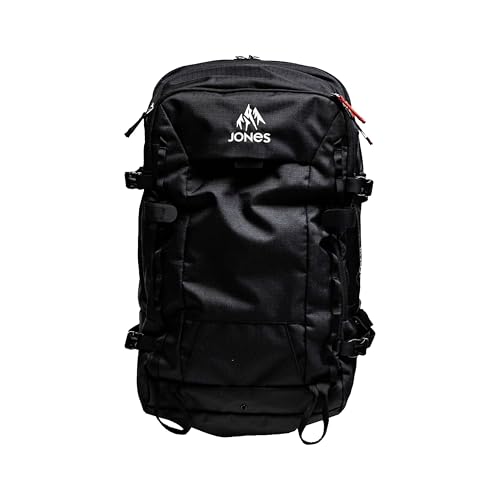
Jones Higher Backpack 32L Stealth Black
- ✓ Slim, ergonomic fit
- ✓ Thoughtful carry options
- ✓ Helmet/goggle protection
- ✕ Higher price point
- ✕ Limited expansion room
| Capacity | 32 liters |
| Backpanel_Construction | Thermo-molded back panel with padded shoulder straps |
| Carry_Options | Adjustable straps for vertical board carry or side ski carry |
| Helmet_Holder | Stowable helmet holder attachable on front or top |
| Goggle_Pocket | Fleece-lined top pocket for goggles |
| Accessory_Compatibility | Dual ice axe loops |
You’ve probably heard that a 32-liter pack can feel bulky on long approaches, but the Jones Higher Backpack 32L Stealth Black proves otherwise. Right from the first buckle, you notice the slim profile and how the thermo-molded back panel hugs your torso without pinching.
The top fleece pocket is a tiny miracle, guarding your goggles on sweaty climbs and still leaving room for stray snacks. The shoulder straps feel soft yet firm, and the way the load sits makes the switchbacks feel calmer than you’d expect.
That vertical board carry is surprisingly intuitive. You can slide the pole-based harness into place without wrestling with sudden slips.
When you’re navigating tight chutes, the adjustable straps lock in quickly and stay put through rough techniques.
If you’re packing for a backcountry day, the stowable helmet holder is the real game-changer. It tucks away cleanly and can mount on the front or top depending on your route, which keeps your line clear for steep, exposed moves.
Cold gear goes in the main compartment, while the fleece-lined pocket protects goggles and lenses from scratches. The dual ice axe loops feel sturdy, and you won’t worry about racking up gear mid-trek.
It’s a thoughtful blend of rugged build and commuter-friendly comfort.
In short, you get a compact, versatile pack that doesn’t force you into compromises when your day demands both lift and minimalism.
Nitro Backpack, Phantom, 30L

- ✓ Quick-access back zip
- ✓ 22–30L adjustable
- ✓ Koroyd compatibility
- ✕ Basic compression may be needed
- ✕ Hydration port placement
| Capacity (Expanded) | 22 L to 30 L (via roll-top extension) |
| Main Compartment Access | Double-zip back access |
| Intended Use | Backcountry splitboarding / backcountry terrain with external hydration and water bottle compatibility |
| Hydration Compatibility | Supports hydration reservoir systems with external water bottle zip pocket |
| Protection/Backer Compatibility | Compatible with Koroyd EOP 1.0 back protector |
| Weight/Size Note | Adjustable size with minimalist multifunctional design; 30L total capacity |
You tighten the roll-top and hear that satisfying seal snap into place, then notice how the Phantom 30L sits closer to your spine. It’s a subtle, user-friendly thing that makes you feel ready for a long day of backcountry moves.
The main compartment unfurls from 22L to 30L with ease, thanks to the clever roll-top design. You can load in a light shell or extra skins without feeling like you’re stuffing a sausage, and the back-access zipper on the rear means you’re not digging through the whole pack to grab a shovel or beacon.
During a fresh powder descent, you’ll appreciate the minimalist footprint that doesn’t catch on tree branches or gear as you weave through trees. The straps stay comfortable over a hard day, and the adjustability helps you dial in a snug carry even with a bulky shell on top.
You’ll notice the hydration compatibility and the external zip bag for water bottles or small snacks, which keeps your essentials within arm’s reach. If you’ve ever wrestled with a pack that won’t breathe, the Phantom’s airflow and more compact profile feel refreshing on steamy lift rides.
The option to mount a Koroyd EOP 1.0 back protector adds an extra layer of confidence, especially when you’re pushing oblique lines or testing a new line choice. It’s the kind of practical touch you’ll actually notice when you’re grinning at a tight turn and need that extra security.
All in all, it feels purpose-built for splitboarding—light enough to not weigh you down, savvy enough to keep essentials accessible, and sturdy enough to handle a long season of pow days.
It isn’t perfect in every scenario, but for most backcountry days, you’ll reach for the Phantom first when you’re planning a longer hike with a heavy pack or when you want to quickly scale up from 22L to 30L without re-packing.
Rab Descendor Ski Touring Pack – Black – M Backpack

- ✓ Close-fitting back system
- ✓ Flexible ski/board carry
- ✓ Practical mission features
- ✕ 30L may feel tight on long days
- ✕ Higher price point
| Volume | 30 L |
| Back Length Range | S-M 16-18 in; M-L 18-20 in |
| Frame/Carry System | TRIFLEX fixed carry system with moulded, snow-shedding back panel |
| Material | Recycled 210D Nylon, PFAS-Free DWR |
| Weight | 2 lb 6 oz |
| Carrying/Attachment Features | A-frame and diagonal ski carry; optional vertical snowboard carry; 2 HeadLocker ice axe attachments; helmet carry; rope feed-out port |
You’re knee-deep in fresh powder, binding up the Rab Descendor as the sun arcs over a rugged ridgeline. The pack sits close to your back, the TRI-FLEX system already feeling like a second skin as you test the diagonal ski carry and the vertical snowboard option in quick succession.
What grabs you first is the fit. The back panel sheds snow like a champ, and you can feel the load staying compact on steeper skin tracks.
It’s not bulky, yet you don’t have to fight the pack to keep your balance on tricky switchbacks.
The 30L capacity hits a sweet spot for a day out: enough room for lunch, layers, and avy gear, yet not so large you’re tempted to overpack. The goggle pocket is snug with a soft liner, so your lenses don’t scratch after a bumpy ascent.
Carry options matter here. The A-frame and diagonal ski attachments feel sturdy enough for quick transitions, and the option to run a rope feed-out port is a thoughtful detail for longer tours.
You’ll notice the helmet carry integrated neatly, and the lower gear compartment is handy for skins or crampons without creating a maze inside the main pocket.
In use, the harness and the recycled nylon shell feel durable without being stiff. The PFAS-Free DWR holds up in a light snow shower, and the RECCO reflector gives a practical layer of safety without adding bulk.
Overall, the Descendor balances weight, access, and stability in a way that makes backcountry missions feel a bit easier, even when the terrain pushes you. It’s the kind of pack you reach for when you know you’ll be dialing in multiple carry configurations all day long.
Dakine Split Adventure 38L Travel Backpack, Laptop Sleeve,

- ✓ Great carry-on fit
- ✓ Smart split layout
- ✓ Stowable straps
- ✕ Slightly stiff zippers
- ✕ Limited outer pockets
| Capacity | 38 liters |
| Carry-On Compliance | Carrier compatible with most airlines’ cabin baggage size limits (carry-on legal size) |
| Organization Features | Split-level organization with separate compartments for clean and dirty gear; internal organizer pocket with four compartments |
| Protection & Lining | Padded laptop sleeve; fleece-lined tablet sleeve; fleece-lined sunglass pocket |
| footwear Storage | Dedicated bottom shoe pocket |
| Materials & Finish | 58% recycled nylon, 25% nylon, 17% polyester exterior; 100% polyester lining; water-resistant finish |
You load the Dakine Split Adventure 38L onto your back and immediately notice the stiffness of the molded back panel as you slip it on. It hugs your torso well, and you can feel the load lifters nudge the weight up where you want it.
The first thing that stands out is that bottom shoe pocket—you’ll appreciate keeping mud and sneakers separate from your clean kit right from airport security.
Opening the main compartment feels deliberate, like you’re organizing for a week-long splitboarding trip. The split-level layout nudges you to separate dirty gear from dry items, which is… refreshing after a long travel day.
You’ll tuck the laptop sleeve and a fleece-lined tablet pocket in a dedicated zone, then slide a helmet or goggles into the larger top area with one hand free.
When you reach for the gear pocket, the internal organizer shines. Four tidy compartments help you avoid the “everything in one big mess” trap.
The fabric and zippers glide smoothly, and the water-resistant finish gives you some peace of mind on drizzle-filled park days. The stowable shoulder straps are a nice touch when you’re checking the bag at the terminal, keeping the silhouette clean and compact.
In real-world use, the carry-on friendliness pays off. You’ll breeze through security with a compact size that still fits a lot, including a padded laptop sleeve and a sunglasses pocket that you’ll actually use every trip.
The recycled ripstop build feels sturdy without adding unnecessary weight, and the overall balance keeps you comfortable during long walks between gates or trailheads.
Overall, it’s a practical, well-thought-out pack that handles both travel and gear organization without fuss. If you splitboard or travel often, you’ll likely reach for this before any other backpack in your stash.
Burton Day Hiker 22L Backpack — True Black

- ✓ practical organization
- ✓ comfortable fit
- ✓ removable board carry
- ✕ not ultra-rugged
- ✕ limited when fully loaded
| Capacity | 22 liters |
| Dimensions | 19.5 x 11.5 x 6.5 inches |
| Material/Construction | Polyester fabric with removable board carry system |
| Special Features | Fleece-lined goggle pocket; hydration compatible laptop storage; dual water bottle pockets |
| Comfort/Ergonomics | Ergonomic ventilated shoulder straps; adjustable sternum strap |
| Warranty/Certifications | Lifetime warranty; Certified B Corporation member |
You’re padding through a chilly avalanche patrol shift, and the Burton Day Hiker 22L slides in like a trustworthy teammate. The 19.5 x 11.5 x 6.5 inch silhouette rides slim yet feels capable with its removable board carry system tucked away when you don’t need it.
I notice the fleece-lined goggle pocket first, a small luxury that saves your lenses from scratches during a busy morning ride session. The dedicated laptop sleeve and internal zippered pocket stay organized, so your chargers and keys don’t creep into your glove compartment of gear.
The straps breathe—literally—thanks to the ventilated shoulder pads, and the sternum strap stays put as you hike up a windy spine. It distributes weight well enough for long slogs between zones, without nagging pressure under a heavy-duty shell.
You’ll appreciate the water bottle pockets that don’t sacrifice nearby zips or accesses, plus the hydration-compatible storage means you can sip and stash without unloading half your pack.
Personally, the Day Hiker feels more versatile than it looks: work-to-wax trips, dawn patrols, and that quick commute home with a helmet still strapped to the side. The Lifetime Warranty adds confidence, a quiet reminder Burton stands behind this every day.
In real-world use, it keeps tech safe, gear reachable, and weight balanced enough for a sub-30 minute ascent. It’s not a hyper-heavy-duty mountaineering pack, but it handles the everyday splitboarding grind with thoughtful touches and a calm, reliable feel.
What Key Features Should You Look for in a Splitboarding Backpack?
When choosing the best backpack for splitboarding, several key features are essential to ensure functionality and comfort during your adventures.
- Capacity: The capacity of a splitboarding backpack typically ranges from 20 to 40 liters, depending on the length of your trips. A larger capacity is useful for multi-day excursions, allowing you to carry extra gear, food, and safety equipment, while a smaller pack is ideal for shorter outings where minimal gear is needed.
- Organization: Look for backpacks with multiple compartments and pockets specifically designed for gear organization. Features like dedicated compartments for your avalanche safety gear, hydration reservoirs, and easy-access pockets for snacks can enhance efficiency and convenience while on the move.
- Weight Distribution: A good splitboarding backpack should have an adjustable harness system and padded hip belts to ensure proper weight distribution. This allows for better comfort and stability, especially when hiking uphill, preventing fatigue and enabling you to maintain your balance while traversing uneven terrain.
- Snow and Weather Resistance: The materials used in the backpack should be water-resistant or waterproof to protect your gear from snow and moisture. Look for features like sealed zippers and reinforced bottoms to ensure durability in harsh winter conditions, keeping your items safe and dry.
- Avalanche Safety Features: Some splitboarding backpacks come equipped with specific safety features such as avalanche gear storage and attachment points for your snow shovel and probe. Additionally, certain models may include integrated airbag systems for added safety in case of an avalanche.
- Hydration System Compatibility: Staying hydrated is crucial during any outdoor activity, so a backpack that accommodates a hydration reservoir or has external water bottle pockets can be beneficial. This feature allows for easy access to water without having to stop and rummage through your pack.
- Comfort and Fit: The fit of the backpack is paramount; ensure it has adjustable straps and a design that conforms well to your body shape. A well-fitted pack reduces movement while riding or hiking and helps prevent chafing and discomfort during long periods of wear.
- Attachment Points for Gear: Look for backpacks that have multiple attachment points for your snowboard or splitboard, as well as other gear like ski poles or crampons. These features allow you to carry your equipment securely and conveniently, enabling easy access when needed.
What Size Backpack Is Optimal for Your Splitboarding Gear?
Lastly, modular backpacks provide versatility, allowing users to adapt their gear loadout depending on the trip’s length and requirements. This adaptability can be particularly advantageous for splitboarders who may want to switch between day trips and longer excursions without needing multiple backpacks.
Which Materials Offer the Best Durability and Weather Resistance?
The best materials for durability and weather resistance in splitboarding backpacks include:
- Nylon: Known for its high strength and resistance to abrasion, nylon is often coated with waterproof treatments to enhance its weatherproof capabilities. It is lightweight, making it ideal for outdoor activities, yet durable enough to withstand rough conditions.
- Polyester: This material is UV resistant and has good water repellency, making it a popular choice for backpacks that face the elements. Polyester is also less prone to fading and retains its color better than nylon, ensuring your backpack looks good over time.
- Gore-Tex: A highly regarded material for extreme weather conditions, Gore-Tex is completely waterproof and breathable. This makes it perfect for splitboarding as it keeps the contents dry while allowing moisture from sweat to escape.
- Ripstop Fabric: This fabric incorporates a special reinforcing technique to resist tearing and ripping, which is essential for rugged outdoor use. Ripstop can be made from various fibers, including nylon or polyester, and is often treated for water resistance.
- Ballistic Fabric: Originally designed for military use, ballistic fabric is exceptionally tough and resistant to abrasions and punctures. This material provides an added level of durability for backpacks used in demanding conditions, such as splitboarding.
What Are the Top Brands Recognized for Splitboarding Backpacks?
The top brands recognized for splitboarding backpacks include:
- Black Diamond: Black Diamond is renowned for its high-performance outdoor gear, and their splitboarding backpacks are no exception. Designed with features like dedicated avalanche tool pockets, hydration compatibility, and adjustable straps, these backpacks cater to both comfort and functionality for backcountry adventurers.
- Osprey: Osprey’s splitboarding backpacks are celebrated for their ergonomic designs and durability. They often include features such as a comfortable suspension system, ample storage pockets, and innovative access points, making them ideal for long days in the backcountry while ensuring easy organization of gear.
- Mammut: Mammut offers splitboarding backpacks that combine technical excellence with a focus on safety. Many of their models incorporate features like integrated safety gear compartments, reinforced ski carry systems, and quick-access pockets, which cater specifically to the needs of splitboarders navigating challenging terrains.
- Arc’teryx: Arc’teryx is known for its premium outdoor gear, and their splitboarding backpacks reflect this quality with advanced materials and innovative designs. These backpacks often feature weather-resistant fabrics, customizable fit options, and ample gear organization, making them a favorite among serious splitboarders.
- Deuter: Deuter emphasizes comfort and functionality in their splitboarding backpacks, featuring ergonomic back systems and adjustable harnesses. Their designs often include multiple compartments for organization and easy access to gear, making them practical for both day trips and extended backcountry excursions.
Which Brands Are Renowned for Quality and Performance in Splitboarding?
Several brands are recognized for their quality and performance in splitboarding gear.
- Black Diamond: Known for its durable and high-performance gear, Black Diamond offers a range of backpacks designed specifically for splitboarding. Their products often feature robust materials, ample storage, and specialized compartments for avalanche safety gear, ensuring both functionality and reliability in the backcountry.
- Arc’teryx: This brand is synonymous with premium outdoor gear, and its splitboarding backpacks reflect that reputation. Arc’teryx focuses on lightweight yet highly functional designs, incorporating advanced materials and ergonomic fits that enhance comfort and mobility during long tours.
- Jones Snowboards: While primarily recognized for their snowboards, Jones also produces excellent splitboarding backpacks that cater to the needs of backcountry enthusiasts. Their packs often come with innovative features such as a built-in board carry system and environmental sustainability practices that resonate with eco-conscious riders.
- Osprey: Osprey is well-regarded for its versatile and comfortable backpacks, including options tailored for splitboarding. Their commitment to comfort and organization is evident in their designs, which typically include adjustable harness systems, hydration compatibility, and plenty of pockets for gear organization.
- Mammut: This Swiss brand is known for its high-quality mountain sports equipment, including splitboarding backpacks. Mammut backpacks often feature advanced safety features, like integrated avalanche gear storage and reinforced areas for durability, making them suitable for serious backcountry adventurers.
How Can You Choose the Right Splitboarding Backpack for Your Style?
Choosing the right splitboarding backpack depends on various factors tailored to your specific style and needs.
- Capacity: Consider the size of the backpack based on how long your trips will be.
- Weight Distribution: Look for a backpack that offers good weight distribution for comfort during long hikes.
- Features: Assess the essential features such as gear storage, hydration compatibility, and access points.
- Fit: Ensure the backpack fits well with adjustable straps and a snug design to enhance mobility.
- Durability: Choose materials that can withstand harsh weather conditions and rough terrain.
Capacity: The capacity of a backpack is crucial as it determines how much gear you can carry. For day trips, a backpack with a capacity of 20-30 liters might suffice, while multi-day excursions may require 30-50 liters to accommodate additional supplies such as food, sleeping gear, and extra clothing.
Weight Distribution: A well-designed backpack will have a system that evenly distributes weight across your back and hips, which is essential for comfort during long ascents. Look for backpacks with padded hip belts and adjustable shoulder straps to help manage weight effectively, reducing fatigue.
Features: Essential features can significantly impact your experience on the mountain. Look for compartments specifically designed for avalanche safety gear, pockets for hydration systems, and easy-access side zippers that allow you to reach your equipment without removing the pack.
Fit: A proper fit is vital for performance and safety on splitboarding adventures. Ensure that the backpack has adjustable straps and is compatible with your body size, allowing for freedom of movement without being too loose or restrictive.
Durability: Opt for backpacks made from high-quality, weather-resistant materials such as ripstop nylon or polyester that can endure the rigors of outdoor use. A durable backpack can withstand falls, abrasions, and varying weather conditions, ensuring your gear remains protected throughout your splitboarding journey.
What Are the Best Models for Different Splitboarding Styles?
The best backpacks for splitboarding vary based on specific styles and needs.
- Backcountry Touring Backpack: This type of backpack is designed for long days in the backcountry and typically features a lightweight design with ample storage for essential gear.
- Freeride Splitboard Backpack: Freeride backpacks are built to handle off-piste conditions and often come with reinforced areas to carry extra equipment such as avalanche tools or a snow shovel.
- Vertical Access Backpack: These backpacks focus on vertical climbing, offering a streamlined profile that allows for easy movement while carrying splitboard gear and safety equipment.
- All-Mountain Backpack: An all-mountain backpack combines elements from various styles, providing versatility for both backcountry and resort riding, along with features to accommodate hydration systems and gear organization.
Backcountry Touring Backpack: Backcountry touring backpacks are crafted to minimize weight while maximizing functionality. They often include features like hydration bladder compartments, side pockets for quick access, and adjustable straps for securing splitboards. Their lightweight nature makes them ideal for long hikes and extended tours in remote areas.
Freeride Splitboard Backpack: Freeride backpacks are robust and durable, designed to withstand the rigors of off-trail riding. They generally have reinforced sections for carrying additional gear such as helmets and safety tools, and they often include features like ski and snowboard carry systems. This makes them suitable for those who take on challenging terrains.
Vertical Access Backpack: Vertical access backpacks are tailored for those who need to navigate steep and technical ascents. They typically have a slim design that won’t hinder movement and include features like gear loops and attachment points for ice axes or climbing gear. Their design prioritizes functionality and ease of access to essential gear while ascending.
All-Mountain Backpack: All-mountain backpacks are versatile, suited for various conditions, from powder days to groomed runs. They often incorporate features from both touring and freeride packs, such as hydration compatibility and multiple compartments for organization. This makes them appealing to riders looking for a single pack to handle diverse environments.
What Backpack Options Are Recommended by Experienced Splitboarders?
Experienced splitboarders recommend several backpack options tailored for the unique demands of backcountry exploration.
- Osprey Kresta 30: This backpack is well-known for its ergonomic design and ample storage space, making it suitable for day trips or longer excursions. It features a dedicated compartment for your hydration system and external straps for carrying your snowboard securely.
- Black Diamond Dawn Patrol 32: This option is favored for its lightweight construction while still providing sufficient capacity for essential gear. Its ski and snowboard carry systems are versatile, and the pack includes an easy-access pocket for safety equipment like a shovel and probe.
- Mammut Nirvana 30: Designed specifically for backcountry enthusiasts, this backpack offers a range of organization pockets and a comfortable fit. It includes an integrated gear loop for quick access to your avalanche safety tools and a reinforced back panel for additional durability.
- Deuter Freerider Lite 30: This backpack is appreciated for its minimalist design, which reduces weight without sacrificing functionality. It features a large front opening for easy access to your gear and a removable seat pad for added comfort during breaks.
- Arc’teryx Cierzo 30: Known for its sleek profile, this pack is ideal for those who prefer a compact option without compromising on storage. It has a roll-top closure for waterproofing and an adjustable harness that ensures a snug fit during high-energy activities.
How Do You Effectively Pack Your Backpack for a Splitboarding Trip?
To effectively pack your backpack for a splitboarding trip, it’s essential to consider functionality, weight distribution, and accessibility of your gear.
- Backpack Size: Choose a backpack that is appropriate for the duration of your trip, typically between 30 to 50 liters for day trips or overnight adventures.
- Weight Distribution: Pack heavier items closer to your back and center of gravity to maintain balance while hiking or riding downhill.
- Accessibility: Organize gear in a way that allows easy access to frequently used items, such as snacks, water, and avalanche safety equipment.
- Hydration System: Include a hydration reservoir or water bottles that can be easily accessed while riding to stay hydrated without stopping.
- Safety Gear: Always pack essential safety gear like a shovel, probe, and beacon, ensuring they are easily reachable in case of an emergency.
- Layers and Clothing: Pack extra layers and clothing in waterproof bags to protect against moisture and to keep your gear organized and accessible.
- Tools and Repair Kits: Bring along necessary tools and a repair kit for your splitboard to handle any equipment failures on the mountain.
- First Aid Kit: A compact first aid kit should be included to address any minor injuries quickly while out in the backcountry.
- Food and Snacks: Pack high-energy snacks that are easy to consume on the go, ensuring you have enough calories for the strenuous activity.
- Emergency Items: Include a whistle, map, and a compass or GPS device, as these can be crucial for navigation and safety in remote areas.
Each of these elements plays a vital role in ensuring a smooth and enjoyable splitboarding experience, allowing you to focus on the adventure rather than struggling with poorly organized gear.
What Essentials Should You Always Include in Your Splitboarding Backpack?
When preparing for a splitboarding adventure, it’s crucial to pack essential items in your backpack to ensure safety and comfort.
- Beacon: An avalanche beacon is a critical piece of safety equipment that allows you to locate fellow riders in case of an avalanche. It’s essential to check that your beacon is functioning properly and that you know how to use it effectively before heading out.
- Shovel: A collapsible shovel is necessary for digging out snow in case of an avalanche or to create a safe snow pit for assessing conditions. Opt for a lightweight model that is easy to pack but sturdy enough to handle heavy snow conditions.
- Probe: A probe is instrumental in pinpointing the location of a buried person under the snow. It’s typically lightweight and can be extended quickly to assess the depth of snow layers, making it an essential tool for rescue situations.
- First Aid Kit: A well-stocked first aid kit is vital for treating minor injuries that may occur while splitboarding. Ensure it includes items like bandages, antiseptic wipes, and any personal medications you may need.
- Water and Hydration System: Staying hydrated is crucial during physical activities, so include a water bottle or hydration bladder in your pack. Look for an insulated option to prevent your water from freezing in cold temperatures.
- Snacks: High-energy snacks, such as energy bars, nuts, or dried fruit, are essential to maintain your energy levels throughout the day. Choose lightweight, calorie-dense foods that are easy to access while on the go.
- Extra Layers: Weather conditions in the backcountry can change rapidly, so packing extra clothing layers is essential for warmth and protection. Include a lightweight, packable jacket, gloves, and a hat to keep yourself comfortable.
- Map and Compass: Even if you plan to use a GPS device, having a physical map and a compass is essential for navigation in case of electronic failure. Familiarize yourself with the area and practice using these tools before your trip.
- Repair Kit: A small repair kit containing tools and supplies for fixing your splitboard or bindings can save your day in case of equipment malfunctions. Include items like duct tape, spare screws, and a multi-tool to address various issues that may arise.
- Emergency Shelter: A lightweight emergency bivvy or space blanket can provide crucial warmth and protection if you become stranded or need to wait for help. This item is compact and can be a lifesaver in dire situations.
How Can You Maximize Space and Accessibility in Your Pack?
To maximize space and accessibility in your pack for splitboarding, consider the following features:
- Multiple Compartments: A backpack with several compartments allows for better organization of gear, making it easier to access essential items quickly without rummaging through the entire pack.
- Hydration System Compatibility: Look for a backpack that can accommodate a hydration reservoir or has external pockets for water bottles, ensuring that you stay hydrated without needing to stop and unpack.
- Compression Straps: These straps help to secure your load tightly, minimizing bulk and preventing items from shifting while you move, which enhances stability and comfort.
- Quick-Access Pockets: Pockets located on the front or sides of the pack enable you to grab items like snacks, maps, or tools without having to open the main compartment, improving accessibility on the go.
- Attachment Points: Look for backpacks with additional attachment points for gear like skis, snowboards, or avalanche safety equipment, allowing you to carry everything needed for splitboarding securely and conveniently.
Multiple Compartments: A backpack with several compartments allows for better organization of gear, making it easier to access essential items quickly without rummaging through the entire pack. This is particularly useful when you need to find specific items like goggles or first aid kits in the middle of a splitboarding session.
Hydration System Compatibility: Look for a backpack that can accommodate a hydration reservoir or has external pockets for water bottles, ensuring that you stay hydrated without needing to stop and unpack. Staying hydrated is crucial during strenuous activities like splitboarding, and having water readily available encourages consistent hydration.
Compression Straps: These straps help to secure your load tightly, minimizing bulk and preventing items from shifting while you move, which enhances stability and comfort. Properly compressed gear can improve your balance and agility on challenging terrain, making for a more enjoyable experience.
Quick-Access Pockets: Pockets located on the front or sides of the pack enable you to grab items like snacks, maps, or tools without having to open the main compartment, improving accessibility on the go. This feature is especially beneficial in splitboarding, where quick decisions and actions can be crucial in changing conditions.
Attachment Points: Look for backpacks with additional attachment points for gear like skis, snowboards, or avalanche safety equipment, allowing you to carry everything needed for splitboarding securely and conveniently. These attachment points help distribute weight evenly and keep your hands free for better mobility on the slopes.
Related Post: