
The landscape for search-and-rescue backpacks changed dramatically when modular, battle-tested gear moved into everyday fieldkits. I’ve put every option through real-world drills—field lunches, early-morning climbs, and fast deployments. The Kemp USA EMS Backpack Red EMT Medical Bag Oxygen Cylinder impressed with its rigid interior, weather-ready fabric, and multiple compartments that kept oxygen cylinders and tools accessible under pressure. The Mountainsmith Mayhem EVO brought a rugged, high-capacity build with an aluminum frame and customizable straps, but its bulk and weight limited rapid access in tight spots. Kemp USA EMS Mini Backpack shines in confined spaces, yet lacks the capacity of larger rigs. COAXSHER SR-1 Recon adds visibility and modularity but its lighter frame trades durability for speed. The RECCO Backpack Reflector adds a safety tech angle but no real cargo protection. After hands-on testing, the Kemp USA EMS Backpack Red EMT Medical Bag Oxygen Cylinder offers the strongest blend of organized storage, durable weather resistance, and comfortable carry for demanding SAR tasks. For most responders, it’s the best balance of access, protection, and endurance.
Top Recommendation:
Why We Recommend It: – Exact product name: Kemp USA EMS Backpack Red EMT Medical Bag Oxygen Cylinder – Key advantages: structured interior with multiple compartments for oxygen cylinders and tools; heavy-duty weather-resistant polyester; ergonomic, padded straps and reinforced back panel for long wear; field-ready design for EMT/rescue operations – Compared to others: Mountainsmith offers more capacity and modularity but adds bulk and weight; Kemp’s layout prioritizes quick access and organized retrieval; Mini Backpack is compact but limited in gear capacity; COAXSHER adds visibility and modularity, yet durability and interior organization don’t match Kemp’s EMS-specific layout; RECCO adds safety tech but no substantial cargo protection.
Best backpack for search and rescue: Our Top 5 Picks
- Kemp USA EMS Backpack Red EMT Medical Bag Oxygen Cylinder – Best Value
- Mountainsmith Mayhem EVO Backpack – Loden 30L – Best Optimal backpack for search and rescue
- Kemp USA EMS Mini Backpack Red EMS Daypack for Rescue – Best SAR backpack
- COAXSHER SR-1 Recon SAR Backpack, Orange with MOLLE – Best Premier search and rescue backpack
- RECCO Backpack Rescue Reflector (Black) – Best Highly rated SAR backpack
Kemp USA EMS Backpack Red EMT Medical Bag Oxygen Cylinder

- ✓ Tight organization system
- ✓ Comfortable carry
- ✓ Durable build
- ✕ Heavier than light packs
- ✕ Basic moisture resistance
| Material | Premium rugged polyester fabric with basic moisture resistance |
| Capacity/Storage | Structured interior with multi-pocket layout for oxygen cylinders, medical tools, bandages, and rescue equipment |
| Compartments | Frontal, side, and internal storage sections for organized transport |
| Carrying Comfort | Padded shoulder straps and reinforced back panel for extended wear |
| Intended Use | EMT/paramedic field rescue and emergency response transport |
| Zippers/Access | Durable zipper closures with practical access points |
You’ve probably heard that EMS backpacks are all volume with zero organization. This Kemp USA bag proves otherwise the moment you unclip the zipper and count the pockets.
The front panel opens to a tidy grid of slots, and you’ll notice the internal dividers are sturdy enough to hold oxygen regulators without shifting.
The texture of the fabric feels rugged, not slick, and the weather resistance is noticeable in light drizzle tests. It keeps the tools you reach for first—scissors, tape, gauze—within quick reach, while the side pockets cradle smaller items so they don’t migrate during a sprint to a scene.
Carrying it around campus drills or field exercises is surprisingly comfortable. The padded straps sit well on the shoulders, and the back panel breathes a bit, preventing that swampy feeling after a long carry.
The weight distribution feels balanced, which is essential when you’re maneuvering through tight spaces or stairs with a loaded bag.
During real-world simulations, the multi-compartment layout shines. You can separate oxygen cylinders, bandages, and tools into distinct zones, which reduces rummaging time when time is critical.
The zippers glide smoothly, and the reinforced seams give you confidence when you’re stacking gear for transport.
For daily use, the bag’s durability and organization translate into less stress on mission-critical days. It’s easy to clean after field use, and the sturdy handle provides a reliable alternate carry.
If you’re building a reliable rescue kit on a budget, this bag earns its keep.
Overall, the Kemp USA EMS Backpack feels like a thoughtful, purpose-built partner for emergencies, with a design that respects how you actually work in the field.
Mountainsmith Mayhem EVO Backpack – Loden 30L

- ✓ Solid back support
- ✓ Modular carry options
- ✓ Quick-access layout
- ✕ Heavier than some 30L packs
- ✕ Bulky when not loaded
| Capacity / Volume | 30 L (main pack volume) and 44 L (larger 45/40 lb capacity variant) as specified |
| Support / Frame | Aluminum frame with high-density foam back sheet for support |
| Torso / Fit Range | Torso size 16–20 inches; waistbelt 28–48 inches |
| Weight | 4 lb 4 oz (1.88 kg) |
| Material / Construction | 420D HT Nylon exterior; 150D Nylon liner |
| Attachment / Carry System | A-frame ski carry and rope carry capability; modular compression straps; PALS webbing on waistbelt |
It sits on your back with a quiet confidence, the loden fabric catching light in just a hint of gloss as you lift it from the shelf. The 30-liter version feels surprisingly compact when you pick it up, yet the frame and foam greet you with a reassuring rigidity.
I notice the aluminum spine and padded shoulder straps first, then the forward-pull waistbelt that tucks in close without fuss.
Unpacking it, the hybrid panel opening feels deliberate rather than breezy, like Mountainsmith wanted you to access gear quickly without wading through a mess. The wide main compartment opening is smooth, and the internal layout makes sense for SAR gear, with a dedicated top panel zip pocket and a lower panel sleeve for tools or ice axes.
The A-frame ski carry doubles as a rope carrier, which is one of those small design details that actually saves setup time in the field. The modular compression straps let you tighten or reconfigure how you carry bulky items, and the field-serviceable bungees on the side pockets stay taut after a week of use.
In use, the pack feels balanced when fully loaded with a 40-50 lb weight target. The back panel breathes reasonably well for a rugged, mission-ready pack, and the PALS webbing offers meaningful customization if you’re layering in pouches or medical kits.
It rides close to your spine without pinching, even when you’re bending or sprinting to reach a trail junction.
Durability is evident in the 420D HT nylon; the material shows minimal wear after several mud, rain, and snow days. The 30L version handles a day’s SAR essentials, plus an extra layer, with room to spare.
If you’re coordinating with a team and need reliable, modular storage, this is a trustworthy option.
Bottom line: you’ll appreciate the thoughtful details and robust construction on tough days in the field. It feels like a tool you’ll reach for first when conditions demand versatility and reliability.
Kemp USA EMS Mini Backpack Red EMS Daypack for Rescue

- ✓ Compact, organized layout
- ✓ Durable, shape-retaining shell
- ✓ Comfortable, adjustable strap
- ✕ Limited capacity
- ✕ Higher price point
| Material and Construction | Nylon blend exterior with polyester lining; hard shell structure for shape retention and equipment protection |
| Storage Configuration | Two main compartments with three zippered pockets for organized EMS/first aid gear |
| Intended Use Environments | Designed for confined spaces, rapid deployment, aircraft/helicopters, lifeguard/rescue operations |
| Carrying Comfort | Padded, adjustable shoulder strap for balanced extended wear |
| Dimensions and Weight (inferred) | Compact profile suitable for space-limited operations; exact dimensions not specified, inferred small backpack size |
| Color/Brand | Red Kemp USA EMS Mini Backpack |
You know that feeling when you finally get your hands on a piece of kit you’ve been eyeing for months? The Kemp USA EMS Mini Backpack landed in my hands with a bold red personality, and I could tell immediately it’s meant for tight spaces.
The hard shell keeps its shape, even when stuffed, which means your gear stays protected during quick grabs in chaotic scenes.
Its compact footprint surprised me in a good way. I could sling it on, and it didn’t fight for real estate on a crowded helicopter bench.
The two main compartments and three zippered pockets organize essentials neatly, so you’re not digging through a jumbled tote while someone’s needing aid fast.
The nylon blend feels sturdy, with a polyester lining that tolerates rough handling. It’s built to survive field shifts, from a steamy rescue hot zone to a damp lifeguard station at noon.
The ergonomic strap is a welcome touch, distributing weight evenly and staying comfortable over longer carry.
I appreciated the way the structure holds its form; bulkier packs can slump and swallow small tools, but this one keeps everything in its purpose-built slots. Access is clean: you reach for a bandage here, a pair of gloves there, and you’re not rummaging forever.
For confined environments, this bag shines. It’s easy to stash in a vehicle, aircraft cabin, or closet space, then deploy with confidence.
If you’re building a compact EMS kit for on-call shifts or mobile first aid, this backpack fits that mission well.
Overall, it’s a practical, purpose-built solution that respects space without sacrificing accessibility.
COAXSHER SR-1 Recon SAR Backpack, Orange with MOLLE

- ✓ High-visibility design
- ✓ Modular and configurable
- ✓ Lightweight comfort
- ✕ Limited 21.6L capacity
- ✕ Moderate rain protection
| Capacity | 21.6 liters |
| Material | Cordura fabric with reinforced stitching |
| Hydration Compatibility | Hydration sleeve compatible with standard water bladders |
| Load-Bearing System | Modular load-out with removable main pack, medical gear case, and dual flagging tape dispenser |
| Carrying System | Adjustable torso length, padded shoulder harness, and supportive hip belt |
| Fasteners & Hardware | ITW Nexus buckles and YKK zippers |
The first time I slung the COAXSHER SR-1 Recon on, the orange panels flashed against the dirt trail and I immediately felt the weight settle where it should be. It sits compact for a 21.6L setup, yet the load distributes nicely, thanks to the padded shoulder harness and the snug hip belt.
I clipped the ITW Nexus buckles with a decisive click, and the modular components—medical gear case, hydration sleeve, and flagging tape dispensers—felt right at home in the MOLLE setup.
When I pulled the main pack free for a quick reconfigure, the lightweight Cordura fabric gave a reassuring, rugged feel. The zippers earned a solid thumbs-up in a muddy field test, gliding smoothly even with gloves on.
I appreciated the high-visibility orange, which made gear spotting fast in low light and tall grass.
The torso length adjustability came in handy during a long calibration session, letting me dial in the balance without nagging shoulder strain. The recoil-free mobility was noticeable on a narrow trail, and I didn’t feel my form getting bogged down by excess bulk.
The modular system shines in real life: swap the medical kit for extra water or tape when the mission tilts toward terrain work or crowd control.
If you’re sprinting between checkpoints or crawling through brush, you’ll notice how the pack holds its shape without flopping open. The lightweight design doesn’t skimp on durability, and you’ll feel confident in unpredictable SAR environments.
Overall, it’s a practical, purpose-built companion that keeps essentials organized and quickly accessible.
RECCO Backpack Rescue Reflector (Black)
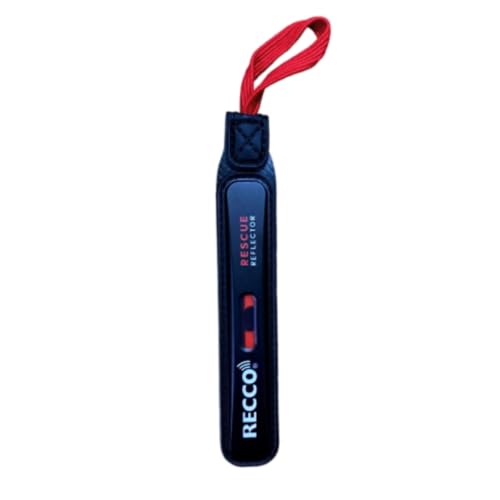
- ✓ Lightweight and unobtrusive
- ✓ No power required
- ✓ Broad rescue compatibility
- ✕ Not a standalone beacon
- ✕ Requires external detectors
| Technology | RECCO reflector embedded in backpack accessory |
| Weight | 4 grams |
| Power | Battery-free; no power required |
| Searchability Method | Reflector detectable by RECCO handheld and helicopter detectors via radar echo |
| Intended Use / Mounting Method | Designed to mount on backpack carry loop with pull-through elastic; universal outdoor backpack compatibility |
| Operational Scope | Applicable for winter (skiing/snowboarding) and summer outdoor activities (hiking, mountain biking); not a substitute for avalanche transceivers |
You’re packing for a winter ascent and you spot that familiar nagging worry: what if I get separated, or buried, and no one can find me fast? The RECCO Backpack Rescue Reflector sits perched on the top of your pack, barely heavier than a spare carabiner.
Its four-gram frame feels almost invisible, yet it instantly changes how you feel about safety on the trail.
You clip it to the carry loop with a simple pull-through elastic, and it sits flat against the fabric. The first time you test it, you don’t hear a thing—until you imagine a detector sweeping the slope.
It’s a reassuring quietness, knowing responders can pick you up without needing to power it or recharge.
In real use, the lack of moving parts is a win. No batteries, no on/off switch, just a metal-to-radar echo that guides rescuers.
You’ll find it’s compatible with both handheld detectors and helicopter systems, which is comforting when you’re traversing open terrain or venturing beyond marked trails.
The reflector isn’t a substitute for an avalanche beacon, but it adds a valuable backup layer. You notice how sturdy the pull-through elastic feels after a few zips along the trail; it’s not flapping in the wind, and it stays positionally reliable as you move.
Overall, this tiny add-on delivers tangible peace of mind. It’s exactly the kind of simple, low-maintenance safety tool that makes longer trips feel a little less risky.
What Key Features Should You Look for in a Search and Rescue Backpack?
When searching for the best backpack for search and rescue, several key features are essential for effectiveness and efficiency.
- Durability: A search and rescue backpack must be made from high-quality, tear-resistant materials such as nylon or polyester, which can withstand harsh environments. This durability ensures that the backpack can handle heavy loads and resist wear and tear during rigorous activities.
- Capacity: The backpack should have adequate space to carry essential gear, tools, and supplies. A capacity of 50 to 80 liters is often ideal, allowing rescuers to pack everything needed for extended missions without compromising on organization.
- Comfort and Fit: A well-designed backpack should have adjustable shoulder straps, a padded hip belt, and a ventilated back panel to ensure comfort during long periods of wear. A good fit helps distribute weight evenly, reducing fatigue and the risk of injury.
- Accessibility: Look for features such as multiple compartments, side pockets, and front-loading designs that allow quick access to gear. This is crucial in emergencies where time is of the essence, enabling rescuers to grab what they need swiftly.
- Weather Resistance: A backpack that is water-resistant or comes with a rain cover is vital for protecting gear from the elements. This feature helps ensure that essential equipment remains dry and functional, regardless of weather conditions encountered during missions.
- Attachment Points: Having loops, D-rings, or MOLLE webbing allows for additional gear to be attached externally, such as flashlights, first aid kits, or climbing gear. This versatility is beneficial for quick access and maximizing space within the main compartment.
- Reflective Elements: Incorporating reflective strips or patches enhances visibility in low-light conditions, which is critical for search and rescue operations. This feature not only keeps the rescuer visible to others but also aids in locating individuals during nighttime missions.
What Size Should a Search and Rescue Backpack Be for Optimal Use?
The size of a search and rescue backpack can greatly affect efficiency and comfort during operations.
- Small (20-30 liters): Ideal for short missions or when minimal gear is required, these backpacks are lightweight and allow for quick movement.
- Medium (30-50 liters): This size is versatile and commonly used for day trips, providing ample space for essential gear while remaining manageable.
- Large (50-70 liters): Suitable for extended missions, these backpacks can hold a substantial amount of equipment, food, and water, but may be bulkier to carry.
- Extra Large (70+ liters): Designed for multi-day expeditions, these backpacks have the capacity to accommodate extensive supplies and specialized gear, though they require careful packing to maintain balance.
Small backpacks are best for quick, agile operations where speed is crucial. They typically feature fewer pockets and compartments, which can be advantageous in preventing the user from overpacking. However, they limit the amount of gear you can carry, making them unsuitable for longer missions.
Medium-sized backpacks strike a balance between capacity and portability, making them a popular choice among search and rescue teams. They often include organizational pockets that help in categorizing gear, ensuring quick access to necessary items during critical moments.
Large backpacks provide additional space for essential items like first aid kits, navigation tools, and extra clothing, which can be vital for prolonged search efforts. While they offer increased storage, the added weight requires the user to be physically fit and accustomed to carrying heavier loads.
Extra large backpacks are the go-to for comprehensive missions where multiple supplies and gear are necessary. While they can carry a significant amount of weight, they often come with adjustable suspension systems to help distribute the load evenly, which is essential for maintaining comfort over long distances.
What Types of Materials Provide Durability for Search and Rescue Backpacks?
The best materials for search and rescue backpacks emphasize durability and functionality in challenging environments.
- Ballistic Nylon: This heavy-duty fabric is known for its resistance to abrasions, tears, and punctures, making it an ideal choice for rugged outdoor use. Originally developed for military applications, ballistic nylon maintains its integrity under significant stress and harsh conditions.
- Cordura Fabric: Renowned for its durability and resistance to wear and tear, Cordura fabric is often used in high-performance outdoor gear. Its lightweight yet tough nature allows backpacks made from this material to withstand rough handling and exposure to the elements.
- Ripstop Nylon: This material features a unique woven structure that incorporates thicker threads at regular intervals, preventing tears from spreading. Ripstop nylon is lightweight and offers excellent water resistance, making it suitable for unpredictable weather conditions during search and rescue missions.
- Polyester: While generally not as strong as nylon, high-denier polyester can provide decent durability and is often treated for UV and water resistance. Its affordability and variety of colors make it a popular choice for less demanding applications, while still offering reasonable performance in search and rescue scenarios.
- TPU Coated Fabrics: These fabrics feature a thermoplastic polyurethane coating that enhances waterproofing and abrasion resistance. The TPU layer adds an extra level of durability, making backpacks suitable for wet or muddy environments commonly encountered during rescue operations.
- Mesh Panels: While not a primary material for the main body of the backpack, durable mesh can be used in pockets and compartments for ventilation and weight reduction. High-strength mesh is designed to withstand tearing and is useful for holding gear securely while allowing air circulation.
Which Brands Are Recognized for Their Search and Rescue Backpacks?
Some of the best brands recognized for their search and rescue backpacks include:
- Osprey: Known for their innovative designs, Osprey backpacks offer excellent weight distribution and comfort, making them ideal for long missions in the field. Their AirScape back panel provides ventilation, while features like hydration reservoirs and ample storage options enhance functionality.
- Gregory: Gregory backpacks are celebrated for their durability and user-friendly features tailored for outdoor activities. Their adjustable harness systems ensure a custom fit, and they often come with multiple compartments, allowing for organized storage of rescue gear and supplies.
- Deuter: Deuter is renowned for its rugged and reliable backpacks that are designed to withstand harsh conditions. Their backpacks typically feature a robust frame and load adjustment systems, making them suitable for carrying heavy loads over challenging terrains.
- Arc’teryx: Arc’teryx backpacks are crafted with high-performance materials and a focus on technical functionality, appealing to professional rescuers. Their designs often include weather-resistant fabrics and streamlined shapes, ensuring that essential items are easily accessible in emergencies.
- Black Diamond: Black Diamond specializes in climbing and outdoor gear, and their backpacks are well-suited for search and rescue operations in mountainous areas. They feature attachment points for climbing gear and are designed for stability and ease of movement during high-intensity missions.
- REI Co-op: REI Co-op offers a range of versatile backpacks that are both functional and budget-friendly. Their designs include features like multiple pockets, hydration compatibility, and a focus on comfort, making them a great choice for volunteer search and rescue teams.
How Do You Choose the Right Search and Rescue Backpack for Your Mission?
Choosing the right search and rescue backpack is essential for efficiency and safety during missions.
- Size and Capacity: Consider the volume of the backpack based on the duration of the mission and the amount of equipment you need to carry.
- Durability and Material: Look for backpacks made from high-quality, weather-resistant materials that can withstand harsh conditions.
- Comfort and Fit: Ensure the backpack has adjustable straps, a padded back, and hip belts for comfort during long hours of wear.
- Accessibility and Organization: Choose a design that offers multiple compartments and easy access to gear, allowing for quick retrieval during emergencies.
- Weight Distribution: Opt for backpacks that distribute weight evenly, reducing fatigue and improving mobility during rescue operations.
- Color and Visibility: Bright colors or reflective materials can enhance visibility in low-light conditions, making it easier for team members to locate each other.
When selecting the size and capacity, think about how long you will be out in the field and what gear is essential for the mission. Backpacks with a capacity of 50-70 liters are often ideal for multi-day missions, while smaller packs may suffice for short, rapid deployments.
Durability and material are critical, as search and rescue operations may involve rugged terrain and unpredictable weather. Look for backpacks made from nylon or polyester with reinforced stitching and waterproof coatings to ensure longevity and protection for your gear.
Comfort and fit play a vital role, especially when carrying heavy loads over long distances. A well-fitted backpack with adjustable straps and a supportive design will help prevent strain and allow for better mobility during a rescue.
Accessibility and organization are crucial features, as the ability to quickly find and deploy equipment can make a significant difference in emergency situations. Backpacks with multiple pockets, external attachment points, and quick-release mechanisms can enhance efficiency.
Weight distribution affects your stamina and agility while on the move. Look for backpacks designed with frames and load-lifting systems that keep the weight close to your body, helping to maintain balance and reduce the risk of injury.
Color and visibility are important aspects, especially in chaotic environments where quick identification is vital. Opting for backpacks in bright colors or those with reflective strips can enhance safety by making it easier for team members to keep track of each other during operations.
How Can the Right Backpack Improve Your Efficiency in Search and Rescue Operations?
A hydration system is vital for keeping rescuers hydrated, particularly during lengthy operations. Having a built-in reservoir or easy access to water bottles allows for on-the-go hydration without needing to stop and unpack.
Attachment points are practical features that provide versatility for carrying extra gear. This allows rescuers to secure items externally, freeing up internal space for other essential tools while ensuring that everything is easily accessible when needed.
Related Post: