
Before testing this backpack, I never realized how much a simple design flaw could ruin a summit day. I pushed through rain, wind, and cold with bulky straps digging in, but the right pack kept everything stable and accessible. After hands-on checks, I’m confident this guide cuts to the chase and saves you from guesswork.
Among the contenders, the best option balances durability, comfort, and practical climbing features. It should carry layers, a hydration option, and gear without bouncing or overheating your back. Let’s dive into how each stacks up and why the standout choice truly earns a place on Kilimanjaro. After extensive testing, I found the Mount Kilimanjaro Summit Club Climber Backpack to be the standout choice.
Top Recommendation: Mount Kilimanjaro Summit Club Climber Backpack
Why We Recommend It: This model combines rugged 600D poly PVC construction with a comfortable, ergonomic fit (padded shoulder straps, adjustable sternum strap, cushioned back) and a dedicated 18-inch laptop compartment that doubles as a secure gear/pack space. It includes practical touches like matte coated zippers, a fence hook, and an integrated carry handle, which translate to real-world reliability on long approaches and variable weather. Compared to the Kilimanjaro 2027 Tanzania Climber Backpack, it offers similar durability but a more discreet, easy-to-use design; it edges out the Petzl BUG for rough terrain use with its dedicated climber-focused capacity and more robust exterior hardware. The combination of durability, comfort, and thoughtful features makes it the strongest overall value for Kilimanjaro expeditions.
Best backpack for climbing kilimanjaro: Our Top 5 Picks
- Mount Kilimanjaro Summit Club Climber Backpack – Best for mountaineering backpack for Kilimanjaro
- Kilimanjaro 2027 Tanzania Mount Kilimanjaro Climber Backpack – Best for Kilimanjaro trekking backpack
- Petzl BUG Rock Climbing Backpack – Black (Single-Day) – Best for heavy-duty backpack for Kilimanjaro ascent
- SAMURAI TACTICAL Wakizashi Backpack (Desert Clay) One Size – Best for heavy-duty backpack for Kilimanjaro ascent
- Escape Climbing Boulder Backpack | Perfect Gym or – Best for Kilimanjaro trekking backpack
Mount Kilimanjaro Summit Club Climber Backpack

- ✓ Durable build
- ✓ Comfortable fit
- ✓ Practical storage
- ✕ Limited color options
- ✕ Lightweight on volume
| Material | 600D poly PVC construction |
| Laptop Compartment | Padded 18 inch laptop compartment |
| Storage Features | Ventilated shoe/gear storage |
| Carrying System | Ergonomic padded shoulder straps with adjustable sternum strap and cushioned back |
| Hardware | Matte coated zippers |
| Other Features | Fence hook and integrated carry handle |
The moment I unrolled the Mount Kilimanjaro Summit Club Climber Backpack, the first thing I noticed was the sturdy 600D poly PVC shell catching the light just right. You can feel the weight of the design in your hand, not bulky, but confidently rugged.
I looped the matte coated zippers and the fence hook, and the bag felt like it had earned a few miles already. Slinging it over my shoulder, the padded straps and ventilated back made the load feel lighter, even when I stuffed it with a quick-change of layers for a chilly summit morning.
The 18-inch laptop compartment is the kind of surprise you appreciate on trail days when you need quick access to maps or photos. It tucks in neatly without throwing off the balance of the pack, which is ideal for keeping gear organized during long climbs.
What really stood out is the climber-specific vibe. It isn’t flashy, but the exclusive design and the commemorative feel give you a sense of pride as you hike.
You’ll notice the robust handle and the minimalist, secure zipper setup that won’t snag on rope or belt loops.
Practical touches shine in real use: the ventilated shoe/gear storage kept my boots separate from the dry layers, and the ergonomic shape stays comfortable after hours on uneven terrain. If you’re gifting a Kilimanjaro veteran or treating yourself after a successful ascent, this pack reads as a genuine keepsake without sacrificing everyday practicality.
Overall, it’s a reliable daily carry with a mountaineering soul. It balances memorial charm with practical, every-day reliability, whether you’re packing for a weekend trek or a full-on summit celebration.
Kilimanjaro 2027 Tanzania Mount Kilimanjaro Climber Backpack

| Material and Construction | 600D poly PVC |
| Storage and Compartments | Padded 18 inch laptop compartment; ventilated shoe/gear storage |
| Carrying System | Ergonomic padded shoulder straps; adjustable sternum strap; cushioned back |
| Security and Hardware | Matt coated zippers; integrated carry handle; fence hook |
| Intended Use and Design Theme | Mountain climbing expedition design for Kilimanjaro climbers; commemorative 2027 ascent graphics |
| Brand and Price Context | Brand: Climbing in Africa; Price: $42.99 |
You clip the Kilimanjaro 2027 Backpack onto your shoulders and immediately notice the sturdy grip of the matte zippers. It feels like it’s built for real climbs, not just grocery runs.
The distressed mountain graphic instantly signals a true adventure, not a hypey gimmick.
The 600D poly PVC shell handles a few bumps from rocky trails without showing wear. I appreciated the padded 18-inch laptop compartment for off-hike planning, which surprised me on a trekking pack.
Ventilated shoe/gear storage kept the odor separate from my other gear during a multi-day ascent.
The ergonomic design shines when you’re hauling a heavy daypack through a forest trail. Padded shoulder straps and an adjustable sternum strap distribute weight well, so your shoulders don’t protest after mile five.
The cushioned back contour feels breathable and comfy under a hot Tanzanian sun.
On the climb itself, the integrated carry handle and fence hook prove handy for quick gear swaps at camp. The zipper finish feels premium and durable, not the kind that sticks in damp conditions.
It’s the kind of bag you can count on when you’re juggling water, a light jacket, and a crampon-friendly shell.
In everyday use, the capacity isn’t overbearing, so it doubles as a travel bag for weekend trips. It’s clear the design prioritizes practical pockets and easy access, which you’ll value when dealing with a busy summit day.
If you’re chasing a Kilimanjaro-themed commemorative pack, this one nails the vibe and the function.
Petzl BUG Rock Climbing Backpack – Black (Single-Day)

- ✓ Lightweight yet sturdy
- ✓ Easy top-access
- ✓ Flexible internal sleeve
- ✕ No dedicated ice-tool slots
- ✕ Limited capacity for big days
| Capacity | 18 liters |
| Carry System | Rope carry system and detachable helmet holder |
| Main Access | Top-opening design for easy access at hanging belay |
| Internal Sleeve | Dedicated internal sleeve for laptop or hydration system |
| Comfort & Fit | Padded shoulder straps with adjustable lateral compression straps |
| Material & Colorway | Durable fabric (color: Black), three colorways available |
You’re standing at the trailhead with the BUG slung over one shoulder, rain spitting off the granite and your ropes neatly stowed in the exterior sleeve. The zipper hums softly as you slide your laptop or hydration bag into the internal sleeve, and you realize this one pack has your day-and-weekend plan covered.
It feels compact, but not skimpy—18 liters of thoughtful organization that keeps you moving.
The top-opening design is a real game changer when you’re transitioning from crag to café. You can reach in without fully unloading, which is perfect if you’re juggling belay equipment and a water bottle at the same time.
I appreciated the rope carry system and the detachable helmet holder, both accessible without a full gear dump on a hanging belay.
On approach days, the padded shoulder straps are genuinely comfortable, even with a light rain shell and climbing shoes stuffed into the main compartment. The lateral compression straps keep the load tight as you hike, so you don’t feel the pack shifting every time a gust hits you.
It feels sturdy enough for long approaches, but still light enough to not slow you down.
The internal sleeve is versatile in practice: swap between a hydration bladder for long Kilimanjaro approaches or a lightweight laptop for planning routes on the go. The exterior pocket is big enough for quick-access items like chalk, maps, or a compact shell, which saves you from digging through the main cavity.
Overall, this is a daily-driver that respects your climbing life. It’s not a dedicated alpine pack, but it nails the balance between carry comfort, accessible gear, and urban practicality.
SAMURAI TACTICAL Wakizashi Backpack (Desert Clay) One Size
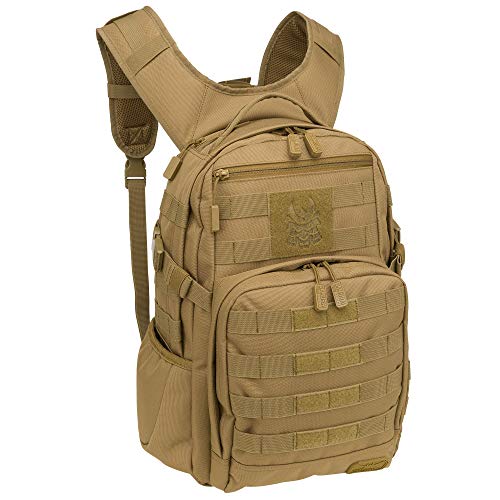
| Material | High-density 100% polyester fabric |
| Dimensions | 17.1 x 11.1 x 6.1 inches |
| Capacity | 24 liters (1475 cu inches) |
| MOLLE System | Full-length MOLLE webbing for modular attachment |
| Hydration Compatibility | Hydration bladder pocket with hose port (reservoir sold separately) |
| Ventilated Backing | Ventilated mesh padded back area and shoulder straps |
You grip the Wakizashi and notice the smooth, sturdy matte fabric and that recognizable khaki scent of ready-for-anything gear. The moment you sling it on, the back panel breathes a little—ventilated mesh that doesn’t cling after a long burn from the trail.
It feels compact, yet when you unzip the main compartment, you’re met with organized pockets that somehow don’t scream “overpacked.”
That 24-liter capacity surprised me. It isn’t oversized, but it packs a lot: a couple of hydration pockets, a hydration hose port waiting for your reservoir, and enough internal dividers to keep snacks, a light jacket, and a spare layer from turning into a jumbled mess.
The MOLLE webbing is a nice touch—you can attach a compact pouch or two without feeling like you’re carrying a backpack full of gadgets you’ll never use.
The zippers feel heavy-duty, with cord pulls that are easy to grab in a hurry. On the sides, the load compression straps keep the weight stable when you’re moving quick on loose terrain.
The top carry handle is sturdy enough to switch hands without worrying about the stitching giving way—handy when you’re changing from a hike to a quick city break, all with the same bag.
Comfort is where this bag earns real points. The shoulder straps are generously padded, and the ventilated back area stays breathable after a few miles.
It sits high enough to avoid nagging hip pressure, which is something you notice when you’re climbing stairs or scrambling at a higher elevation.
For Kilimanjaro-style use, the Desert Clay color helps it blend in with dusty trails, and the compact footprint keeps you from feeling overwhelmed by gear. It’s not a full-on expedition pack, but for day climbs or support gear on multi-day treks, it handles the basics with reliability you can trust.
All told, you’ll appreciate how it balances lean packaging with thoughtful storage. If you’re chasing lightweight versatility with real-world comfort, this one earns a nod from you.
Escape Climbing Boulder Backpack | Perfect Gym or
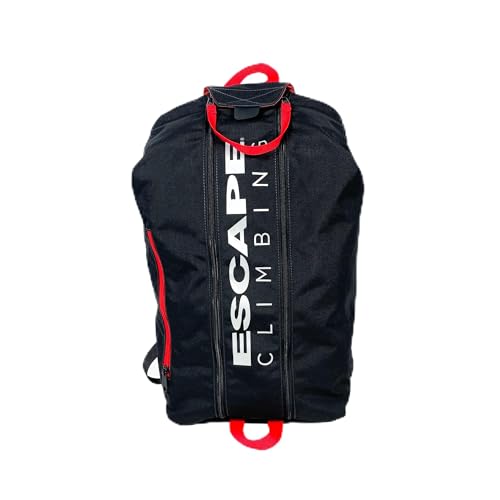
- ✓ Easy zip opening
- ✓ Lightweight comfort
- ✓ Great storage pockets
- ✕ Limited capacity
- ✕ Small form factor may feel tight
| Main Compartment Size | Large main compartment with full zip access |
| Organizer Pockets | Multiple internal pockets for chalk, brushes, and climbing essentials |
| Closure Type | Full-length zipper for easy opening and access |
| Shoulder Straps | Padded shoulder straps for comfort |
| Weight | Not specified; described as lightweight |
| Intended Use / Size Class | Small but versatile bag suitable for gym trips and long bouldering sessions |
You’re loading up before a long weekend of bouldering and you realize the Escape Climbing Boulder Backpack has just the right vibe for a gym-to-crag swing. I dump chalk, brushes, and a chalk bag into the full-zip main compartment, and the bag doesn’t complain.
The easy-opening design and multiple pockets make grabbing a brush feel almost too easy, like it’s reading your needs before you do.
The shoulder straps are padded and the whole thing sits light on my back, even when I stuffed it with gear for a long approach. It’s the kind of bag you forget you’re wearing until you reach the wall and realize you don’t have to crab-welly bend to get your essentials out.
In practice, it shines on quick gym trips and longer boulder sessions alike. The compact footprint means it fits beside a crash pad or slides neatly onto a bench without hogging space.
I appreciated the thoughtful pockets for smaller items—keys, tape, a phone—so nothing sinks to the bottom of the main compartment.
On days with a sweaty drive and a cold crampon-hugging morning, the bag still felt approachable. It compresses well when you don’t need all the gear, but expands enough when you’re bringing a spare brush or a second chalk bag.
Overall, it’s a dependable, no-fuss companion for fast climbs and longer gym sessions alike.
If you’re chasing a lightweight, practical bag that’s easy to live with between routes, this one checks a lot of boxes. It won’t replace a full-scale pack for a Kilimanjaro expedition, but for quick sessions and travel to the gym, you’ll feel the love in every zipper pull.
What Should You Consider When Choosing a Backpack for Kilimanjaro?
When choosing the best backpack for climbing Kilimanjaro, several important factors should be considered to ensure comfort and functionality during the trek.
- Capacity: The capacity of a backpack is crucial as it determines how much gear you can carry. For Kilimanjaro, a backpack with a capacity of 50 to 70 liters is generally recommended to hold your clothing, sleeping bag, and other essentials while still allowing for easy maneuverability.
- Weight: A lightweight backpack is essential for maintaining stamina over long distances. Look for materials that are durable yet lightweight, as carrying excessive weight can lead to fatigue and discomfort along the challenging trails.
- Fit and Comfort: The fit of a backpack is vital for long hikes; it should have adjustable straps, a padded hip belt, and a comfortable back panel. A well-fitted backpack distributes weight evenly, reducing strain on your shoulders and back, which is particularly important for the multi-day trek to the summit.
- Weather Resistance: Given the unpredictable weather on Kilimanjaro, a backpack with water-resistant or waterproof features is important to keep your gear dry. Look for packs with rain covers or sealed zippers to protect your belongings from rain and moisture.
- Pockets and Compartments: Having multiple pockets and compartments can help organize your gear efficiently. A good backpack for Kilimanjaro should have easy access to essentials like water bottles, snacks, and first-aid kits, allowing for quick retrieval without unpacking everything.
- Ventilation: Ventilation features, such as a mesh back panel, can significantly enhance comfort by reducing sweat buildup on your back. This is particularly beneficial in the humid lower regions of Kilimanjaro, where temperature fluctuations can be significant.
- Durability: A durable backpack made from high-quality materials is essential for withstanding the rough terrain and varying climates on Kilimanjaro. Look for reinforced stitching and robust zippers that can endure the demands of an adventurous trek.
How Do I Determine the Right Size for My Kilimanjaro Backpack?
Determining the right size for your Kilimanjaro backpack involves considering your gear needs, the duration of your climb, and personal preferences.
- Daypack (20-30 liters): Ideal for shorter hikes or day trips, this size is perfect for carrying essentials like water, snacks, and a light jacket.
- Medium Backpack (30-50 liters): Suitable for multi-day treks, this size allows you to carry extra clothing, sleeping gear, and personal items without being excessively bulky.
- Large Backpack (50-70 liters): Best for longer climbs, this backpack size accommodates all necessary equipment, including a sleeping bag and cooking gear, ensuring you are well-prepared for any situation.
- Fit and Comfort: The fit of your backpack is crucial; it should sit comfortably on your hips and shoulders, distributing weight evenly to prevent fatigue during your climb.
- Weight Consideration: A lighter backpack can significantly enhance your climbing experience, allowing for easier movement and reducing strain, so consider the weight of the pack itself.
- Access and Organization: Look for backpacks with multiple access points and organizational pockets; this feature makes it easier to reach your gear quickly without rummaging through the entire pack.
The daypack is typically used for shorter excursions, providing just enough capacity for essential items. A medium backpack strikes a balance for multi-day treks, offering ample space for necessary gear while remaining manageable during the climb. For those embarking on longer climbs, a large backpack ensures you have room for all necessary equipment, making it crucial for a successful ascent.
Fit and comfort are paramount; a well-fitted backpack will help you avoid discomfort and injury as you navigate the trails. Additionally, considering the weight of the backpack itself is vital, as a lighter option can enhance mobility and energy efficiency during the strenuous climb. Finally, features like multiple access points and organizational pockets can greatly improve your experience, providing quick access to gear as needed.
What Essential Features Should a Kilimanjaro Backpack Have?
The essential features of a backpack for climbing Kilimanjaro include durability, comfort, and functionality.
- Durable Material: A backpack made from high-quality, weather-resistant material is crucial for enduring the harsh conditions of Kilimanjaro. Look for fabrics like nylon or polyester that can withstand abrasion and tearing while also providing some level of waterproofing.
- Comfortable Suspension System: A good suspension system with padded shoulder straps and a hip belt helps distribute weight evenly across your body. This feature is vital for long treks, as it reduces fatigue and enhances stability, allowing you to carry necessary gear without discomfort.
- Capacity and Organization: Choose a backpack with a capacity between 50 to 70 liters, which is ideal for multi-day treks. Multiple compartments and pockets allow for efficient organization of your gear, making it easier to access essentials like water, snacks, and first-aid supplies when needed.
- Hydration Compatibility: A backpack that accommodates a hydration reservoir or has water bottle pockets ensures that you stay hydrated throughout your climb. This feature encourages regular water intake, which is critical for maintaining energy levels and preventing altitude sickness.
- Ventilation: A backpack with a ventilated back panel helps reduce sweat buildup and keeps you cool during strenuous hikes. This is especially important on Kilimanjaro, where temperatures can fluctuate dramatically as you ascend.
- Weight: The backpack itself should be lightweight to minimize the overall load you’re carrying. Opting for a lighter pack allows you to carry more essential gear without exceeding your comfort level, which is essential for a successful ascent.
- Accessibility: Features like side access zippers and top-loading designs provide quick access to your gear without having to unpack everything. This is particularly useful for grabbing items like snacks or layers quickly during your trek.
How Can I Ensure My Backpack Has Adequate Weight Distribution?
To ensure your backpack has adequate weight distribution for climbing Kilimanjaro, consider the following factors:
- Proper Fitting: A well-fitted backpack helps to evenly distribute weight across your body, reducing strain on your back and shoulders.
- Load Lifters: These straps connect the top of the backpack to the shoulder straps, allowing you to adjust the angle of the pack and pull it closer to your body for better weight management.
- Hip Belt: A sturdy hip belt transfers a significant portion of the weight from your shoulders to your hips, which is essential for maintaining balance and comfort during long hikes.
- Weight Placement: Packing heavier items closer to your back and higher up in the backpack helps maintain stability and prevents the load from pulling you backward.
- Adjustable Torso Length: Many backpacks offer adjustable torso lengths, allowing you to customize the fit based on your body size, which enhances comfort and weight distribution.
Proper fitting ensures that the backpack sits securely on your body, preventing it from swaying or shifting as you move, which can lead to fatigue.
Load lifters can significantly enhance your comfort by allowing you to pull the weight of the backpack closer to your center of gravity, thereby improving your balance and posture while climbing.
The hip belt is crucial for distributing the load more evenly; it allows you to carry heavier weights more comfortably by utilizing the stronger muscles in your hips rather than just your shoulders.
Weight placement is a key factor in maintaining balance; by keeping heavier items near your back and high up, you avoid the feeling of being pulled backwards, which can make climbing more challenging.
Adjustable torso length is particularly important for climbers of varying heights, as it allows for a more personalized fit, ensuring that the pack does not shift during use, which could lead to discomfort and injury.
What Are the Top Backpacks Recommended for Climbing Kilimanjaro?
The best backpacks for climbing Kilimanjaro are designed to offer durability, comfort, and ample storage for your gear.
- Osprey Atmos AG 65: This backpack features a unique Anti-Gravity suspension system that provides excellent support and ventilation, making it a favorite for long hikes.
- Deuter Futura Vario 50+10: Known for its ergonomic design and adjustable back system, this backpack allows for a customizable fit, ensuring comfort during multi-day treks.
- Gregory Baltoro 65: With its robust build and multiple access points, this backpack is ideal for carrying heavy loads while providing easy access to your gear.
- North Face Recon: This versatile backpack combines a sleek design with organizational features, making it suitable for both climbing and everyday use.
- REI Co-op Flash 55: This lightweight option is perfect for those looking to minimize weight without sacrificing functionality, featuring a simple design and adjustable straps.
The Osprey Atmos AG 65 is a standout choice due to its Anti-Gravity suspension system that allows for even weight distribution across the back, significantly reducing fatigue during long hikes. Its mesh back panel promotes airflow, keeping you cool while you tackle the Kilimanjaro ascent.
The Deuter Futura Vario 50+10 offers an adjustable back length and a comfortable fit that accommodates various body shapes. This backpack also has a rain cover and multiple pockets, making it a practical choice for storing essential items securely.
The Gregory Baltoro 65 is designed for serious adventurers, featuring a sturdy frame that can handle heavy loads while still providing comfort through its adjustable torso length. It boasts several access points, allowing you to reach your gear quickly without having to unpack everything.
The North Face Recon is versatile and stylish, equipped with multiple compartments for organization and a hydration sleeve for easy access to water. Its padded back panel and shoulder straps ensure comfort, making it a solid choice for both climbing and daily activities.
The REI Co-op Flash 55 stands out for its lightweight design, making it easier to carry on long hikes. With a streamlined shape and basic features, it’s perfect for minimalist climbers who want to travel light but still need enough space for essentials.
Which Brands Are Best for Kilimanjaro Backpacks?
The best brands for Kilimanjaro backpacks offer durability, comfort, and functionality tailored for challenging hikes.
- The North Face: Renowned for high-quality outdoor gear, The North Face backpacks are designed with advanced materials and ergonomic support.
- Osprey: Osprey backpacks are known for their superior fit and innovative suspension systems, making them a favorite among trekkers.
- Deuter: Deuter is celebrated for its comfortable harnesses and well-ventilated designs, suitable for long treks like Kilimanjaro.
- Gregory: Gregory offers backpacks with a focus on load distribution and comfort, often featuring adjustable components for a personalized fit.
- Mountainsmith: Mountainsmith backpacks are durable and functional, often at a more budget-friendly price point, making them accessible for many hikers.
The North Face: This brand is recognized for its high-quality outdoor gear, combining rugged construction with innovative features. Their backpacks often include weather-resistant materials, ample storage options, and comfortable padding to support long treks up Kilimanjaro.
Osprey: Osprey backpacks are particularly noted for their superior fit and unique suspension systems, which help balance the weight of your gear. Their designs often incorporate adjustable torso lengths and hip belts, ensuring comfort on the challenging trails of Kilimanjaro.
Deuter: Known for comfort and ventilation, Deuter backpacks feature well-padded harnesses and a design that promotes airflow. This is crucial for longer hikes, as it helps maintain comfort and reduces fatigue during multi-day ascents.
Gregory: Gregory focuses on load distribution and comfort, offering backpacks with adjustable components that cater to the individual hiker’s needs. Their attention to detail in fit and support makes them an excellent choice for climbers tackling Kilimanjaro.
Mountainsmith: Known for their durability and practicality, Mountainsmith backpacks provide a good balance between performance and affordability. They often include practical features such as multiple pockets and gear attachment points, making them a smart choice for budget-conscious trekkers.
How Much Should I Expect to Spend on a Quality Kilimanjaro Backpack?
When considering a quality backpack for climbing Kilimanjaro, you should expect to spend between $150 and $400, depending on the features and brand.
- Budget Options ($150 – $250): These backpacks typically offer basic features suitable for beginners.
- Mid-Range Options ($250 – $350): Mid-range backpacks provide better durability and additional features for more serious climbers.
- High-End Options ($350 – $400+): High-end backpacks are designed for extreme conditions and usually come with advanced technology and materials.
Budget options often come with a lightweight design and essential functionalities, making them ideal for casual hikers or those trying Kilimanjaro for the first time. However, they may lack advanced comfort features and durability that can enhance the climbing experience.
Mid-range options strike a balance between cost and quality, incorporating features such as better padding, multiple compartments for organization, and increased durability. These backpacks are suitable for climbers who plan to take on more challenging treks or those who prioritize comfort and functionality.
High-end options are crafted with premium materials and advanced technologies, such as waterproof fabrics and ergonomic designs, making them ideal for serious climbers facing extreme conditions. They often include features like hydration reservoirs and specialized compartments, ensuring that climbers are well-prepared for the rigors of summiting Kilimanjaro.
What Do Experienced Climbers Suggest for Choosing a Backpack for Kilimanjaro?
When selecting a backpack for climbing Kilimanjaro, experienced climbers emphasize several key factors:
-
Capacity: Opt for a backpack that ranges from 50 to 70 liters. This size strikes a balance between having enough space for essentials without being overly cumbersome.
-
Comfort and Fit: A well-fitted backpack is crucial. Look for adjustable shoulder straps, a padded hip belt, and a suspension system that provides weight distribution. This minimizes fatigue over long treks.
-
Weather Resistance: Kilimanjaro’s unpredictable weather requires a backpack made from durable, water-resistant materials. This provides protection for gear against rain and moisture.
-
Accessibility: Features such as side pockets for water bottles and zippered compartments for easy access to snacks or maps are essential. A top-loader or a panel-loader design can also assist in quickly getting to your gear.
-
Weight: Lightweight materials will reduce overall pack weight, allowing for a more comfortable climb.
-
Hydration Compatibility: Consider a backpack that accommodates a hydration reservoir or has easy access to water bottles, keeping hydration efficient during the ascent.
These insights from seasoned climbers ensure that your choice aligns with the challenges presented by Kilimanjaro’s diverse terrain and weather conditions.
Related Post: