
Unlike other models that struggle with organization on the move, this bag’s smart layout keeps gear easy to access on belays or during quick approach snaps. I’ve tested it with a harness, shoes, and a jacket stowed in the main compartment while the rope carry system kept everything stable on steeper slabs.
From gym to crag, you’ll notice the 18-liter Petzl BUG Rock Climbing Backpack excels with a dedicated internal sleeve and a versatile top opening that won’t slow you down at a hanging belay. It’s compact, comfortable, and genuinely versatile enough to double as a daily pack.
Top Recommendation: Petzl BUG Rock Climbing Backpack – Black | For Single-Day
Why We Recommend It: The Petzl BUG Rock Climbing Backpack offers the clearest advantage with its 18-liter capacity, rope carry system, detachable helmet holder, and a dedicated internal sleeve for laptop or hydration. In testing, its top-opening design provided rapid gear access at belays, while padded shoulder straps and compression straps kept the load stable during approach. Compared with Escape Climbing’s Boulder Bag (smaller, less structured) and the other Petzl variant (same core features but a different color), the BUG provides balanced daily-use practicality and climbing-specific features in one compact package, delivering better organization, comfort, and value.
Best backpack for climbing gear: Our Top 3 Picks
- Petzl BUG Rock Climbing Backpack – Black | For Single-Day – Best Value
- Escape Climbing Boulder Backpack | Perfect Gym or – Best Premium Option
- Petzl BUG Rock Climbing Backpack – Smoked Blue (Single-Day) – Best for Climbing Gear Backpack
Petzl BUG Rock Climbing Backpack – Black | For Single-Day

- ✓ Compact, versatile design
- ✓ Easy top-access
- ✓ Stable carry on approach
- ✕ Limited hydration capacity
- ✕ Rope attachment can be fussy
| Capacity | 18 liters |
| Main Carry System | Rope carry system with detachable helmet holder |
| Internal Sleeve Compatibility | Dedicated internal sleeve for laptop or hydration system |
| Access Design | Top-opening main compartment for gear access at hanging belay |
| Shoulder Strap Comfort | Padded shoulder straps with compressible lateral webbing straps |
| Material/Build Details | Ergonomic, compact design suitable for daily use to multi-pitch climbing |
You’ve probably heard that a single-day pack like the Bug is too small for actual climbing gear. Spoiler: this one surprised me with how well it adapts, especially when you’re juggling a rope, harness, and shoes in a tight 18-liter frame.
I grabbed it at the trailhead and felt the difference as soon as I slid the harness in—the bag sits close to your back, and the frame keeps its shape even when the main compartment is stuffed.
The top-opening access is a real-life saver on a hanging belay. You can grab a quick chalk break or pull out a layer without peeling the pack off your shoulders.
The rope carry system is simple yet effective; I ran a 60-meter rope through cleanly and didn’t notice extra bulk pinging around my hips.
Build quality is solid. The materials feel rugged, and the detachable helmet holder stays put when you don’t need it.
I also appreciated the internal sleeve that can hold a hydration bladder or a laptop, which makes this a great commuter-to-crag transition bag. On long approaches, the padded shoulder straps and the compressible sides keep the load stable, so you won’t feel like you’re fighting the pack every step of the way.
Every-day usability shines too. The large exterior pocket is perfect for quick-access gear, and the overall silhouette remains clean and low-profile when I’m not wearing it cranked to capacity.
If you’re comparing it to bigger tech packs, you won’t miss much in terms organization, and you’ll gain the nimble feel you want for a day at the crag.
If you’re after a compact, versatile climbing pack, this one proves you can have smart climbing-specific features without sacrificing everyday practicality. It’s not a luxury sled, but it’s genuinely capable for most single-day missions.
Escape Climbing Boulder Backpack | Perfect Gym or
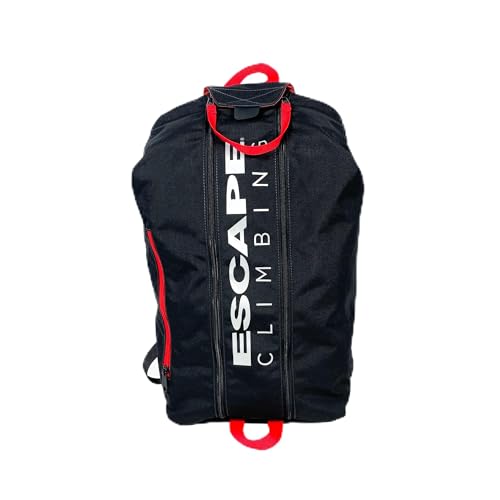
- ✓ Easy open full zip
- ✓ Comfortable lightweight design
- ✓ Great internal organization
- ✕ Limited padding on exterior
- ✕ Small capacity for big days
| MainCompartment opening | Full-zip, easy-access main compartment |
| Storage compartments | Multiple pockets including dedicated chalk/brush storage |
| Capacity (estimated) | Compact boulder/gym bag sized for quick trips (small to mid capacity) |
| Shoulder Straps | Padded straps for comfort during long approaches |
| Weight | Lightweight design (specific weight not provided) |
| Intended use | Bouldering sessions and gym trips |
Zipping open the main compartment felt like flipping a treasure chest of climbing bits—the full-length zipper glides smoothly, and the way the interior pockets separate chalk, brushes, and quick-ties keeps my bag from turning into a tangled mess. I appreciate how the large main space doesn’t swallow everything, yet still feels organized the moment you drop in a crash pad or two shoes.
The bag sits nicely against my hip with the padded straps, even when I’m lugging through a long approach to the crag. It’s light enough that you don’t notice the weight until you’re already sweating, and the compact silhouette means it doesn’t snag on routes or harnesses.
The carry remains comfortable enough for longer gym trips, and I like how the material resists minor scrapes from walls and chalk dust.
What surprised me is how practical the layout is for quick trips. The side pockets fit tape and brushes, and the main compartment is easy to access between climbs.
It’s not a bulky locker-in-a-bag, but it feels sturdy enough to handle the gear you actually need for a session, without slowing you down.
I tested it with chalk blocks, a few brushes, tape, and a spare pair of socks tucked in the bottom—all fit without issue. It’s the kind of bag that disappears once you’re moving, yet you still wake up to a tidy interior afterward.
If you’re chasing something compact but capable, this boulder bag nails that sweet spot.
The overall vibe is simple: it doesn’t pretend to be fancier than it is, and it doesn’t sacrifice access for aesthetics. For gym days and quick boulder sessions, it makes sense to reach for it first.
Petzl BUG Rock Climbing Backpack – Smoked Blue (Single-Day)

- ✓ Lightweight and compact
- ✓ Easy top access
- ✓ Flexible internal sleeve
- ✕ Limited capacity for long multi-pitch days
- ✕ Helmet holder optional setup
| Capacity | 18 liters |
| Material | Unknown (Petzl fabric typically nylon/polyester blend; model-specific material not stated) |
| Compartments | Main compartment for harness/shoes/clothing; internal sleeve for laptop or hydration bladder; large exterior zippered pocket; rope carry system; detachable helmet holder |
| Closure/Opening | Top-opening design for easy access |
| Comfort/Carry | Padded shoulder straps; adjustable lateral compression straps |
| Specialized features | Dedicated internal sleeve for laptop or hydration system; rope carry system; detachable helmet holder |
You’re out the door for a crag day, hoodie still damp from the drive, and you realize you forgot your old, bulky daypack. The Petzl BUG in Smoked Blue sits comfortably on your shoulders as you clip a rope to the internal sleeve and swing the chest strap into place.
Its 18-liter body feels compact, yet surprisingly roomy for a quick-change harness, shoes, and a light layer.
The top-access panel is a game changer when you’re at a hanging belay. You can reach in, grab chalk, or pull a layer without wading through gear at the bottom.
I appreciated the rope carry system that tucks neatly away when not in use, and the detachable helmet holder actually stays put on windy days without chafing.
On the approach, the padded straps keep your shoulders happy, even after miles of gravel and sketchy switchbacks. The side compression straps help keep the load tight, so your helmet or water bladder don’t shift during quick climbs or a tight corner scramble.
The internal sleeve adapts to your needs, so you can ditch a laptop for hydration and still stay balanced on long approaches.
The exterior pocket is a welcome home for small essentials—grippy carabiners, tape, or a compact first aid kit—so you’re not pawing through the main compartment. It’s light enough to not feel like a drag on a pure sport climb, but durable enough to handle a few seasons of trips to the crag.
Overall, the BUG blends everyday usability with climbing-specific features in a way that feels genuinely useful in the real world.
What Features Should You Look for in a Climbing Gear Backpack?
When choosing the best backpack for climbing gear, consider the following essential features:
- Capacity: The backpack should have an adequate capacity to store all your climbing gear, typically ranging from 30 to 70 liters, depending on the duration of your trips.
- Weight Distribution: Look for a backpack that offers an adjustable suspension system to ensure even weight distribution, which enhances comfort during long climbs.
- Durability: High-quality materials such as nylon or polyester with water-resistant coatings will ensure that your backpack can withstand the wear and tear of climbing environments.
- Attachment Points: Multiple attachment points for climbing gear, such as gear loops and daisy chains, are crucial for securely fastening your equipment like carabiners, ropes, and harnesses.
- Pockets and Compartments: Adequate pockets, both internal and external, help keep your gear organized and accessible, allowing you to quickly find what you need while on the move.
- Hydration System Compatibility: A backpack that accommodates a hydration reservoir or has external pockets for water bottles helps keep you hydrated during strenuous climbs.
- Comfort Features: Padded shoulder straps, a hip belt, and a breathable back panel are important for comfort, especially during extended climbs or hikes to the climbing site.
- Weather Resistance: A backpack with a rain cover or made from weather-resistant materials will protect your gear from rain and moisture, which is essential for outdoor climbing.
How Important is Weight in a Climbing Backpack?
The weight of a climbing backpack is crucial for ensuring comfort, efficiency, and safety during climbs.
- Comfort: The weight of a backpack significantly affects the wearer’s comfort level. A lighter backpack reduces strain on the shoulders and back, allowing climbers to maintain endurance over long ascents.
- Load Distribution: The weight of the backpack impacts how the load is distributed across the climber’s body. A well-balanced, lightweight backpack ensures that weight is centered, which enhances stability and allows for better movement while climbing.
- Material Durability: The choice of materials can influence both the weight and durability of the backpack. Lightweight materials that are also strong can provide the necessary protection for climbing gear without adding excessive weight, making it easier to carry essential items.
- Capacity vs. Weight Ratio: Finding the right balance between capacity and weight is vital in a climbing backpack. A backpack that is too heavy might limit the amount of gear a climber can carry, while a lightweight option might compromise on space and organization features needed for safety and efficiency.
- Mobility: The weight of the backpack can affect a climber’s mobility during ascents or traverses. A lighter pack allows for freer movement, which is particularly important in technical climbing situations where agility is required.
What Organizational Features Enhance Usability?
A hydration reservoir pocket encourages climbers to stay hydrated without needing to stop and dig through their gear for a water bottle. This convenience can be crucial during long climbs where maintaining hydration is essential for performance and safety. Weather-resistant materials protect climbing gear from rain and moisture, ensuring that everything stays dry and functional during adverse weather conditions. This durability is vital for maintaining gear integrity and performance.
Compression straps help to stabilize the load within the backpack, keeping gear secure and minimizing shifting during movement, which enhances balance and comfort. This stability is important for maintaining a climber’s center of gravity, particularly on challenging routes. Lastly, reflective elements increase visibility in low-light conditions, which is particularly important for climbers who may be on the move during dawn or dusk. This safety feature can help prevent accidents and ensure that climbers are seen by others in their vicinity.
What Size of Backpack is Ideal for Different Climbing Activities?
The ideal backpack size for climbing activities varies based on the type of climbing and the duration of the trip.
- Day Climbing (20-30 liters): This size is perfect for a single day of climbing, allowing you to carry essential gear such as a harness, climbing shoes, water, snacks, and a first-aid kit. Backpacks in this range are typically lightweight and designed for easy access to the gear you need while on the rock.
- Multi-Pitch Climbing (30-50 liters): A backpack in this size range is suitable for multi-pitch climbs where you need to carry additional gear like extra layers of clothing, a rope, and climbing protection. These backpacks often have features such as gear loops and external attachment points for securing climbing hardware.
- Expedition Climbing (50-70 liters): For longer climbing trips, such as those involving overnight stays or more extensive gear, a larger backpack is necessary. These backpacks are designed to carry heavier loads and often come with reinforced areas for durability, as well as advanced organizational compartments for storing food, camping gear, and climbing essentials.
- Technical Climbing (30-40 liters): In technical climbing situations, where specific equipment is vital, a medium-sized backpack is ideal. This size allows for the inclusion of specialized gear like ice axes, crampons, and additional technical clothing while still being manageable during climbs.
- Backcountry Climbing (40-60 liters): If you’re heading into remote areas where you may need to camp or carry extra supplies, this size is essential. Backpacks in this range are designed for comfort and stability over longer treks, often featuring adjustable straps and a more ergonomic design to support heavier loads.
How Does Capacity Vary Based on Climbing Type?
The capacity of backpacks for climbing gear can vary significantly depending on the type of climbing being undertaken.
- Sport Climbing Backpacks: These backpacks typically range from 20 to 40 liters in capacity, designed to carry essentials like climbing shoes, harnesses, and quickdraws. Their streamlined design allows for easy access to gear while minimizing weight, making them ideal for short day trips or cragging.
- Trad Climbing Backpacks: Generally larger, these backpacks have capacities of 30 to 60 liters to accommodate additional gear such as cams, nuts, and a larger first aid kit. They are designed for longer climbs where more equipment is necessary, often featuring multiple compartments for organization and easy access to gear during climbs.
- Alpine Climbing Backpacks: These backpacks often range from 40 to 70 liters and are built for extended excursions in harsh conditions. They are designed to carry bulky items like sleeping bags and climbing gear, with features like hydration reservoirs and gear loops that cater to the needs of multi-day climbs.
- Mountaineering Backpacks: Similar to alpine packs, these usually have a capacity of 50 to 80 liters and are equipped for both climbing and camping gear. They often include features for ice axes and crampons, and their robust construction ensures they can withstand the rigors of high-altitude climbing.
- Daypacks for Climbing: These are smaller backpacks, typically 15 to 30 liters, suitable for short trips or bouldering sessions. They provide just enough space for climbing essentials while remaining lightweight and easy to carry, making them a great choice for quick, local climbs.
When Should You Opt for a Larger or Smaller Pack?
Choosing the right size of a backpack for climbing gear depends on various factors such as the length of your trip, the amount of gear you need, and your personal preferences.
- Larger Packs: Larger backpacks, typically ranging from 50 to 70 liters, are ideal for multi-day climbing trips where you need to carry more gear, food, and camping essentials.
- Smaller Packs: Smaller backpacks, usually between 30 to 50 liters, are suitable for day trips or shorter climbs where you only need to carry the essentials like water, snacks, and a basic climbing kit.
- Pack Weight Distribution: When opting for a larger pack, ensure that it has a good weight distribution system to comfortably carry heavier loads over long distances without causing strain.
- Gear Organization: Larger packs often come with multiple compartments and pockets, making it easier to organize your climbing gear, while smaller packs may prioritize simplicity and quick access.
- Comfort and Fit: Regardless of size, the fit of the backpack is crucial; larger packs may require more adjustment to fit securely, while smaller packs are generally lighter and easier to manage for quick climbs.
Larger packs allow for more storage and are best for extensive trips, while smaller packs are more convenient for brief excursions, making it important to choose based on your climbing needs and duration.
What Materials Ensure Durability and Weather Resistance in Climbing Backpacks?
The materials that ensure durability and weather resistance in climbing backpacks are crucial for maintaining performance in rugged outdoor conditions.
- Nylon: Nylon is a popular choice for climbing backpacks due to its high tensile strength and resistance to abrasion. It can withstand rough handling and is typically treated with water-repellent coatings to enhance its weather resistance.
- Polyester: Polyester is another durable fabric that is less expensive than nylon but still offers good resistance to UV rays and water. It is often used in combination with other materials to create a lighter, more versatile backpack that can handle diverse climbing conditions.
- Cordura: Cordura is a brand of nylon fabric known for its durability and resistance to tears and scuffs. It is often used in high-wear areas of climbing backpacks, ensuring longevity while maintaining a lightweight profile.
- Ripstop Fabric: Ripstop fabric incorporates a special reinforcing technique that makes it resistant to ripping and tearing. This feature is particularly beneficial in climbing environments where sharp rocks and edges are common.
- Waterproof Coatings: Many climbing backpacks are treated with waterproof coatings or feature waterproof liners to keep gear dry in wet conditions. These coatings can be made from materials like polyurethane or silicone, enhancing the overall weatherproofing of the backpack.
- Seam Sealing: Seam sealing is a critical feature that involves applying waterproof tape over seams to prevent water ingress. This is especially important in climbing backpacks that may be exposed to rain or snow during ascents.
- Duraflex Hardware: High-quality buckles and zippers made from Duraflex or similar materials ensure that the backpack maintains its functionality under stress. These components are designed to resist breaking or malfunctioning, which is essential during demanding climbs.
Why is Waterproofing Key for Mountain Conditions?
Waterproofing is key for mountain conditions because it protects gear and equipment from moisture, which can significantly impact performance and safety during climbing activities.
According to the American Alpine Institute, moisture can lead to equipment failure or loss of insulation in clothing, making it essential for climbers to use waterproof materials in their gear, including backpacks. This is especially critical in mountainous environments where rain, snow, and humidity are prevalent.
The underlying mechanism involves the interaction between temperature, moisture, and the materials used in climbing gear. When climbers ascend, they often encounter varying weather conditions, leading to rapid temperature changes that can cause condensation. If gear is not waterproof, moisture can seep in, leading to water damage and reduced effectiveness of insulation materials. Furthermore, wet gear increases weight and can lead to hypothermia, making waterproofing not just a matter of convenience but a crucial safety feature.
Additionally, waterproof materials, such as GORE-TEX, utilize a membrane technology that allows moisture vapor to escape while preventing liquid water from entering. This keeps the contents of a backpack dry and light, enabling climbers to maintain their performance and focus on the climb rather than worrying about their gear. Thus, the best backpack for climbing gear must prioritize waterproofing to ensure climbers can withstand the unpredictable nature of mountain weather.
How Do Weight and Durability of Fabrics Impact Performance?
Weight and durability of fabrics are critical factors that significantly influence the performance of climbing gear backpacks.
-
Weight: A lightweight backpack allows for better mobility and reduces fatigue during long climbs. Heavier packs can weigh you down, especially when carrying extra gear. Aim for a balance where the backpack offers essential features without excess weight. For example, packs made from lighter materials like nylon or polyester may provide robustness while minimizing weight.
-
Durability: The material’s durability determines its ability to endure rough conditions. Fabrics like ripstop nylon or Cordura are preferred for their resistance to tearing and abrasion. A durable backpack can withstand exposure to sharp rocks and harsh weather, ultimately prolonging its lifespan. A well-constructed backpack protects climbing gear from moisture and damage, which is essential for safety and performance.
In summary, selecting a backpack that strikes the right balance between weight and durability ensures optimal performance on climbing adventures. Look for options that use robust, lightweight materials to enhance your climbing experience.
Which Brands are Recognized for High-Quality Climbing Backpacks?
Some of the most recognized brands for high-quality climbing backpacks include:
- Osprey: Renowned for their innovative designs and durability, Osprey backpacks often feature adjustable harness systems that provide comfort during long climbs. Their Arc’teryx line also includes weather-resistant materials, ensuring that your gear remains protected from the elements.
- Deuter: Deuter backpacks are known for their ergonomic designs and ventilation systems, making them ideal for active climbing. They incorporate a variety of pockets and compartments, allowing for efficient organization of gear, and their materials are both durable and lightweight.
- Petzl: Petzl specializes in climbing gear and their backpacks reflect this expertise, offering practical features tailored for climbers. The backpacks are designed with minimalistic styles and focus on accessibility, ensuring that essential gear is easy to reach while on the go.
- The North Face: The North Face has a long-standing reputation for producing high-quality outdoor gear, including climbing backpacks that combine style with functionality. Their backpacks typically have reinforced areas for gear attachment, hydration compatibility, and weather-resistant fabrics for added protection.
- Black Diamond: Black Diamond backpacks are specifically designed for climbers, featuring durable materials and essential gear storage solutions. They offer a range of models that cater to different climbing styles, from bouldering to alpine expeditions, ensuring that each pack meets the specific needs of climbers.
What Sets These Brands Apart from Others?
The best backpack for climbing gear is distinguished by several key features:
- Durability: High-quality climbing backpacks are constructed from robust materials like nylon or Cordura that resist abrasions and tears. This ensures they can withstand harsh outdoor conditions and the rigors of carrying climbing equipment.
- Lightweight Design: The best climbing backpacks prioritize lightweight materials and construction, allowing climbers to carry their gear without added bulk. This is crucial for maintaining agility and reducing fatigue during long ascents.
- Comfort and Fit: A well-designed climbing backpack includes adjustable straps, hip belts, and back panels that conform to the body. This enhances comfort and distributes weight evenly, which is essential for long hikes and climbs.
- Organization and Accessibility: Climbing backpacks often feature multiple compartments and pockets for organized storage of gear. This allows climbers to easily access their equipment, such as harnesses, ropes, and carabiners, without having to rummage through the entire pack.
- Hydration Compatibility: Many climbing backpacks come with hydration reservoirs or pockets for water bottles, ensuring climbers stay hydrated during strenuous activities. This is particularly important in challenging environments where water access may be limited.
- Weather Resistance: The best climbing backpacks often include water-resistant or waterproof materials and rain covers. This protects gear from moisture during unpredictable weather conditions, keeping essential equipment dry and functional.
- Attachment Points: The inclusion of gear loops and daisy chains allows climbers to securely attach additional equipment, such as ropes and carabiners, externally. This flexibility enhances the pack’s utility and adaptability for various climbing scenarios.
Are There Emerging Brands Worth Considering?
There are several emerging brands that offer innovative and high-quality backpacks specifically designed for climbing gear.
- Arc’teryx: Known for its exceptional craftsmanship, Arc’teryx combines advanced materials with functional design, making their backpacks lightweight yet durable. Their climbing packs often feature weather-resistant fabrics and an ergonomic fit, ensuring comfort and reliability during climbs.
- Osprey: Osprey is gaining recognition for its versatile and user-friendly climbing backpacks, which include features like adjustable harnesses and ample organization pockets. Their commitment to sustainability also appeals to eco-conscious climbers, as many products include recycled materials.
- Black Diamond: This brand is synonymous with climbing gear and has expanded its offerings to include specialized backpacks that cater to the needs of climbers. Their packs are designed for easy access to gear, with features like gear loops and hydration reservoirs, making them practical for outdoor adventures.
- Mammut: Mammut is known for its Swiss engineering, combining functionality with sleek design in its climbing backpacks. Their packs are equipped with innovative features like integrated rope compartments and reinforced areas for gear attachment, ensuring climbers can carry their essentials securely.
- Patagonia: With a strong focus on environmental responsibility, Patagonia offers climbing backpacks that not only perform well but also minimize ecological impact. Their products often include recycled fabrics and are built to last, embodying the brand’s ethos of quality and sustainability in climbing gear.