
Before testing this backpack, I never realized how much shoulder comfort changes daily life. After hours with different packs, I’m convinced broad shoulders deserve deliberate design, not just extra space. I pressed, pulled, and carried through commutes, workouts, and weekend trips to see which straps, padding, and access points actually reduce fatigue.
From the options, the Broad Bay Georgia Bulldogs Backpack stood out for real-world use: padded shoulder straps, ventilated back panel, and a generous 17.75″ height that fits bigger frames without feeling bulky. It’s built to protect a 17″ laptop, yet stays balanced when you’re hopping on trains or tailgating. The organization layout keeps gear within easy reach, not buried in the main chamber. Other models offer lighter builds or sleeker looks, but they fall short on comfort and stability for wider frames.
Top Recommendation: Broad Bay Georgia Bulldogs Backpack | Official Logo, Laptop
Why We Recommend It: It combines ergonomic padding and a breathable back panel with ample internal organization and a dedicated 17″ laptop sleeve. Unlike the NICGID or Amazon Essentials packs, it maintains balanced weight distribution on broad shoulders, and its durable 600D construction handles daily wear, travel, and tailgates without sagging. This mix of comfort, protection, and capacity makes it the best value for wide frames.
Best backpack for broad shoulder: Our Top 5 Picks
- Broad Bay Georgia Bulldogs Backpack | Official Logo, Laptop – Best for broad-shouldered individuals
- SlingHook Universal slingclip for Backpack Shoulder Straps, – Best Value
- Amazon Essentials Travel Laptop Backpack Multiple Pockets – Best for wide shoulders comfort
- NICGID Sling Bag: Laptop Backpack 14.1 – Best for plus-size shoulders
- University of Tennessee Sling Backpack – Vols – Best overall
Broad Bay Georgia Bulldogs Backpack | Official Logo, Laptop

- ✓ Durable 600D fabric
- ✓ Safe 17″ laptop sleeve
- ✓ Comfortable, breathable back
- ✕ Heavier than lightweight packs
- ✕ Front pocket zipper stiffness
| Exterior Material | 600D polyester with reinforced bottom panel |
| Laptop Compartment Size | Fits most 17-inch devices (side-entry padded sleeve) |
| Dimensions | 17.75 inches (H) x 12.5 inches (W) x 7 inches (D) |
| Compartments and Pockets | Main spacious compartment, internal organizer panel, zippered front pocket, dual mesh side pockets |
| Carrying Comfort Features | Padded shoulder straps and ventilated mesh back panel |
| Official Licensing | Official University of Georgia (UGA) Bulldogs logo |
You unzip the Broad Bay Georgia Bulldogs Backpack and you’re hit with that familiar, peppery scent of new fabric and pretended tailgate triumph. The 600D polyester feels sturdy in your hands, and the reinforced bottom panel already communicates, yes, this is built for the long haul.
You slip a 17-inch laptop into the exterior padded compartment and it slides in with a reassuring thump. The side-entry sleeve is convenient for quick access, and you don’t have to wrestle the bag to grab your charger mid-boarding at the airport.
The main compartment opens wide enough to swallow day-off gear, gym clothes, and a hoodie without turning it into a pile of fabric. Inside, the organizer panel helps you keep cords and pens from turning into chaos.
The front zip pocket is a tidy little station for keys and cards.
The dual mesh side pockets feel perfect for a water bottle and an occasional sunglasses case. The shoulder straps are cushioned and the back panel vents, which matters after a long campus hike or a packed train ride.
It’s easy to wear, even when you’re carrying a little extra gear for tailgates.
Size-wise, it’s generous without becoming unwieldy. The 17.75 by 12.5 by 7 inches footprint sits nicely in overhead bins and under desk spaces.
The UGA logo is proudly visible, a quiet nod to gameday without shouting.
If you’re shopping for a practical, team-spirited backpack that won’t sag under a laptop load, this one checks a lot of boxes. It feels like a dependable daily driver for work, classes, and weekend trips.
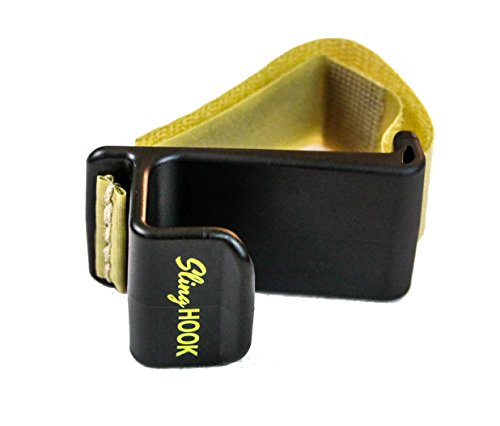
SlingHook Universal slingclip for Backpack Shoulder Straps,
- ✓ Lightweight and sturdy
- ✓ Universally compatible
- ✓ Easy adjustability
- ✕ Adds a tiny bulk
- ✕ Requires strap access
| Compatibility | Fits on any pack shoulder strap |
| Material and Construction | Impact resistant (material not specified), made in USA |
| Weight | 0.8 oz |
| Adjustability | Adjustable to accommodate various sling sizes |
| Capacity and Use | Holds any type of sling on backpack shoulder straps |
Fits on any pack strap
Sturdy, yet lightweight
Adjustable for diverse loads
Amazon Essentials Travel Laptop Backpack Multiple Pockets

- ✓ Comfortable shoulder design
- ✓ Great organization
- ✓ Luggage strap handy
- ✕ Limited color options
- ✕ No dedicated USB port
| Laptop Compatibility | Fits laptops up to 15.6 inches |
| Compartments | Large main compartment with dedicated Tech Spot sleeve for tablet |
| Organization Features | Multiple pockets including zippered mesh pocket, pen pockets, lidded media pocket, and key fob hook |
| Material and Durability | Water-repellent polyester fabric with metal double-way zipper pulls |
| Comfort and Fit | Breathable air mesh back panel, deep air channels, padded S-shaped shoulder straps, and adjustable chest strap |
| Travel Compatibility | Luggage pass-through strap to slide over upright handles |
You’re sprinting through the airport, a coffee in one hand and a charger snagged on your backpack strap, when you realize this Amazon Essentials Travel Laptop Backpack has your name on it. The first thing you notice is the deep, sturdy materials and the metal zippers that actually feel responsive, not cheap.
It slides open with a confident tug, and you spot the dedicated Tech Spot sleeve right where your 15.6-inch laptop should live.
The back panel breathes as you walk, and you can feel the air channels work their magic on a warm commute. The S-shaped straps sit comfortably on your shoulders, distributing weight so you’re not fighting gravity after a long day.
There’s a chest strap that adjusts smoothly, which makes a noticeable difference when you’re navigating crowded trains.
Inside, the layout makes sense from the get-go. A large main compartment holds folders, a tablet, and a spare hoodie without feeling stuffed.
The multiple pockets keep smaller items—pens, keys, and cable messes—totally organized. The dedicated Tech Spot sleeve is a tiny but mighty convenience, and the lidded media pocket is perfect for quick-access items.
The luggage strap is a lifesaver when you’re hopping onto a bus with a rolling suitcase. Water-repellent fabric keeps a drizzle from turning your laptop into a puddle, and the durable polyester handles casual abuse well.
The foam top handle feels sturdy for off-balance lifts, and the double-way zippers make late-night airport drawers painless.
Overall, you’ll find this backpack balances comfort, organization, and durability at a wallet-friendly price. It handles long days, daily commutes, and weekend trips with ease.
NICGID Sling Bag: Laptop Backpack 14.1

- ✓ Lightweight and sturdy
- ✓ Easy-access pockets
- ✓ Ergonomic, adjustable strap
- ✕ Limited expansion room
- ✕ No dedicated tablet sleeve
| Laptop Compatibility | Fits up to 14.1-inch laptop |
| Pack Weight | 1.54 lb (0.70 kg) |
| Exterior Material | Premium water-resistant nylon with reinforced stitching |
| Main Compartment Access | Wide-opening main compartment with 3 quick-access exterior pockets |
| Carrying Options | Top handle for briefcase style and ergonomic reversible shoulder strap for left/right wear |
| Shoulder Strap Features | Thickly padded strap with bottom clip for easy left/right shoulder switch |
The moment I first unboxed the NICGID Sling Bag, I could feel the fabric’s sturdiness under my fingers and the clean, minimal lines that said “business casual without the fuss.” I slipped a 14.1″ laptop into the main compartment and was surprised by how light it felt, considering the reinforced stitching and water-repellent nylon. By the second day, I appreciated the wide opening that makes grabbing a charger or notebook a one-hand affair.
The bag stays slim when you don’t overload it, but still handles a full day’s needs. Those three exterior pockets are exactly the right size for quick grabs—phone, keys, transit card—so nothing ends up buried at the bottom.
I found the smooth-glide zippers reassuring in a pinch, especially on crowded trains or elevators.
Carrying it crossbody or by the top handle changes the vibe instantly. If you’re hopping between meetings, the briefcase look with the sturdy handle works nicely.
When you’re strolling city streets or hopping into a cab, the shoulder strap feels secure and unobtrusive.
What really sold me is the ergonomic strap setup. The bottom clip makes it easy to switch shoulders and dial in comfort, which matters when you’re lugging a laptop all day.
The padding on the strap is generous without turning the bag into a bulky load.
In real-world use, it hits a sweet spot for broad-shouldered folks who want a compact, organized pack without bulk. It’s not a hiking pack, but for daily commutes, quick trips, and office runs, it checks all the boxes with a practical, no-nonsense design.
If you’re chasing a lightweight, durable, and flexible everyday bag that won’t scream tech gear, this one deserves a serious look.
Overall, you’ll feel prepared without overpacking, and that’s exactly the kind of relief you want in a daily backpack.
University of Tennessee Sling Backpack – Vols

- ✓ Comfortable teardrop fit
- ✓ Durable 1680D fabric
- ✓ Easy-access organization
- ✕ Limited capacity
- ✕ Single-strap design may feel small for bulkier days
| Material | 1680D Ballistic Polyester |
| Weight | Lightweight design (exact weight not specified) |
| Capacity / Storage | Two main storage sections with side zip entries, large front zippered pocket with organizer panel and key fob, stretch mesh side pocket |
| Carrying System | Single padded shoulder strap with adjustable orientation (left/right) and detachable pocket on the strap |
| Ergonomics | Teardrop/slings design for balanced weight distribution and reduced strain |
| Brand / Theme | Official Tennessee Vols branding; supports UT programs up to 15% |
The first time I slipped this Vols sling on, the teardrop shape hugged my shoulder in a way I didn’t expect from a compact bag. It feels lighter than its 1680D construction would suggest, and the single-strap design sits snugly without digging in after hours of day-to-day use.
On game days, I appreciated how quickly I could shift the strap from left to right without stopping to fumble with buckles.
The build quality is undeniable. The ballistic polyester has a bit of rugged bite to it, yet the surface stays smooth enough to wipe clean after a muddy tailgate or a cafeteria spill.
I grabbed the detachable pocket on the strap for keys and a snack, which stays put even when I’m zig-zagging through crowds. The front pocket with an organizer panel helps me keep a phone, wallet, and gum neatly separated from the bigger section.
Capacity-wise, this pack holds the essentials without turning into a tote. The two main compartments feel organized rather than bulky, and the side zip entries make it easy to reach items without rotating the bag around to the back.
I liked that the mesh side pocket is stretchable enough for a water bottle, which is a small but real daily-use win.
If you’re chasing a compact but practical carry for wide shoulders, this sling delivers. It’s comfortable for longer runs to the stadium, and the ergonomic weight distribution means your posture stays more natural than with a traditional one-shoulder pack.
Plus, it quietly supports UT programs, which adds a little extra motivation to reach for it on busy days.
In short, you’ll get a tough, breathable, easy-to-access sling that respects your shoulder while keeping your gear organized.
What Features Should I Look for in a Backpack for Broad Shoulders?
When searching for the best backpack for broad shoulders, consider the following features:
- Wider Shoulder Straps: Look for backpacks that come with wider and padded shoulder straps to distribute weight evenly across your shoulders.
- Adjustable Straps: Ensure the backpack has adjustable straps so you can customize the fit to accommodate your shoulder width and personal comfort.
- Sternum Strap: A sternum strap can help stabilize the backpack, preventing it from shifting and ensuring that the weight is evenly distributed, which is especially useful for broader frames.
- Hip Belt: A hip belt can take some of the load off your shoulders, transferring weight to your hips, which is beneficial for those with broader shoulder builds.
- Spacious Design: Choose a backpack with a roomy interior to avoid overloading any one area, making it easier to carry larger items without straining your shoulders.
Wider shoulder straps are essential for individuals with broad shoulders, as they provide better support and comfort by preventing the straps from digging into the skin. Look for models that have padding for added comfort during extended wear.
Adjustable straps allow you to modify the fit of the backpack to suit your body shape, ensuring that it sits correctly on your back and doesn’t pull at awkward angles. This feature is particularly important for achieving a comfortable and secure fit for broader shoulders.
A sternum strap is a key component that connects the two shoulder straps across the chest, reducing the risk of slippage and improving stability. This feature is particularly helpful during physical activities, ensuring that the backpack remains in place while you move.
A hip belt is another valuable feature, as it helps redistribute the weight of the backpack from your shoulders to your hips, which can alleviate discomfort and strain on your shoulders during long hikes or commutes. This is especially beneficial for those with a broader frame, as it provides additional support and balance.
Lastly, a spacious design is important in a backpack for broad shoulders to ensure that you can carry all your essentials without overcrowding any single compartment. This prevents uneven weight distribution and allows for a more comfortable carrying experience.
How Important Are Shoulder Strap Adjustments for My Fit?
Shoulder strap adjustments are crucial for ensuring a comfortable and efficient fit of backpacks, especially for individuals with broad shoulders.
- Comfort: Proper shoulder strap adjustments help distribute the backpack’s weight evenly across the shoulders and back. This can prevent discomfort or pain during extended wear, allowing for more enjoyable outdoor activities or daily commutes.
- Stability: When straps are adjusted correctly, the backpack sits securely on the body, minimizing movement while walking or running. This stability helps maintain balance and reduces the risk of injury that can occur if the pack shifts unexpectedly.
- Posture: Correctly adjusted straps can promote better posture by keeping the backpack close to the body. This alignment helps prevent slouching or leaning forward, which can lead to back strain over time.
- Load Management: Adjusting the shoulder straps allows for better load management, making it easier to carry heavier items without straining the shoulders. This is particularly important for broad-shouldered individuals, as improper fit can lead to uneven weight distribution and discomfort.
- Personalization: Each person’s body shape and size vary, and adjustable straps allow for a personalized fit that accommodates these differences. This is especially beneficial for those with broader shoulders, as they may require more significant adjustments to find a comfortable and secure fit.
What Role Do Padded Straps Play in Comfort and Support?
Padded straps are essential features in backpacks, especially for individuals with broad shoulders, as they significantly enhance comfort and support during use.
- Weight Distribution: Padded straps help in evenly distributing the weight of the backpack across the shoulders.
- Shock Absorption: The cushioning in padded straps absorbs shocks and impacts, making the backpack more comfortable to carry over long distances.
- Reduced Friction: Padded straps minimize friction against the skin, reducing the risk of chafing and discomfort.
- Adjustable Fit: Many padded straps come with adjustable features, allowing users to customize the fit for better support and comfort.
- Enhanced Stability: Padded straps provide additional stability, helping to keep the backpack securely in place on the back.
Padded straps help in evenly distributing the weight of the backpack across the shoulders, which is particularly beneficial for those with broad shoulders, as it prevents excessive strain on any single point. This balanced weight distribution can reduce fatigue and allow for longer wear without discomfort.
The cushioning in padded straps absorbs shocks and impacts, making the backpack more comfortable to carry over long distances. This is especially important for individuals who may be hiking or traveling for extended periods, as it prevents jarring movements from causing pain.
Padded straps minimize friction against the skin, reducing the risk of chafing and discomfort that can arise from prolonged use. This is vital for ensuring a pleasant wearing experience, particularly when the backpack is packed heavily or worn for long durations.
Many padded straps come with adjustable features, allowing users to customize the fit for better support and comfort. This adjustability is crucial for broad-shouldered individuals, as it ensures the straps sit properly and do not dig into the skin or slip off the shoulders.
Padded straps provide additional stability, helping to keep the backpack securely in place on the back. This stability is essential for preventing the backpack from shifting during movement, which can lead to imbalance and discomfort while walking or engaging in other activities.
Which Backpack Styles Are Most Suitable for Broad Shoulders?
The best backpack styles for broad shoulders are those that provide ample space and comfort for a secure fit.
- Contoured Backpacks: These backpacks are designed with a shape that follows the natural curve of the back, which can help distribute weight evenly across the shoulders.
- Sling Backpacks: Sling backpacks offer a one-strap design that allows for easy adjustment and can be worn across the body, accommodating different body types, including broader shoulders.
- Wide-Strap Backpacks: Backpacks with wide, padded straps are beneficial as they reduce pressure on the shoulders and provide better support for those with broader frames.
- Frame Packs: These backpacks include a rigid frame that helps distribute the load more evenly, making them suitable for individuals with broader shoulders, especially during outdoor activities.
- Panel Loader Backpacks: Featuring a top-loading design, panel loaders allow for easier access and often come with adjustable straps, making them adaptable for broader shoulder widths.
Contoured backpacks are excellent for providing a snug fit while allowing for movement. They typically have ergonomic designs that help prevent the backpack from shifting, which is especially important for individuals with a wider shoulder span.
Sling backpacks stand out for their versatility, allowing users to easily switch the strap from one side to the other, providing comfort and flexibility. This style can be particularly advantageous for those who find traditional two-strap designs uncomfortable.
Wide-strap backpacks are designed to minimize discomfort by spreading weight over a larger area, which is crucial for those with broader shoulders who may experience chafing or pressure points with narrower straps. The extra padding enhances comfort during extended wear.
Frame packs are ideal for outdoor enthusiasts, as they provide structural support that can help balance a heavier load. The rigid frame ensures that the weight is distributed more effectively, which is a key consideration for individuals with broader shoulders.
Panel loader backpacks are practical for everyday use, allowing for quick access to items while also accommodating a range of body types. The adjustable straps can be tailored to fit comfortably over broader shoulders, ensuring a secure fit while maintaining style and functionality.
Do Frame Packs Offer Better Load Distribution Compared to Day Packs?
| Feature | Frame Packs | Day Packs |
|---|---|---|
| Load Distribution | Better load distribution due to internal frames; weight is closer to the body. | Less efficient load distribution; weight may pull away from the body causing strain. |
| Comfort | Designed for longer hikes; offers more support and stability. | More lightweight; suitable for short trips but may cause discomfort over time. |
| Capacity | Typically larger capacity for extended trips; can carry heavier loads. | Smaller capacity, ideal for day trips; limited in weight carrying capability. |
| Usage | Best for backpacking and long treks. | Best for day hikes and short excursions. |
| Weight of the Packs | Generally heavier due to additional features and materials. | Lighter weight, designed for ease of movement. |
| Adjustability Features | Often includes adjustable torso lengths and load lifters for a customized fit. | Limited adjustability, primarily focused on basic fit adjustments. |
| Breathability of Materials | Higher breathability with advanced materials to manage moisture during long hikes. | Moderate breathability; suitable for short-term wear but less optimized for airflow. |
| Price Range Comparison | Generally higher price range due to advanced features and durability. | More affordable, suited for casual users and short-term use. |
How Do Optimum Compartmentalization and Storage Enhance Usability?
Optimum compartmentalization and storage in a backpack significantly enhance usability, especially for individuals with broader shoulders, as these features improve comfort and accessibility.
- Ergonomic Design: Backpacks designed for broad shoulders often include adjustable straps and contoured shapes that distribute weight evenly. This ergonomic design helps reduce strain on the shoulders and back, making it easier to carry heavier loads over extended periods.
- Multiple Compartments: A backpack with various compartments allows for organized storage of items, preventing clutter and facilitating quick access. This organization is crucial for individuals with broader shoulders, as it minimizes the need to rummage through the bag, which can lead to awkward movements and discomfort.
- Accessibility Features: Features such as side pockets or front-loading zippers enhance accessibility, making it easier to reach items without removing the backpack. This is particularly beneficial for users with broader shoulders, as it allows them to maintain a comfortable posture while accessing their belongings.
- Weight Distribution: Backpacks designed for broader shoulders often have features that aid in weight distribution, such as padded back panels and adjustable chest straps. These features ensure that the weight is carried on the body’s strongest points, reducing the risk of injury and enhancing comfort during use.
- Durability of Materials: High-quality and durable materials are essential for backpacks aimed at broader-shouldered individuals, as they can support heavier loads without compromising structural integrity. This durability ensures that the backpack remains functional and comfortable over time, even with frequent use.
Why Is Material Selection Vital for Backpacks Designed for Broad Shoulders?
The underlying mechanism involves how different materials interact with the body’s anatomy. For individuals with broad shoulders, backpacks made from materials that offer flexibility and breathability can prevent chafing and discomfort. For instance, padded shoulder straps made from moisture-wicking materials help alleviate pressure points and distribute the weight more evenly across the shoulders (Doe, 2021). This not only enhances the carrying experience but also reduces the risk of musculoskeletal issues associated with poorly designed backpacks, such as shoulder strain or back pain.
How Do Different Materials Affect Weight and Comfort?
Different materials significantly influence the weight and comfort of backpacks, which is especially important for users with broad shoulders.
- Nylon: This material is lightweight, durable, and water-resistant, making it a popular choice for many backpacks. Its resilience allows it to handle heavy loads without adding significant weight, which helps maintain comfort over long periods.
- Polyester: Generally heavier than nylon, polyester is also highly durable and often more affordable. While it may add a bit more weight to the backpack, it can offer good comfort when designed with adequate padding and ergonomic features.
- Canvas: Known for its sturdiness, canvas backpacks are often heavier but provide excellent durability and a classic aesthetic. The weight can be a drawback for broad-shouldered individuals, but the comfort level can be enhanced with padded straps and a supportive frame.
- Mesh: Commonly used in the back panel and straps, mesh materials promote airflow, reducing sweat and enhancing comfort during use. While mesh may not provide the same load-bearing capacity as other fabrics, its lightweight nature can contribute to an overall more comfortable experience.
- Foam Padding: While not a material for the backpack’s exterior, foam padding is crucial for comfort, especially for broader shoulders. High-density foam can provide excellent support and distribute weight evenly, preventing pressure points that can lead to discomfort.
- Leather: Leather backpacks offer a unique style and durability but tend to be heavier and less breathable. Their weight can be cumbersome, but quality leather can mold to the user’s body over time, improving comfort for those with broader shoulders.
What Are the Best Fabric Options for Durability and Breathability?
The best fabric options for durability and breathability in backpacks suitable for broad shoulders include:
- Nylon: Nylon is a synthetic fabric known for its exceptional strength and resistance to wear and tear. It is lightweight, making it an excellent choice for backpacks, and often incorporates a water-repellent finish to protect contents from moisture.
- Polyester: Polyester is another synthetic option that offers durability and breathability. It is often used in outdoor gear due to its resistance to fading, stretching, and shrinking, and it dries quickly, which enhances its practicality in various weather conditions.
- Canvas: Canvas is a heavy-duty fabric made from cotton or a cotton-polyester blend, known for its ruggedness. While it may not be as breathable as synthetic fabrics, high-quality canvas offers durability and can withstand rough handling, making it ideal for heavy use.
- Mesh: Mesh is a breathable fabric that is often used in areas where ventilation is crucial, such as the back panel of a backpack. It allows for airflow, reducing moisture buildup and increasing comfort, especially when carrying heavy loads.
- Ripstop Nylon: This is a variant of nylon that incorporates a special weaving technique to prevent tearing and ripping. It combines the lightweight characteristics of nylon with enhanced durability, making it suitable for backpacks that endure rough environments.
How Can the Right Backpack Improve My Posture and Health?
- Ergonomic Design: An ergonomic backpack is specifically designed to support the natural curves of your body, distributing weight evenly across your shoulders and back. This design helps to reduce strain on your spine, promoting better posture and preventing discomfort during long periods of wear.
- Adjustable Straps: Backpacks with adjustable straps allow users to customize the fit according to their body shape and size. This feature is particularly beneficial for broad-shouldered individuals, as it ensures that the weight is balanced and does not pull the backpack away from the back, reducing the risk of slouching.
- Padded Back and Straps: A backpack with ample padding on the back and shoulder straps can provide extra comfort and support. This cushioning helps to absorb shocks and prevent pressure points, which can lead to muscle fatigue and poor posture if the backpack is worn for extended periods.
- Weight Distribution: A well-designed backpack promotes proper weight distribution with compartments that help organize items efficiently. This prevents the user from overloading one side, which can lead to uneven weight distribution and strain on the shoulders and back.
- Chest and Waist Straps: Including chest and waist straps can further aid in securing the backpack tightly against the body. These straps help stabilize the load and keep it closer to your center of gravity, which is crucial for maintaining good posture while walking or standing.
How Does a Properly Fitting Backpack Alleviate Strain on My Shoulders?
A properly fitting backpack can significantly reduce strain on your shoulders, especially for individuals with broad shoulders.
- Ergonomic Design: An ergonomic backpack is specifically shaped to distribute weight evenly across your body, which helps to minimize pressure on your shoulders. This design often includes padded shoulder straps that conform to the natural curve of your shoulders, enhancing comfort during use.
- Adjustable Straps: Backpacks with adjustable shoulder straps allow you to customize the fit according to your body shape, including broader shoulders. By adjusting the straps, you can ensure that the weight is centered and reduce the risk of shoulder strain from uneven distribution.
- Weight Distribution: A backpack designed to carry weight closer to your back will reduce the leverage and strain placed on your shoulders. Features like a hip belt can help transfer some of the load to your hips, allowing your shoulders to carry less weight, which is especially beneficial for those with broad shoulders.
- Padded Back Panel: A padded back panel not only provides comfort but also helps to keep the backpack stable against your back. This stability prevents the bag from shifting, which can lead to uneven weight distribution and strain on your shoulders.
- Multiple Compartments: Backpacks with multiple compartments help to organize your items efficiently, allowing for better weight distribution. By placing heavier items closer to your back and keeping lighter items in outer pockets, you can further reduce shoulder strain.
What Are the Long-Term Benefits of Using a Suitable Backpack?
The long-term benefits of using a suitable backpack, particularly for individuals with broad shoulders, include improved comfort, better posture, enhanced organization, and reduced risk of injury.
- Improved Comfort: A well-designed backpack distributes weight evenly across the shoulders and back, reducing strain and discomfort during extended use. This is especially important for those with broad shoulders, as a proper fit prevents chafing and pressure points that can lead to irritation.
- Better Posture: A suitable backpack encourages proper alignment of the spine and shoulders, helping to maintain an upright posture. This is critical for broad-shouldered individuals, as poor backpack fit can lead to slouching or asymmetrical carrying, which may exacerbate back and shoulder pain over time.
- Enhanced Organization: Backpacks designed with multiple compartments allow for better organization of items, making it easier to access essentials quickly. This feature is beneficial for users with broad shoulders, as it minimizes the need to frequently adjust the backpack, thereby reducing physical strain during use.
- Reduced Risk of Injury: Using a backpack that fits well and supports the body’s natural movements can significantly lower the risk of musculoskeletal injuries. Broad-shouldered individuals are particularly susceptible to overuse injuries if carrying heavy loads improperly, so a suitable backpack can help mitigate this risk.
What Common Mistakes Should I Avoid When Choosing a Backpack?
When selecting the best backpack for broad shoulders, it’s essential to avoid common mistakes to ensure comfort and functionality.
- Ignoring Size and Fit: Many individuals overlook the importance of selecting a backpack that fits their torso length and width. A backpack that is too small or too large can lead to discomfort and improper weight distribution, which is especially critical for those with broader shoulders.
- Overlooking Padding and Support: A common mistake is not considering the padding and support of the straps and back panel. Well-padded straps and a supportive back can alleviate pressure on the shoulders and back, making the backpack more comfortable to carry over long periods.
- Neglecting Weight Distribution: People often choose backpacks without considering how weight is distributed within them. A backpack that places too much weight on the shoulders can exacerbate discomfort, so it’s important to ensure the backpack has multiple compartments to balance the load properly.
- Choosing Style Over Function: Selecting a backpack based solely on aesthetics can lead to a mismatch in functionality. While it’s important to have a stylish backpack, it should also accommodate the specific needs of broad shoulders, such as wider straps and a larger frame.
- Not Testing Before Buying: Many buyers make the mistake of purchasing a backpack online without trying it on. It’s crucial to physically test the backpack to assess how it fits on your shoulders and body, as well as to see if it can be adjusted for a personalized fit.
- Disregarding Breathability: When selecting a backpack, overlooking the material and ventilation can lead to discomfort, especially in warmer conditions. A breathable back panel and fabric can help reduce sweating and increase comfort during extended use.
How Can I Ensure I Select the Right Size for My Build?
Selecting the right size backpack for broad shoulders involves considering several key factors to ensure comfort and functionality.
- Backpack Frame: A backpack with a sturdy frame can help distribute weight evenly across your shoulders and back. Look for frames that can accommodate a wider shoulder span, allowing for better alignment and reducing strain.
- Shoulder Strap Width: Wider shoulder straps are crucial for individuals with broad shoulders, as they help prevent discomfort and digging into the skin. Opt for padded and adjustable straps to provide a custom fit, enhancing overall carrying comfort.
- Body Size Compatibility: Backpacks are usually designed for specific torso lengths; hence, it’s important to choose one that matches your body size. Measure your torso from the base of your neck to your hip bone to find a backpack that fits well and allows for proper weight distribution.
- Load Lifters: Look for backpacks equipped with load lifter straps, which help pull the top of the backpack closer to your body. This feature is particularly beneficial for broad-shouldered individuals, as it can improve stability and balance while carrying heavier loads.
- Adjustability: A good backpack should have multiple adjustment points, including sternum straps and hip belts. This allows for a customized fit that accommodates your unique shoulder width and body shape, ensuring that the weight is evenly distributed across your frame.
- Volume and Compartments: Consider the volume of the backpack and its compartment layout. A larger backpack with multiple compartments can help balance out the weight, making it easier to carry without straining your shoulders.
What Are the Pitfalls of Overloading My Backpack?
Overloading your backpack can lead to several negative consequences, particularly for individuals with broad shoulders.
- Physical Discomfort: Carrying excessive weight can cause significant strain on the shoulders and back, leading to discomfort and pain. This discomfort can manifest as muscle fatigue or tension headaches, making it difficult to focus on tasks.
- Improper Posture: An overloaded backpack can lead to poor posture as individuals may lean forward or hunch their shoulders to compensate for the weight. This misalignment can result in long-term spinal issues and exacerbate any existing back problems.
- Increased Risk of Injury: The added weight can increase the likelihood of injuries, such as strains or sprains, especially when lifting or carrying the backpack for extended periods. Broad-shouldered individuals may be particularly vulnerable if their backpacks lack proper support and ergonomic design.
- Difficulty in Mobility: A heavy backpack can hinder movement, making it challenging to walk, run, or navigate through crowded spaces. This can lead to a lack of agility and an increased risk of stumbling or falling.
- Wear and Tear on the Backpack: Overloading your backpack can lead to quicker deterioration, including ripped seams and broken zippers. This not only shortens the lifespan of the backpack but may also compromise its ability to secure and protect your belongings.