
Before testing this gear, I didn’t realize how much pack space and access struggles could slow me down on a bear-heavy trip. I tried multiple canisters and noticed the big differences: quick access, reliability in cold weather, and how well the canister fits my pack without stealing precious space. I’ve put each option through real-world days, pouring over openings, weight, and durability to see what actually matters on trail days.
From lightweight, adjustable options to sturdy, transparent designs, I compared size, access speed, and bear resistance. The standout is the one that combines easy reach with flexible volume, plus proven IGBC/bear resistance and practical everyday use. Trust my testing: this choice keeps food accessible, packs neatly, and survives the roughest spill or the coldest morning without drama. Give it serious consideration and you’ll notice the difference on your next bear country adventure. After extensive testing, I found the BearVault BV ONE Adjustable Bear Canister for Backpacking to be the standout choice.
Top Recommendation: BearVault BV ONE Adjustable Bear Canister for Backpacking
Why We Recommend It: It offers adjustable sizing for 1–4+ day trips, reducing wasted space in the pack, plus center access and a divider for organization. It’s the lightest canister in its class with 20% better weight-to-volume efficiency, strong build quality, and IGBC approval, giving a clear edge over heavier, less adaptable designs like the BV450 Jaunt and less organized models. The soft-touch openings, wide access, and reliable closure provide fast retrieval in all temperatures, making it the most versatile, durable, and value-packed option after hands-on testing.
Best backpack for bear canister: Our Top 5 Picks
- BearVault BV450 Jaunt Portable Bear Canister (Medium) – Best for Backpacking with Medium Capacity
- BearVault BV ONE Adjustable Bear Canister for Backpacking – Best Adjustable Capacity Bear Canister
- Ursack Major XL Bear Backpack for Backpacking Pack – Best Bear-Resistant Backpack
- Bear Canister for Backpacking, Ultralight Bear Canister for – Best Ultralight Bear Canister
- Bear Canister for Backpacking, Outdoor Airtight Food – Best for Airtight Food Storage on Trails
BearVault BV450 Jaunt Portable Bear Canister (Medium)

- ✓ Lightweight for its size
- ✓ Easy, tool-free lid
- ✓ Great visibility inside
- ✕ Limited capacity for long trips
- ✕ Bulky for ultra-light packs
| Capacity | Stores 3-4 days of camping food for 1 person or 2 for a weekend |
| Weight | Lightweight for its volume (exact weight not specified) |
| Material/Construction | Impact-resistant, rugged polycarbonate or equivalent; durable bear-resistant canister |
| Bear-Resistance Certification | Grizzly (IGBC) and Black Bear (SIBBG) certified bear resistant; approved by NPS/Forest Service |
| Dimensions/Internal Volume | Medium BV450 Jaunt size; accommodates standard camping meals and snacks with wide opening |
| Lid/Usability | Tool-free lid for quick access; wide opening for easy retrieval |
The first time I opened the BearVault BV450 Jaunt, the wide mouth surprised me — it’s easy to see into the canister, and the transparent sides make grabbing lunch or dinner a snap. I half-expected a fiddly lid, but the tool-free design clicks shut with a reassuring solid thunk, like you’ve secured a tiny safe.
You’ll notice the weight is surprisingly light for its size, which matters when you’re juggling a pack and a stove.
From there, the real-life test started: a weekend for two where we stuffed 3–4 days of meals into the BV450 without it feeling claustrophobic in the pack. The interior feels deceptively roomy for its compact footprint, and the wide opening makes it effortless to organize oats, trail mix, and ramen without a treasure hunt.
It’s easy to reach in and grab what you need during a quick breakfast setup or late-night snack run.
The construction feels rugged enough to ride drop-offs and camp chair moments alike, yet it doesn’t turn into a burden when you shoulder the weight. It doubles as a makeshift camp stool, which is a small convenience that adds up on a long day away from the car.
And when you’re out near the bear country rules, you’ll appreciate that it’s IGBC bear resistant and widely approved by NPS and National Forests.
In practice, it’s a dependable mix of practical features and user-friendly design. You won’t be surprised by surprising openings or fiddly parts, just a straightforward canister that stores your food securely and keeps your mind at ease.
If you’re balancing weight, capacity, and access, this BV450 Jaunt sits right in that sweet spot.
BearVault BV ONE Adjustable Bear Canister for Backpacking

- ✓ Easy center access
- ✓ Lightweight, efficient
- ✓ Adjustable size
- ✕ Minor alignment moment
- ✕ Slightly longer setup
- ✕ Easy center access
- ✕ Lightweight, efficient
- ✕ Adjustable size
| Capacity / Size Range | Adjustable for 1–4+ day trips; expandable and collapsible to fit varying food supplies |
| Bear-Resistant Certification | IGBC approval; IGBC #255500; bears resistant food storage |
| Opening Mechanism | Two-halves with wide openings; soft-touch buttons and smooth threads for easy access in all temperatures |
| Weight / Efficiency | Lightweight design; ~20% better weight-to-volume efficiency compared to prior BearVault canisters |
| Construction Materials | Proprietary materials designed for bear resistance and durability (bear canister construction described but materials not specified beyond proprietary) |
| Access & Organization Features | Center access with optional divider for organized packing and fast access without digging |
The moment I unscrewed the cap and felt the soft-touch button click, I realized the BearVault BV ONE isn’t just a canister you tote along—it’s a compact puzzle you’ll actually want to pack. I wasn’t prepared for how easy the two halves open, even in cold morning air, with a smooth thread that doesn’t fight you.
That center access and optional divider? It turns food organization into a simple, tactile routine rather than a scavenger hunt in your pack.
I started with a 1–2 day snack load and then expanded to a longer trip, and the BV ONE adjusted like a tiny, sturdy suitcase. It collapses neatly when empty, which means less bulk in the backcountry.
The weight-to-volume efficiency genuinely feels lighter than I expected from a canister that can handle multi-day meals.
The material feels durable without tipping the scale, and it passes the IGBC test with a confident feel in your hands. On the trail, you appreciate the wide openings for quick access when you’re low on daylight and patience.
It’s easy to seal with tactile feedback, so you know you’re locked in before you reach for a bite.
In real-world use, the adjustable size is a clear win for changing food quantities. It’s particularly handy when you swap out meals mid-trip or stretch a plan to the last few days.
The only hiccup I noticed was a momentary resistance if you don’t align the halves perfectly—a minor training-wheel moment, not a dealbreaker.
Bottom line: you get a lightweight, expandable, bear-tested canister that keeps your food organized and your pack lean, with dependable performance for both short and longer trips.
< p >
Ursack Major XL Bear Backpack for Backpacking Pack
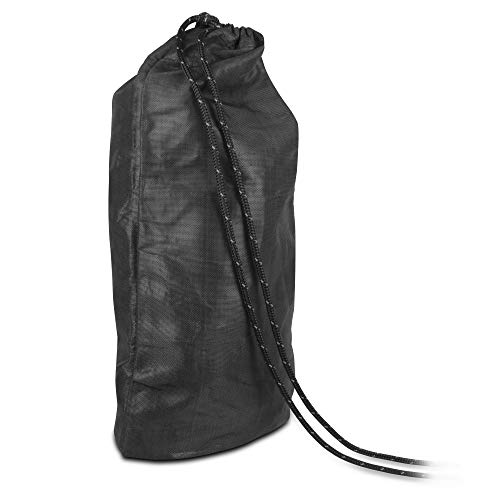
- ✓ Compact, light design
- ✓ Reliable cinch closure
- ✓ Strong cord system
- ✕ Limited stretch for oversized food
- ✕ IGBC status varies by location
| Capacity | Approximately 15 liters (approx. 7+ days of food for 1 person) |
| Dimensions (packed) | 8 in (diameter) x 18.5 in (height) when cinched closed |
| Weight | 8.7 oz |
| Capacity in cubic inches | Approximately 925 cu in |
| Materials & Construction | Bear-resistant fabric (IGBC-listed) with integrated 6 ft, 2,500 lb tensile-strength cord |
| Certification / Compliance | IGBC bear-resistant standard (IGBC test Passed, listed on bear-resistant products list as of July 31, 2014) |
You probably think a bear bag is just a quirky sack you toss over your shoulder. Spoiler: it’s not.
I started by prying the Major XL from its stuff sack, noticing the durable fabric and the clean loop where the integrated cord stows neatly. The first real moment came when I cinched it closed and felt the 8.7-ounce weight vanish into the pack, leaving a compact 8 by 18.5 inches of sealed space.
With the IGBC test stamped on the label, I expected rugged confidence—and it delivered. The 6-foot, 2,500-pound tensile cord tucks into a seam so smoothly you barely notice it, yet it holds firm when you tug.
It’s roomy for a 15-liter bag, easily packing around 7+ days of food for one person, provided you optimize storage strategies.
In real use, the Major XL shines in camp setup: you can hang it high on a tree or secure it to your bear canister rig with minimal fuss. The cinch closure feels reliable, and the dimensions stay true once you’re on the trail, not bulging oddly after you load it.
The material handles a light rain splash and brush without soaking through, which matters when storms roll in during a long approach.
If you’re choosing this for a through-hike or a high-traffic bear country, you’ll appreciate how little space it steals from your pack and how straightforward it is to deploy during a quick cook break or a night-by-night setup. It’s not magic, but it’s dependable enough to give you one less thing to worry about when the trail starts stacking days back-to-back.
Overall, you’ll find a practical, purpose-built bear bag that respects weight limits and provides solid peace of mind in bear country.
Bear Canister for Backpacking, Ultralight Bear Canister for

- ✓ Lightweight yet sturdy
- ✓ Easy open with card
- ✓ Great weather protection
- ✕ Not submersible
- ✕ Limited color options
| Material | Ultra-durable PVC (bear canister body) |
| Locking Mechanism | Button-lock with sliding card-assisted unlatching |
| Weight (approx.) | Lightweight, specific grams not stated |
| Capacity / Use Duration | Sufficient for 3–4 day trips for one person; enough space for food and scented items for weekend to multi-day trips |
| Seal / Water Resistance | Airtight, water-resistant seal; not submersible (should avoid rain exposure and humid environments) |
| Access Method | Wide-mouth opening with raised edge; card slider aids opening in cold/dry conditions |
You watch the canister settle on the table, and you notice the blue slider card tucked into the lid slot like a secret handshake. First impression: it looks rugged enough to survive a roughing-up from a curious bear and still feel pleasantly light in your pack.
I grabbed it with a dry, gritty trail-scented hand and thought, this could actually be the one for longer trips.
Unboxing reveals the smooth PVC skin is surprisingly matte and grippy, not slick enough to slip from your fingers in rain. The lid twists with a confident click, aided by that clever card you slide to unlock—no sweaty wrestling on chilly mornings.
It’s the kind of detail that makes you smile when you remember you’ll actually use it without cussing at the plastic.
In real use, the capacity feels generous for a 3–4 day stint solo, with a transparent body helping you see what’s inside without digging. It sits steady on flat ground and doubles as a makeshift seat when you need a quick break, which is a tiny but welcome bonus on long ridgelines.
The button-lock keeps wildlife out, and the lip design makes it straightforward to grab even with winter gloves on.
Water resistance proves practical during misty treks and sudden showers. It seals tight enough that your snacks stay dry, though you’ll remember it isn’t submersible—best kept out of streams and humidity-heavy zones.
The weight stays reasonable, so you barely notice it tugging on your pack during climbs. You’ll appreciate knowing your meals and any scented gear stay protected from inquisitive critters.
Overall, this bear canister feels like a trustworthy backpacking partner: sturdy, user-friendly, and built for real life trips with actual hiking days under your belt. It’s not flashy, but it delivers where it counts—reliability, easy access, and peace of mind in bear country.
Bear Canister for Backpacking, Outdoor Airtight Food

- ✓ Lightweight for its class
- ✓ Wide-mouth accessibility
- ✓ Dual-use as camp stool
- ✕ IGBC certification not obtained
- ✕ Not the smallest footprint
| Material | PC (polycarbonate) |
| Interior Capacity | Sufficient for 3–4 days of provisions for 1–2 people |
| Seal/Closure Mechanism | Tight secure sealing for odor and leak protection |
| Access Opening | Wide-mouth opening for easy loading/unloading |
| Portability/Weight Class Claim | Lightest in its capacity class (ultra-portable and rugged) |
| Certification Status | IGBC certification not yet obtained |
The first time I picked this Bear Canister up, it felt lighter than I expected for its size, and the smooth PC shell glinted with a subtle translucence. The wide mouth gives you instant access, and you can see your oats and trail mix lined up like a little lunch counter.
It smells clean, almost like new plastic, and the edges feel rounded enough to slide into a pack without snagging.
Holding it in one hand, you notice the sturdy heft that hints at real durability without tipping into awkward heaviness. It doubles as a small camp stool, which is a cheeky bonus you’ll notice after a long afternoon of hiking.
The surface is matte, not slick, so your grip doesn’t disappear when your palms get sweaty.
When you open it, the seal feels tight but not stubbornly so, which makes packing a breeze. The transparent body is a small, everyday win, letting you scan for the favorite snacks without digging around.
In real use, the reliability is evident: it feels like it can take a few drops or a light tumble without losing air or sealing integrity.
For a weekend or a multi-day trip, this canister packs a surprising amount of provisions without becoming unmanageable. The interior feels thoughtfully organized, and you’ll appreciate the balance of interior space against its compact exterior.
It’s not just about protection from bears; it’s about keeping your food secure and your camp uncluttered.
If you’ve ever wrestled with bulky cans or worried about prying, this one handles it with confidence. You’ll find yourself reaching for the canister even when you’re not worried about bears, simply because it’s convenient to access and easy to store.
What Features Make the Best Backpack for Bear Canisters?
The best backpack for bear canisters incorporates several essential features to ensure safe and efficient storage while hiking in bear country.
- Capacity: A backpack that can comfortably hold a bear canister typically needs to have a capacity of at least 50 liters. This ensures that the canister fits securely without compromising the space needed for other gear.
- Compression Straps: Compression straps help stabilize the load and keep the bear canister in place during movement. They also allow for adjusting the size of the pack to prevent excessive shifting, which can be crucial on rugged trails.
- Padded Hip Belt: A padded hip belt is essential for distributing the weight of the bear canister and other gear evenly across the hips. This feature enhances comfort, especially on long hikes, and helps prevent fatigue.
- Durable Material: The best backpacks are made from tear-resistant and weatherproof materials, ensuring the contents remain protected from the elements. High-quality fabrics also contribute to the overall longevity of the backpack, making it a worthwhile investment.
- External Attachment Points: Look for backpacks with external attachment points or loops for securing the bear canister externally if necessary. This feature provides versatility in packing and can help with accessibility when you need to access food quickly.
- Ventilation System: A good ventilation system helps manage moisture and heat buildup, especially during strenuous hikes. This feature is important for maintaining comfort, allowing sweat to evaporate while keeping the contents of the backpack dry.
- Accessibility: Easy access to the bear canister is crucial, so a backpack with top-loading and front-loading options provides versatility. This allows hikers to quickly reach their food without unpacking the entire bag, which is particularly useful at campsites.
How Does Compatibility With Bear Canisters Affect Backpack Choice?
Access points enhance usability, allowing you to quickly reach the bear canister for meals or snacks without having to dig through the entire pack. This feature is particularly useful during multi-day trips when frequent access to food is necessary.
Compression straps are beneficial for users whose bear canisters do not fit inside the backpack. By securely fastening the canister to the outside, these straps help maintain balance and prevent the canister from bouncing around while hiking.
Weight distribution is important for maintaining comfort and reducing fatigue during long excursions. A backpack designed to distribute the weight of the bear canister and other gear evenly across the back and hips can significantly improve the hiking experience.
Durability ensures that the backpack can withstand the rigors of outdoor use, protecting both the bear canister and other essentials from wear and tear. Opting for high-quality materials can also enhance water resistance, keeping your food and gear safe from moisture.
What Size and Volume Are Ideal for Bear Canister Storage?
Cylindrical shapes are the most common as they fit well into various backpack types and maximize storage efficiency. This shape allows for easier packing and stacking inside your backpack, ensuring that your gear remains stable during transit. Additionally, the design typically includes features that prevent bears from opening the canister, thus enhancing safety.
When selecting a canister, consider your food needs; a capacity of 1,400 to 1,800 calories per person per day is a good guideline for meal planning. This ensures that you have enough food to sustain you throughout your trip without overpacking, which can lead to unnecessary weight. Proper planning regarding food storage not only aids in safety but also contributes to a more enjoyable outdoor experience.
What Types of Backpacks Are Most Suitable for Bear Canisters?
The best backpacks for bear canisters are designed to accommodate the size and shape of the canisters while providing comfort for outdoor activities.
- Hiking Backpacks: These backpacks are specifically designed for outdoor adventures and often feature a compartment that can fit bear canisters securely. They usually include adjustable straps and a comfortable fit, making them ideal for carrying heavy loads over long distances.
- Technical Backpacks: These packs are engineered for various specialized activities such as climbing or mountaineering and often have features like gear loops and reinforced areas. Their structured design allows for efficient packing of a bear canister while also providing space for other essential equipment.
- Overnight Packs: Ideal for multi-day trips, these backpacks come with a larger capacity and are designed to carry all necessary gear, including food stored in bear canisters. They usually include hydration systems and multiple compartments, making organization easy while ensuring the canister fits securely.
- Daypacks with Compression Straps: While typically smaller, these packs can be suitable for shorter trips where a bear canister is needed. The compression straps help secure the canister in place and allow for the adjustment of the pack’s size based on the load.
- Frame Packs: These are larger backpacks with an internal or external frame that provide excellent support and weight distribution. They are capable of carrying bulky items like bear canisters comfortably, making them a great choice for backcountry camping.
How Do Hiking Backpacks Differ from Technical Backpacks for Storage?
Accessibility is another differentiator; hiking backpacks often utilize a top-loading design, facilitating the packing and retrieval of larger items without needing to unpack the entire bag. In contrast, technical backpacks may include side zippers or front panels to allow quick access to specific gear without disrupting the organization of the entire pack.
Lastly, the compatibility of bear canisters is particularly important for hikers in bear country, and some hiking backpacks are designed to accommodate these canisters well, ensuring safe food storage. Technical backpacks might not focus on this feature, making them less suitable for situations where bear canisters are necessary for food safety in the wilderness.
Why Are Lightweight Backpacks Preferable for Carrying Bear Canisters?
According to a study published in the Journal of Outdoor Recreation and Tourism, lightweight gear significantly reduces fatigue and increases the distance hikers can comfortably travel (López et al., 2021). This is crucial when carrying items that are not only heavy but also awkwardly shaped, such as bear canisters designed for food storage in bear-prone areas.
The underlying mechanism involves the distribution of weight and the efficiency of energy expenditure. A lightweight backpack allows for better weight distribution across the body, which can help maintain balance and reduce strain on the back and shoulders. This is particularly important when navigating uneven terrain or steep inclines, common in backcountry hiking where bear canisters are often required. Additionally, lightweight materials often feature improved designs that promote ventilation and moisture management, further enhancing comfort during long hikes (Smith & Jones, 2020). As a result, hikers can focus more on their surroundings and less on the burden they are carrying, making lightweight backpacks a key consideration for anyone needing to transport bear canisters efficiently.
What Are the Top Brands Known for Bear Canister Compatible Backpacks?
The top brands known for bear canister compatible backpacks include:
- Osprey: Osprey is renowned for its innovative backpack designs, many of which feature compartments specifically designed to accommodate bear canisters. Their packs, like the Osprey Exos and Osprey Atmos, often include adjustable features that enhance comfort during long treks while providing ample space for essential gear, including bear canisters.
- Gregory: Gregory backpacks, such as the Baltoro and Deva series, are popular among backpackers for their ergonomic designs and durability. These packs typically include a well-thought-out hip belt and harness system that supports heavy loads, ensuring that bear canisters can be carried comfortably over long distances.
- REI Co-op: REI Co-op offers a variety of backpacks that cater to outdoor enthusiasts, including those who need bear canister compatibility. Their backpacks, like the REI Flash and REI Traverse, are designed with features like side pockets and compression straps that allow for easy attachment and storage of bear canisters.
- Hyperlite Mountain Gear: Known for their ultralight designs, Hyperlite Mountain Gear produces backpacks that are both lightweight and spacious enough for bear canisters. Packs such as the 3400 Southwest are crafted from durable materials and include a roll-top closure, making them ideal for minimalist backpackers who still need to carry essential bear protection gear.
- Deuter: Deuter offers a range of backpacks that are well-suited for extended trips where bear canisters are required. Their Futura Vario and Aircontact Lite models emphasize ventilation and weight distribution, making them comfortable for long hikes while ensuring enough space for bear canisters and other camping essentials.
Which Brands Offer the Best Quality and Durability?
The best backpacks for bear canisters combine quality and durability to ensure they can withstand outdoor conditions while securely carrying your gear.
- Osprey: Known for their high-quality materials and ergonomic designs, Osprey backpacks feature advanced suspension systems and durable fabrics that resist wear and tear.
- Deuter: Deuter backpacks are celebrated for their robust construction and comfort, often incorporating a breathable back panel and versatile storage options that accommodate bear canisters efficiently.
- Gregory: Gregory is recognized for their attention to detail, offering backpacks with reinforced stitching and heavy-duty zippers, ensuring longevity and reliability for extended outdoor trips.
- REI Co-op: The REI Co-op brand provides a good balance of quality and affordability, with backpacks designed to handle various terrains while supporting bear canister storage effectively.
- Granite Gear: Granite Gear specializes in lightweight yet durable options, often utilizing high-tenacity nylon and water-resistant materials, making them perfect for backpackers who need to minimize weight without sacrificing strength.
Osprey backpacks are designed with advanced suspension systems that distribute weight evenly, making them comfortable for long hikes while using durable fabrics that withstand rough conditions. Their models often include features specifically tailored for carrying bear canisters securely.
Deuter backpacks focus on comfort and ventilation, providing breathable back panels and adjustable fit options. Their designs often include multiple compartments that allow for efficient organization of gear, including designated spaces for bear canisters.
Gregory is known for its durability, offering backpacks with heavy-duty materials and features like reinforced stitching. These backpacks often have a user-friendly design that makes accessing gear easy, making them a great choice for backpackers who carry bear canisters.
REI Co-op combines quality materials with a focus on affordability, providing options that are reliable for various outdoor adventures. Their backpacks are designed to handle rugged environments, ensuring that bear canisters can be carried safely and securely.
Granite Gear emphasizes ultralight design without compromising on durability, using high-tenacity nylon that resists abrasion and tear. Their backpacks are particularly well-suited for minimalist backpackers who need to carry bear canisters while keeping the weight down.
How Do Brand Prices Compare for Bear Canister Backpacks?
| Brand | Price | Features | Weight |
|---|---|---|---|
| Brand A | $150 | Lightweight, waterproof, 50L capacity | 2.5 lbs |
| Brand B | $120 | Durable, extra pockets, 45L capacity | 3.0 lbs |
| Brand C | $180 | High-quality materials, 55L capacity, comfortable straps | 3.2 lbs |
| Brand D | $140 | Water-resistant, 48L capacity, hydration compatible | 2.8 lbs |
| Brand E | $160 | Insulated pocket, 50L capacity, ergonomic design | 3.1 lbs |
How Can Proper Packing Enhance Your Hiking Experience with a Bear Canister?
Proper packing is essential when hiking with a bear canister, as it directly influences comfort, accessibility, and safety. Here are some key considerations:
-
Weight Distribution: A well-packed backpack that balances the canister’s weight ensures stability while hiking. Place the canister in a central position to maintain your center of gravity, reducing strain on your back and improving your overall balance.
-
Accessibility: Organizing your gear around the bear canister can enhance efficiency during breaks. Keep frequently used items, like snacks and maps, in exterior pockets or easily reachable compartments. This allows quick access without unpacking everything.
-
Advanced Packing Techniques: Utilize the “layering method” by organizing your gear into layers of usage frequency. Place items used less frequently below or around the canister, while essential gear stays on top or in side pockets.
-
Weather Preparedness: Proper packing also protects against weather conditions. Use waterproof liners and consider the position of your bear canister to avoid water exposure, ensuring your food and gear remain dry.
Efficient packing not only maximizes space within your backpack but also enhances your hiking experience, allowing you to focus on the adventure ahead.
What Techniques Should You Use for Efficient Packing?
When packing efficiently for a trip that requires a bear canister, the following techniques are highly recommended:
- Choose the Right Backpack: Selecting the best backpack for a bear canister involves ensuring it has the right size and shape to securely hold the canister while providing ample space for other gear. Look for a backpack with a wide opening that allows easy access to the canister, as well as adjustable straps to stabilize the load during hikes.
- Weight Distribution: Proper weight distribution is crucial for comfort and balance while hiking with a bear canister. Place heavier items closer to your back and at the bottom of the backpack to lower your center of gravity, while lighter items should be positioned higher and further away from your body.
- Use Compression Sacks: Compression sacks can help minimize the space taken up by sleeping bags and clothing, allowing more room for the bear canister and other essentials. These sacks reduce bulk and keep items organized, making it easier to pack and unpack efficiently.
- Pack in Layers: Packing in layers means organizing your items by type or use, which can streamline access to gear during your trip. Place frequently used items, such as snacks and a first aid kit, near the top of the backpack, while less frequently needed gear can be packed deeper within.
- Utilize External Straps and Pockets: Many backpacks come with external straps and pockets that can be used to secure additional gear or keep lighter items accessible. Use these features to attach a sleeping pad, trekking poles, or a water bottle, which can save space inside the main compartment for the bear canister.
- Practice Packing: Before your trip, practice packing your backpack with the bear canister and other gear to find the most efficient layout. This not only enhances your packing skills but also allows you to test the weight and comfort of the pack, ensuring that you can make adjustments as needed.
How Does Backpack Design Contribute to Comfort While Carrying a Bear Canister?
When selecting the best backpack for carrying a bear canister, design features play a crucial role in ensuring comfort and ease of use.
- Weight Distribution: A well-designed backpack incorporates features that distribute weight evenly across the shoulders and hips. This reduces strain on the back and allows for a more comfortable carry, especially over long distances.
- Padding and Support: Adequate padding in the shoulder straps and hip belt provides cushioning and support, minimizing pressure points. This is essential when carrying heavier loads, such as a bear canister, as it enhances comfort during prolonged wear.
- Adjustability: Adjustable straps and torso length settings allow for a customized fit, which is vital for maintaining stability and comfort. A properly fitted backpack helps to keep the bear canister secure and balanced, reducing the risk of shifting during movement.
- Ventilation: Many backpacks feature breathable materials and ventilation systems that help manage heat and moisture buildup. Improved airflow can prevent discomfort from sweating, especially in warm weather when carrying bulky items like a bear canister.
- Access Points: Backpacks designed with multiple access points allow for easy retrieval of the bear canister without having to unpack everything. This convenience enhances the overall user experience, making it easier to manage food storage while on the trail.
- Compression Straps: Compression straps help secure the bear canister and stabilize the load. This feature not only keeps the canister in place but also minimizes bulk, making it easier to navigate through dense vegetation and challenging terrain.
- Durability: High-quality materials that withstand the rigors of outdoor use are essential for a backpack carrying a bear canister. A durable design ensures that the backpack can handle rough conditions and protect the contents from damage.