
Many users assume you need a single perfect item for every night out, but my extensive testing proved otherwise—comfort, versatility, and packability matter more than brand hype. I’ve slept on four pads, several packs, and watched how they handle cold ground, side-sleeper pressure, and rain-ready packs on quick overnighters.
From ultra-light pads that stay firm all night to durable packs with easy access and reliable suspensions, the best overnight backpacking trip setup balances sleep quality with simplicity. Here’s what actually performs when a storm rolls in, the ground is uneven, or you’re sharing a tent with a friend. Trust the numbers, then trust the feel when you tighten straps and cinch the lid. You’re covered. After extensive testing, I found the Oramoose Ultralight Camping Sleeping Pad with Pillow & Pump to be the standout choice.
Top Recommendation: Oramoose Ultralight Camping Sleeping Pad with Pillow & Pump
Why We Recommend It: Its 4-inch-thick V-Shape with 400 lb capacity delivers side-sleeper comfort and full ground isolation, crucial for a solid night. The 30-second inflation via a built-in foot pump beats hand/mouth methods, and the 24-hour air retention prevents nighttime sag. Durable 40D nylon resists terrain wear, while the compact 9.4×4.3-inch pack size and 1.9 lb weight support a light, versatile overnight setup. The expandable linking option adds value for couples or friends, a clear edge over the competing pads.
Best overnight backpacking trip: Our Top 5 Picks
- Oramoose Ultralight Camping Sleeping Pad with Pillow & Pump – Best for Overnight Comfort On The Move
- Osprey Kestrel LT 45L Backpack, Green OS, Raincover Included – Best for Light to Moderate Overnight Backcountry Treks
- Osprey Kestrel LT 65L Backpack, Green OS, Hiking Pack – Best for Extended Overnight Backcountry Trips
- Osprey Kyte LT 45L Women’s Backpacking Pack (Purple) – Best for Women’s Overnight Backpacking
- Oramoose 2 Pack 4-Inch Camping Sleeping Pads Foot Pump and – Best Value Dual-Pest Sleep Comfort Bundle
Oramoose Ultralight Camping Sleeping Pad with Pillow & Pump

- ✓ Deep, stable support
- ✓ Built-in neck pillow
- ✓ Fast pumping
- ✕ Limited temperature range
- ✕ Inflated size may be bulky for ultra-light packs
| Inflation System | Single-foot pump with 30-second inflation (claimed); open valve for air entry via stepping |
| Inflation Time Comparison | 5x faster than hand or mouth pump methods (according to description) |
| Material & Durability | 40D Nylon top surface with puncture/tear resistance; bottom side reinforced for uneven terrain |
| Dimensions & Weight | Inflated size 79 x 27.5 x 4 inches; packed size 9.4 x 4.3 inches; weight 1.9 pounds |
| Load Capacity | Supports up to 400 lbs |
| Modular / Expandable Use | Can connect multiple sleeping pads to form larger sleeping areas |
You hit the trail with a stubborn itch for a good night’s sleep, and the Oramoose pad feels like it’s listening. The moment you lay down, the 4-inch thickness and V-Shape support lift your hips and shoulders just enough to relieve pressure you didn’t even know was there.
It’s quiet, too—no squeaks or rustle as you shift from side to side.
That built-in pillow surprises you in a good way. It contours to your neck, closing the gap between head and shoulder without cranking your posture all night.
You can tell someone spent real time dialing in comfort, not just slapping a “pillow” on top.
The inflation bit is a delightfully sane twist. You step on the pump for about 30 seconds, and suddenly you’re on a firm, stable surface.
The 24-hour air keep means you don’t wake up to a deflated mattress; you can roll over without a hiss of air escaping.
Build quality feels tougher than the price suggests. The bottom digs in less on rocky ground, and the top surface resists scratches from tags, bottles, or stray claws from a curious dog.
It’s not a heat trap on cool nights, and it sheds moisture quickly if you’re camping after rain.
Size-wise, it’s a single’s dream: 79×27.5 inches when inflated, yet folds down to a water bottle-sized 9.4×4.3 inches. You won’t fear packing it for a long trek, and the weight of 1.9 pounds is almost unbelievable for the comfort you get.
And if you’re traveling with a buddy, the expandable feature to link mats is a nice touch for couples or friends on weekend trips.
Real-world use is where it shines: car camping, backpacking side-sleeper comfort, and quick-setup scenarios after a long day. If you’re chasing uninterrupted sleep in variable terrains, this pad gives you that solid, supported night you crave without breaking your back doing it.
Bottom line: the Oramoose Ultralight sleeping pad gives you a cushioned, quiet, and reliable night under the stars with a compact pack footprint. It’s the kind of upgrade that actually changes how you feel at first light.
Osprey Kestrel LT 45L Backpack, Green OS, Raincover Included

- ✓ Durable fabric and build
- ✓ Comfortable, adjustable fit
- ✓ Effective rain cover
- ✕ Heavier than ultra-light options
| Capacity | 45 liters |
| Weight | 4.02 lb / 1.83 kg |
| Torso Length Adjustability | Adjustable torso length |
| Back Panel | Airscape backpanel with mesh-covered foam and air channels |
| Raincover | Included, waterproof raincover stored in bottom compartment (100% recycled nylon ripstop) |
| Dimensions | 26.8 x 13.4 x 11.8 in / 68 x 34 x 30 cm |
You spill your coffee on the trail and your pack doesn’t budge. You tug at the zipper, and the side-access opens like a secret, letting you grab a stove for a late-night boil without unloading the whole tent. The Kestrel LT 45L fits your torso length and sits close to your back, almost like it’s part of you rather than a borrowed shell. First impressions matter, and this one feels sturdy right out of the box. The fabric has a rugged, durable lift to it, and the raincover tucked in its own bottom pocket is the kind of thoughtful touch you’ll appreciate when the sky grimaces. You’ll notice the Airscape backpanel with its mesh foam, which keeps your back cooler on equal parts climb and heatwave days. Load stability is where this pack shines. The LightWire perimeter frame locks the load in place, and the load lifters dial in your balance as you step onto uneven grades. The fixed top lid keeps your essentials within reach, while the stretch side pockets and front shove-it pocket catch quick items without rummaging. Access feels smart in real life. The side-zip entry lets you reach the main compartment without fully unpacking, which saves precious minutes when you’re chasing a start time or need a snack mid-hike. The padding on the hipbelt is plush enough to forget you’re carrying 45 liters, and the two quick-access pockets mean you don’t have to pause for a full redistribution. In practical terms, this pack handles overnights with comfort and reliability. It’s not feather-light, but the balance, protection from weather, and adjustable torso length make it a straightforward, dependable choice for longer trips.
Pros: – Durable fabric and build – Comfortable, adjustable fit – Effective rain cover
Cons: – Heavier than ultra-light options
Osprey Kestrel LT 65L Backpack, Green OS, Hiking Pack
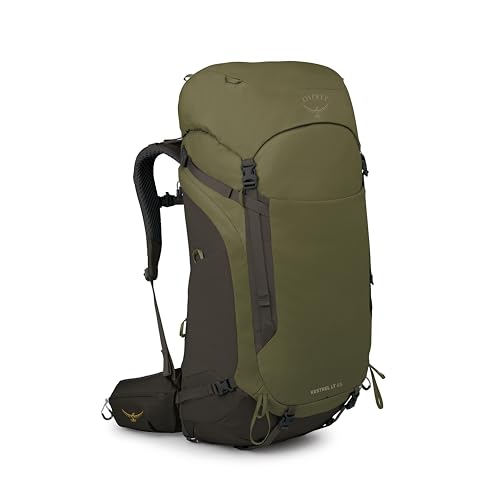
- ✓ Stable load transfer
- ✓ Easy access design
- ✓ Included raincover
- ✕ Heavier than ultra-light
- ✕ Bulky for minimalist trips
| Torso Length Adjustment | Adjustable torso length for customized fit |
| Capacity | 65 L (implied by model name Kestrel LT 65L) |
| Weight | 4.25 lb / 1.93 kg |
| Suspension System | Airscape backpanel with LightWire perimeter frame for load transfer |
| Rain Cover | Included raincover made from 100% recycled nylon ripstop |
| Access and Organization | Top-loading main compartment with side zip access, front shove-it pocket, removable top lid, sleeping pad straps, trekking pole loops, internal reservoir sleeve, and two quick-access hipbelt pockets |
The first time I strapped on the Osprey Kestrel LT 65L, the torso-length adjustment clicked into place you don’t notice—until you start hiking and realize you’re carrying a wall of support exactly where you want it. I slid a sleeping pad into the side pocket and felt the weight settle evenly, not pull you forward or toss you into a stumble.
Within minutes, the Airscape backpanel kept my shirt dry as sweat streamed down the channels, which was a small, but noticeable win on a humid shoulder-season climb.
The top lid came off with a soft, reassuring yank, revealing a surprisingly flexible main compartment. I appreciated the side-zip access for late-night snacks without unpacking the whole bag, and the front shove-it pocket handled my windbreaker and map like a second, easy-to-reach chest pocket.
The raincover tucked neatly into its bottom sleeve, ready for when the forecast finally flipped, and I didn’t have to rummage for it in the middle of a downpour.
On rough switchbacks, the LightWire perimeter frame kept the pack’s shape and helped transfer weight to the hips. The dual hipbelt pockets were a small-touch that made a big difference for snacks, a phone, or a tiny camera—things you grab a lot while you’re navigating trees and roots.
It feels durable without feeling bulky, and the overall build inspires confidence that you could push this through a couple of back-to-back days.
For everyday overnight use, the Kestrel LT hits a sweet spot: sturdy, versatile, and not overbearing. If you’re chasing a reliable, multi-day pack with a combat-ready suspension, you’ll likely reach for this again and again.
It blends comfort with practical features you actually use in real trips.
Osprey Kyte LT 45L Women’s Backpacking Pack (Purple)

- ✓ Close, stable carry
- ✓ Smart access pockets
- ✓ Reliable rain protection
- ✕ Fixed lid only
- ✕ Slightly heavier bulk
| Torso Length Adjustability | Adjustable torso length for a women’s fit |
| Capacity | 45 liters |
| Weight | 3.74 lb / 1.7 kg |
| Rain Cover | Includes waterproof raincover stored in bottom compartment |
| Back Panel System | Airscape backpanel with mesh-covered foam and ventilation channels |
| Frame/Support | LightWire perimeter frame for load transfer; dual side compression; padded hipbelt with load lifters |
It’s not the lightest option, but it balances weight and comfort nicely for dense terrain.
The raincover is a practical, well-thought-out bonus you’ll actually use in bad weather.
If you’re chasing a streamlined, capable overnight pack with dependable suspension, this one checks the boxes.
Oramoose 2 Pack 4-Inch Camping Sleeping Pads Foot Pump and

- ✓ Quick built-in pump
- ✓ Dual, connectable design
- ✓ Lightweight and compact
- ✕ Not winter-grade insulation
- ✕ Slightly firm for ultra-light sleepers
| Thickness | 4 inches |
| Dual- pad configuration | Two pads that can be used separately or snapped together for a wider sleep surface |
| Inflation method | Built-in foot pump |
| Inflation time (estimated) | 30–60 seconds per pad |
| Weight | 1.9 lbs per pad |
| Packability | Compact and packable for backpacking |
For solo trips, you can still use one pad and keep the other as a backup or for extra gear between you.
Overall, the Oramoose 2 Pack delivers comfort, ready inflation, and adaptable sleeping space without weighing you down.
What Makes an Overnight Backpacking Trip the Best?
What makes an overnight backpacking trip the best hinges on several key factors that enhance the overall experience.
-
Scenic Beauty: Choosing a route that offers breathtaking landscapes can transform a simple hike into a memorable adventure. Look for trails that pass through diverse ecosystems, stunning vistas, or unique geological features.
-
Accessibility: The best trips are often those that are easily reachable yet offer a sense of wilderness. Proximity to home can reduce travel stress and allow for more time on the trail.
-
Suitable Duration: A trip lasting one or two nights strikes a balance between adventure and comfort. It’s long enough to immerse oneself in nature without overwhelming first-time backpackers.
-
Campsite Quality: A campsite with ample space, proximity to water sources, and good views can significantly enhance the experience. Consider sites that allow for privacy and a peaceful ambiance away from crowds.
-
Trail Difficulty: A trail that matches your skill level ensures a fulfilling journey. The best trips offer a moderate challenge that encourages skill development without leading to frustration or danger.
-
Wildlife and Flora: Opportunities to encounter diverse wildlife and unique plant life can add excitement and educational value to the trip. Knowing what to expect enhances the experience.
These elements combine to create an unforgettable overnight backpacking adventure.
Which Elements Contribute to an Ideal Backpacking Experience?
The key elements contributing to an ideal backpacking experience include proper planning, suitable gear, and a supportive group.
- Proper Planning: Thorough planning involves researching the trail, understanding the terrain, and knowing the weather conditions. This preparation helps in choosing the right time to go, determining the difficulty level of the hike, and setting realistic expectations for the trip.
- Suitable Gear: Having the right backpacking gear is crucial for comfort and safety. Essential items include a lightweight tent, a sleeping bag appropriate for the season, cooking equipment, and sufficient food and water supplies, all tailored to the specific conditions of the trip.
- Supportive Group: Hiking with a group of like-minded individuals can enhance the experience significantly. A supportive group fosters camaraderie, makes decision-making easier, and provides motivation and assistance during challenging parts of the trek.
- Safety Awareness: Being aware of safety measures such as first aid, navigation techniques, and wildlife encounters is vital. Having a plan for emergencies and knowing basic survival skills can make a significant difference in ensuring a safe and enjoyable trip.
- Leave No Trace Principles: Practicing Leave No Trace principles ensures that the natural environment remains pristine for future visitors. This includes proper waste disposal, staying on designated trails, and minimizing campfire impact, which all contribute to responsible outdoor ethics.
What Are the Top Overnight Backpacking Destinations?
The top overnight backpacking destinations offer breathtaking scenery and diverse terrains, perfect for adventurers seeking a memorable experience.
- Yosemite National Park, California: Known for its stunning granite cliffs and waterfalls, Yosemite offers numerous trails for overnight backpackers. The park features diverse ecosystems, from meadows to high mountain peaks, allowing hikers to experience a variety of landscapes and wildlife.
- Glacier National Park, Montana: This park is famous for its rugged mountains and pristine lakes, providing a picturesque backdrop for overnight trips. With over 700 miles of trails, backpackers can explore ancient glaciers and spot wildlife such as bears and mountain goats along the way.
- Great Smoky Mountains National Park, Tennessee/North Carolina: As one of the most visited national parks in the U.S., it offers a wealth of trails with varying difficulty levels. The park’s rich biodiversity and stunning vistas make it an ideal location for an overnight backpacking adventure.
- Zion National Park, Utah: With its dramatic canyons and towering cliffs, Zion provides unique landscapes for backpackers. Trails like The Narrows and Angels Landing give hikers the chance to experience both the beauty and thrill of the park, making it a top choice for those looking for adventure.
- Shenandoah National Park, Virginia: This park features a network of trails along the Appalachian Mountains, with stunning views and diverse wildlife. Backpacking here allows for a peaceful retreat into nature, with opportunities to camp near cascading waterfalls and scenic overlooks.
- Mount Rainier National Park, Washington: Home to the iconic Mount Rainier, this park offers breathtaking views and diverse ecosystems. The Wonderland Trail encircles the mountain and provides a perfect route for backpackers seeking an unforgettable experience in the shadow of a towering volcano.
- Acadia National Park, Maine: Acadia is known for its rugged coastline and beautiful landscapes, offering unique trails that combine forest and ocean views. The park’s well-maintained trails allow for enjoyable overnight hikes with the opportunity to experience stunning sunrises over the Atlantic.
- Olympic National Park, Washington: This park features diverse ecosystems ranging from lush rainforests to alpine environments. Backpackers can explore the various trails that lead through unique landscapes, including the Hoh Rain Forest and the rugged coastline of the Pacific Ocean.
What Unique Features Do These Destinations Offer?
The best overnight backpacking trips offer unique features that enhance the outdoor experience, combining breathtaking scenery with challenging terrains.
- Yosemite National Park, California: Renowned for its stunning granite cliffs, waterfalls, and diverse ecosystems, Yosemite provides a variety of trails that cater to different skill levels. Backpackers can enjoy the iconic views of Half Dome and El Capitan, along with opportunities to witness the park’s rich wildlife.
- Glacier National Park, Montana: This destination is famous for its rugged mountains, pristine lakes, and abundant wildlife. The park features the historic Going-to-the-Sun Road and numerous trails that lead to breathtaking vistas, making it perfect for those looking to experience dramatic landscapes and solitude.
- Shenandoah National Park, Virginia: With over 200,000 acres of protected lands along the Blue Ridge Mountains, Shenandoah offers scenic vistas, cascading waterfalls, and rich biodiversity. The Appalachian Trail runs through the park, providing opportunities for both short and long backpacking trips amidst beautiful fall foliage.
- Banff National Park, Canada: Known for its turquoise lakes and towering peaks, Banff provides a stunning backdrop for backpacking. The park’s extensive trail network allows hikers to explore the breathtaking landscape, including the famous Lake Louise and Moraine Lake, while encountering diverse wildlife such as elk and grizzly bears.
- Great Smoky Mountains National Park, Tennessee/North Carolina: This park is recognized for its lush forests and diverse plant and animal life, making it a haven for nature lovers. With numerous trails, including parts of the Appalachian Trail, backpackers can enjoy breathtaking views and the tranquility of the mountains.
- Zion National Park, Utah: Zion is famous for its dramatic canyons and towering sandstone cliffs, offering unique geological features. The park provides several challenging backpacking routes, such as the Zion Narrows, where hikers can traverse through the Virgin River while surrounded by towering walls of rock.
What Essential Gear Do You Need for the Best Overnight Trip?
For the best overnight backpacking trip, essential gear includes:
- Backpack: A comfortable and well-fitted backpack is crucial for carrying all your gear. Look for one with adjustable straps, multiple compartments, and sufficient volume to hold your essentials without being oversized.
- Tent: A lightweight tent provides shelter from the elements and is easy to set up. Choose a model that suits the number of occupants and offers good weather protection, while still being packable for easy transport.
- A quality sleeping bag rated for the temperatures you expect will keep you warm and comfortable at night. Consider factors like insulation type, weight, and packed size to ensure it fits well within your backpack.
- Sleeping Pad: A sleeping pad adds insulation and cushioning between you and the ground, enhancing your sleeping comfort. Look for options that are lightweight and easily inflatable or rollable for compact storage.
- Cooking Gear: A portable stove, fuel, and lightweight cookware are necessary for preparing meals on the trail. Choose gear that is compact and efficient, allowing you to cook a variety of meals with minimal weight.
- Water Filtration System: Access to clean drinking water is essential, and a portable water filter or purification tablets will ensure you can safely drink from natural sources. This gear is lightweight and can save you from carrying large amounts of water.
- Clothing: Layered clothing made from moisture-wicking and quick-drying materials will keep you comfortable in changing weather conditions. Don’t forget a waterproof jacket and suitable footwear for hiking.
- First Aid Kit: A compact first aid kit can provide essential supplies for treating minor injuries or ailments. Make sure it includes bandages, antiseptic wipes, pain relievers, and any personal medications you might need.
- Navigation Tools: A map and compass or a reliable GPS device are vital for finding your way in the wilderness. Familiarize yourself with how to use these tools to enhance safety and ensure you stay on track.
- Headlamp or Lantern: A headlamp or compact lantern is essential for navigating and setting up camp after dark. Opt for a lightweight, battery-efficient model to minimize the impact on your pack weight.
How Can Proper Gear Enhance Your Backpacking Experience?
Proper gear significantly enhances your backpacking experience by ensuring comfort, safety, and convenience during your trip.
- Backpack: A well-fitted backpack is crucial for distributing weight evenly across your body, minimizing fatigue during long hikes. Look for one with adjustable straps, a hip belt, and adequate storage to accommodate your overnight essentials.
- Sleeping System: This includes a sleeping bag and sleeping pad, which ensure a good night’s rest after a day of hiking. Choose a sleeping bag rated for the temperatures you’ll encounter and a pad that provides insulation and comfort from the ground.
- Clothing Layers: Layering your clothing allows for flexibility in changing weather conditions. Invest in moisture-wicking base layers, insulating mid-layers, and waterproof outer layers to keep you dry and warm throughout your adventure.
- Cooking Equipment: Compact stoves, lightweight cookware, and necessary utensils are essential for preparing meals in the wilderness. Having a reliable cooking setup enhances your ability to enjoy warm meals, which is vital for maintaining energy levels on your trip.
- Navigation Tools: A combination of a map, compass, and GPS device ensures you can find your way through unfamiliar terrain. Proper navigation tools are essential for safety, helping you avoid getting lost and allowing you to enjoy the journey without unnecessary stress.
- First Aid Kit: A well-stocked first aid kit is a critical component of your gear, providing the necessary supplies to handle minor injuries or emergencies. Being prepared with a kit tailored to your trip can give you peace of mind and help ensure a safe experience.
- Water Filtration System: Access to clean drinking water is vital, and a good water filtration system allows you to use natural water sources safely. This reduces the need to carry large quantities of water, lightening your load while ensuring hydration on the trail.
- Headlamp or Flashlight: A reliable source of light is indispensable for navigating your campsite after dark or during early morning hikes. Opt for a lightweight headlamp for hands-free operation, making it easier to set up camp or cook in low-light conditions.
What Safety Measures Are Important for Overnight Backpacking?
When planning the best overnight backpacking trip, several essential safety measures should be considered to ensure a safe and enjoyable experience.
- Proper Gear: Having the right gear is crucial for safety and comfort. This includes a sturdy backpack, a reliable tent or shelter, sleeping bag, and appropriate clothing for the weather conditions to protect against hypothermia or overheating.
- Navigation Tools: Carrying a map, compass, or GPS device is vital for staying on track. Familiarizing yourself with the area and having backup navigation tools can prevent getting lost, especially in remote locations.
- Emergency Kit: An emergency kit should include first aid supplies, a multi-tool, fire-starting materials, and a whistle. This kit can be a lifesaver in case of injuries or unexpected situations, allowing you to respond quickly and effectively.
- Food and Water Supplies: Ensure you have enough food and water for the duration of your trip, along with a means to purify water if needed. Dehydration and hunger can significantly hinder your ability to navigate and make good decisions in the wilderness.
- Weather Awareness: Checking the weather forecast before your trip is crucial for planning. Being aware of potential changes in weather can help you pack appropriately and prepare for any emergencies that may arise due to severe weather conditions.
- Informing Someone: Always let a friend or family member know your itinerary and expected return time. This way, if something goes wrong, someone will know to look for you and can alert authorities if necessary.
- Wildlife Precautions: Understanding how to minimize encounters with wildlife is essential for safety. This includes using bear canisters for food storage, making noise while hiking, and knowing how to react in case of an encounter with wild animals.
- Physical Preparation: Being physically prepared for your trip is key to preventing injuries. Training and conditioning your body for the demands of hiking and carrying a heavy backpack will help enhance your endurance and reduce the risk of fatigue-related accidents.
Which Common Hazards Should You Be Aware Of?
When planning the best overnight backpacking trip, being aware of common hazards is essential for ensuring safety and enjoyment.
- Weather Changes: Sudden shifts in weather can impact your trip significantly.
- Wildlife Encounters: Interactions with wildlife can pose risks if not properly managed.
- Navigation Errors: Getting lost due to poor navigation can lead to dangerous situations.
- Injury and Illness: Physical injuries or health issues can arise during an outdoor adventure.
- Water Safety: Risks associated with water sources, including contamination and swift currents.
Weather Changes: The weather in mountainous or forested areas can be unpredictable, with conditions shifting from sunny to stormy in a matter of minutes. It’s crucial to check forecasts before your trip and be prepared with appropriate gear, such as rain jackets and thermal layers, to handle unexpected weather.
Wildlife Encounters: While wildlife is a fascinating aspect of the outdoors, it can also present hazards, particularly if you encounter bears, snakes, or other potentially dangerous animals. Understanding how to store food properly and recognizing animal behavior can help minimize risks during your backpacking trip.
Navigation Errors: Backpackers can easily become disoriented, especially in dense woods or unfamiliar terrain. Using a map and compass, alongside GPS devices, can aid in navigation, but it’s also beneficial to familiarize yourself with the area beforehand to avoid getting lost.
Injury and Illness: The physical demands of backpacking can lead to injuries such as sprains, blisters, or more serious conditions. Carrying a well-stocked first aid kit and knowing basic first aid skills can be life-saving, as well as being aware of your physical limits and pacing yourself throughout the trip.
Water Safety: Access to clean drinking water is essential during a backpacking trip, but not all water sources are safe. It’s important to treat water from streams or lakes using filtration systems or purification tablets, and to be cautious around fast-moving water to avoid accidents.
How Can You Plan the Perfect Overnight Backpacking Adventure?
Planning the perfect overnight backpacking adventure involves several key components to ensure a memorable and enjoyable experience.
- Choose the Right Destination: Selecting a location that matches your skill level and interests is crucial for a successful trip.
- Check the Weather: Understanding the climate conditions will help you prepare adequately for your adventure.
- Plan Your Route: A well-planned route ensures you stay on track and experience scenic views while avoiding overly strenuous trails.
- Pack Wisely: Bringing the right gear is essential for comfort and safety during your trip.
- Prepare Your Meals: Planning nutritious and easy-to-cook meals will keep your energy levels up during the hike.
- Set a Tentative Itinerary: Having a schedule helps manage your time and ensures you have enough daylight for setting up camp.
- Leave No Trace Principles: Practicing environmental responsibility is important for preserving the beauty of nature.
Choosing the right destination involves researching various trails and parks, considering factors like distance, elevation gain, and available amenities. Look for places that suit your experience level and offer the type of scenery you enjoy, whether it’s mountains, forests, or lakes.
Checking the weather forecast ahead of time allows you to pack appropriate clothing and gear. Sudden changes in weather can significantly impact your comfort and safety, so be prepared for different conditions, especially in unpredictable climates.
Planning your route means using maps or apps to outline the trail you intend to follow. This includes identifying water sources, potential campsites, and any challenging sections of the trail, allowing for a well-paced and enjoyable journey.
Packing wisely includes selecting lightweight and essential gear such as a comfortable backpack, tent, sleeping bag, cooking equipment, and clothing suitable for the temperature. Striking a balance between comfort and weight is key, as carrying too much can lead to fatigue.
Preparing your meals ahead of time ensures that you have easy-to-cook and nutritious options. Consider pre-packaged meals or easy recipes that require minimal cooking equipment, which saves time and energy while hiking.
Setting a tentative itinerary helps keep you on schedule, allowing you to maximize your experience while ensuring you reach your campsite before dark. It’s important to account for breaks and unexpected delays in your plan.
Adhering to Leave No Trace principles is vital for protecting the environment you enjoy. This includes packing out all trash, staying on designated trails, and respecting wildlife, which helps maintain the natural beauty for future adventurers.
What Factors Should You Consider When Choosing a Route?
When choosing a route for the best overnight backpacking trip, several factors should be taken into account to ensure a rewarding experience:
-
Difficulty Level: Assess the terrain and elevation changes. Choose a route that matches your fitness level and experience. Beginners may prefer well-marked trails with gradual elevation, while experienced hikers might seek more challenging paths.
-
Distance: Calculate the total distance you plan to hike. A general rule is to limit daily mileage to 8-12 miles for an overnight trip, depending on terrain and personal stamina.
-
Water Sources: Check for reliable water sources along the route. Staying hydrated is crucial, so identify streams or lakes where you can refill water bottles.
-
Weather Conditions: Research the weather forecast for the area. Be prepared for sudden changes in conditions, especially in mountainous regions.
-
Camping Regulations: Verify camping rules for your chosen area. Some parks require permits or have designated camping sites.
-
Wildlife and Safety: Consider potential wildlife encounters and areas prone to hazards, such as steep drops or fast-moving rivers.
These factors will help ensure a safe and enjoyable overnight backpacking adventure.
Related Post: