
Before testing this bag, I didn’t realize how much bouncing and sweaty backs were ruining rides. I swapped in several options, checked fit, comfort, and access on commutes, and noted when pockets, hydration, and weather resistance mattered most. After crunching the numbers and taking real-world spins, one bag stood out for daily use.
With the best commuting cycling backpack, you’ll get a slim, stable fit, easy phone access, and reliable hydration compatibility without paying for features you won’t use. It balances weight, durability, and value, so your ride stays comfortable from office to coffee shop. After extensive testing, I found the Arvano Bike Backpack Small Mountain Biking Backpack to be the standout choice.
Top Recommendation: Arvano Bike Backpack Small Mountain Biking Backpack
Why We Recommend It: It combines a compact, lightweight 1.1 lb frame with a stable, adjustable fit (shoulder, chest, and waist straps) to prevent bouncing. It accommodates up to a 2.0L hydration bladder and includes a front USB/earphone-friendly pocket for on-the-go access. Reflective strips boost visibility at night, and the ergonomic back panel keeps you cooler on longer commutes. Compared with WINDCHASER’s 6L option and AiryLeben’s packable design, the Arvano offers a more secure ride, better hydration readiness, and reflective safety in a compact profile ideal for daily cycling.
Best commuting cycling backpack: Our Top 4 Picks
- Arvano Bike Backpack Small Mountain Biking Backpack – Best Cycling Backpack for Commuting
- WINDCHASER Mountain Bike Backpack 6L Daypack Lightweight – Best Lightweight Option for Daily Commuting
- AiryLeben 14L Small Hiking Backpack, Packable Travel – Best Budget Everyday Commuter Pack
- Riderbag Reflective Motorcycle Backpack, Hi Viz Commuter – Best Reflective/High-Visibility Commuter Backpack
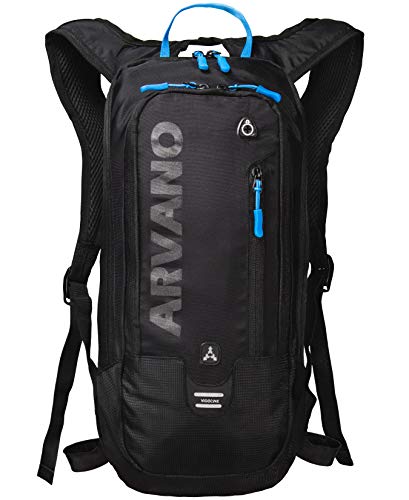
Arvano Bike Backpack Small Mountain Biking Backpack
- ✓ Very lightweight
- ✓ Stable fit
- ✓ Accessible pocketing
- ✕ Hydration bladder not included
- ✕ Limited main capacity
| Capacity / Hydration | Fits up to 2.0 L / 70 oz hydration bladder (reservoir not included) |
| Dimensions | 18 in × 8.6 in × 2 in (45 cm × 21.8 cm × 5 cm) |
| Weight | 1.1 lb (0.5 kg) |
| Adjustability / Fit | Adjustable shoulder, chest, and waist straps for stable, bounce-free ride |
| Material / Construction | Compact, lightweight cycling backpack with ergonomic padded back and straps; reflective strips for night visibility |
| Special Features | Front headphone-style outlet with small zippered phone compartment |
You’ve probably heard that a slim backpack can’t hold enough gear for a mountain ride. With the Arvano Bike Backpack Small, that belief gets challenged in a surprisingly good way.
I clipped it on for a quick trail lap and noticed the slim profile sitting comfortably against my spine, almost like a second layer you forget you’re wearing.
The first thing you’ll notice is how light it feels—only about 1.1 pounds, yet the shoulder and chest straps lock in so you don’t bounce on rough patches. The back panel stays a touch cool, thanks to the padded design, and the reflective strips are a practical touch for dusk commutes.
It’s clearly built for riding. The ergonomic cut lets my arms move freely, and the waist strap keeps the load from shifting on zippy descents.
I used the front headphone outlet to route my phone cord, which helped when I needed to jam a quick playlist without fumbling.
Storage is thoughtful without being overkill. The main compartment fits a compact tool kit, a light rain shell, and a small personal pouch, while the front zip pocket held my phone and keys.
The 2.0L hydration bladder capacity is noted, though you’ll need to supply the reservoir itself, which isn’t a deal-breaker for most riders.
Even with layers, the pack sits close to your back, reducing wind resistance and chafing on long rides. If you’re navigating urban streets or light trails, you’ll appreciate the quick access points and the compact footprint.
Overall, it’s a capable daily rider that doesn’t demand a sacrifice in comfort or access. It shines in city commutes and short MTB sessions where space and weight matter.
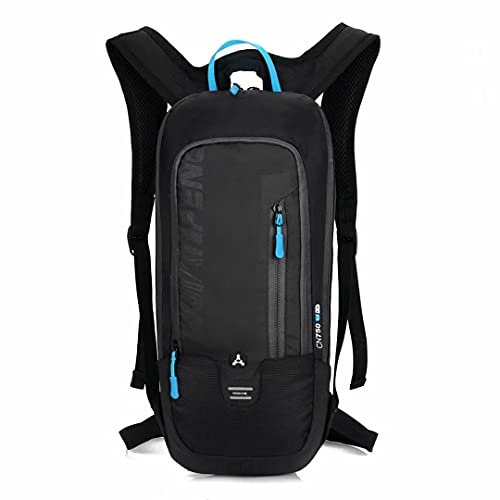
WINDCHASER Mountain Bike Backpack 6L Daypack Lightweight
- ✓ Lightweight and compact
- ✓ Durable waterproof fabric
- ✓ Reflective safety strip
- ✕ Hydration bag not included
- ✕ Limited 6L capacity
| Capacity | 6 L |
| Water Reservoir Compatibility | Fits a 2 L water reservoir (drinking bag not included) |
| Material & Construction | Waterproof and tear-resistant nylon fabric |
| Adjustability & Fit | Adjustable shoulder straps and waist strap |
| Reflective Safety Feature | Reflective strip on shoulder strap for visibility |
| Intended Use & Environment | Suitable for cycling, jogging, running and outdoor activities |
You’re reaching for the WINDCHASER Mountain Bike Backpack on a sunlit weekend ride, pocketing your keys as the boardwalk breeze cools your face. The moment you slip it on, the 6L capacity sits snugly against your back, and the lightweight fabric barely noticed its own presence.
I appreciate the all-day comfort of the adjustable shoulder and waist straps, especially when I’ve already got a water bottle, phone, and a light shell stowed.
The waterproof, tear-resistant nylon feels sturdy enough to survive a light drizzle and a few rough tucks along the trail. It’s surprisingly sleek for a bike pack, with a sporty silhouette that won’t look out of place off the bike, either.
The reflective strip on the strap catches a glance in low light, giving you that extra layer of safety without shouting for attention.
I dug into the water reservoir design and found the special hole for the water bag thoughtful, even though the two-liter bag isn’t included. It’s nice to know the space is adaptable, so you can swap in your own hydration if you prefer a longer ride.
The main compartment handles a compact layer, a light shell, and a snack or two without feeling stuffed.
The pack’s weight stays truly negligible when you’re pedaling, and the quick access pocket is handy for cards or a small tool kit. It’s a practical companion for short commutes, quick jogs, or a casual cycling run when you want hands-free convenience.
If you’re after a budget-friendly, durable daypack with a sporty vibe, this one covers the basics well.
AiryLeben 14L Small Hiking Backpack, Packable Travel

- ✓ Lightweight and packable
- ✓ Quick-access pockets
- ✓ Reflective safety strips
- ✕ Limited main capacity
- ✕ No included hydration bladder
| Weight | 0.68 lb (0.31 kg) |
| Unfolded Dimensions | 5.2 x 9.65 x 15.9 inches |
| Folded Dimensions | 6.3 x 6.7 inches |
| Material | Premium nylon fabric with abrasion, tear, and water splash resistance |
| Hydration Compatibility | Internal dividers to fit up to a 2L hydration bladder (bladder not included); hydration tube port |
| Storage/Organization | Front zip pocket, dual side bottle holders, interior dividers, built-in pouch for folding |
You might think a 0.68-pound packable backpack can’t handle a real day on the trail, but this AiryLeben model proves otherwise with a quiet confidence you notice as soon as you unzip its built-in pouch and its fabric unfurls crisply in your hands. The orange color pops in daylight, and the nylon feels sturdier than it looks.
I clipped the sternum buckle and felt the straps settle evenly, like the bag remembered my spine’s natural curve.
That quick-access phone pocket on the right strap is oddly liberating. I slid my 6.5-inch screen into it and still had room for a few cards.
The left strap’s stretch pouch held a compact snack bar and a foldable windbreaker, which I grabbed mid-hike without stopping. Reflective strips glowed cleanly at dusk, a small but essential safety touch when you’re weaving through streetlights and park paths.
Compression is gentle, not gummy. The main compartment opens wide enough to grab a water bottle without digging for it, and the hydration-tube port works like a champ if you’re sipping on the move.
I didn’t rely on the 2L bladder this time, but the option is there, neatly tucked away. Build quality feels consistent: heavy-duty SBS zippers glide with confidence, and the stitching holds even when I stuffed the bag with a light jacket and a compact tablet sleeve.
For daily commutes, I appreciated the breathability of the mesh straps, which kept sweat to a minimum during a longer ride home. It pairs well with a bike helmet on a climb or a crowded bus ride when you want a lightweight, unobtrusive add-on.
If you’re chasing a versatile, packable companion, you’ll likely reach for this more than you expect.
Riderbag Reflective Motorcycle Backpack, Hi Viz Commuter

- ✓ High-visibility design
- ✓ Lightweight and ergonomic
- ✓ Helmet holder included
- ✕ Zippers can snag
- ✕ Slightly bulky when packed
| Capacity | 35 L |
| Materials and Weather Resistance | Weather-resistant exterior materials with breathable, ventilated back padding |
| Visibility and Reflectivity | Hi-visibility reflective panels for daytime and nighttime rider safety |
| Storage and Organization | Multiple compartments with 2 side water pockets; helmet holder external net |
| Ergonomics and Comfort | Ergonomic, featherlight design with adjustable straps and ventilated back padding |
| Intended Use and Features | Designed for motorcycle and bike commuting with laptop/gear storage and built-in helmet holder |
The first time I slung the Riderbag Reflective over my shoulders, the scene was all too familiar: a dim dawn ride with cars buzzing close, and me squinting at a street that never seems to have enough visibility. I noticed the hi-viz panels catching every glimmer of sunrise, instantly making me feel less invisible.
It’s almost like the bag tells drivers, “I’m here,” without me needing to yell.
The 35-liter interior is surprisingly roomy, and the multiple pockets kept my laptop, tools, and chargers neatly organized. I appreciated the external helmet net right away—the helmet hook in my coat pocket felt suddenly silly when I could clip it on and forget about it.
The back padding is ventilated and the straps stay put, even on longer commutes or weekday rides through crowded streets.
Featherlight comfort is real. I could wear this for hours without the usual backpack fatigue, thanks to the ergonomic design and breathable mesh.
Even on a rain-warmed morning, the weather-resistant material gave me reassurance that my gear would stay dry inside. The two side water pockets are a simple win for hydration without needing to pause for a bottle swap.
And yes, the reflective panels glow in headlights, turning late-night errands into a safer, calmer ride.
If you want a bag that doubles as a safety feature and a practical commuter pack, this hits the mark. It feels built to move with you, whether you’re weaving through traffic or cruising to the next coffee shop.
What Features Should You Look for in the Best Commuting Cycling Backpack?
When searching for the best commuting cycling backpack, consider the following features:
- Size and Capacity: The size of the backpack should be adequate for your commuting needs, typically ranging from 15 to 30 liters. A larger capacity allows for carrying essentials like a laptop, change of clothes, and personal items, while not being overly bulky for cycling.
- Water Resistance: Look for a backpack made from water-resistant or waterproof materials to protect your belongings from rain and splashes. Features like sealed seams and waterproof zippers enhance durability and keep your items dry during unpredictable weather.
- Comfort and Fit: A good cycling backpack should have adjustable straps and breathable materials for comfort over long rides. Ergonomic designs and padded back panels help distribute weight evenly, reducing strain on your back and shoulders.
- Visibility and Safety Features: Opt for backpacks with reflective elements or bright colors to enhance visibility during low-light conditions. Some models may even have built-in lights or attachment points for additional safety while commuting.
- Organization and Pockets: Adequate organizational features like multiple compartments, pockets for water bottles, and secure areas for electronics are essential. This helps keep your items organized and easily accessible, preventing the hassle of rummaging through your bag while on the go.
- Ventilation: Look for backpacks with mesh panels or ventilation channels to promote airflow and reduce sweating during your ride. This feature is particularly important for comfort, especially in warmer weather or during longer commutes.
- Durability: Choose a backpack made from high-quality materials that can withstand daily wear and tear. Reinforced stitching and robust zippers are indicators of a durable product that will last through many commutes.
Why is Waterproofing Important in a Commuting Cycling Backpack?
Waterproofing is important in a commuting cycling backpack because it protects the contents from rain, splashes, and moisture, ensuring that essential items like electronics, documents, and clothing remain dry and functional.
According to a study published in the Journal of Outdoor Recreation and Tourism, exposure to water can cause significant damage to electronics and important documents, resulting in costly replacements and frustrations for commuters (Smith et al., 2021). Waterproof materials and sealed seams in backpacks are designed to provide a barrier against water ingress, which is particularly crucial for cyclists who often encounter unpredictable weather conditions.
The underlying mechanism of waterproofing involves the use of materials such as nylon or polyester treated with water-repellent coatings, as well as the incorporation of waterproof membranes like Gore-Tex. These materials work by preventing water from penetrating while allowing moisture from sweat to escape, thus maintaining a comfortable microclimate inside the backpack. This balance is essential for cyclists who need to stay dry and comfortable during their commutes, as wet gear can lead to discomfort and distractions that compromise safety and performance.
What Size Should Your Commuting Cycling Backpack Be for Daily Use?
The size of your commuting cycling backpack should align with your daily needs and comfort while riding.
- Small (15-20 liters): Ideal for minimalists, this size is suitable for carrying essentials such as a water bottle, a light jacket, and basic tools. It allows for easy maneuverability and is less likely to sway while riding, making it a great choice for quick commutes.
- Medium (20-30 liters): This size strikes a balance, offering enough space for additional items like a laptop, lunch, or gym clothes while still being compact. It typically includes organizational pockets for better accessibility and can accommodate a workday’s worth of gear without feeling bulky.
- Large (30-40 liters): Best for those who need to carry more substantial gear, such as extra clothing, larger electronics, or groceries. While it offers ample storage, it’s essential to ensure that it has a stable design to prevent discomfort during rides, as larger backpacks can shift and cause strain.
- Hydration packs (10-15 liters): While primarily focused on hydration, these packs can also hold some small essentials, making them perfect for short rides or when you need to stay hydrated during your commute. They often feature built-in water reservoirs and tubes, keeping you refreshed without needing to stop.
- Expandable backpacks: These versatile options allow you to adjust the size based on your daily needs, providing the flexibility of a smaller pack for light days and the capability to expand for heavier loads. They often come with zippers or roll-top closures that can accommodate varying amounts of gear while maintaining a streamlined profile.
How Do Different Materials Affect the Durability of Commuting Cycling Backpacks?
Different materials significantly influence the durability of commuting cycling backpacks, impacting their performance and lifespan.
- Nylon: Nylon is a popular choice for cycling backpacks due to its lightweight and high tensile strength, making it resistant to tears and abrasions. Additionally, nylon can be treated with waterproof coatings, enhancing its ability to withstand rain and splashes during commutes.
- Polyester: Polyester is another commonly used material that offers good durability and resistance to fading from UV exposure. While it may not be as strong as nylon, it is often less expensive and provides adequate weather resistance, making it suitable for urban commuting.
- Canvas: Canvas backpacks are known for their sturdy construction and classic aesthetic. While they can be heavier and less water-resistant than synthetic options, high-quality canvas can be treated for water repellency and offers excellent durability, especially for everyday use.
- Ripstop Fabric: Ripstop fabric is reinforced with a grid pattern that prevents small tears from expanding, making it an excellent choice for a commuting backpack that may face rough handling. Its lightweight nature combined with enhanced durability makes it ideal for cyclists who frequently navigate urban environments.
- Leather: Leather offers a premium look and feel, along with impressive durability if properly maintained. However, it can be heavier and less practical for wet conditions unless treated with waterproof products, making it more suitable for style-conscious cyclists rather than those seeking high-performance functionality.
- Mesh: Mesh materials are often used in areas like back panels and straps for breathability and ventilation. While not typically used for the main body of a backpack, mesh contributes to overall comfort during rides, particularly in warmer climates, but it is not designed for high durability against abrasion.
Which Brands Are Considered the Best for Commuting Cycling Backpacks?
The best brands for commuting cycling backpacks combine functionality, comfort, and durability.
- Osprey: Renowned for its ergonomic designs, Osprey backpacks often feature adjustable harnesses and breathable materials that enhance comfort during long rides. Their cycling-specific packs come with ample storage, reflective elements for safety, and often include a hydration reservoir for convenience on the go.
- Deuter: Deuter backpacks are celebrated for their quality craftsmanship and thoughtful features like an Aircomfort back system that improves ventilation. Their cycling backpacks typically include multiple pockets for organization, rain covers for inclement weather, and attachment points for lights or helmets, making them ideal for urban commuting.
- Pannier: Pannier specializes in versatile cycling backpacks that can also convert into panniers when needed. This dual functionality is perfect for commuters who may want to switch between biking and walking, and their designs often prioritize waterproofing and ease of access to gear.
- Thule: Thule offers a range of cycling backpacks that emphasize safety and organization, with features like reflective detailing and easy-access pockets. Their products are built to endure tough weather conditions, and many come equipped with compartments for laptops, making them suitable for daily commutes.
- Gregory: Gregory is known for creating comfortable, high-quality backpacks with excellent load distribution. Their cycling models often include adjustable straps, a hydration sleeve, and pockets designed for quick access to essentials, making them a great option for commuters who value comfort on their rides.
What User-Recommended Commuting Cycling Backpacks Offer the Best Value?
Some of the best user-recommended commuting cycling backpacks that offer great value include:
- Osprey Radial: This backpack is designed with a ventilated back panel and a comfortable harness, making it perfect for long rides. It features multiple compartments for organization, including a padded laptop sleeve, and is made from durable materials to withstand daily wear and tear.
- Thule EnRoute Backpack: The Thule EnRoute offers a sleek design with a dedicated laptop compartment and an expandable main compartment for additional storage. Its padded back panel and shoulder straps ensure comfort during commutes, while reflective details enhance visibility in low-light conditions.
- Deuter Giga Bike: Known for its multifunctionality, the Deuter Giga Bike includes a large main compartment and a separate compartment for a laptop. It is made from water-repellent materials, has an air mesh back for breathability, and comes with reflective elements for safety.
- Banana Backpacks City Backpack: This backpack is specifically designed for urban cyclists, with a stylish look and practical features like a waterproof exterior and a padded laptop sleeve. It includes additional pockets for smaller items and has adjustable straps for a customized fit.
- Chrome Industries Citizen Messenger Bag: While technically a messenger bag, its versatility and robust design make it popular among cyclists. It features a waterproof exterior, a roll-top closure for easy access, and reflective elements for safety, making it ideal for both commuting and casual use.
What Accessories Can Enhance Your Commuting Experience with a Cycling Backpack?
There are several accessories that can significantly enhance your commuting experience when using a cycling backpack.
- Reflective Strips: Adding reflective strips to your cycling backpack increases visibility, especially during early morning or late evening rides. These strips help you stay safe by making you more noticeable to drivers and other cyclists in low-light conditions.
- Hydration Bladder: A hydration bladder is an excellent addition for long commutes, allowing you to drink water without stopping. It fits easily into the backpack and features a tube that lets you sip while riding, keeping you hydrated and focused on the road.
- Rain Cover: A rain cover is essential for protecting your belongings from wet weather. It provides an extra layer of waterproofing, ensuring that your electronics and clothing remain dry during unexpected downpours.
- Organizational Pouches: Using organizational pouches or inserts can help keep your items neatly arranged within your backpack. These pouches allow for quick access to essentials like tools, snacks, and your phone, making your commute more efficient.
- Padded Laptop Sleeve: If you carry a laptop, a padded sleeve is crucial for protecting it from bumps and drops. A dedicated compartment also helps in organizing your tech, reducing the risk of damage during your ride.
- LED Light or Tail Light: Attaching an LED light or tail light to your backpack enhances safety by improving your visibility to others. It’s especially useful for evening rides and can be a lifesaver in terms of alerting vehicles of your presence on the road.
- Compression Straps: Compression straps on a cycling backpack help to stabilize the load and reduce bounce while riding. This added stability allows for a more comfortable ride and helps in maintaining balance, especially when navigating through traffic.