
For years, engineers carried bulky bags that fought every spill and static only to miss quick access when you needed it. I’ve tested five options, from clear-cleanroom designs to rugged outdoor packs, and I’ve watched how each handles tools, laptops, and a day’s worth of gear.
The winner? the KANGLIFEN 15.7″ ESD Anti-Static PVC Backpack Tool Bag. It’s purpose-built for clean rooms and sensitive electronics, with an anti-static film, transparent panel for instant content checks, and a side-zip that swallows laptops, tablets, and A4 files without turning into a jumbled mess. It’s compact yet practical, unlike the heavier, feature-packed options that add bulk and cost. If you want a dependable, easy-to-clean, and data-safe engineer bag, this one lands where it counts.
Top Recommendation: KANGLIFEN 15.7″ ESD Anti-Static PVC Backpack Tool Bag
Why We Recommend It: The KANGLIFEN bag offers true ESD protection with an anti-static PVC surface and ≤10⁸ Ω resistance, plus a transparent design for fast content checks. Its 15.7″ capacity fits laptops and tablets, while a long zipper allows side-loading for quick access to tools and documents. In contrast, the LHI, Falko, and DUSLANG options are larger or sport civilian features (MOLLE, USB charging, or travel-focused redesigns) that add bulk and cost without essential ESD protection. The cleanroom suitability, affordable price, and streamlined, task-focused layout make KANGLIFEN the best value for engineers needing data safety and rapid material handling.
Best backpack for engineer: Our Top 5 Picks
- KANGLIFEN 15.7″ ESD Anti-Static PVC Backpack Tool Bag – Best for Engineers with ESD/Tech Tool Needs
- LHI 45L Military Tactical Backpack with Molle Black – Best for Engineering Professionals on the Go
- Falko 50L Tactical Backpack Molle Rucksack, Heavy Duty – Best for Engineering Field Work & Durability
- 15.7 In Cleanroom Backpack Clear Engineer Tool Bag(Fabric – Best Value
- DUSLANG 17 inch Travel Laptop Backpack for Men/Women – Best Overall for Engineers Commute & Laptop Carry
KANGLIFEN 15.7″ ESD Anti-Static PVC Backpack Tool Bag

- ✓ Clear, quick access
- ✓ Anti-static protection
- ✓ Lightweight and practical
- ✕ Partial durability trade-off
- ✕ Limited padding
| Material | ESD anti-static PVC with transparent window |
| Static Protection | Antistatic film integrated for data protection against static electricity |
| Main Compartment Access | Side-zipper opening for easy insertion of larger devices (laptops, tablets, notebooks) |
| Size/Capacity | 7.9–8.0 mm thickness equivalent; suitable for notebooks and A4 documents (exact dimensions not specified) |
| Transparency | Fully transparent design to view contents at a glance |
| Intended Use | Compatible with clean room (CR) environments due to anti-static properties |
You notice it the moment you pull the bag from the box: a transparent, sturdy shell that makes every tool glance-ready, unlike the opaque cases you’ve lugged before. It feels lighter than expected, yet solid enough to slap a few heavy devices inside without wavering.
The zipper runs all the way to the side, which is a small detail that changes how you pack. You can slide in a laptop, a tablet, and a handful of notebooks without wrestling the bag open.
In a clean room, that wide access saves you from juggling devices on the bench.
It’s clear this one is designed with engineers in mind. The anti-static film lining gives you peace of mind when you’re protecting sensitive hardware and data from static shocks.
You can peek inside at a glance, thanks to the transparent material—no digging around to find the cables you need.
In practice, the bag sits flat on a desk, so you don’t have to chase it across the room. The reinforced handles feel durable enough for daily trips to and from the lab, and the overall silhouette stays neat even when you stuff it with bulky items.
What really stands out is the balance between visibility and protection. You can treat it as a clean-room companion, not just a loot bag, because the anti-static layer doesn’t shout “work room” at you; it quietly guards your gear while you focus on the task at hand.
If you’re juggling devices, files, and tools, this backpack makes packing and quick checks painless. It won’t replace a rugged tool case, but for everyday CR runs or quick on-site gigs, it feels like a thoughtful, practical partner.
Bottom line: it’s easy to recommend if you value easy access, transparency, and anti-static protection in one lightweight package. It does what it sets out to do without fuss.
LHI 45L Military Tactical Backpack with Molle Black

- ✓ Durable construction
- ✓ Comfortable carry
- ✓ Flexible MOLLE system
- ✕ Not ultralight
- ✕ Buckles a bit basic
| Capacity | 45 liters |
| Dimensions | Approximately 12 inches (L) x 20 inches (H) x 12 inches (W) |
| Material | 900D oxford nylon fabric |
| Hydration/Bottle Compatibility | Side bottle pocket designed for up to 750 ml water bottles |
| MOLLE System | MOLLE exterior with multiple attachment points for pouches and accessories |
| Carry Comfort Features | Ventilated mesh padded back panel and shoulder straps with breathable design |
The first time you sling this 45L pack over your shoulders, the molle lattice and rugged 900D-esque fabric catch your eye—and then you notice how the weight sits low and balanced. That’s partly the back panel: ventilated mesh and generously padded straps that don’t crumble into your shoulders after a long stretch of a hike or a heavy bike commute.
The zipper pulls click with a confident bite, and the double-stitched seams feel ready for real world abuse. You’ll appreciate how the front and side compression turls pull the load tight, keeping it from shifting during quick movements or climbs.
In a practical strap-down moment, you can feel how the MOLLE system invites add-ons without turning the bag into a tangled mess. You’ll be able to rig a water bottle pouch, a compact tool kit, or a compact laptop sleeve if you need it for work on site.
The interior layout isn’t flashy, but it’s sensible for engineers on the go. Multiple pockets and mesh compartments mean tools, cables, and a spare power bank have a home.
It’s not a dedicated tech roll, but it handles a surprising amount of gear without turning into a cluttered cave.
On days where rain lurks, the material’s water resistance offers peace of mind without heavyweight bulk. The side pocket fits a 750ml bottle, which is a simple but meaningful detail when you’re moving between sites or hiking a trail with fluid on deck.
Overall, this pack feels ready for a day’s mission: durable, expandable, and comfortable enough for longer carries. It’s a solid, no-nonsense choice if you need a versatile 45L work and outdoors companion.
Falko 50L Tactical Backpack Molle Rucksack, Heavy Duty

- ✓ Durable build
- ✓ 180° accessible main
- ✓ Customizable MOLLE
- ✕ Water-resistant, not waterproof
- ✕ Heavy when fully loaded
| Capacity | 50 liters |
| Dimensions | 21 in (H) × 14 in (W) × 11 in (D) |
| Material and Zippers | 600D fabric with YKK zippers |
| Water Resistance | Water-resistant fabric (not waterproof; recommend protective cover for electronics) |
| Laptop Compartment / Hydration Compatibility | Rear compartment fits up to 17-inch laptop; can serve as hydration compartment with hose exit |
| MOLLE System and Comfort Features | Front and side MOLLE webbing; padded shoulder straps, ventilated back panel, adjustable sternum and waist straps; compression straps |
You catch this Falko 50L on my desk and notice the 21″ height immediately, plus that rugged 600D fabric gleaming just enough to tell it’s built for real work days. I grabbed the main zipper and it glides smoothly, even with a chunky load inside.
It feels like it’s ready for a long haul—answers to the daily engineer’s chaos, not just the gym.
Opening the main compartment, that 180° swing is a game changer. I could see exactly where everything lives, and it made packing for a job site feel like organizing a toolbox.
The laptop sleeve fits a 17-inch laptop snugly, with room for cables without crowding the other gear. You’ll appreciate the hydration option if you’re biking between sites.
The back panel and shoulder straps are comfortable enough for a full day. I wore it while walking across a campus with a laptop, a small toolkit, and water, and the breathable padding kept sweat in check.
The sternum and waist straps stay put, even when I adjusted on the fly to ditch shoulder fatigue.
There’s no fluff here—MOLLE webbing on the front and sides means you can tailor the setup. I attached a compact pouch and a bottle holder on a whim, and the modularity paid off when a quick tool swap was needed.
The 50L capacity means you’re not juggling two bags on a busy morning.
If you’re hauling tools, electronics, or a spare set of clothes, this Falko fills that gap between rugged and practical. It’s easy to clean, and the water resistance buys you time in light rain.
Just remember to add a waterproof sleeve for electronics in heavy rain.
15.7 In Cleanroom Backpack Clear Engineer Tool Bag(Fabric

- ✓ Anti-static protection
- ✓ Roomy, organized interior
- ✓ Comfortable carry
- ✕ Slightly stiff opening
- ✕ Limited color options
| Material | Anti-Static PVC with surface resistance ≤ 10^8 Ω |
| Application Environment | Cleanroom compatible / static-sensitive electronics handling |
| Bag Type | Backpack-style tool bag |
| Brand | vexkleen |
| Price | $39.99 |
| Dimension/Size | 15.7 inches (diagonal) / approximate backpack length not specified in description |
The moment I unboxed the 15.7 in Cleanroom Backpack, the first thing that stood out was the texture of the anti-static PVC—cool to the touch and clearly built for more than just a neat look. I tucked a few tools into the main compartment and heard that satisfying, quiet zip sound that tells you this bag is ready for real work.
First impressions were proven right after a quick spin test. The surface resistance of ≤10⁸ Ω isn’t just a claim on the tag; you can feel the bag resisting static cling as you slide your hands along it.
It’s light enough for daily carry, yet sturdy enough to survive a few days on-site without showing wear.
In practice, the cleanroom credentials matter. The bag keeps dust at bay and doesn’t magnetically attract every stray fiber on a production floor.
I liked how the exterior pockets are sized for a multimeter and small toolkit, without turning the bag into a scramble of pockets.
The 15.7-inch capacity is surprisingly forgiving. I could fit a laptop sleeve, spare cables, and a handful of components without compromising comfort.
The wide opening makes grabbing tools easy, even when you’re squinting in bright LEDs.
Comfort is steady. The straps distribute weight well, and the back panel breathes enough to avoid sweaty afternoons in a lab coat.
It feels like a reliable teammate, ready to roll from bench to cleanroom without sacrificing organization.
Bottom line: if you need a dedicated cleanroom backpack that respects electronics and stays tidy, this one earns its keep. It’s practical, well-built, and priced reasonably at $39.99.
DUSLANG 17 inch Travel Laptop Backpack for Men/Women
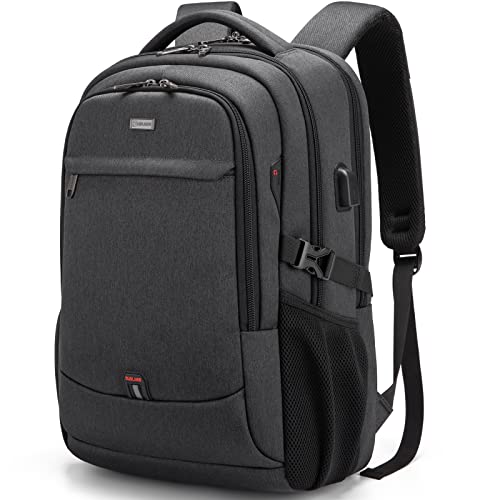
- ✓ Comfortable airflow back
- ✓ Built-in USB charging
- ✓ Luggage strap handy
- ✕ Heavier than some
- ✕ Zippers stiff at start
| Laptop Compartment Size Compatibility | Fits laptops up to 17 inches (also accommodates 15/14/13 inch MacBooks) |
| Main Compartment Capacity | Roomy for tech electronics, 3–5 days clothing, 5 A4 books |
| USB Convenience Feature | Built-in USB port with internal charging cable for on-the-go charging |
| Material and Durability | Water-resistant polyester fabric with metal zippers |
| Ergonomic Comfort Features | Airflow back design with multi-panel ventilated padding, adjustable breathable shoulder straps, foam-padded top handle |
| Travel-Friendliness & Security Features | Lits on luggage strap; hidden anti-theft pocket on the back |
You’re stepping off a red-eye and drop your bag at the hostel desk, eyes sleepily scanning the corridor, when you realize you packed more than you needed for a quick 3-day city tech trip. The DUSLANG 17 inch Travel Laptop Backpack slides onto your shoulders with a confident sigh, thanks to the breathable padding and adjustable straps.
That built-in USB port? It’s instantly useful as you chase trains and coffee shops, keeping your phone topped up while you navigate maps and notes.
The laptop compartment feels like a proper hug for a 17-inch beast, with solid protection and easy access. You’ll appreciate the separate sleeve for your iPad and the roomy main pocket for chargers, cables, and a light change of clothes.
The front organizer is thoughtful—there are pockets for a power bank, a shaver, and even a key fob hook, which means fewer wondering pockets and more quick grabs when you’re rushing to a meeting.
In real life, the water-resistant fabric and sturdy zippers earn their keep, especially when you’re hopping between drizzle and subway steps. The luggage strap is a lifesaver at the airport, and the hidden anti-theft pocket gives you a quiet sense of security when you’re juggling a crowd.
The back panel stays comfortable, even with a heavier load, and the built-in USB cable means you’re not hunting for power at every stop.
If you’re balancing work gear with a few clothes or gym socks, this bag handles it without feeling bulky. It’s pragmatic and sturdy, designed for engineers who move fast and need reliability more than flash.
Overall, you’ll likely reach for this bag when you travel or commute, not just for the office grind.
What Features Make a Backpack Suitable for Engineers?
The best backpack for engineers should combine functionality, durability, and comfort to meet the unique demands of their profession.
- Durable Materials: A backpack made from high-quality, water-resistant materials ensures longevity and protection from the elements. Engineers often work in varied environments, and a robust fabric can withstand wear and tear while keeping essential tools and documents safe from moisture.
- Organizational Compartments: A well-designed backpack features multiple pockets and compartments for organizing tools, laptops, and documents. This organization allows engineers to quickly access what they need without rummaging through a cluttered space, which is crucial during busy workdays or site visits.
- Comfortable Straps and Padding: Padded shoulder straps and back support are vital for comfort, especially when carrying heavy equipment or working on-site. An ergonomic design can help distribute the weight evenly, reducing strain on the back and shoulders during extended use.
- Laptop Compartment: A dedicated, padded laptop compartment is essential for engineers who rely on technology for design and analysis. This feature protects the laptop from damage and provides easy access to it during meetings or presentations.
- Versatile Size: The ideal backpack should be spacious enough to hold all necessary equipment yet compact enough for ease of transport. A versatile size enables engineers to carry everything from basic tools to specialized devices without feeling cumbersome.
- Security Features: Integrated security features, such as lockable zippers and hidden pockets, enhance the safety of valuable items. This is particularly important for engineers who may transport sensitive data or expensive tools that need to be safeguarded.
- Reflective Elements: For those who work in low-light conditions or on construction sites, reflective elements on the backpack provide visibility. This feature enhances safety by making the engineer more visible to others, reducing the risk of accidents.
- Stylish Design: A professional appearance is often important for engineers who meet clients and stakeholders. A stylish, modern design can reflect professionalism while still being practical for daily use.
How Important is Durability in an Engineer’s Backpack?
Durability is a crucial factor to consider when selecting the best backpack for engineers, as it directly impacts the longevity and functionality of the backpack in demanding environments.
- Material Quality: The material used in the construction of the backpack significantly affects its durability. High-quality fabrics such as nylon or polyester are often water-resistant and tear-resistant, making them ideal for engineers who may encounter harsh conditions or need to carry heavy tools.
- Stitching and Seams: The stitching and seam construction of a backpack play a vital role in its strength. Reinforced stitching, especially in high-stress areas, can prevent wear and tear, ensuring that the backpack can withstand the rigors of daily use without developing rips or holes.
- Zippers and Hardware: The quality of zippers and other hardware is essential for a durable backpack. Heavy-duty zippers that resist snagging and breaking, along with robust buckles and clips, contribute to the overall durability, allowing the backpack to maintain functionality over time.
- Weight Distribution: A well-designed backpack with effective weight distribution can enhance durability by reducing strain on the seams and straps. Properly padded and adjustable shoulder straps can help balance the load, minimizing wear on the backpack while ensuring comfort for the user.
- Water Resistance: Water-resistant backpacks are particularly important for engineers who work outdoors or in environments where exposure to moisture is likely. A durable water-resistant coating or waterproof lining can protect valuable tools and electronics from damage, extending the life of the backpack.
- Warranty and Brand Reputation: Selecting a backpack from a reputable brand that offers a warranty can be indicative of its durability. A good warranty reflects the manufacturer’s confidence in their product’s longevity, providing peace of mind for engineers investing in a reliable backpack.
Why is Laptop Protection Critical for Engineers?
Laptop protection is critical for engineers primarily due to the high value of the equipment and the demanding nature of their work environments.
According to a study published by the National Institute of Standards and Technology (NIST), engineers often work in dynamic settings that involve travel, outdoor conditions, and various physical risks to their devices, with reports indicating that over 30% of laptops are damaged through accidental drops or impacts during transport (NIST, 2020). This risk is compounded by the fact that engineers rely heavily on their laptops for critical tasks, including design, analysis, and project management.
The causal relationship here is clear: the combination of frequent mobility and the inherent fragility of laptops leads to increased vulnerability to damage. Engineers often transport their laptops in backpacks, which can offer varying degrees of protection. A well-designed backpack specifically tailored for engineers will not only include padded compartments but also weather-resistant materials that shield against environmental hazards. As noted by the American Society of Mechanical Engineers (ASME), selecting the best backpack for engineers can directly influence the longevity and functionality of their essential tools.
Furthermore, the stress of regular commuting or fieldwork can exacerbate wear and tear on devices. Engineers may find themselves in construction sites, laboratories, or outdoor settings where dust, moisture, and impact are prevalent. A study from the Journal of Engineering Education highlights that protecting laptops through specialized gear can mitigate risks and ensure productivity remains high, as engineers are less likely to experience downtime due to equipment failure (Journal of Engineering Education, 2021). In essence, investing in optimal laptop protection is crucial for maintaining work efficiency and safeguarding valuable technological investments in the engineering field.
What Level of Comfort is Necessary for Daily Use?
When considering the best backpack for an engineer, comfort is crucial for daily use due to the extended hours spent carrying technical equipment and personal items.
- Ergonomic Design: An ergonomic design is vital for promoting good posture and reducing strain on the back and shoulders. Look for backpacks that feature padded shoulder straps and a contoured back panel to provide support and distribute weight evenly, making it easier to carry heavy loads over long periods.
- Weight Distribution: A backpack that effectively manages weight distribution can significantly enhance comfort during daily commutes. Features such as adjustable straps, a hip belt, and multiple compartments help balance the load, preventing discomfort and fatigue even when the backpack is fully packed.
- Padded Back and Straps: Padded back panels and shoulder straps are essential for cushioning against hard surfaces and reducing pressure points. This padding adds to the overall comfort, allowing engineers to focus on their work without being distracted by discomfort from their gear.
- Ventilation: Good ventilation is important for comfort, especially if the backpack will be worn for long periods or in warmer conditions. Backpacks with mesh panels or airflow channels help keep the back cool, reducing sweat build-up and increasing overall comfort during daily use.
- Adjustability: The ability to adjust various components of the backpack, such as the shoulder straps and chest or waist belts, ensures a customized fit. A well-fitted backpack minimizes movement while walking or biking, which can alleviate discomfort and enhance stability when carrying heavy loads.
- Weight of the Backpack: The weight of the backpack itself plays a significant role in overall comfort; a lightweight backpack can reduce the total burden. Choosing materials that are both durable and lightweight, such as nylon or polyester, can enhance daily usability without compromising on strength or capacity.
What Size Backpack is Best for Engineering Students and Professionals?
The best backpack for engineers should consider size, functionality, and comfort to accommodate tools and materials used in the field.
- 15-20 Liters: Ideal for lightweight daily use, this size is suitable for carrying a laptop, notebooks, and a few essential tools.
- 20-30 Liters: A versatile option that can hold additional items like textbooks, engineering tools, and a lunch, making it great for students attending classes and labs.
- 30-40 Liters: Perfect for professionals who need to carry larger equipment, such as drafting tools and a change of clothes, while still being manageable for daily commutes.
- 40 Liters and Above: Best suited for those who travel frequently for projects or fieldwork, providing ample space for extensive gear and personal items.
15-20 Liters: This size is perfect for students who prefer to travel light. It can comfortably fit a laptop and a few folders, making it ideal for short trips to classes or study sessions. However, it may not accommodate larger tools or extra gear needed for extensive projects.
20-30 Liters: This size strikes a balance between capacity and portability, making it a popular choice among engineering students. It can hold textbooks, a laptop, and various tools, making it suitable for days filled with lectures and lab work. The added space also allows for carrying personal items like a water bottle and snacks.
30-40 Liters: For professionals, this capacity is beneficial as it offers enough room for more specialized equipment, like surveying tools or drafting supplies. This size is also versatile enough for gym clothes or personal items, making it ideal for those who transition from work to personal activities. Comfort features such as padded straps are essential at this size to prevent strain during long commutes.
40 Liters and Above: This size is geared towards engineers who often find themselves on-site or traveling for work. It allows for the storage of heavy or bulky equipment, making it a practical choice for fieldwork. However, these backpacks can become cumbersome, so they should include ergonomic designs to ensure ease of transport.
Which Materials Enhance the Performance of Engineer Backpacks?
The materials that enhance the performance of engineer backpacks include:
- Ballistic Nylon: Known for its durability and resistance to abrasions, ballistic nylon is a heavy-duty fabric that provides excellent protection against wear and tear. This material is ideal for engineers who need a backpack that can withstand rough environments and heavy loads.
- Ripstop Fabric: This lightweight fabric features a grid pattern that prevents tears from spreading, making it highly resilient. Engineers often favor ripstop for its balance of durability and weight, ensuring that the backpack remains functional without adding unnecessary bulk.
- Water-Resistant Coatings: Many engineer backpacks come equipped with water-resistant coatings or treatments that protect the contents from moisture. This feature is crucial for engineers who may work outdoors or in wet conditions, as it keeps sensitive equipment safe from damage.
- High-Density Foam Padding: Foam padding enhances comfort and protection for laptops and tools by absorbing shocks and impacts. Engineers benefit from this padding as it safeguards their equipment during transport, while also providing comfort during long hours of wear.
- Heavy-Duty Zippers: Quality zippers made from materials like YKK or those featuring metal components ensure longevity and reliability. Engineers appreciate heavy-duty zippers as they prevent the frustration of stuck or broken zippers, allowing for smooth access to tools and gear.
- Reinforced Stitching: Reinforced stitching adds extra strength to seams, preventing them from fraying or breaking under pressure. This is particularly important for engineers who carry heavy loads, as it enhances the overall structural integrity of the backpack.
How Does Ergonomics Impact Comfort and Functionality?
Ergonomics plays a crucial role in enhancing comfort and functionality, especially in the design of backpacks for engineers.
- Design and Fit: A well-designed backpack takes into account the natural curvature of the back and shoulders to ensure that it fits comfortably. When a backpack is ergonomically designed, it minimizes strain on the body, allowing engineers to carry their gear without discomfort during long periods of use.
- Weight Distribution: Ergonomic backpacks often feature padded straps and hip belts that help distribute weight evenly across the body. This reduces the risk of muscle fatigue and injury, making it easier for engineers to carry heavy tools and equipment comfortably.
- Accessibility and Organization: An ergonomic backpack incorporates compartments and pockets that are easily accessible. This organization allows engineers to efficiently reach for tools, laptops, and documents without awkward bending or stretching, ultimately enhancing productivity.
- Material and Padding: The use of breathable materials and adequate padding in ergonomic backpacks provides additional comfort. Good ventilation prevents overheating during long use, while padding protects the contents and provides cushioning against the back.
- Adjustability: Ergonomic backpacks often include adjustable straps and features that allow users to customize the fit according to their body size and shape. This adaptability ensures that the backpack remains comfortable and functional for various activities, whether commuting to a job site or traveling for work.
What Are Some Top Brands Offering Quality Engineer Backpacks?
Some of the top brands offering quality engineer backpacks include:
- SwissGear: Known for its durability and functional design, SwissGear backpacks often feature multiple compartments and pockets, making them ideal for engineers who need to carry laptops, tools, and documents. The ergonomic design ensures comfort during long hours of wear, which is crucial for those on the go.
- Osprey: Osprey backpacks are celebrated for their innovative designs and superior comfort. Many models come equipped with hydration systems and organizational pockets, catering to engineers who might be working in various environments, from office settings to outdoor locations.
- North Face: The North Face offers a range of backpacks that combine style with practicality. Their backpacks often include weather-resistant materials and ample storage space, which are essential for protecting valuable equipment and documents from the elements.
- Hynes Eagle: Hynes Eagle backpacks are known for their versatility and ample storage options. These backpacks often feature a multi-compartment layout that allows engineers to efficiently organize their tools, tech, and personal items, making them a popular choice among professionals.
- Patagonia: Patagonia focuses on sustainable materials and ethical manufacturing, which appeals to environmentally conscious engineers. Their backpacks are designed to be durable and functional, often incorporating features like padded laptop sleeves and several organizational pockets.
- Inateck: Inateck is recognized for its affordable yet high-quality backpacks that cater specifically to tech professionals. Their designs often prioritize functionality with several compartments for gadgets, cables, and other essentials, making them a practical choice for engineers.
- Thule: Thule backpacks are designed for rugged use, offering excellent protection for laptops and gear with their padded compartments. They often feature weather-resistant materials and smart organization solutions, ideal for engineers who travel frequently.
Which Brands Are Most Recommended by Engineers?
The most recommended brands for engineers looking for the best backpack include:
- Osprey: Known for its durability and comfort, Osprey backpacks often feature an ergonomic design that supports long hours of wear, making them ideal for engineers who need to carry tools and equipment. Their wide range of sizes and styles also means that there’s likely a model that fits the specific needs of any engineer, whether they require a simple daypack or a more robust option for extensive fieldwork.
- Thule: Thule backpacks are celebrated for their sleek design and functionality, often incorporating thoughtful compartments for electronics and work-related items. Many models are also weather-resistant, ensuring that valuable gear stays protected in various conditions, which is essential for engineers who may work in unpredictable environments.
- SwissGear: SwissGear backpacks are designed with the professional in mind, offering multiple organizational features that make it easy to store and access tools, laptops, and documents. Their rugged construction and padded compartments help protect sensitive equipment, making them a favorite among engineers who require reliability and protection.
- North Face: The North Face is known for its high-quality outdoor gear, and their backpacks are no exception. Featuring ample storage space, comfort-oriented designs, and weatherproof materials, these backpacks are suitable for engineers who may find themselves in outdoor or adventurous settings while needing to carry technical gear.
- Patagonia: Patagonia focuses on sustainability while delivering high-performance backpacks that meet the needs of engineers. Their products often include eco-friendly materials and features such as ample organization options, making them a great choice for environmentally conscious professionals looking for a reliable and functional backpack.