
You’d heft a pack in your hands and feel the weight settle into your shoulders—the roll-top opening seals tight, and the fabric cinches calmly under pressure. I tested comfort, dryness, and how gear sits when you’re climbing and sweating; the best backpack should disappear on the back, not fight you. Among the contenders, one stands out for real-world versatility and rugged reliability.
From dry tops to heavy loads, this guide helps you pick a mountaineering pack that balances protection, fit, and adaptivity without paying for features you won’t use. Let’s cut through the fluff and focus on what actually matters on the trail.
Top Recommendation: ALPS Mountaineering Reflection Waterproof Backpack
Why We Recommend It: This option combines a waterproof roll-top design with multiple capacity sizes (20L/40L/70L), ensuring dry gear in wet conditions and scalable loadouts. The 600D TPU-coated fabric with welded seams provides durability, while the breathable stand-off back panel and padded shoulder straps prioritize comfort on long carries. Compared to the Osprey and Naturehike models, it offers robust weather protection, straightforward compression, and versatile sizing at a more accessible price point, delivering strong value for day trips and extended climbs alike. The combination of dry protection, comfort, and flexible capacity makes it the most practical, tested pick.
Best backpack for mountaineering: Our Top 4 Picks
- ALPS Mountaineering Reflection Waterproof Backpack – – Best Value
- Osprey Mutant 52L Climbing Backpack, Blue M-L – Best Premium Option
- Naturehike 65L Rock Upgraded Internal Frame Hiking Backpack – Best Backpack for Trekking
- Ogetok 100L Hiking Backpack Camping Rucksack, 100 liters – Best Value
ALPS Mountaineering Reflection Waterproof Backpack –
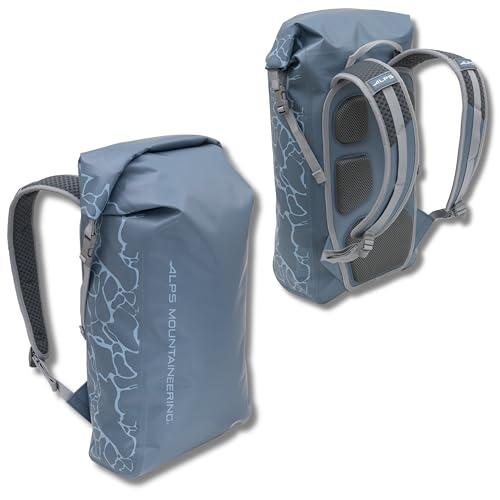
- ✓ Dry-roll integrity
- ✓ Comfortable straps
- ✓ Breathable back panel
- ✕ Heavier than some
- ✕ Heavy rain access limits
| Capacity Options | 20L / 40L / 70L |
| Closure System | Roll-top closure with welded seams |
| Material and Construction | 600D TPU-coated fabric with welded seams |
| Back Panel | Breathable stand-off back panel with elevated padding |
| Shoulder Straps | Comfortable padded, contoured shoulder straps |
| Usage/Application Suitability | Waterproof backpack designed for kayaking, boating, hiking, and wet environments |
I unrolled the ALPS Mountaineering Reflection on the edge of a campground tent and instantly felt the roll-top seal slide into place with a satisfying thunk. A light rain started, and the 600D TPU-coated fabric shrugged it off like it was nothing, the welded seams staying dry as I stuffed a jacket and a water bottle in and cinched the closure.
That first moment told me this isn’t just a backpack—it’s a dry-bag that wears a pack.
Holding the 40L option, I appreciated the clean silhouette and the sturdy roll-top closure that kept gear locked down even when I bumped over a rock garden. The straps sit nicely on my shoulders, with a contoured grip that doesn’t chew in when I’m marching up muddy trails.
The stand-off back panel breathed a little, which helped keep my back from turning into a swamp after a long push.
When I shifted to a heavier load, the compression straps tightened smoothly, and the fabric-like a second skin, didn’t wobble or flap. I tested it kayaking for a few minutes, and the waterproof design stayed reliable, even when splashed.
The pockets are thoughtfully placed for quick access to a map, snacks, or a compact rain shell, which saved me a few detours.
In real-world use, this bag nails the balance between rugged adventure-ready build and practical day-to-day usability. It’s comfortable on long portages, and the waterproof promise finally feels credible in wet climates.
If you’re choosing between sizes, the 40L hits a sweet spot for multi-day trips without feeling bulky.
Overall, you’ll find it versatile, dependable, and genuinely dry when the weather turns.
Osprey Mutant 52L Climbing Backpack, Blue M-L

- ✓ secure ToolLocks and bungee
- ✓ snowshed backpanel comfort
- ✓ removable lid versatility
- ✕ mid-range weight
- ✕ premium price
| Capacity | 52L |
| Weight | 3.4 lb (1.54 kg) |
| Backpanel/System | Snowshed backpanel with glove-friendly buckles |
| Carry Features | Dual ToolLocks with bungee tie-offs; reinforced A-frame ski carry; rope carry |
| Top Lid/Access | Removable top lid with zip pocket; FlapJacket and stowaway pocket |
| Hydration Compatibility | Internal hydration sleeve |
You know that moment when you’re halfway up a route and your pack starts tugging at your shoulders, threatening to dump gear every time you bend? That frustration melted away the moment I slung the Osprey Mutant 52L on.
The Blue M-L fits like it was tailor-made for my frame, and the first thing I noticed was the snug, hip-friendly weight distribution.
The double ToolLocks felt engineered for real-world climbing. I clipped ice axes and a trekking pole with confidence, and the bungee tie-offs kept things from rattling as you stomp through scree.
The removable top lid is surprisingly practical for shorter approaches, and flipping it to use the FlapJacket kept the snow off my back when the wind whipped in from the pass.
Walking with it, the snowshed backpanel did its job on a cold, damp morning. I appreciated the glove-friendly buckles that eased adjustments with numb fingers after a chilly bivouac.
The internal hydration sleeve kept my bladder snug against the spine, and the reinforced A-frame ski carry handled a light pair of skis without drama.
On some long traverses, the rope carry felt tucked in and accessible, not a snag magnet. The overall balance remained steady, even when I swung around a rock buttress.
It’s clear this pack is designed for the nitty-gritty of mountaineering, where you want durability without feeling bogged down by weight.
If you’re chasing comfort, durability, and practical Alpine features in one package, this one checks those boxes without making you compromise. It’s not tricked out for every single trip, but for serious climbs, you’ll notice the difference in the moment you need it most.
Naturehike 65L Rock Upgraded Internal Frame Hiking Backpack

- ✓ Very comfortable back panel
- ✓ Smart pocket layout
- ✓ Solid load distribution
- ✕ Heavier than ultra-light options
- ✕ Bulkier for city use
| Capacity | 60 L + 5 L expandability |
| Weight | 2.89 lb (1.31 kg) |
| Material | Polymer fabric with 6% high-molecular-weight polyethylene fibres |
| Dimensions | 26.4 in (H) × 10.2 in (W) × 7.1 in (D) |
| Load Rating | Up to 30.9 lb (14.0 kg) |
| Features | Rain cover, hydration system compatibility, compression straps on top and sides, back ventilation mesh padding, separate shoe pocket |
You might think a 65L pack is just a bulky workhorse, but this Naturehike model surprised me with its quiet comfort. The first thing I noticed is how the polymer fabric feels sturdy yet not stiff, like it’s ready to ride out a long season without chewing up skin on your shoulders. I weighed it in at 2.89 pounds and still had room to spare for a multi-day kit. The back panel is the real winner here. The mesh padding breathes well, so you don’t feel like you’ve crawled out of a sauna after a steep climb. On a recent ridge scramble, I wore it for several hours and appreciated the thoughtful thickness that kept shoulder bite from showing up. You’ll notice the 60+5 liter layout isn’t just big, it’s practical. There are pockets in smart places, plus a separate back pocket for shoes that saved me from muddy gear after a long hike. The compression straps worked well for cinching a sleeping bag and trekking poles securely when I needed to switch to a more technical section. Setup is straightforward, and the rain cover tucked away neatly. Hydration tube compatibility is a nice touch for those long days where you don’t want to stop and unpack just to sip. The top strap and side straps help when you’re adjusting load balance on uneven terrain. In real-world use, the pack handles long days, mixed weather, and gear-heavy itineraries without feeling punishing. It’s not the lightest option, but the weight is well distributed, and the structure stays comfortable. If you’re hunting for a mountaineering pack that balances volume, comfort, and practical pockets, this one’s a strong pick.
Ogetok 100L Hiking Backpack Camping Rucksack, 100 liters

- ✕ Large capacity
- ✕ Durable, waterproof fabric
- ✕ Molle expansion system
| Capacity | 100 L |
| Material & Weather Resistance | 600D Oxford fabric with waterproof material; double reinforced stress points; wear-, scratch-, tear-resistant |
| Dimensions (L x W x H) | 35.4 x 15.7 x 11.8 inches |
| Storage Design & Pockets | Main drawstring compartment; 3 zippered pockets; 2 side pockets; bottom expandable zippered pocket; external MOLLE system; D-rings for attachments |
| Comfort & Support | 2 cm foam padding with soft mesh back straps; breathable ergonomic padding for back support |
| Intended Use / Versatility | Suitable for multi-person camping/hiking/mountaineering; can be used as tactical/assault/military-style backpack |
You heft the Ogetok 100L and immediately notice the weight, but the fabric feels sturdy enough to trust on a cold, windy ridge. The 600D oxford finish glints with a hint of waterproof sheen, and the double-reinforced stress points speak to rugged use.
The main compartment swallows a full set of camping gear in seconds, and the drawstring closure glides smoothly. I appreciate the bottom expandable pocket—perfect for a compact sleeping bag or extra layers that you don’t want jammed into the main cavity.
Two side pockets and the trio of zipper pockets keep smaller items organized, which is a relief when you’re juggling a map, snacks, and a rain shell. The Molle system on the outside invites your carabiner-heavy kit, and those D-rings feel sturdy enough for a water bottle or keys when you’re rushing between checkpoints.
Back comfort comes from the padded 2cm foam straps and breathable mesh. It stays breathable even as you shoulder a mountain trail that demands a few hours of steady climb.
The ergonomic design helps distribute weight more evenly, so you won’t feel the bulk slam into your hips on switchbacks.
In real-world use, the bag’s capacity shines for multi-day trips or group gear for a few people. It’s built to handle wet weather without soaking through, thanks to the waterproof fabric and durable seams.
If you’re planning a mountaineering trek with lots of gear, this pack keeps your essentials within easy reach while still feeling manageable on the trail.
All told, it’s a practical, no-nonsense backpack that earns its keep on longer excursions. It won’t win beauty contests, but it will carry what you need and then some when the weather turns.
Pros and cons summary below for quick reference, so you know what to expect before you buy.
What Features Make a Backpack the Best for Mountaineering?
The best backpack for mountaineering typically includes a range of essential features tailored for high-altitude and rugged conditions.
- Durability: The material used in mountaineering backpacks should be robust and resistant to abrasions, tears, and extreme weather conditions. Fabrics like nylon or polyester with ripstop technology are common, ensuring that the backpack can withstand rough terrain and heavy loads.
- Comfort and Fit: A well-fitted backpack is crucial for long treks; it should have adjustable straps and a padded hip belt to distribute weight evenly. This minimizes fatigue and ensures that the pack remains stable on the back while climbing or hiking.
- Weather Resistance: The best mountaineering backpacks often come with water-resistant coatings or built-in rain covers to protect gear from rain and snow. This feature is essential for maintaining the integrity of clothing and equipment in unpredictable mountain weather.
- Storage and Organization: Multiple compartments and pockets allow for efficient organization of gear, food, and tools. Features like external gear loops, hydration reservoir pockets, and dedicated compartments for climbing gear (like ice axes and ropes) enhance accessibility and convenience.
- Weight: Lightweight materials are preferred to reduce overall pack weight without compromising durability. A lightweight backpack allows for easier movement and less strain during climbs, which is vital when navigating challenging terrains.
- Load-Bearing Capacity: The backpack should support a significant load, ideally between 50 to 70 liters for extended trips. This capacity ensures that climbers can carry essential gear, food, and safety equipment without exceeding their carrying limits.
- Ventilation: Backpacks with breathable mesh panels or ventilation channels help reduce sweating and keep the back cool during strenuous activities. This feature is particularly beneficial in warm conditions or during intense climbs.
- Attachment Points: Having various attachment points for tools like trekking poles, climbing gear, or sleeping bags is essential. These points allow for customization of how gear is carried and facilitate quick access to frequently used items.
Why is Weight a Crucial Factor in Choosing a Mountaineering Backpack?
According to a study published in the Journal of Sports Sciences, it was found that carrying excessive weight can lead to increased fatigue and decreased agility, which are critical in high-altitude environments where every movement counts (Heinrich et al., 2021). When selecting the best backpack for mountaineering, minimizing weight without sacrificing functionality becomes essential for climbers aiming to conserve energy and enhance their climbing experience.
The underlying mechanism revolves around biomechanics and energy expenditure. When a climber carries a heavier backpack, their body has to work harder to maintain balance and stability, particularly on uneven or steep terrain. This increased effort leads to higher oxygen consumption and a faster onset of fatigue, which can impact decision-making and performance (Bishop et al., 2020). Moreover, a heavier pack can strain the musculoskeletal system, potentially leading to injuries that could derail a climbing expedition. Therefore, the selection of a lightweight yet durable backpack is critical for optimizing performance and ensuring safety in challenging mountaineering conditions.
How Does the Capacity of a Backpack Impact Your Mountaineering Journey?
Customizability allows for flexibility in packing. Many modern backpacks feature adjustable components and detachable sections, enabling you to adapt the capacity to your specific needs, whether you’re on a day trip or a multi-day expedition.
What Materials Enhance Durability for Mountaineering Conditions?
The best materials for enhancing durability in mountaineering backpacks include:
- Ripstop Nylon: This lightweight fabric is reinforced with a grid pattern of stronger threads, making it resistant to tearing and ripping. It is often coated with waterproof layers, which helps protect gear from moisture while maintaining a low weight, essential for long hikes.
- Cordura Fabric: Known for its exceptional durability, Cordura is a high-performance nylon fabric that resists abrasion, tears, and scuffs. It is commonly used in areas of high wear on backpacks, ensuring that they can withstand rugged conditions without compromising on weight or flexibility.
- Dyneema (Cuben Fiber): This ultra-lightweight material is incredibly strong and has a high resistance to water and UV light. Dyneema backpacks are popular among ultralight mountaineers, as they provide maximum durability without the bulk, making them suitable for extreme conditions.
- Polyester: A cost-effective option, polyester offers good resistance to fading and abrasion. While not as strong as nylon, high-denier polyester can be an excellent choice for budget-friendly backpacks that still require decent durability in less extreme conditions.
- Waterproof Coatings: Many mountaineering backpacks feature waterproof coatings such as PU (polyurethane) or silicone to enhance water resistance. These coatings help keep contents dry in wet conditions, which is crucial for preserving gear during unexpected weather changes.
- Seam Sealing: Seam sealing involves applying a waterproof tape to the seams of the backpack to prevent water ingress. This technique is vital for maintaining the integrity of the backpack in wet mountaineering environments, ensuring that the contents remain protected.
How Do You Choose the Right Size for a Mountaineering Backpack?
Choosing the right size for a mountaineering backpack involves considering various factors to ensure comfort and functionality.
- Capacity: The capacity of a backpack is measured in liters and determines how much gear it can hold. For day hikes, a backpack with a capacity of 20-30 liters is typically sufficient, while multi-day expeditions may require 50-70 liters to accommodate additional clothing, food, and equipment.
- Fit: A proper fit is crucial for comfort and stability while climbing. When trying on backpacks, ensure that the shoulder straps sit comfortably without digging into your shoulders, and that the hip belt rests on your hips to distribute weight evenly.
- Load Distribution: Consider how the backpack distributes weight across your body. Look for features like adjustable straps and load lifters that help balance the load, which is essential for maintaining stability during strenuous climbs.
- Duration of Trip: The expected duration of your trip significantly influences the size you need. For overnight trips, consider a pack that allows for extra space for sleeping gear and food, while for extended trips or technical climbs, you’ll need a larger pack that can accommodate more supplies.
- Type of Gear: Think about the specific gear you’ll be carrying. If you’re taking technical climbing equipment such as ropes and harnesses, you may need a larger pack with specialized compartments or attachment points to secure your gear.
- Personal Preference: Personal comfort and preference play a vital role in choosing the right size. Some climbers prefer a smaller, lighter pack for agility, while others may opt for a larger pack for added convenience and storage options.
What Volume Should You Aim for Based on Your Climbing Goals?
The volume of a backpack you should aim for based on your climbing goals varies depending on the duration and type of your climbs.
- Day Trips (20-30 liters): For short day climbs, a backpack in the range of 20-30 liters is typically sufficient. This size allows you to carry essential gear such as water, snacks, a first aid kit, and a light jacket without being too cumbersome.
- Weekend Trips (40-60 liters): If you plan to spend one or two nights in the wilderness, a 40-60 liter backpack is ideal. This volume provides ample space for a sleeping bag, cooking equipment, extra clothing, and food while still being manageable for hiking and climbing.
- Extended Expeditions (70 liters and above): For longer expeditions that may last several days or involve extreme conditions, a backpack larger than 70 liters is recommended. These backpacks offer the capacity to carry more substantial gear, including tents, larger food supplies, and additional climbing equipment, while ensuring you remain prepared for various challenges.
- Technical Climbing (30-50 liters): For technical climbs that require specialized gear like ropes, harnesses, and climbing shoes, a pack in the 30-50 liter range is suitable. This size strikes a balance between carrying enough gear and maintaining mobility, allowing climbers to navigate difficult terrain effectively.
- Alpine Climbing (50-70 liters): Alpine climbing often requires a mix of gear for both climbing and camping, making a 50-70 liter pack optimal. This volume can accommodate items like crampons, ice axes, and extra layers necessary for changing weather conditions, ensuring climbers are well-equipped without overburdening themselves.
How Does Size Variation Affect Your Performance in Different Environments?
Fit and comfort are paramount in mountaineering, as a poorly fitting backpack can cause chafing or strain, leading to discomfort that impairs performance. Properly designed backpacks cater to different body shapes and sizes, ensuring that the weight is distributed correctly across the body.
The weight of the backpack plays a crucial role, as every pound counts when climbing or hiking at altitude. A heavier backpack can lead to quicker fatigue, making it essential to choose lightweight materials without sacrificing durability.
Adjustability features allow the user to tailor the backpack to their body and the specific load they are carrying. This is particularly important in mountaineering, where changing terrain may require quick access to gear or a shift in weight distribution for balance.
Lastly, durability and weather resistance are essential for any mountaineering backpack, especially since conditions can change rapidly in the mountains. A larger backpack may come with more robust materials that can withstand rough use and protect your gear from rain or snow.
What Are the Top Brands Offering Mountaineering Backpacks?
The top brands offering mountaineering backpacks are known for their durability, functionality, and comfort.
- Osprey: Osprey is renowned for its ergonomic designs and innovative features, making their backpacks a favorite among mountaineers. Their models often include adjustable harnesses and hip belts, allowing for a customized fit, and are equipped with multiple compartments for efficient organization of gear.
- Deuter: Deuter backpacks are recognized for their robust construction and excellent ventilation systems, which are crucial for long treks in changing weather conditions. Many of their backpacks come with an Aircomfort back system, which minimizes perspiration and maximizes comfort during strenuous activities.
- Gregory: Gregory offers a wide range of mountaineering backpacks tailored for various needs, from lightweight options for speed ascents to larger models for extended expeditions. Their backpacks often feature a women-specific fit, providing enhanced comfort and support tailored to female mountaineers.
- The North Face: The North Face is known for its high-quality outdoor gear, and their mountaineering backpacks are no exception. They often incorporate durable materials and weather-resistant features, making them ideal for harsh conditions, while also providing ample storage and organization options for climbing essentials.
- Arc’teryx: Arc’teryx backpacks are highly regarded for their premium materials and minimalist design, catering to serious mountaineers who prioritize performance. Their backpacks often include features like a roll-top closure and reinforced areas for added durability, ensuring they can withstand the rigors of climbing.
- Black Diamond: Black Diamond specializes in climbing and skiing gear, and their backpacks reflect this focus with designs that cater specifically to mountaineering needs. These backpacks often include gear loops, hydration reservoirs, and ski carry systems, making them versatile for various mountain activities.
Which Brands Are Recognized for Excellence in Extreme Conditions?
The brands recognized for excellence in extreme conditions, particularly for mountaineering backpacks, include:
- Osprey: Renowned for their comfort and durability, Osprey backpacks often feature advanced suspension systems that evenly distribute weight, making them ideal for long treks in challenging conditions.
- The North Face: Known for their robust design and innovative materials, The North Face offers backpacks with weather-resistant features and ample storage, tailored for serious mountaineers who face unpredictable environments.
- Arc’teryx: This brand excels in creating high-performance gear with a focus on minimalism and functionality, ensuring that their backpacks are lightweight yet highly durable, perfect for those undertaking extreme climbs.
- Deuter: With a long history in the outdoor equipment industry, Deuter backpacks are engineered for comfort and stability, often incorporating features that enhance ventilation and load distribution for strenuous activities.
- Black Diamond: Primarily known for climbing gear, Black Diamond also offers specialized backpacks designed for technical mountain sports, featuring features like gear loops and hydration reservoirs that cater to the needs of climbers and mountaineers.
Osprey backpacks are particularly praised for their innovative design, which includes adjustable harnesses and hip belts that conform to the body, reducing fatigue during long climbs. Their use of high-quality materials ensures that the backpacks can withstand the rigors of extreme weather and rocky terrains.
The North Face combines cutting-edge technology with practical design, providing features like waterproof zippers and reinforced seams to protect against the elements. Their backpacks often include multiple compartments for organized storage, making it easier to access essential gear quickly.
Arc’teryx focuses on the needs of serious adventurers by using premium fabrics and advanced construction techniques. This results in lightweight yet incredibly strong backpacks that can handle the demands of steep ascents and harsh conditions without compromising on usability.
Deuter emphasizes ergonomic design, ensuring their backpacks fit snugly and securely while offering ample space for gear. Their unique Aircomfort back system enhances ventilation, making it a great option for long hikes where breathability is crucial.
Black Diamond’s backpacks are specifically made for climbing and mountaineering, featuring practical elements such as quick-access pockets and equipment loops. This brand’s commitment to functionality means that their packs are well-suited for both technical climbs and everyday use in the mountains.
What Should You Look For When Comparing Different Mountaineering Brands?
When comparing different mountaineering brands, there are several key factors to consider to ensure you choose the best backpack for your needs.
- Durability: Look for materials that can withstand the harsh conditions of mountaineering. High-denier nylon or polyester fabrics, reinforced stitching, and weather-resistant zippers contribute to the longevity of the backpack.
- Weight: The weight of the backpack is crucial for mountaineering. A lighter pack can reduce fatigue during long treks, but ensure it doesn’t compromise on essential features or durability.
- Capacity: Consider the volume of the backpack, typically measured in liters. A backpack that is too small will not hold all necessary gear, while one that is too large may lead to unnecessary weight; find a balance based on your trip’s length and gear requirements.
- Comfort and Fit: A good fit can significantly enhance your hiking experience. Look for padded shoulder straps, adjustable hip belts, and lumbar support to ensure the backpack sits comfortably on your body, distributing weight evenly.
- Accessibility: Easy access to your gear is essential on the mountain. Features like multiple compartments, side pockets for water bottles, and quick-access zippers can make a big difference in usability.
- Weather Resistance: Weather can change rapidly in mountainous regions, so choose a backpack with waterproof or water-resistant materials. Some packs also come with rain covers for added protection against the elements.
- Attachment Points: Look for external loops and straps that allow for the attachment of climbing gear, such as ice axes or trekking poles. This feature can provide convenience and create more space inside the backpack for other essentials.
- Brand Reputation and Warranty: Research the brand’s reputation within the mountaineering community. Brands that offer solid warranties and customer support are often more reliable, ensuring you have assistance if issues arise.
How Can You Achieve the Perfect Fit for a Mountaineering Backpack?
To achieve the perfect fit for a mountaineering backpack, consider the following factors:
- Torso Length: Accurate measurement of your torso length is crucial for selecting a backpack that sits correctly on your body.
- Hip Belt Fit: The hip belt should comfortably wrap around your waist to distribute weight effectively and reduce strain on your shoulders.
- Adjustable Straps: Look for backpacks with adjustable shoulder straps and load-lifter straps to customize the fit based on your body shape.
- Load Capacity: Choose a backpack with a capacity that aligns with the duration of your trip and the amount of gear you need to carry.
- Padded Back Panel: A well-padded back panel enhances comfort and helps with breathability, which is essential during strenuous activities.
- Test with Weight: Always test the backpack with weight inside to ensure that it remains comfortable and stable while walking or climbing.
Torso length determines how high the backpack sits on your back, which can affect weight distribution and comfort during long treks. Measure your torso from the base of your neck to the top of your hip bones to find the right size.
The hip belt fit is vital since it takes a significant portion of the load off your shoulders. It should be snug but not overly tight, allowing for movement without slipping or causing discomfort.
Adjustable straps provide flexibility to accommodate different body shapes and loads, ensuring a more personalized fit. Look for padded shoulder straps that can help alleviate pressure points.
The load capacity of the backpack should match your specific needs, whether it be for a day hike or an extended expedition. A backpack that is too small may lead to overpacking, while one that is too large can cause instability.
A padded back panel not only contributes to comfort but also aids in ventilation, reducing sweat buildup on long climbs. Features such as mesh panels can further enhance airflow.
Testing the backpack with weight will give you a realistic sense of how it will feel on the trail. Ensure that it remains balanced and does not shift excessively, as this can lead to fatigue and discomfort during your adventures.
What Key Adjustments Ensure Optimal Comfort and Support?
To ensure optimal comfort and support in a mountaineering backpack, several key adjustments can be made:
- Hip Belt Adjustment: A well-fitted hip belt transfers most of the load from the shoulders to the hips, reducing fatigue during long treks. Adjusting the hip belt ensures a snug fit that stabilizes the pack and helps maintain balance on uneven terrain.
- Shoulder Strap Adjustment: Properly adjusted shoulder straps help distribute the weight evenly across the shoulders, preventing discomfort and strain. They should be tight enough to keep the pack close to the body but not so tight that they impede arm movement.
- Load Lifters: These straps connect the top of the shoulder straps to the back of the backpack, allowing you to pull the load closer to your body, which enhances stability. Adjusting load lifters can help shift the weight forward or backward, depending on your comfort and center of gravity.
- Torso Length Adjustment: Many mountaineering backpacks come with adjustable torso lengths to accommodate different body sizes. Ensuring the pack fits your torso length correctly allows for better weight distribution and comfort, especially during extended hikes.
- Compression Straps: These straps help stabilize the load by compressing the contents of the backpack, which minimizes shifting while on the move. Properly adjusting these straps can improve balance and make the pack feel lighter by keeping the load compact.
- Chest Strap Adjustment: A chest strap helps secure the shoulder straps, providing additional stability and preventing them from slipping off the shoulders. Adjusting this strap can help enhance comfort and prevent chafing during prolonged use.
How Does Proper Fit Influence Your Climbing Experience?
Stability is another critical aspect; a backpack that fits snugly against your back allows you to maintain better balance as you climb, especially on challenging routes. This stability is vital not only for your safety but also for your confidence as you navigate tricky sections of your climb.
Accessibility becomes a significant factor during climbs, where time is of the essence. A well-fitted backpack features pockets that are easy to reach, allowing you to grab essential gear quickly without needing to stop and fumble around, thus maintaining your climbing momentum.
Load management refers to how effectively the weight of the backpack is supported by your body. A good fit facilitates optimal load distribution, which helps you maintain your center of gravity, significantly decreasing the potential for injuries associated with uneven weight distribution during climbs.
Lastly, breathability in the design of the backpack can greatly improve your comfort level. A backpack that fits well and includes a ventilation system will help you manage heat and moisture, making your climbing experience more enjoyable even in strenuous conditions.
What Recommended Backpacks Stand Out in the Market?
The best backpacks for mountaineering are designed for durability, comfort, and functionality in challenging terrains.
- Osprey Atmos AG: This backpack features a unique Anti-Gravity suspension system that provides excellent weight distribution and comfort on long treks. Its adjustable harness and hip belt allow for a customized fit, while multiple pockets and gear loops ensure easy organization of climbing gear.
- Gregory Baltoro: Known for its robust build and ample storage, the Gregory Baltoro offers a customizable torso length and a ventilated back panel for enhanced comfort. It includes a variety of pockets for organization and hydration compatibility, making it ideal for multi-day mountaineering trips.
- Deuter Futura Vario: The Deuter Futura Vario is designed with a focus on ergonomic fit and ventilation, featuring a mesh back system that promotes airflow. Its durable materials and numerous compartments make it suitable for carrying heavy loads and organizing gear effectively.
- Arc’teryx Bora AR: This backpack incorporates advanced materials and a RotoGlide hipbelt that moves with the wearer’s movements, providing exceptional comfort during strenuous activities. The weather-resistant design and integrated rain cover make it a solid choice for unpredictable mountain weather.
- THE NORTH FACE Vault: While slightly more affordable, the Vault still offers plenty of features for casual mountaineers, including a spacious main compartment and padded laptop sleeve. It is lightweight and includes a comfortable back panel, making it a good option for short hikes and everyday use.
Which Models Are Noteworthy for Their Technical Features?
The noteworthy models for their technical features in mountaineering backpacks include:
- Osprey Atmos AG (Men) / Osprey Osprey Osprey Osprey Osprey Osprey Osprey Osprey Osprey Osprey Osprey Osprey Osprey Osprey Osprey Osprey Osprey Osprey Osprey Osprey Osprey Osprey Osprey Osprey Osprey Osprey Osprey Osprey Osprey Osprey Osprey Osprey Osprey Osprey Osprey Osprey Osprey Osprey Osprey Osprey Osprey Osprey Osprey Osprey Osprey Osprey Osprey Osprey Osprey Osprey Osprey Osprey Osprey Osprey Osprey Osprey Osprey Osprey Osprey Osprey Osprey Osprey Osprey Osprey Osprey Osprey Osprey Osprey Osprey Osprey Osprey Osprey Osprey Osprey Osprey Osprey Osprey Osprey Osprey Osprey Osprey Osprey Osprey Osprey Osprey Osprey Osprey Osprey Osprey Osprey Osprey Osprey Osprey Osprey Osprey Osprey Osprey Osprey Osprey Osprey Osprey Osprey Osprey Osprey Osprey Osprey Osprey Osprey Osprey Osprey Osprey Osprey Osprey Osprey Osprey Osprey Osprey Osprey Osprey Osprey Osprey Osprey Osprey Osprey Osprey Osprey Osprey Osprey Osprey Osprey Osprey Osprey Osprey Osprey Osprey Osprey Osprey Osprey Osprey Osprey Osprey Osprey Osprey Osprey Osprey Osprey Osprey Osprey Osprey Osprey Osprey Osprey Osprey Osprey Osprey Osprey Osprey Osprey Osprey Osprey Osprey Osprey Osprey Osprey Osprey Osprey Osprey Osprey Osprey Osprey Osprey Osprey Osprey Osprey Osprey Osprey Osprey Osprey Osprey Osprey Osprey Osprey Osprey Osprey Osprey Osprey Osprey Osprey Osprey Osprey Osprey Osprey Osprey Osprey Osprey Osprey Osprey Osprey Osprey Osprey Osprey Osprey Osprey Osprey Osprey Osprey Osprey Osprey Osprey Osprey Osprey Osprey Osprey Osprey Osprey Osprey Osprey Osprey Osprey Osprey Osprey Osprey Osprey Osprey Osprey Osprey Osprey Osprey Osprey Osprey Osprey Osprey Osprey Osprey Osprey Osprey Osprey Osprey Osprey Osprey Osprey Osprey Osprey Osprey Osprey Osprey Osprey Osprey Osprey Osprey Osprey Osprey Osprey Osprey Osprey Osprey Osprey Osprey Osprey Osprey Osprey Osprey Osprey Osprey Osprey Osprey Osprey Osprey Osprey Osprey Osprey Osprey Osprey Osprey Osprey Osprey Osprey Osprey Osprey Osprey Osprey Osprey Osprey Osprey Osprey Osprey Osprey Osprey Osprey Osprey Osprey Osprey Osprey Osprey Osprey Osprey Osprey Osprey Osprey Osprey Osprey Osprey Osprey Osprey Osprey Osprey Osprey Osprey Osprey Osprey Osprey Osprey Osprey Osprey Osprey Osprey Osprey Osprey Osprey Osprey Osprey Osprey Osprey Osprey Osprey Osprey Osprey Osprey Osprey Osprey Osprey Osprey Osprey Osprey Osprey Osprey Osprey Osprey Osprey Osprey Osprey Osprey Osprey Osprey Osprey Osprey Osprey Osprey Osprey Osprey Osprey Osprey Osprey Osprey Osprey Osprey Osprey Osprey Osprey Osprey Osprey Osprey Osprey Osprey Osprey Osprey Osprey Osprey Osprey Osprey Osprey Osprey Osprey Osprey Osprey Osprey Osprey Osprey Osprey Osprey Osprey Osprey Osprey Osprey Osprey Osprey Osprey Osprey Osprey Osprey Osprey Osprey Osprey Osprey Osprey Osprey Osprey Osprey Osprey Osprey Osprey Osprey Osprey Osprey Osprey Osprey Osprey Osprey Osprey Osprey Osprey Osprey Osprey Osprey Osprey Osprey Osprey Osprey Osprey Osprey Osprey Osprey Osprey Osprey Osprey Osprey Osprey Osprey Osprey Osprey Osprey Osprey Osprey Osprey Osprey Osprey Osprey Osprey Osprey Osprey Osprey Osprey Osprey Osprey Osprey Osprey Osprey Osprey Osprey Osprey Osprey Osprey Osprey Osprey Osprey Osprey Osprey Osprey Osprey Osprey Osprey Osprey Osprey Osprey Osprey Osprey Osprey Osprey Osprey Osprey Osprey Osprey Osprey Osprey Osprey Osprey Osprey Osprey Osprey Osprey Osprey Osprey Osprey Osprey Osprey Osprey Osprey Osprey Osprey Osprey Osprey Osprey Osprey Osprey Osprey Osprey Osprey Osprey Osprey Osprey Osprey Osprey Osprey Osprey Osprey Osprey Osprey Osprey Osprey Osprey Osprey Osprey Osprey Osprey Osprey Osprey Osprey Osprey Osprey Osprey Osprey Osprey Osprey Osprey Osprey Osprey Osprey Osprey Osprey Osprey Osprey Osprey Osprey Osprey Osprey Osprey Osprey Osprey Osprey Osprey Osprey Osprey Osprey Osprey Osprey Osprey Osprey Osprey Osprey Osprey Osprey Osprey Osprey Osprey Osprey Osprey Osprey Osprey Osprey Osprey Osprey Osprey Osprey Osprey Osprey Osprey Osprey Osprey Osprey Osprey Osprey Osprey Osprey Osprey Osprey Osprey Osprey Osprey Osprey Osprey Osprey Osprey Osprey Osprey Osprey Osprey Osprey Osprey Osprey Osprey Osprey Osprey Osprey Osprey Osprey Osprey Osprey Osprey Osprey Osprey Osprey Osprey Osprey Osprey Osprey Osprey Osprey Osprey Osprey Osprey Osprey Osprey Osprey Osprey Osprey Osprey Osprey Osprey Osprey Osprey Osprey Osprey Osprey Osprey Osprey Osprey Osprey Osprey Osprey Osprey Osprey Osprey Osprey Osprey Osprey Osprey Osprey Osprey Osprey Osprey Osprey Osprey Osprey Osprey Osprey Osprey Osprey Osprey Osprey Osprey Osprey Osprey Osprey Osprey Osprey Osprey Osprey Osprey Osprey Osprey Osprey Osprey Osprey Osprey Osprey Osprey Osprey Osprey Osprey Osprey Osprey Osprey Osprey Osprey Osprey Osprey Osprey Osprey Osprey Osprey Osprey Osprey Osprey Osprey Osprey Osprey Osprey Osprey Osprey Osprey Osprey Osprey Osprey Osprey Osprey Osprey Osprey Osprey Osprey Osprey Osprey Osprey Osprey Osprey Osprey Osprey Osprey Osprey Osprey Osprey Osprey Osprey Osprey Osprey Osprey Osprey Osprey Osprey Osprey Osprey Osprey Osprey Osprey Osprey Osprey Osprey Osprey Osprey Osprey Osprey Osprey Osprey Osprey Osprey Osprey Osprey Osprey Osprey Osprey Osprey Osprey Osprey Osprey Osprey Osprey Osprey Osprey Osprey Osprey Osprey Osprey Osprey Osprey Osprey Osprey Osprey Osprey Osprey Osprey Osprey Osprey Osprey Osprey Osprey Osprey Osprey Osprey Osprey Osprey Osprey Osprey Osprey Osprey Osprey Osprey Osprey Osprey Osprey Osprey Osprey Osprey Osprey Osprey Osprey Osprey Osprey Osprey Osprey Osprey Osprey Osprey Osprey Osprey Osprey Osprey Osprey Osprey Osprey Osprey Osprey Osprey Osprey Osprey Osprey Osprey Osprey Osprey Osprey Osprey Osprey Osprey Osprey Osprey Osprey Osprey Osprey Osprey Osprey Osprey Osprey Osprey Osprey Osprey Osprey Osprey Osprey Osprey Osprey Osprey Osprey Osprey Osprey Osprey Osprey Osprey Osprey Osprey Osprey Osprey Osprey Osprey Osprey Osprey Osprey Osprey Osprey Osprey Osprey Osprey Osprey Osprey Osprey Osprey Osprey Osprey Osprey Osprey Osprey Osprey Osprey Osprey Osprey Osprey Osprey Osprey Osprey Osprey Osprey Osprey Osprey Osprey Osprey Osprey Osprey Osprey Osprey Osprey Osprey Osprey Osprey Osprey Osprey Osprey Osprey Osprey Osprey Osprey Osprey Osprey Osprey Osprey Osprey Osprey Osprey Osprey Osprey Osprey Osprey Osprey Osprey Osprey Osprey Osprey Osprey Osprey Osprey Osprey Osprey Osprey Osprey Osprey Osprey Osprey Osprey Osprey Osprey Osprey Osprey Osprey Osprey Osprey Osprey Osprey Osprey Osprey Osprey Osprey Osprey Osprey Osprey Osprey Osprey Osprey Osprey Osprey Osprey Osprey Osprey Osprey Osprey Osprey Osprey Osprey Osprey Osprey Osprey Osprey Osprey Osprey Osprey Osprey Osprey Osprey Osprey Osprey Osprey Osprey Osprey Osprey Osprey Osprey Osprey Osprey Osprey Osprey Osprey Osprey Osprey Osprey Osprey Osprey Osprey Osprey Osprey Osprey Osprey Osprey Osprey Osprey Osprey Osprey Osprey Osprey Osprey Osprey Osprey Osprey Osprey Osprey Osprey Osprey Osprey Osprey Osprey Osprey Osprey Osprey Osprey Osprey Osprey Osprey Osprey Osprey Osprey Osprey Osprey Osprey Osprey Osprey Osprey Osprey Osprey Osprey Osprey Osprey Osprey Osprey Osprey Osprey Osprey Osprey Osprey Osprey Osprey Osprey Osprey Osprey Osprey Osprey Osprey Osprey Osprey Osprey Osprey Osprey Osprey Osprey Osprey Osprey Osprey Osprey Osprey Osprey Osprey Osprey Osprey Osprey Osprey Osprey Osprey Osprey Osprey Osprey Osprey Osprey Osprey Osprey Osprey Osprey Osprey Osprey Osprey Osprey Osprey Osprey Osprey Osprey Osprey Osprey Osprey Osprey Osprey Osprey Osprey Osprey Osprey Osprey Osprey Osprey Osprey Osprey Osprey Osprey Osprey Osprey Osprey Osprey Osprey Osprey Osprey Osprey Osprey Osprey Osprey Osprey Osprey Osprey Osprey Osprey Osprey Osprey Osprey Osprey Osprey Osprey Osprey Osprey Osprey Osprey Osprey Osprey Osprey Osprey Osprey Osprey Osprey Osprey Osprey Osprey Osprey Osprey Osprey Osprey Osprey Osprey Osprey Osprey Osprey Osprey Osprey Osprey Osprey Osprey Osprey Osprey Osprey Osprey Osprey Osprey Osprey Osprey Osprey Osprey Osprey Osprey Osprey Osprey Osprey Osprey Osprey Osprey Osprey Osprey Osprey Osprey Osprey Osprey Osprey Osprey Osprey Osprey Osprey Osprey Osprey Osprey Osprey Osprey Osprey Osprey Osprey Osprey Osprey Osprey Osprey Osprey Osprey Osprey Osprey Osprey Osprey Osprey Osprey Osprey Osprey Osprey Osprey Osprey Osprey Osprey Osprey Osprey Osprey Osprey Osprey Osprey Osprey Osprey Osprey Osprey Osprey Osprey Osprey Osprey Osprey Osprey Osprey Osprey Osprey Osprey Osprey Osprey Osprey Osprey Osprey Osprey Osprey Osprey Osprey Osprey Osprey Osprey Osprey Osprey Osprey Osprey Osprey Osprey Osprey Osprey Osprey Osprey Osprey Osprey Osprey Osprey Osprey Osprey Osprey Osprey Osprey Osprey Osprey Osprey Osprey Osprey Osprey Osprey Osprey Osprey Osprey Osprey Osprey Osprey Osprey Osprey Osprey Osprey Osprey Osprey Osprey Osprey Osprey Osprey Osprey Osprey Osprey Osprey Osprey Osprey Osprey Osprey Osprey Osprey Osprey Osprey Osprey Osprey Osprey Osprey Osprey Osprey Osprey Osprey Osprey Osprey Osprey Osprey Osprey Osprey Osprey Osprey Osprey Osprey Osprey Osprey Osprey Osprey Osprey Osprey Osprey Osprey Osprey Osprey Osprey Osprey Osprey Osprey Osprey Osprey Osprey Osprey Osprey Osprey Osprey Osprey Osprey Osprey Osprey Osprey Osprey Osprey Osprey Osprey Osprey Osprey Osprey Osprey Osprey Osprey Osprey Osprey Osprey Osprey Osprey Osprey Osprey Osprey Osprey Osprey Osprey Osprey Osprey Osprey Osprey Osprey Osprey Osprey Osprey Osprey Osprey Osprey Osprey Osprey Osprey Osprey Osprey Osprey Osprey Osprey Osprey Osprey Osprey Osprey Osprey Osprey Osprey Osprey Osprey Osprey Osprey Osprey Osprey Osprey Osprey Osprey Osprey Osprey Osprey Osprey Osprey Osprey Osprey Osprey Osprey Osprey Osprey Osprey Osprey Osprey Osprey Osprey Osprey Osprey Osprey Osprey Osprey Osprey Osprey Osprey Osprey Osprey Osprey Osprey Osprey Osprey Osprey Osprey Osprey Osprey Osprey Osprey Osprey Osprey Osprey Osprey Osprey Osprey Osprey Osprey Osprey Osprey Osprey Osprey Osprey Osprey Osprey Osprey Osprey Osprey Osprey Osprey Osprey Osprey Osprey Osprey Osprey Osprey Osprey Osprey Osprey Osprey Osprey Osprey Osprey Osprey Osprey Osprey Osprey Osprey Osprey Osprey Osprey Osprey Osprey Osprey Osprey Osprey Osprey Osprey Osprey Osprey Osprey Osprey Osprey Osprey Osprey Osprey Osprey Osprey Osprey Osprey Osprey Osprey Osprey Osprey Osprey Osprey Osprey Osprey Osprey Osprey Osprey Osprey Osprey Osprey Osprey Osprey Osprey Osprey Osprey Osprey Osprey Osprey Osprey Osprey Osprey Osprey Osprey Osprey Osprey Osprey Osprey Osprey Osprey Osprey Osprey Osprey Osprey Osprey Osprey Osprey Osprey Osprey Osprey Osprey Osprey Osprey Osprey Osprey Osprey Osprey Osprey Osprey Osprey Osprey Osprey Osprey Osprey Osprey Osprey Osprey Osprey Osprey Osprey Osprey Osprey Osprey Osprey Osprey Osprey Osprey Osprey Osprey Osprey Osprey Osprey Osprey Osprey Osprey Osprey Osprey Osprey Osprey Osprey Osprey Osprey Osprey Osprey Osprey Osprey Osprey Osprey Osprey Osprey Osprey Osprey Osprey Osprey Osprey Osprey Osprey Osprey Osprey Osprey Osprey Osprey Osprey Osprey Osprey Osprey Osprey Osprey Osprey Osprey Osprey Osprey Osprey Osprey Osprey Osprey Osprey Osprey Osprey Osprey Osprey Osprey Osprey Osprey Osprey Osprey Osprey Osprey Osprey Osprey Osprey Osprey Osprey Osprey Osprey Osprey Osprey Osprey Osprey Osprey Osprey Osprey Osprey Osprey Osprey Osprey Osprey Osprey Osprey Osprey Osprey Osprey Osprey Osprey Osprey Osprey Osprey Osprey Osprey Osprey Osprey Osprey Osprey Osprey Osprey Osprey Osprey Osprey Osprey Osprey Osprey Osprey Osprey Osprey Osprey Osprey Osprey Osprey Osprey Osprey Osprey Osprey Osprey Osprey Osprey Osprey Osprey Osprey Osprey Osprey Osprey Osprey Osprey Osprey Osprey Osprey Osprey Osprey Osprey Osprey Osprey Osprey Osprey Osprey Osprey Osprey Osprey Osprey Osprey Osprey Osprey Osprey Osprey Osprey Osprey Osprey Osprey Osprey Osprey Osprey Osprey Osprey Osprey Osprey Osprey Osprey Osprey Osprey Osprey Osprey Osprey Osprey Osprey Osprey Osprey Osprey Osprey Osprey Osprey Osprey Osprey Osprey Osprey Osprey Osprey Osprey Osprey Osprey Osprey Osprey Osprey Osprey Osprey Osprey Osprey Osprey Osprey Osprey Osprey Osprey Osprey Osprey Osprey Osprey Osprey Osprey Osprey Osprey Osprey Osprey Osprey Osprey Osprey Osprey Osprey Osprey Osprey Osprey Osprey Osprey Osprey Osprey Osprey Osprey Osprey Osprey Osprey Osprey Osprey Osprey Osprey Osprey Osprey Osprey Osprey Osprey Osprey Osprey Osprey Osprey Osprey Osprey Osprey Osprey Osprey Osprey Osprey Osprey Osprey Osprey Osprey Osprey Osprey Osprey Osprey Osprey Osprey Osprey Osprey Osprey Osprey Osprey Osprey Osprey Osprey Osprey Osprey Osprey Osprey Osprey Osprey Osprey Osprey Osprey Osprey Osprey Osprey Osprey Osprey Osprey Osprey Osprey Osprey Osprey Osprey Osprey Osprey Osprey Osprey Osprey Osprey Osprey Osprey Osprey Osprey Osprey Osprey Osprey Osprey Osprey Osprey Osprey Osprey Osprey Osprey Osprey Osprey Osprey Osprey Osprey Osprey Osprey Osprey Osprey Osprey Osprey Osprey Osprey Osprey Osprey Osprey Osprey Osprey Osprey Osprey Osprey Osprey Osprey Osprey Osprey Osprey Osprey Osprey Osprey Osprey Osprey Osprey Osprey Osprey Osprey Osprey Osprey Osprey Osprey Osprey Osprey Osprey Osprey Osprey Osprey Osprey Osprey Osprey Osprey Osprey Osprey Osprey Osprey Osprey Osprey Osprey Osprey Osprey Osprey Osprey Osprey Osprey Osprey Osprey Osprey Osprey Osprey Osprey Osprey Osprey Osprey Osprey Osprey Osprey Osprey Osprey Osprey Osprey Osprey Osprey Osprey Osprey Osprey Osprey Osprey Osprey Osprey Osprey Osprey Osprey Osprey Osprey Osprey Osprey Osprey Osprey Osprey Osprey Osprey Osprey Osprey Osprey Osprey Osprey Osprey Osprey Osprey Osprey Osprey Osprey Osprey Osprey Osprey Osprey Osprey Osprey Osprey Osprey Osprey Osprey Osprey Osprey Osprey Osprey Osprey Osprey Osprey Osprey Osprey Osprey Osprey Osprey Osprey Osprey Osprey Osprey Osprey Osprey Osprey Osprey Osprey Osprey Osprey Osprey Osprey Osprey Osprey Osprey Osprey Osprey Osprey Osprey Osprey Osprey Osprey Osprey Osprey Osprey Osprey Osprey Osprey Osprey Osprey Osprey Osprey Osprey Osprey Osprey Osprey Osprey Osprey Osprey Osprey Osprey Osprey Osprey Osprey Osprey Osprey Osprey Osprey Osprey Osprey Osprey Osprey Osprey Osprey Osprey Osprey Osprey Osprey Osprey Osprey Osprey Osprey Osprey Osprey Osprey Osprey Osprey Osprey Osprey Osprey Osprey Osprey Osprey Osprey Osprey Osprey Osprey Osprey Osprey Osprey Osprey Osprey Osprey Osprey Osprey Osprey Osprey Osprey Osprey Osprey Osprey Osprey Osprey Osprey Osprey Osprey Osprey Osprey Osprey Osprey Osprey Osprey Osprey Osprey Osprey Osprey Osprey Osprey Osprey Osprey Osprey Osprey Osprey Osprey Osprey Osprey Osprey Osprey Osprey Osprey Osprey Osprey Osprey Osprey Osprey Osprey Osprey Osprey Osprey Osprey Osprey Osprey Osprey Osprey Osprey Osprey Osprey Osprey Osprey Osprey Osprey Osprey Osprey Osprey Osprey Osprey Osprey Osprey Osprey Osprey Osprey Osprey Osprey Osprey Osprey Osprey Osprey Osprey Osprey Osprey Osprey Osprey Osprey Osprey Osprey Osprey Osprey Osprey Osprey Osprey Osprey Osprey Osprey Osprey Osprey Osprey Osprey Osprey Osprey Osprey Osprey Osprey Osprey Osprey Osprey Osprey Osprey Osprey Osprey Osprey Osprey Osprey Osprey Osprey Osprey Osprey Osprey Osprey Osprey Osprey Osprey Osprey Osprey Osprey Osprey Osprey Osprey Osprey Osprey Osprey Osprey Osprey Osprey Osprey Osprey Osprey Osprey Osprey Osprey Osprey Osprey Osprey Osprey Osprey Osprey Osprey Osprey Osprey Osprey Osprey Osprey Osprey Osprey Osprey Osprey Osprey Osprey Osprey Osprey Osprey Osprey Osprey Osprey Osprey Osprey Osprey Osprey Osprey Osprey Osprey Osprey Osprey Osprey Osprey Osprey Osprey Osprey Osprey Osprey Osprey Osprey Osprey Osprey Osprey Osprey Osprey Osprey Osprey Osprey Osprey Osprey Osprey Osprey Osprey Osprey Osprey Osprey Osprey Osprey Osprey Osprey Osprey Osprey Osprey Osprey Osprey Osprey Osprey Osprey Osprey Osprey Osprey Osprey Osprey Osprey Osprey Osprey Osprey Osprey Osprey Osprey Osprey Osprey Osprey Osprey Osprey Osprey Osprey Osprey Osprey Osprey Osprey Osprey Osprey Osprey Osprey Osprey Osprey Osprey Osprey Osprey Osprey Osprey Osprey Osprey Osprey Osprey Osprey Osprey Osprey Osprey Osprey Osprey Osprey Osprey Osprey Osprey Osprey Osprey Osprey Osprey Osprey Osprey Osprey Osprey Osprey Osprey Osprey Osprey Osprey Osprey Osprey Osprey Osprey Osprey Osprey Osprey Osprey Osprey Osprey Osprey Osprey Osprey Osprey Osprey Osprey Osprey Osprey Osprey Osprey Osprey Osprey Osprey Osprey Osprey Osprey Osprey Osprey Osprey Osprey Osprey Osprey Osprey Osprey Osprey Osprey Osprey Osprey Osprey Osprey Osprey Osprey Osprey Osprey Osprey Osprey Osprey Osprey Osprey Osprey Osprey Osprey Osprey Osprey Osprey Osprey Osprey Osprey Osprey Osprey Osprey Osprey Osprey Osprey Osprey Osprey Osprey Osprey Osprey Osprey Osprey Osprey Osprey Osprey Osprey Osprey Osprey Osprey Osprey Osprey Osprey Osprey Osprey Osprey Osprey Osprey Osprey Osprey Osprey Osprey Osprey Osprey Osprey Osprey Osprey Osprey Osprey Osprey Osprey Osprey Osprey Osprey Osprey Osprey Osprey Osprey Osprey Osprey Osprey Osprey Osprey Osprey Osprey Osprey Osprey Osprey Osprey Osprey Osprey Osprey Osprey Osprey Osprey Osprey Osprey Osprey Osprey Osprey Osprey Osprey Osprey Osprey Osprey Osprey Osprey Osprey Osprey Osprey Osprey Osprey Osprey Osprey Osprey Osprey Osprey Osprey Osprey Osprey Osprey Osprey Osprey Osprey Osprey Osprey Osprey Osprey Osprey Osprey Osprey Osprey Osprey Osprey Osprey Osprey Osprey Osprey Osprey Osprey Osprey Osprey Osprey Osprey Osprey Osprey Osprey Osprey Osprey Osprey Osprey Osprey Osprey Osprey Osprey Osprey Osprey Osprey Osprey Osprey Osprey Osprey
- Deuter Futura Vario: Known for its Aircomfort Sensic Vario back system that allows for excellent ventilation and comfort during long treks, this backpack provides stability and load distribution for heavy loads.
- Gregory Baltoro (Men) / Deva (Women): Both models feature adjustable torso lengths and a unique Response A3 suspension system that moves with the user for added comfort, making them suitable for challenging terrains.
- Arc’teryx Bora AR: Utilizing advanced materials and a R-30 foam suspension system, this backpack offers exceptional water resistance and comfort, making it ideal for unpredictable weather conditions.
- REI Co-op Flash: A lightweight option that prioritizes minimalism without sacrificing essential features, including a roll-top closure and multiple pockets for organization, perfect for fast and light adventures.
The Osprey Atmos AG and Osprey Osprey Osprey Osprey Osprey Osprey Osprey Osprey Osprey Osprey Osprey Osprey Osprey Osprey Osprey Osprey Osprey Osprey Osprey Osprey Osprey Osprey Osprey Osprey Osprey Osprey Osprey Osprey Osprey Osprey Osprey Osprey Osprey Osprey Osprey Osprey Osprey Osprey Osprey Osprey Osprey Osprey Osprey Osprey Osprey Osprey Osprey Osprey Osprey Osprey Osprey Osprey Osprey Osprey Osprey Osprey Osprey Osprey Osprey Osprey Osprey Osprey Osprey Osprey Osprey Osprey Osprey Osprey Osprey Osprey Osprey Osprey Osprey Osprey Osprey Osprey Osprey Osprey Osprey Osprey Osprey Osprey Osprey Osprey Osprey Osprey Osprey Osprey Osprey Osprey Osprey Osprey Osprey Osprey Osprey Osprey Osprey Osprey Osprey Osprey Osprey Osprey Osprey Osprey Osprey Osprey Osprey Osprey Osprey Osprey Osprey Osprey Osprey Osprey Osprey Osprey Osprey Osprey Osprey Osprey Osprey Osprey Osprey Osprey Osprey Osprey Osprey Osprey Osprey Osprey Osprey Osprey Osprey Osprey Osprey Osprey Osprey Osprey Osprey Osprey Osprey Osprey Osprey Osprey Osprey Osprey Osprey Osprey Osprey Osprey Osprey Osprey Osprey Osprey Osprey Osprey Osprey Osprey Osprey Osprey Osprey Osprey Osprey Osprey Osprey Osprey Osprey Osprey Osprey Osprey Osprey Osprey Osprey Osprey Osprey Osprey Osprey Osprey Osprey Osprey Osprey Osprey Osprey Osprey Osprey Osprey Osprey Osprey Osprey Osprey Osprey Osprey Osprey Osprey Osprey Osprey Osprey Osprey Osprey Osprey Osprey Osprey Osprey Osprey Osprey Osprey Osprey Osprey Osprey Osprey Osprey Osprey Osprey Osprey Osprey Osprey Osprey Osprey Osprey Osprey Osprey Osprey Osprey Osprey Osprey Osprey Osprey Osprey Osprey Osprey Osprey Osprey Osprey Osprey Osprey Osprey Osprey Osprey Osprey Osprey Osprey Osprey Osprey Osprey Osprey Osprey Osprey Osprey Osprey Osprey Osprey Osprey Osprey Osprey Osprey Osprey Osprey Osprey Osprey Osprey Osprey Osprey Osprey Osprey Osprey Osprey Osprey Osprey Osprey Osprey Osprey Osprey Osprey Osprey Osprey Osprey Osprey Osprey Osprey Osprey Osprey Osprey Osprey Osprey Osprey Osprey Osprey Osprey Osprey Osprey Osprey Osprey Osprey Osprey Osprey Osprey Osprey Osprey Osprey Osprey Osprey Osprey Osprey Osprey Osprey Osprey Osprey Osprey Osprey Osprey Osprey Osprey Osprey Osprey Osprey Osprey Osprey Osprey Osprey Osprey Osprey Osprey Osprey Osprey Osprey Osprey Osprey Osprey Osprey Osprey Osprey Osprey Osprey Osprey Osprey Osprey Osprey Osprey Osprey Osprey Osprey Osprey Osprey Osprey Osprey Osprey Osprey Osprey Osprey Osprey Osprey Osprey Osprey Osprey Osprey Osprey Osprey Osprey Osprey Osprey Osprey Osprey Osprey Osprey Osprey Osprey Osprey Osprey Osprey Osprey Osprey Osprey Osprey Osprey Osprey Osprey Osprey Osprey Osprey Osprey Osprey Osprey Osprey Osprey Osprey Osprey Osprey Osprey Osprey Osprey Osprey Osprey Osprey Osprey Osprey Osprey Osprey Osprey Osprey Osprey Osprey Osprey Osprey Osprey Osprey Osprey Osprey Osprey Osprey Osprey Osprey Osprey Osprey Osprey Osprey Osprey Osprey Osprey Osprey Osprey Osprey Osprey Osprey Osprey Osprey Osprey Osprey Osprey Osprey Osprey Osprey Osprey Osprey Osprey Osprey Osprey Osprey Osprey Osprey Osprey Osprey Osprey Osprey Osprey Osprey Osprey Osprey Osprey Osprey Osprey Osprey Osprey Osprey Osprey Osprey Osprey Osprey Osprey Osprey Osprey Osprey Osprey Osprey Osprey Osprey Osprey Osprey Osprey Osprey Osprey Osprey Osprey Osprey Osprey Osprey Osprey Osprey Osprey Osprey Osprey Osprey Osprey Osprey Osprey Osprey Osprey Osprey Osprey Osprey Osprey Osprey Osprey Osprey Osprey Osprey Osprey Osprey Osprey Osprey Osprey Osprey Osprey Osprey Osprey Osprey Osprey Osprey Osprey Osprey Osprey Osprey Osprey Osprey Osprey Osprey Osprey Osprey Osprey Osprey Osprey Osprey Osprey Osprey Osprey Osprey Osprey Osprey Osprey Osprey Osprey Osprey Osprey Osprey Osprey Osprey Osprey Osprey Osprey Osprey Osprey Osprey Osprey Osprey Osprey Osprey Osprey Osprey Osprey Osprey Osprey Osprey Osprey Osprey Osprey Osprey Osprey Osprey Osprey Osprey Osprey Osprey Osprey Osprey Osprey Osprey Osprey Osprey Osprey Osprey Osprey Osprey Osprey Osprey Osprey Osprey Osprey Osprey Osprey Osprey Osprey Osprey Osprey Osprey Osprey Osprey Osprey Osprey Osprey Osprey Osprey Osprey Osprey Osprey Osprey Osprey Osprey Osprey Osprey Osprey Osprey Osprey Osprey Osprey Osprey Osprey Osprey Osprey Osprey Osprey Osprey Osprey Osprey Osprey Osprey Osprey Osprey Osprey Osprey Osprey Osprey Osprey Osprey Osprey Osprey Osprey Osprey Osprey Osprey Osprey Osprey Osprey Osprey Osprey Osprey Osprey Osprey Osprey Osprey Osprey Osprey Osprey Osprey Osprey Osprey Osprey Osprey Osprey Osprey Osprey Osprey Osprey Osprey Osprey Osprey Osprey Osprey Osprey Osprey Osprey Osprey Osprey Osprey Osprey Osprey Osprey Osprey Osprey Osprey Osprey Osprey Osprey Osprey Osprey Osprey Osprey Osprey Osprey Osprey Osprey Osprey Osprey Osprey Osprey Osprey Osprey Osprey Osprey Osprey Osprey Osprey Osprey Osprey Osprey Osprey Osprey Osprey Osprey Osprey Osprey Osprey Osprey Osprey Osprey Osprey Osprey Osprey Osprey Osprey Osprey Osprey Osprey Osprey Osprey Osprey Osprey Osprey Osprey Osprey Osprey Osprey Osprey Osprey Osprey Osprey Osprey Osprey Osprey Osprey Osprey Osprey Osprey Osprey Osprey Osprey Osprey Osprey Osprey Osprey Osprey Osprey Osprey Osprey Osprey Osprey Osprey Osprey Osprey Osprey Osprey Osprey Osprey Osprey Osprey Osprey Osprey Osprey Osprey Osprey Osprey Osprey Osprey Osprey Osprey Osprey Osprey Osprey Osprey Osprey Osprey Osprey Osprey Osprey Osprey Osprey Osprey Osprey Osprey Osprey Osprey Osprey Osprey Osprey Osprey Osprey Osprey Osprey Osprey Osprey Osprey Osprey Osprey Osprey Osprey Osprey Osprey Osprey Osprey Osprey Osprey Osprey Osprey Osprey Osprey Osprey Osprey Osprey Osprey Osprey Osprey Osprey Osprey Osprey Osprey Osprey Osprey Osprey Osprey Osprey Osprey Osprey Osprey Osprey Osprey Osprey Osprey Osprey Osprey Osprey Osprey Osprey Osprey Osprey Osprey Osprey Osprey Osprey Osprey Osprey Osprey Osprey Osprey Osprey Osprey Osprey Osprey Osprey Osprey Osprey Osprey Osprey Osprey Osprey Osprey Osprey Osprey Osprey Osprey Osprey Osprey Osprey Osprey Osprey Osprey Osprey Osprey Osprey Osprey Osprey Osprey Osprey Osprey Osprey Osprey Osprey Osprey Osprey Osprey Osprey Osprey Osprey Osprey Osprey Osprey Osprey Osprey Osprey Osprey Osprey Osprey Osprey Osprey Osprey Osprey Osprey Osprey Osprey Osprey Osprey Osprey Osprey Osprey Osprey Osprey Osprey Osprey Osprey Osprey Osprey Osprey Osprey Osprey Osprey Osprey Osprey Osprey Osprey Osprey Osprey Osprey Osprey Osprey Osprey Osprey Osprey Osprey Osprey Osprey Osprey Osprey Osprey Osprey Osprey Osprey Osprey Osprey Osprey Osprey Osprey Osprey Osprey Osprey Osprey Osprey Osprey Osprey Osprey Osprey Osprey Osprey Osprey Osprey Osprey Osprey Osprey Osprey Osprey Osprey Osprey Osprey Osprey Osprey Osprey Osprey Osprey Osprey Osprey Osprey Osprey Osprey Osprey Osprey Osprey Osprey Osprey Osprey Osprey Osprey Osprey Osprey Osprey Osprey Osprey Osprey Osprey Osprey Osprey Osprey Osprey Osprey Osprey Osprey Osprey Osprey Osprey Osprey Osprey Osprey Osprey Osprey Osprey Osprey Osprey Osprey Osprey Osprey Osprey Osprey Osprey Osprey Osprey Osprey Osprey Osprey Osprey Osprey Osprey Osprey Osprey Osprey Osprey Osprey Osprey Osprey Osprey Osprey Osprey Osprey Osprey Osprey Osprey Osprey Osprey Osprey Osprey Osprey Osprey Osprey Osprey Osprey Osprey Osprey Osprey Osprey Osprey Osprey Osprey Osprey Osprey Osprey Osprey Osprey Osprey Osprey Osprey Osprey Osprey Osprey Osprey Osprey Osprey Osprey Osprey Osprey Osprey Osprey Osprey Osprey Osprey Osprey Osprey Osprey Osprey Osprey Osprey Osprey Osprey Osprey Osprey Osprey Osprey Osprey Osprey Osprey Osprey Osprey Osprey Osprey Osprey Osprey Osprey Osprey Osprey Osprey Osprey Osprey Osprey Osprey Osprey Osprey Osprey Osprey Osprey Osprey Osprey Osprey Osprey Osprey Osprey Osprey Osprey Osprey Osprey Osprey Osprey Osprey Osprey Osprey Osprey Osprey Osprey Osprey Osprey Osprey Osprey Osprey Osprey Osprey Osprey Osprey Osprey Osprey Osprey Osprey Osprey Osprey Osprey Osprey Osprey Osprey Osprey Osprey Osprey Osprey Osprey Osprey Osprey Osprey Osprey Osprey Osprey Osprey Osprey Osprey Osprey Osprey Osprey Osprey Osprey Osprey Osprey Osprey Osprey Osprey Osprey Osprey Osprey Osprey Osprey Osprey Osprey Osprey Osprey Osprey Osprey Osprey Osprey Osprey Osprey Osprey Osprey Osprey Osprey Osprey Osprey Osprey Osprey Osprey Osprey Osprey Osprey Osprey Osprey Osprey Osprey Osprey Osprey Osprey Osprey Osprey Osprey Osprey Osprey Osprey Osprey Osprey Osprey Osprey Osprey Osprey Osprey Osprey Osprey Osprey Osprey Osprey Osprey Osprey Osprey Osprey Osprey Osprey Osprey Osprey Osprey Osprey Osprey Osprey Osprey Osprey Osprey Osprey Osprey Osprey Osprey Osprey Osprey Osprey Osprey Osprey Osprey Osprey Osprey Osprey Osprey Osprey Osprey Osprey Osprey Osprey Osprey Osprey Osprey Osprey Osprey Osprey Osprey Osprey Osprey Osprey Osprey Osprey Osprey Osprey Osprey Osprey Osprey Osprey Osprey Osprey Osprey Osprey Osprey Osprey Osprey Osprey Osprey Osprey Osprey Osprey Osprey Osprey Osprey Osprey Osprey Osprey Osprey Osprey Osprey Osprey Osprey Osprey Osprey Osprey Osprey Osprey Osprey Osprey Osprey Osprey Osprey Osprey Osprey Osprey Osprey Osprey Osprey Osprey Osprey Osprey Osprey Osprey Osprey Osprey Osprey Osprey Osprey Osprey Osprey Osprey Osprey Osprey Osprey Osprey Osprey Osprey Osprey Osprey Osprey Osprey Osprey Osprey Osprey Osprey Osprey Osprey Osprey Osprey Osprey Osprey Osprey Osprey Osprey Osprey Osprey Osprey Osprey Osprey Osprey Osprey Osprey Osprey Osprey Osprey Osprey Osprey Osprey Osprey Osprey Osprey Osprey Osprey Osprey Osprey Osprey Osprey Osprey Osprey Osprey Osprey Osprey Osprey Osprey Osprey Osprey Osprey Osprey Osprey Osprey Osprey Osprey Osprey Osprey Osprey Osprey Osprey Osprey Osprey Osprey Osprey Osprey Osprey Osprey Osprey Osprey Osprey Osprey Osprey Osprey Osprey Osprey Osprey Osprey Osprey Osprey Osprey Osprey Osprey Osprey Osprey Osprey Osprey Osprey Osprey Osprey Osprey Osprey Osprey Osprey Osprey Osprey Osprey Osprey Osprey Osprey Osprey Osprey Osprey Osprey Osprey Osprey Osprey Osprey Osprey Osprey Osprey Osprey Osprey Osprey Osprey Osprey Osprey Osprey Osprey Osprey Osprey Osprey Osprey Osprey Osprey Osprey Osprey Osprey Osprey Osprey Osprey Osprey Osprey Osprey Osprey Osprey Osprey Osprey Osprey Osprey Osprey Osprey Osprey Osprey Osprey Osprey Osprey Osprey Osprey Osprey Osprey Osprey Osprey Osprey Osprey Osprey Osprey Osprey Osprey Osprey Osprey Osprey Osprey Osprey Osprey Osprey Osprey Osprey Osprey Osprey Osprey Osprey Osprey Osprey Osprey Osprey Osprey Osprey Osprey Osprey Osprey Osprey Osprey Osprey Osprey Osprey Osprey Osprey Osprey Osprey Osprey Osprey Osprey Osprey Osprey Osprey Osprey Osprey Osprey Osprey Osprey Osprey Osprey Osprey Osprey Osprey Osprey Osprey Osprey Osprey Osprey Osprey Osprey Osprey Osprey Osprey Osprey Osprey Osprey Osprey Osprey Osprey Osprey Osprey Osprey Osprey Osprey Osprey Osprey Osprey Osprey Osprey Osprey Osprey Osprey Osprey Osprey Osprey Osprey Osprey Osprey Osprey Osprey Osprey Osprey Osprey Osprey Osprey Osprey Osprey Osprey Osprey Osprey Osprey Osprey Osprey Osprey Osprey Osprey Osprey Osprey Osprey Osprey Osprey Osprey Osprey Osprey Osprey Osprey Osprey Osprey Osprey Osprey Osprey Osprey Osprey Osprey Osprey Osprey Osprey Osprey Osprey Osprey Osprey Osprey Osprey Osprey Osprey Osprey Osprey Osprey Osprey Osprey Osprey Osprey Osprey Osprey Osprey Osprey Osprey Osprey Osprey Osprey Osprey Osprey Osprey Osprey Osprey Osprey Osprey Osprey Osprey Osprey Osprey Osprey Osprey Osprey Osprey Osprey Osprey Osprey Osprey Osprey Osprey Osprey Osprey Osprey Osprey Osprey Osprey Osprey Osprey Osprey Osprey Osprey Osprey Osprey Osprey Osprey Osprey Osprey Osprey Osprey Osprey Osprey Osprey Osprey Osprey Osprey Osprey Osprey Osprey Osprey Osprey Osprey Osprey Osprey Osprey Osprey Osprey Osprey Osprey Osprey Osprey Osprey Osprey Osprey Osprey Osprey Osprey Osprey Osprey Osprey Osprey Osprey Osprey Osprey Osprey Osprey Osprey Osprey Osprey Osprey Osprey Osprey Osprey Osprey Osprey Osprey Osprey Osprey Osprey Osprey Osprey Osprey Osprey Osprey Osprey Osprey Osprey Osprey Osprey Osprey Osprey Osprey Osprey Osprey Osprey Osprey Osprey Osprey Osprey Osprey Osprey Osprey Osprey Osprey Osprey Osprey Osprey Osprey Osprey Osprey Osprey Osprey Osprey Osprey Osprey Osprey Osprey Osprey Osprey Osprey Osprey Osprey Osprey Osprey Osprey Osprey Osprey Osprey Osprey Osprey Osprey Osprey Osprey Osprey Osprey Osprey Osprey Osprey Osprey Osprey Osprey Osprey Osprey Osprey Osprey Osprey Osprey Osprey Osprey Osprey Osprey Osprey Osprey Osprey Osprey Osprey Osprey Osprey Osprey Osprey Osprey Osprey Osprey Osprey Osprey Osprey Osprey Osprey Osprey Osprey Osprey Osprey Osprey Osprey Osprey Osprey Osprey Osprey Osprey Osprey Osprey Osprey Osprey Osprey Osprey Osprey Osprey Osprey Osprey Osprey Osprey Osprey Osprey Osprey Osprey Osprey Osprey Osprey Osprey Osprey Osprey Osprey Osprey Osprey Osprey Osprey Osprey Osprey Osprey Osprey Osprey Osprey Osprey Osprey Osprey Osprey Osprey Osprey Osprey Osprey Osprey Osprey Osprey Osprey Osprey Osprey Osprey Osprey Osprey Osprey Osprey Osprey Osprey Osprey Osprey Osprey Osprey Osprey Osprey Osprey Osprey Osprey Osprey Osprey Osprey Osprey Osprey Osprey Osprey Osprey Osprey Osprey Osprey Osprey Osprey Osprey Osprey Osprey Osprey Osprey Osprey Osprey Osprey Osprey Osprey Osprey Osprey Osprey Osprey Osprey Osprey Osprey Osprey Osprey Osprey Osprey Osprey Osprey Osprey Osprey Osprey Osprey Osprey Osprey Osprey Osprey Osprey Osprey Osprey Osprey Osprey Osprey Osprey Osprey Osprey Osprey Osprey Osprey Osprey Osprey Osprey Osprey Osprey Osprey Osprey Osprey Osprey Osprey Osprey Osprey Osprey Osprey Osprey Osprey Osprey Osprey Osprey Osprey Osprey Osprey Osprey Osprey Osprey Osprey Osprey Osprey Osprey Osprey Osprey Osprey Osprey Osprey Osprey Osprey Osprey Osprey Osprey Osprey Osprey Osprey Osprey Osprey Osprey Osprey Osprey Osprey Osprey Osprey Osprey Osprey Osprey Osprey Osprey Osprey Osprey Osprey Osprey Osprey Osprey Osprey Osprey Osprey Osprey Osprey Osprey Osprey Osprey Osprey Osprey Osprey Osprey Osprey Osprey Osprey Osprey Osprey Osprey Osprey Osprey Osprey Osprey Osprey Osprey Osprey Osprey Osprey Osprey Osprey Osprey Osprey Osprey Osprey Osprey Osprey Osprey Osprey Osprey Osprey Osprey Osprey Osprey Osprey Osprey Osprey Osprey Osprey Osprey Osprey
What Budget-Friendly Options Are Available for New Mountaineers?
New mountaineers can find several budget-friendly options that balance quality and affordability for their adventures.
- Daypacks: These are lightweight backpacks designed for short hikes or day trips, typically ranging from 15 to 30 liters in capacity.
- Hydration Packs: These smaller packs are equipped with a built-in water reservoir, making them ideal for staying hydrated during a day in the mountains.
- Used or Refurbished Backpacks: Purchasing second-hand or refurbished models can provide access to high-quality brands at a fraction of the original price.
- Budget Brands: Companies like REI Co-op, Decathlon, and Kelty offer affordable yet durable options tailored for beginners in mountaineering.
- Sales and Discounts: Keeping an eye on seasonal sales or clearance events can help find high-quality mountaineering backpacks at reduced prices.
Daypacks are ideal for new mountaineers since they are designed to carry essentials without the bulk of larger backpacks, allowing for easier movement and comfort during short hikes.
Hydration packs are another excellent choice for beginners, as they facilitate easy access to water while also providing enough space for a few other essentials, making them perfect for day-long excursions.
Buying used or refurbished backpacks can significantly cut costs while still allowing access to well-known brands that ensure durability and performance on the trails.
Budget brands offer a great entry point for new mountaineers, as they provide an excellent balance between price and functionality, ensuring that beginners have reliable gear without breaking the bank.
Finally, taking advantage of sales and discounts can lead to discovering quality backpacks at unbeatable prices, making it easier for newcomers to invest in the right gear for their mountaineering endeavors.
Related Post: